It’s bound to appear, the bumper sticker, at least where I live:
LET’S DEFLATE
ROGER.
You never know what we'll churn up in cleaning a stall
It’s bound to appear, the bumper sticker, at least where I live:
Julia Child liked to emphasize technique as the foundation of French cuisine – starting with the ability to create traditional sauces and custards.
But lately I’ve been thinking of something even more basic and yet distinctive – bread. Yes, the transformation of dough into a baguette or croissant. Seemingly simple, yet utterly heavenly when masterfully done – and so often delivered and sold in pale imitations, probably even in France today or more commonly across America. Admittedly, there’s a great deal of technique required in doing these right – along with the unique steam-infused, high temperature ovens designed expressly for the purpose.
Maybe that’s why two of our favorite bakeries – or boulangeries – each share their building with a celebrated New England restaurant, one in Maine, the other in Cape Cod. These restaurants know the importance of bread.
Put simply, let me argue that based on its breads and pastries alone, French cuisine would rank high on any global listing. You can add other categories as you wish – from soups to wines to desserts – but let me return to that moment of sitting on the back porch of the house where we were staying, sipping coffee and white wine and munching on bread and pastries we’d just picked up across the highway before dashing back. We were there, in line, at opening – and when the doors opened a few minutes after the official time, all we got in greeting was cheerful “Bonjour,” sans apologie.
Not that we’re complaining. Definitely not.
We’re both still marveling at the sight we’d caught of a baker transferring the rows of baguette dough from the tray to the rack for the oven. I’ve kneaded hundreds of loaves of bread, and none have ever been so smoothly gorgeous. It was like watching a fisherman with his catch, actually. We can only imagine how each armlike roll feels to the touch or the baker’s gentle caress in lifting it and arranging it anew in its rows for baking.
Coincidentally, my wife’s started reading Bread Alone, Daniel Leader’s eye-opening discoveries as an American who backed into preserving the old ways of French baking artistry. Since then, he’s made a success of it in Upstate New York, of all places. His is a delightful story full of unlikely twists of fate and French characters, along with some definite opinions about flour and approaches and some detailed recipes for the exacting aspirant – or professional baker.
I return to a concept of simplicity as leaving one with no place to hide, no disguises for shoddy workmanship, no excuses. Simplicity instead as a goal of mastery, competence, elegance. In other words, good work.
For now, though, I’ll just savor the delight of what’s fresh, carefully crafted, and unpretentiously good – slices of crusty bread with soft butter and a glass of chilled vinho verde, for instance, to accompany a green salad of lettuce straight from the garden. Well, the homemade vinaigrette might take some finessing.
For me, a perfect summer repast, especially when shared in good company.
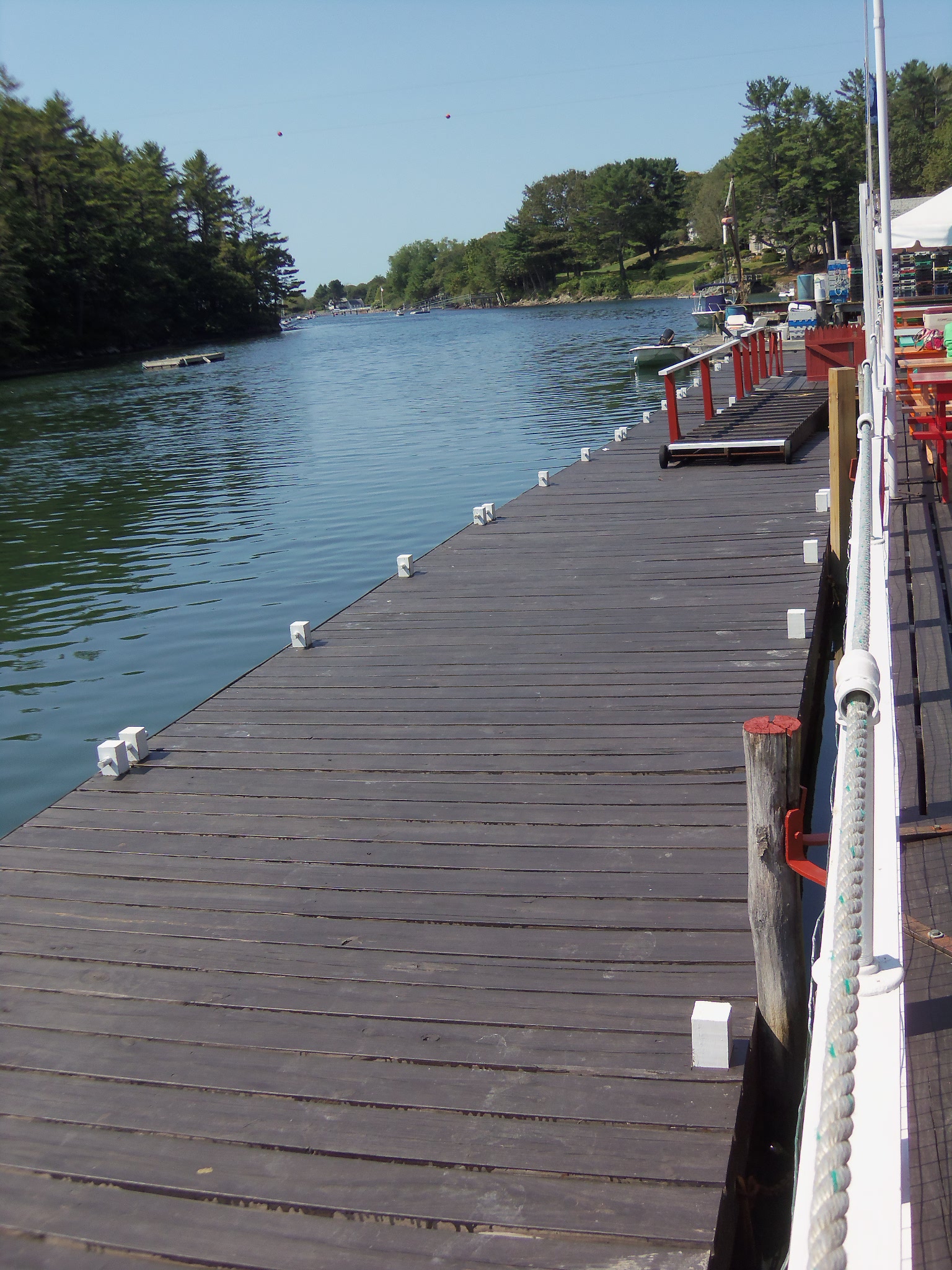
This lovely tidal channel links Pepperell Cove to a town park called Seapoint and sets Fort Foster off on its own island.

A soft drink of local note – or notoriety, depending – is thick, dark, bitter Moxie. Think molasses. Or patent medicine, as it originated.
The soda has a cult following, something that mystifies many of us. Well, in our part of New England it’s something like Dr. Pepper is elsewhere. Hardly a universal taste. Either you get it or you don’t.
Well, there’s also Red Bull, which commonly gets teamed up with Jagermeister – as the Jagerbomb. The rumor is it’s so popular with underage drinkers that anyone buying Jagermeister at the State Liquor Store will get carded, regardless of age.
So the other day I noticed one of our neighbors sitting out in the sun and sipping … Moxie.
What, no Jagermeister with it?
No, he said smoothly. Moxie goes with Captain Morgan.
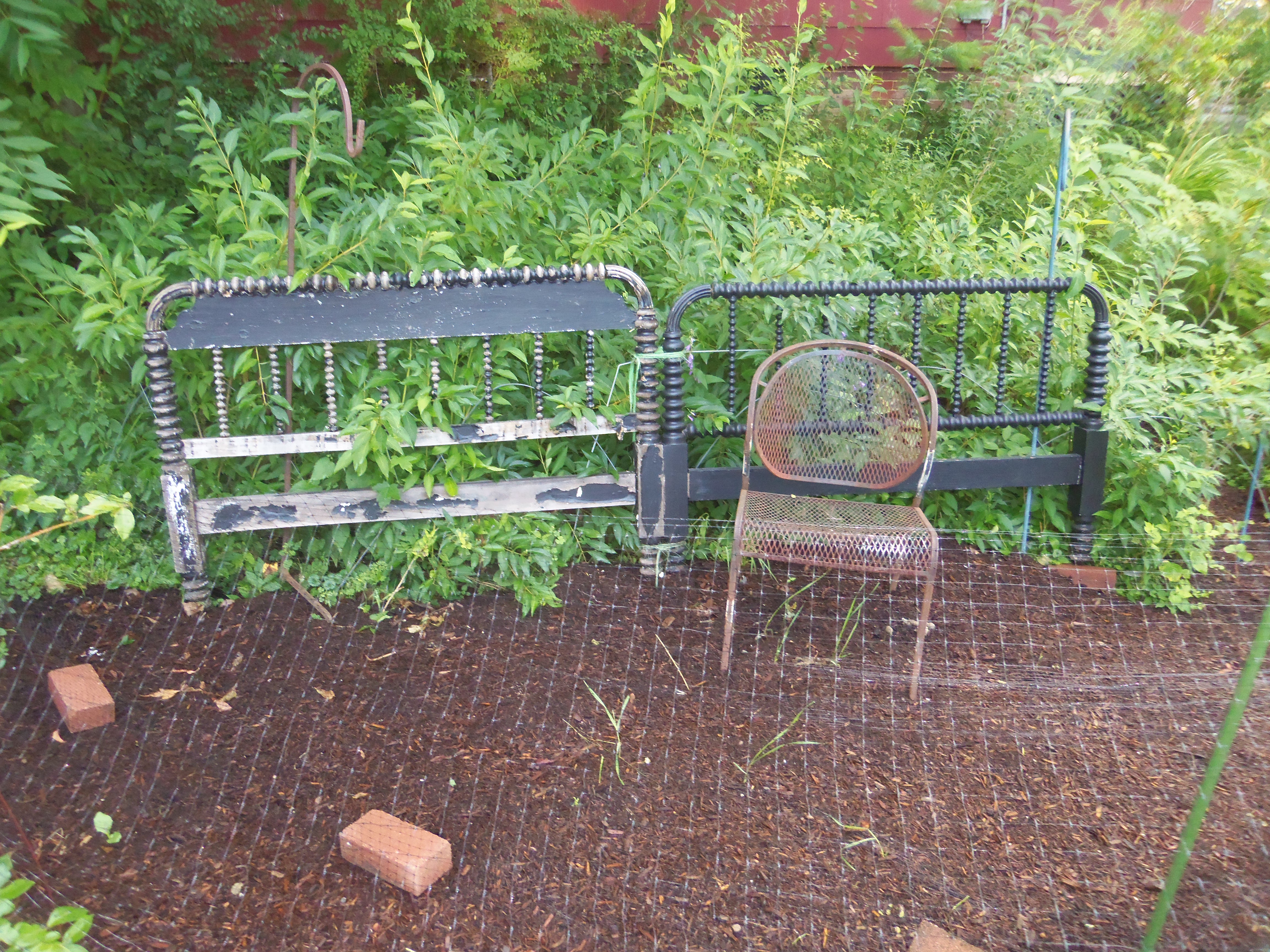 The bed stand, salvaged from a roadside, holds forsythia back so the blueberry bushes may thrive. The netting in the foreground is actually on the blueberry bushes, to keep birds and squirrels from picking all the berries, rather than on the ground, where the bricks anchor the netting.
Another blast from my past:
I spoke in Meeting about being a flatlander from a landlocked place and my ongoing fascination with the tides and moods of the ocean, leading into my first experience on a sailboat which was also my first experience out on the Atlantic and my first time of seeing a whale, which popped up in front of us.
I then mentioned another trip when my boss asked me to take the till and my surprise at feeling the wind pull the sailboat in one direction while the current tried to turn it in the opposite and how I was trying to steer to a compass point in-between – me, who would rather avoid conflict. On top of it all, it was a day when we could not see our destination, the Isle of Shoals, but had to trust our maps and calculations. Then, too, Peter’s girlfriend laughed, realizing my fear of having the boat be blown over. “Don’t worry,” she said. “If the boat tips that far, the sails will deflate and we’ll right again.” She paused before adding, “Besides, if there’s really a big gust, there’s nothing you can do about it. That’s how I lost my boat.”
As I spoke, I admitted the associations of wind to spirit (inspiration) and, as I’d now add, intellect, and of water to emotions and the unseen, while we are here in our own little vessels steering in the hope of an unseen destination.
Afterward, one Friend told me of the importance of finding that point of critical tension in our lives, where things can be accomplished. I now see this in contrast to the Tao, path of least resistance or way of falling water.
A second round of memories involves an ability to choose the right sail or combination of sails to fit the wind, as well as the lulls. The emerging harmony, too, between the winds and the waves, the lift and fall along the way.
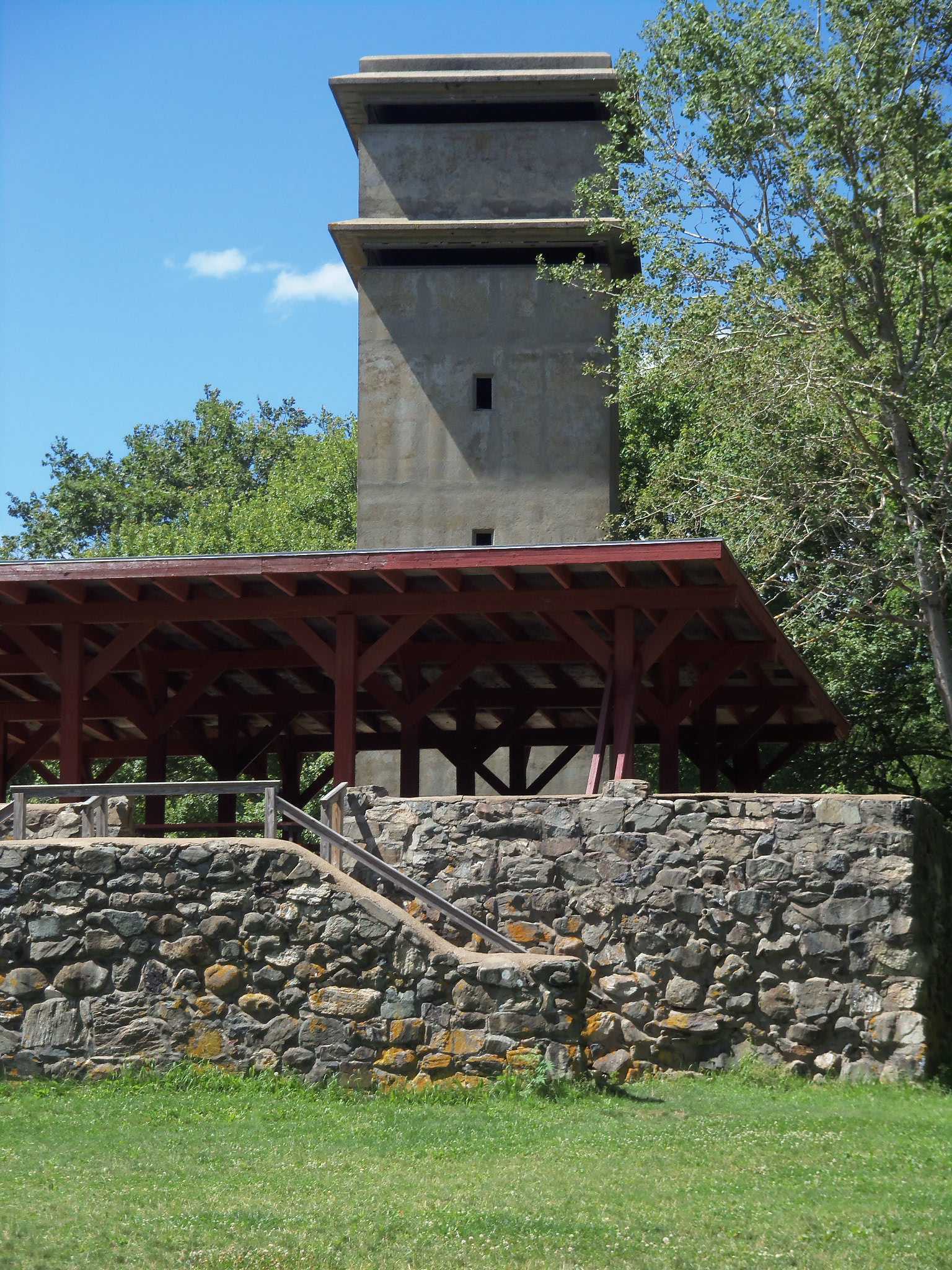
At the mouth of the Piscataqua River downstream from where I live, Fort Foster has long guarded the entrance to Portsmouth Harbor. It’s now a town park.
By purchasing a season pass each year, I’ve come to consider it my private patch on the ocean — one shared with some folks who’ve become sunny friends as we swim and then warm in the rays.
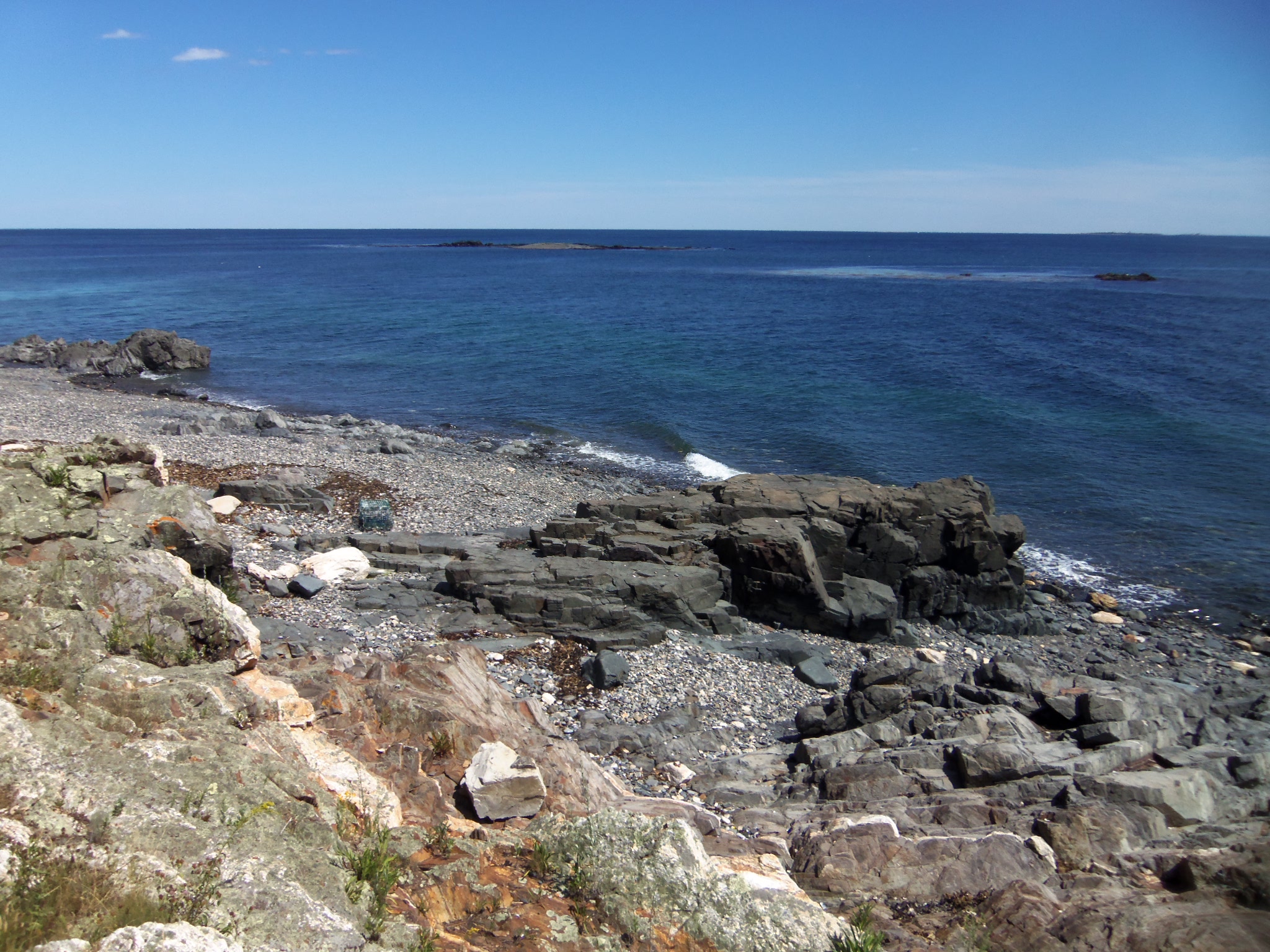
The rocky shoreline allows a fine introduction to tide pool life, while the pebble beaches have their own experience. There are also some sandy pocket beaches and a trail to meander while looking out over the cobalt Atlantic.
A call to my cell phone the other Monday threw me for a loop. I was on the way back from my daily swim when I got the news that the first round of three cords of stove wood was on the way.
What it meant was that one end of our driveway would soon be buried in cut and split wood and my plans for the rest of the week would drastically change. Except for one day of thunderstorms and rain, I’d be stacking – always a lesson in the process of writing and revising, actually, including its exercises in structure and observation. Do it right, and it’s solid for seasoning into several winters. Sloppy, and it all falls apart.
Among my other thoughts was the question of how many more years I might be doing this. The wood felt heavier than I remembered. Even with my new routine of daily exercise, achy muscles and joints started appearing. At least I had the perspective of knowing how long you just have to keep plugging away before you notice any progress – and then, somewhere in a sensation of futility, you might experience that flash of realizing you’re making progress. The second half usually seems to go faster than the first half, too, unless you get overly anxious.
Now I sit back and admire that wall of stacked fuel – the one I’ll take down, piece by piece, all too quickly some winter.
Lake Winnipesaukee wanders through the center of New Hampshire. Here’s a portion viewed from the top of Mount Major.

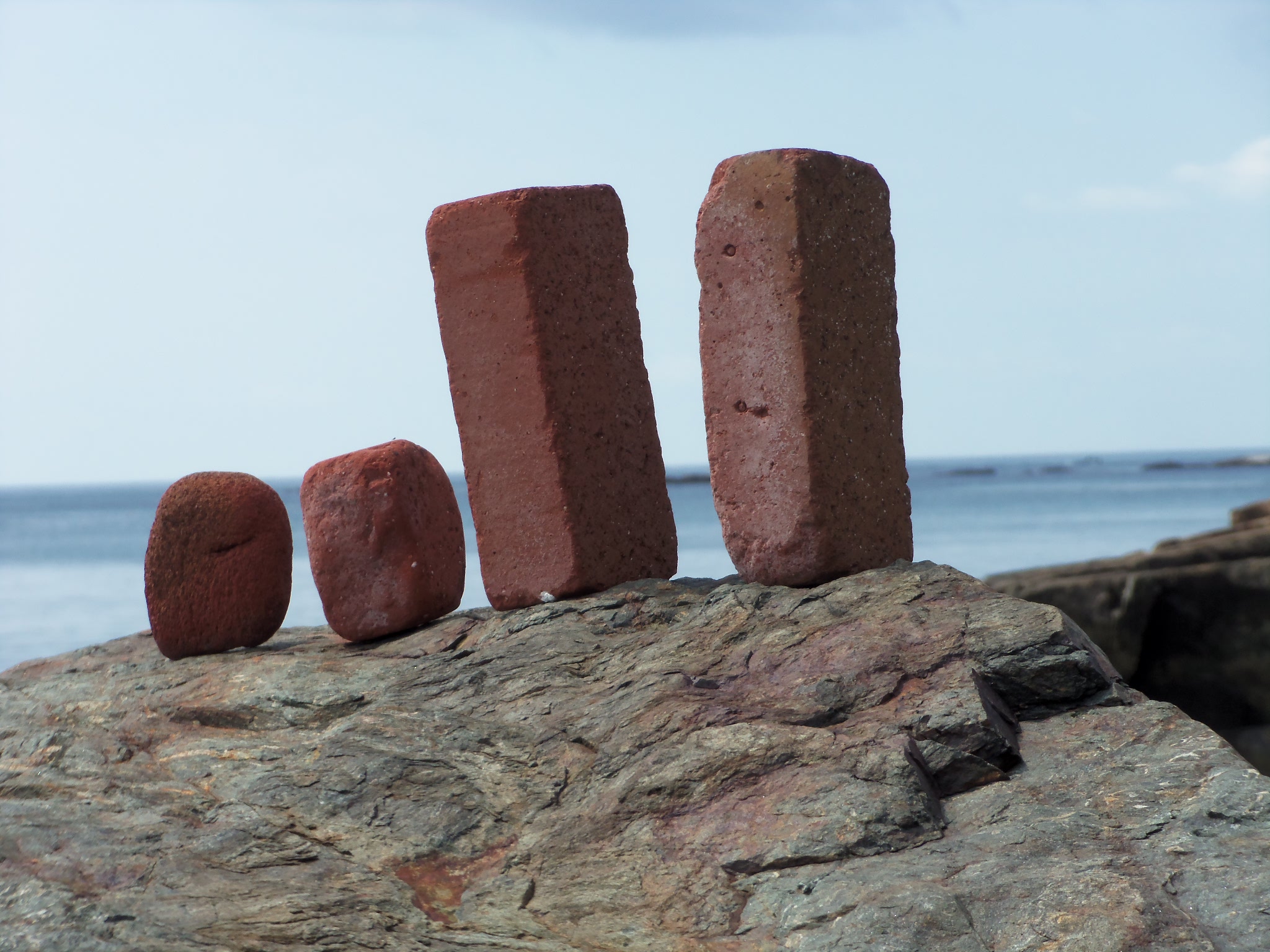 No idea who left them this way, either.
 Jnana's Red Barn