Solemn, spirited steps

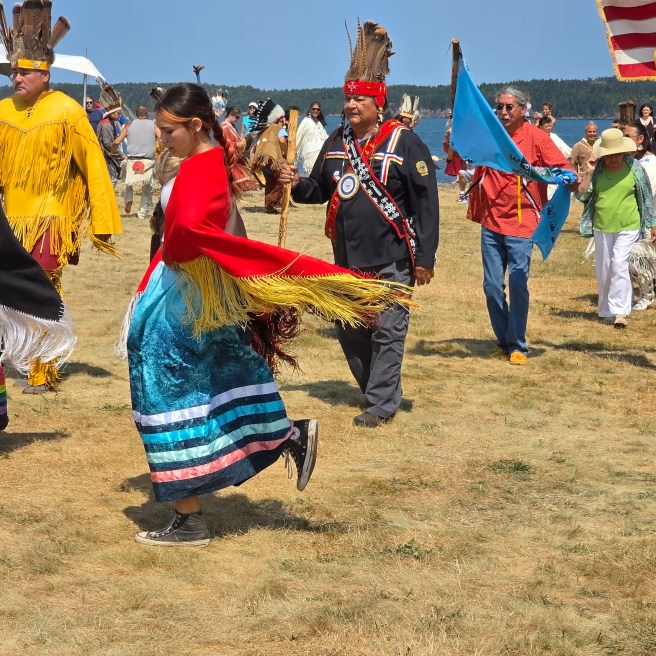
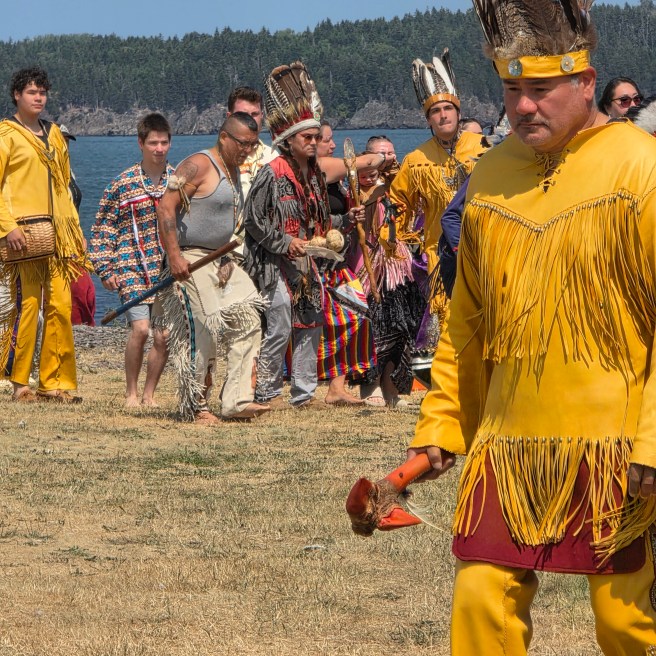
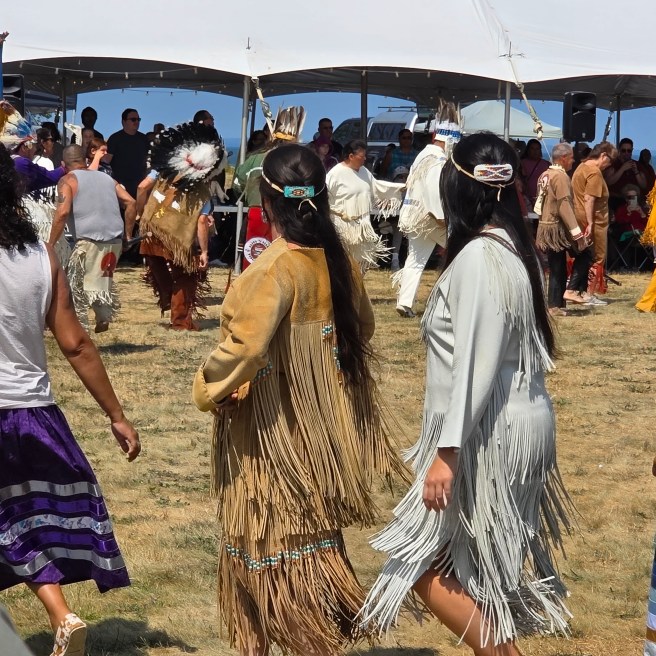
Tribal dancing at Sipayik is a major community activity at the annual Passamaquoddy Days gathering. It does bring back memories for me of the Native dance competitions (and big jackpots for winners) when thousands from across the continent gathered for Tinowit in the Yakima Valley. This is much smaller and closer to home, in more ways than one.
 

Step by step somewhere into the wild

Walking unrushed, meaning outdoors, in fresh air, releases something within me: I feel freer. When I begin, I’m like a slightly out-of-tune violin. I enter the woods full of thoughts, problems. The office is still with me, along with many worries. The wind may scurry up leaves, and I jump and then freeze, startled that I may have scared up a large animal of some sort. Or perhaps it’s be a twisting item that resembles a snake. Sometimes the sun stings my eyes. I adjust, from one system of time and timing to another.

As I fall into a rhythm, my mind clears. Poems begin.

In the hills or mountains or along the water, the world is always fresh: sunlight on branches or water.


Drumming circle

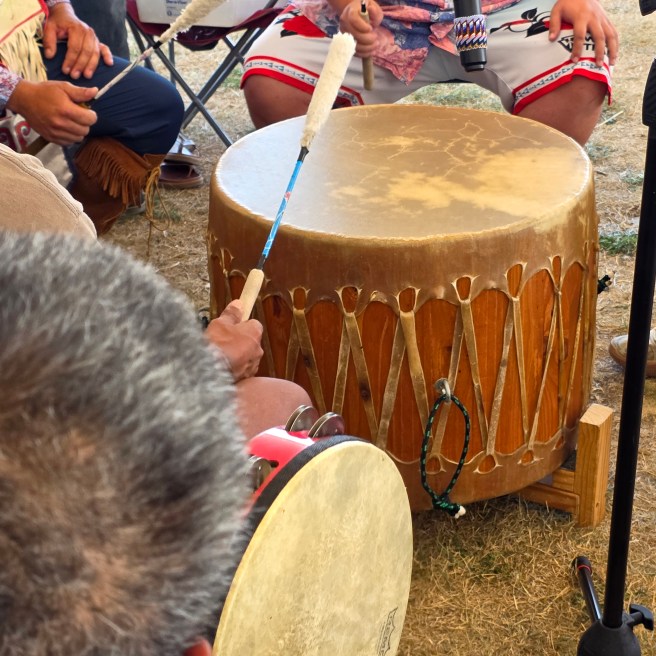
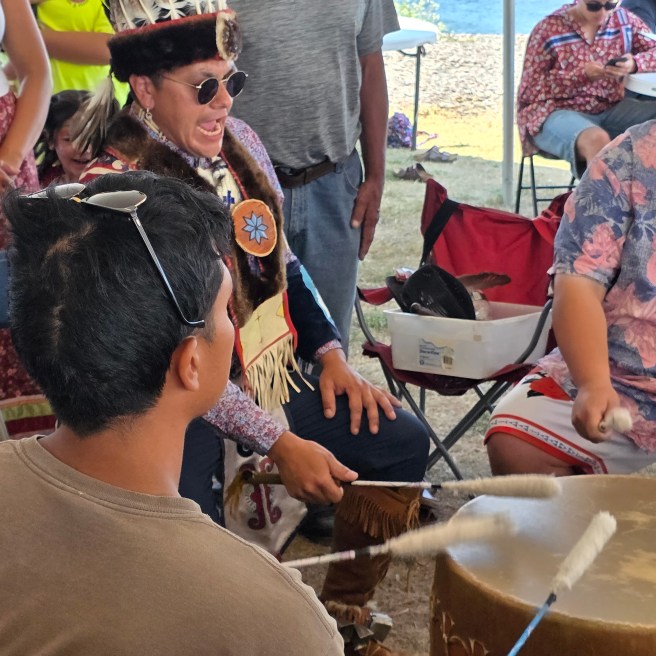
My introduction to Native drum circles came at the annual Tinowit pow-wow on the Yakama reservation in Washington state. That event is much larger than the more relaxed annual Passamaquoddy Days gathering near my home in Maine today, but drum circles are still an important part of the culture and identity. By the way, the Passamaquoddy emphasize that their celebration is NOT a pow-wow. There are some formal distinctions.

Dance! Dance, then!  

Some parts of my life today, here in the easternmost corner of the USA, echo my experiences in the interior Pacific Northwest. Dancing at the Passamaquoddy Days, which tribal members pointedly say is not a powwow, is one of those. At the Yakama reservation’s Tinowit, the event was much larger and more established. Here, it’s more a sense of rediscovery and reconnection, which has its own sense of excitement, especially as the younger members of the community gain familiarity with those roots.


Pitcher plants after a goodly rain

An ascent of Mount Washington in New Hampshire in 1974 and then in the high country the Cascade Mountains starting two years later introduced many magical arctic flowers to my awareness, along with prickly pear cactus in the desert to the east where I lived and worked for four years.

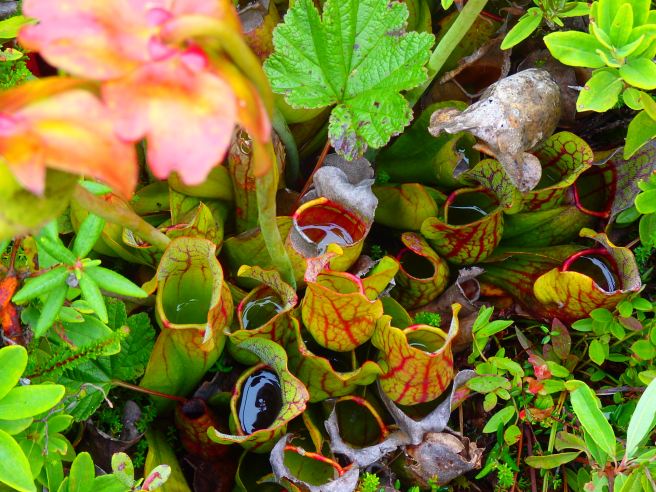
The fly-eating pitcher plants, found in arctic peat bogs in our corner of Maine and New Brunswick, continue that exotic delight.


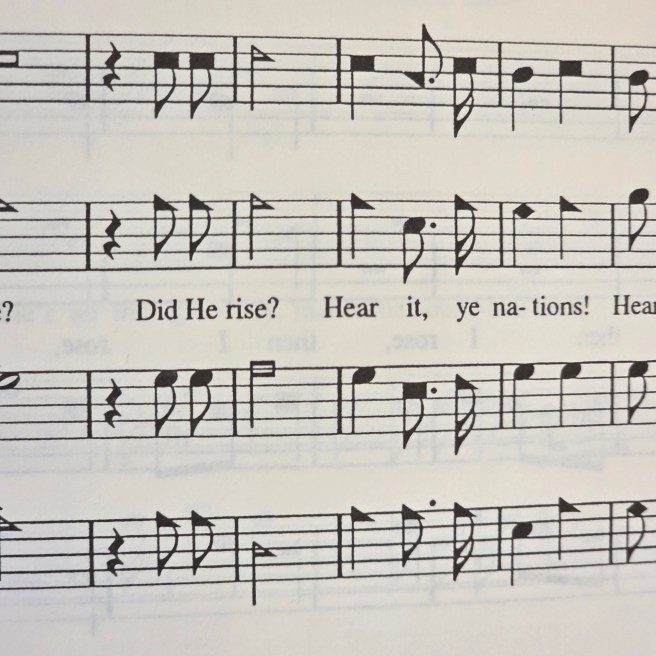
Did He rise? Hear it, ye nations!

Music written with distinctive shapes for each pitch became a way of training American amateurs to sing harmony in a choir. Fa-so-la plus mi, rather than do-re-mi, for starters. Known as shape-note singing, it led to a distinctive style of hymn performance called Sacred Harp, especially popular in the South. Here’s a bit from the Easter Anthem by colonial New England composer and tanner William Billings. I learned the piece with Mennonites and can attest that shape notes can be so much fun.


What is it about fresh snow?

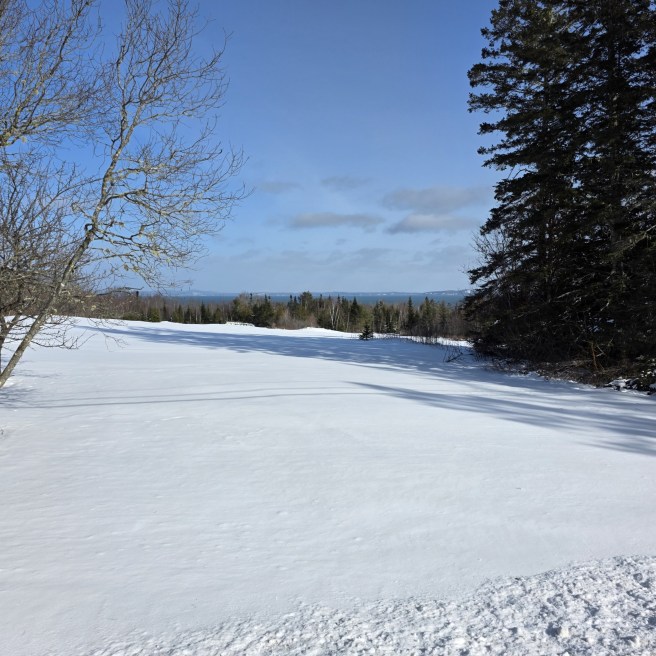
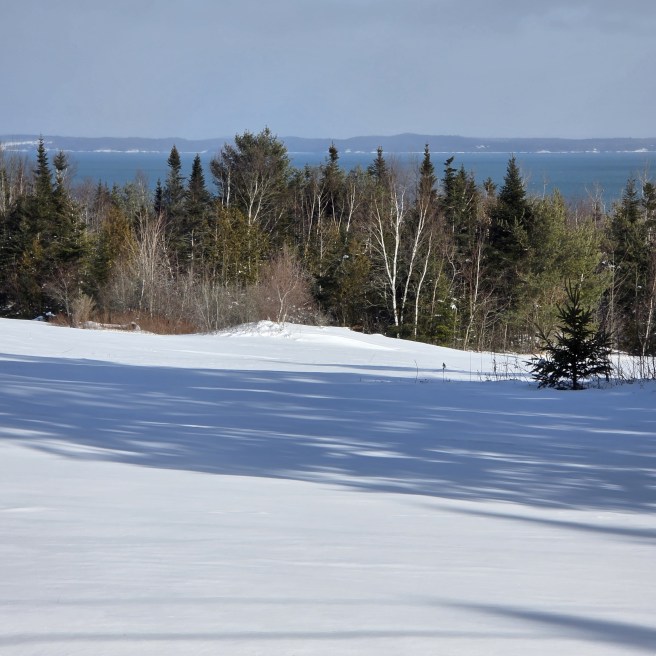
A snowy winter like the one we’re having reminds me of Upstate New York and the Poconos back then. The season’s longer and more intense than what I had growing up in southern Ohio and later in college in southern Indiana.

Here, though, I also have the Atlantic, as Passamaquoddy Bay, and Canada beyond it in the mix.

Welcome to my world, now and back then.

How about your winter?