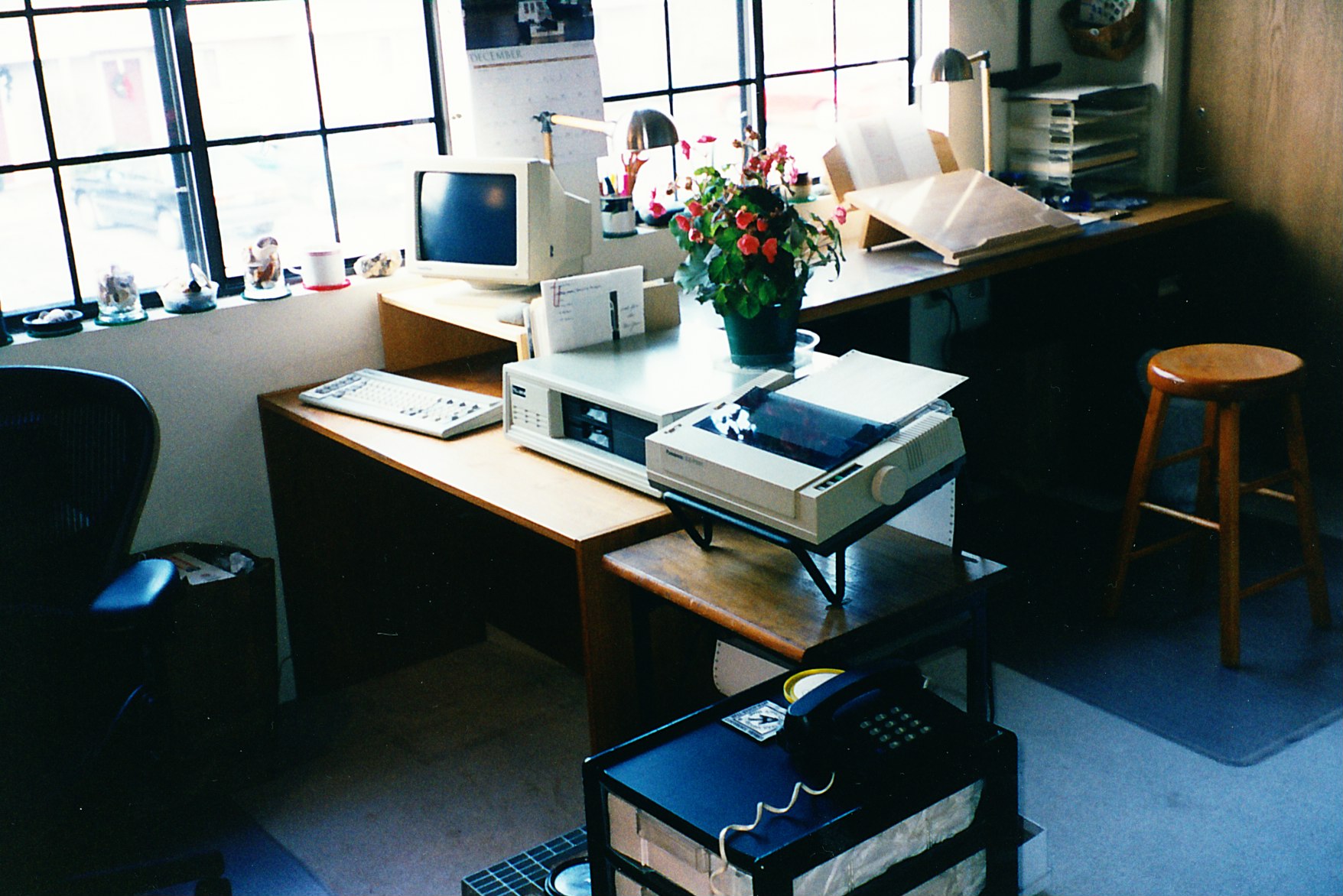
For a decade, I lived on the highest point in the city of Manchester. Sometimes I called the development Yuppieville on the Mountain, but its views of sunsets could be stupendous. There was even a city-run ski lift on the other side of the freeway.

You never know what we'll churn up in cleaning a stall
For a decade, I lived on the highest point in the city of Manchester. Sometimes I called the development Yuppieville on the Mountain, but its views of sunsets could be stupendous. There was even a city-run ski lift on the other side of the freeway.
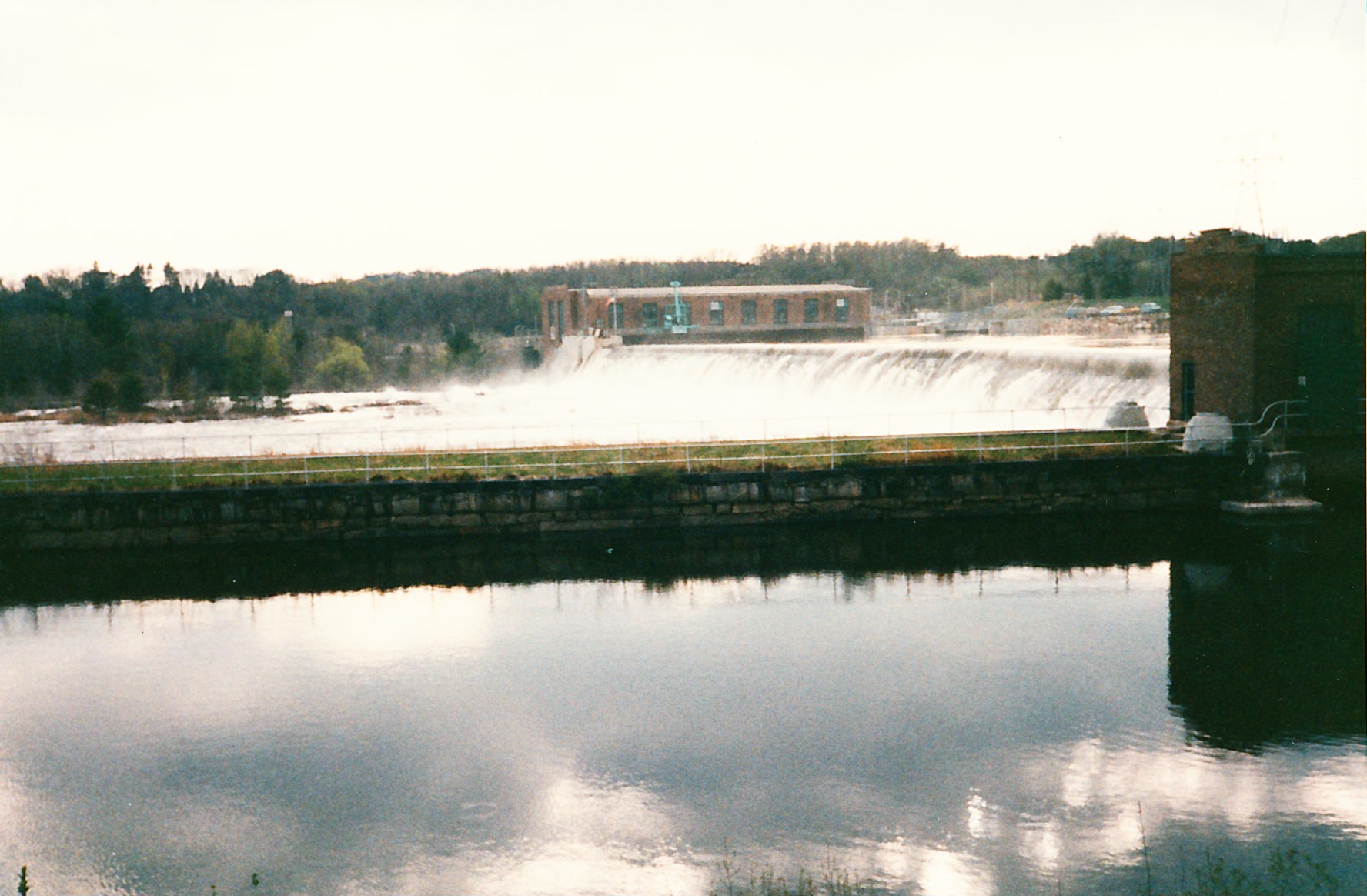
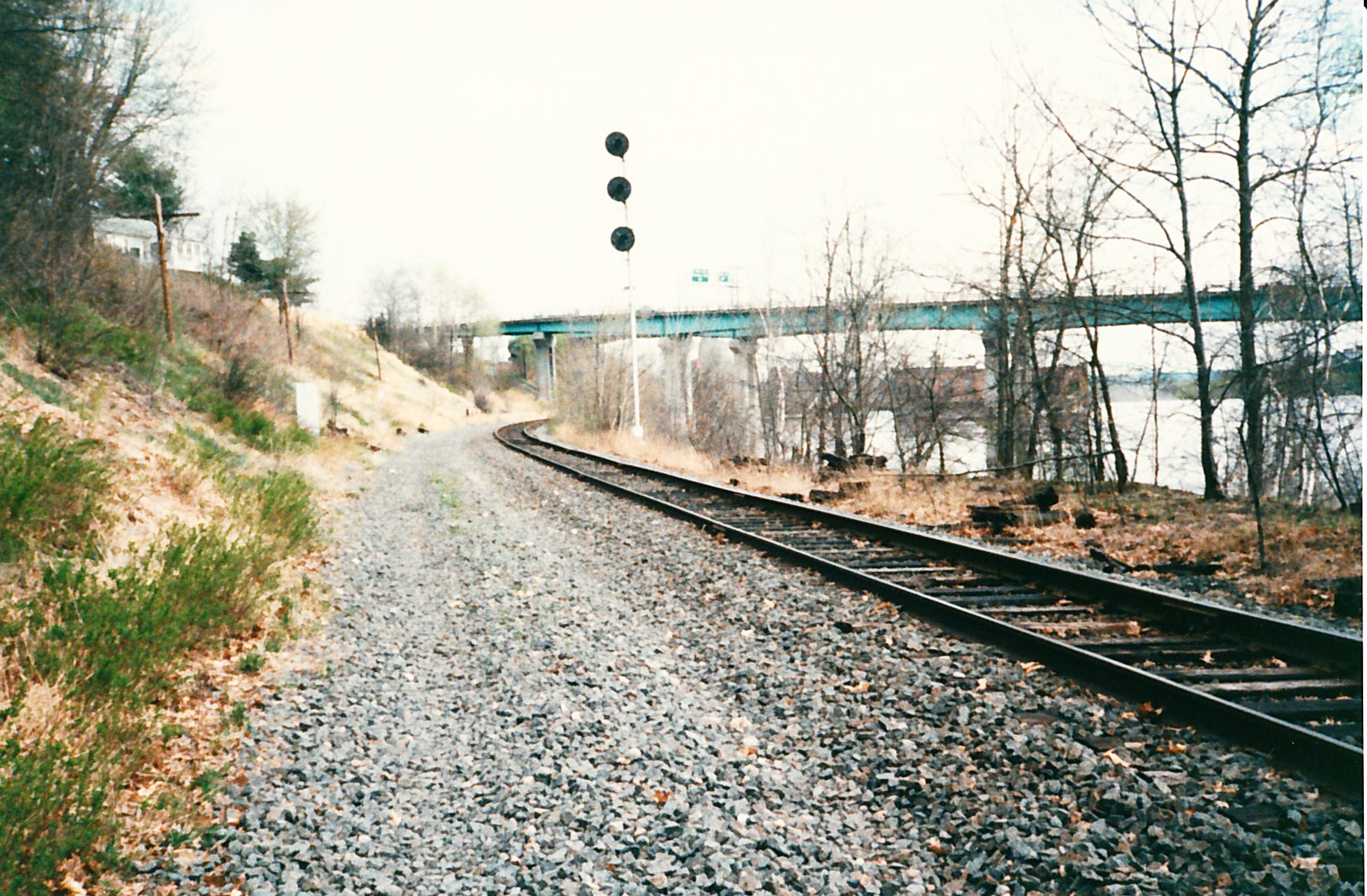
For three years I lived along the banks of the Merrimack River, a primary energy source for 19th century New England industry.

Ever look back and wonder when you first encountered an item that’s now one of your go-to menu items?
Oh, I can remember when pizzas first invaded our neighborhood – the smell of oregano easily triggers that preschool memory!
But the Greek wrap called a gyro – and pronounced HE-ro – remains a mystery. I may have discovered it, along with souvlaki, in the late ’70s in the University District of Seattle, back when we’d visit from the interior desert. Or it may have come from a takeout place we ordered from at the newspaper, a decade-and-a-half later.
I do remember a heavenly example from a wood-fired stove at the Common Ground Fair in Unity, Maine, back in 2002 – along with a wait in a very long line.
More recently, it’s been the highlight of dinner before our weekly choir rehearsals in Watertown, Massachusetts.
Just remember, no onions on mine, please.
New Englanders – at least those living in old houses – will occasionally speak of ghosts, and their stories can be compelling, no matter how skeptical the listener.
Of course, the specifics can differ. A dark apparition moving silently through dark hallways – or, in other modes, clumping loudly up and down the staircase. Leave empty junk food wrappers and soda cans and bottles on the counters and coffee table and even in the unmade sheets. Laugh eerily at midnight. Slide in front of you at the bathroom door, close it, lock it.
Drain the wi-fi bandwidth.
Expect steak and lobster and cheese while ignoring lettuce or eggs or peas.
But have you ever heard of a trail of stench that follows its movement? Oh, that detail is so telling. The fear of taking a shower, as well – the soap and washcloth remaining untouched.
They speak of the chill you feel, more than the dense smoky cloud. Or the echoing conversation as it’s twisted with a chortle and thrown back.
One version, in fact, has every intimate conversation accompanied by a Hollywood laugh track. And that, I’ll contend, is the most annoying.
 A boulder resembles a round loaf on a breadboard. Maybe it’s just there for giants in the night. The leaves on the ground give an idea of its size.
When I moved to Baltimore, I was surprised to find all of the local pizza parlors were owned by Greeks. Not Italians?
Well, it took time before I discovered the alternatives, beginning in the city’s Little Italy.
But that occurred about the same time I was told most diners were owned by Greeks, too. And I’ve come to love diners, even though I’d been introduced to the real thing way back right after college. They just weren’t fashionable then.
Well, somewhere in-between there had been the Dairy Queen owned by a Greek-American who, though a big error by the Bank of France, wound up instantly nearly seven-figures rich – and took flight to his homeland before the error was discovered. It was a big news story where I was for the next month, before he repented and returned.
So more recently, I ordered a pizza from a local parlor. Wanted to support a young friend who works there. When I picked up the box, there was no gaudy image of a fat smiling chef on the top of the steaming box – a good sign, in my book. And then I noticed the design was mostly white with blue trim, adhering to the national Greek colors. Along with a border of … the signature Greek key pattern. OK, I thought. I get it. Even before I noticed the words gyros and pizza in a little house, side by side.
That does it. I’m definitely going back for a gyro.
And, for the record, the box is distributed from our favorite Italian grocery in Portland, Maine. Has me wondering about the rest of the story.
I learned to backpack as a Boy Scout. Our troop was big on primitive camping using homemade trail tents.
When you successfully passed the requirements for the Second Class rank (twice – ours was a strict troop), you got to construct your own pack frame. When we went camping, you had everything tied tight to it – inside your sleeping bag, which was rolled into the trail tent.
When you were awarded the First Class rank, you were privileged to weave and stain a rectangular basket that was then bolted to the frame. Your sleeping bag would be rolled up in the tent and tied to the top of the basket, while the rest of your goods went into the basket itself – a much more convenient arrangement.
You couldn’t buy a backpack like that anywhere except, maybe, a very expensive outfitter’s.
What I learned along the way was equally priceless.
The pack on the cover of my poetry volume is a more traditional design, but it still stirs the memories.
~*~
 To see more, click here.
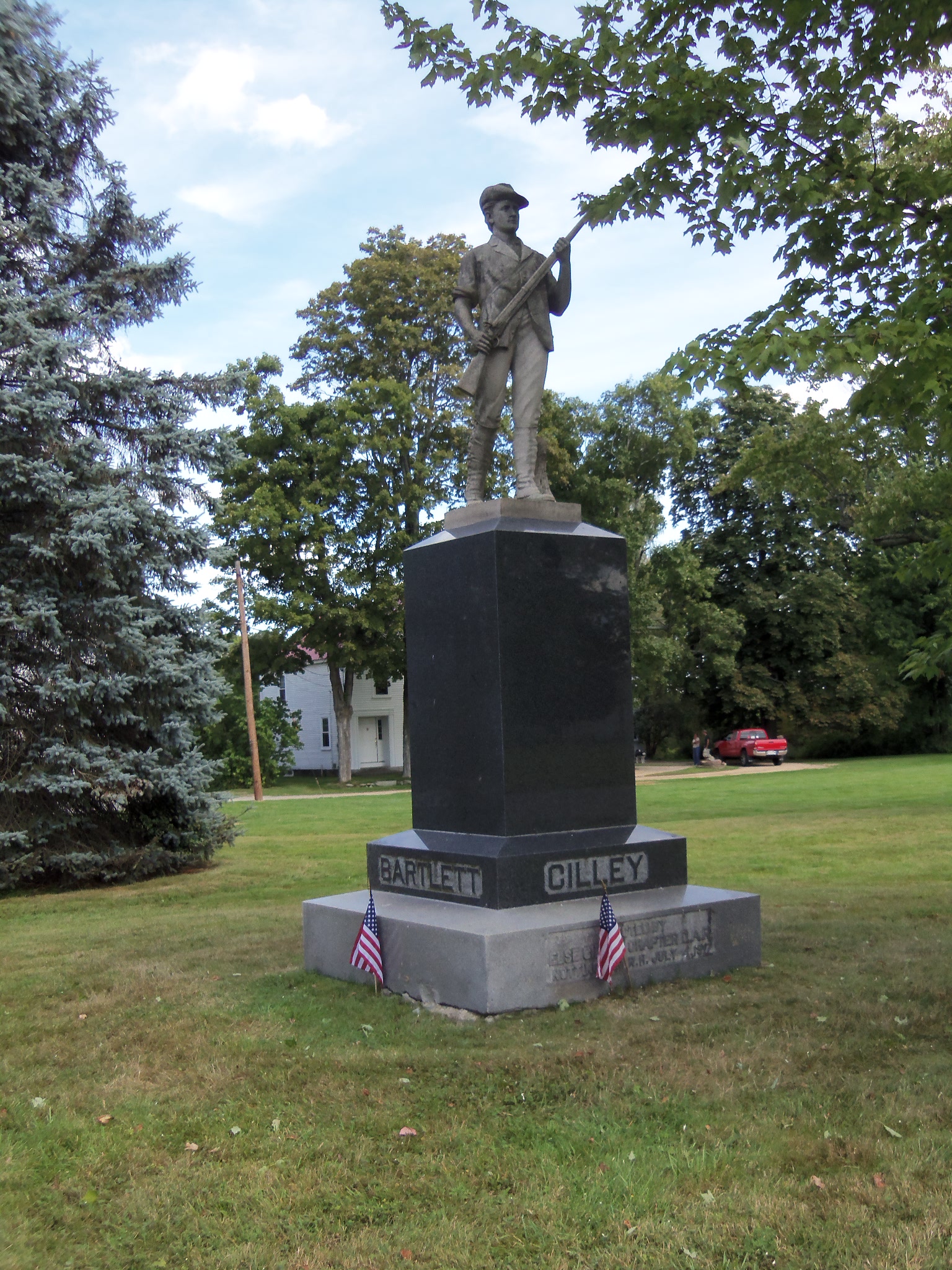
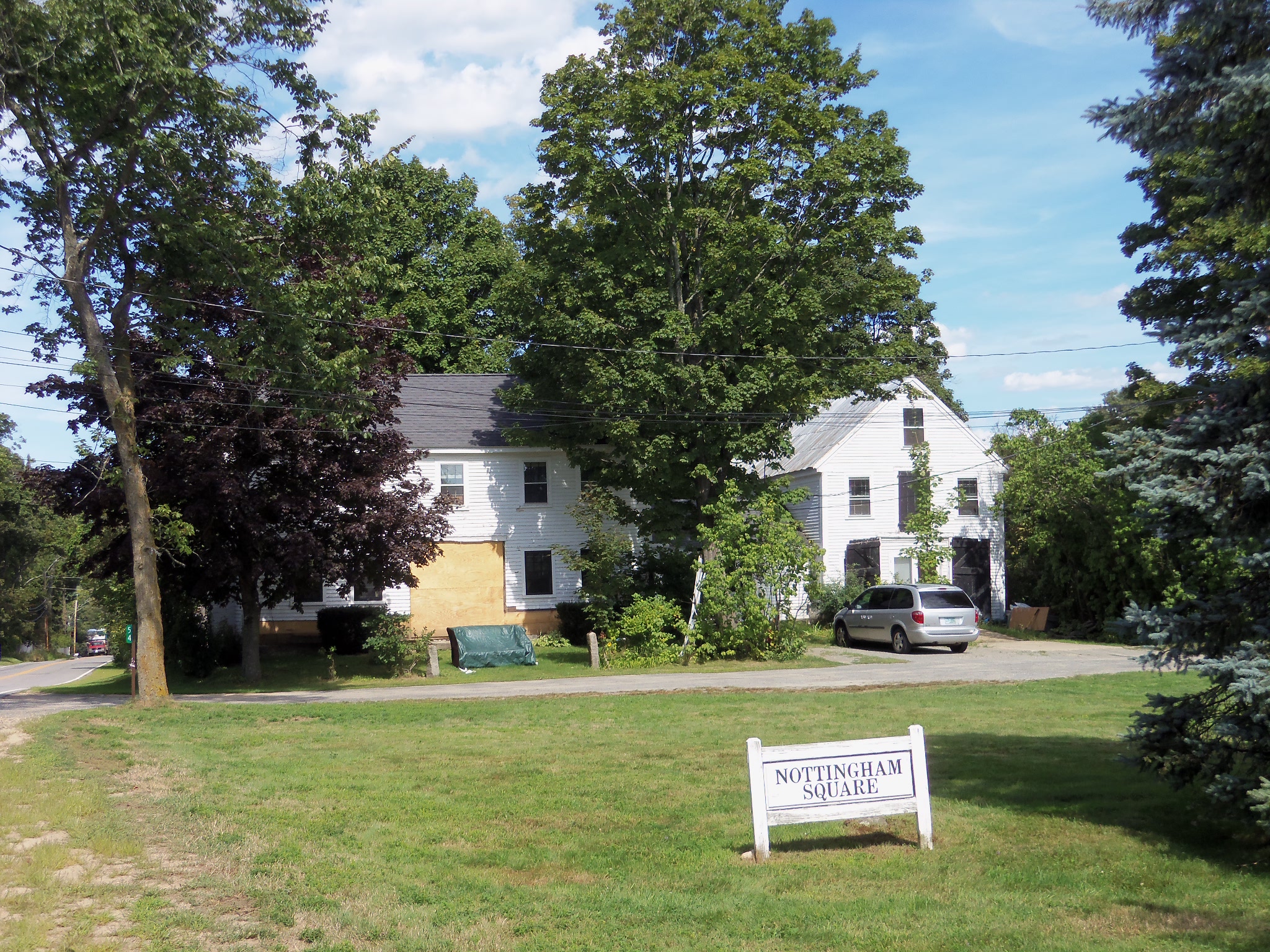
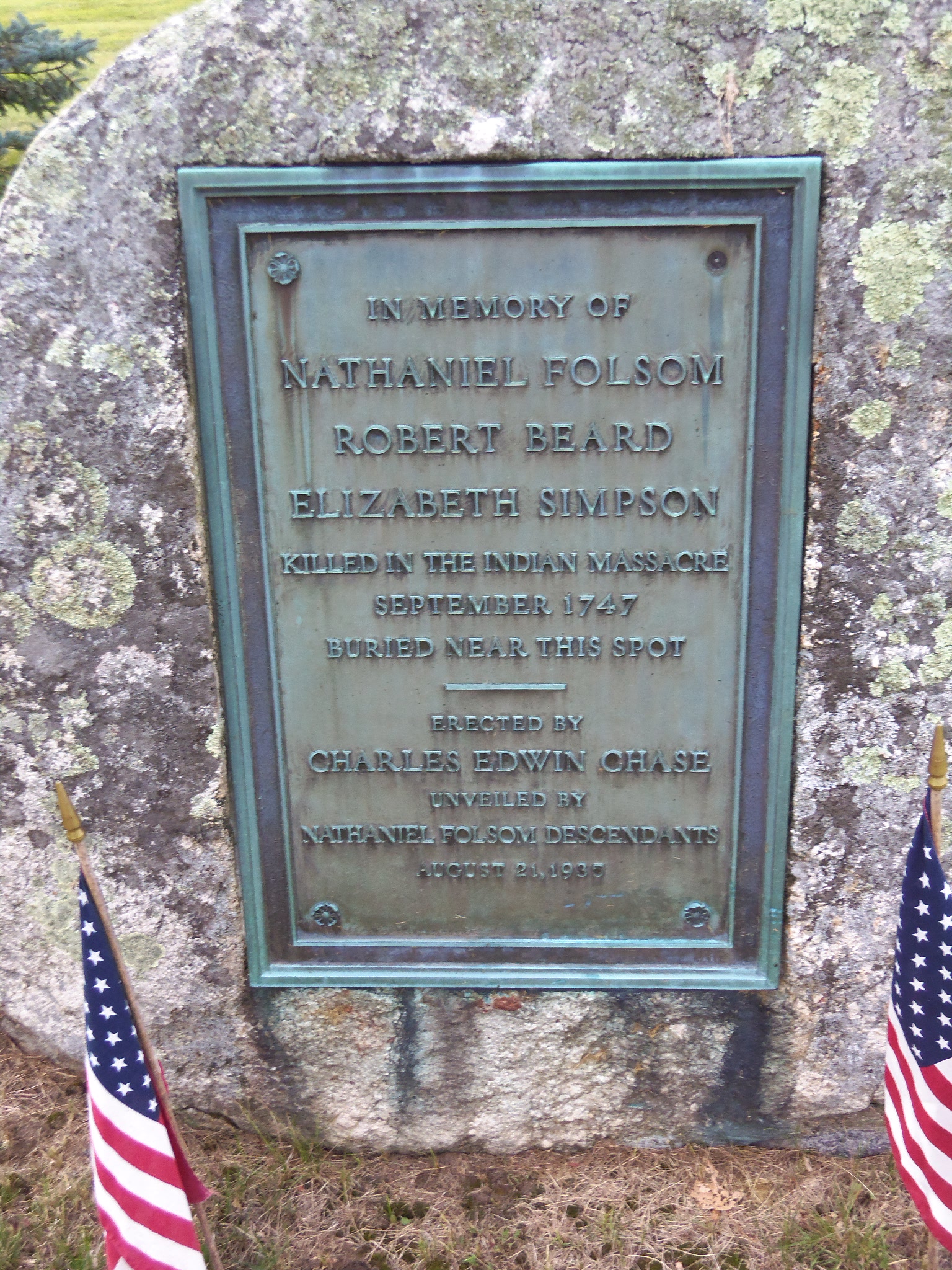
Hearing the distant sounds of cannon at the Battle of Bunker Hill to the south, local militia mustered here on Nottingham Square in New Hampshire and began marching to combat. It’s only an hour-plus drive today.
 Here are some quackers seen at a gathering of Quakers.
 A stroll along the Atlantic offers more to see than just the ocean.

 Jnana's Red Barn