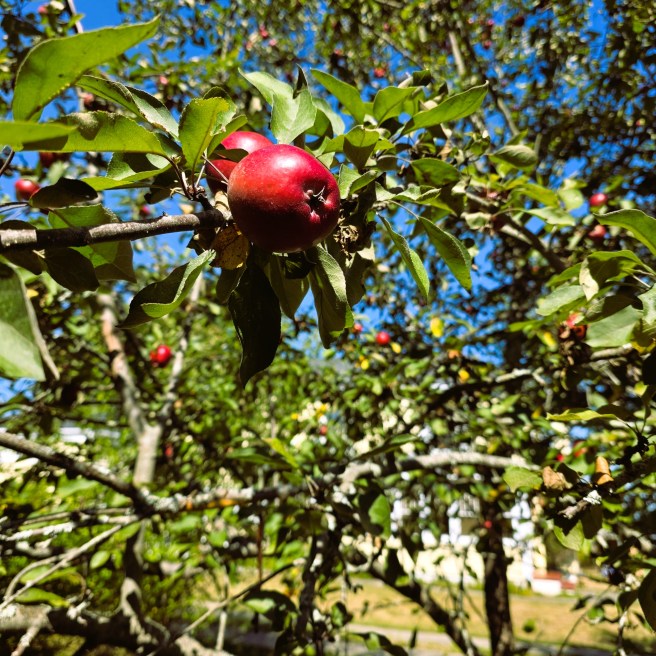
My corner of the universe is laced with apple trees gone wild. This time of the year, they especially remind me of my years in the Yakima Valley of Washington state. These, though, have a distinctly New England air.
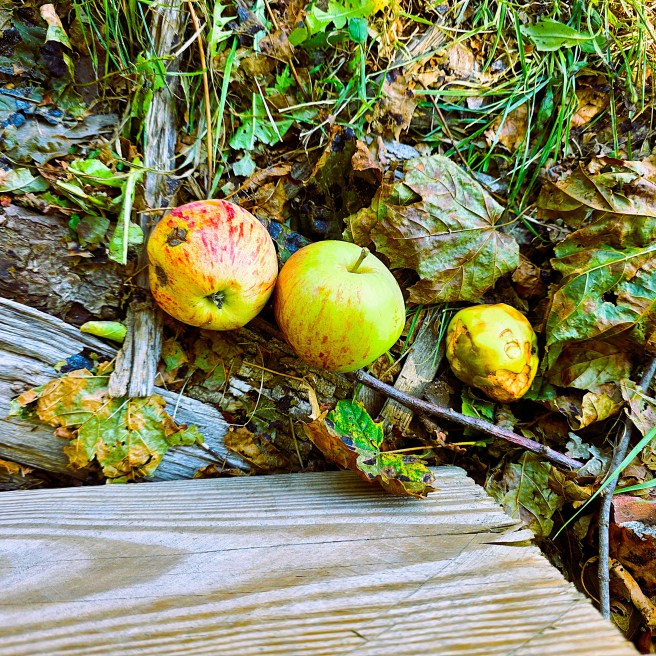
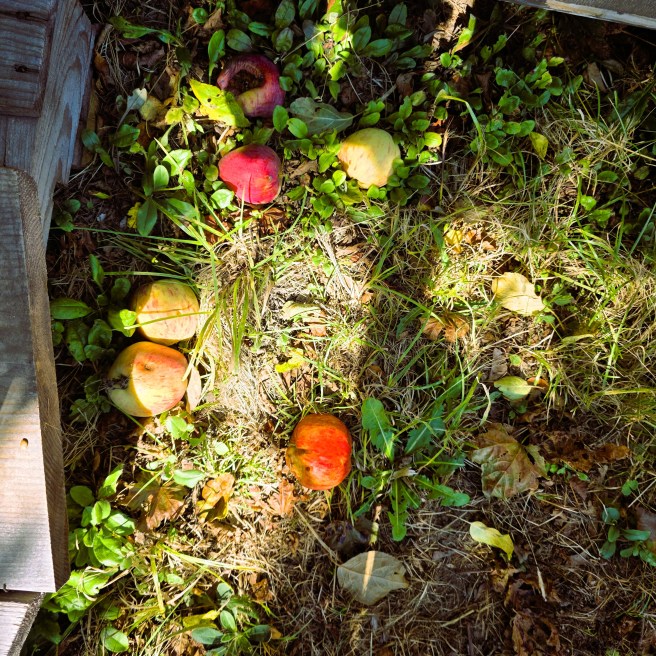
You never know what we'll churn up in cleaning a stall
My corner of the universe is laced with apple trees gone wild. This time of the year, they especially remind me of my years in the Yakima Valley of Washington state. These, though, have a distinctly New England air.
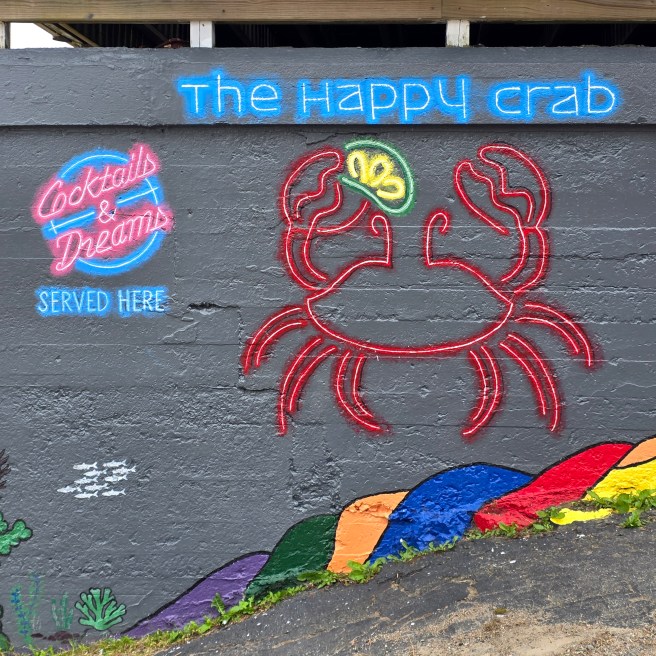
The late Kate Devonshire created this mural for a dive about three blocks down the street from us. I still miss Dungeness crab, a local delicacy when I lived in the Pacific Northwest, although lately I’ve been enjoying picked meat from the smaller Jonah and rock crab varieties, which proves just as sweet and tender. The Chesapeake traditions that I encountered in Baltimore will await a post for the future. The deck of the Happy Crab, do note, is usually packed all summer.
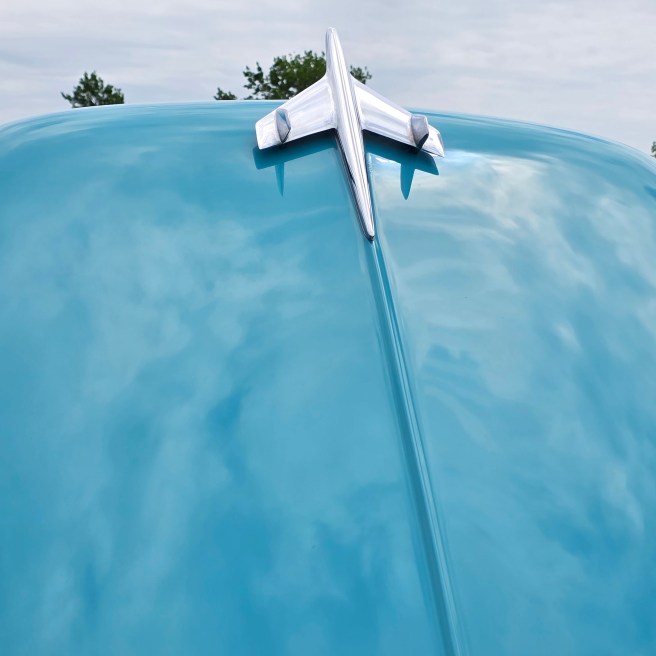
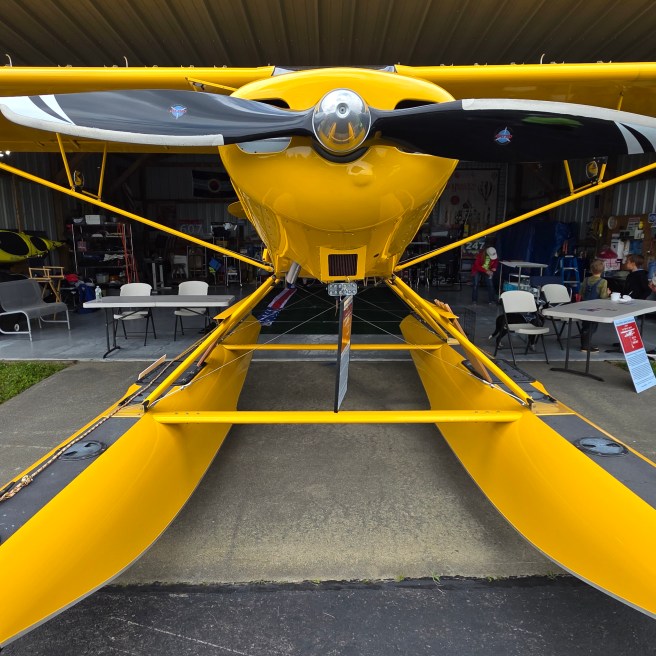
As seen at our local airport.
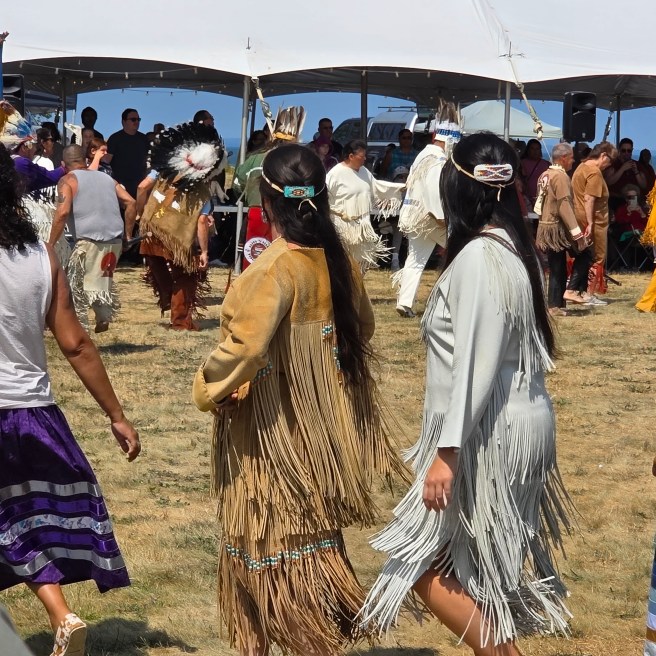
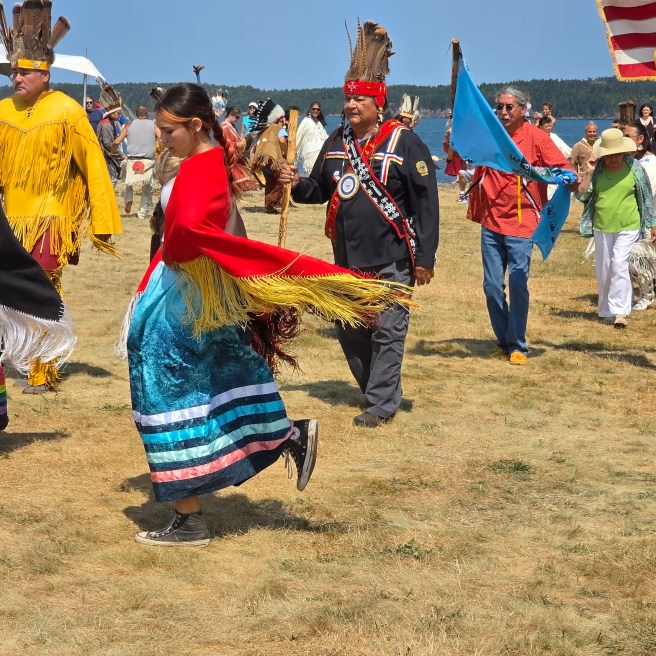
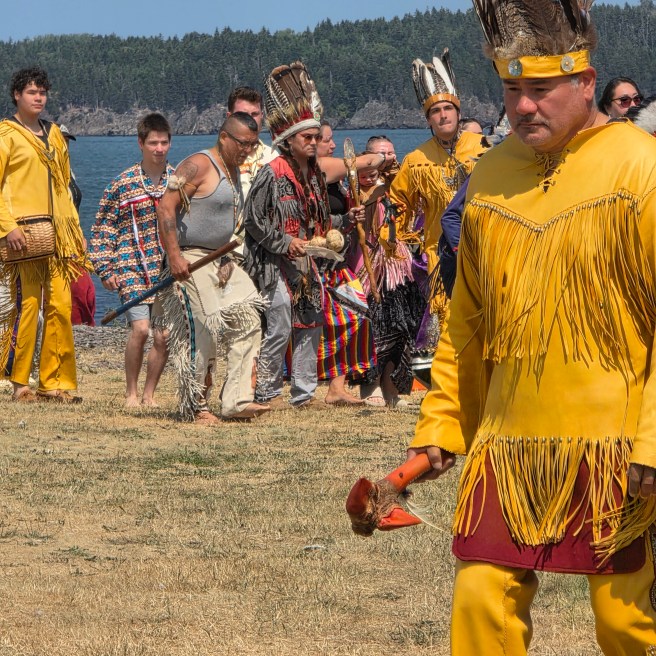
Tribal dancing at Sipayik is a major community activity at the annual Passamaquoddy Days gathering. It does bring back memories for me of the Native dance competitions (and big jackpots for winners) when thousands from across the continent gathered for Tinowit in the Yakima Valley. This is much smaller and closer to home, in more ways than one.
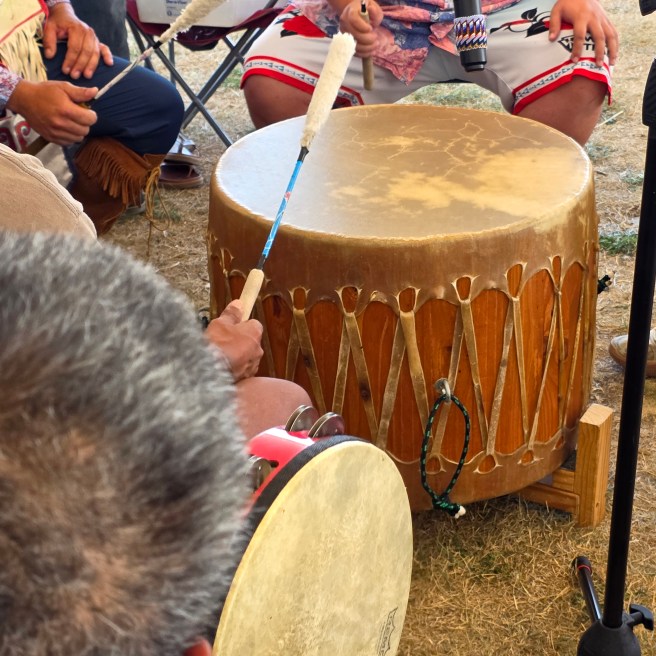
My introduction to Native drum circles came at the annual Tinowit pow-wow on the Yakama reservation in Washington state. That event is much larger than the more relaxed annual Passamaquoddy Days gathering near my home in Maine today, but drum circles are still an important part of the culture and identity. By the way, the Passamaquoddy emphasize that their celebration is NOT a pow-wow. There are some formal distinctions.
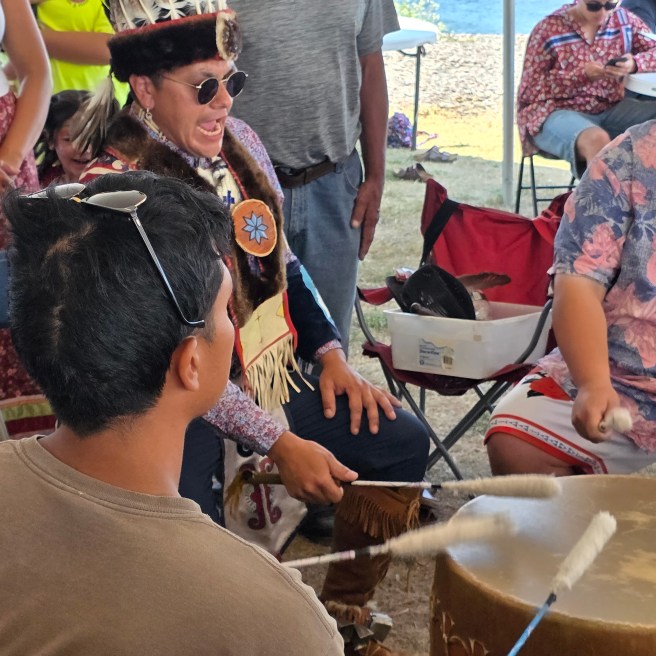
Some parts of my life today, here in the easternmost corner of the USA, echo my experiences in the interior Pacific Northwest. Dancing at the Passamaquoddy Days, which tribal members pointedly say is not a powwow, is one of those. At the Yakama reservation’s Tinowit, the event was much larger and more established. Here, it’s more a sense of rediscovery and reconnection, which has its own sense of excitement, especially as the younger members of the community gain familiarity with those roots.
A favorite flower that came to my attention while living in the ashram is, alas, also a favorite of the deer who graze our yard. Like other fav blooms, this has gained a host of warm associations ad memories over the years.

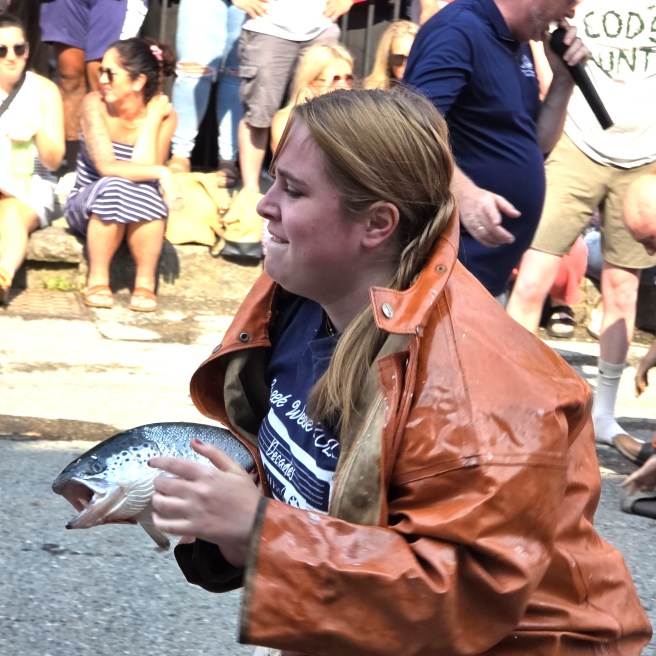
The codfish relay, using local salmon, is one of our many Fourth of July and Homecoming Week traditions.
An ascent of Mount Washington in New Hampshire in 1974 and then in the high country the Cascade Mountains starting two years later introduced many magical arctic flowers to my awareness, along with prickly pear cactus in the desert to the east where I lived and worked for four years.
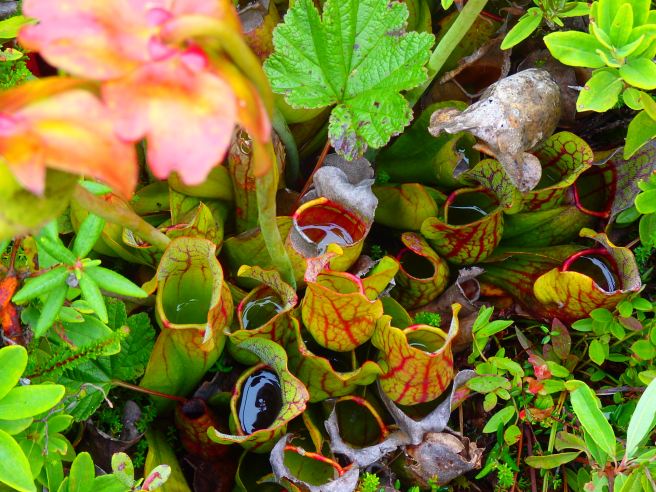
The fly-eating pitcher plants, found in arctic peat bogs in our corner of Maine and New Brunswick, continue that exotic delight.
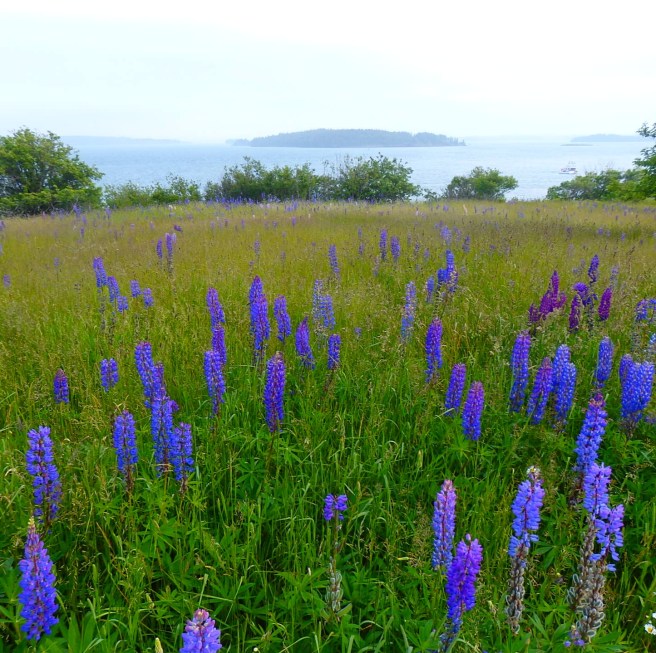
I came to appreciate lupines in the high country of the Cascade mountains in Washington state. They proliferate on the island in Maine where I now live, too.