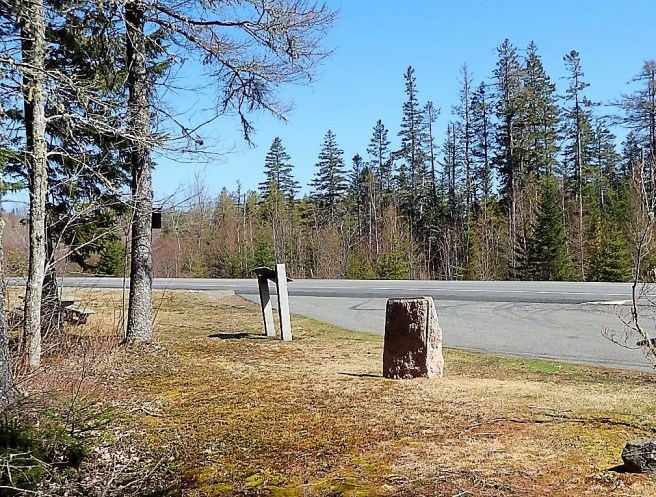
Marker along U.S. 1’s coastal route in Perry adjacent to Eastport.
We’re halfway between the Equator and the North Pole. It means we have some of the longest winter nights in the continental U.S. and some of the longest days in summer.
As well as the shortest winter days and shortest summer nights.
Quite simply, we’re not just further east than the rest of the continental U.S. but also further north. Take a look at the map, if you must.
Eastport is smaller – much smaller – than the model for my fictional Prairie Depot was, and I thought that place was small. Yet somehow Eastport feels more vibrant and whole.
At least in summer.
For a little perspective, the entire winter population could ride a single New York City subway train.
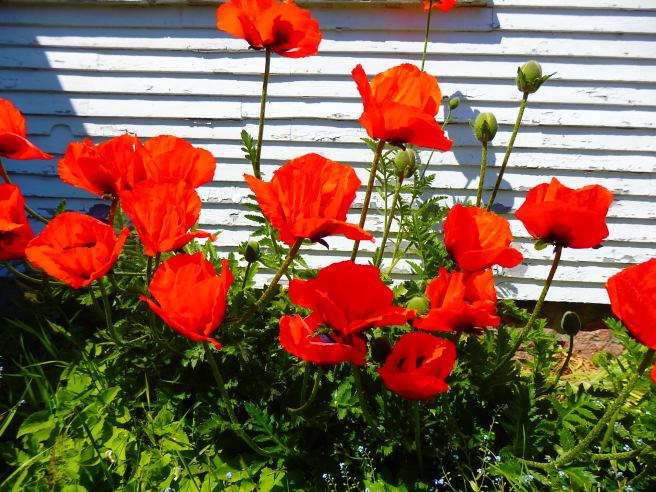
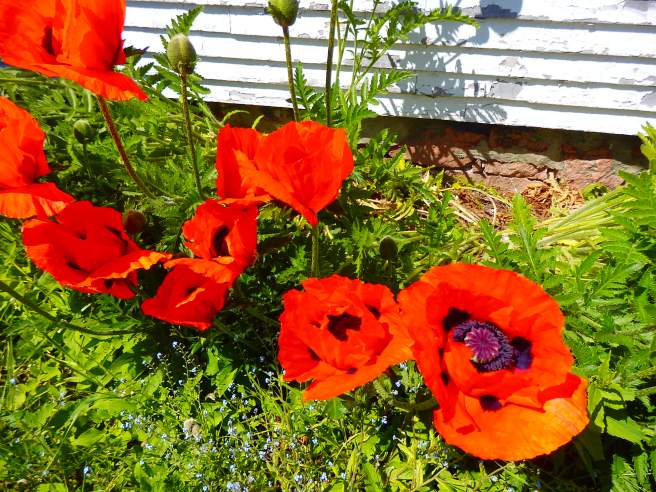
“We usually think of a Poppy as a coarse flower; but it is the most transparent and delicate of all the flowers of the field,” Celia Thaxter enthused in her classic An Island Garden book based at the other end of the Maine coast. Noting that the “Poppy is painted glass; it never glows so brightly as when the sun shines through it. Wherever it is seen, against the light or with the light, always it is a flame, and warms the wind like a blown ruby.”
After a half-page of descriptions of the color range of its many varieties, she quotes an unnamed English master of prose, “The splendor of it is proud, almost insolently so,” and then Browning’s line of “the Poppy’s red effrontery.”
Here on Moose Island, after blazing intensely, they give way all too soon.
To me, they glow like miniature suns.
How fitting, with our sunrise now approaching 4:42 and sunset around 8:19 – and nearly 17 hours of visible light.
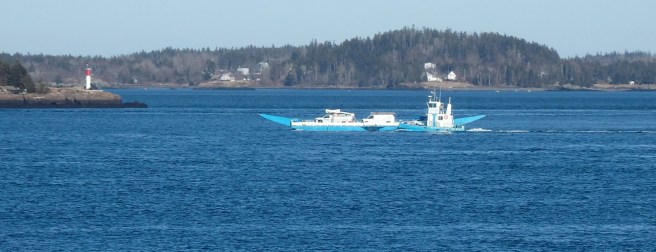
Seen from Eastport, the sleek blue workhorse runs on a schedule between Campobello and Deer islands in neighboring New Brunswick. Here it is passing the lighthouse on Cherry Island.
It’s edged out by Vermont and is a hair ahead of New Hampshire, according to 2014 figures from Pew.
It also has the oldest population in the nation and not much in the way of other civic associations and social clubs these days, from what I see. Are people even getting together anymore? What’s been happening with traditions like hunting and fishing or the Grange?
When I say “unchurched,” I’m referring here to active attendance and membership, not the buildings, institutions, or hierarchies. It’s the interactions of a body of believers.
Somehow, I view the decaying landmark white churches and spires as mirroring a general decay in employment opportunities and a fraying social structure. As for families and friends? They’re not what they once were, either.
This is New England, after all, with images of Minuteman patriotism, Puritan uprightness, and democracy-in-action town meetings, not the Far West. “The way life should be,” as one of Maine’s travel slogans proclaims while overlooking some serious and troubling realities.
Are there any viable alternatives on the horizon?
How do we care for “the least among us” when we all seem to be racing to the bottom line?
Devastating downtown fires were a big hazard for 19th century American cities, large and small, from New York, Chicago, Boston, Baltimore, Pittsburgh, and St. Louis down to Portsmouth, New Hampshire, and Portland and Bangor, Maine, closer to home. (For the record, San Francisco actually suffered more from the fires than from the 1908 earthquake just before them.) It’s a long list, actually, and some center cities were leveled by flames and intense heat more than once.
Eastport was one of them, with great fires in 1839, 1864, and 1886 – the last one barely missing our house but leaving the rafters spookily charred.
That blaze, in October, started in one of the sardine factories on the waterfront and spread quickly, consuming almost every building along the harbor.
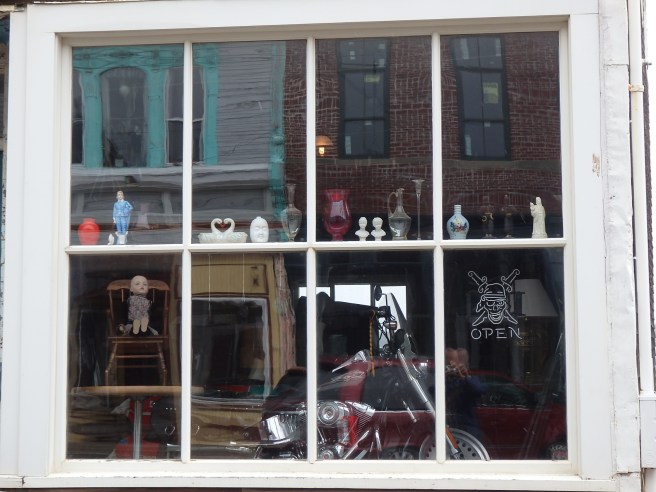
An antique store window is fun to browse, even when the shop’s closed.
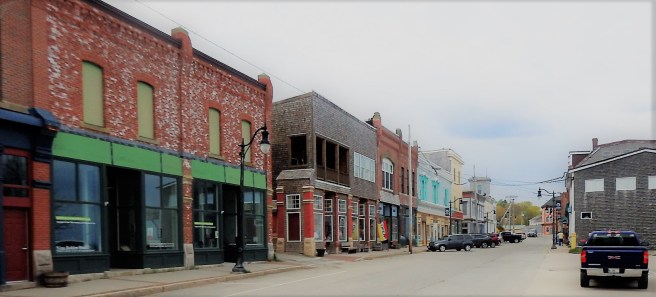
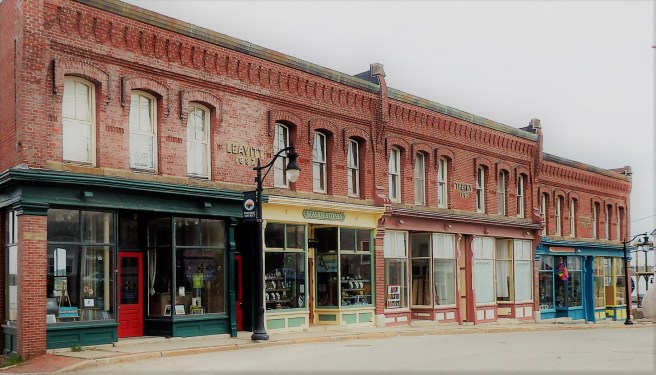
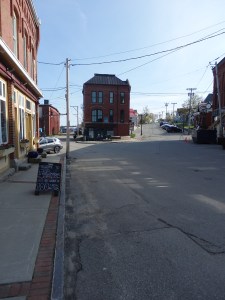
Remarkably, the city rebounded quickly, with most of the Water Street buildings completed and reopened within the next year or two – many of them designed by the same architect and resulting in a visual unity for the five-block stretch.
Today the entire downtown district is on the National Register of Historic Places.
Still, here’s what we have. Put another way, every city needs a center, and a shopping mall just ain’t the answer.
The big challenge, of course, is finding the right mix of business and residence to keep it vibrant. Eastport’s off-season populace falls short of what’s needed but just may be changing in the aftermath of Covid-19.We have art galleries, thank you.
A downtown is more than a place to shop, for one thing, though that helps. It should be pedestrian friendly, with places to stop and sit and meet folks and chat or maybe just stroll afterhours. Cafes, restaurants, and pubs help, too. A post office and banks as well. Throw in a few theaters, nightspots, galleries, churches. Then offices, hair stylists and barbers, upstairs residences, even a hotel or more.
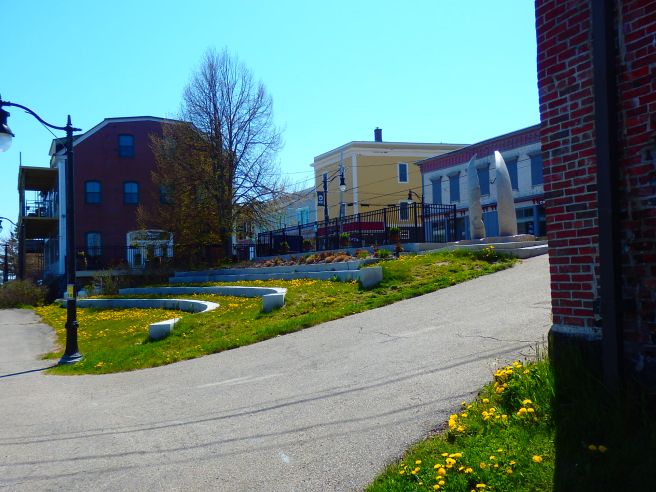
A tucked-in amphitheater overlooking the harbor actually has concerts in the summer. It also provides one more place to simply sit and relax.The street’s not one-way but should be, if we could only conveniently connect it as an easy round-trip..
Tell us something that makes your community special. Where would you take us if we visit?
And not all of it’s meant for human consumption. Some of it’s used for bait, usually for lobsters.
Along the coast we have mackerel. It’s a small fish and oily, one that doesn’t keep well, but cooked promptly or smoked for storing, it’s a lot like salmon. For sports fishing here, seems everybody’s catching ‘em, sometimes six on a line. Some folks even trade buckets of them for lobster.
Alewife. Migrates from the sea late every spring. Another small fish that needs to be cooked promptly or pickled for canning. Also used as prime lobster bait.
Herring. A century ago, these were the basis of Maine’s sardine industry.
Smelt. They’re small, often dip-netted, and can be pan fried and eaten whole. Pacific Northwest Natives called them candlefish, for their oil. Around here, they often show up on the line when casting for mackerel.
Flounder. The species includes fluke, and they like to hang out around pilings and docks – the kinds of places where many folks fish.
Halibut. Now we’re getting to the kinds of fish you might recognize on a restaurant menu or at the grocery.
Haddock. Ditto.
Turning to freshwater, we have several species of trout.
And bass. or perch.
Plus landlocked salmon. Migratory salmon are off-limits, however.
Clamming is also big when the tide’s out. Not that they’re actually fish.

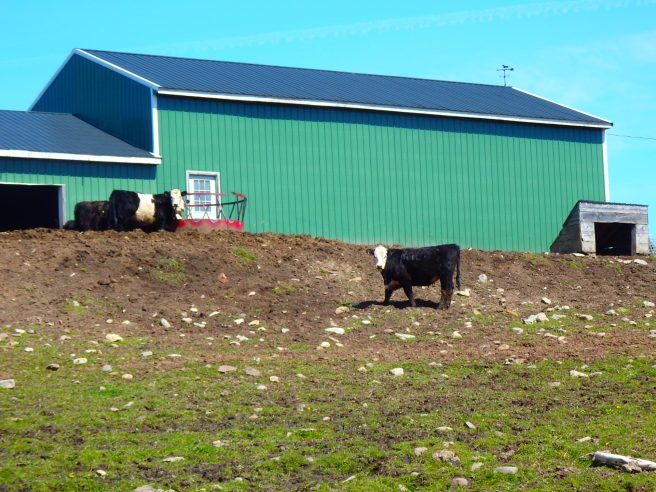
 Jnana's Red Barn