ALL THE EXTRA TOUCHES ADDED UP

Another of the nation’s once-remarkable papers was the Des Moines Register. It assumed a thoroughly statewide focus, with locator maps pointing out where many of the communities were and an amazing ability to note where anyone mentioned in a national story had ever lived anywhere in Iowa. The front page had an old-fashioned, authoritative appearance with a prominent, staff-produced editorial cartoon and block-letter capital-letter banner headline. I appreciated the frequency of national and international stories that carried the byline, “Combined Wire Services,” meaning a copy editor had spent several hours comparing Associated Press, United Press International, New York Times, and other dispatches to glean details to rewrite into a more comprehensive report. All of that, of course, cost money.

Statewide newspapers began cutting back as the costs of distribution soared, combined with a recognition that nearly all of the advertisers – the principal source of revenue – were aiming at only the major metropolitan area.

It wasn’t just statewide coverage, either, that has been curtailed. Most of the biggest papers have since shuttered their foreign offices and cut back on national reporting, as well.

You can as easily say they’ve cheapened the product, but that’s a longer term issue.

~*~

For a surreal, playful, and often gallows-humor trip within one young and ambitious newsroom, pick up my novel, Hometown News.

Hometown News

AN HOUR OF RECKONING

To wake up one day and sense you’ve built whatever big projects you would – a newspaper, a house or business – from now, the focus would be shorter, more along the lines of maintenance or preservation. What we might now consider middle-age, actually, rather than elderly – and sit back, sip wine on a porch or in the garden. Grandchildren, rather than children, likely. Life, at its crown.

I keep wondering, even though I’m officially retired. For one thing, the income’s short of expectations. For another, there’s so much work remaining. What would it feel like, to finally be caught up?


ALL IN THE HOLY FAMILY

This was written for a Quaker audience, but I suspect it’s applicable to many other communities of faith. Translate it to your own spiritual circle (or beyond) and let me know how it fits.

~*~

Maybe today we would see it as the “extended meeting,” along the lines of an extended family. In earlier times, a few large families could fill a typical meetinghouse. The idea of being part of a Quaker Meeting without one’s spouse – much less grandparents, aunts and uncles, or an array of cousins – was as unthinkable as, well, divorce.

Today, however, Friends who come to worship as couples or families are the exception, rather than the norm, at least in our end of the Quaker spectrum. And that doesn’t begin to take into account the prevalence of singles in American society.

This points to a number of shortcomings among Friends. Foremost, the admission that our form of open worship – contrary to what the original Friends envisioned – does not speak to everyone. (In fairness, we might admit that our “unprogrammed worship” emerged as the “retired meeting,” for those who had received the Truth in those big public preaching sessions where all the quaking and weeping broke out.) Then there’s the recognition that the People of God concept, where faith would be handed down within families, has simply broken down, not that it was ever all that stable. Maybe we’re not even as friendly, welcoming, or fun to be with as we’d like to think.

I’m not proposing that we drag everyone, however reluctantly, into Meeting for Worship or for business. But I do think we need to recognize ways the rest of our families are, however indirectly, part of the Meeting. There may be means to more meaningfully engage them, apart from our worship. What would they find inviting? What would they find nurturing or challenging? What would they find relevant?

I’m open to suggestion – and reflection.

OPEN NIGHT IN THE CALENDAR

As someone who’s organized many events along the way, I’m always at a loss trying to find a time that’s convenient for most people in any given group. Evenings are always problematic, and as many of us become elderly, driving anywhere after dark can be a challenge.

For working couples, of course, the only time to do much of anything together is on the weekend – and grocery shopping, cleaning the house and laundry, running errands, performing minor repairs, and the like soon fill in that corner of the schedule. Add kids to the household and chauffeuring them from one event to the next, well, there goes the weekend altogether.

The only exception I’ve found is Sunday evening. With rare exceptions, nothing is scheduled then. You’d think it would be perfect for getting a group together. But it’s not.

From what I’ve seen, nobody will come out on Sunday night. Well, there are a few rare exceptions, such as a college community or three-day holiday or Super Bowl party.

No, somehow Sunday evening has become the one corner of the week where folks simply hunker down and regroup for Monday morning. Maybe it’s catching up on the last of the laundry or something more akin to finishing overdue homework assignments before classes begin, as a few of us might remember from our own teenage years.

For a while, it was nice having Sunday night jazz each week at one of the local pubs.

So once again, Sunday night’s spent quietly at home. Enjoyably, I might add.

RETURNING TO THE SCENE

Just pondering all the people who’ve come through the meetinghouse doors in the three decades I’ve been here. Some have moved on to other parts of the country. Others have become committed parts of the fellowship. But suppose the remainder might eventually come back?

In my own life, too: how many would I greet joyously, with curiosity about how their lives have since progressed? How many others would I curse, or at least address perfunctorily? And how many would feel the same toward me?

CAPITALIST INTERVENTION

You know the Front Page tradition. But how much do you see about behind-the-scenes reality where newspaper reporters and editors are instead besieged by the very corporations that have gobbled up newspaper after newspaper, and city after city? My novel follows a band of idealists recruited to a family-owned newspaper by the promise of professional excellence and a competitive spirit. Through ever-more demanding workdays and a twist of fate, they ultimately overpower a monolithic neighboring rival, only to see their smiling publisher sell out to a media conglomerate. As their moment of glory disintegrates into surreal management games, unethical directives, and excruciating budget cuts, they struggle to save as much of their hard-won victory as possible – and painfully come to know themselves, their trade, and their neighborhoods in a much different light than they had just months earlier.

Hometown_News

~*~

To find out more about Hometown News or to obtain your own copy, go to my page at Smashwords.com.

LADY PEPPERELL’S CORNER

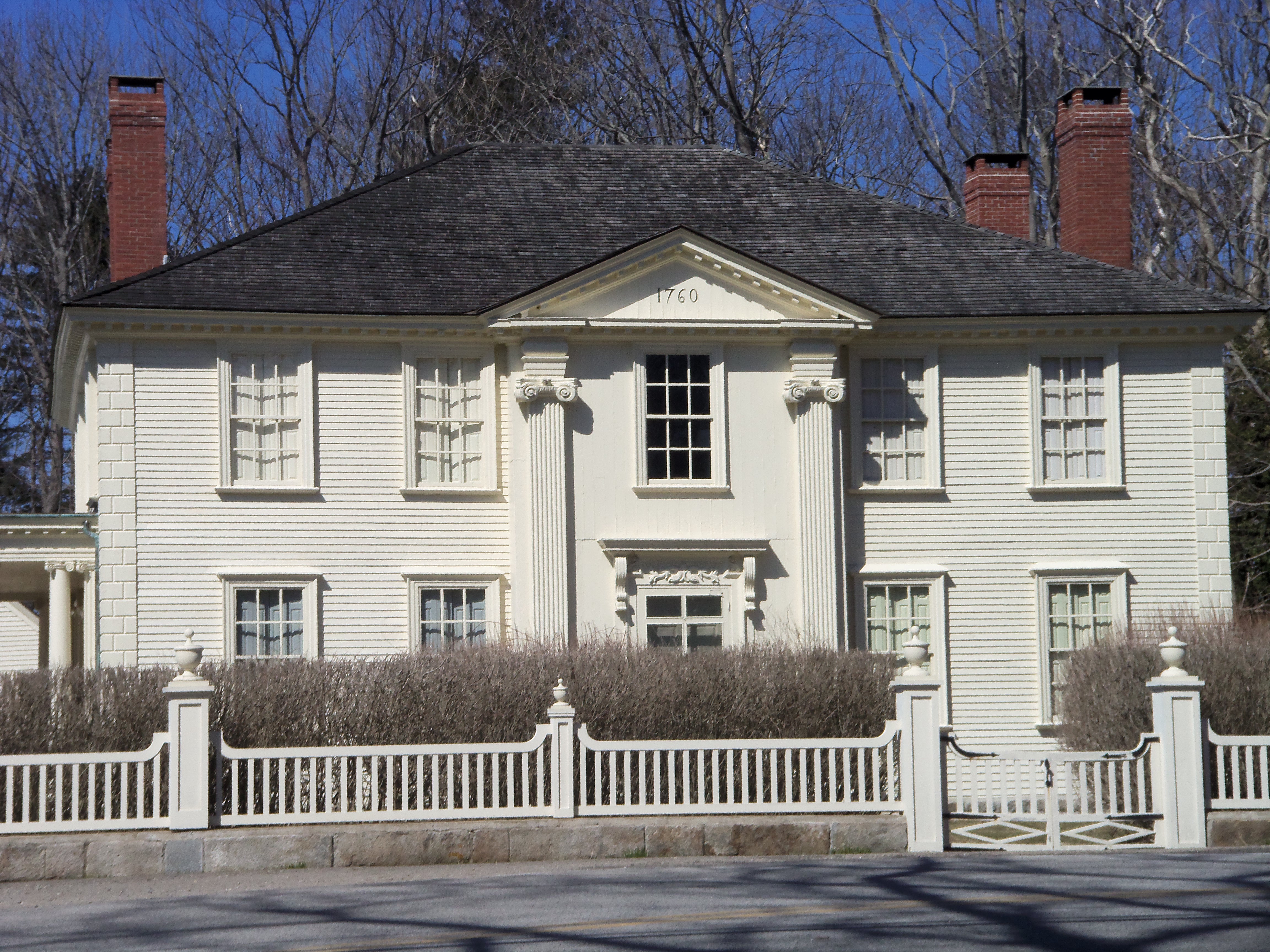
Classic symmetry.
Classic symmetry.
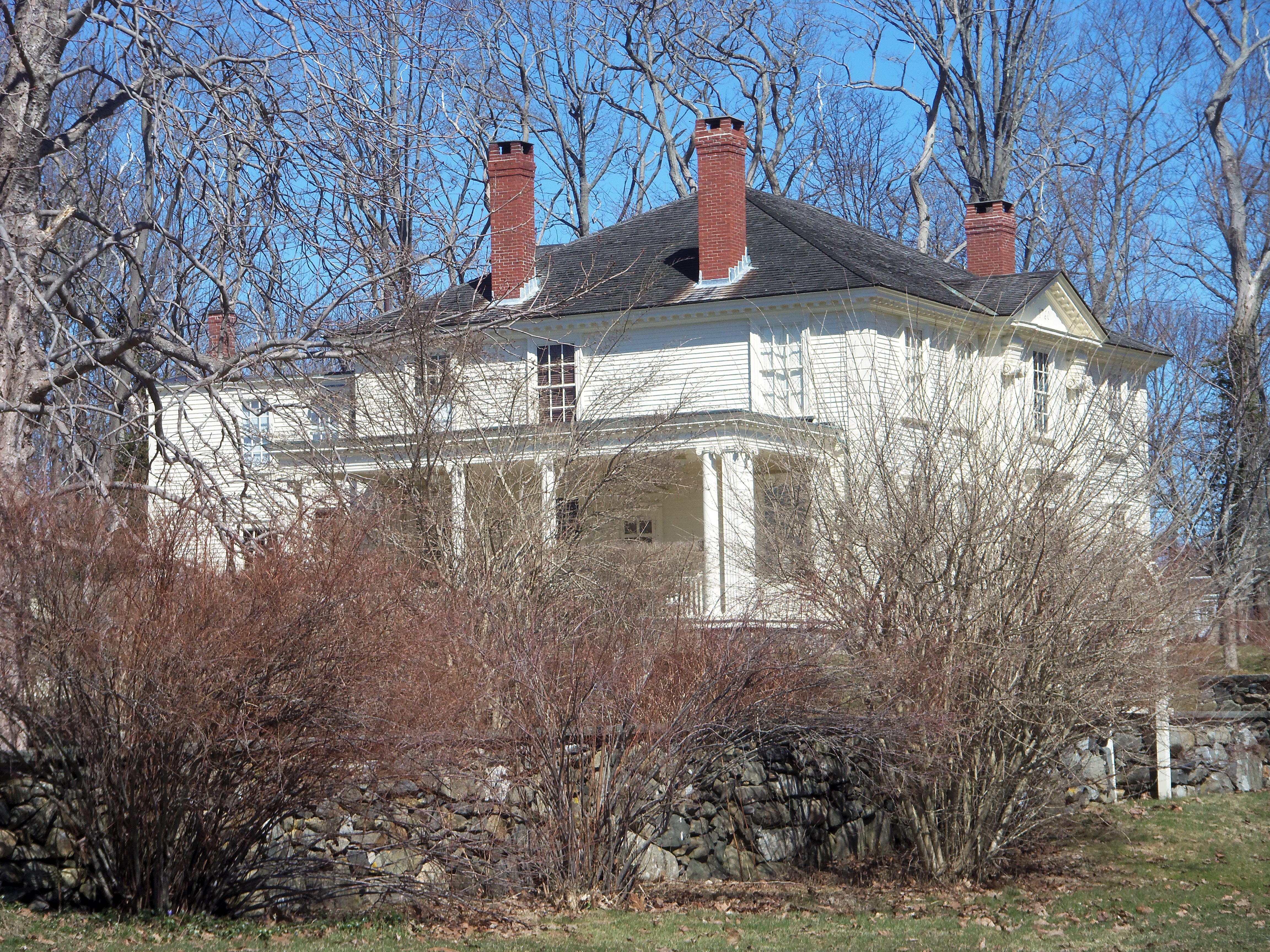
The mansion has four chimneys, rather than one, plus a porch looking toward the river.

This “dower house,” a Georgian gem built in 1760 by the newly-widowed Lady Mary Hirst Pepperell, sits at a sharp turn in the road a mile from Pepperell Cove in Kittery, Maine. Through her Bostonian roots and marriage, she was one of the richest, most powerful women in New England.

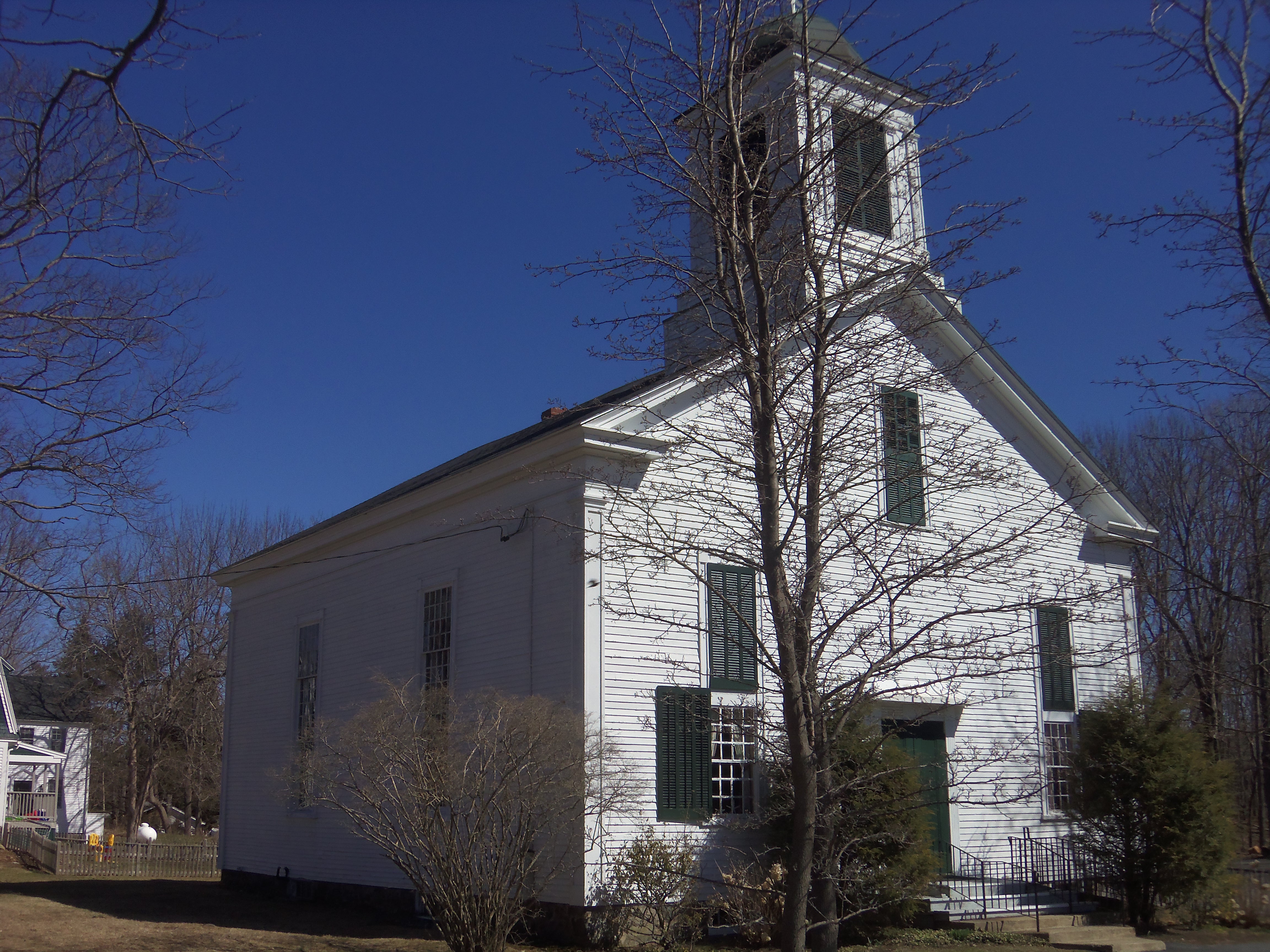
The mansion faces a Congregational church built in 1732, the oldest house of worship still in use in Maine.

Across the road.
Across the road.