the double meaning
once you were here
You never know what we'll churn up in cleaning a stall
the double meaning
once you were here
As improbable as it would seem now, Dover was a throbbing center of dissidents and misfits in its early years, at least from the perspective of the Puritan authorities to the south in Boston.
Nor would I have expected a settlement inland from the ocean to be the one that took root, rather than the companion complex facing the ocean, but the Dutch trading post at Albany, New York, was even further up a river and survived.
There are good reasons that Dover became the center of action north of Salem, Massachusetts, and of Boston further south, not that you were taught any of that in your history classes.
I have to admit, it’s taken a while for the fact to sink in. Dover was the heart of the New Hampshire province, not that we see that today. Still, the roots remain.
My book, Quaking Dover, looks at the history from a minority viewpoint that leaves most of the last 200 years pretty wide open. Yes, there’s so much more to examine and include in the full picture leading to the rebirth of the community in recent years.
But what I’ve found is still pretty remarkable.
To think, it was such a humble and audacious start 400 years ago and counting.
It’s gonna be a big year!
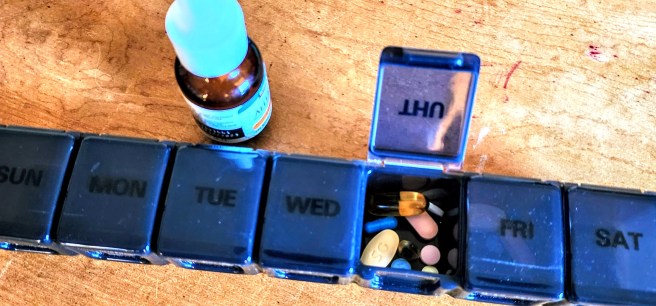
I HAVE NO IDEA OF HOW you dream or what fills your nocturnal flights, but I’m curious. Are there commonalities or do our subconscious thoughts run in much different directions?
My assumption is that there’s nothing more personal than the encounters that flit through our heads in our sleep. They visit us, unbidden and unencumbered and then entrance us before typically vanishing with little more than a trace, if that. Maybe they’ve elevated our heart rate in the process or left us in a cold sweat.
No doubt inspired by Jack Kerouac’s Book of Dreams but also some references to spiritual practices that urged paying close attention to the overnight phenomenon, I began recording what I could back in the early ‘70s and have continued the practice, however sporadically, through the decades since.
Through the coming year, I’ll be revisiting that ledger and posting bits in installments here at the Barn. Maybe that will even prompt you to share some of your memories and related insights.
I make no pretense of knowing precisely what meaning, if any, many of these have, by the way, but I’ve long felt that make for some great yet private movies. As for their frequently surreal nature? Sometimes it’s even entertaining.
~*~
A FEW YEARS AGO, I wondered whether in a Judeo-Christian tradition this would seem occult. The Biblical perspectives did open my eyes – to my surprise, in a mostly positive awareness:
In these texts, the “dreams and visions” often come directly from God, even to Gentiles. Other times, they come by way of angels.
~*~
THAT SAID, I OFFER the series largely unedited, allowing its flashes and visions to speak for themselves. I have, however, changed some of the names and places to maintain a degree of separation from real-life people and locations, not that in a dreamscape the person I associate with the action actually resembled the one in the vision. I have no idea what prompted many of them, although there are times I’ll include a real-life context in my record.
Dreams are a world of their own. Agreed?
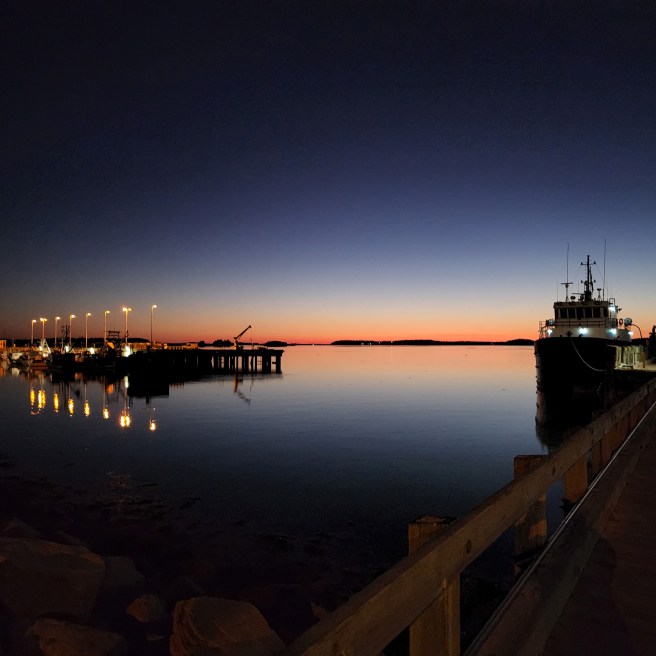
Hard to believe this blog is now in its second decade.
With the Barn, a new year usually signals a slight shift in focus and content.
2023, for instance, will see a series excerpting dreams I’ve had over the years. Mine can be surreal and inexplicable and yet, I feel, illuminating. They’ll likely give you unexpected glimpses into my psyche even though I’m thinking of it as literature. Meanwhile, the prose poems that have been appearing on Saturdays have run their course. Hope you’ve enjoyed their compressed impressions of my earlier life and feelings, especially when they’ve reflected your own, too.
Dover’s 400th anniversary will continue to be a major theme, including things I’ve learned since the release of my book based on the town’s Quaker heritage. And there will be announcements of presentations based on the book as they come up through the year. The ones I’ve done so far have been a blast.
Now that you’ve been introduced to Eastport and its ways, the tone of those posts will also turn, shall we say, more casual? Or at least more of the everyday experience around here rather than a record of the connections I’ve discovered. Besides, living on an island in Maine is some people’s fantasy, at least through the summer. I’m hoping to add a streak of reality to that vision.
Kinisi will continue with their off-the-wall, quirky, flash slashes. Some fall into the realm of concrete poems, a la Aram Saroyan, and others take the trippy flashes of the sort Richard Brautigan produced. Others can be seen as prompts for others to build on. These minimalist notations do reflect the way I’ve often heard and seen the world, slightly askew, even though I have to admit I don’t “understand” many of them. They’re intended to dance to their own beat, OK?
And I have to admit my Tendrils on Tuesday are great fun to investigate and offer. I never thought of top ten lists as entertaining, forget the factual dimension. They definitely have much more to dig up as we go.
One big shift will likely be in photography, from my Olympus camera to my S-22 Ultra cell phone. We’ll see what you think. Eastport and the surrounding environment are certainly visually rich subjects. Click, click, everywhere you turn.
Overall, though, I’m intending to have fewer posts this time around, yet it still looks like that still means at least one posting each day. Or, as one renowned writing teacher taught his classes, “Write 300 good words a day.” Not that I’m keeping count, even as I keep hoping to cut back. Does keyboarding really become compulsive?
My life and outlook have certainly changed over the course after signing up for a WordPress blog, which then led to four related lines. Thanks for sharing so much of it here.
What are you looking forward to on your end in the new year?
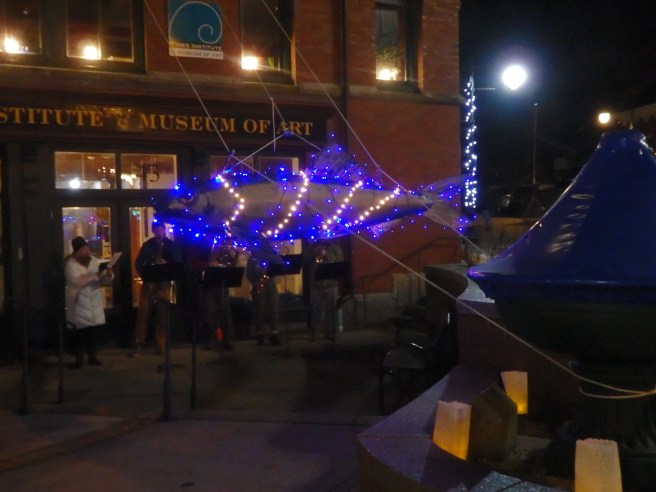
Every New Year’s Eve where I now live, folks gather in front of the Tides Institute – also known for the occasion as Tides Square – for the drop of a festive maple leaf emblem at 11 pm and then convene again for a giant sardine sculpture at midnight.
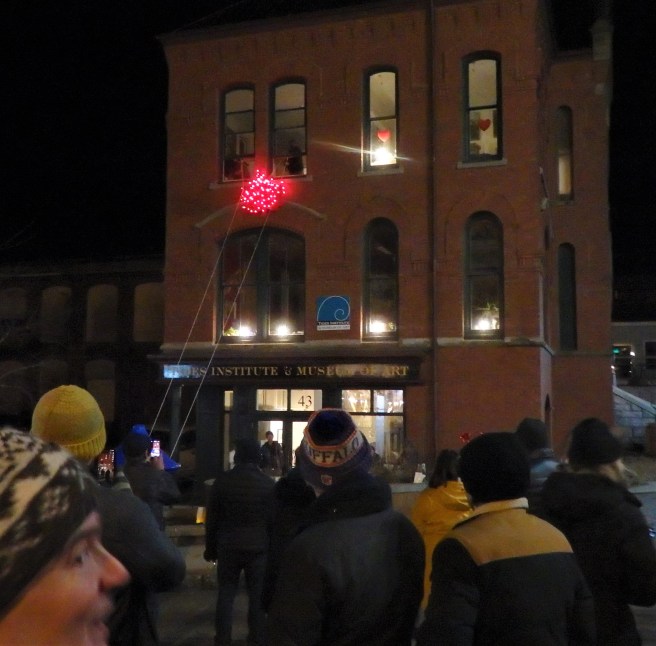
Forget crowded Manhattan. This is the kind of homegrown affair where you can actually run into people you know, as well as others you’ll be hoping to see more of.
With New Brunswick just a mile or two across the channel and very much a part of our community, Eastport can’t help but mark the one-hour time difference between the two shores. Your cell phone certainly reminds you, shifting from one to the other. And so, at midnight Atlantic Time, we drop the lighted red maple leaf while a small brass band plays “Oh, Canada,” with many of the observers singing along. And then there’s the first burst of pyrotechnics overhead. Yay! Wow! Grins!
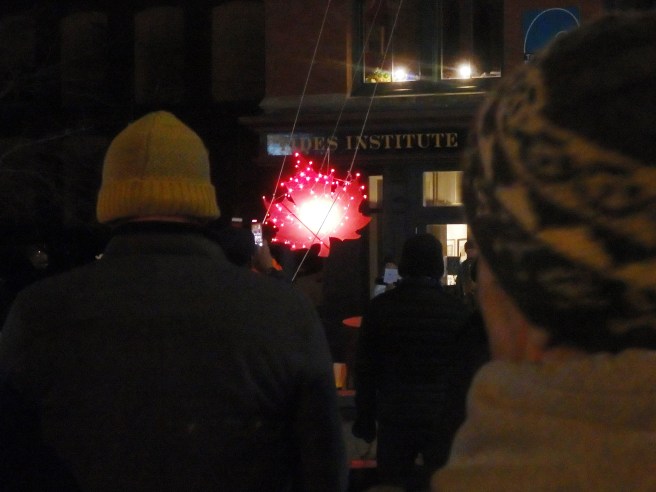
Time for a break, perhaps for hot chocolate down the street or a stop at several diners open uncommonly late, or even a dash home.
An hour later, reflecting the fact that Eastport was once the sardine capital of the world, everyone’s back, awaiting a giant sardine sculpture to descend at midnight Eastern Time from the former bank building that now houses a museum. This round, we all cheer to “Old Lang Syne” and then a festive outburst of fireworks.
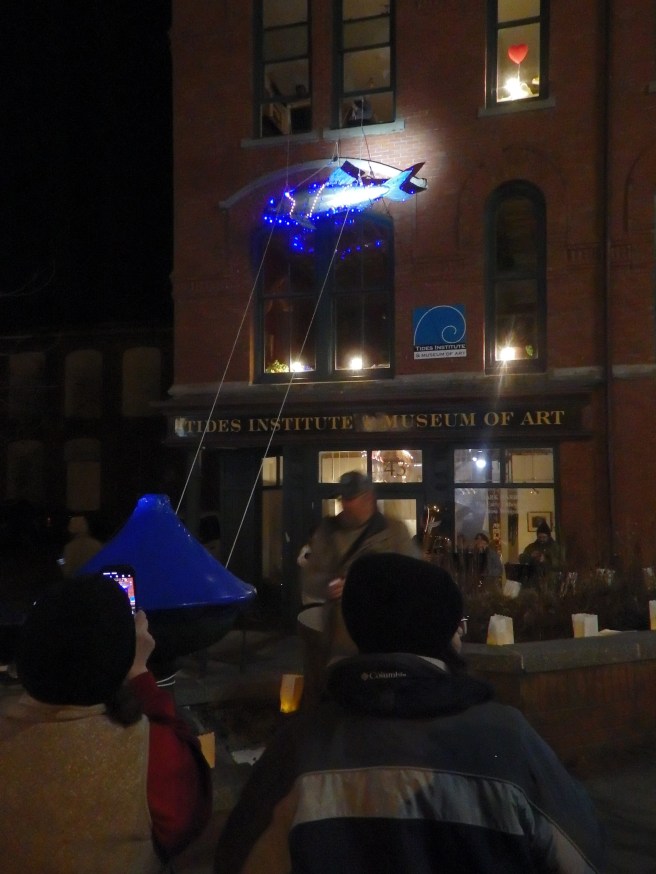
Here’s what we’re looking forward tonight!
My first New Year’s Eve in Dover was filled with wonder when all of the church bells burst out ringing. The next year, however, they were silent.
The occasion, I learned later, was the new millennium, even if technically 2000 was the last year of the old millennium while the actual arrival went unnoticed as such.
This year, Dover’s churches have been asked to ring their bells at 9 pm as a prelude to a fireworks presentation to welcome in the city’s 400th anniversary year observations.
Here’s hoping the weather obliges.
From many miles away, we’ll be thinking of folks there and hoping for a most exciting new yar.

