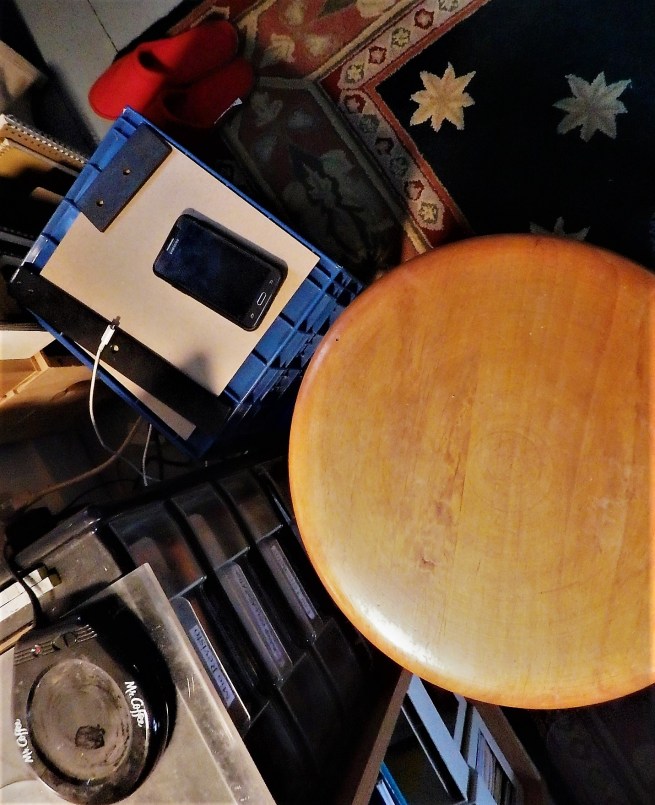
It may be a stool but it’s not for sitting
You never know what we'll churn up in cleaning a stall
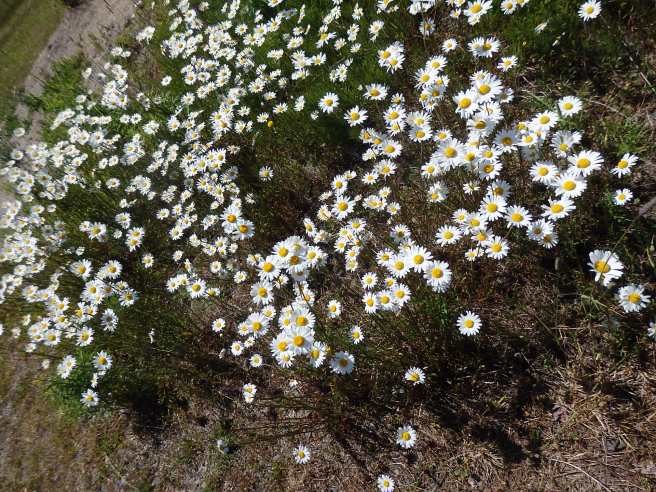
My wife is quite fond of wild Ox-Eye Daisies – not the bigger and, to her view, coarser Shastas. But she’s usually saddened each year when the Black-Eyed Susans arrive about this time, announcing the end of the Ox-Eyes’ blooming. Not so in Eastport, where, to her delight, some continue through August.
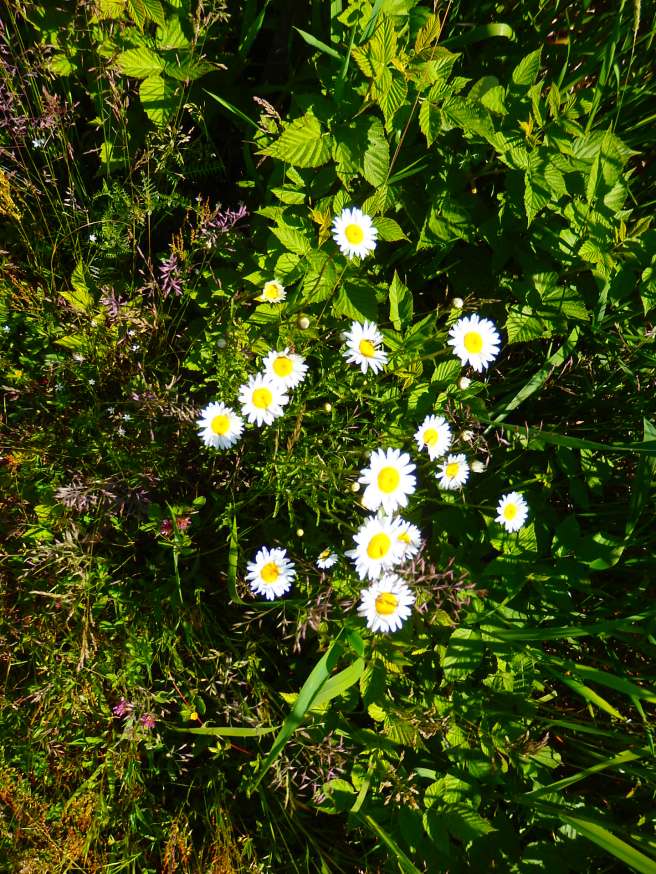

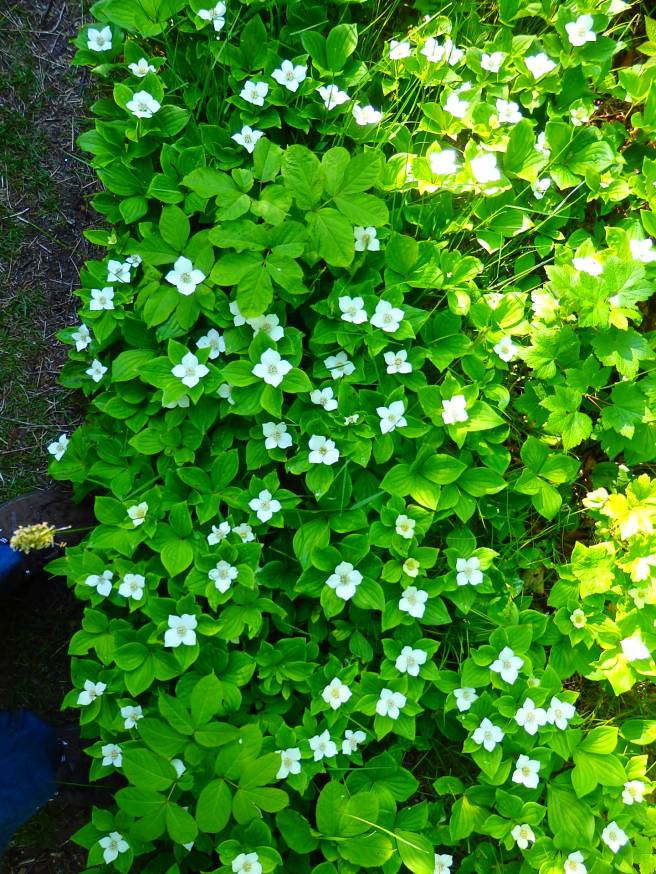
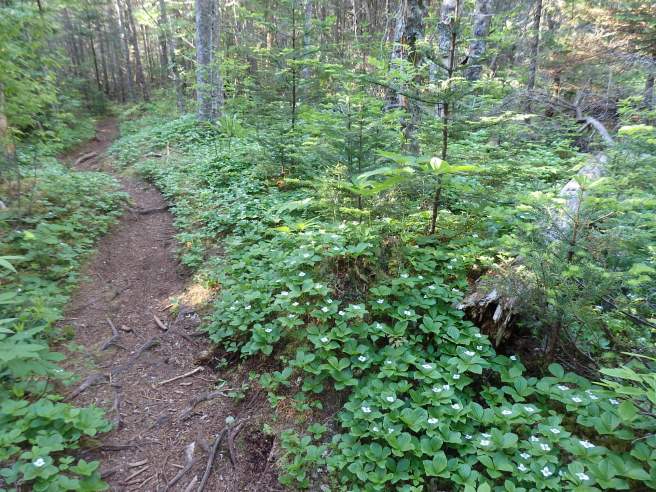
Eastport may be a city, but much of it is still forest.
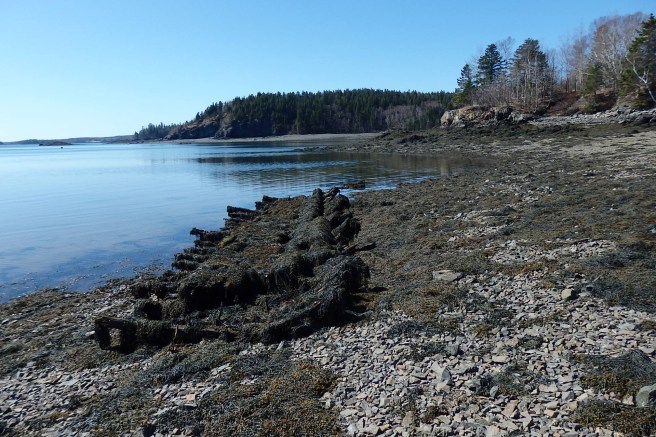
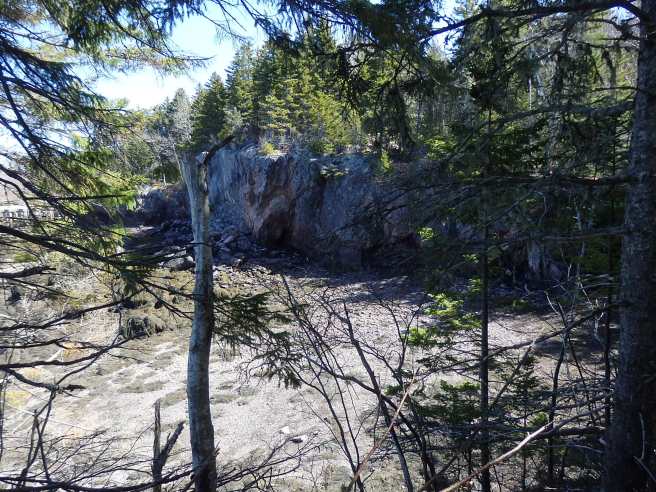
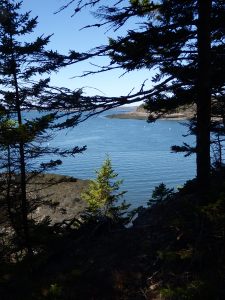
Shackford Head, between Broad Cove and Deep Cove, has one of those. And it’s a state park. Mercifully, it even escaped becoming an oil refinery in the 1970s and ’80s, thanks to some dedicated citizen action.
I should note that the Shackford family, so prominent in the settling of Eastport, had roots in Dover, New Hampshire, before spreading into Newburyport, Massachusetts, and then shooting up here. It seems that our house was built in the 1830s by one of them.
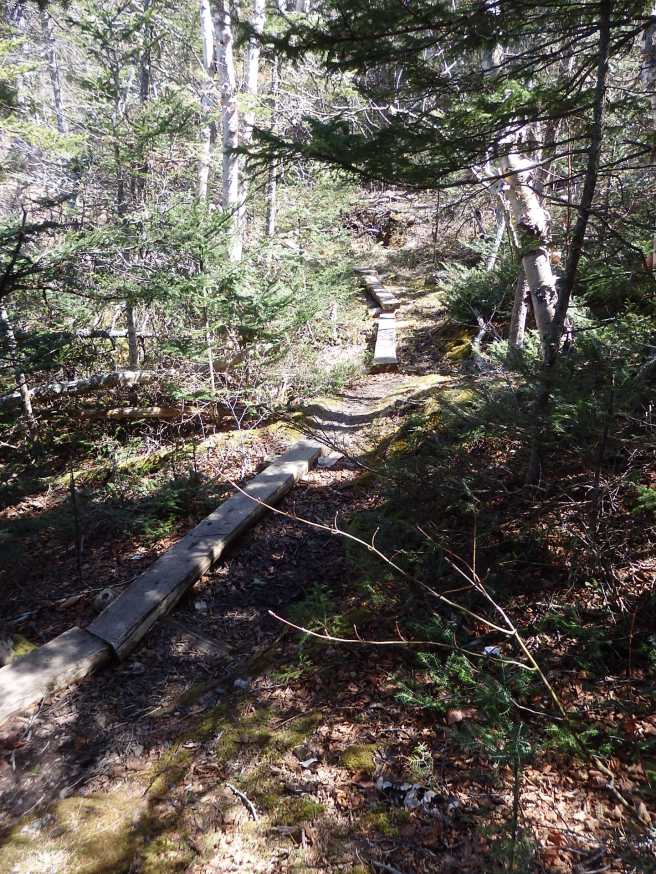
Apart from that, the 90-acre state park allows for some delightful hiking and vistas without having to drive miles from home. You know, needed a quick fix of more nature.
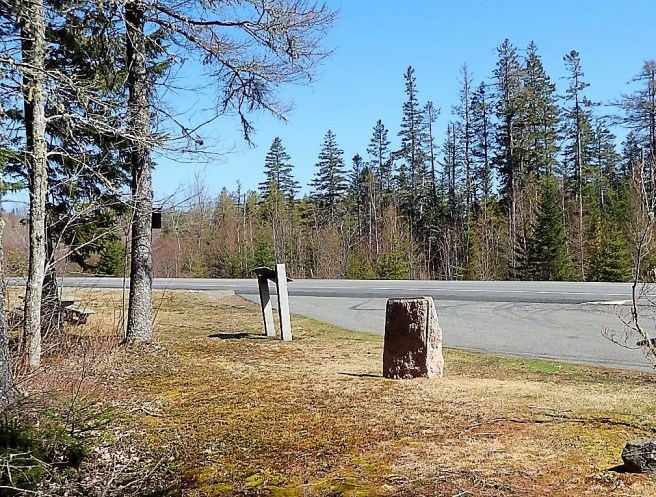
We’re halfway between the Equator and the North Pole. It means we have some of the longest winter nights in the continental U.S. and some of the longest days in summer.
As well as the shortest winter days and shortest summer nights.
Quite simply, we’re not just further east than the rest of the continental U.S. but also further north. Take a look at the map, if you must.

“We usually think of a Poppy as a coarse flower; but it is the most transparent and delicate of all the flowers of the field,” Celia Thaxter enthused in her classic An Island Garden book based at the other end of the Maine coast. Noting that the “Poppy is painted glass; it never glows so brightly as when the sun shines through it. Wherever it is seen, against the light or with the light, always it is a flame, and warms the wind like a blown ruby.”
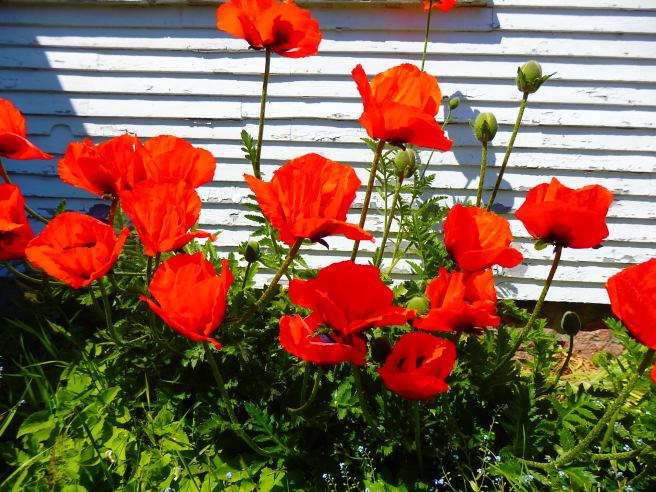
After a half-page of descriptions of the color range of its many varieties, she quotes an unnamed English master of prose, “The splendor of it is proud, almost insolently so,” and then Browning’s line of “the Poppy’s red effrontery.”
Here on Moose Island, after blazing intensely, they give way all too soon.
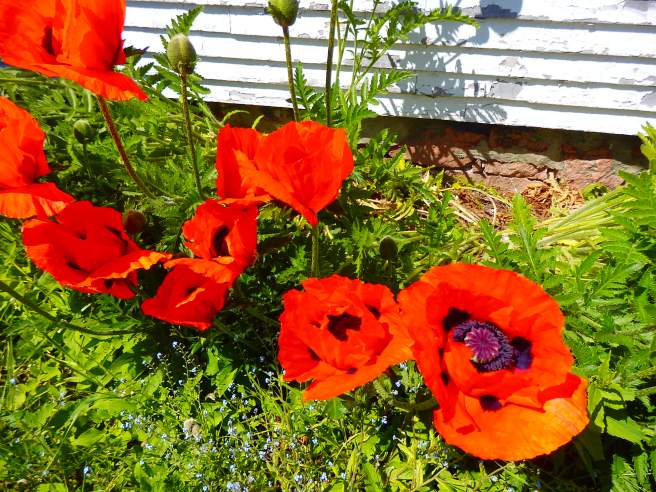
To me, they glow like miniature suns.
How fitting, with our sunrise now approaching 4:42 and sunset around 8:19 – and nearly 17 hours of visible light.
 Jnana's Red Barn