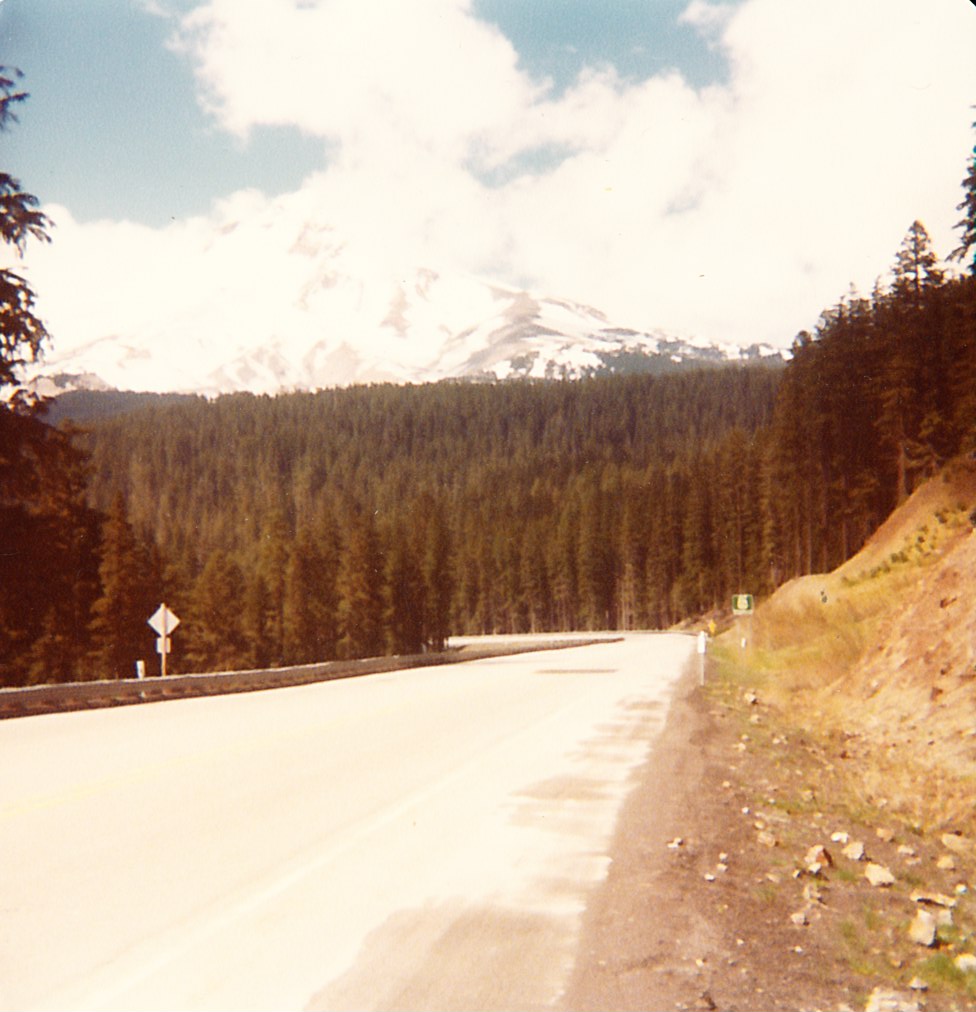
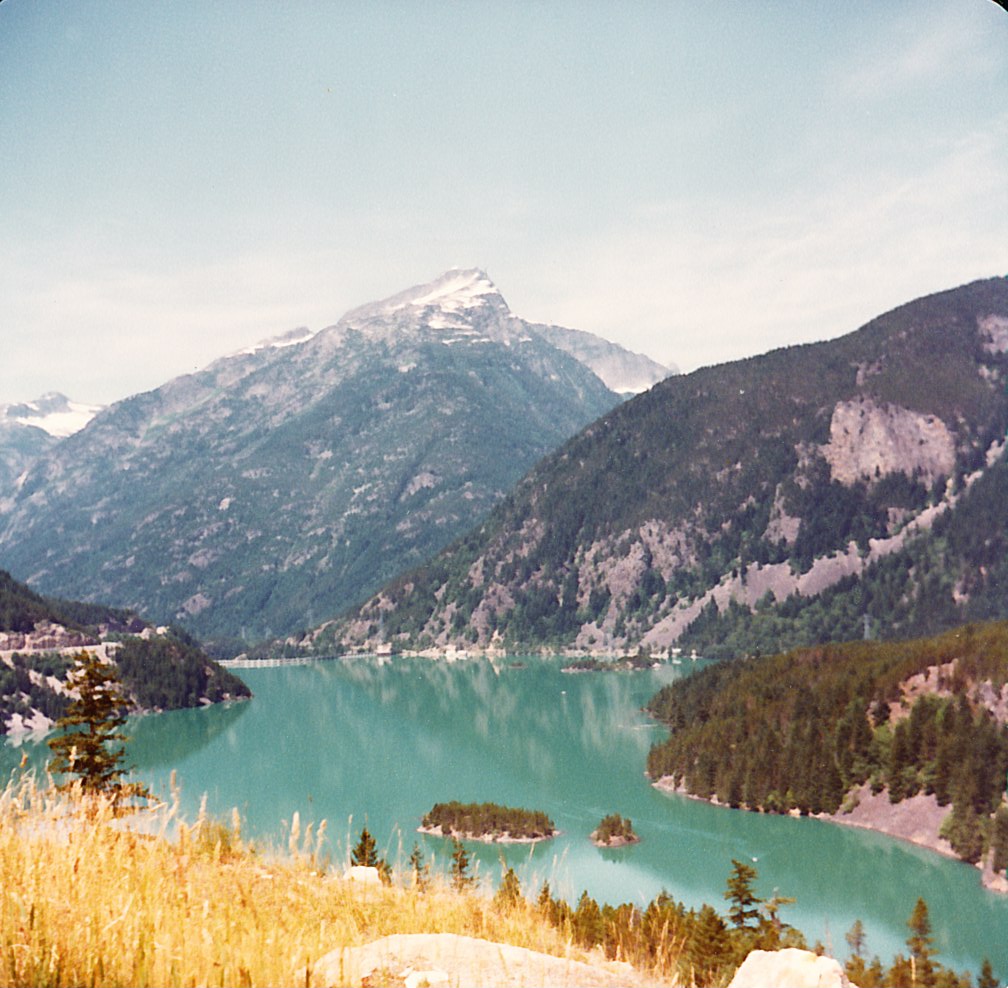
The Cascade Range in Washington state holds a special place in my heart.
It’s reflected in several of my novels and many of the poems.
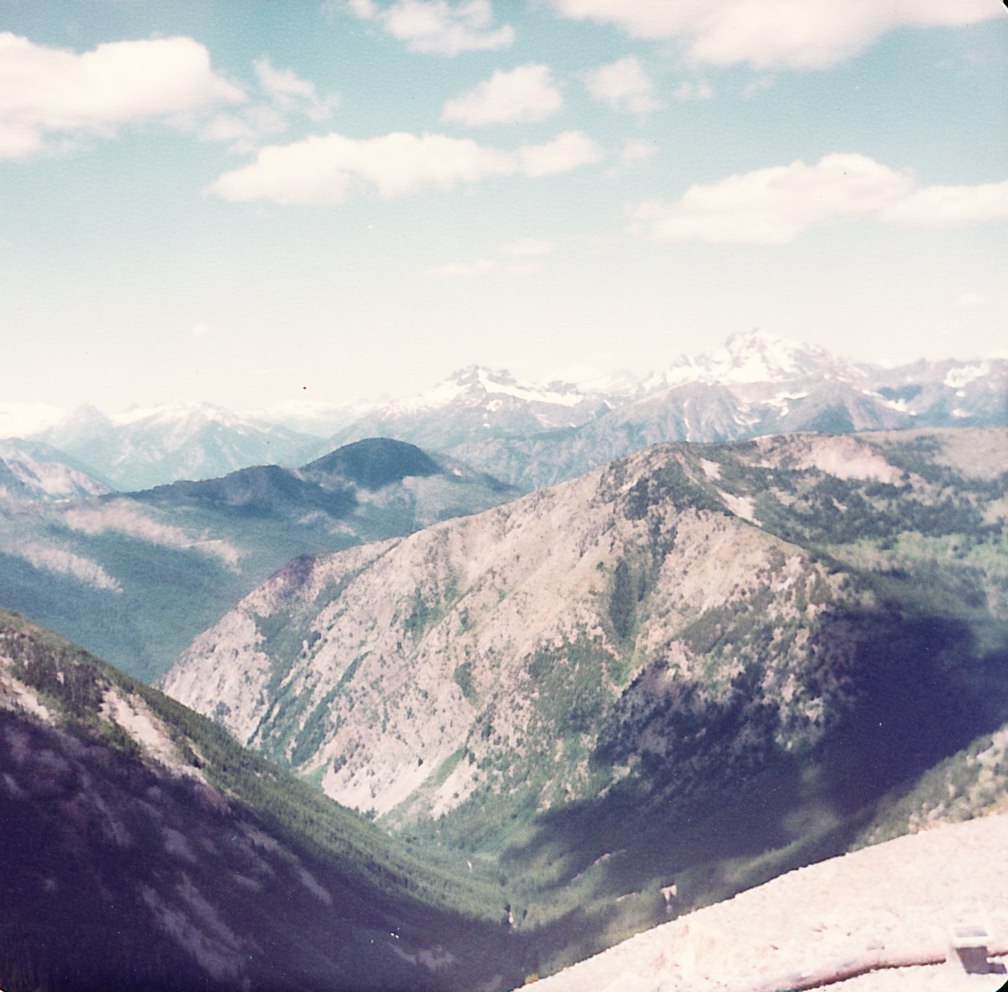
Few photos, though, do the mountains justice. But they do help keep the memories vibrant.
You never know what we'll churn up in cleaning a stall
The Cascade Range in Washington state holds a special place in my heart.
It’s reflected in several of my novels and many of the poems.
Few photos, though, do the mountains justice. But they do help keep the memories vibrant.
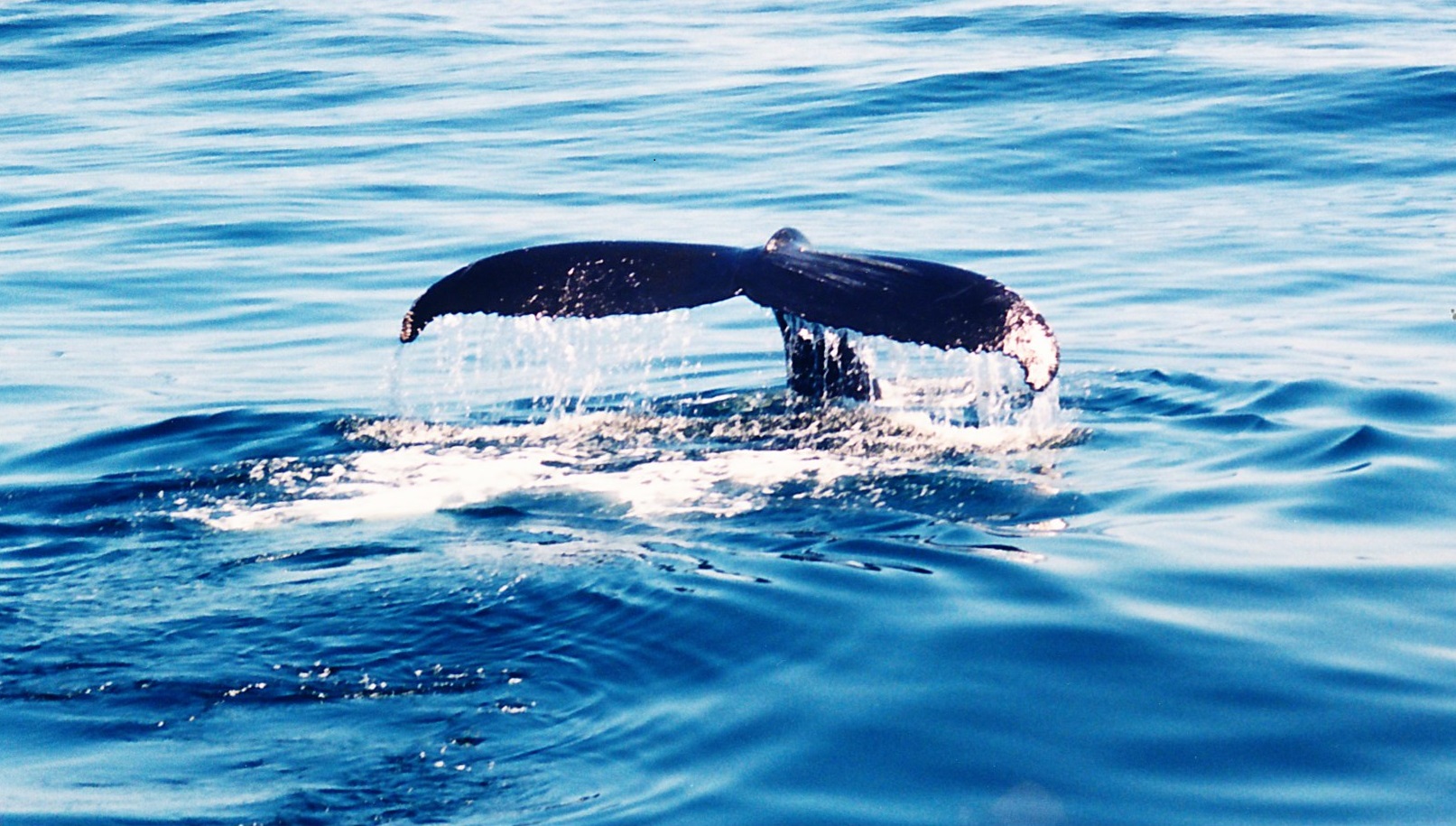
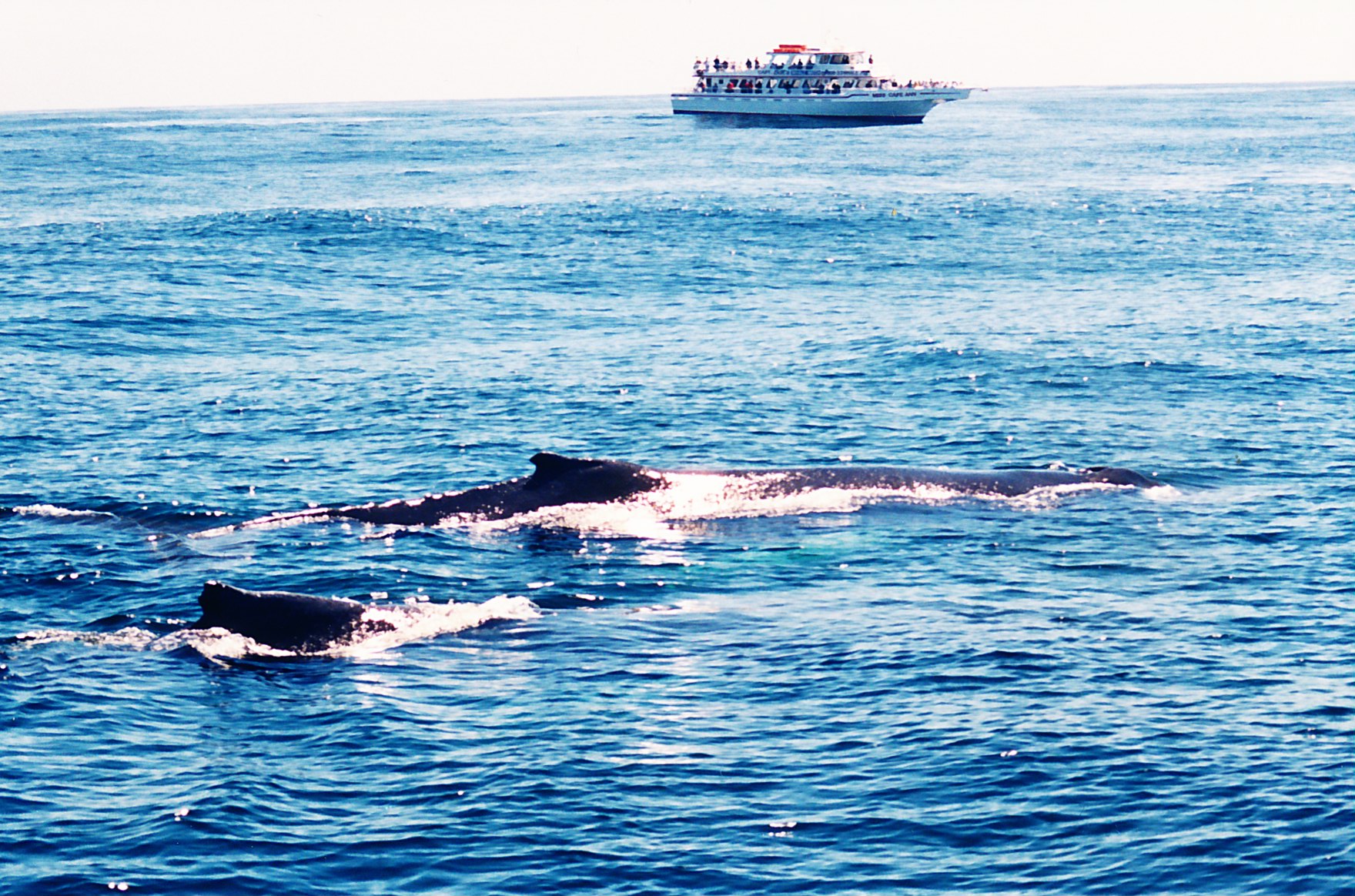
One of the traditions I established after moving to New England meant venturing out for a whale watch each year. You never know what you’ll encounter. Sometimes it’s only a minke whale or two – the smallest of the ones we have. Or, at times, it becomes more than you can count.
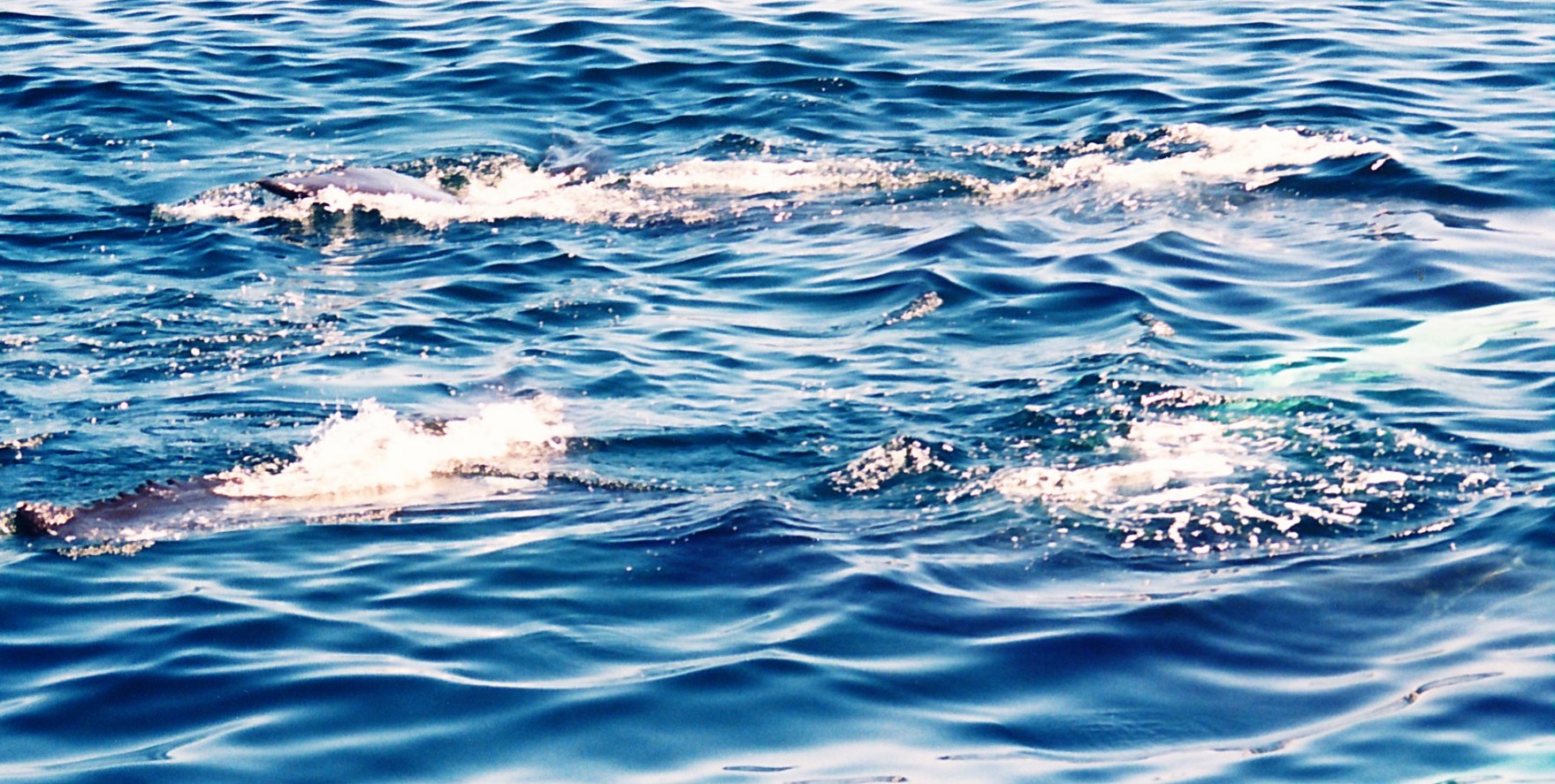
In the past dozen years, though, the custom’s fallen by the wayside. Just too much else to do – and the ticket price has gone up. But as a way of getting out to sea, it’s still a cheap cruise … and it can be very peaceful, if you don’t get seasick on the way.
Some of the best art museums in the country are found at New England’s universities and colleges. In other parts of the country, the larger ones would be the region’s jewel. But here they often sit in the shadow of some pretty powerful competition. Some, like Harvard, charge admission, but others are blessedly free.
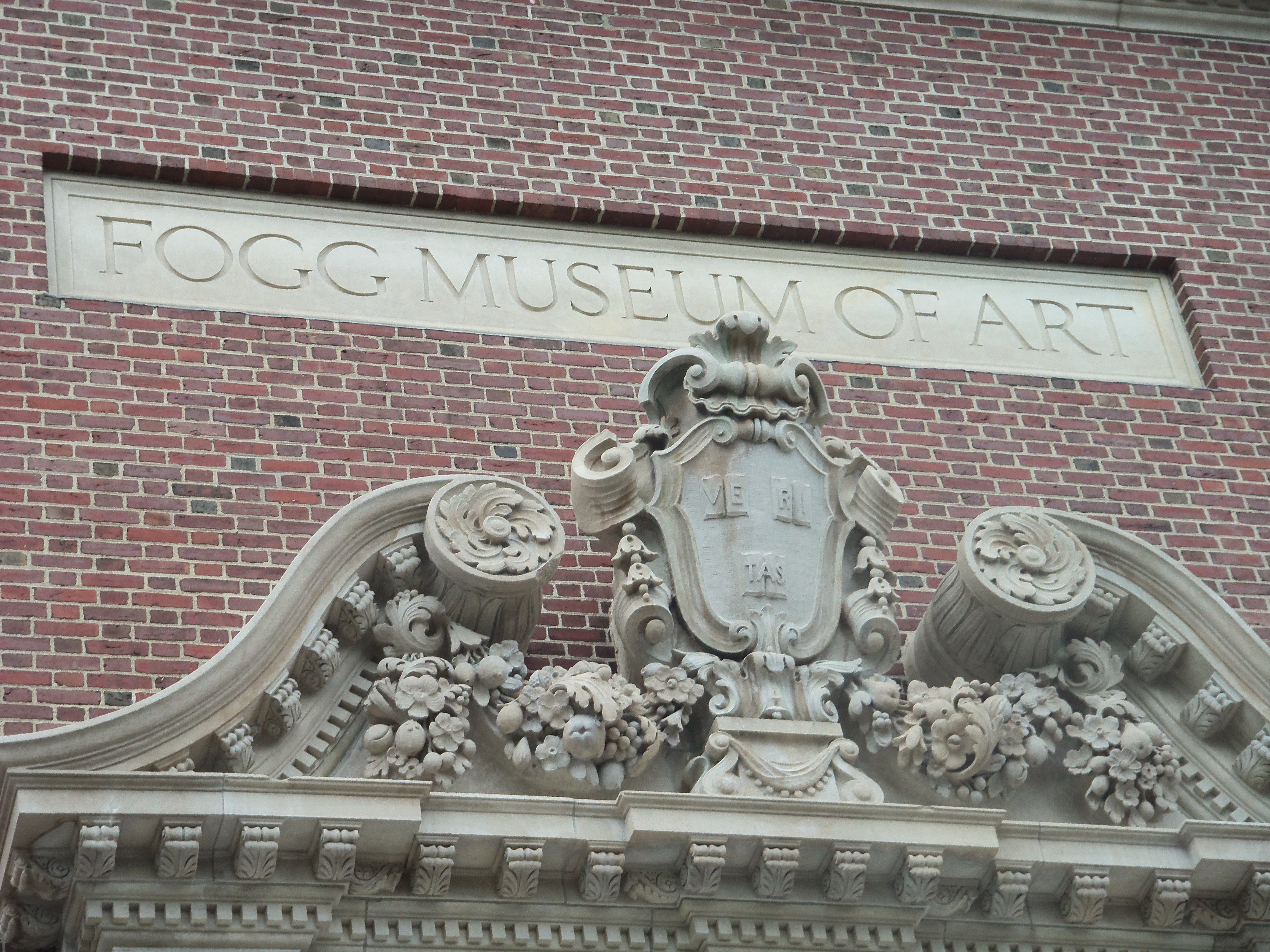
Here’s a sampling from our travels and travel plans:
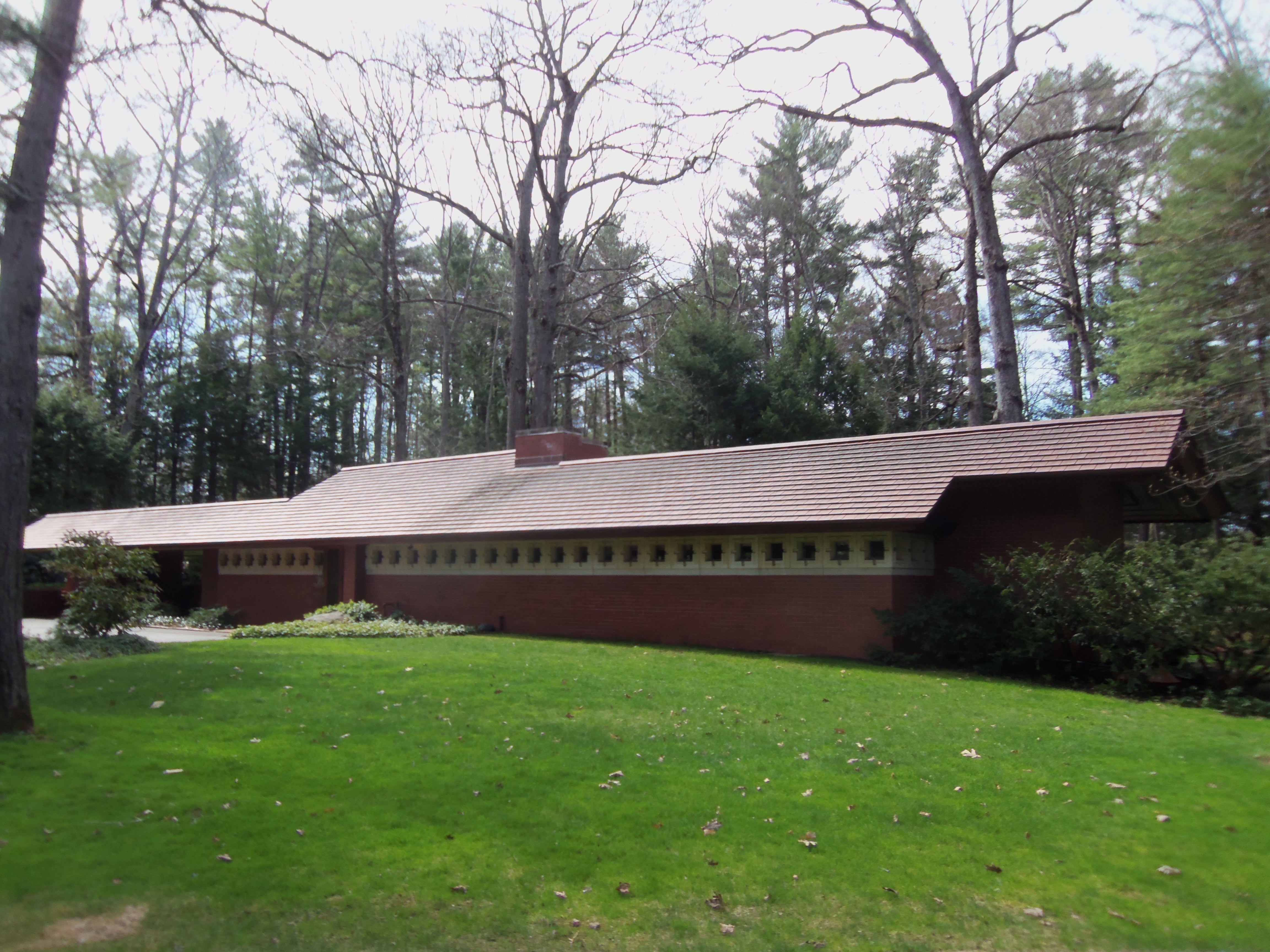
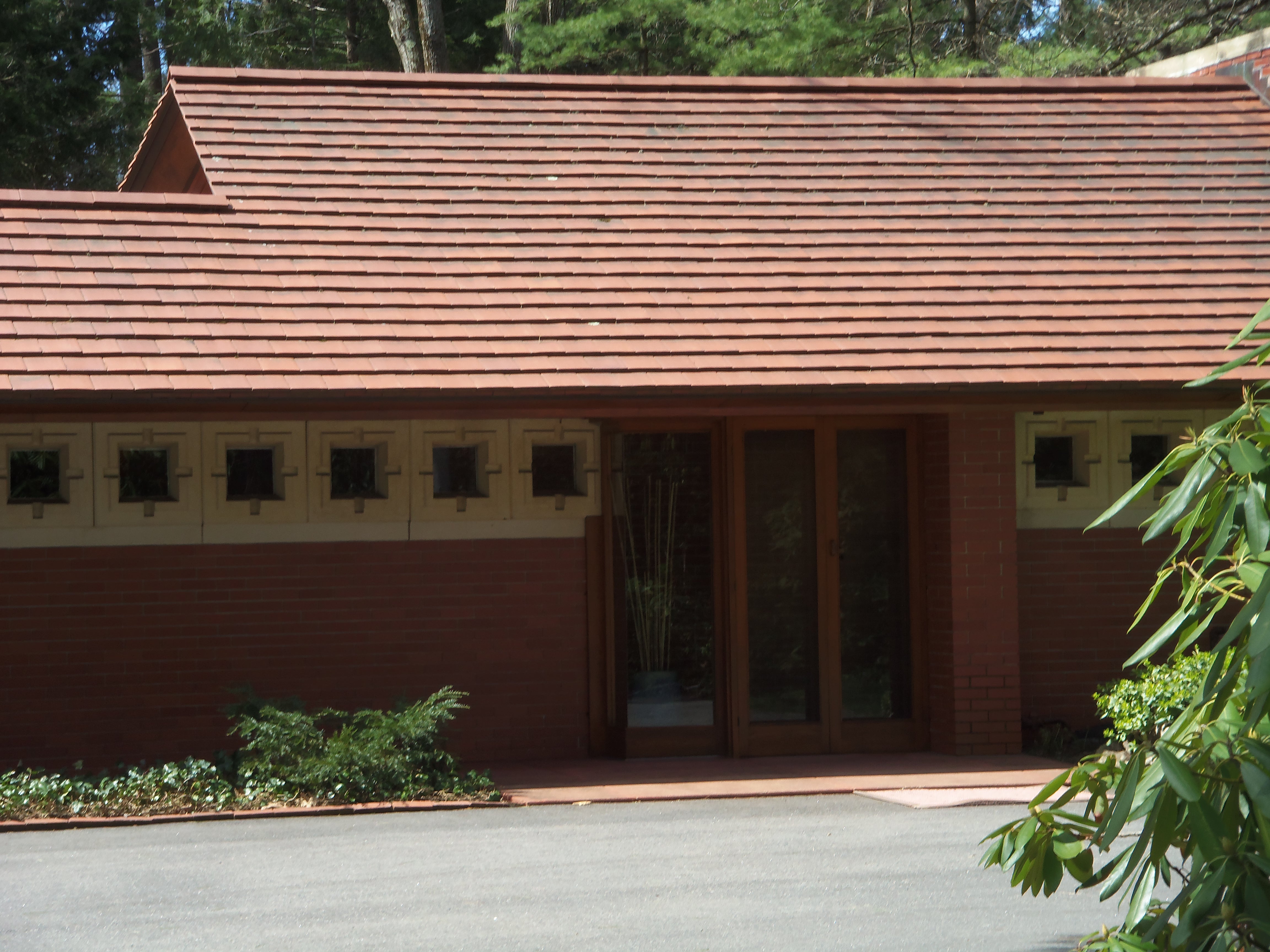
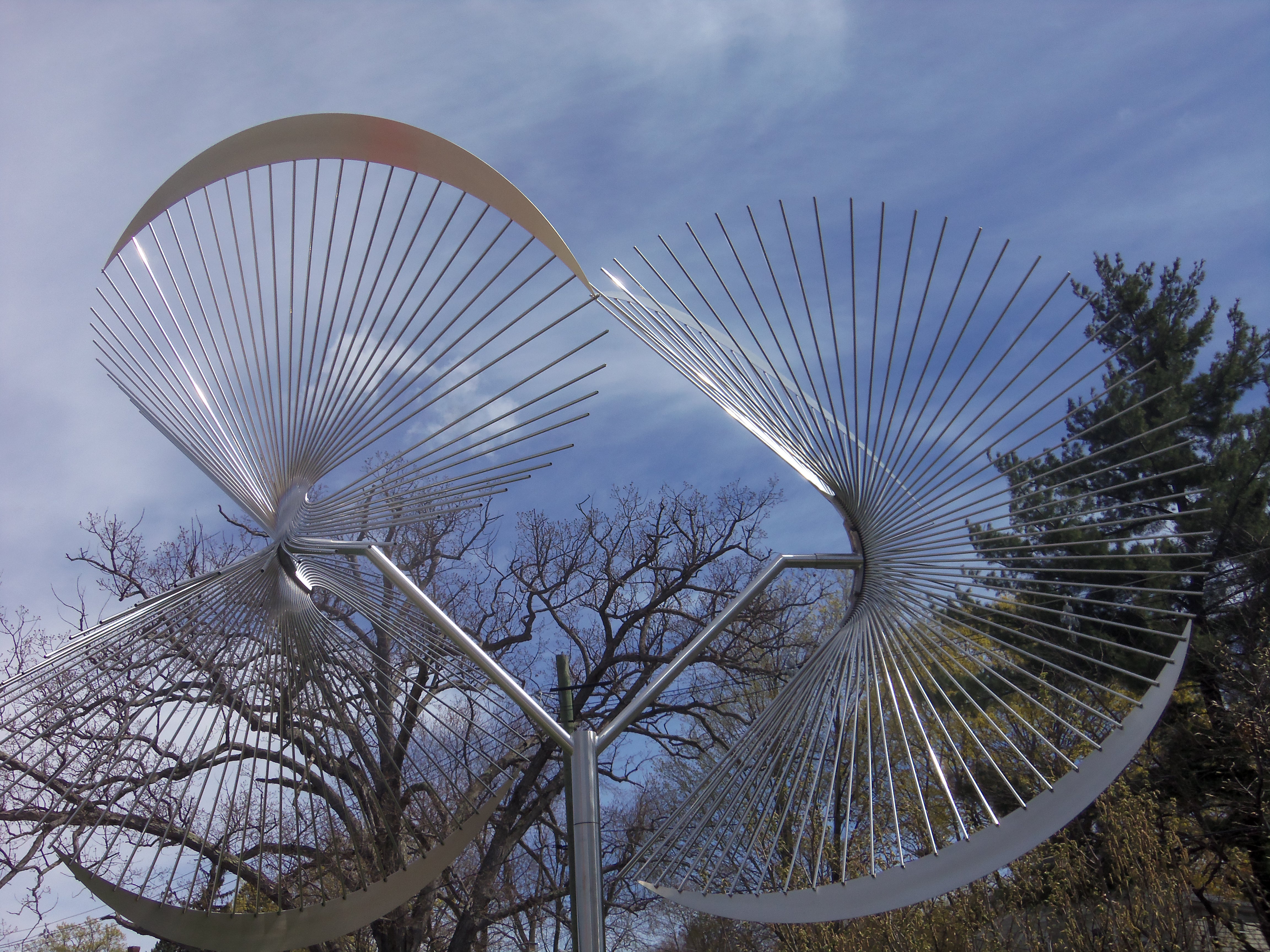
Growing up in the American Midwest, I had the impression that New England was, well, uniformly cultured. Moving here at the end of the roundabout route that emerged, however, I was surprised to discover how unevenly that Culture was distributed. It was essentially centered in Boston. Or more specifically, Huntington Avenue in the city’s Back Bay neighborhood, in the Theater District, Museum of Fine Arts Boston, and Symphony Hall, plus Harvard Square in Cambridge across the Charles River.
For perspective, New England has only one major-league professional orchestra, the Boston Symphony, compared to eight in the Midwest – Cleveland, Cincinnati, Detroit, Chicago, St. Louis, Kansas City, Milwaukee, and Minneapolis. (Well, maybe seven these days, after the disastrous events in the Twin Cities.)
The underlying reason, I’ve sensed, arises in the historic ownership of New England’s economic base – the textiles mills, especially, along the rivers and streams – by the fabled Boston Brahmins. In other words, while New England’s products sold around the globe, the profits flowed into Proper Bostonians’ mansions, and these, in turn, endowed the great cultural institutions.
* * *
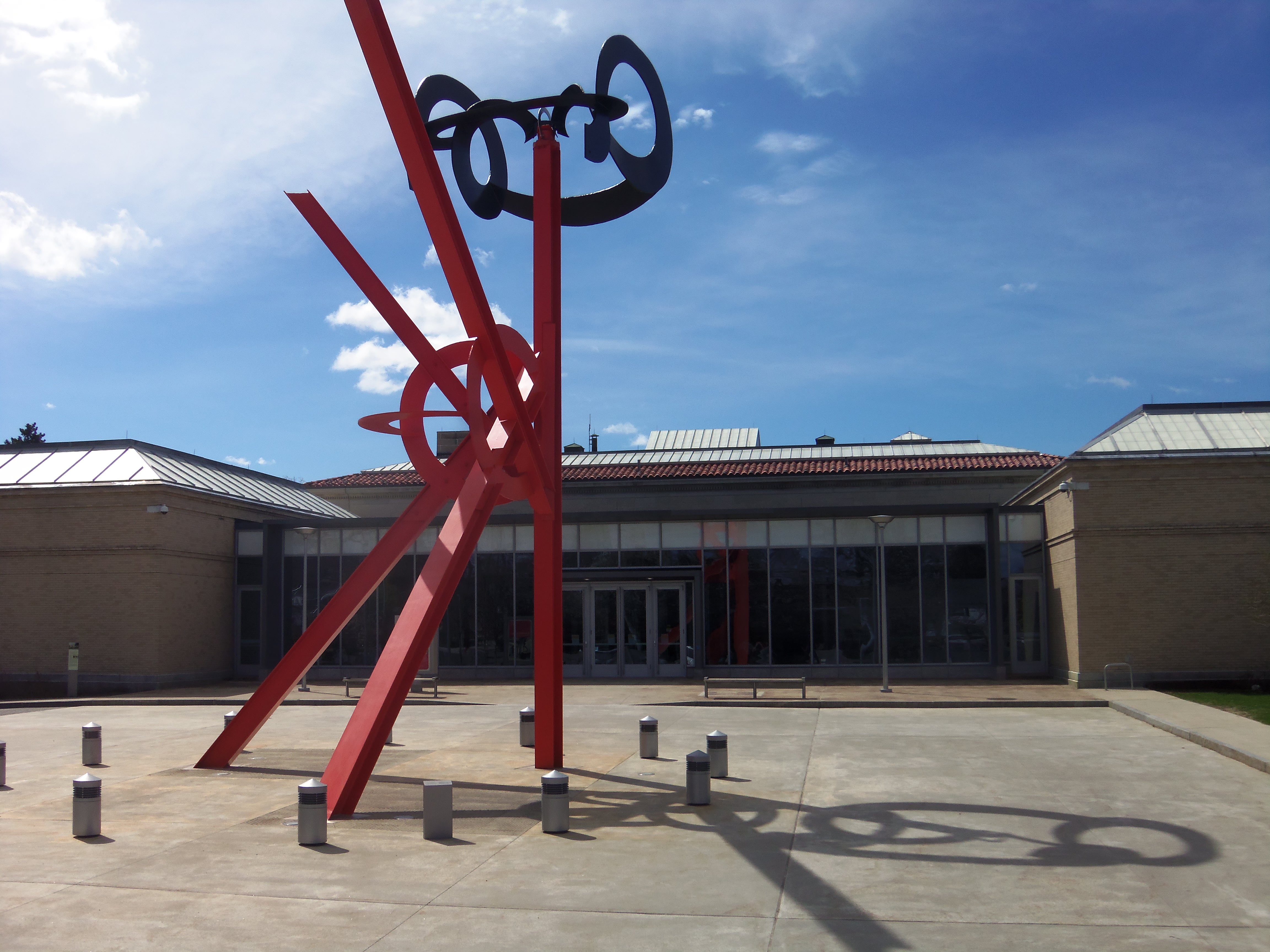
The region’s art museums, on the other hand, provide another slant on this legacy. I’ll argue that the largest, wealthiest galleries are not always the most exciting; when it comes to art collections, quality is often based on the gifts of a few insightful, daring donors. Since we frequently visit museums when we travel – and art museums, especially – here’s an overview of what we’ve found. Admittedly, we’ve missed some.
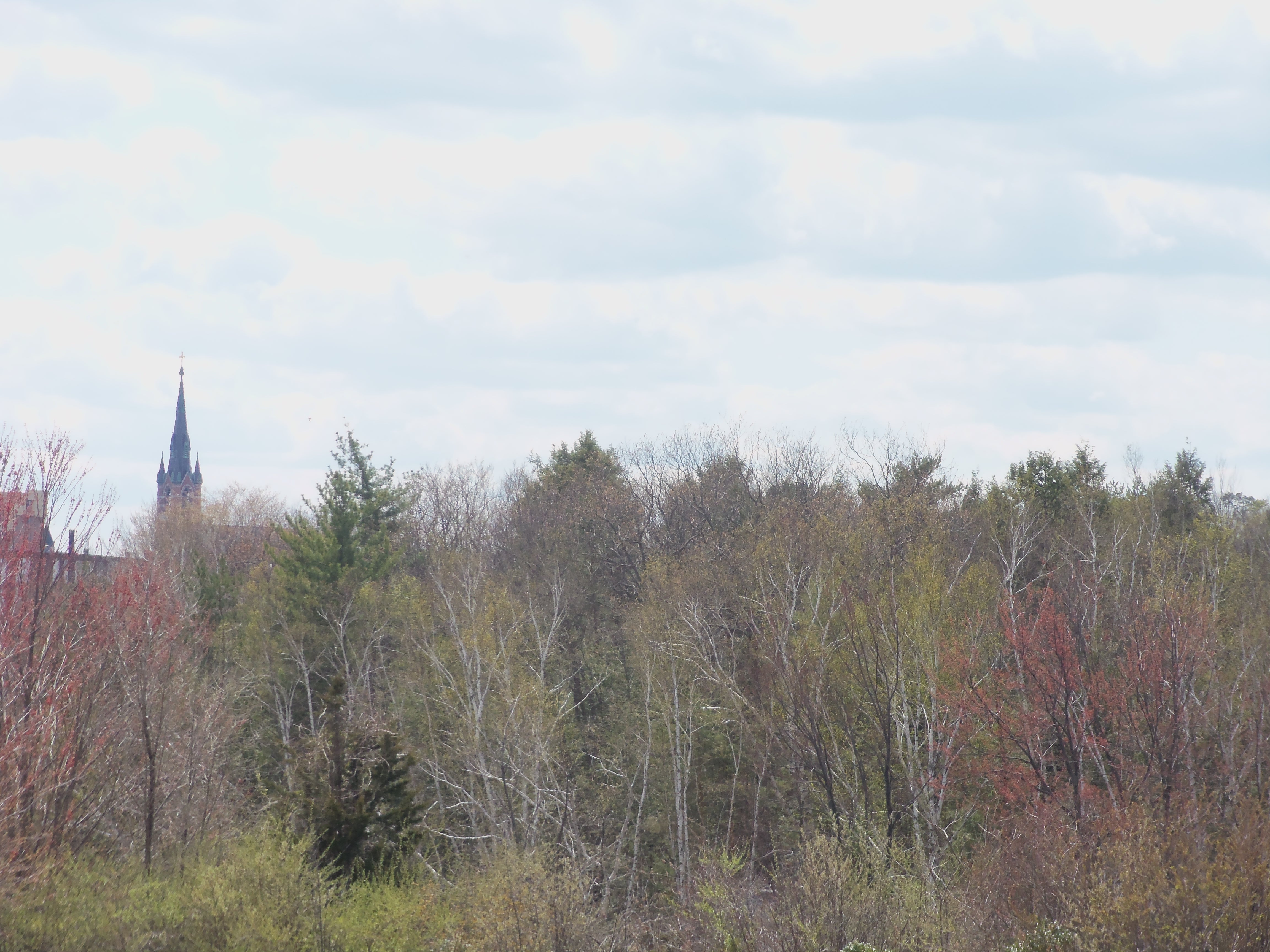
As the largest city in northern New England, Manchester was built on the water power captured at the Amoskeag Falls in the Merrimack River.
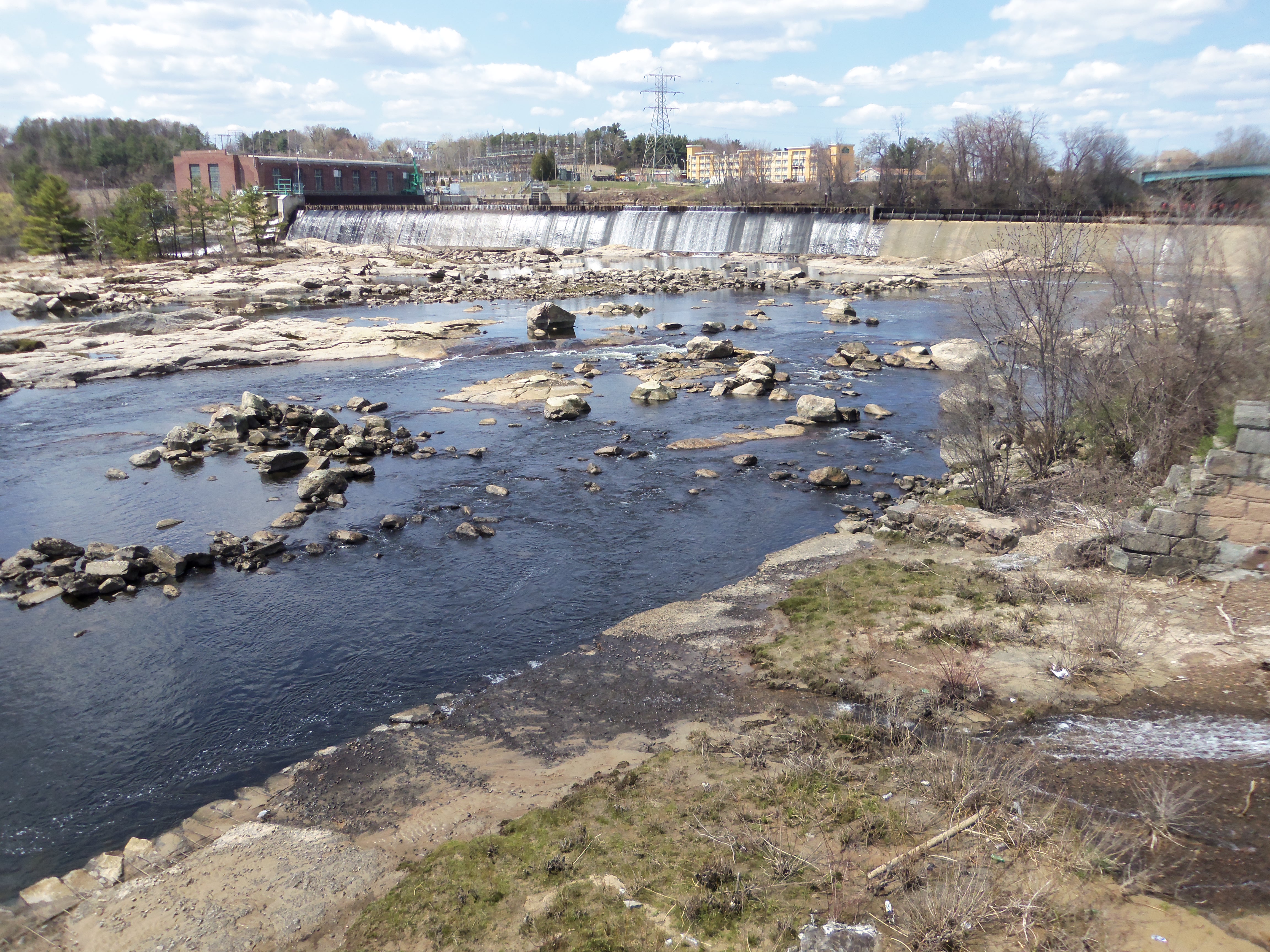
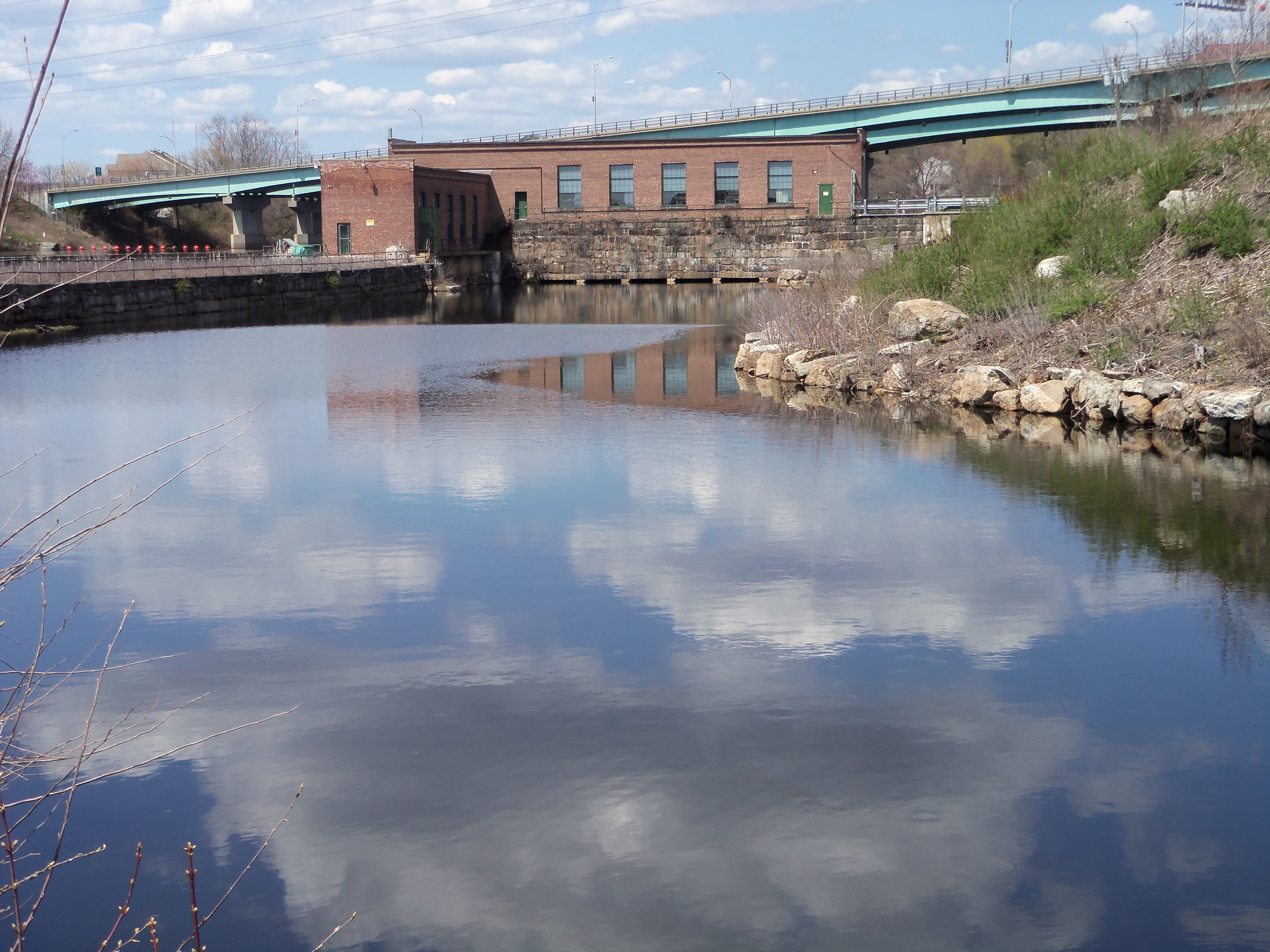
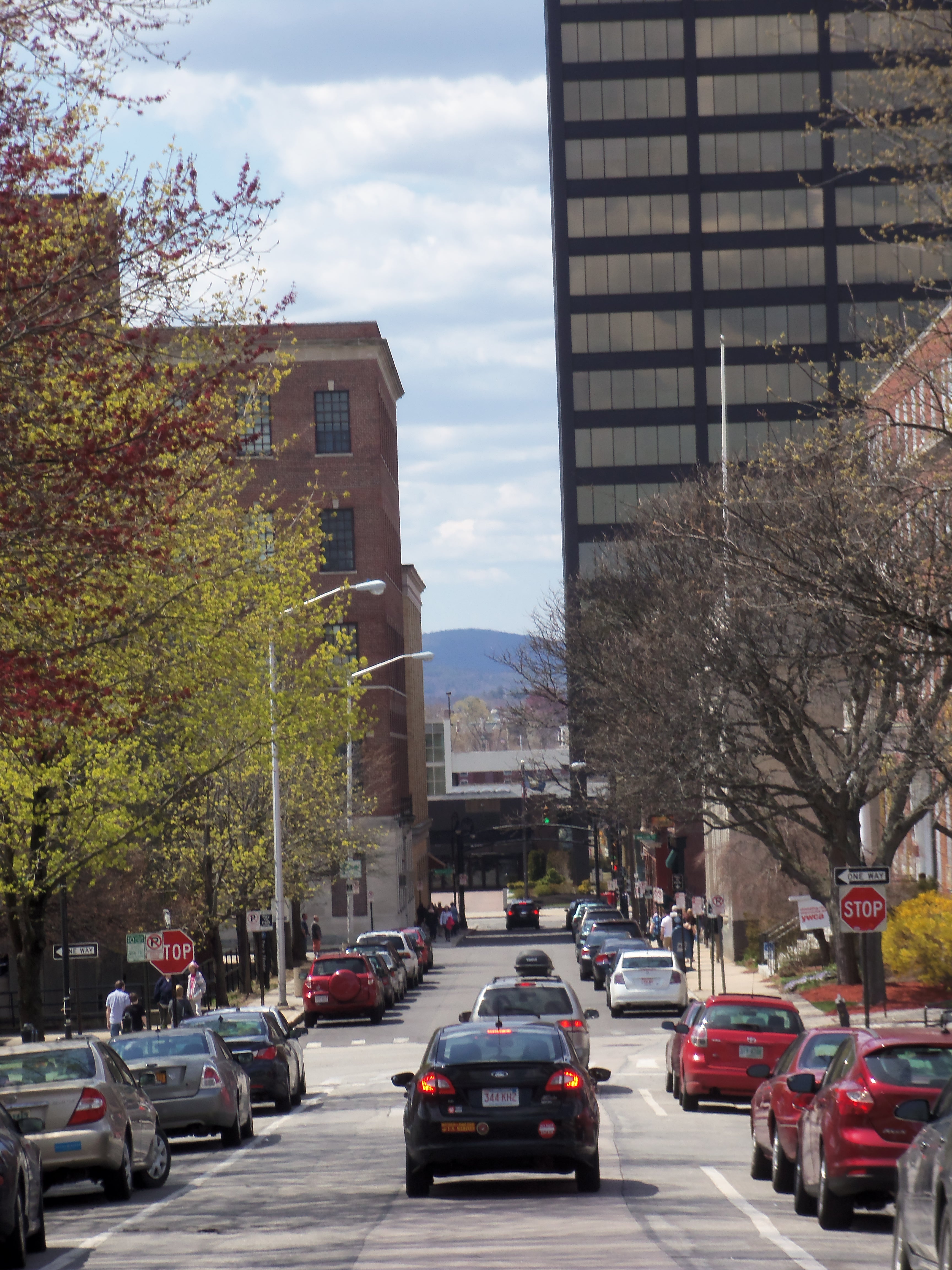

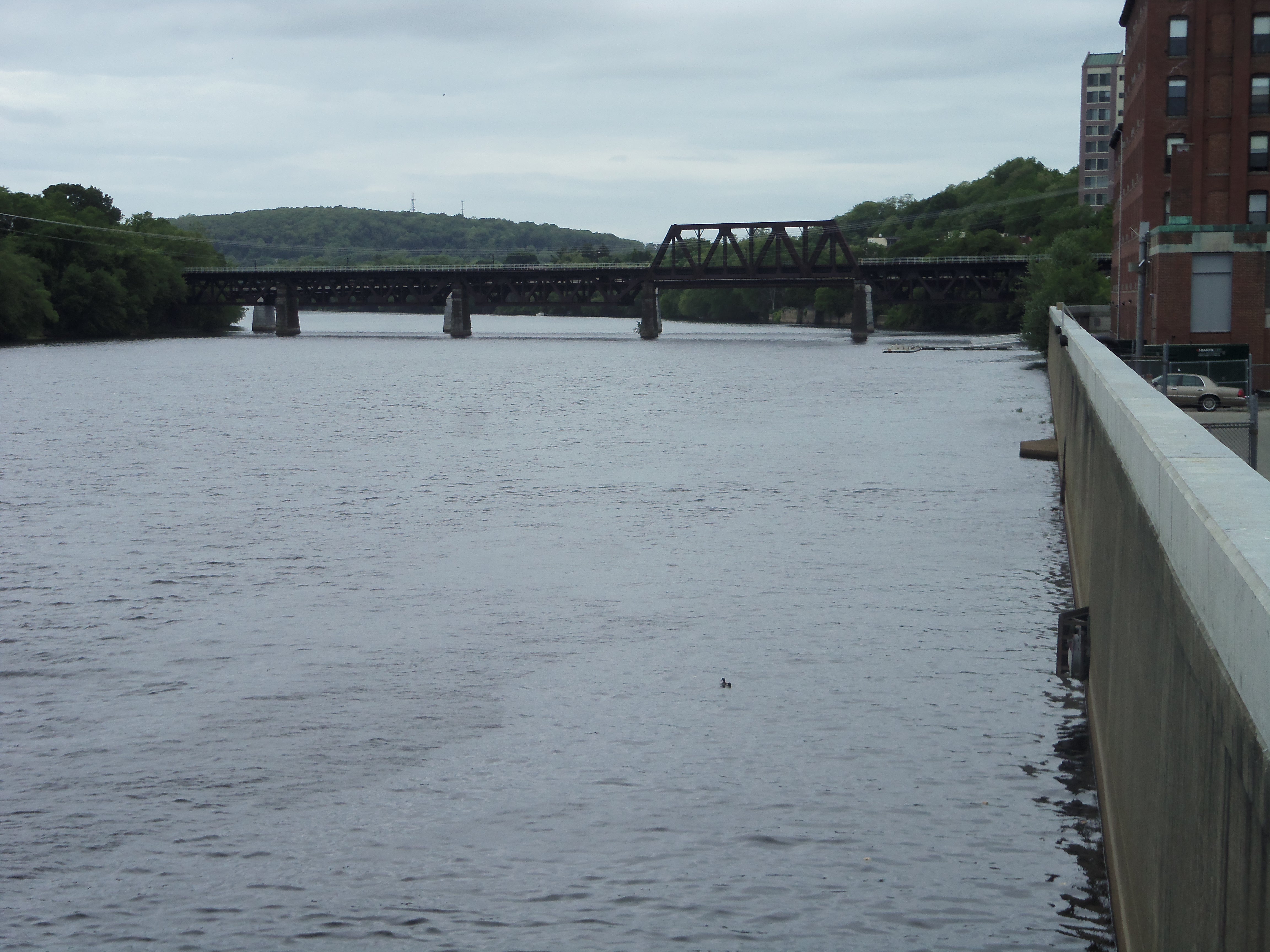
New England’s waterways are dotted with historic mill towns. The Merrimack River alone could boast of the water-powered industrial centers of Manchester and Nashua in New Hampshire as well as Lowell, Lawrence, Haverhill, and Amesbury downstream in Massachusetts, along with Newburyport and its harbor.

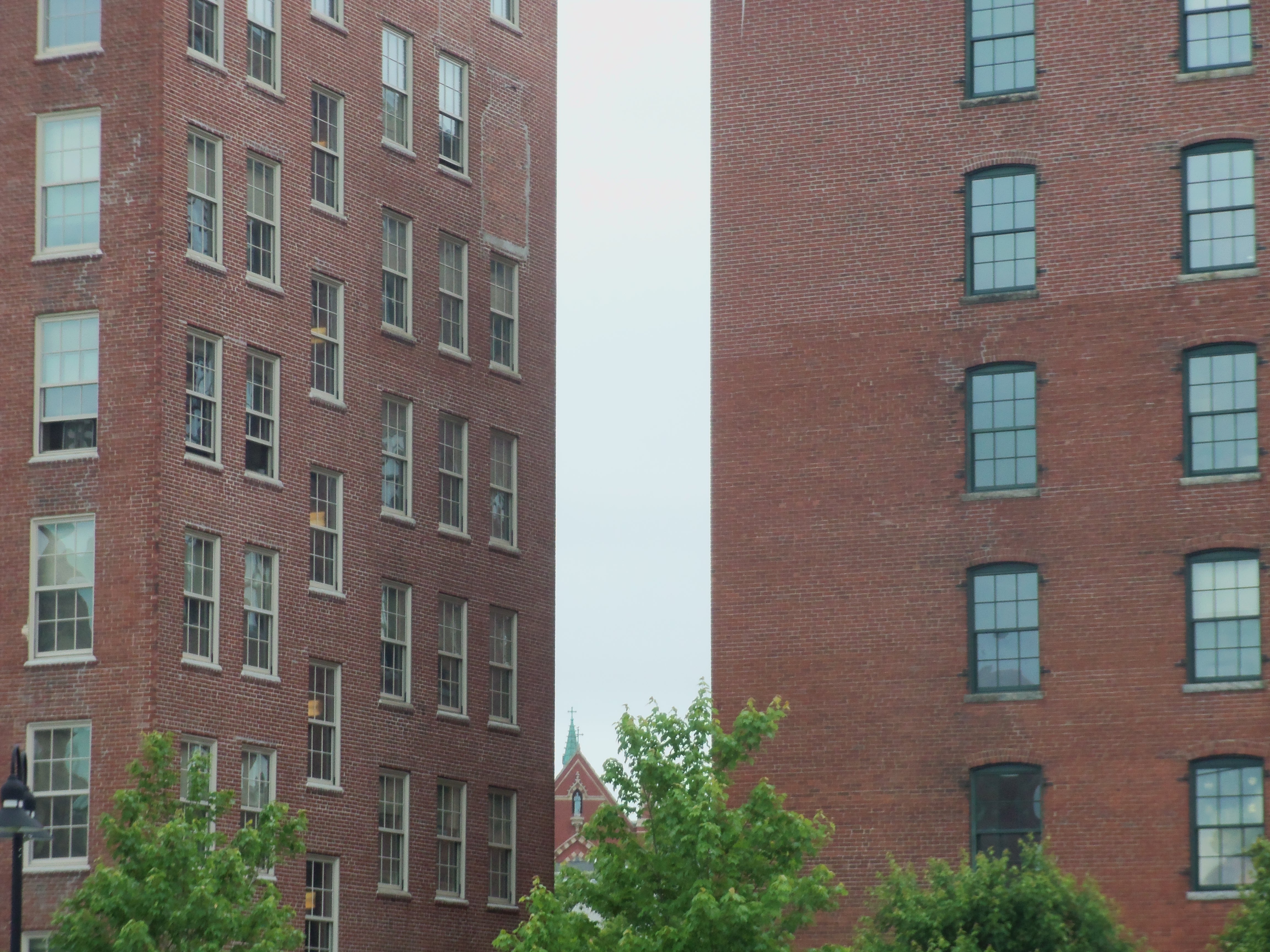
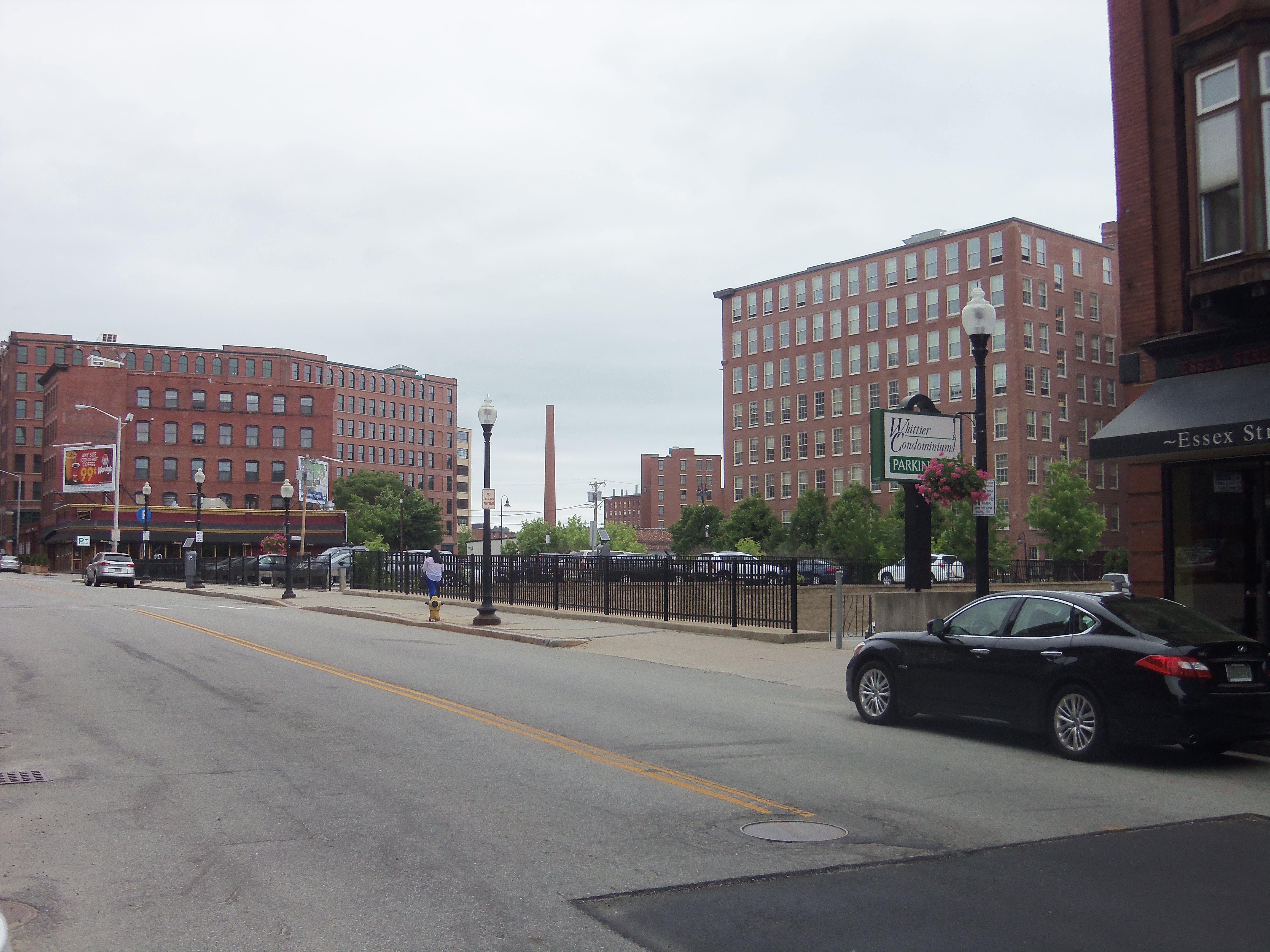
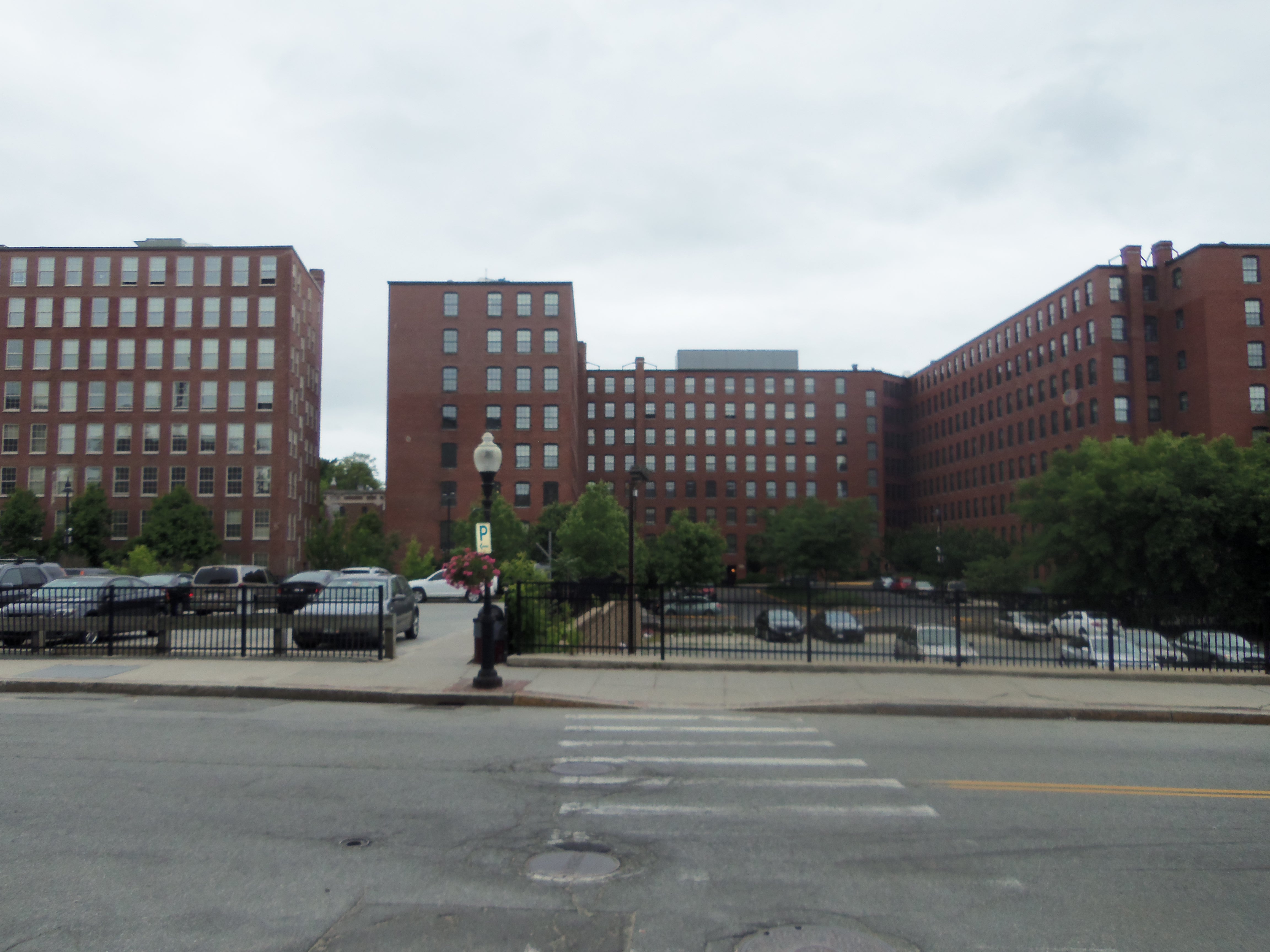
While textiles were the focus of much of New England’s mill output, the power was applied to other products as well. Haverhill, for instance, emerged as a center of shoemaking, by 1913 producing one of every 10 pairs in America and earning it a whimsical nickname of Queen Slipper City. Its earlier commerce rested on woolen mills, tanneries, shipping, and shipbuilding.
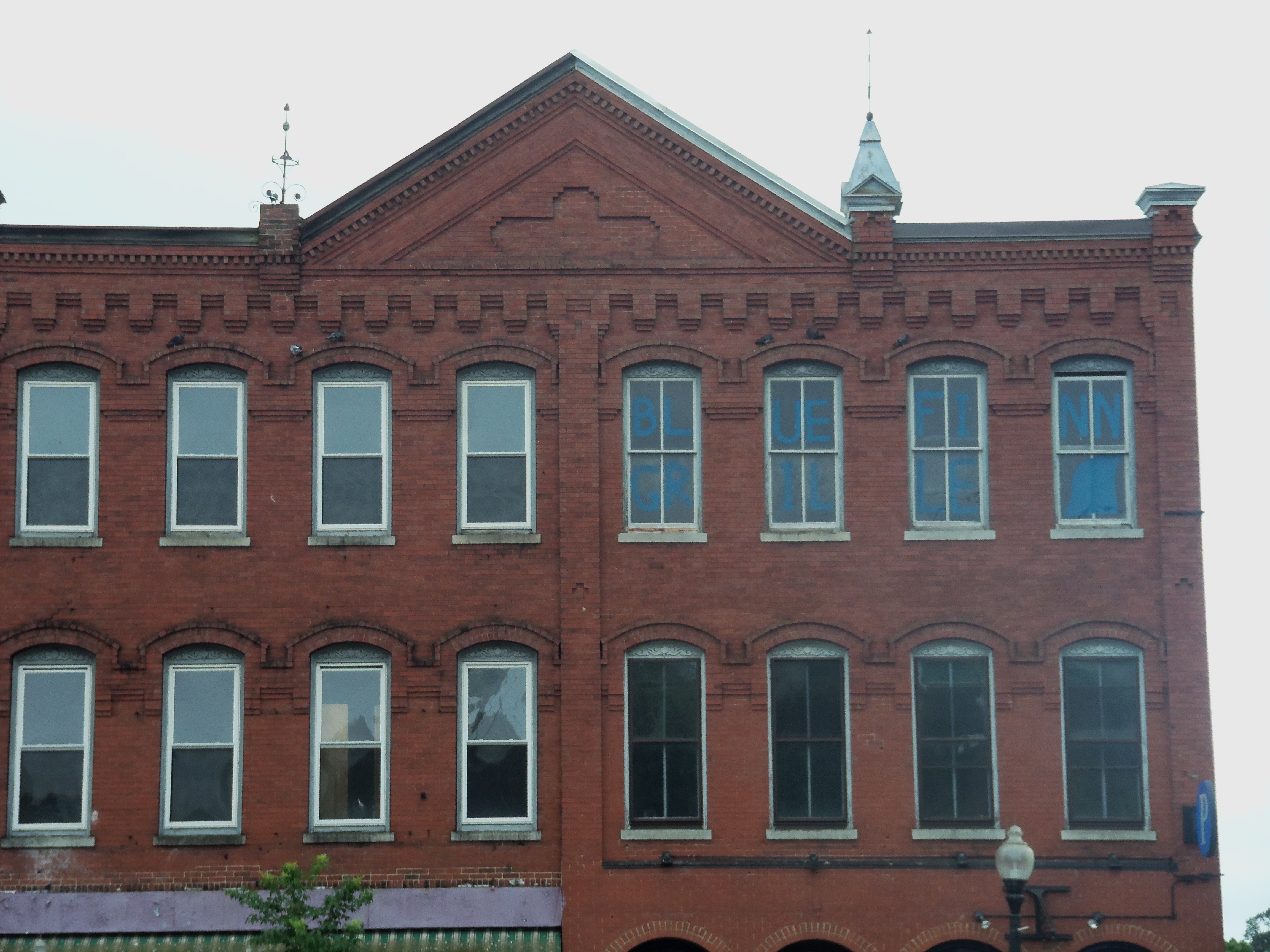
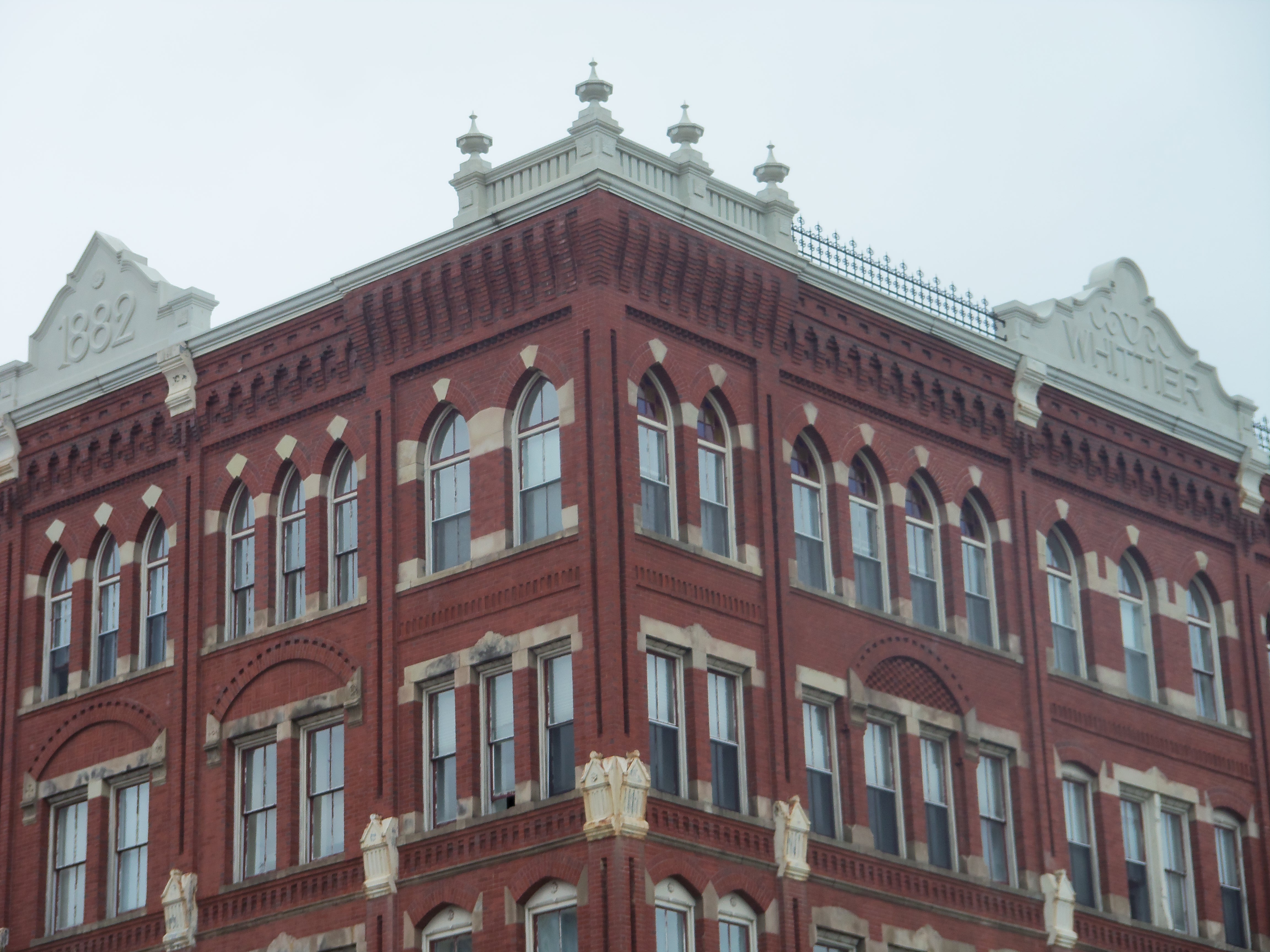


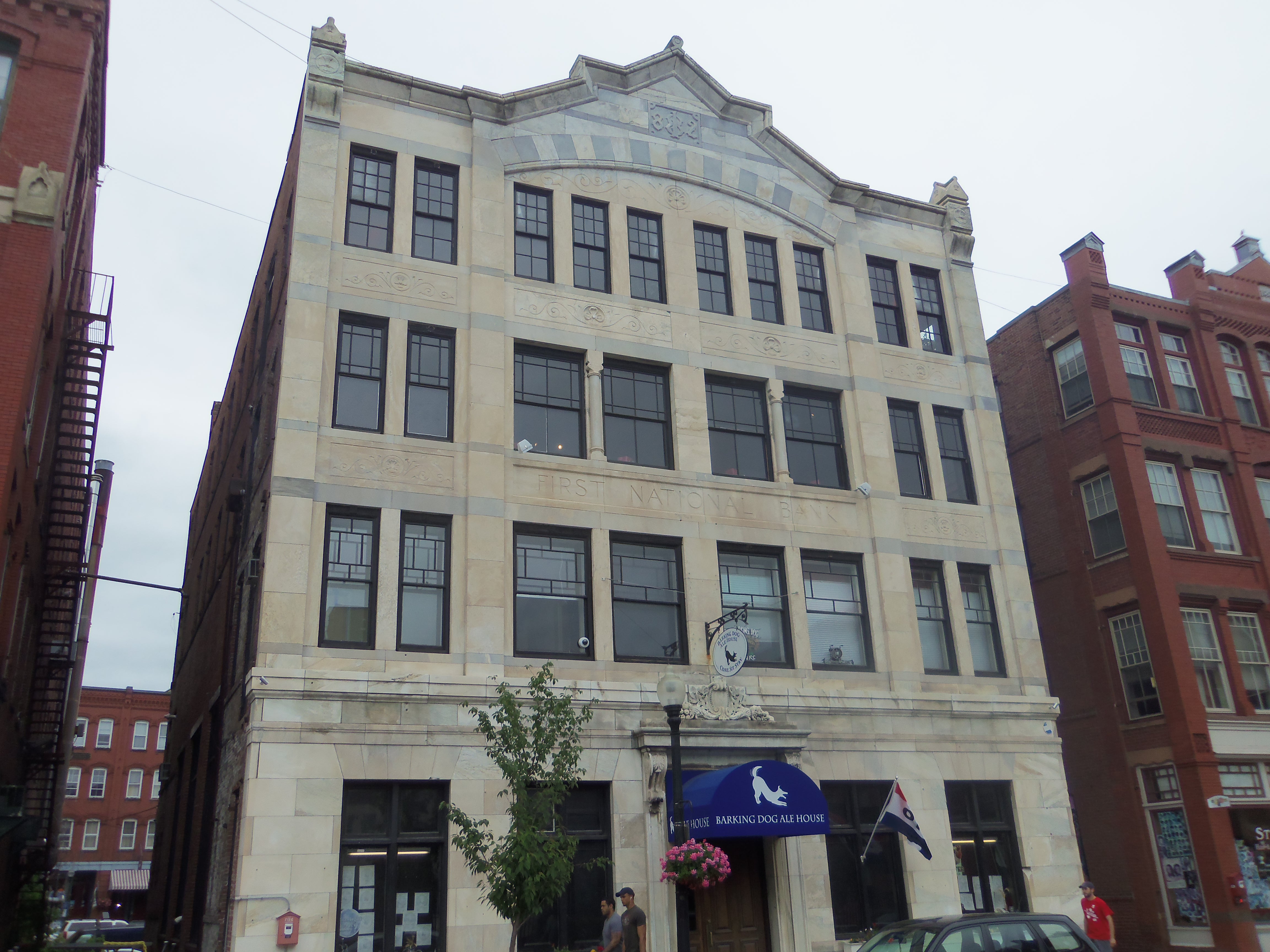
Like many of these once industrial centers, the city has been struggling to adapt to new directions and refit its legacy of old structures.
By the way, in Yankee style, it’s pronounced HAY-vril and is today a city of 60,000. But the river still runs through it.