ROUND AND ROUND WE GO

Fair warning, especially when there's no backup.
Fair warning, especially when there’s no backup.

Drivers from other parts of the world are often terrified by New England’s use of traffic circles at busy intersections. We’re not the only people to use them – Washington, D.C., has some of the worst – but they do become landmarks. In New Hampshire, for instance, a set of directions might mention the Portsmouth Traffic Circle, or the one at Epsom or Stratham or Alton or Lee, shown here.

It's when you add traffic that things get fun.
It’s when you add traffic that things get fun.

Other terms for the routing around a central island include “rotaries” and “roundabouts.” What Romans call theirs would be unprintable in a family-friendly blog like this.


UP NIMBLE HILL

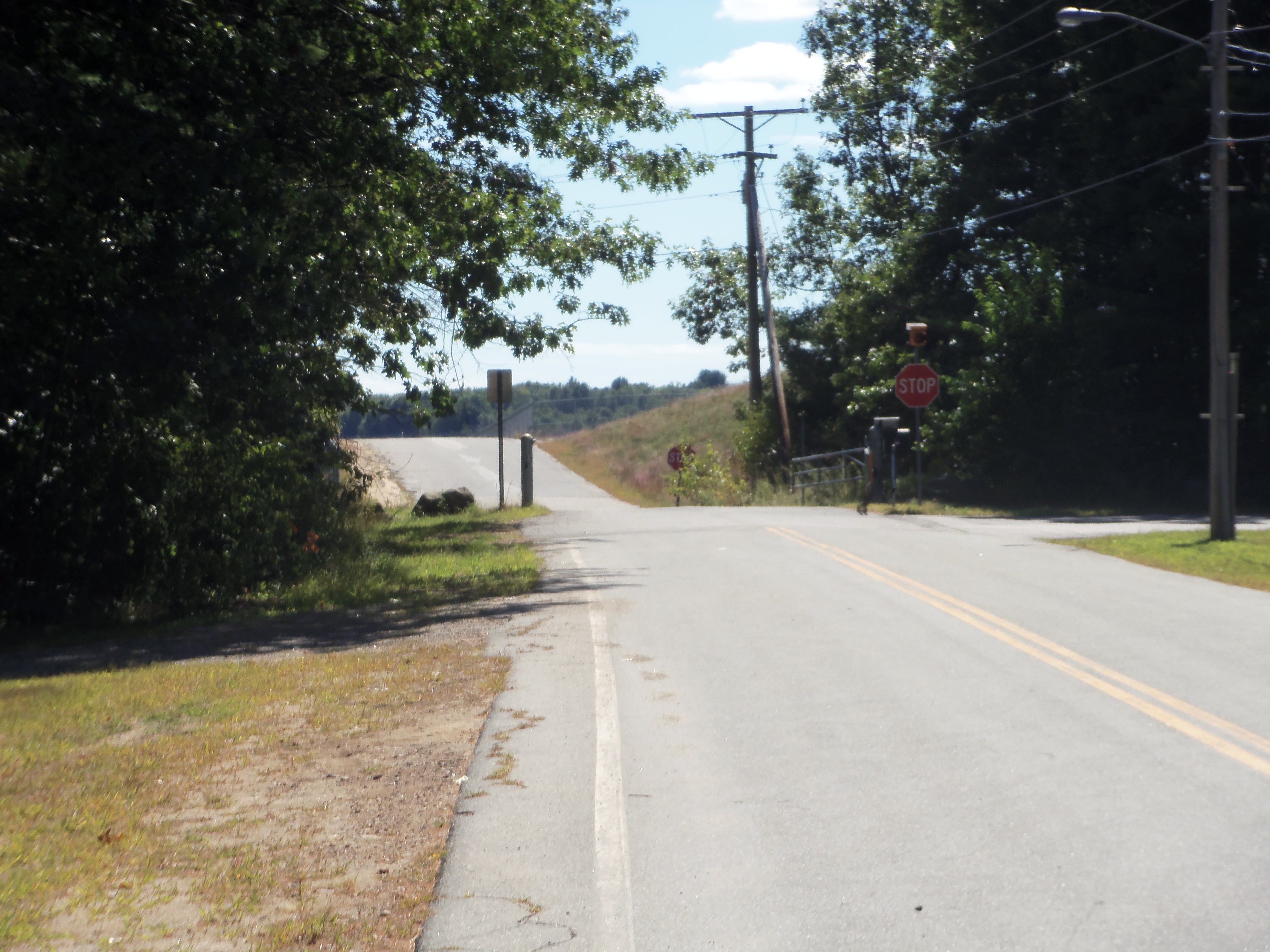
Nimble Hill Road is quite a contrast to the congestion around the mall and big-box stores on the other side of the turnpike.

The town of Newington, just over the bridge on our way to Portsmouth, is easily misunderstood.

With a 2010 population of a mere 753, it often appears to be little more than the Spaulding Turnpike exits to the mall and big-box stores plus a few apartment complexes and a section of the Pease International Tradeport industrial park.

It also has a major electrical generation plant contributing heavily to the property tax base – a major, major factor for any municipality in New Hampshire as it addresses public finances.

The town is also surrounded on three sides by tidewater, including ocean docking on its eastern edge.

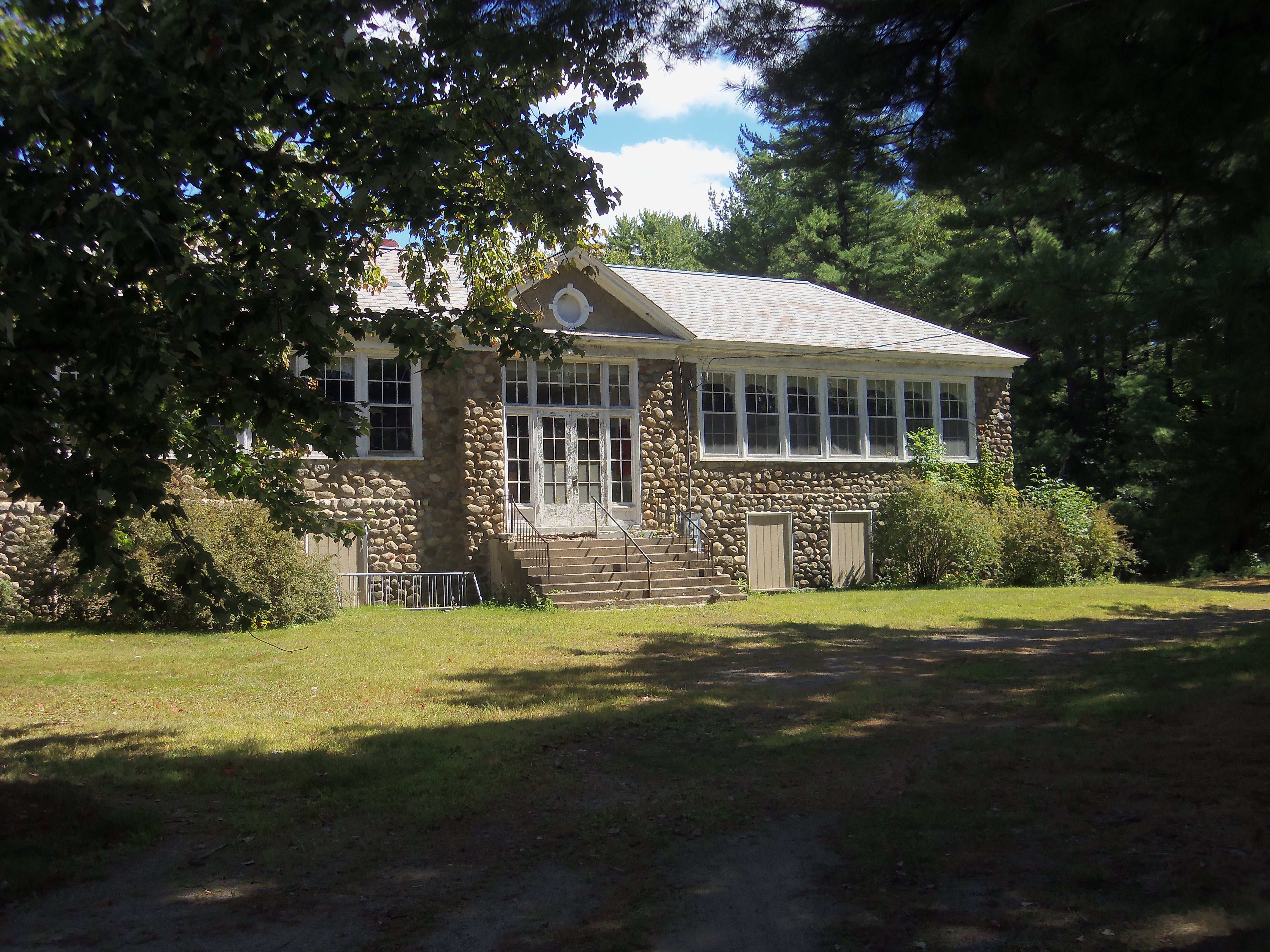
But the place was also severely impacted during the Cold War when the U.S. Air Force used eminent domain to acquire 4,255 acres to construct an air base (now turned into the industrial zone) mostly in Newington. The noise of bomber-sized jet planes taking off and landing did little to enhance the neighborhood as a place to live peacefully in those days – the frequent interruptions even forced the grade school to find a quieter setting. After all, its runway, now used by commercial, private, and National Guard flights, is among the longest in New England.

Given those factors, few people would have much incentive to take the Nimble Hill Road exit from the turnpike.

As it turns it, the road presents some classic New England just before culminating in a dead end near the runway. The historic district is a treasure.

Here’s a taste of what you’d see.

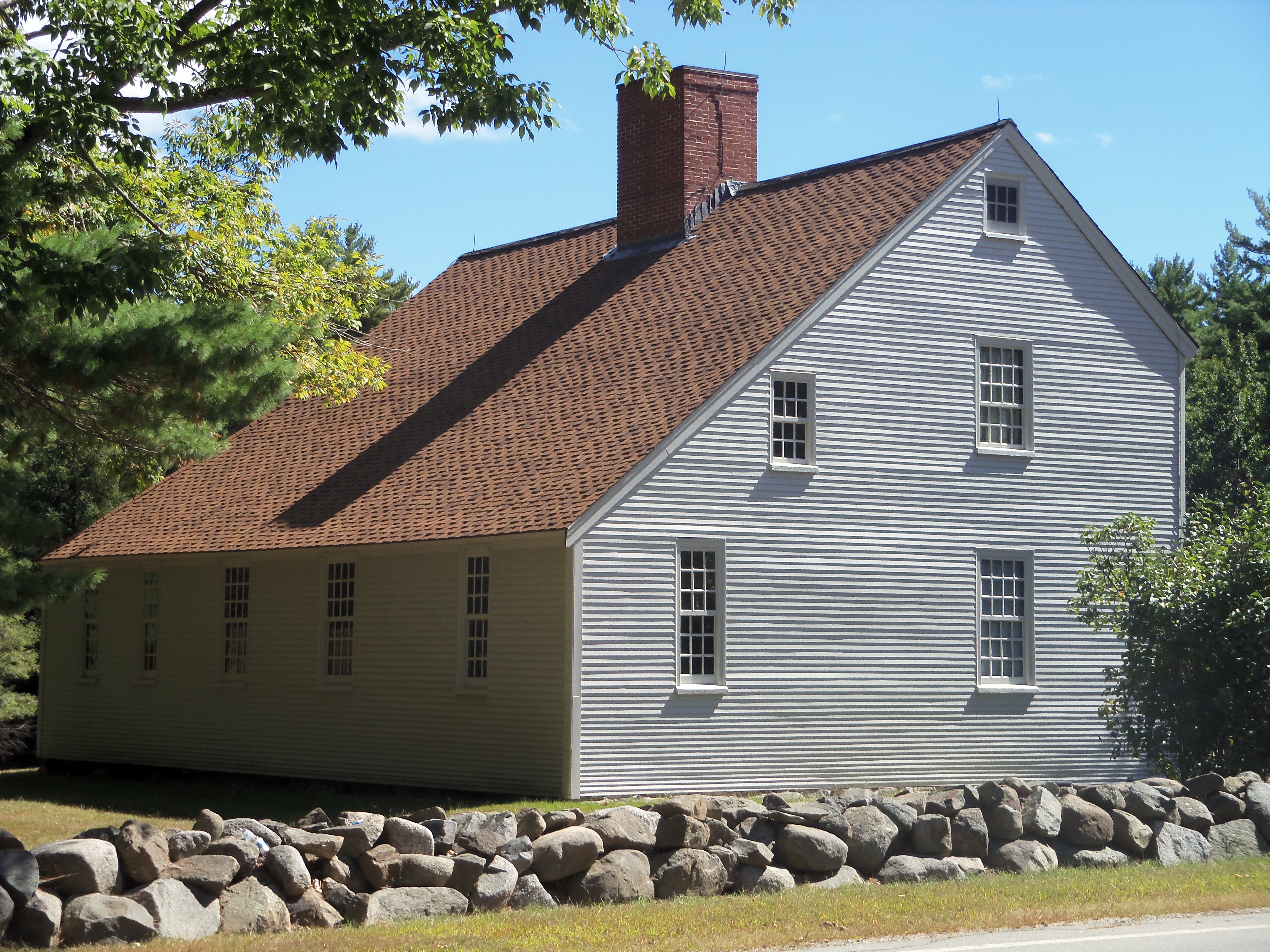
The 1725 parsonage includes a salt-box addition as an early renovation.
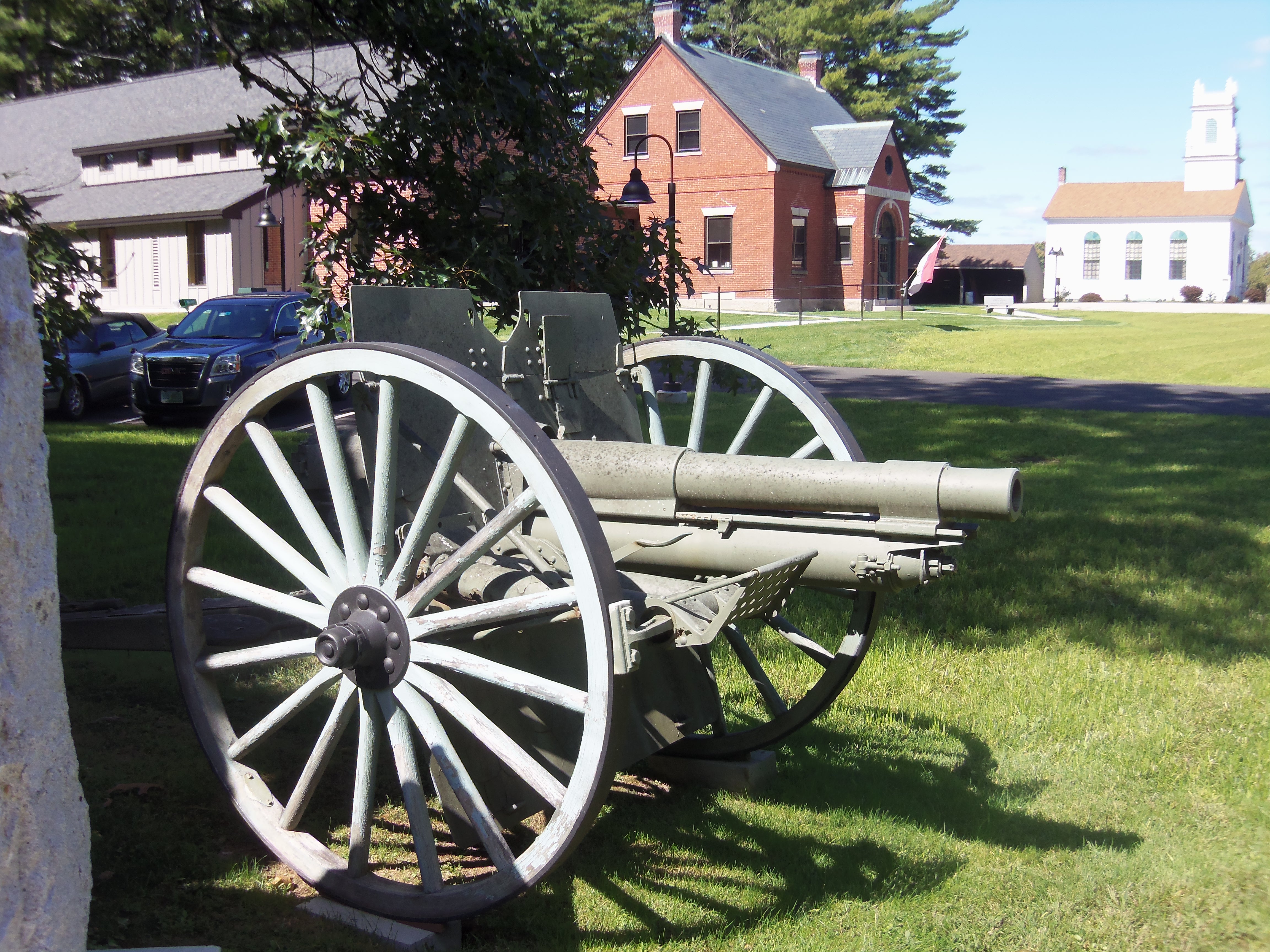
A cannon is part of the town monuments near the center of the Parade where the militia practiced. More Newington men served in the Siege of Louisburg (13) and War of 1812 (12) than in World War I. The background includes the well-funded library and 1712 meeting house, said to be the oldest in New Hampshire. (Hope they mean oldest in continuous use, since I know of two Quaker meetinghouses that are now private residences.)
The elementary school fell victim to loud noise from Air Force bombers.
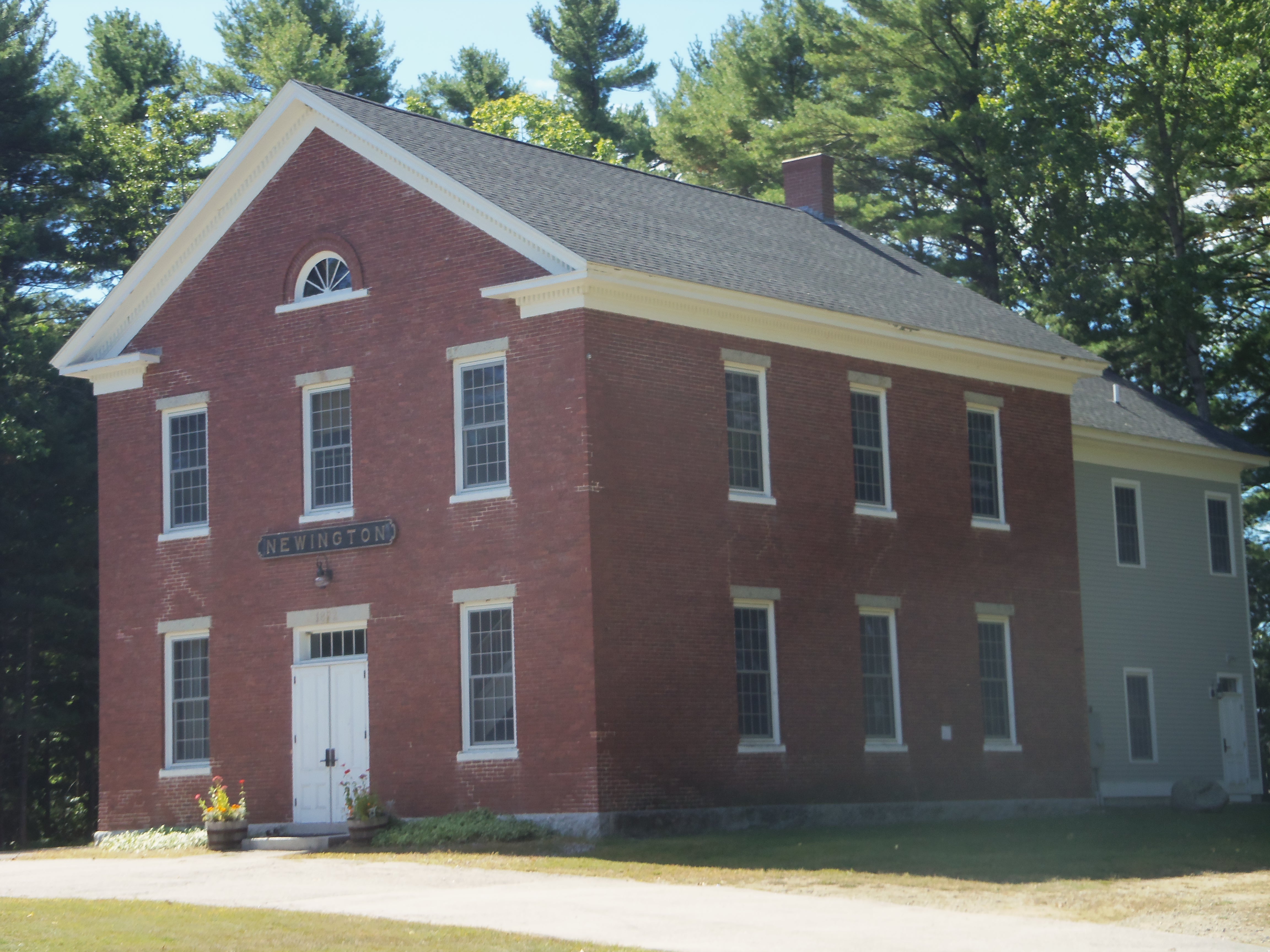
The 1872 Old Town Hall once also housed the school.


HIGH STREET STYLE

On one corner.
On one corner.

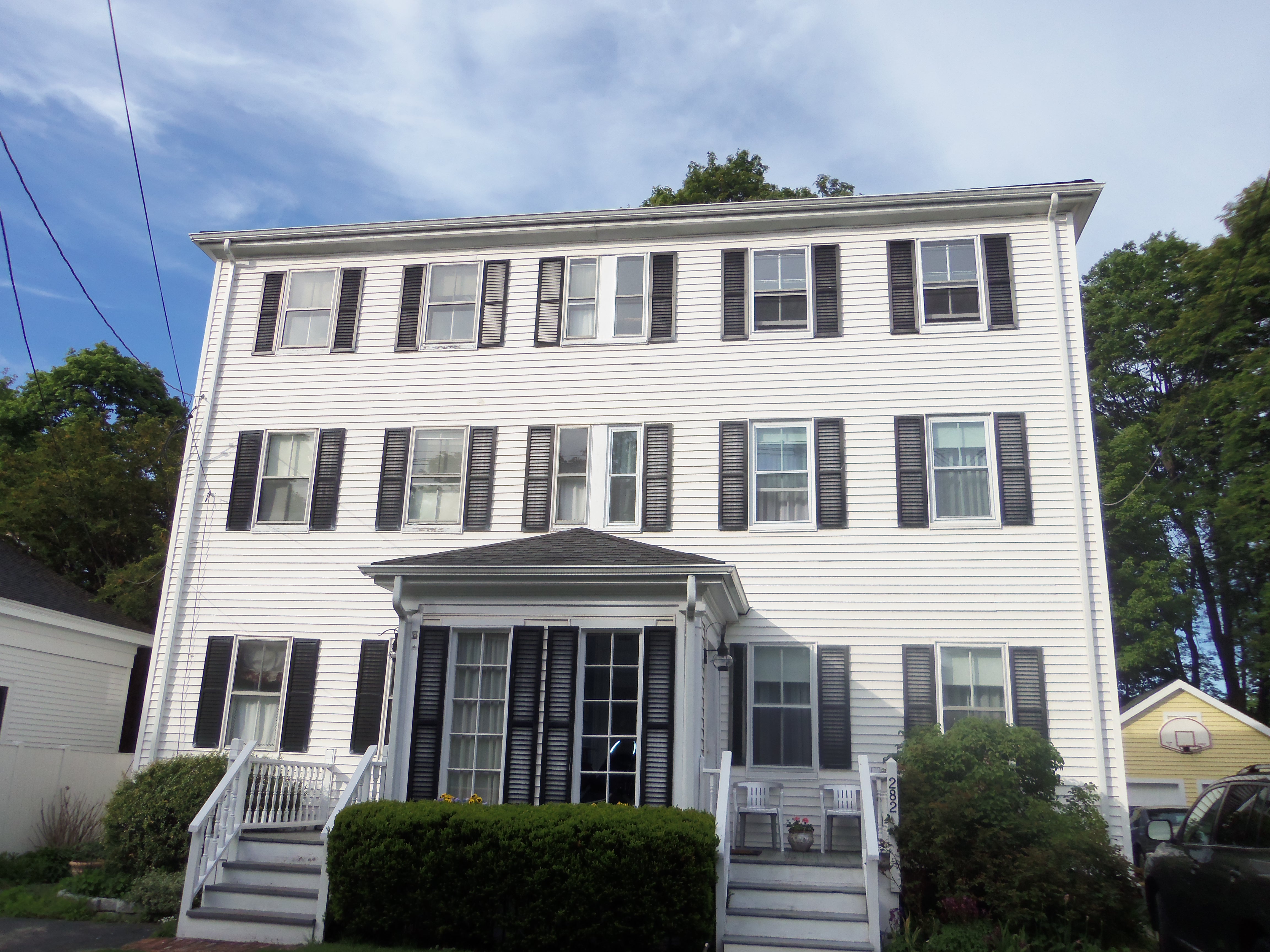
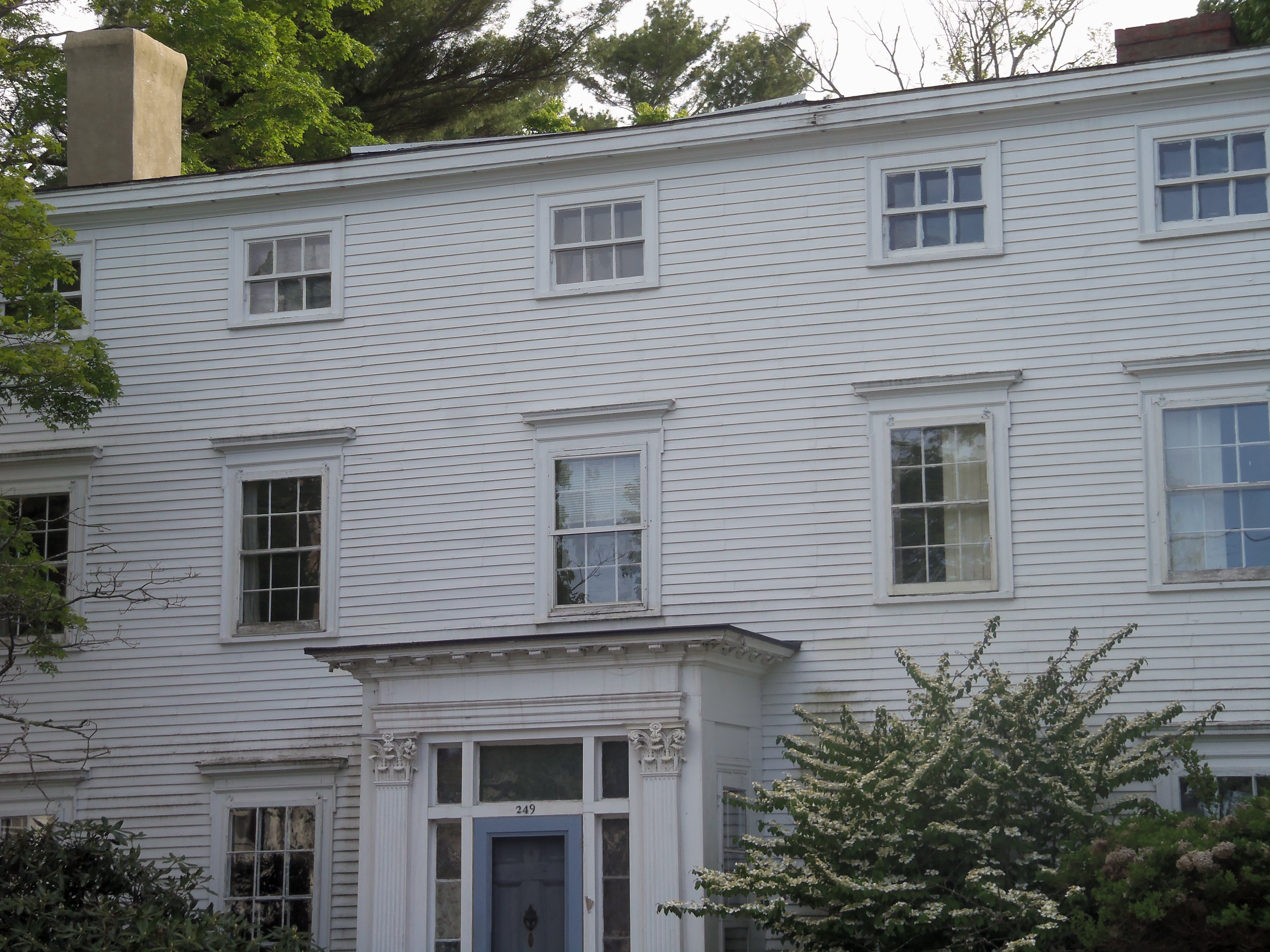
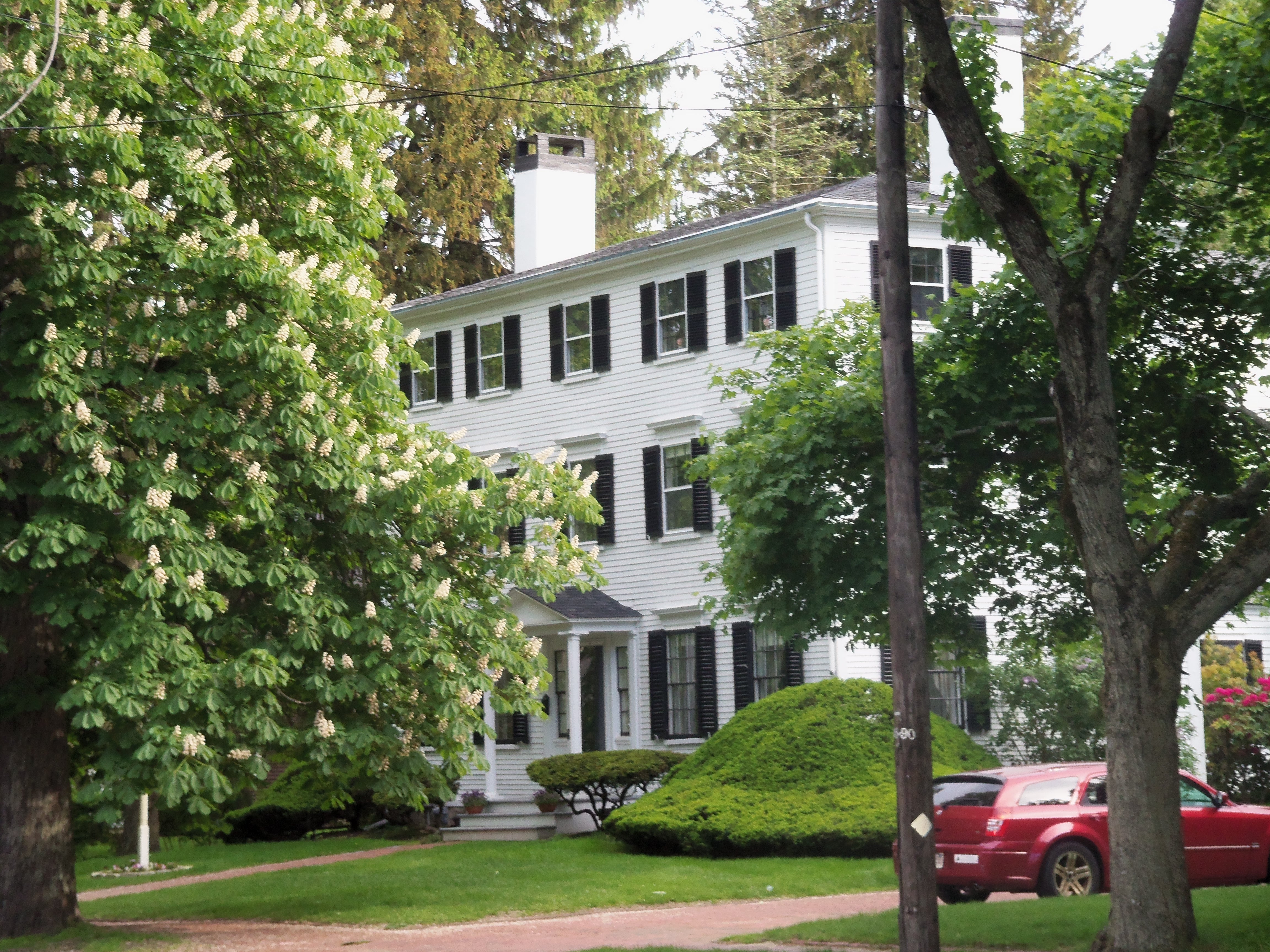
Situated at the mouth of the Merrimack River, Newburyport, Massachusetts, has a historic harbor and charming brick downtown – one that echoes many others in New England, for that matter. Its residential neighborhoods are likewise filled with a range of fascinating details from many historic styles. But for me, the real glory is High Street, built at the height of the lucrative whale oil business. Interspersed among the dominant federal-style houses are some other fine examples. Here’s a sampling.

Colonial.
Colonial.


Lingering Georgian, without many of the distinctive details.


Greek Revival.
Greek Revival.


Greek Revival Temple, here a former church converted to private residence. It has an attached matching garage.


Second Empire.
Second Empire.


Gothic Revival.
Gothic Revival.


Georgian "Colonial" Revival
Georgian “Colonial” Revival

FEDERAL ROW

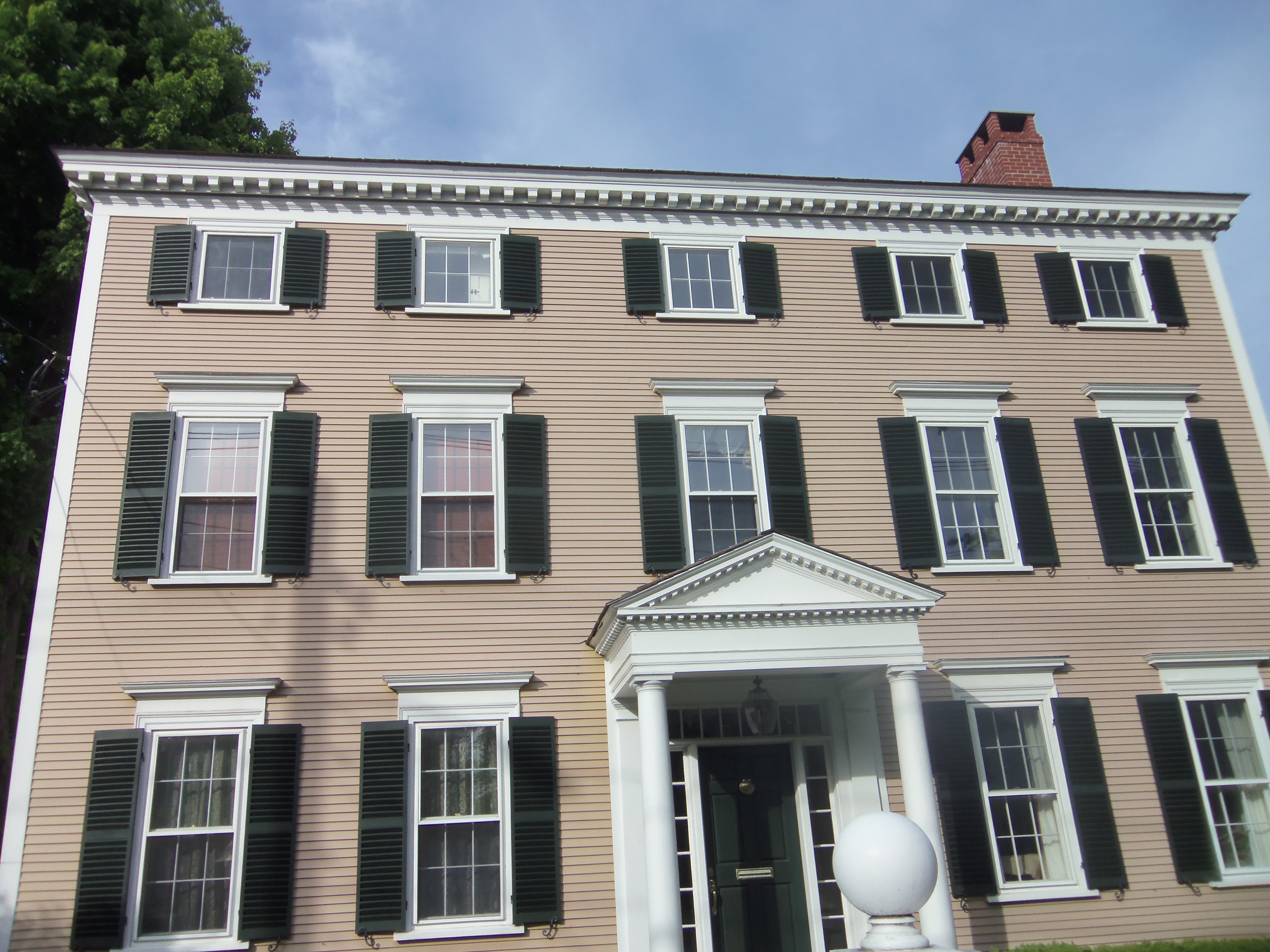
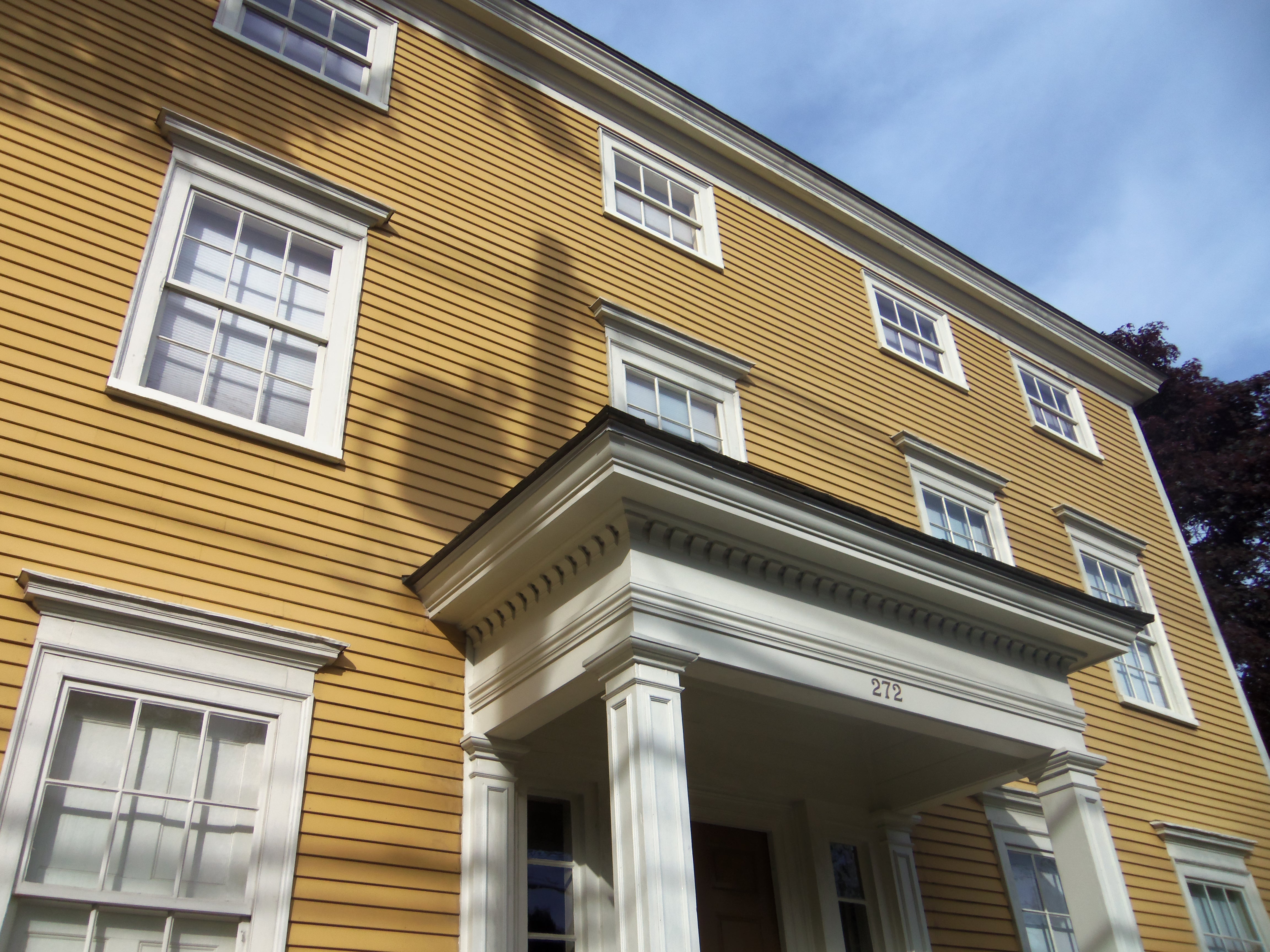
100_0939The federal style of architecture flourished from the 1780s into the 1820s, and you’d be hard-pressed to find a finer sampling of it than in Newburyport, Massachusetts – especially along High Street. Here are a few examples.

100_0942

100_0936

100_0945

100_0925

100_0921

100_0884


50-50-50 RULE

Many folks won’t swim in the Gulf of Maine even in the height of summer. It’s just too cold, they say.

I can sympathize, though some perspective helps. Rarely is the Atlantic around here warm enough before the Fourth of July. Oh, there may be a few rare days, but nothing dependable. We’ve found that anything below 57 F is foolish – even when the air temp’s over a hundred.

Yup, 57. That’s the blue-toe limit: edge into the surf bit by bit. First, the toes. Then out. Back again, top of the foot. Out again. Back again, to the ankles. You get the idea. If you actually make it to total submersion, you come out fast. Like a bullet.

Over time swimming here, you might even get to the point where you can guess within a degree or two. Sixty’s about my bottom line for swimming. Sixty-five is where the water starts to get comfortable. And 70, a rare delight, is heavenly.

For reference, I’ve come to rely on the NOAA Northeast USA Recent Marine Data Web page, which includes readings from buoys. Lately, as the water temps have been edging 50 F – finally even a tad over before ebbing – it’s become a topic of conversation.

Which prompted this response the other day: Ever hear of the 50-50-50 Rule?

Eh?

Fifty minutes in 50-degree water gives you a 50 percent chance of drowning. (Or 50 percent chance of surviving, depending on your outlook on life.)

In light of the blue-toe limit, I had no idea the odds could be that favorable. Not that I ever intend to press them.

CASCADES MEMORIES

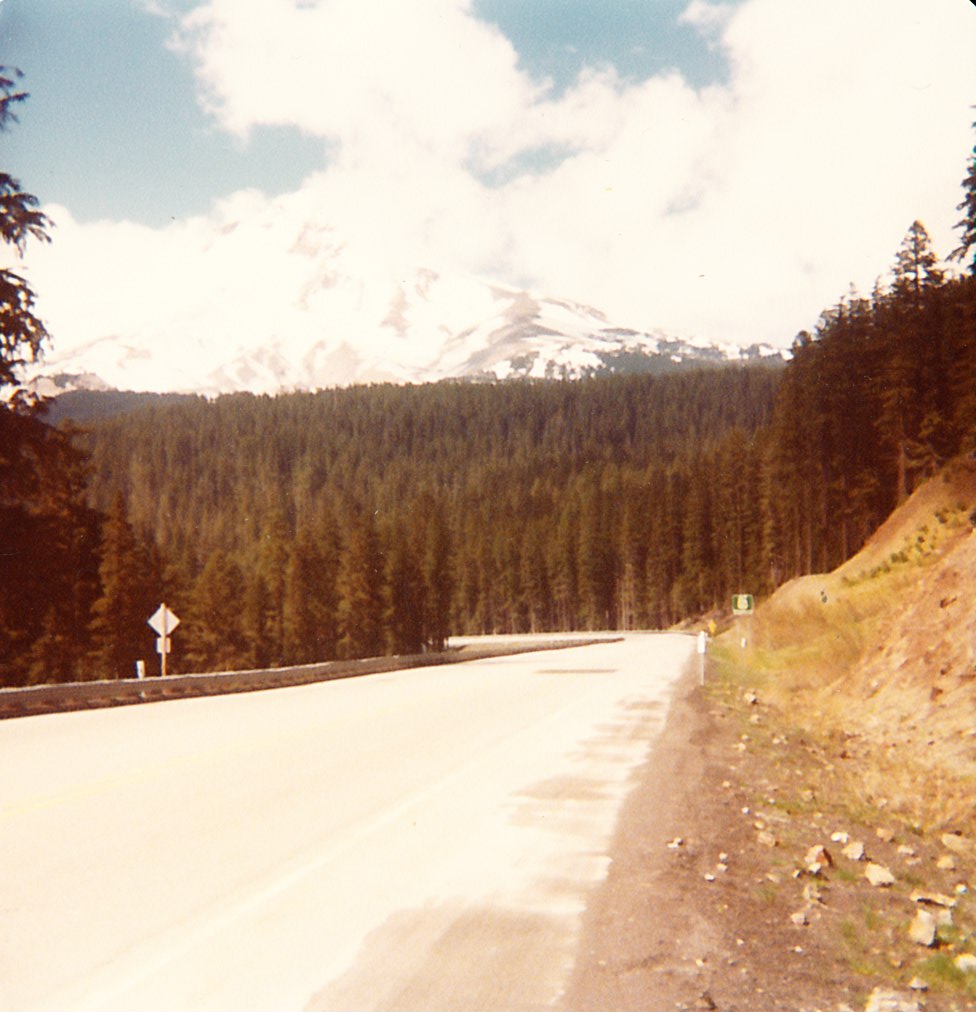
Driving toward Rainier.

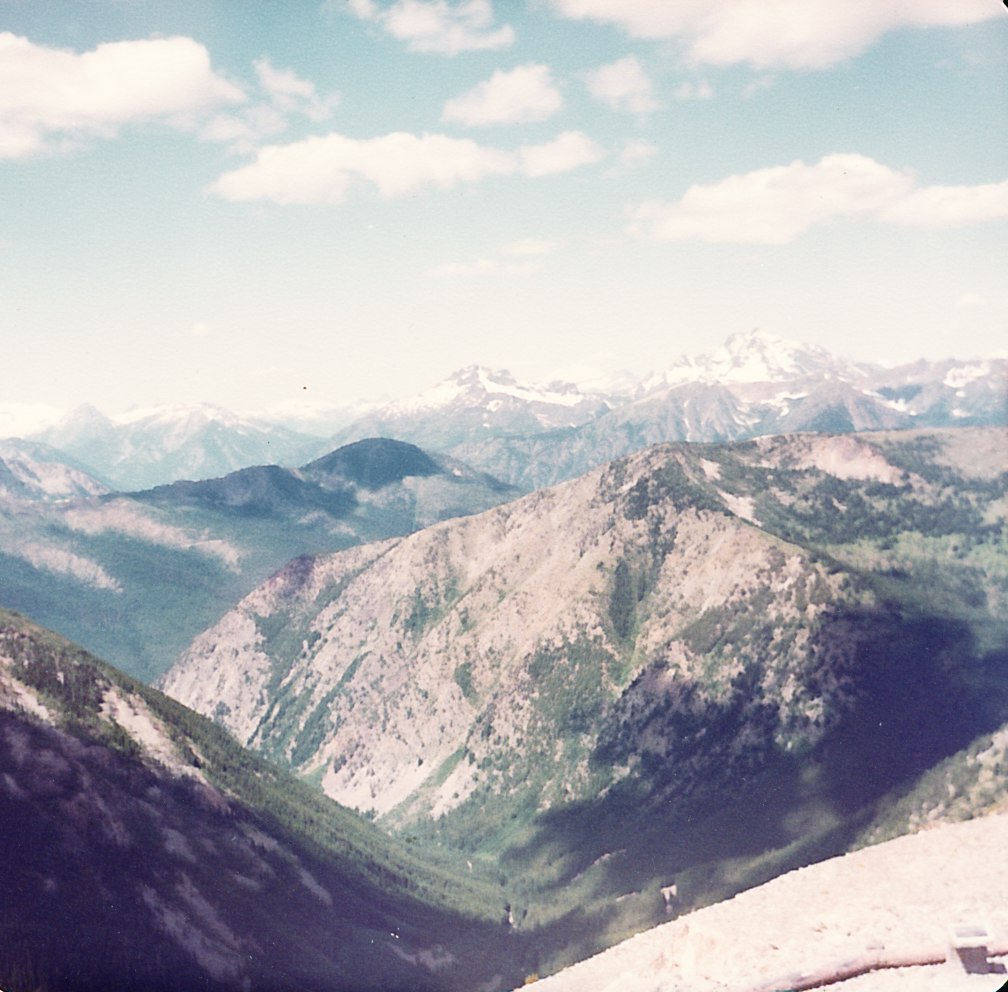
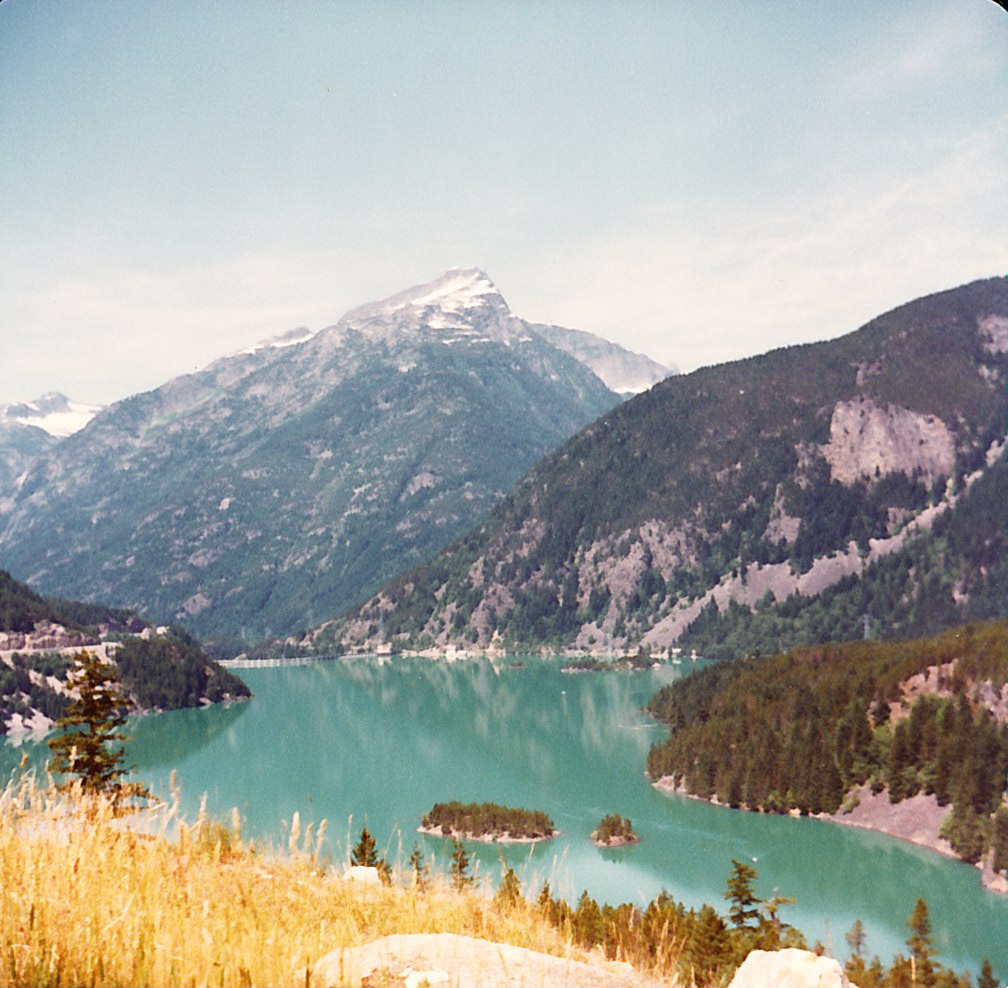
The Cascade Range in Washington state holds a special place in my heart.

It’s reflected in several of my novels and many of the poems.

In the high country, the range seems to extend forever.

Few photos, though, do the mountains justice. But they do help keep the memories vibrant.

North Cascades where Gary Snyder, Philip Whalen, Jack Kerouac, and other writers worked the remote fire lookout posts.


WHALE WATCH

Humpback, launching a deep dive.
Often, several whale watch tours will circle in the same vacinity.
Often, several whale watch tours will circle in the same vicinity.

One of the traditions I established after moving to New England meant venturing out for a whale watch each year. You never know what you’ll encounter. Sometimes it’s only a minke whale or two – the smallest of the ones we have. Or, at times, it becomes more than you can count.

The whales have the most beautiful light blue underbellies, visible if you get close enough.

In the past dozen years, though, the custom’s fallen by the wayside. Just too much else to do – and the ticket price has gone up. But as a way of getting out to sea, it’s still a cheap cruise … and it can be very peaceful, if you don’t get seasick on the way.

NEW ENGLAND COLLEGE ART MUSEUMS

Some of the best art museums in the country are found at New England’s universities and colleges. In other parts of the country, the larger ones would be the region’s jewel. But here they often sit in the shadow of some pretty powerful competition. Some, like Harvard, charge admission, but others are blessedly free.

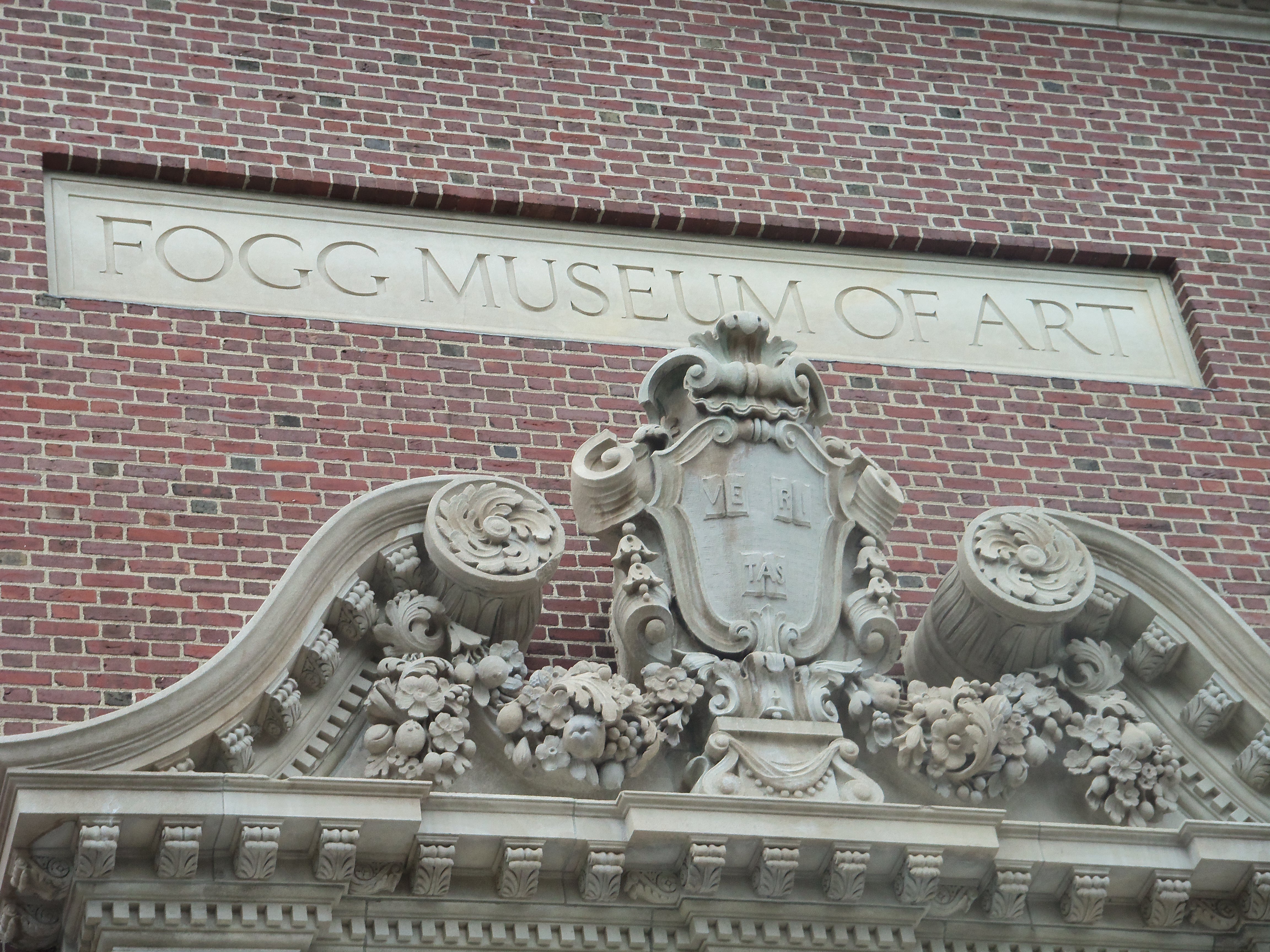
A crown jewel at Harvard.

Here’s a sampling from our travels and travel plans:

  • Yale University Art Museum, New Haven, Connecticut: Reopened after extensive renovations, this is quite simply the best university art museum in America; possibly, the world. And admission is free.
  • Fogg Museum, Harvard University, Cambridge, Massachusetts: This newly renovated jewel delivers a fine array of Old Masters, although I’ll emphasize its Turner, Blake, and Whistler for variety. Admission ($15) includes the Sackler and Busch-Reisinger boutique galleries, now under one roof for the first time, thanks to a contemporary, glass-pyramid roofed addition by Renzo Piano Building Workshop.
  • Smith College Art Museum, Northampton, Massachusetts: I wasn’t braced for the magnitude of this collection when I zipped out for an hour lunch break during committee meetings just down the street. I’d run into examples from its collection in art books (it has five Childe Hassam paintings on display), but its range of Impressionists and outstanding regional and American landscapes is worth the whirlwind, even before getting to the old European masterpieces. Am I off-base in thinking this display nearly rivals Harvard’s?
  • RISD Museum, Providence, Rhode Island: As the collection for the Rhode Island School of Design, New England’s premier art school, the museum is smaller than one might expect, with a respectable sampling of earlier eras, often masterworks by lesser known artists.
  • Williams College Museum of Art, Williamstown, Massachusetts: An unanticipated but celebrated gem in the western part of the state. We’re told it’s worth the trip.
  • Hood Museum of Art, Dartmouth College, Hanover, New Hampshire: Wonderfully diverse, with uncommon awareness of the Americas and Africa, it mounts an impressive array of special shows and is part of the Hopkins Center for the Arts.
  • Bowdoin College, Brunswick, Maine: Small, with some emphasis on the regional past and the founders’ roots in its permanent collection. Renovations unveiled in 2007 more than doubled the exhibition space, moving the entrance to a glass cube to one side of the building and opening the basement level, where visitors now begin their tour. The special exhibits make for some exciting use of the facility — a recent trip for me included a focus on Marcel Duchamp and his influence, downstairs, as well as prints by Dutch master Hendrick Goltzius, upstairs.

WRIGHT AND MORE WRIGHT

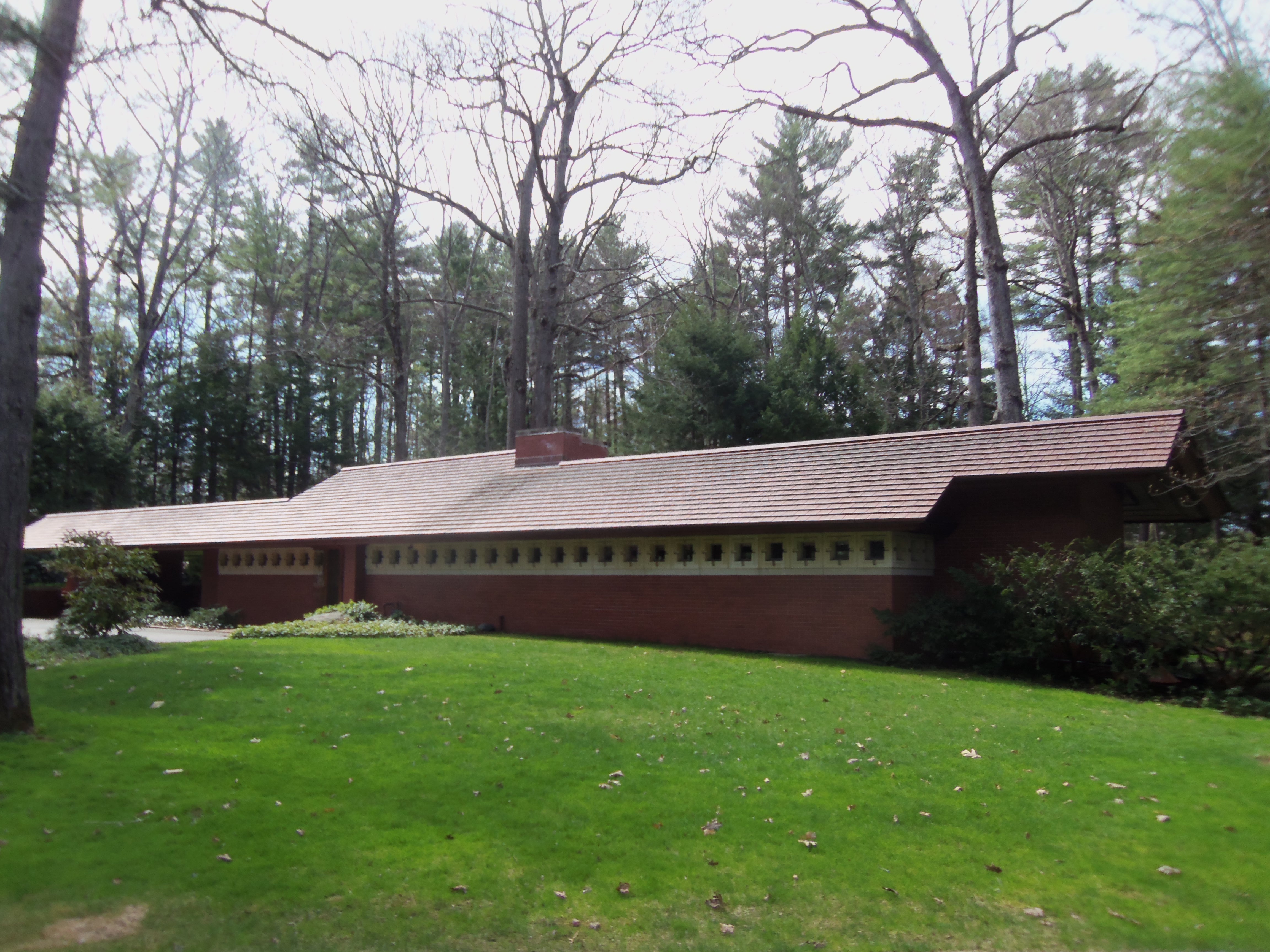
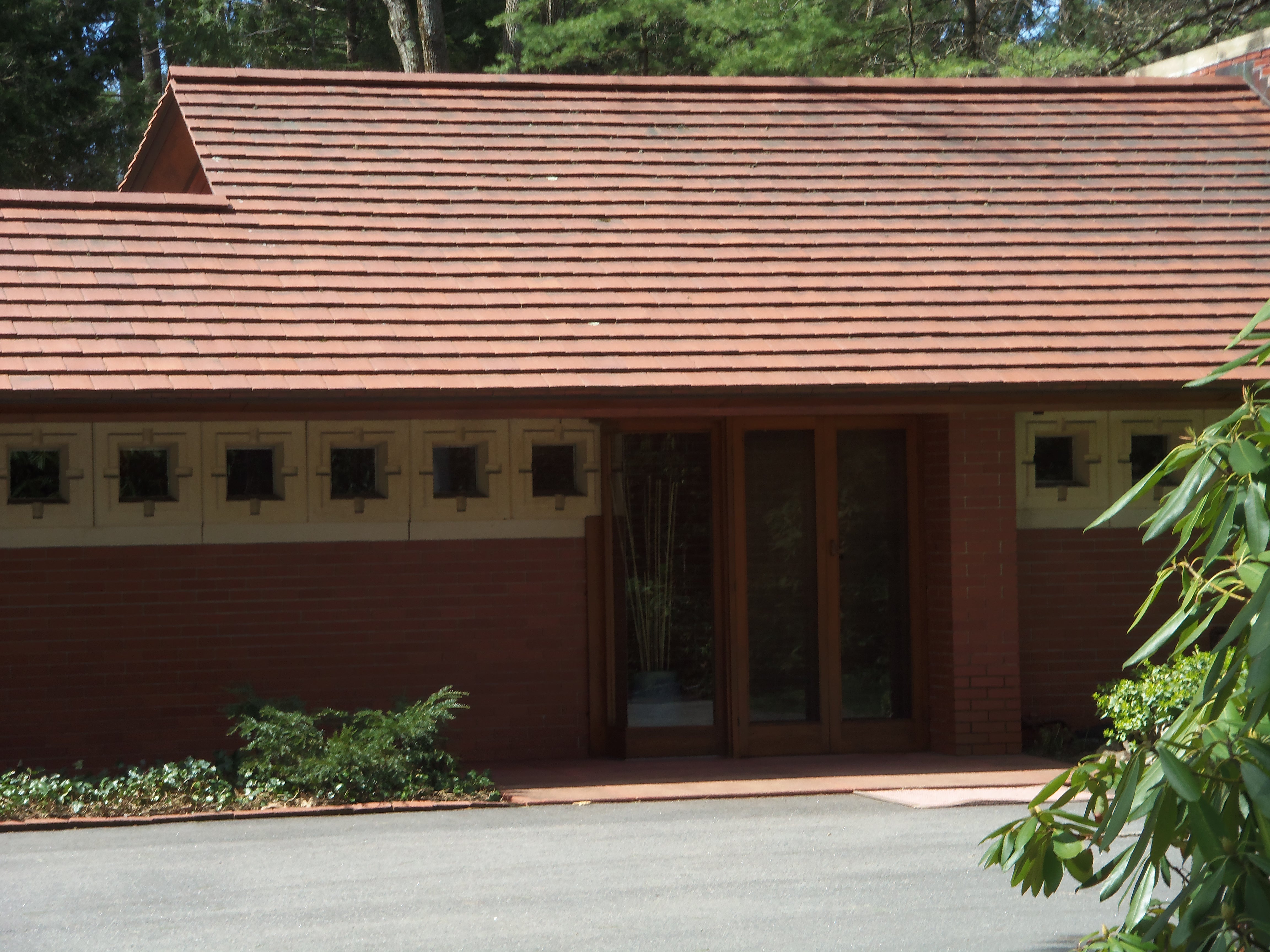
The Zimmerman House in Manchester, New Hampshire, is one of the few Frank Lloyd Wright structures in New  England. I remember chancing upon it on an evening stroll and thinking, "It's either by Wright or one of his students."
The Zimmerman House in Manchester, New Hampshire, is one of the few Frank Lloyd Wright structures in New England. I remember chancing upon it on an evening stroll, looking at the lights in the windows, and thinking, “It’s either by Wright or one of his students.”
Now owned by the Currier Museum of Art in Manchester, New Hampshire, it's open for tours.
Now owned by the Currier Museum of Art in Manchester, New Hampshire, it’s open for tours.
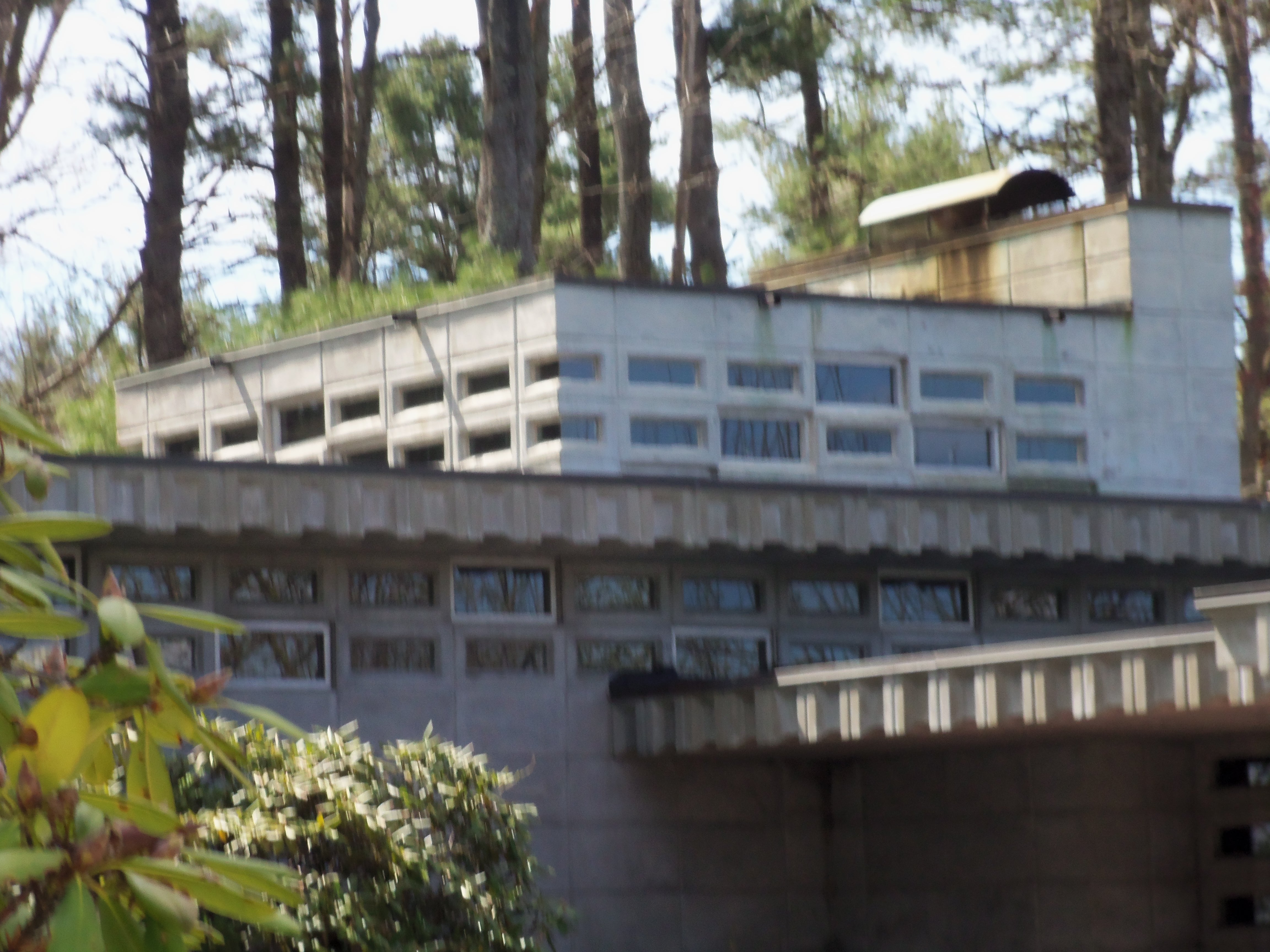
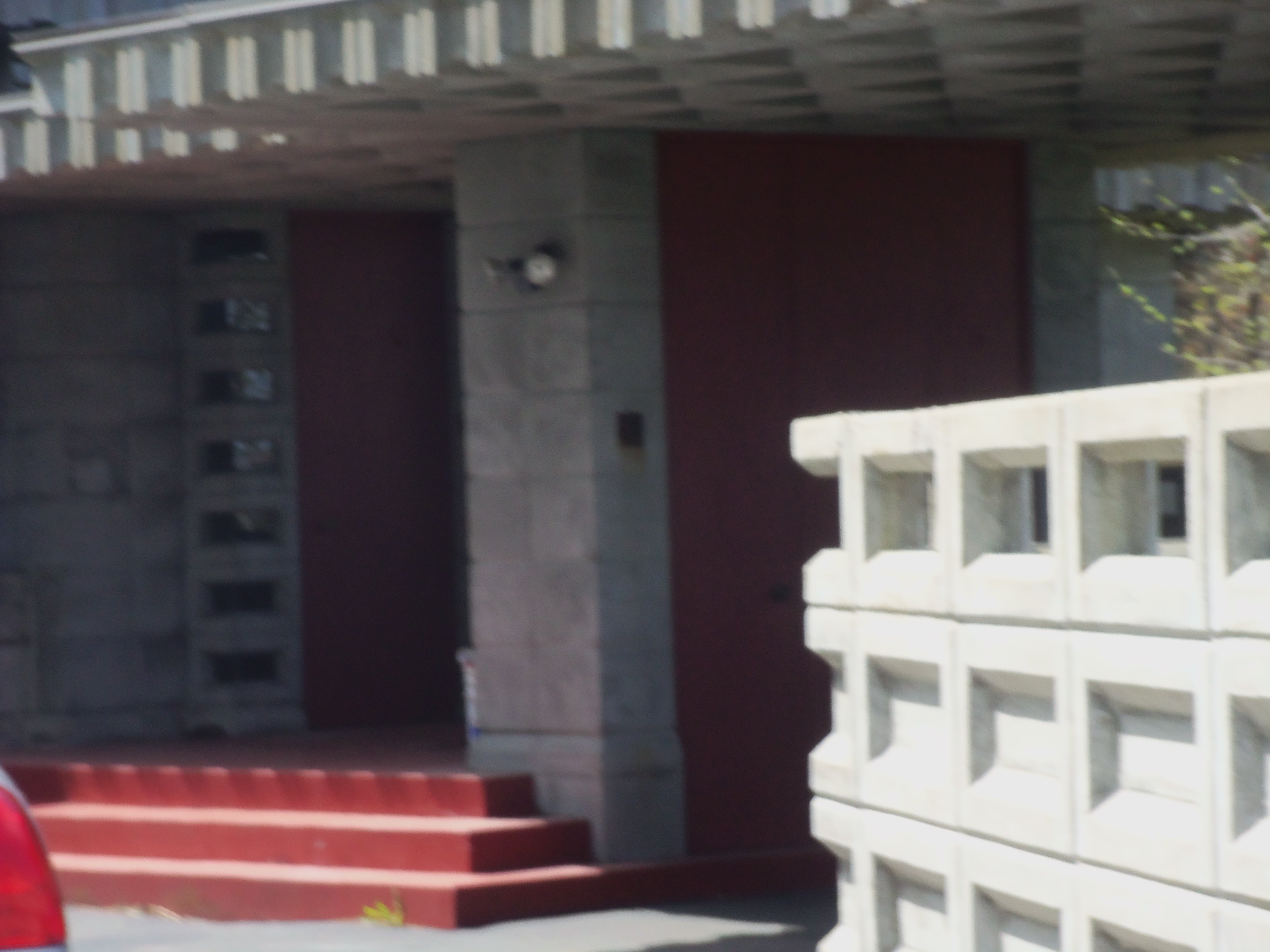
Just a block away, though, is an example of his more mass-produced Usonian project.
This one's still a private residence.
This one’s still a private residence.