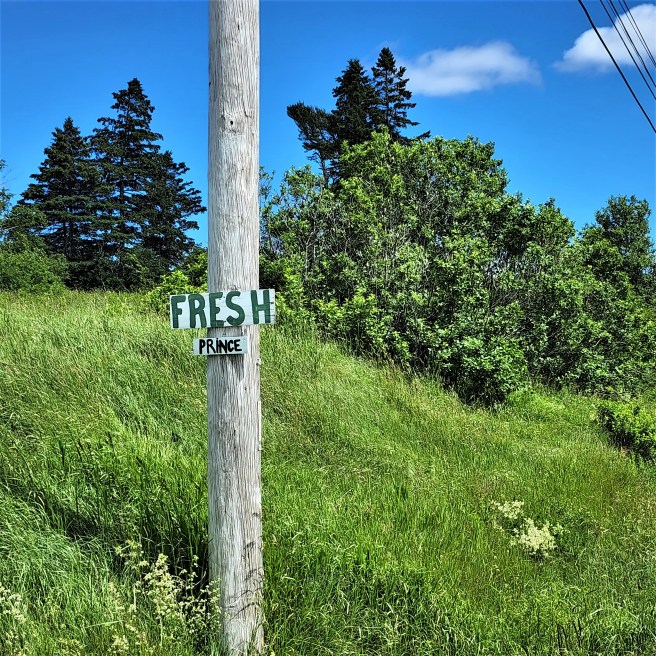
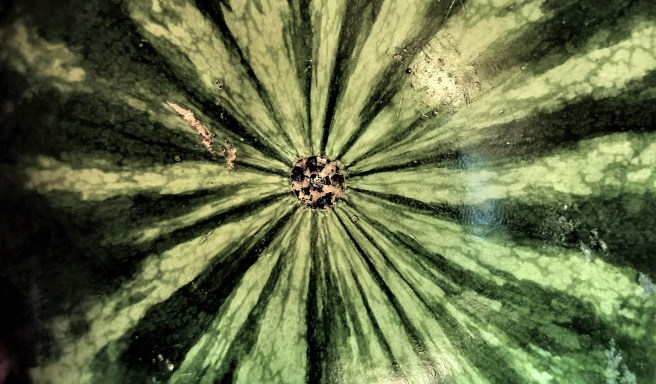
Much of what our commercial fishermen catch isn’t ‘fish’

Eastport’s fleet doesn’t use nets to fish. Rather, they use dragging gear or baited traps, mostly.

Technically, the bulk of what they catch isn’t fish, which are vertebrates, have gills, and lack limbs with digits. Fish fall into the scientific superclass of Osteichthyes, as noted in a previous Tendrils.

Shellfish, meanwhile, are invertebrates, have external skeletons, and are classified as molluscs, crustaceans, and echinoderms. See a more recent Tendrils.

So today, let’s look at what the local commercial fishermen catch. Or, in some cases, used to.
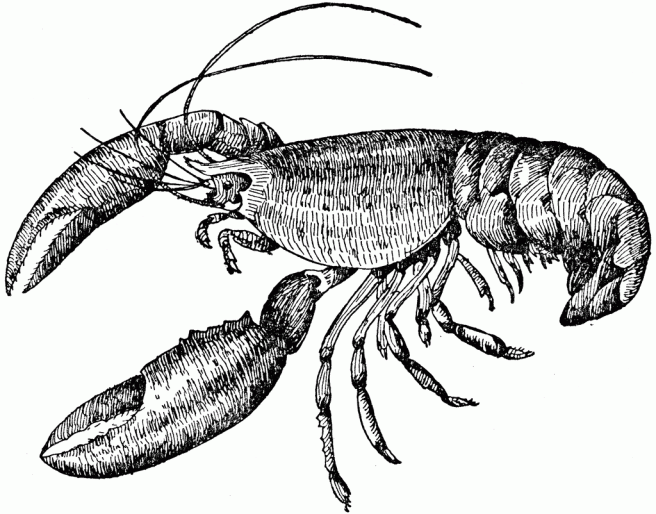
  1. Lobsters. The mainstay.
  2. Scallops. Some of the world’s best, in our humble opinion. The haul, though, is tightly regulated.
  3. Clams. While many of these are raked on sand or mud flats at low tide, others are dredged by boats at sea. They add up to the state’s third most valuable fishery.
  4. Urchins. A specialty niche making a comeback. Japanese foodies love them, but the market’s tricky.
  5. Crabs. See a previous Tendrils.
  6. Alewives, herring, and mackerel. Often caught for use as lobster bait.
  7. Shrimp. Well, not anymore, but we can keep hoping the stock will rebound.
  8. Mussels. There are some interesting attempts to establish farmed beds around here. Now that would be lovely.
  9. Cold. I’m talking about the crusty fishermen. They do bundle up in the depth of winter, though, and rarely complain.
  10. The sunrise. They head out early, all seasons of the year. Some of the views they catch are unbelievable.

Let’s not overlook salmon, a major product here, which are farmed in pens and harvested directly by special boats using tubes that work something like a giant vacuum hose. Not kidding.

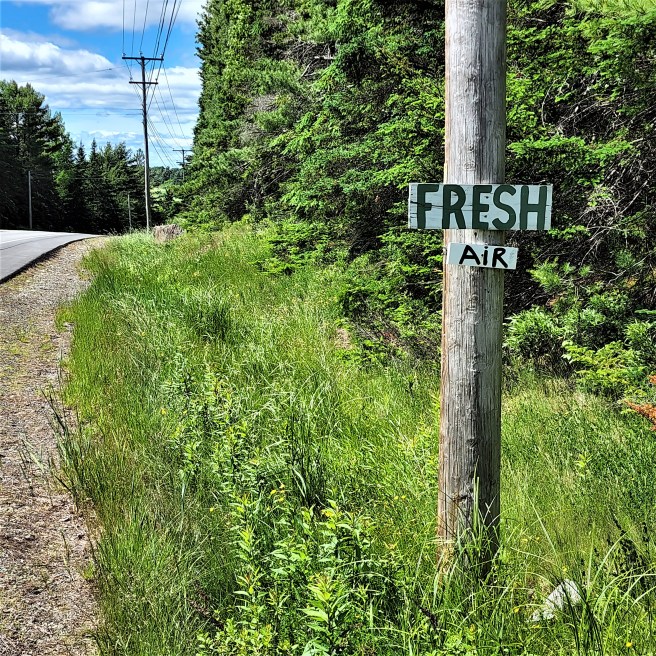
You’d think those birds would be far more ravenous in the depths of winter

We continue to keep our bird feeders out through the summer (something we wouldn’t do if we had bears in town), but I am surprised by how much more they eat in summertime, when there’s plenty of other food available, than they do in deep cold and snowy conditions when they need more to keep their metabolism up.

Yeah, we know there are more of them now and that they’re also feeding their babies. But on some days they eat as much as they would otherwise consume in two weeks – or more.

On the other hand, we do enjoy watching the variety and drama as they dine right outside the window at our kitchen table throughout the year.

I’m feelin’ some schooner excitement

Somewhere in my youth I fell under the spell of windjammers – vessels under full sail in the wild ocean. Those were as far away from my native Ohio as were the white-capped mountains that also caught my fancy.

Over the years, though, even as I came to know first the Pacific Northwest and later, coastal New England, I never considered actually going on an overnight windjammer cruise. Dismissed it as too expensive on our limited income. For contrast, I should note that I’ve never had any interest in an ocean-liner cruise. Zip.

But in late May, a dear friend from Vermont stopped by for a few days on his way to his annual windjammer trip on Penobscot Bay and that, well, reignited those dreams.

My wife looked at our budget and encouraged me to join him on his early autumn return. For the record, she’s declining to go too, remembering a bad seasick whale watch excursion when we were first together. No way would she venture forth for so many hours or days.

Upshot is at the end of next month buddy and I will spend the better part of a week under sail on a historic schooner exploring some famed Maine waters, especially the lighthouses along the way.

I have to admit, a windjammer should be my kind of excitement. And because my buddy grew up sailing, I’ll certainly be privy to a deep source of inside information. At least maybe I’ll have more of the terms right when I report on our adventure.

In addition, many of the classic sailing ships were built only a block or two from our house, back in the heyday of masts and canvas sails. The remaining keel of one schooner is exposed at low tide only a block or two from my house.

I’ve started counting the days till we set sail.

This is a clue to what really occupies my mind some days

Ten random notes in no particular order:

  1. I’m still learning to spell Katahdin.
  2. Was it a mama moose I hit that cold night on my commute back from the office, rather than a deer? Now that I’m getting to know deer, I think the collision involved something bigger.
  3. Red states? They’re where nobody really wants to live. Or at least the paying jobs.
  4. How dark the house is at night in an electrical power outage! There’s no ambient light from the street lamps or apparatus power-on buttons.
  5. Glyphs = little typographic devices.
  6. I dreamed I was playing violin again. In an orchestra, no less.
  7. How deeply backpacking as a youth shaped my values (forget efficient as a factor). It’s that travel light thing.
  8. After living in New Hampshire, I’m still not used to a sales tax.
  9. English country dance lyric, “If love were an ocean / and water was gin / I’d walk a long plank / and throw myself in.” It’s not from “Robin, Mad Robin,” is it?
  10. A voicemail message for today: “Let me a message or text me. I’ll get back.”


Does anything celebrate summer more than a watermelon?

And here I was about to investigate all kinds of melons, starting with cantaloupe.

That said, just consider:

  1. A watermelon is one of the few foods to be classified as both a fruit and a vegetable. Wish I could count it twice on my daily dietary requirements but guess that would be cheating.
  2. It’s a relative of both pumpkins and cucumbers.
  3. It’s far and away the most popular melon in America.
  4. There are more than 1,200 varieties, but the seedless hybrids are the only ones you’ll likely find nowadays at the market, at least in the USA.
  5. Those seedless versions aren’t genetically modified. Technically, they’re simply sterile with white seeds that are perfectly safe to eat.
  6. Watermelons originate in Africa and have been cultivated in Egypt for 5,000 years. That’s why they really do need a long stretch of summer.
  7. Based on weight, watermelon is the most consumed fruit in America.
  8. It’s 92 percent water yet rich in vitamins and contains only six percent sugar. By the way, there’s no bad fat or cholesterol.
  9. Its flesh isn’t always red – orange, green, yellow, or white are other options.
  10. In Japan they’re grown in glass boxes to maintain the unnatural cubed shape.


Adding to the memories

Sailors who visited Eastport for the Fourth of July voiced their amazement at the pilot who guided their U.S. Navy destroyer vessel at the Breakwater pier in some very dense fog.

They could hear the conversational voices of humans on the pier and shoreline but couldn’t see a thing. We could hear them but not see them, too.

And then they were landed, gently and safely.

They told us he was a magician, and from my angle of observation, it was true. Even the commanding officer was most amazed, in what became a memorable experience.