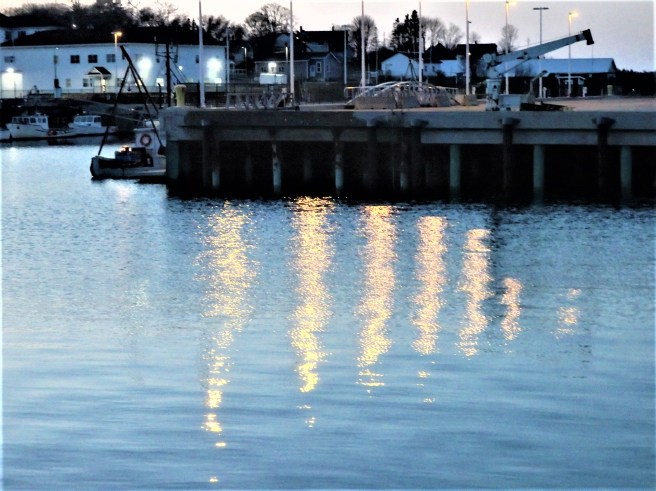
With a commanding view of the ocean
You never know what we'll churn up in cleaning a stall


Fortunately, the fisherman got a new coat this summer, a bright yellow one. Seeing the old one now comes as a shock.
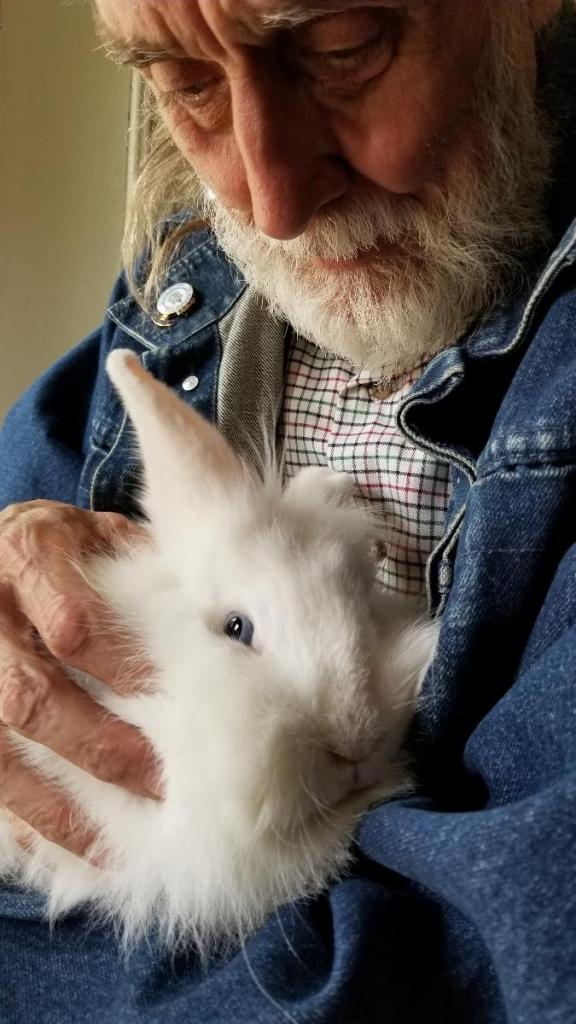
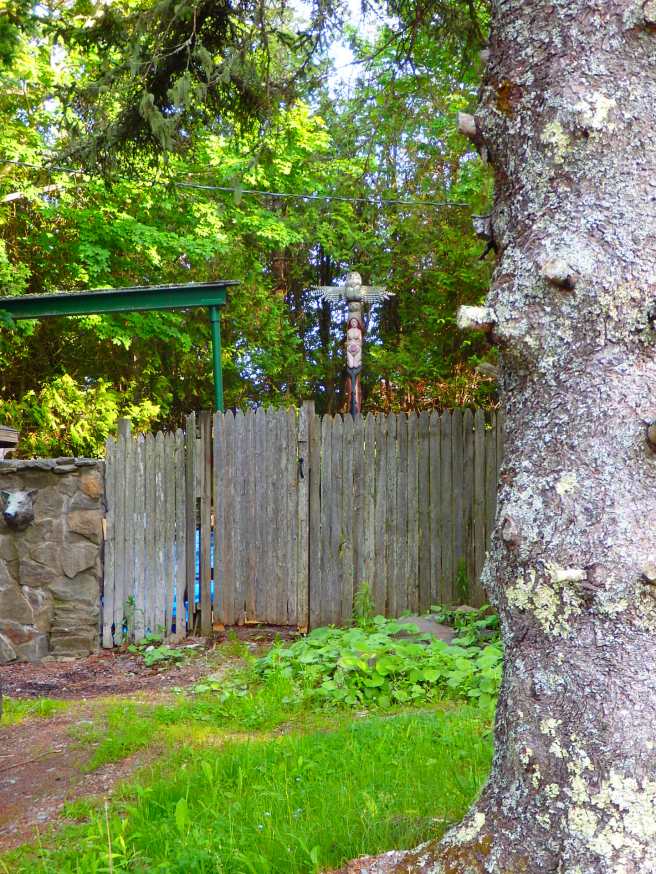

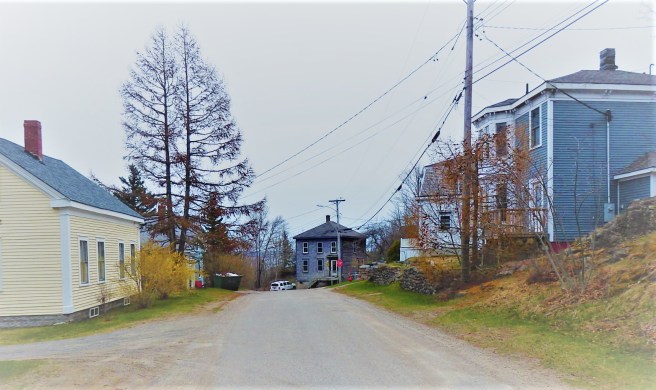
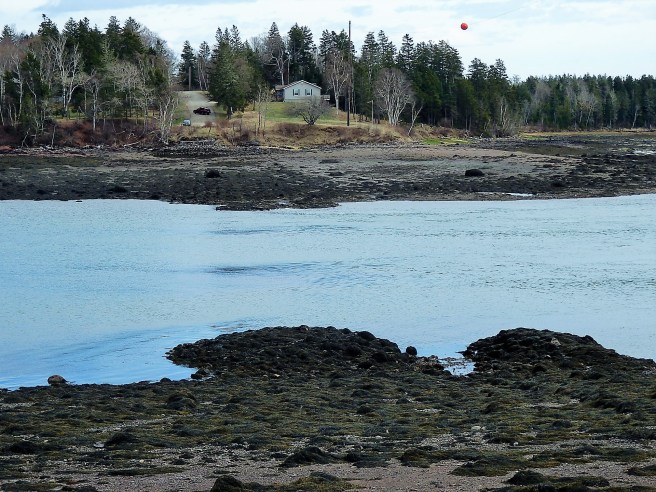
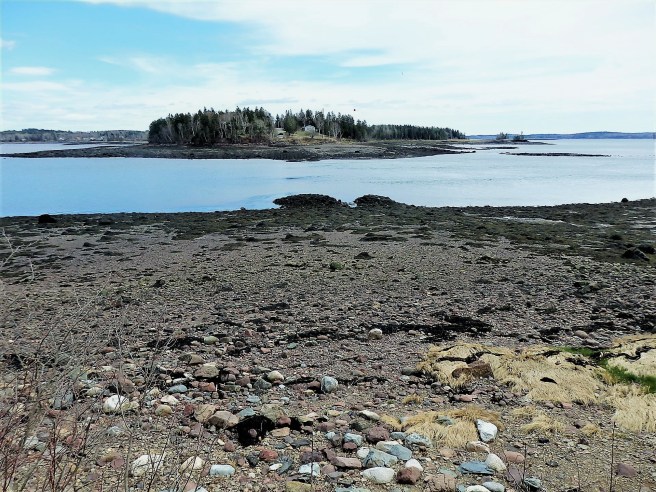
We’re quickly approaching the longest nights of the year, which are truly long here in Eastport. Accompanied by the most truncated days of the year, when the sun barely clears the horizon. We’re just a hair shy of the 45th Parallel, the halfway point between the equator and the North Pole. These days, it can feel even further north than the map shows.
The experience can be especially harsh here, now that the Summer People are long gone and most of the stores and galleries are shut for the season while those that remain open do so largely on limited hours. You might see a stranger or two in town around sunset, looking for a place to eat, and the best you can do is tell them to go to the IGA and get there before the 7 o’clock closing. Pizza slices or deli cuts plus a six-pack lead the list.
Even more, we know big snow, escalating ice, and profound cold are still ahead, as well as a blustery nor’easter or three.
We don’t even have a retail scene to crank up the holiday hoopla. Nor do we have anything resembling a nightlife, apart from a few cultural performances. Bless ‘em, especially after the Covid shutdowns.
Needless to say, social connections are especially important. For me, that includes singing in Quoddy Voices and worshiping with Cobscook Friends Meeting.
Also anticipated is a big stack of reading, both books and magazines, and concerts streamed from the Pine Tree State and beyond.
I’m already looking forward to the invasion of family for the holidays.
How do you adjust to such seasonal change?
Not everybody shares my delight in pickles, at least the kind you put on sandwiches, but I pile them on, when I can. I’m not much for lettuce there, by the way – I prefer that as a separate salad.
I like the crunch and acidity the pickles add, or even the sweetness, depending on the variety.
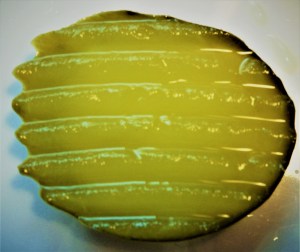
My eyes were opened to this reality the year we went largely vegan when we practiced the Eastern Orthodox feasting for Advent. The hardest part for me was finding snack food. (Well, that plus a satisfactory creamer substitute for my coffee and something in place of cheese and … the list goes on.) Fortunately, my wife makes a great humus, and the wraps can be filling, though bland over repetition. And that’s when the pickles took center stage. A row of the green orbs in the torpedo was truly heavenly.
Not that I stop there. When we’re out to eat, the rest of the family puts their kosher pickles on my plate. Not that I’ll argue.
And then there are the summer pickles, meant to be consumed shortly after the cucumbers taken from the garden and put into canning jars. Sometimes it’s a challenge to keep up with the harvest. As if I’m complaining.
Only in the past few years have I begun to appreciate other kinds of pickles – beets, green beans, and eggs, for instance – dishes that used to appear on family dinners at Grandma and Grandpa’s. Especially on big events like Thanksgiving and Easter. Just how far back in our heritage does that go through generations of farmers?
Anybody else love that pickled ginger they serve with sushi?