GARNISHING THE FENCE RAIL
You never know what we'll churn up in cleaning a stall


Back on June 14, I posted a photo of our newly erected tepee for the pole beans. Now that they’ve sprouted and taken off, here’s how it looks.

If the plants produce as well as our first round of sugar snap peas did, I’ll be feeling like a pharaoh of beans. (I hear the groans in our household already. So, she might ask, did that make me a sugar-snap daddy?)
The groundhog story continues. Not to be content with the early raids on our garden, the attacks on our beds resumed. Lush Brussels sprouts plants that had been three feet tall were now mere spikes, and in the latest round we lost some kale and squash plants. Neighbors are relating their own losses, including peppers.
I did notice a small entryway had been dug out under our firewood stacks and eventually saw a pointy nose and beady eyes regard me. Not once or even twice but enough to make me suspect the worst. So I moved the trap from the garden and placed it near the entrance.
To my relief, I did find that the trap my wife bought at a yard sale a few years ago does indeed work, and that cubes of cantaloupe prove irresistible to the critters, but even that is taking its own turns. The first time the device was triggered, a bit of Brussels sprouts stem included as bait kept the shutter from locking … allowing an escape. Would the villain learn to avoid my means of entrapment?
I reset the trap and by lunchtime returned to check it out. Although both shutters had been triggered, a ‘chuck was propped up OUTSIDE, one foot on the top as it peered in, likely wondering how to get back to the bait, as if adding insult to my intentions. It seemed I’d been conned again. But, just in case, I circled around and closer examination revealed another was couched inside. One down, at least one more to go.
The short version of what followed includes a trip to Maine, just over the river. Released from confinement, that one bolted through the forest … straight toward New Hampshire.
For my part, back home, hoping they’re slow learners driven more by their guts than their brains, I reset the trap in pursuit of the other. Two hours later, I was back in Maine and evicted that critter, which dashed straight into the river and started swimming toward New Hampshire before rounding back to shore. I was grateful it was still high tide but dismayed to see what confident swimmers they can be. So much for that barrier.
Back home again, seeing new diggings around the firewood, we face the reality of having at least one more living under that neatly stacked firewood. If this keeps up, I’ll have to buy another melon today. At least I’m grateful we didn’t try growing our own; they would have cleaned ’em out, meaning I’d still have to buy one to use as bait.



Demand for wool in the first three decades of the 19th century shaped the boom years of agriculture in New Hampshire, at least until the invention of the cotton gin allowed for a cheaper clothing alternative – a condition that was accompanied by a changing American workplace and economy.
The brief but prosperous boom financed many of the Granite State’s landmark large farmhouses and barns as well as the nearly ubiquitous stone fences that are still visible, some in the most unexpected remote forests.
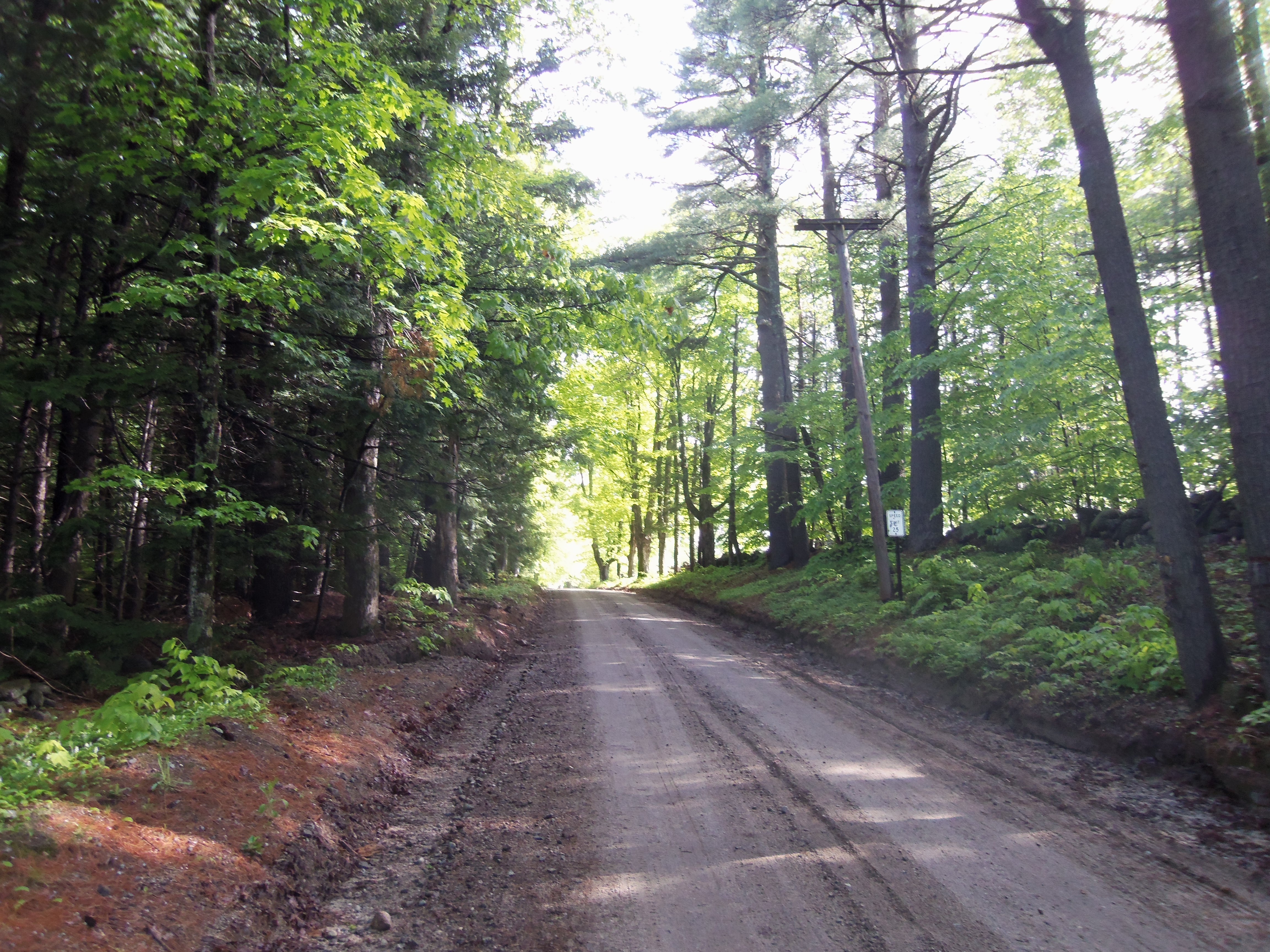
Pay attention while driving along country roads, and you’ll often notice stretches where each house seems to be an evolution among the others. I suspect that what happened was they were all built by one craftsman carpenter and his crew – perhaps itinerants who would stay for a season of erecting a house before returning home – who were invited back in another year to build another, each one to customized specifications. The chimneys, for instance, reveal a progression away from the massive central fireplace of the Colonial era to the use of multiple chimneys after the Revolutionary War – something that has me thinking of how much firewood these houses must have consumed through a winter.

It’s possible, of course, that the carpenters and masons and others came to live in the neighborhood as well. But one thing I feel certain: the resident commercial farmers, faced with the demands of their flocks and fields, did not have the time or perhaps even skills to build houses like these.


Here are some of the fine examples found in a village along a ridge in the town of Deerfield, a neighborhood known as South Deerfield. There are more, I should mention, than I could capture in this outing. Meanwhile, I’d like to know more about the site of the popular Mack Tavern, with its fiddler’s throne to protect the player from the wild dancers.

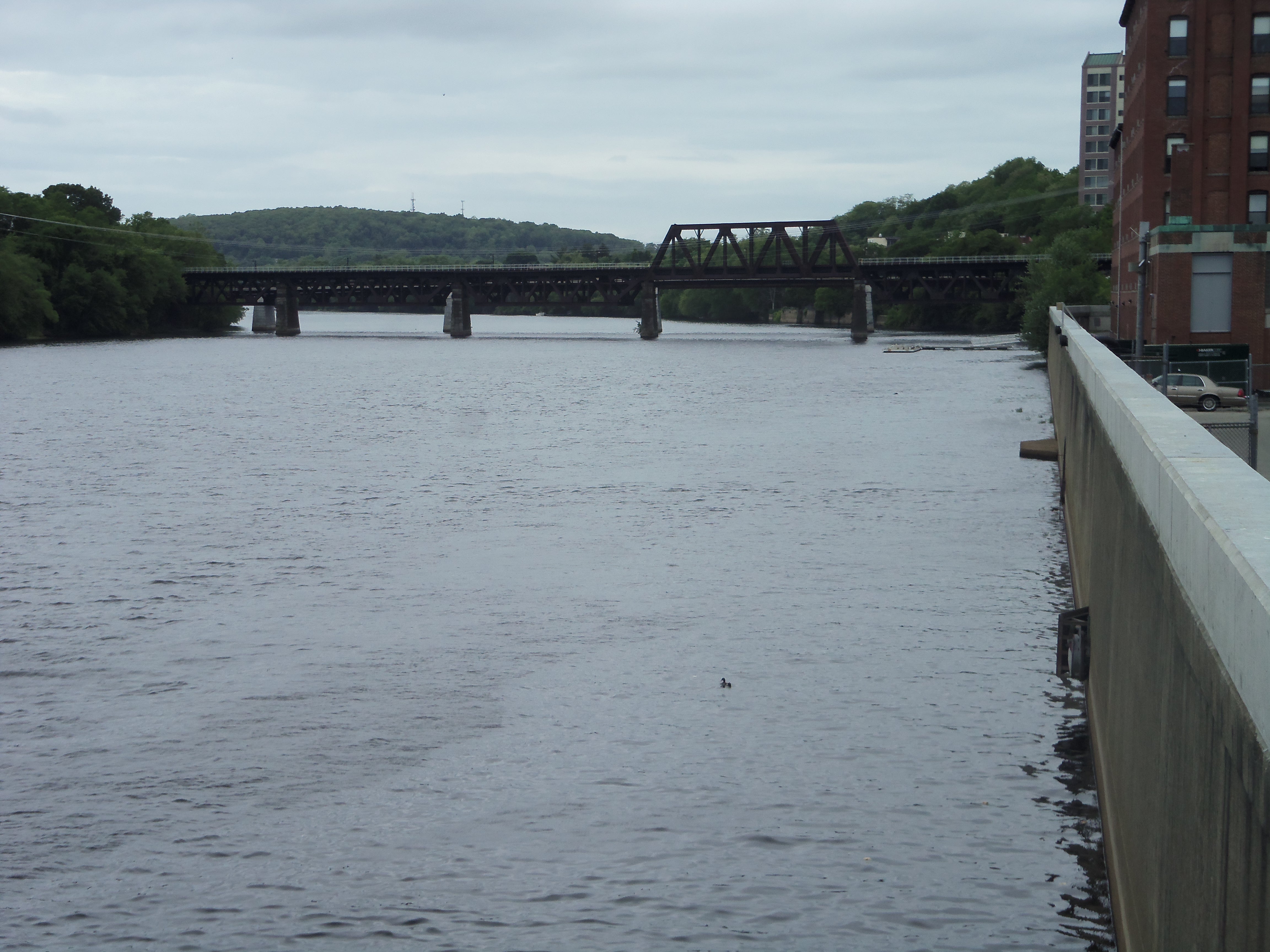
New England’s waterways are dotted with historic mill towns. The Merrimack River alone could boast of the water-powered industrial centers of Manchester and Nashua in New Hampshire as well as Lowell, Lawrence, Haverhill, and Amesbury downstream in Massachusetts, along with Newburyport and its harbor.

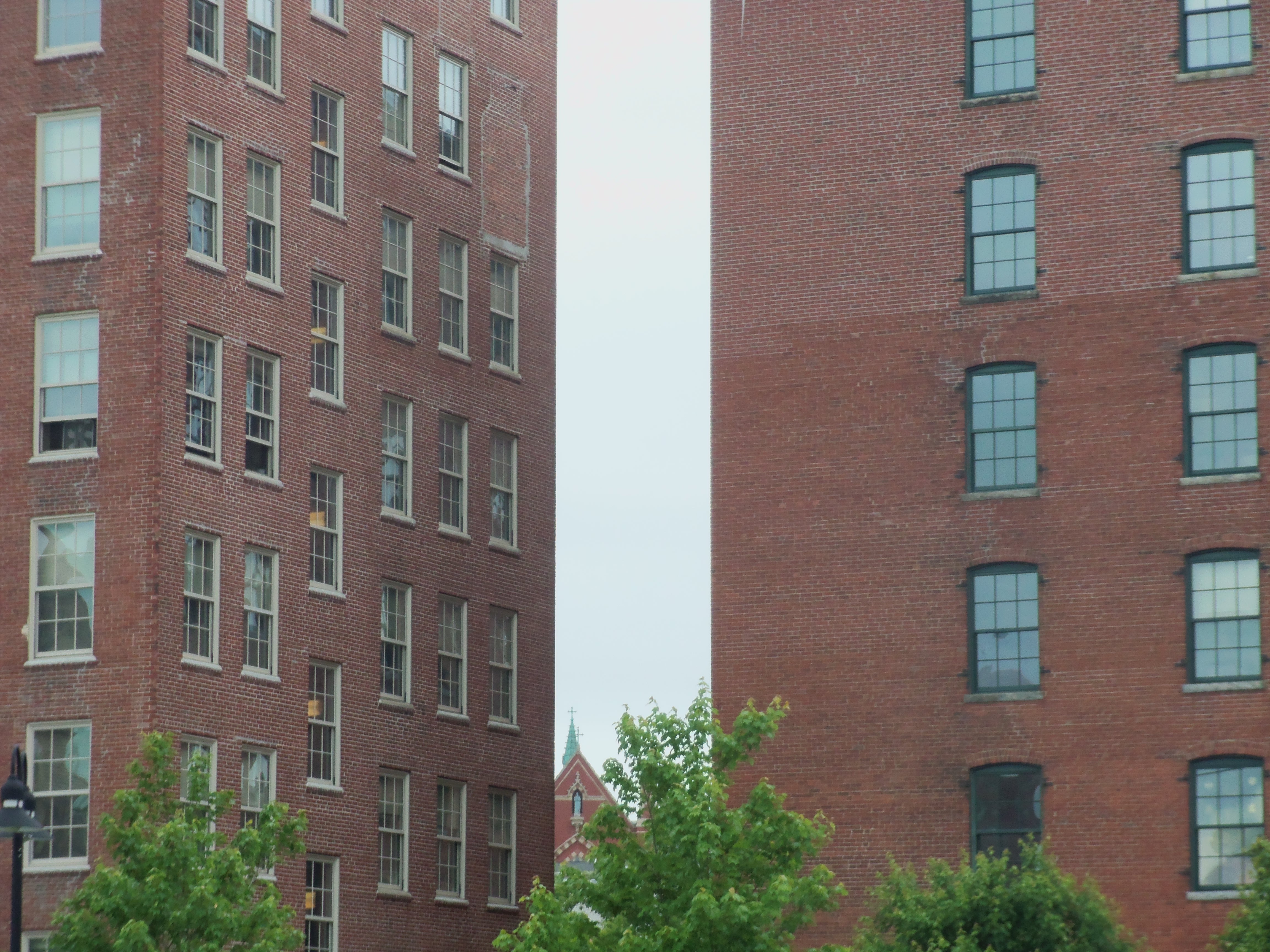
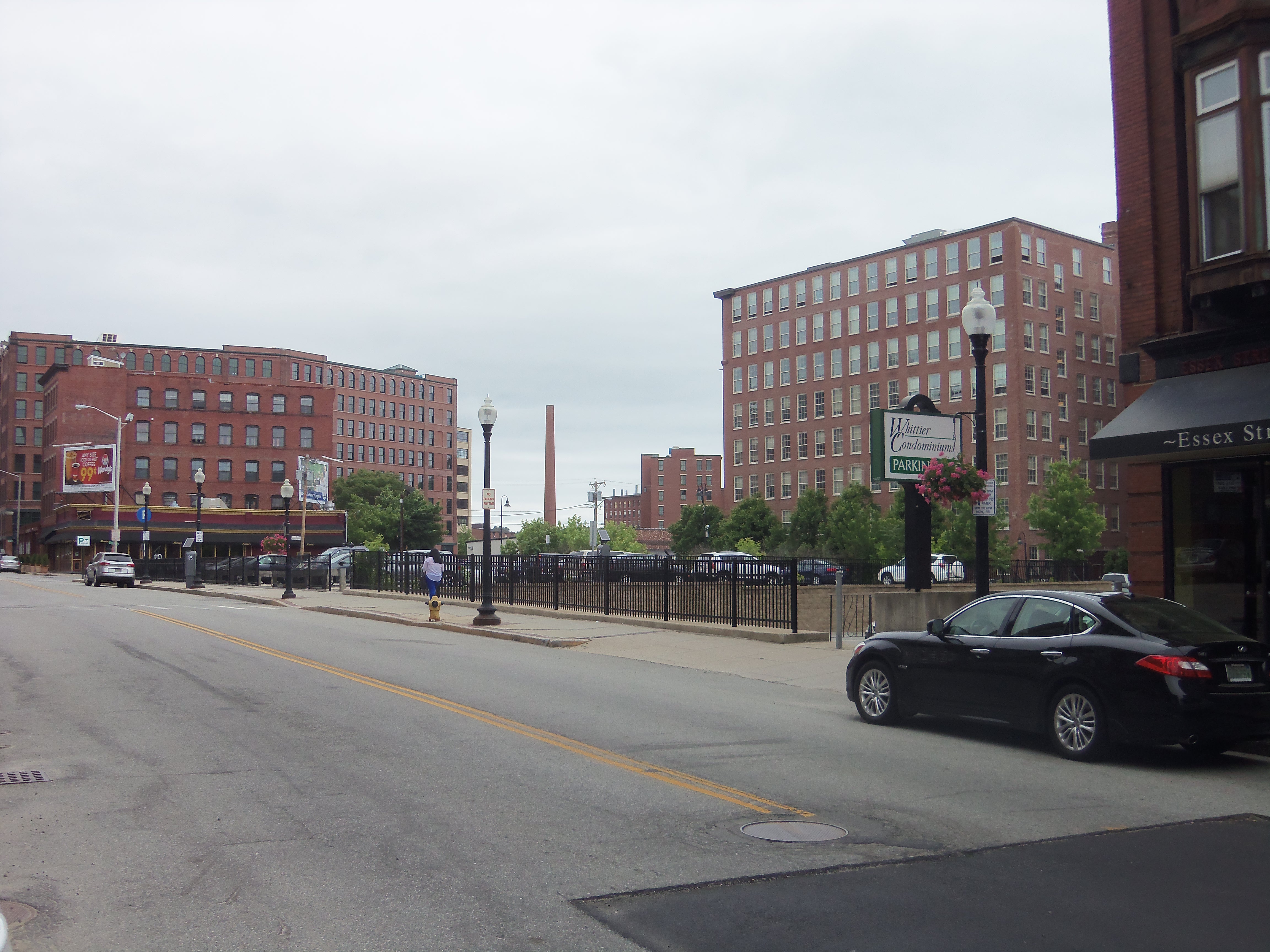
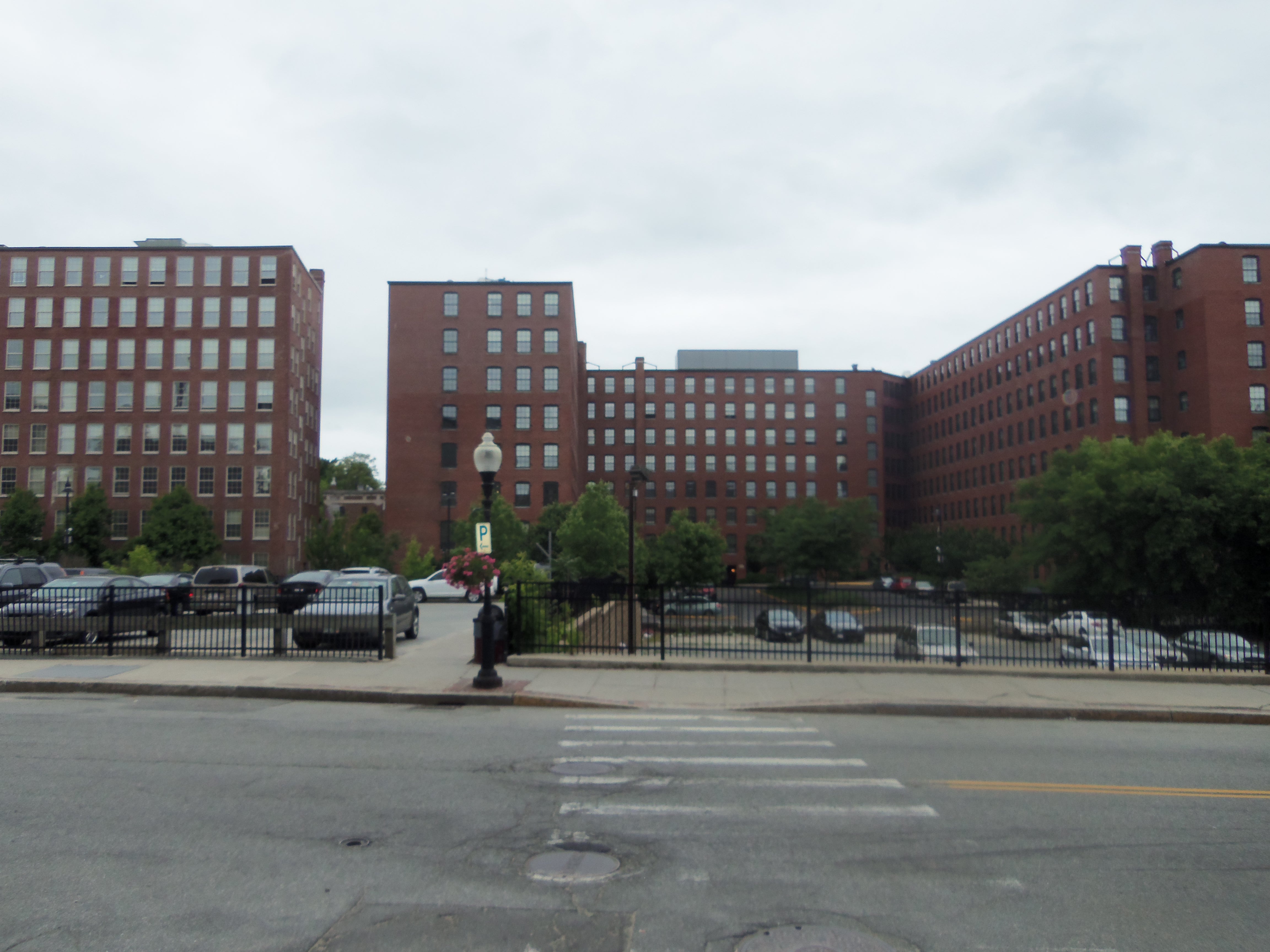
While textiles were the focus of much of New England’s mill output, the power was applied to other products as well. Haverhill, for instance, emerged as a center of shoemaking, by 1913 producing one of every 10 pairs in America and earning it a whimsical nickname of Queen Slipper City. Its earlier commerce rested on woolen mills, tanneries, shipping, and shipbuilding.
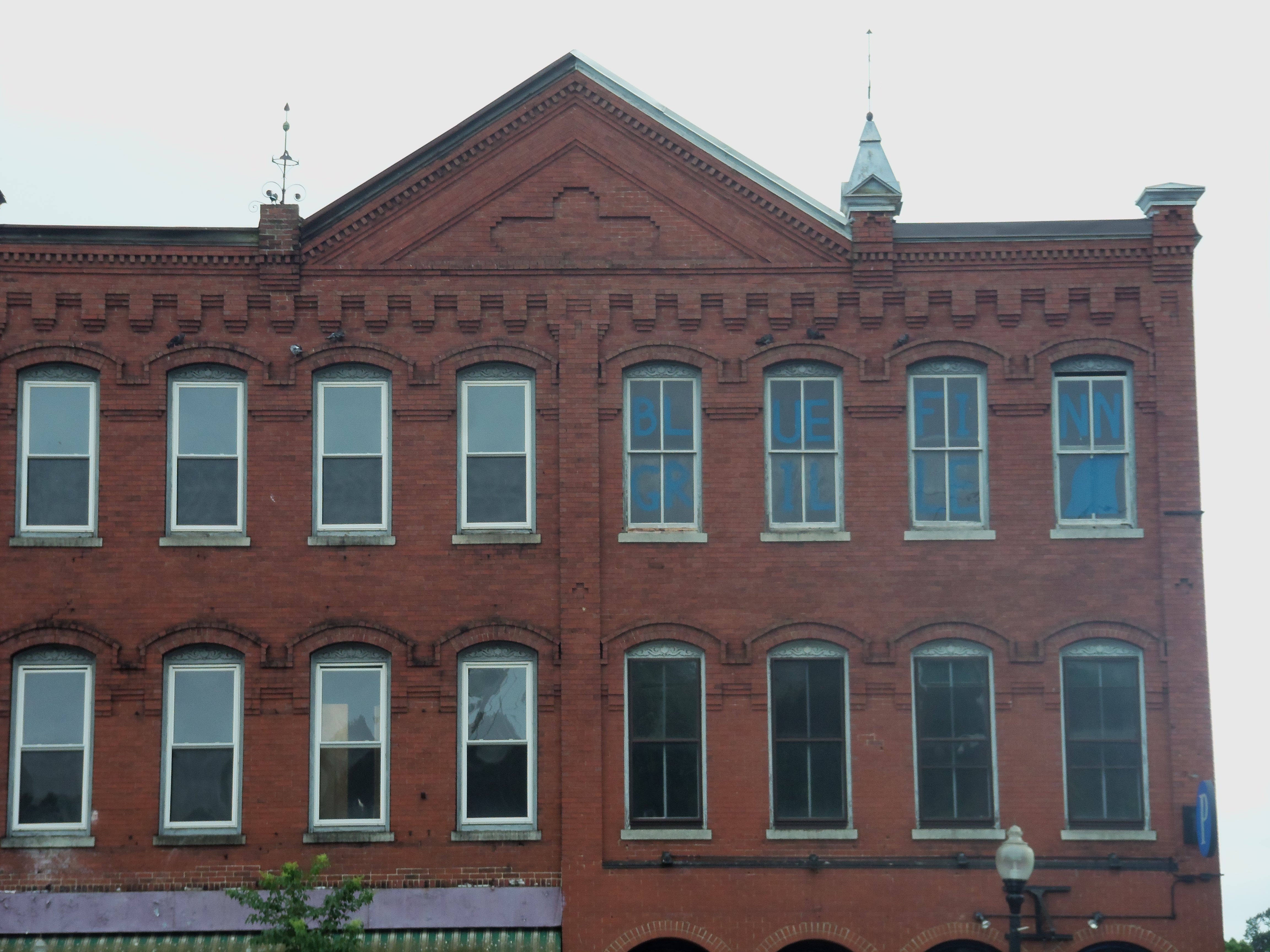
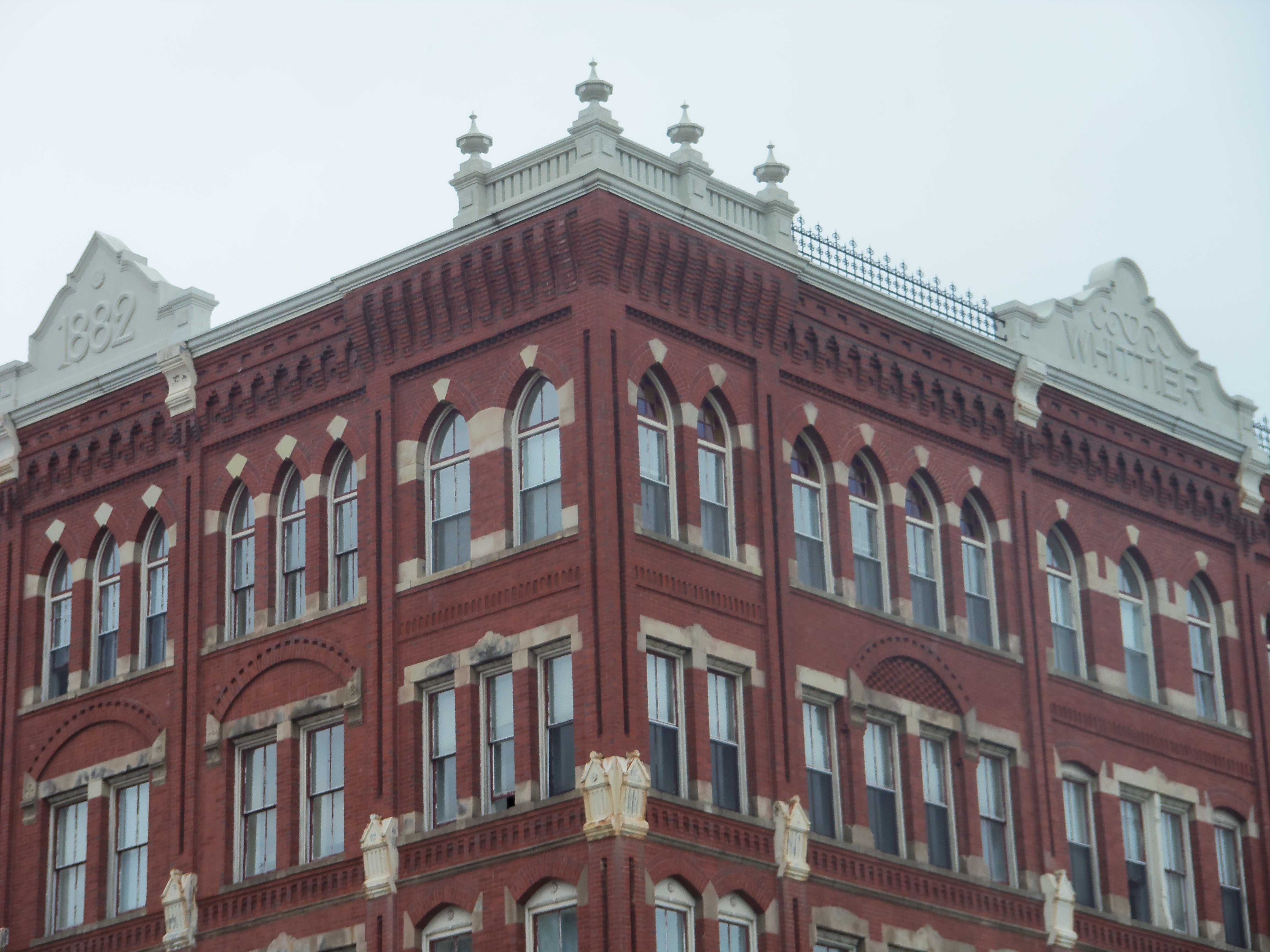


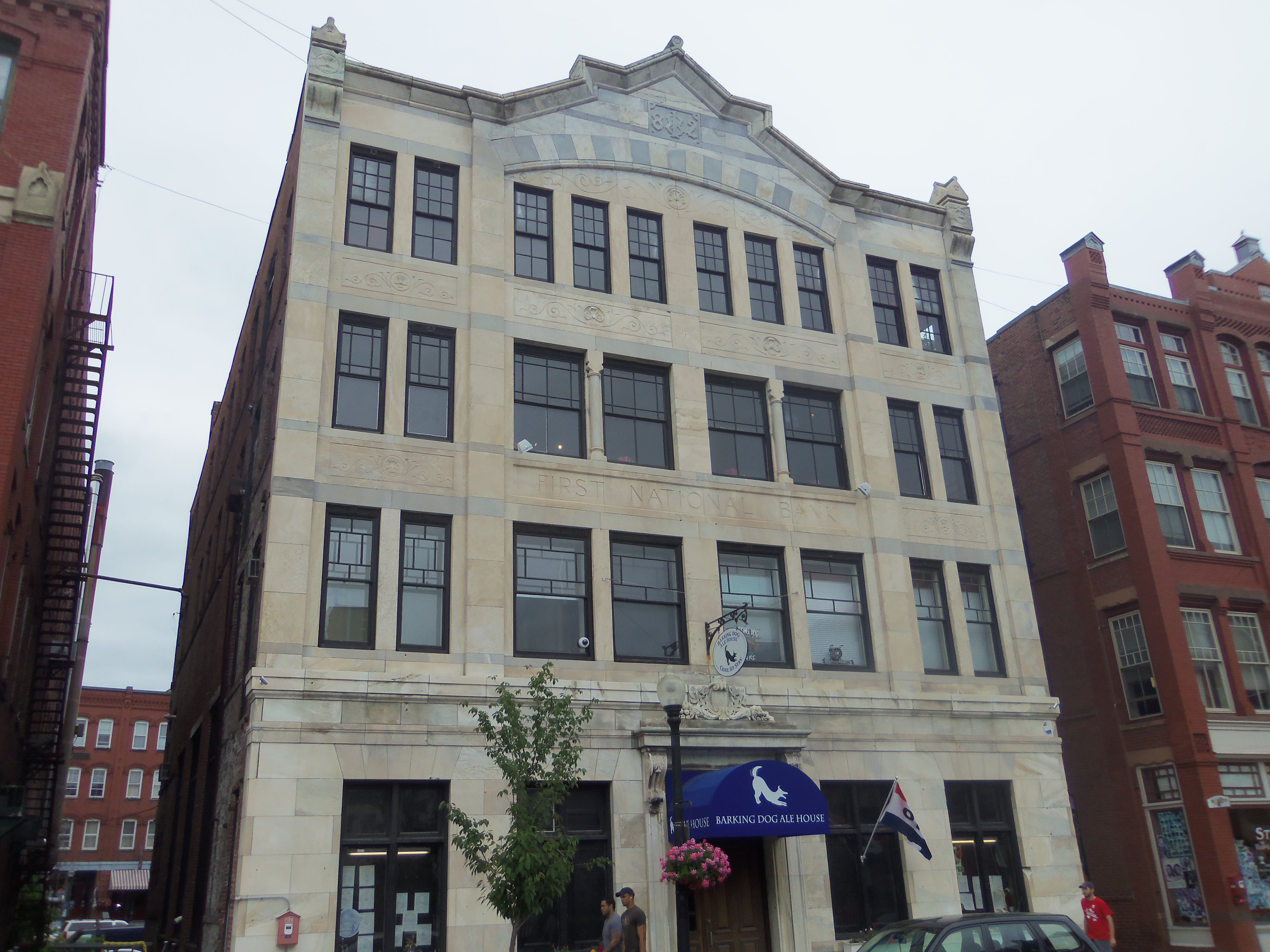
Like many of these once industrial centers, the city has been struggling to adapt to new directions and refit its legacy of old structures.
By the way, in Yankee style, it’s pronounced HAY-vril and is today a city of 60,000. But the river still runs through it.