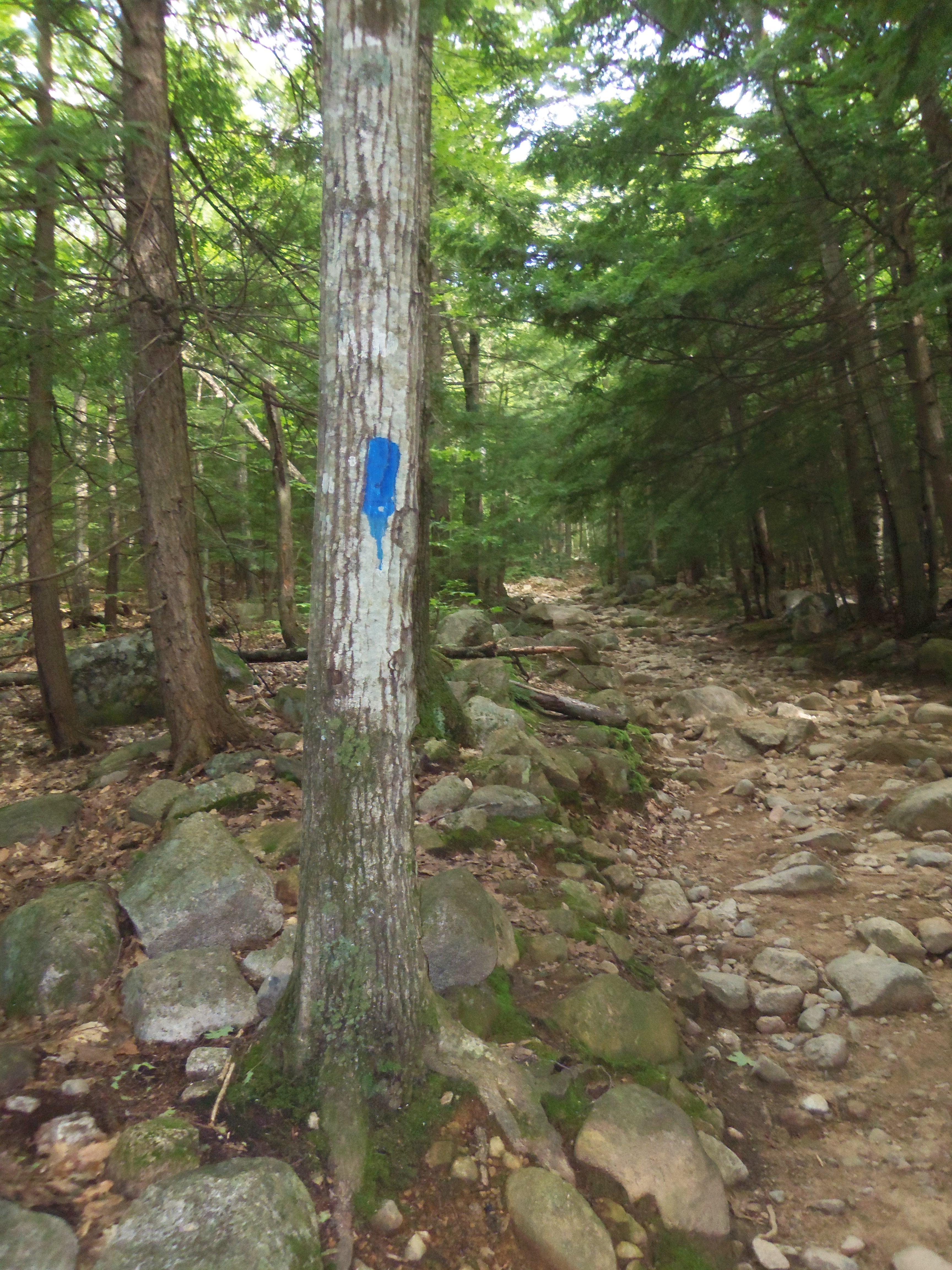
A TYPICAL TRAILHEAD
You never know what we'll churn up in cleaning a stall

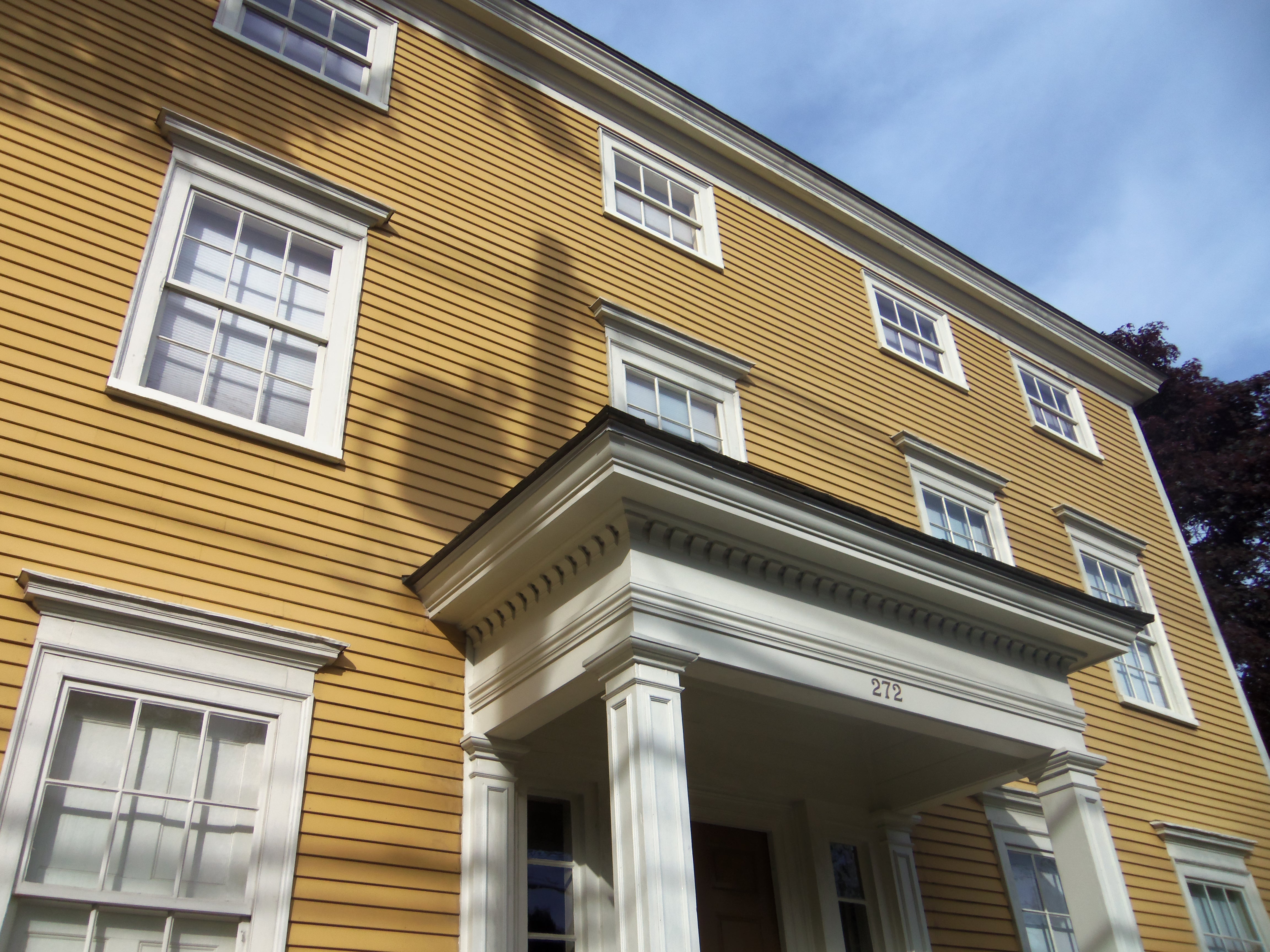
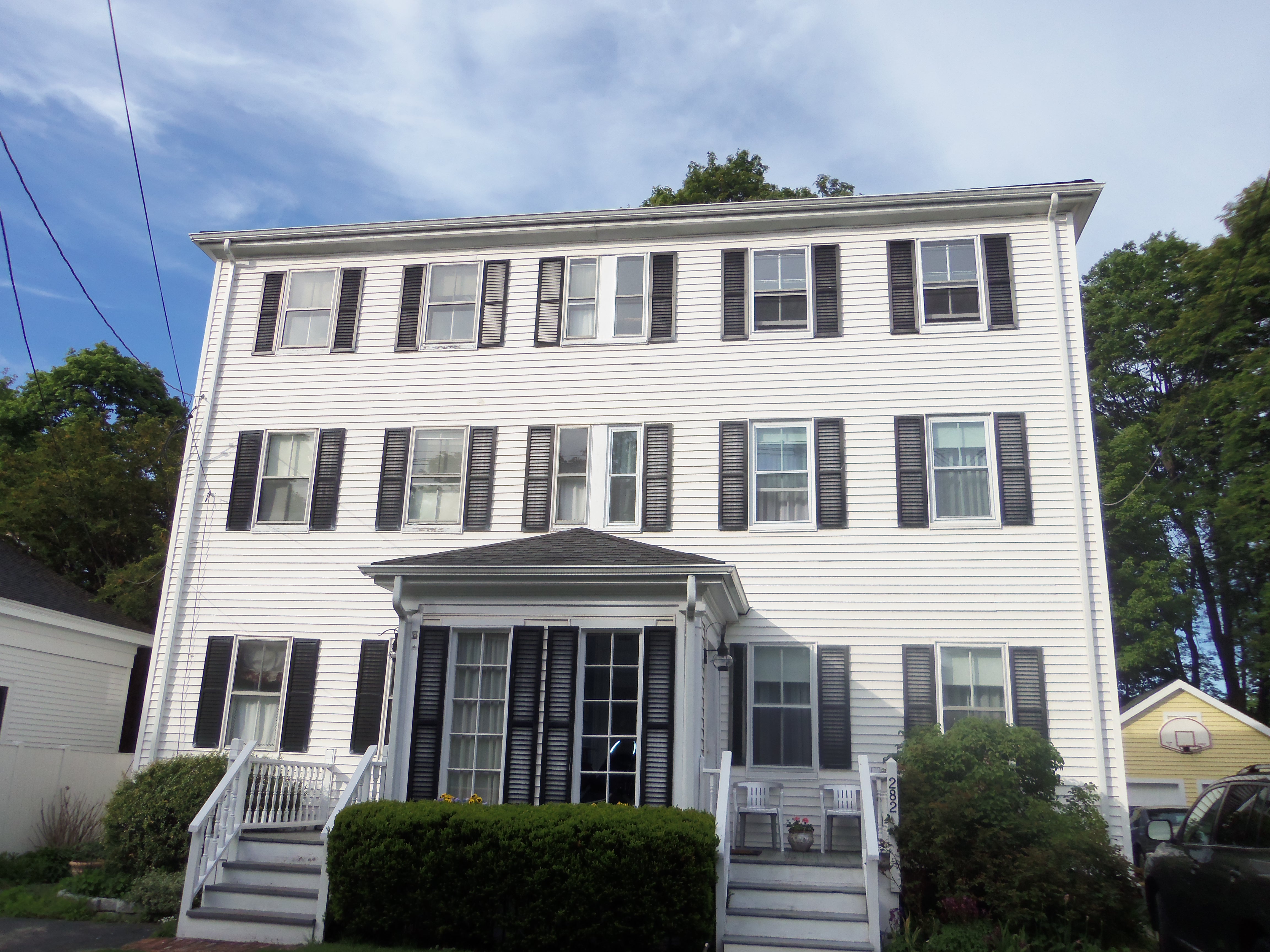
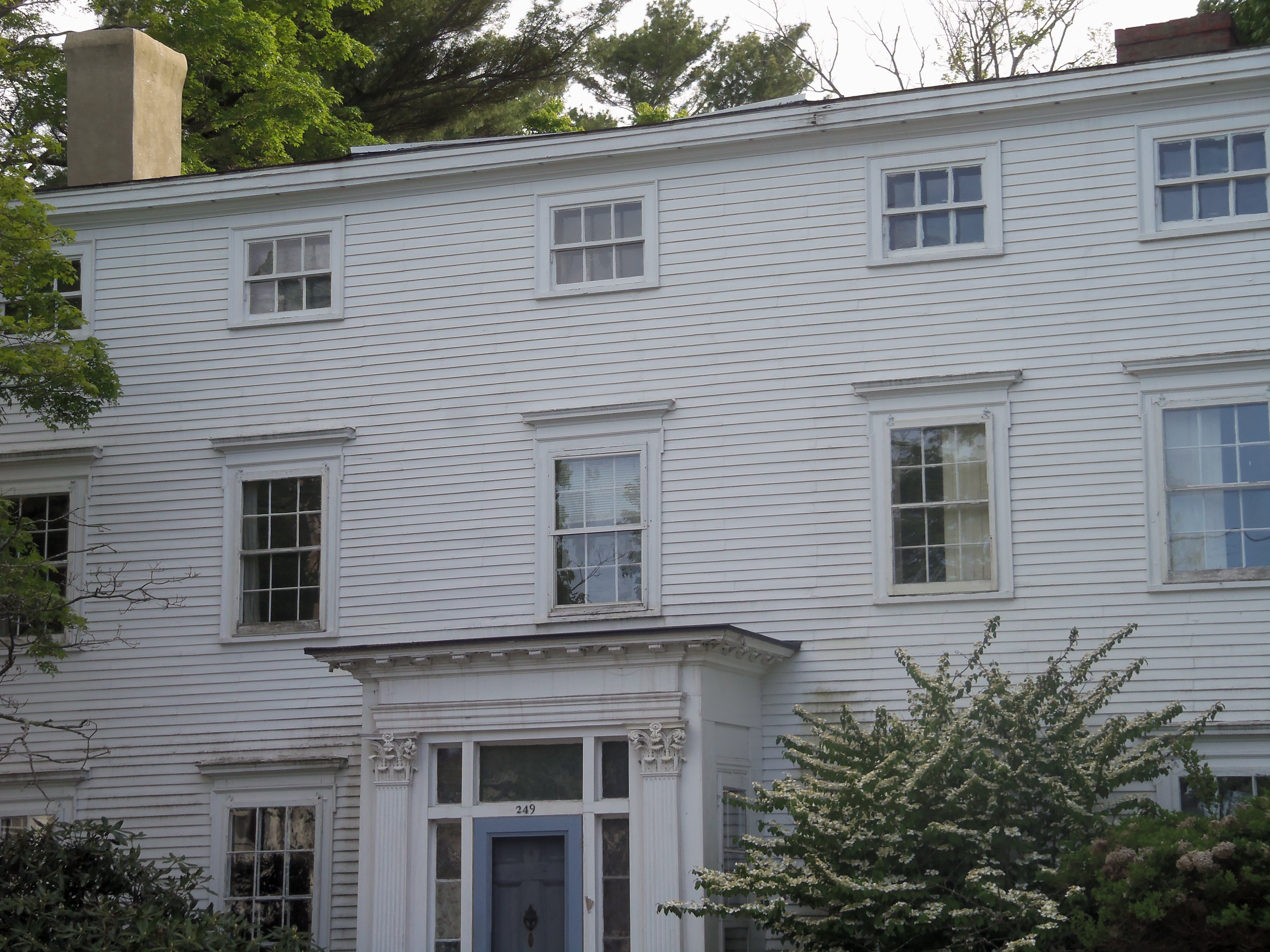
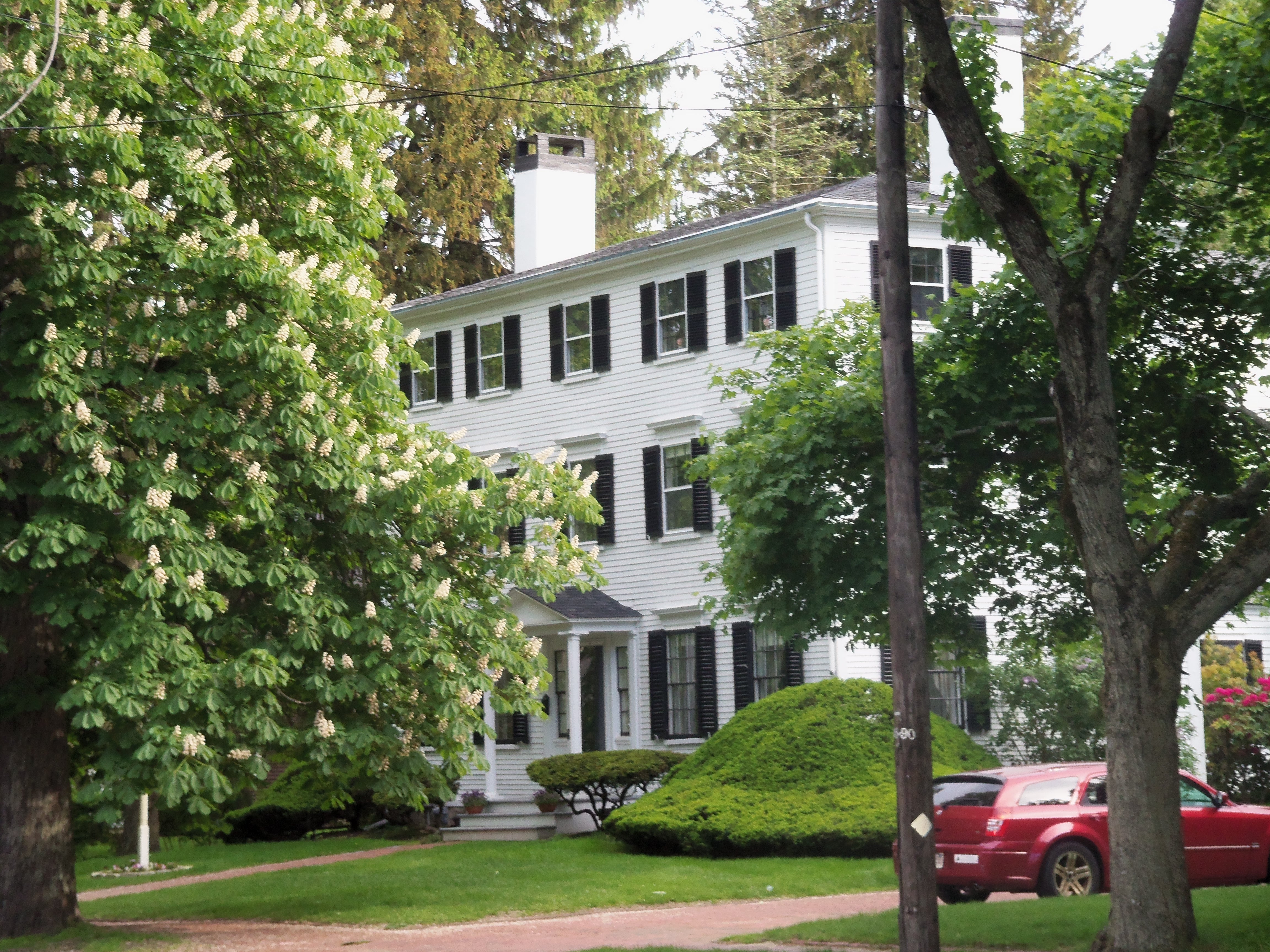
Situated at the mouth of the Merrimack River, Newburyport, Massachusetts, has a historic harbor and charming brick downtown – one that echoes many others in New England, for that matter. Its residential neighborhoods are likewise filled with a range of fascinating details from many historic styles. But for me, the real glory is High Street, built at the height of the lucrative whale oil business. Interspersed among the dominant federal-style houses are some other fine examples. Here’s a sampling.


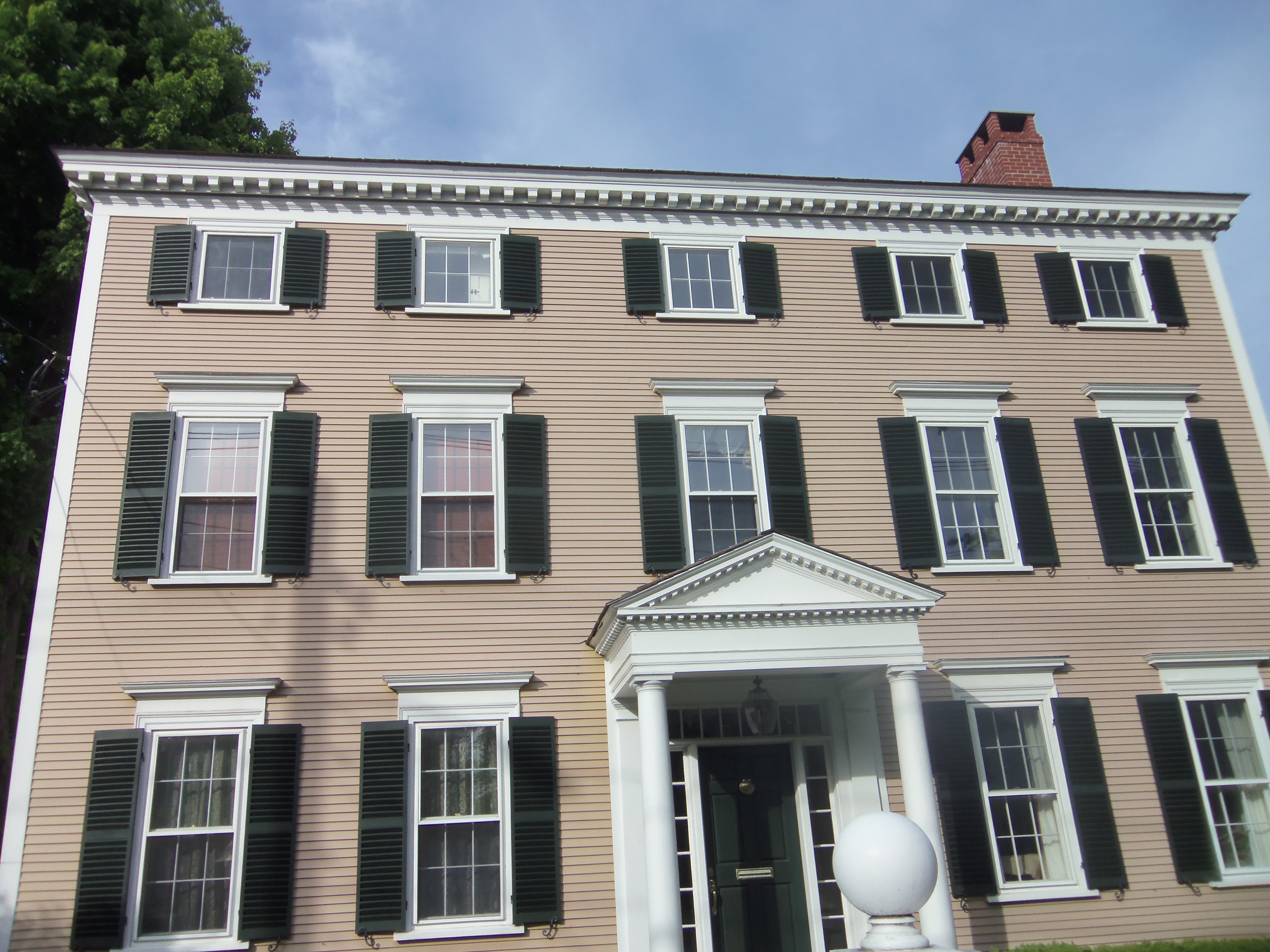 The federal style of architecture flourished from the 1780s into the 1820s, and you’d be hard-pressed to find a finer sampling of it than in Newburyport, Massachusetts – especially along High Street. Here are a few examples.


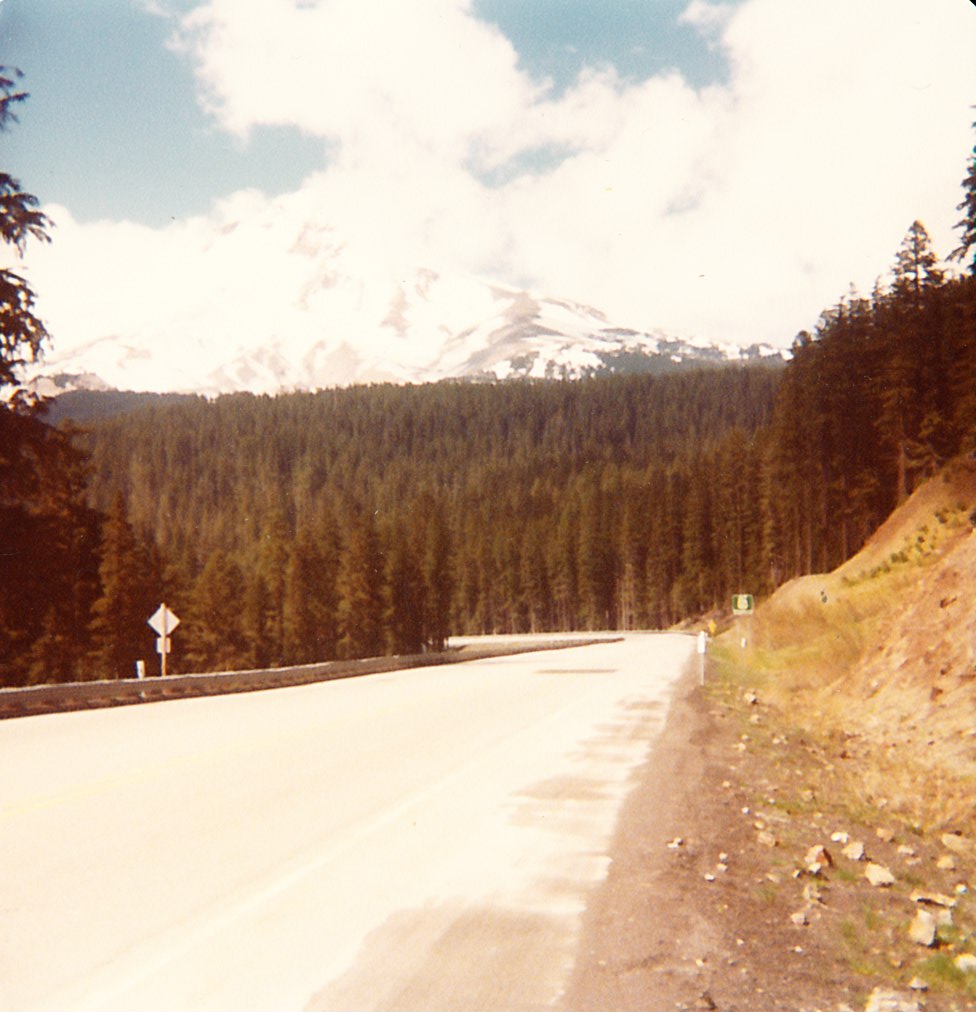
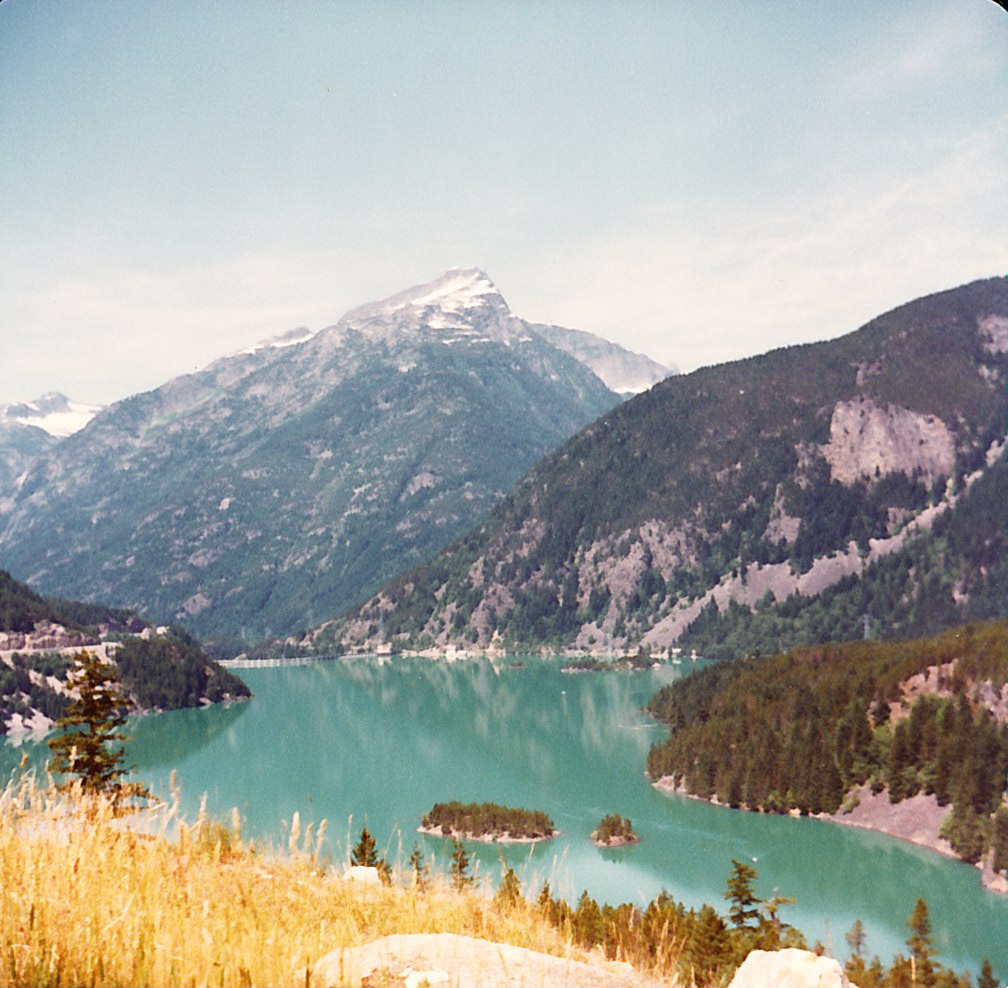
The Cascade Range in Washington state holds a special place in my heart.
It’s reflected in several of my novels and many of the poems.
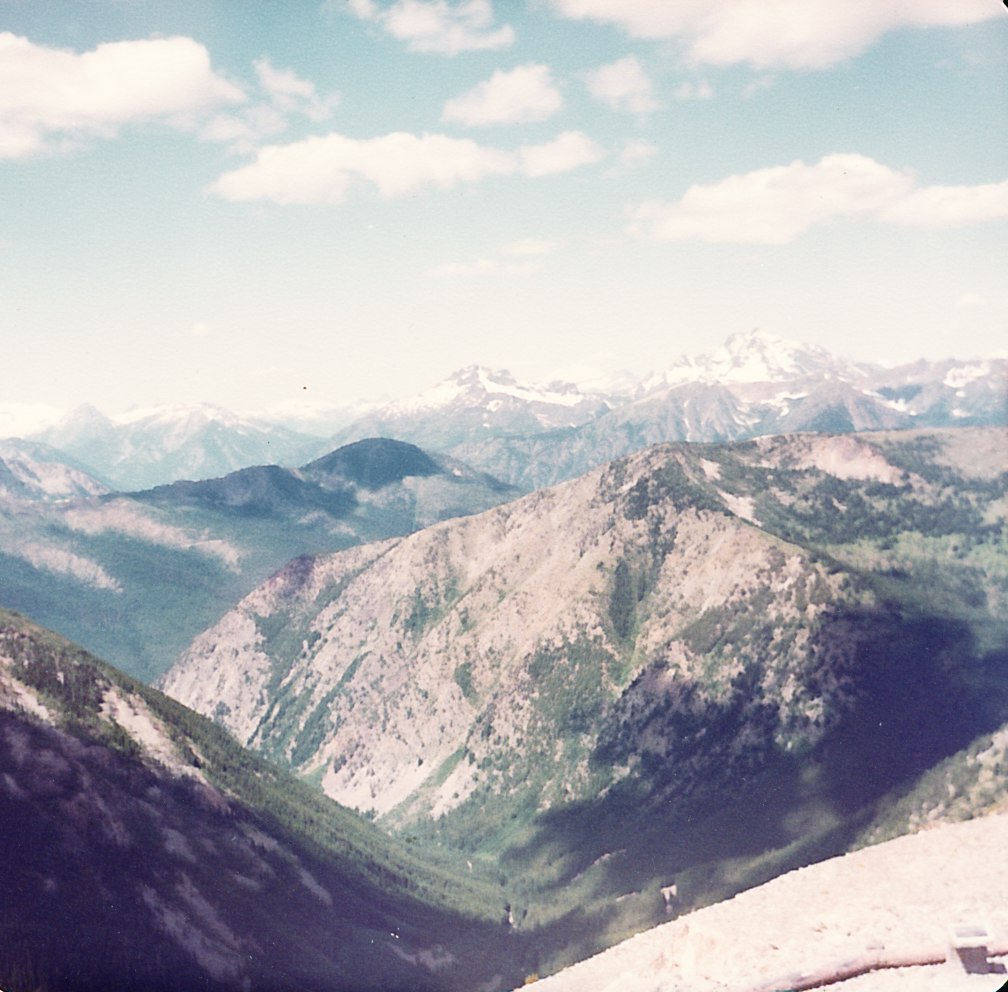
Few photos, though, do the mountains justice. But they do help keep the memories vibrant.
Somehow I avoided most of the usual traffic tie-ups and wound up with some extra time to kill in the Boston area on what turned out to be the first afternoon with real spring in the air. Given the time to kill, I headed off, camera in hand, for a walk along the Charles River.
At one point, I looked down along the riverbank and saw a limb draped out into the water. Five turtles were sunning on it in a wonderful composition. The camera was in focus and I needed one more step before I aimed and clicked. Just as I did, they slipped one by one into the water.
Maybe next time.
On the way back, I came up on a couple, hand in hand, as they strolled along the pathway. Another great shot, this time of street fashion. They were in matching all black, except for his shorts, which were black with great swirls of yellow and orange. I should have taken a shot but wanted to respect their privacy.
Now I’m wishing I’d gone ahead anyway.
Two nights before, as I was heading off to a committee meeting, I saw the perfect shot of the tower on City Hall, its gold-leaf dome and golden weathervane brightly lighted by the setting sun against a slate-gray background. Unfortunately, I wasn’t carrying my camera.
That has me thinking how many great photos turn out to be like those turtles, just slipping out of sight.
Maybe it provides all the more respect for the good photos we have.
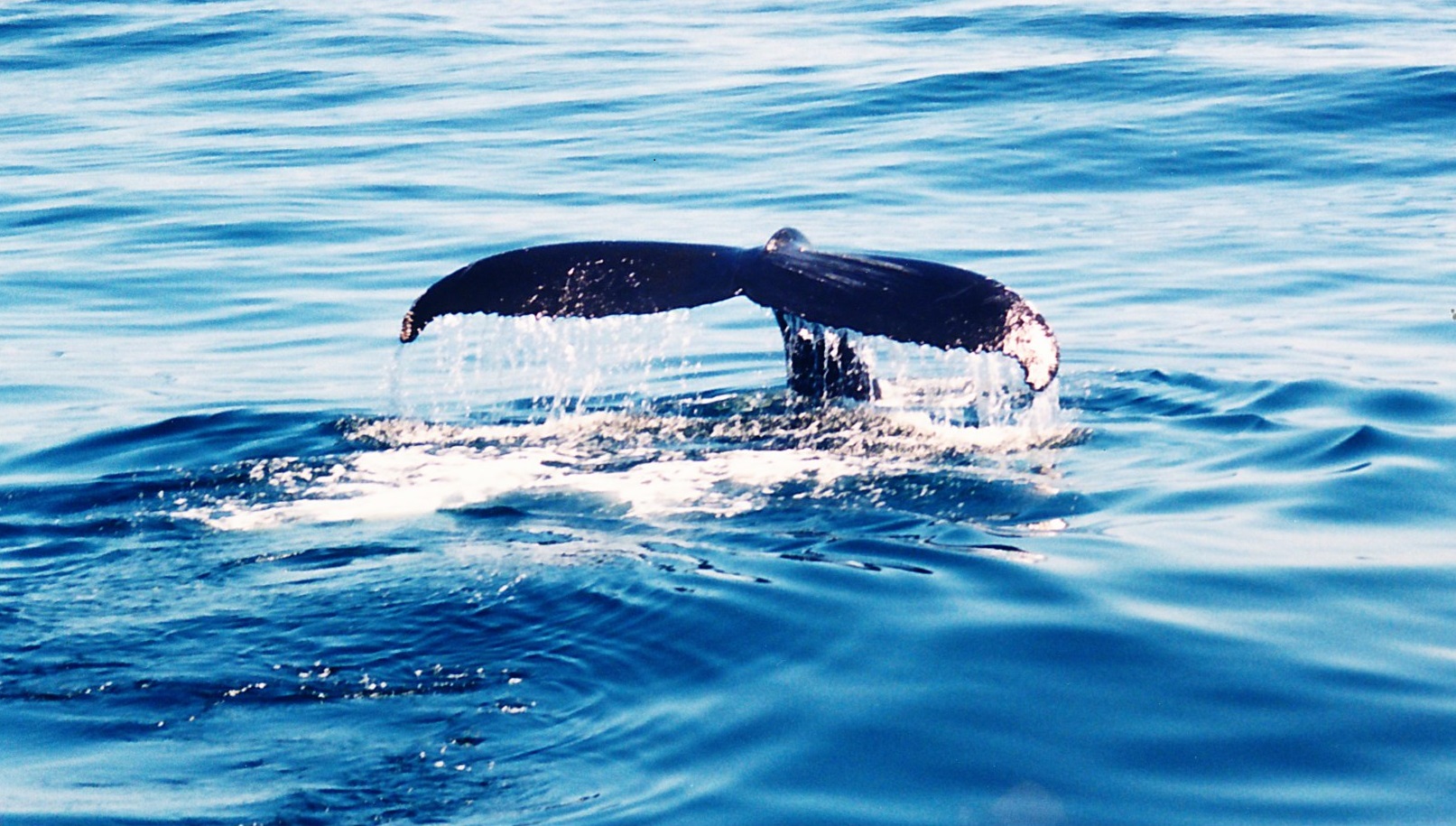
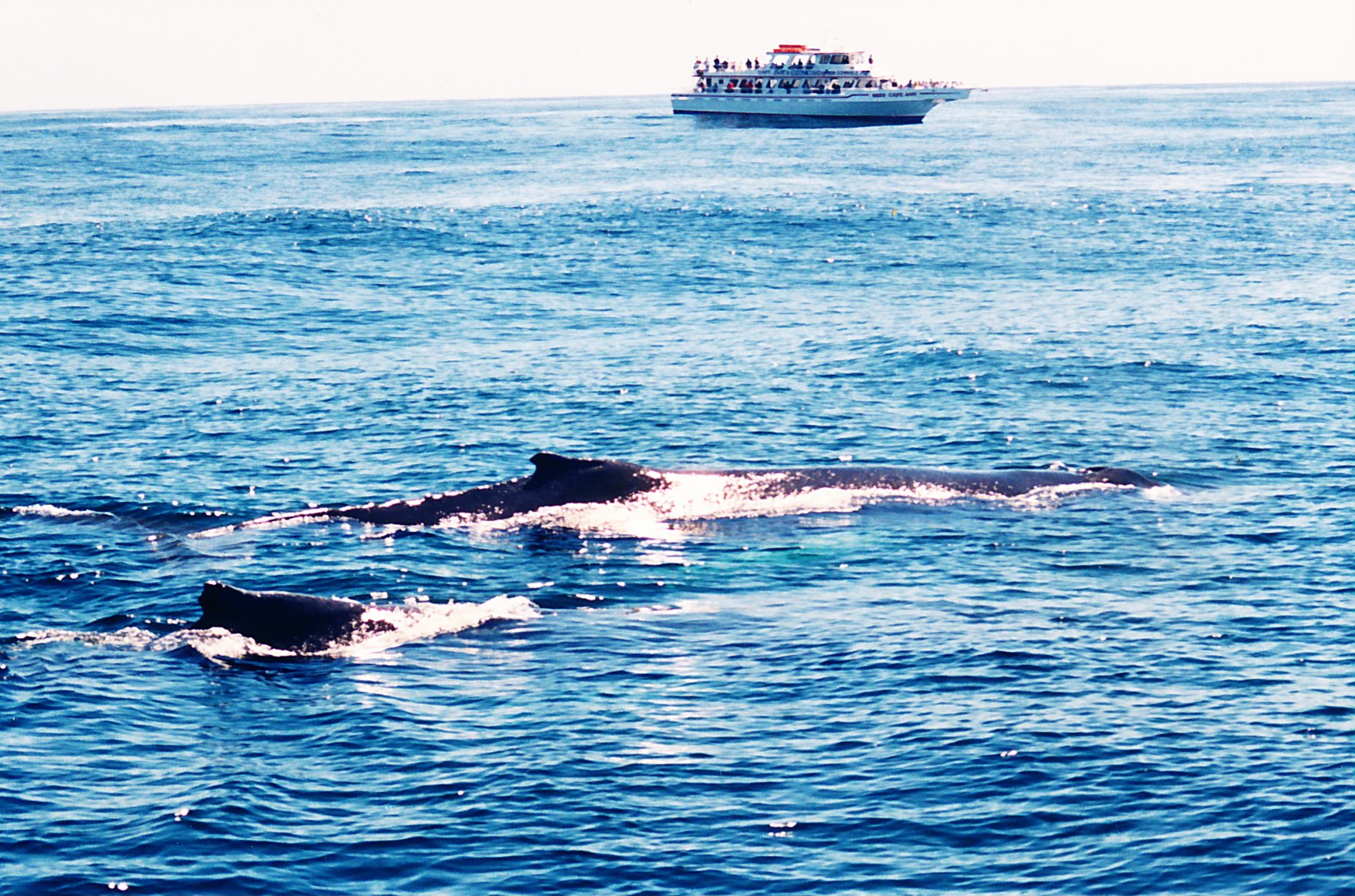
One of the traditions I established after moving to New England meant venturing out for a whale watch each year. You never know what you’ll encounter. Sometimes it’s only a minke whale or two – the smallest of the ones we have. Or, at times, it becomes more than you can count.
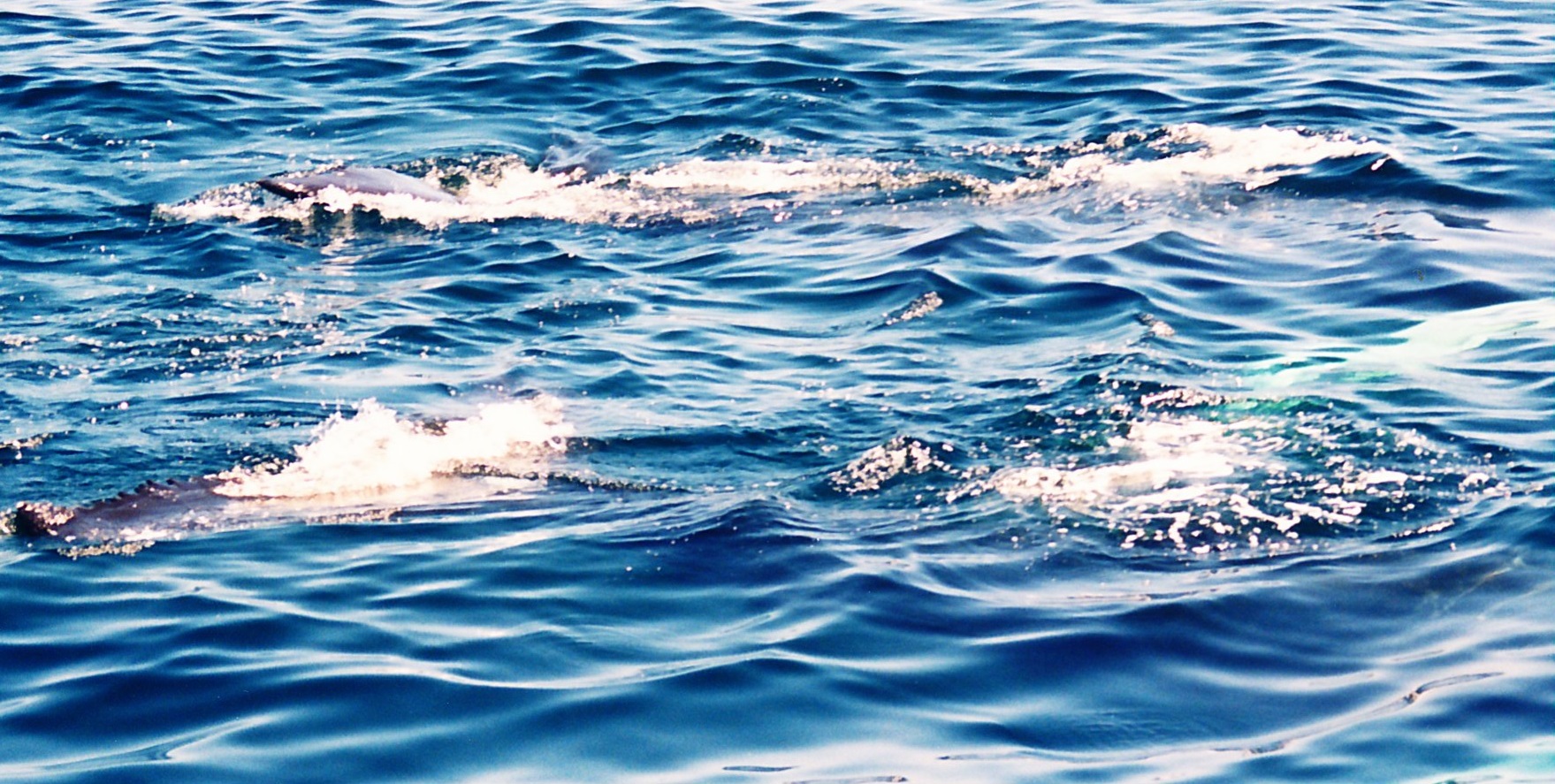
In the past dozen years, though, the custom’s fallen by the wayside. Just too much else to do – and the ticket price has gone up. But as a way of getting out to sea, it’s still a cheap cruise … and it can be very peaceful, if you don’t get seasick on the way.
Some of the best art museums in the country are found at New England’s universities and colleges. In other parts of the country, the larger ones would be the region’s jewel. But here they often sit in the shadow of some pretty powerful competition. Some, like Harvard, charge admission, but others are blessedly free.
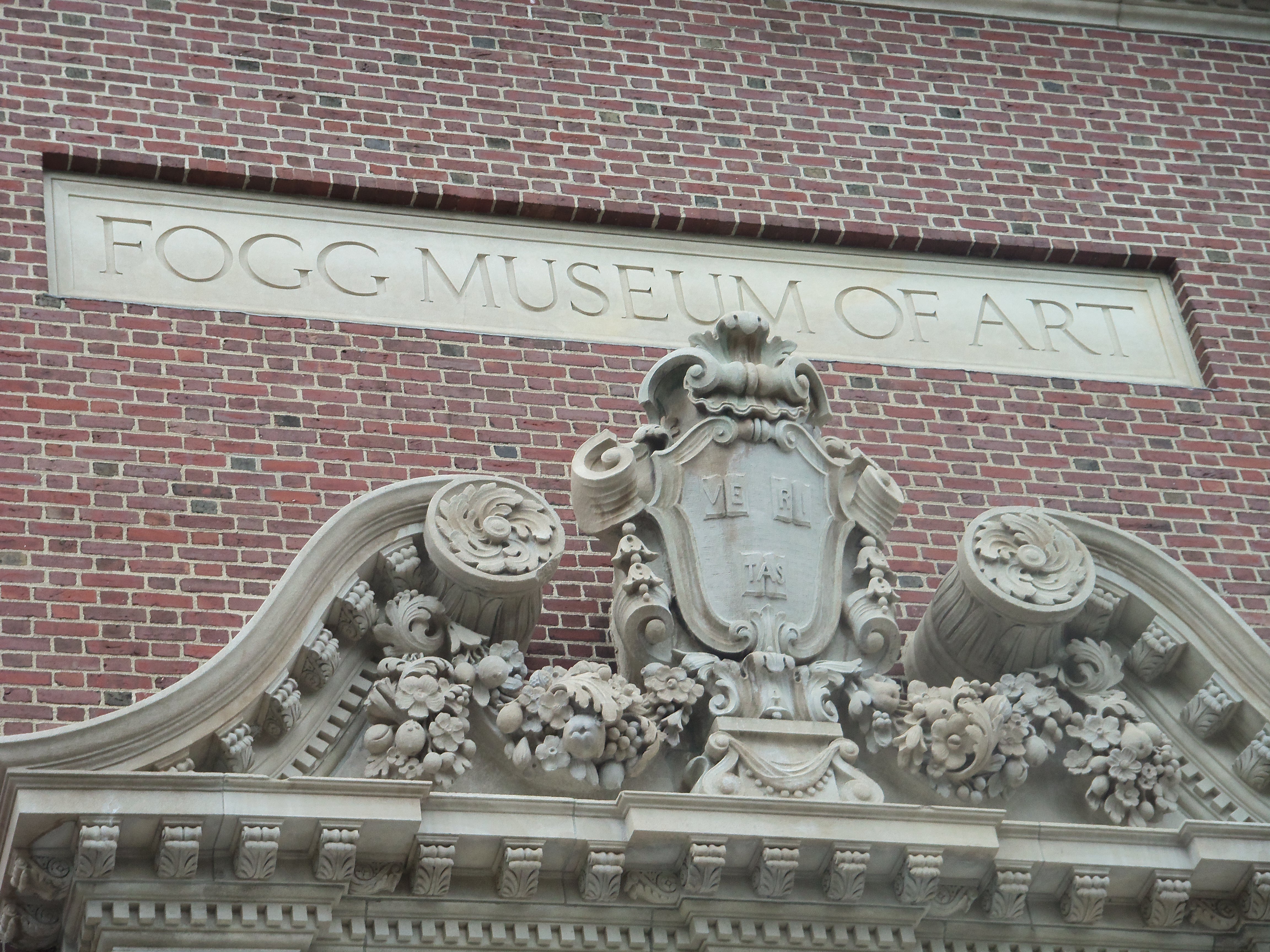
Here’s a sampling from our travels and travel plans:

