FEDERAL ROW

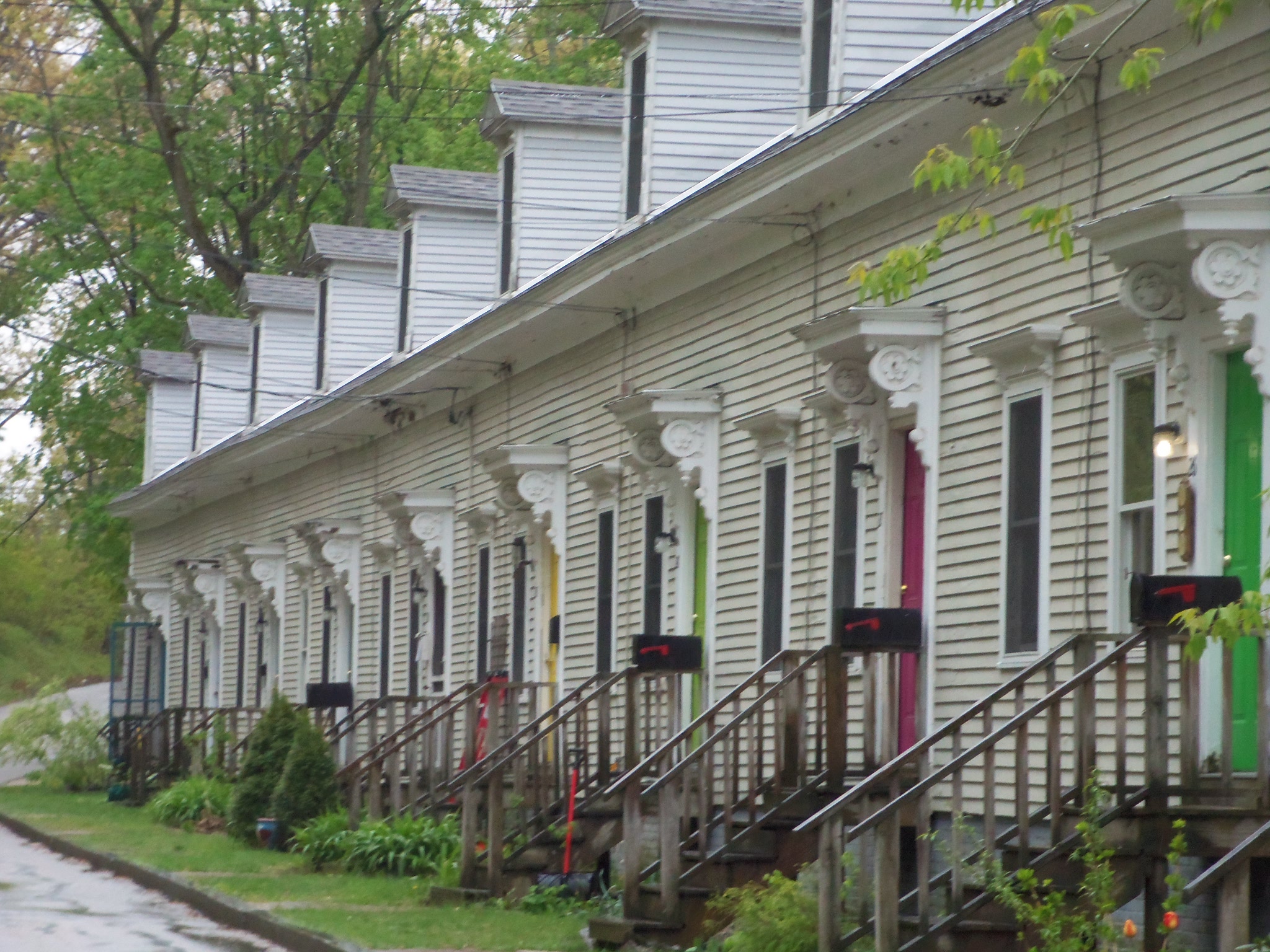
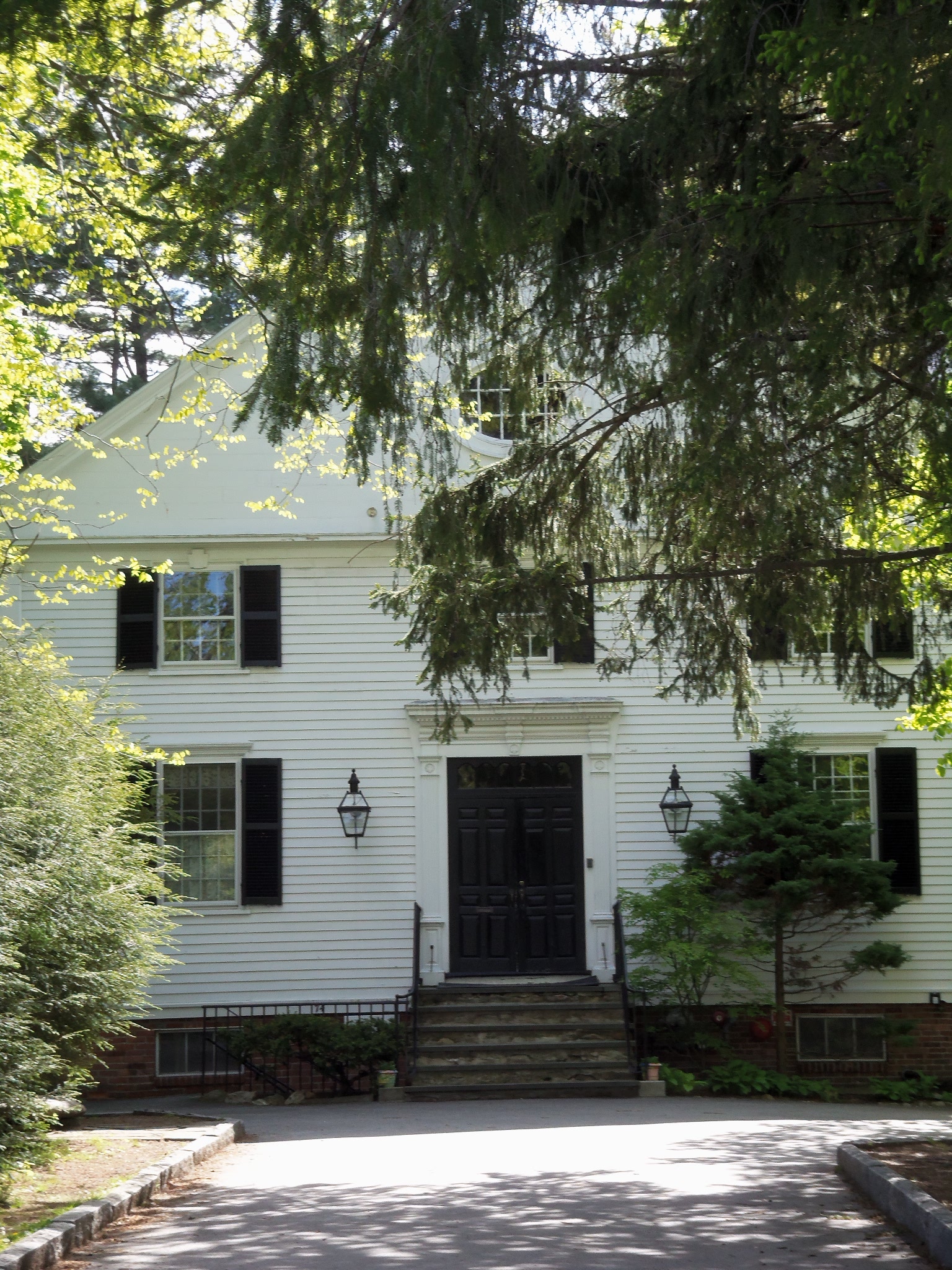
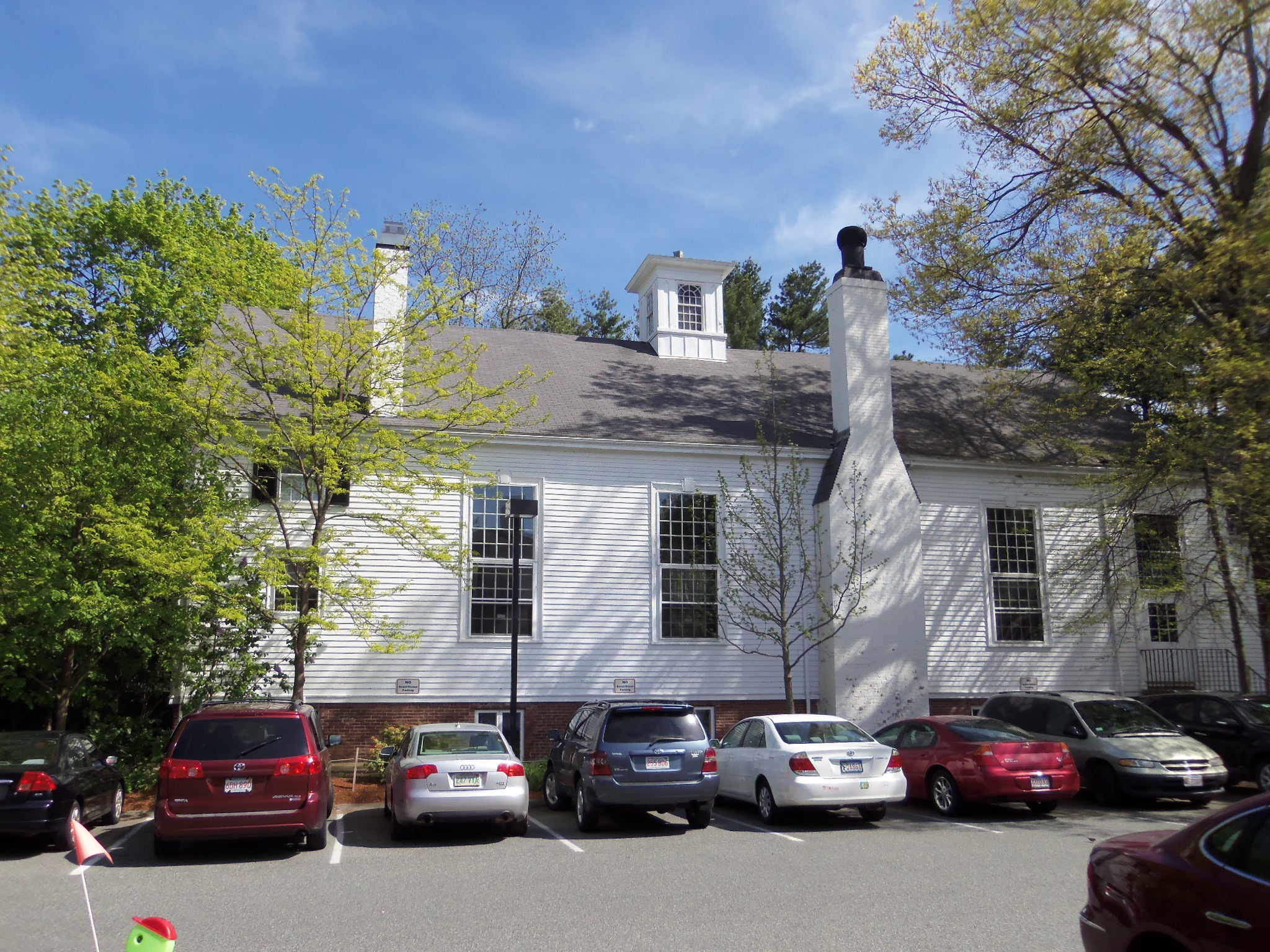
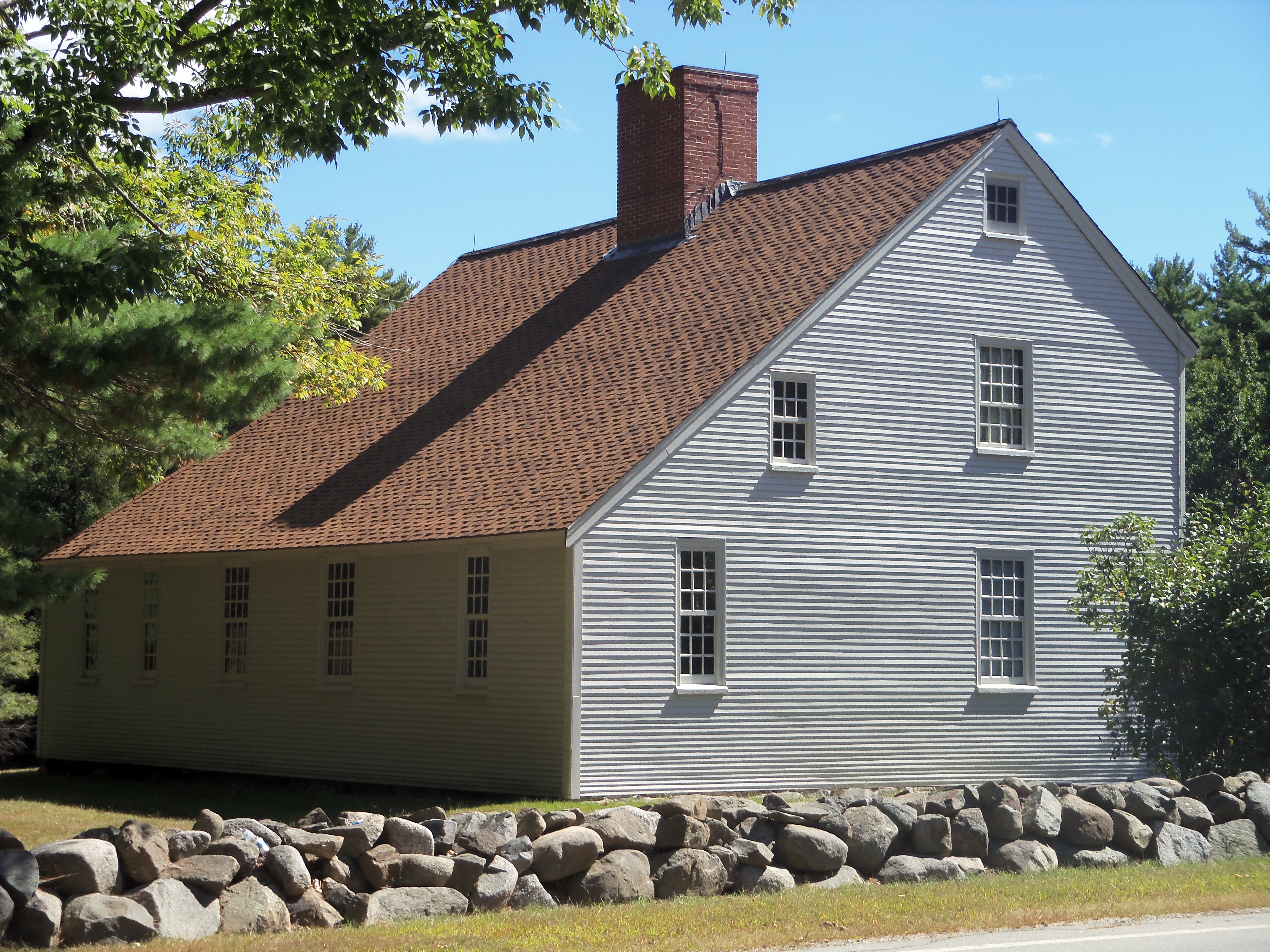
100_0939The federal style of architecture flourished from the 1780s into the 1820s, and you’d be hard-pressed to find a finer sampling of it than in Newburyport, Massachusetts – especially along High Street. Here are a few examples.

100_0942

100_0936

100_0945

100_0925

100_0921

100_0884


CASCADES MEMORIES

Driving toward Rainier.

The Cascade Range in Washington state holds a special place in my heart.

It’s reflected in several of my novels and many of the poems.

In the high country, the range seems to extend forever.

Few photos, though, do the mountains justice. But they do help keep the memories vibrant.

North Cascades where Gary Snyder, Philip Whalen, Jack Kerouac, and other writers worked the remote fire lookout posts.


AND YOU THOUGHT TURTLES WERE SLOW?

Somehow I avoided most of the usual traffic tie-ups and wound up with some extra time to kill in the Boston area on what turned out to be the first afternoon with real spring in the air. Given the time to kill, I headed off, camera in hand, for a walk along the Charles River.

At one point, I looked down along the riverbank and saw a limb draped out into the water. Five turtles were sunning on it in a wonderful composition. The camera was in focus and I needed one more step before I aimed and clicked. Just as I did, they slipped one by one into the water.

Maybe next time.

On the way back, I came up on a couple, hand in hand, as they strolled along the pathway. Another great shot, this time of street fashion. They were in matching all black, except for his shorts, which were black with great swirls of yellow and orange. I should have taken a shot but wanted to respect their privacy.

Now I’m wishing I’d gone ahead anyway.

Two nights before, as I was heading off to a committee meeting, I saw the perfect shot of the tower on City Hall, its gold-leaf dome and golden weathervane brightly lighted by the setting sun against a slate-gray background. Unfortunately, I wasn’t carrying my camera.

That has me thinking how many great photos turn out to be like those turtles, just slipping out of sight.

Maybe it provides all the more respect for the good photos we have.

WHALE WATCH

Humpback, launching a deep dive.
Often, several whale watch tours will circle in the same vacinity.
Often, several whale watch tours will circle in the same vicinity.

One of the traditions I established after moving to New England meant venturing out for a whale watch each year. You never know what you’ll encounter. Sometimes it’s only a minke whale or two – the smallest of the ones we have. Or, at times, it becomes more than you can count.

The whales have the most beautiful light blue underbellies, visible if you get close enough.

In the past dozen years, though, the custom’s fallen by the wayside. Just too much else to do – and the ticket price has gone up. But as a way of getting out to sea, it’s still a cheap cruise … and it can be very peaceful, if you don’t get seasick on the way.

NEW ENGLAND COLLEGE ART MUSEUMS

Some of the best art museums in the country are found at New England’s universities and colleges. In other parts of the country, the larger ones would be the region’s jewel. But here they often sit in the shadow of some pretty powerful competition. Some, like Harvard, charge admission, but others are blessedly free.

A crown jewel at Harvard.

Here’s a sampling from our travels and travel plans:

  • Yale University Art Museum, New Haven, Connecticut: Reopened after extensive renovations, this is quite simply the best university art museum in America; possibly, the world. And admission is free.
  • Fogg Museum, Harvard University, Cambridge, Massachusetts: This newly renovated jewel delivers a fine array of Old Masters, although I’ll emphasize its Turner, Blake, and Whistler for variety. Admission ($15) includes the Sackler and Busch-Reisinger boutique galleries, now under one roof for the first time, thanks to a contemporary, glass-pyramid roofed addition by Renzo Piano Building Workshop.
  • Smith College Art Museum, Northampton, Massachusetts: I wasn’t braced for the magnitude of this collection when I zipped out for an hour lunch break during committee meetings just down the street. I’d run into examples from its collection in art books (it has five Childe Hassam paintings on display), but its range of Impressionists and outstanding regional and American landscapes is worth the whirlwind, even before getting to the old European masterpieces. Am I off-base in thinking this display nearly rivals Harvard’s?
  • RISD Museum, Providence, Rhode Island: As the collection for the Rhode Island School of Design, New England’s premier art school, the museum is smaller than one might expect, with a respectable sampling of earlier eras, often masterworks by lesser known artists.
  • Williams College Museum of Art, Williamstown, Massachusetts: An unanticipated but celebrated gem in the western part of the state. We’re told it’s worth the trip.
  • Hood Museum of Art, Dartmouth College, Hanover, New Hampshire: Wonderfully diverse, with uncommon awareness of the Americas and Africa, it mounts an impressive array of special shows and is part of the Hopkins Center for the Arts.
  • Bowdoin College, Brunswick, Maine: Small, with some emphasis on the regional past and the founders’ roots in its permanent collection. Renovations unveiled in 2007 more than doubled the exhibition space, moving the entrance to a glass cube to one side of the building and opening the basement level, where visitors now begin their tour. The special exhibits make for some exciting use of the facility — a recent trip for me included a focus on Marcel Duchamp and his influence, downstairs, as well as prints by Dutch master Hendrick Goltzius, upstairs.

WRIGHT AND MORE WRIGHT

The Zimmerman House in Manchester, New Hampshire, is one of the few Frank Lloyd Wright structures in New  England. I remember chancing upon it on an evening stroll and thinking, "It's either by Wright or one of his students."
The Zimmerman House in Manchester, New Hampshire, is one of the few Frank Lloyd Wright structures in New England. I remember chancing upon it on an evening stroll, looking at the lights in the windows, and thinking, “It’s either by Wright or one of his students.”
Now owned by the Currier Museum of Art in Manchester, New Hampshire, it's open for tours.
Now owned by the Currier Museum of Art in Manchester, New Hampshire, it’s open for tours.
Just a block away, though, is an example of his more mass-produced Usonian project.
This one's still a private residence.
This one’s still a private residence.


NEW ENGLAND ART MUSEUMS

A fitting fanfare as a welcome in Manchester. It moves in the wind.

Growing up in the American Midwest, I had the impression that New England was, well, uniformly cultured. Moving here at the end of the roundabout route that emerged, however, I was surprised to discover how unevenly that Culture was distributed. It was essentially centered in Boston. Or more specifically, Huntington Avenue in the city’s Back Bay neighborhood, in the Theater District, Museum of Fine Arts Boston, and Symphony Hall, plus Harvard Square in Cambridge across the Charles River.

For perspective, New England has only one major-league professional orchestra, the Boston Symphony, compared to eight in the Midwest – Cleveland, Cincinnati, Detroit, Chicago, St. Louis, Kansas City, Milwaukee, and Minneapolis. (Well, maybe seven these days, after the disastrous events in the Twin Cities.)

The underlying reason, I’ve sensed, arises in the historic ownership of New England’s economic base – the textiles mills, especially, along the rivers and streams – by the fabled Boston Brahmins. In other words, while New England’s products sold around the globe, the profits flowed into Proper Bostonians’ mansions, and these, in turn, endowed the great cultural institutions.

*   *   *

The Currier Museum of Art in Manchester, New Hampshire.

The region’s art museums, on the other hand, provide another slant on this legacy. I’ll argue that the largest, wealthiest galleries are not always the most exciting; when it comes to art collections, quality is often based on the gifts of a few insightful, daring donors. Since we frequently visit museums when we travel – and art museums, especially – here’s an overview of what we’ve found. Admittedly, we’ve missed some.

  • Museum of Fine Arts Boston: The Grand Dame comes with a stiff admission fee and all the air of a leading museum, and her strengths are impressive, indeed, especially in Impressionist painting and Asian artifacts. But there are also some glaring gaps, especially in Old Masters. The new American Wing has at least brought one shortage up to snuff.
  • Isabella Stewart Gardiner Museum, Boston: A block away from the MFA, Isabella’s quirky “playhouse” on the Fenway is one you either love or hate. With its galleries circling an impressive indoor garden, her idiosyncratic assemblage is displayed exactly as her will demanded; undisputed masterworks are left hanging between many third-rate paintings, detracting from the experience. Still, the egotism, pro and con, remains staggering.
  • Worcester Art Museum: Considering the current economic condition of New England’s second-largest city, the collection comes as a delightful, comprehensive surprise. From its powerful pre-Columbian gallery on the top floor through the Americans and the Old Masters below, visitors will find themselves richly rewarded. One small room featuring New England’s Childe Hassam and Edmund Tarbell is both confident and moving, an example of the wise presentation throughout.
  • The Wadsworth Atheneum, Hartford: The glory here is the large collection of American Illuminist paintings (a term I prefer to the Hudson River School), but the routing through the rest of the otherwise impressive collection becomes jolting. We are not led smoothly around, but rather thrown from dark Colonial rooms into brilliant Modernist department-store presentation and then back into dark caverns again. Senselessly disturbing.
  • Peabody-Essex Museum, Salem: Originating in the “cabinets of curiosities” ship captains were expect to bring back for display in their hometowns, this institution’s transformation into a vital force is a model of building upon a clearly defined mission. Recognizing Salem’s role as a principal port in historic China sea trade, the collection focuses on Asian art (both the works manufactured for export and works intended for native use) and on the region’s seafaring riches. I love the bowsprits and captain’s logs as much as the Korean and Japanese galleries. Many of the special exhibits have been incredible. Surprisingly, it claims to be among the 20 largest art museums in the country, based on its holdings.
  • Currier Art Museum, Manchester, New Hampshire: Here’s a moderate-size museum that has a wonderful sampling of art history, some renowned pieces from the 20th century, and justifiable pride in the Granite State’s own artists and traditions. Well worth revisiting.
  • Portland Museum of Art, Maine: Its Impressionist collection is a major coup. New York wept when the key donations were announced. Need we say more?
  • Farnsworth Art Museum, Rockland, Maine: Quite the surprise in a small working-harbor town on Penobscot Bay. Lively works of our own time, with a focus on Maine … and not just the Wyeths. Alex Katz, for instance, has helped the collection make some impressive purchases. We were delighted by a recent major show of Shaker artifacts, mounted with assistance from the only surviving Shaker colony, the one at Sabbathday Lake in New Gloucester.
  • Ogunquit Art Museum, Maine: This small, seasonal, seaside museum made its way into our hearts with a special exhibit of Edward Hopper paintings that turned out to be made on and around the site.