
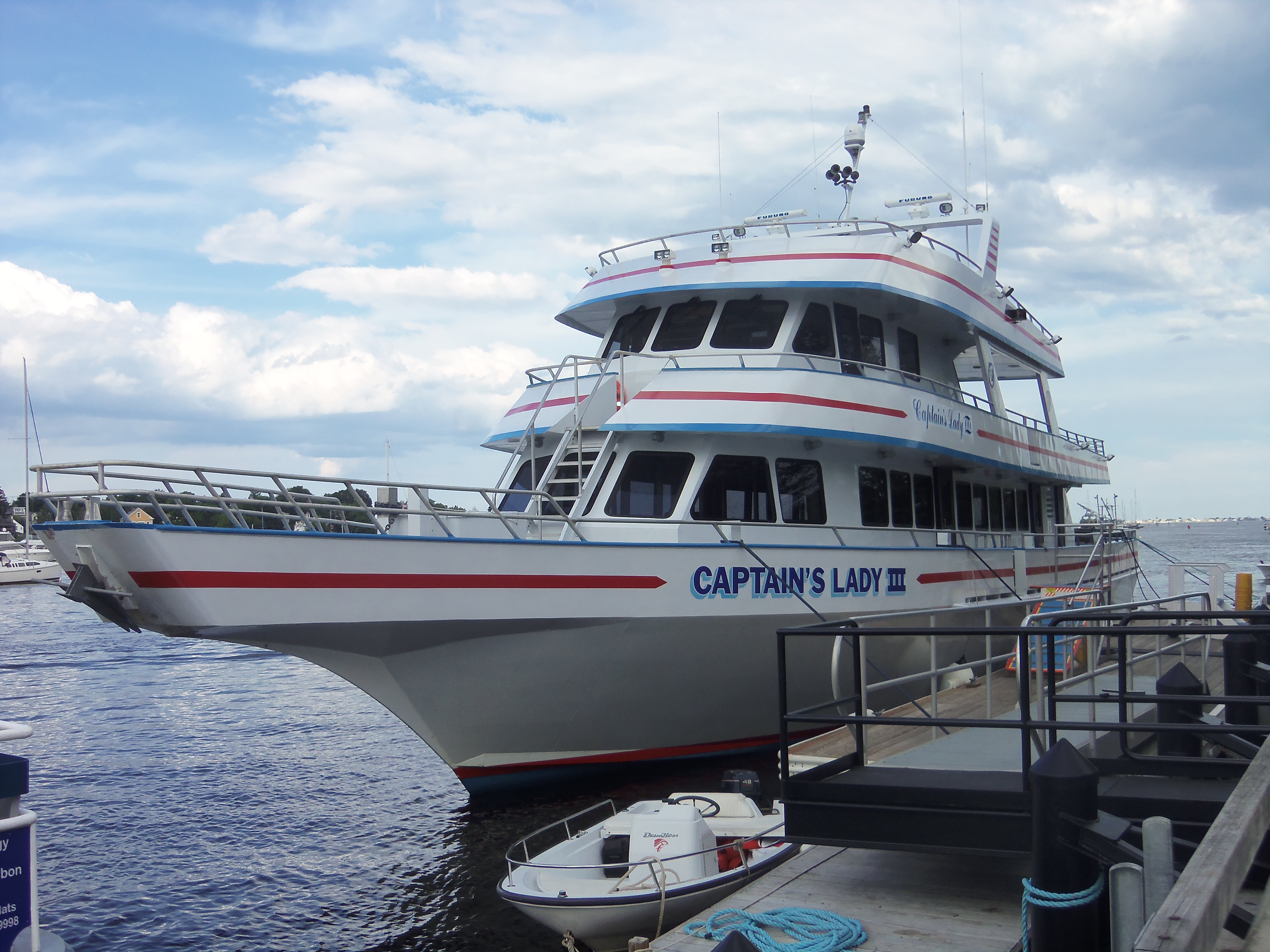

You never know what we'll churn up in cleaning a stall
Like the American bison that dominated the prairie, the continuous ocean of tall grasses, which for so long spread from a corner of Ohio into Montana and Colorado, has been decimated. Homesteaders – seized by a fever to possess farmland of their own – sowed apprehension in their furrows. Inhabitants and land itself now lay open to chronic infection. After each harvest, the Breadbasket of the World, the Interior States of the American Soul, is left vacant, a stubble desert awaiting rebirth. Descendants of those who made this band agriculturally productive bear both its blessing, in economic output, and curse, as if no one can entirely escape the desperation that prompted settlement in the first place. In the recesses of the psyche, inheritors of these spaces must likewise sense themselves to be buffalo-people, and then fear they, too, may be heir to this fate. Pushed to the fringes, the intrinsic beauty and spiritual potential of the heartland are easily overlooked, both by the remnant population and the world’s policy-makers. Today’s farmers are mechanics, first and foremost. Cry, then, for harmony and healing – a proper reentry into Canaan, a taste of balm in manna. Look, ultimately, to the surviving bison and tall grasses with their underlying lavender shadings. Respect the faint drumming, growing louder.
You may remember my writing of the wildlife we have in our yard, even though we live in a city. Maybe I was even bragging, a tad.
Meanwhile, our garden was looking better than ever. Some of it was likely a consequence of all the seaweed we’re using for mulch, plus the compost. Some of it a matter that we got just about everything transplanted on time, and some a reflection that my being free from the office has allowed a little more help with the weeding and harvesting.
On top of everything, the weather has been uncommonly cooperative. There were no late frosts in May, though there were nights we had to bring plants under cover as they “hardened off” before transplanting. We largely avoided a wet June, which kept the garden slugs under control and meant the strawberries didn’t get waterlogged. (They’ve been very tasty. The berries, that is.) July has brought rainfall as needed and also stayed out of the tropical range of oppression.
And then, about a week ago, disaster struck. A groundhog (apparently dwelling under a shed three houses down the street).
We had some near misses in the past, but nothing like this. One year, in fact, a band of possums evicted the groundhogs from their burrow. My wife’s always like opossums.
Overnight, half of our Brussels sprouts and a half-dozen heads of lettuce were obliterated. The rest were wiped out a day or two later, despite our efforts to fight back. Without the possums coming to our rescue, my wife’s taking this personally. For that matter, so am I. What about all that teaching about peaceful coexistence, anyway? What if the other side just doesn’t care?
Living in the city, we can’t resort to the usual line of defense, either, the one many vegetarians no doubt practice. No, a .22 is not an option here. You can run down the list of other weapons and strike them off one by one. Children and pets, after all, live in the neighborhood.
So here we are, mopping up and hoping the cantaloupe slices in the Hav A Heart trap do the job. And wiping our tears.

the Tiki torches, hints of pathways in five directions
from the Smoking Garden
* * *
twilight
with charcoal, glowing and ready
poem copyright 2014 by Jnana Hodson
The sky of America’s interior West is a dry eternity – an intense blue I see reflected in the cornflower bloom, or certain other blossoms, such as flax.
Curiously, the flower itself has no direct relationship to the cornstalk or ear. Its naming presents a mystery, to the modern ear, at least.
Now that I dwell under the commonly milky skies of New Hampshire, I find the blooming cornflower celebrates that vibrant blueness in my memory, and locales suddenly overlap in my mind, making me grateful to once again acknowledge that fullness and contrast. By extension, the cornflower blue sky extends to open spaces reaching westward from the Great Plains, with another set of experiences within me.
Gaze, then, into such deep color, undiluted, and its inexplicable essence.
As the hot, humid weather kicks in, we shift gears. Our weeding turns lazy, and our plants will just have to fight it out for survival. If we’re diligent, we’ll water, though the utility bill frightens.
Maybe it’s all part of the relationship.
A garden without a woman is lamentable
unfolding from Eve
and the Singer of the Song of Songs
all this color and excitement
my Woman wears no cosmetics
she’s organic
but oh so much better for me
than health food
my Lady leads me in unanticipated ways
she’s so unlike the ones before her
she works with wise fingers without hesitating
to get dirt under her nails
still, as the younger one said,
“you’re a mean mommy:
you’re as mean as the thorns in a buckle bush”
In constructing her garden
sod, roots woven tight, close together
the way I thought we would
overlooking the fact we both flower
quite conspicuously
our stems woody or thorny
even through winter
poem copyright 2014 by Jnana Hodson
Ogunquit has one of Maine’s loveliest sandy beaches (to distinguish it from some pebble sites we frequent, especially). It’s more than a mile long facing the Atlantic, with house-free dunes behind it.
One corner, near the parking lot, is bordered by the Ogunquit River, which is fun to float in, as long as you avoid the whirlpool.
That end also has a lovely large apron of sand at low tide, and unsuspecting visitors often carry their towels, folding chairs, bags and coolers right out to the edge of the water, establish camp, and head off into the surf. While they’re at play, though, the tide turns quickly, submerging much of the apron within minutes, generally approaching the camp from behind. You should see their faces as they suddenly recognize the catastrophe at hand and desperately try to retrieve their floating debris from the quicksilver waters. Their chairs, coolers, towels and blankets, even shoes are all heading out to sea.
Soon, most of the beach on that end is under water. Remember, the level changes more than a foot every hour … and sometimes it’s closer to two.
The veterans, in contrast, set themselves up much higher, against the rocky base of the parking lot itself.
Follow their example if you go. Or watch out.
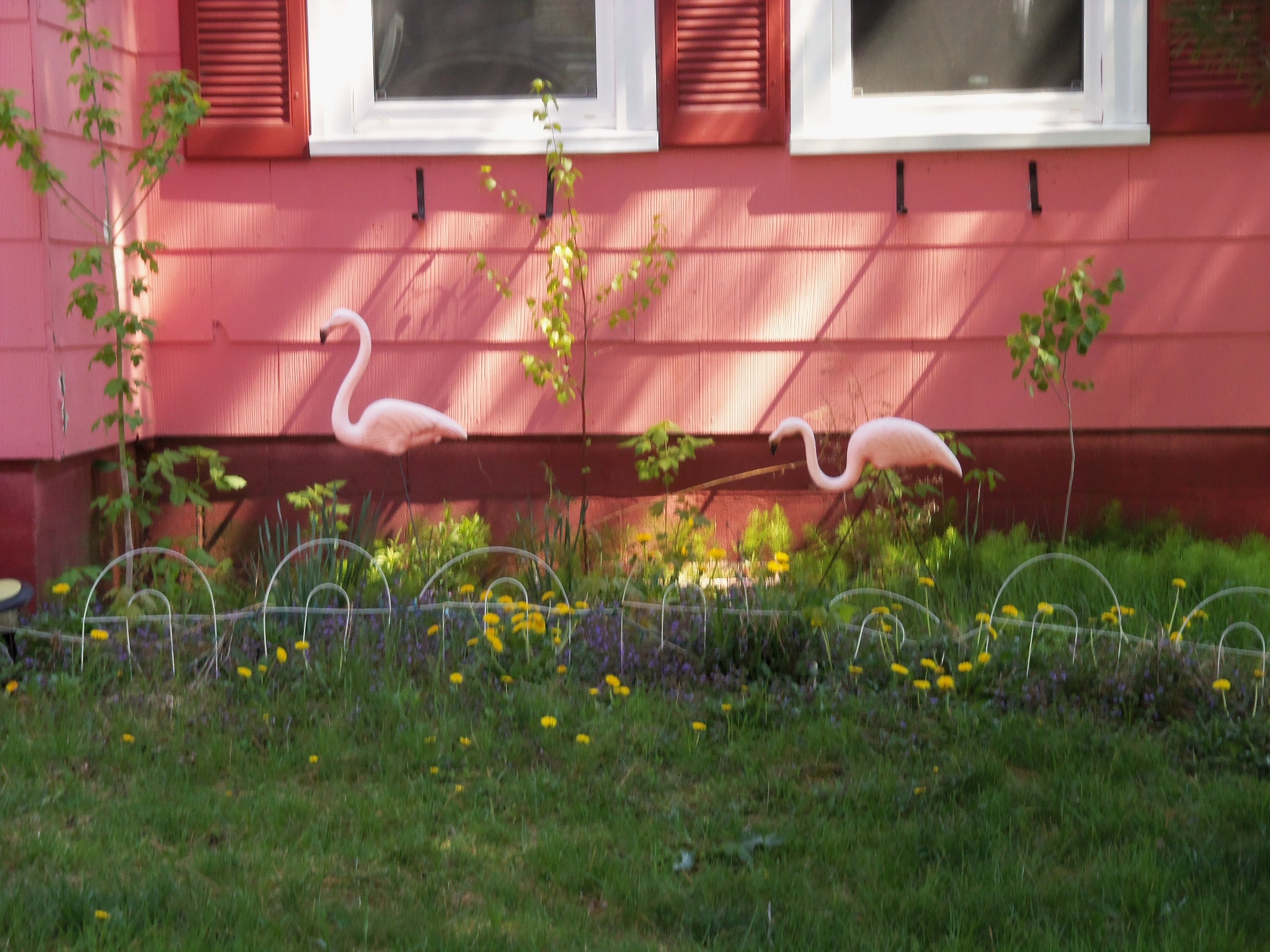
At a party one night in our Smoking Garden, a friend was telling about a fundraiser her church youth group had done back in Massachusetts.
“That’s a great idea,” I said. After all, she was a United Church of Christ pastor with all kinds of connections. “UCC,” for short.
Next thing I knew, a big sign and box appeared in our Quaker meetinghouse, warning Friends to buy flamingo insurance. This is New Hampshire, remember, not Florida.
One night after our party, our renowned sculptor Jane and her husband had come home to find her flock of pink flamingos missing from their yard and garden, but a sign stood in their place: “They needed to be quarantined.”
Uh-huh. I was as baffled as anyone that Sunday as we entered the meetinghouse and faced that big sign and its box of warning.
Here’s how it worked: you could donate any amount for insurance, but if someone else trumped that figure by offering more, you could still get flocked. And if you were flocked, there would be an envelope for another donation for their removal. In other words, you could get hit coming and going.
Then the plastic birds – and wooden cutouts – began appearing in Friends’ lawns. Folks living in apartments weren’t immune, either: the birds showed up strung around balconies or in the backseats of cars left unlocked or wrapped around cars that had been locked.
For the most part, it was great fun – even for the police officers called out to investigate rustling sounds in the night. We had no idea who was in on it, and nobody from our Smoking Garden party guest list was looking guilty.
When we were hit, one of our neighbors laughed and explained why she knew we hadn’t selected the birds as permanent decor: “You’re too organic.”
(Ouch!)
The Sunday morning the operation came out in the open, a guest to Meeting told me, “We did the same thing, down in Connecticut.”
“UCC?” I countered.
“Yes, how’d you know.”
“Just a lucky guess.”
So it had been the Meeting’s kids who were keeping the secret, along with a couple of very, very discrete adults. The money we raised went to the Heifer Project. Our children had to decide what kind of animals they’d send to the Third World – something big, like a cow, or something smaller, like a lot of chickens? And then they took a field trip to the project’s New England farm to check out all the options.
It’s a much better story than the one about my ex-wife’s two birds – the ones a friend of hers stole from my yard after the separation.
our Lady of Pink Flamingos keeps taunting
“Have you been flocked?”
where’s it going, our summer of plastic flamingos?
poem copyright 2014 by Jnana Hodson
 Jnana's Red Barn