Scalloping in the dead of winter

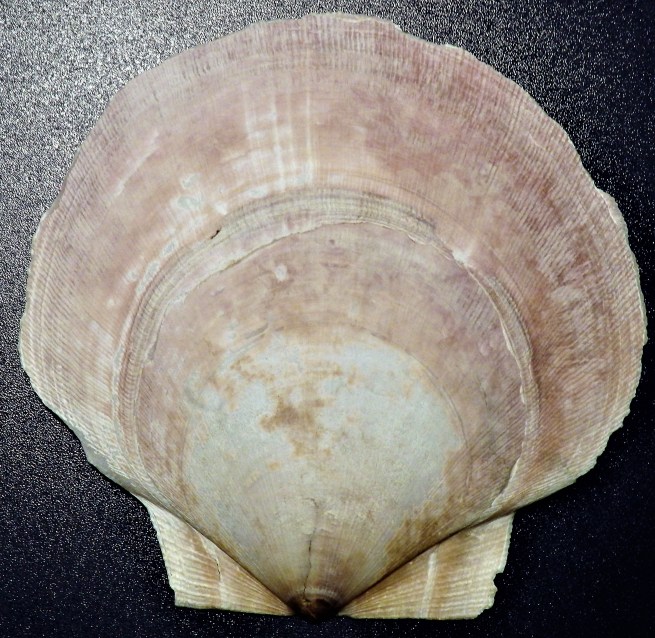
There’s not a lot of meat in one of these, but what there is will be treasured by many seafood lovers.

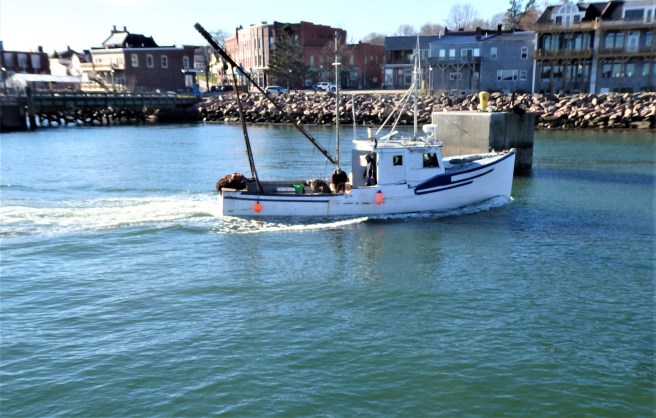
This time of year, I hear the puttering motors in the chill air before the sun’s even up as the fishing boats head out to drag the depths for scallops. No matter how low the thermometer reading or how bad the weather, the vessels venture by, or attempt to, intent on catching their daily limit of ten or 15 gallons a day in a season that runs no more than 50 or 70 days but may close earlier, depending on the sustainable harvest in each of the regulated zones.

Rigged with a boom for the heavy chain net that drags the seafloor for scallops, this vessel returns to port with its harvest.

A day not out on the water of the bays around Eastport is a day’s income that’s lost for the season. The economics of fishing are precarious enough.

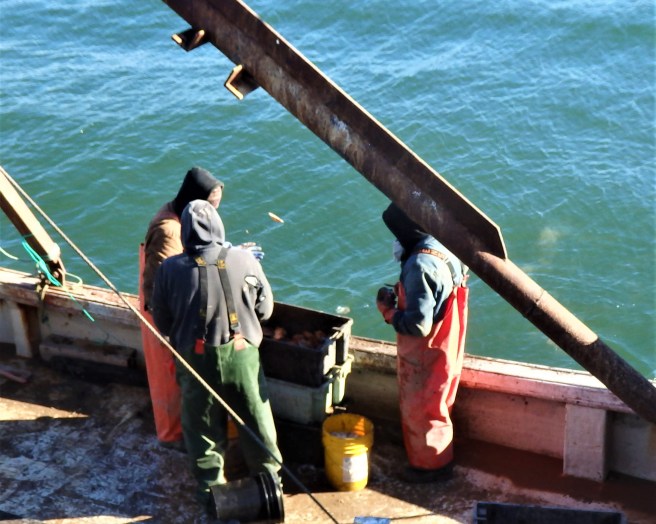
These intrepid fishermen shuck their catch onboard, tossing the shells overboard, which provides grounding for the breeding of more, and then return to port with their precious harvest, often well before noon.

A shell flies toward the water as these fishermen quickly shuck the precious bivalves onboard.

The licenses are coveted and even the size of crews is limited by state law.

Come summer, many of the boats, with their rigging reconfigured, and their crews will have turned their attention to lobster.

Other important harvests here are urchins and clams.

What workers impress you the most when they’re out in bad weather?


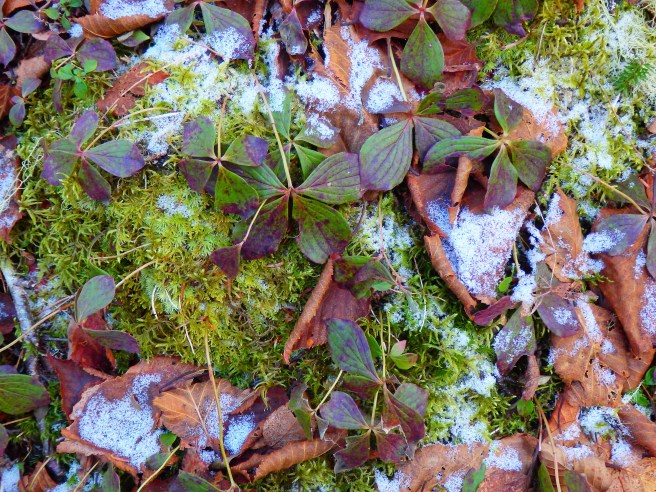
Bunchberry or, if you prefer, creeping dogwood, I still love seeing it

We’ve become fond of this groundcover along many of our trails, with its white blossoms in the spring and red berries well into summer. Here the foliage is fringed with red, set here against moss and a touch of snow in a stretch of what may be a peat bog.

Quoddy Head State Park, Maine

For the record, Cornus canadensis is also known as Canadian dwarf cornel, quatre-temps, even crackerberry,

Wonder how it would work in our home garden.

Bays within bays, all adding into one

For someone raised like me far from the ocean, trying to pin down places along the coastline can be confounding.

Eastport, for instance, lies within famed Fundy Bay yet also has Cobscook Bay lapping its west banks and Passamaquoddy Bay on its east.

What gives?

Well, let’s say the bays are like Matreshka Dolls, one fitting inside another one that fits within yet another one and so on.

Cobscook Bay, for instance, includes the smaller East, South, Sipp, Dennys, and Whiting bays.

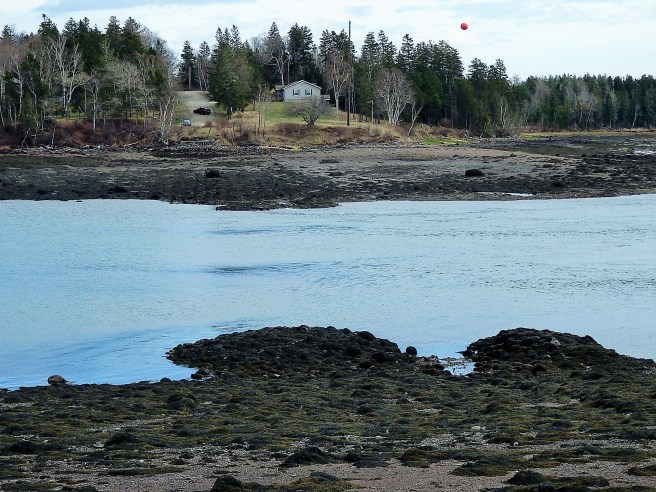
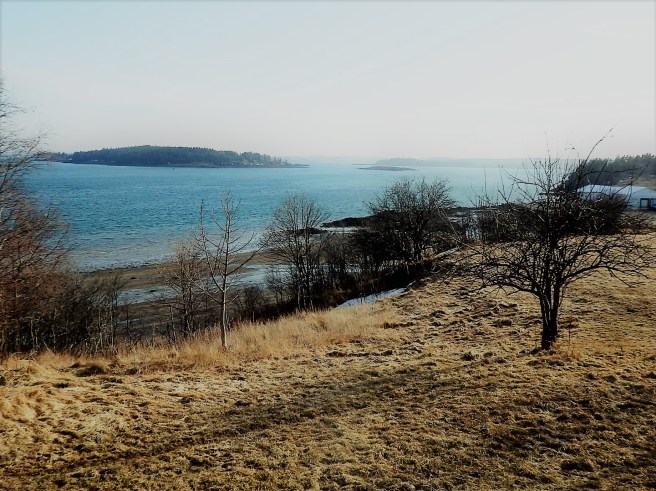
Looking into Cobscook Bay to the west of Eastport.
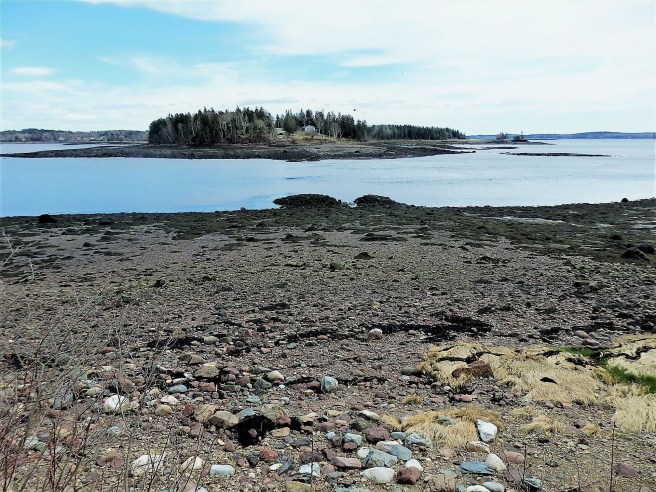
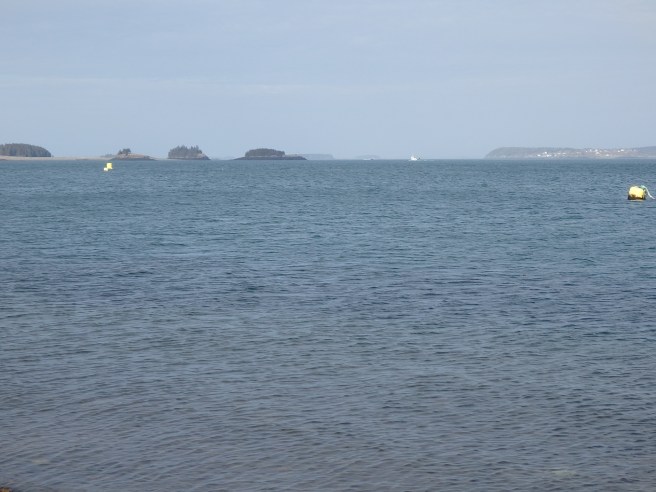
Or to the east, toward the Bay of Fundy.

I guess it’s like a New Yorker saying she’s from Flatbush, meaning a part of Brooklyn within New York City, which does – contrary to the knowledge of many Manhattanites – sprawl far beyond their little island.

So Eastport can justly claim to be the City in the Bay. Or several.


How you locate where the international border runs between two islands

What’s with these pyramids? They’re even found in folks’ yards.

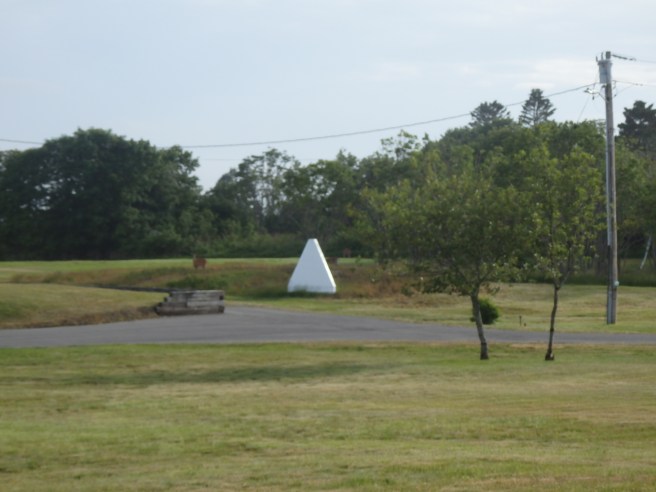
Pyramids like this sit in prominent spots along the shore. They can seem mystifying enough, even before you see a second one nearby.

At last, I learned the two can be lined up to create an imaginary line running out across the water. The border between the United States and Canada falls where the line crosses a similar line running from islands on the other side. That spot can then be connected to others, at least by some kind of maritime surveyors. It’s another example of connect-the-dots.

The four-sided pyramids are called range markers. They’re a special kind of daymark or day beacon, too.


BAR cars stuck in the woods

Seeing railroad boxcars away from the tracks around here no longer surprises me. Many of them stand beside farmhouses and sheds or even businesses, where they serve as extra storage space, presumably cheap or for the taking.

But this sight along State Route 191 always grabs me.

Like they simply stopped in time.
It’s like the trees are trying to pull the cars back into the earth itself.

The Bangor and Aroostook Railroad served Washington County as well as the Penobscot Bay region and the spud country up north.