HALFWAY THROUGH WINTER
You never know what we'll churn up in cleaning a stall
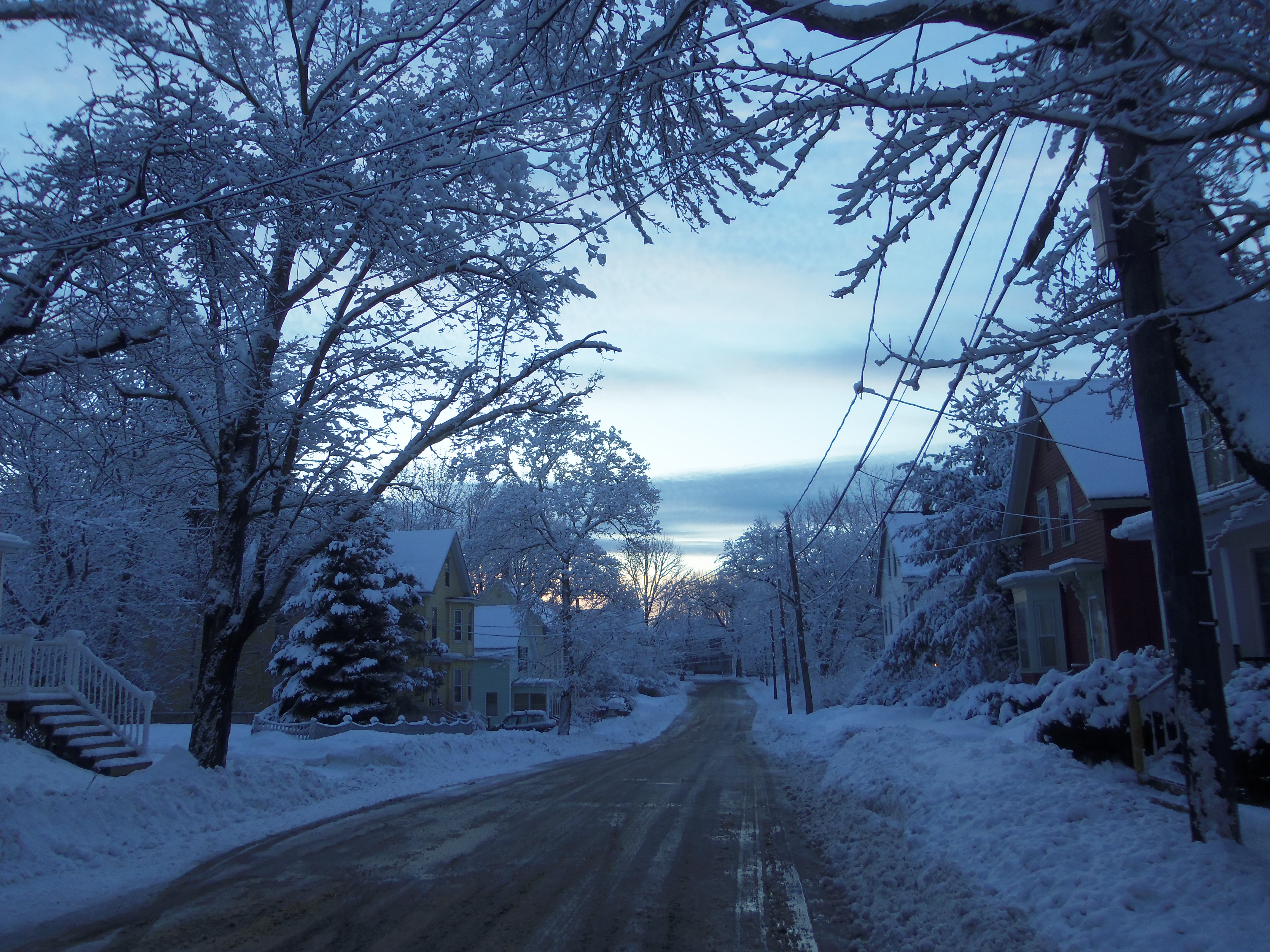
It’s snowing again, a nor’easter that’s expected to drop up to 15 inches on us before dawn. That’s on top of 5 or so a little over a week ago, plus last Tuesday’s 30-inch blizzard blast and Friday’s 7.5. That’s close to 5 feet of snowfall in a week-and-a-half and we still have two more winter months left – the two that traditionally can get the biggest totals, especially if we settle into a twice-a-week storm pattern as we seem to be.
Admittedly, even with subzero and single-digit lows, some has melted between rounds, but much of that’s also refrozen into compacted snow and ice below the surface. The landscape’s getting wild, even before the next foot or so expected later in the week. Add to that the monster icicles clinging to the eaves – cold claws growing at our windows.
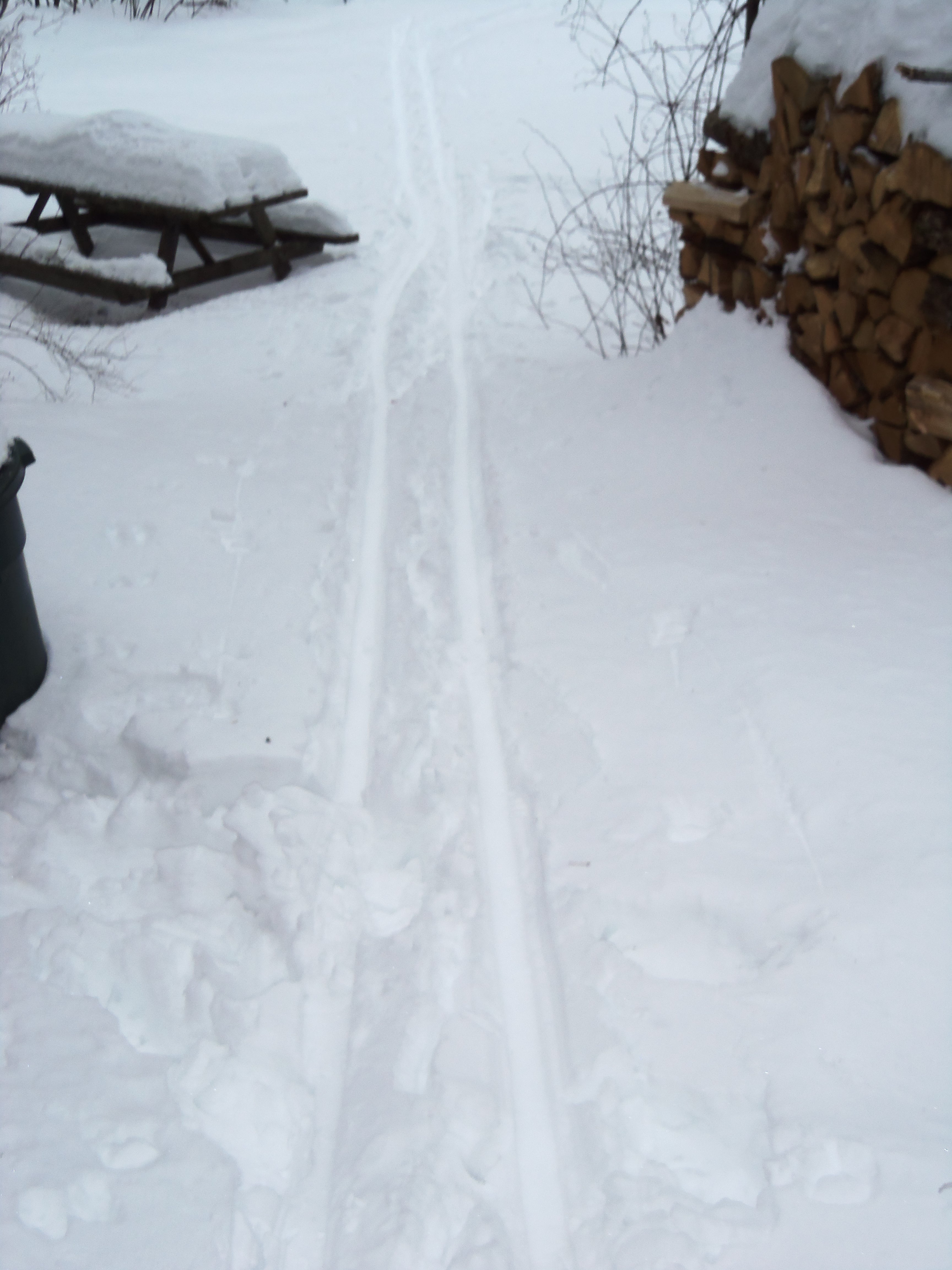
I keep looking out at the falling, windblown flakes and at the driveway and pathways that are already obliterated again. With an overcast sky, half of the landscape appears to be erased from existence.
This is hardly the quaint Currier and Ives stereotype of New England winter. It’s the reason barns and outbuildings were connected to the farmhouse itself. In earlier times, it could prompt madness and a feeling of being buried alive, with or without others.
Nowadays, we usually have recourse to mobility and entertainment throughout all but the worst outbursts – or the increasingly common power outages.
Still, it’s such a relief to not be commuting to and from the newsroom these days, but that’s no cause for smugness as I consider so many workers who must venture forth in public service.
And here comes a city snowplow, making one more pass down our street – and adding to the blockage at the end of our driveway.
Back to the digging, then. Round by round.



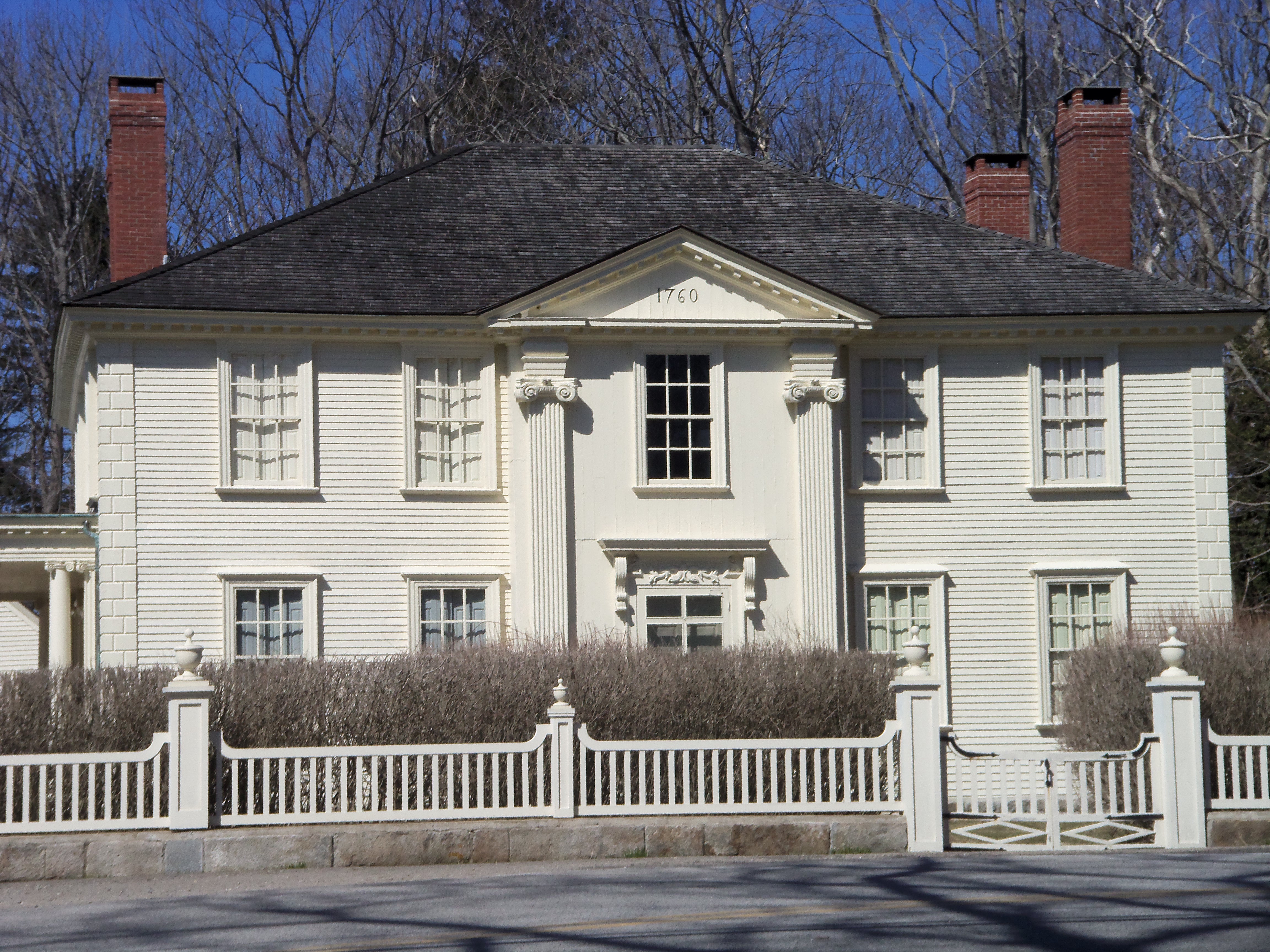
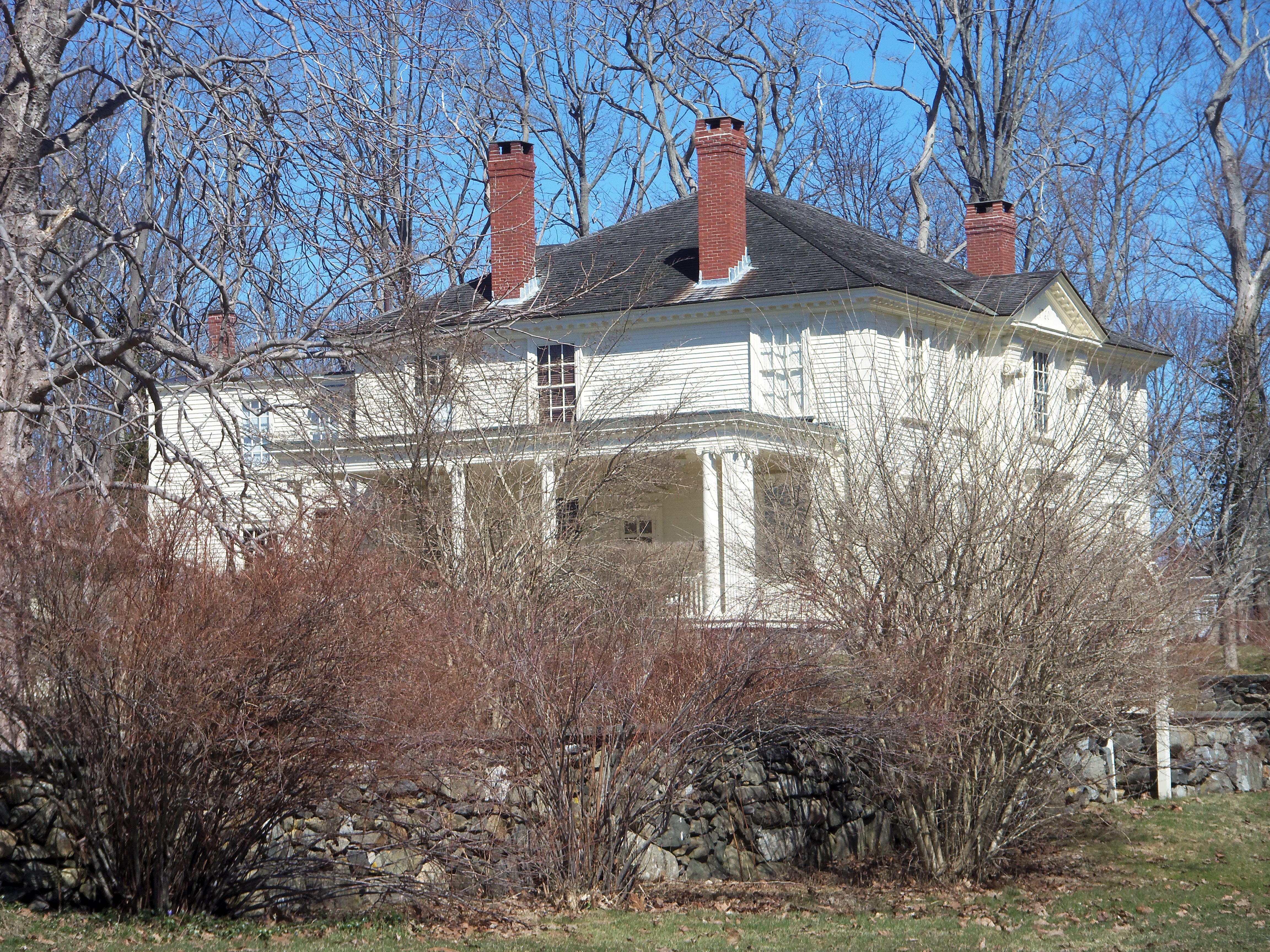
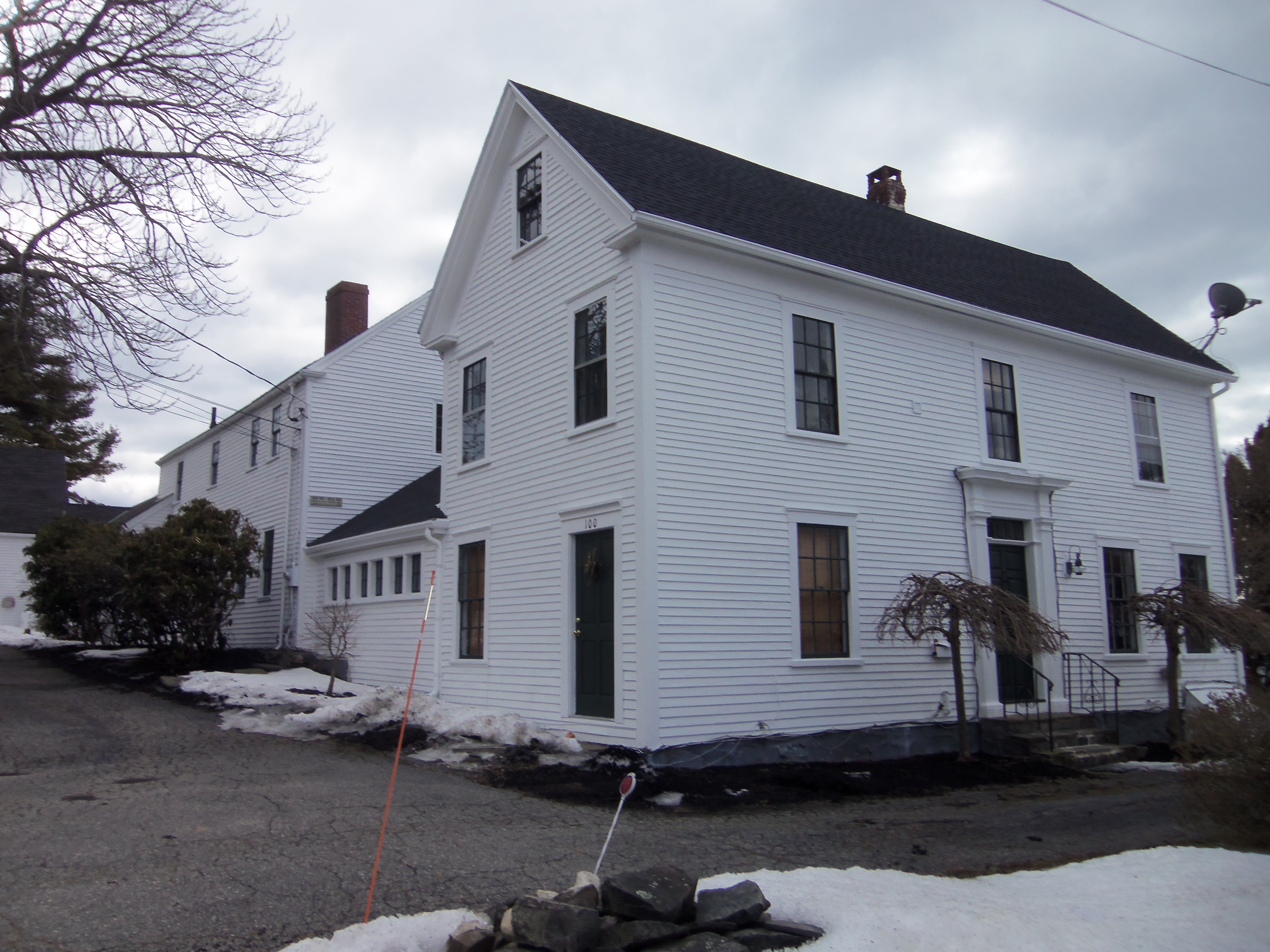
This “dower house,” a Georgian gem built in 1760 by the newly-widowed Lady Mary Hirst Pepperell, sits at a sharp turn in the road a mile from Pepperell Cove in Kittery, Maine. Through her Bostonian roots and marriage, she was one of the richest, most powerful women in New England.
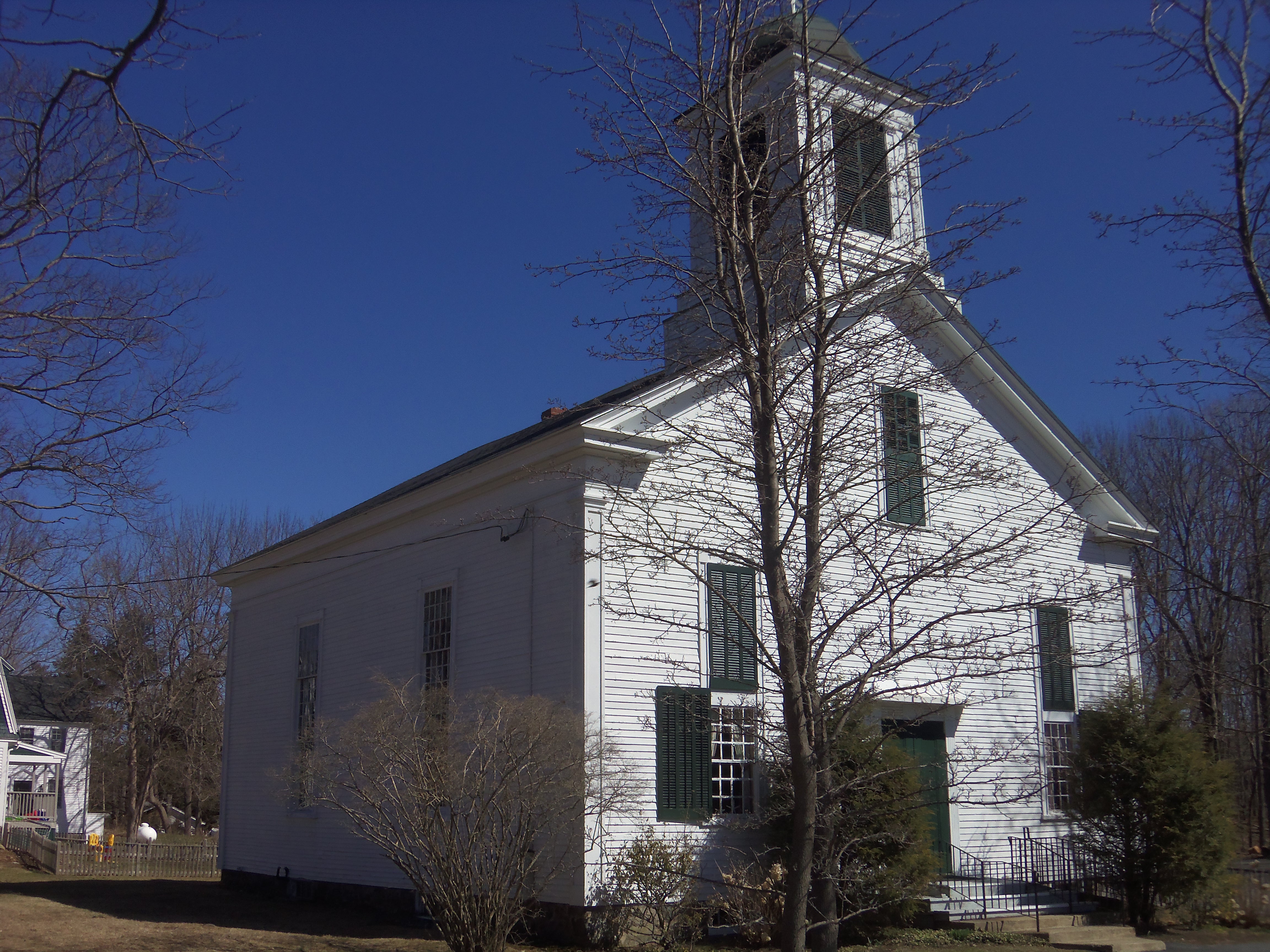
The mansion faces a Congregational church built in 1732, the oldest house of worship still in use in Maine.
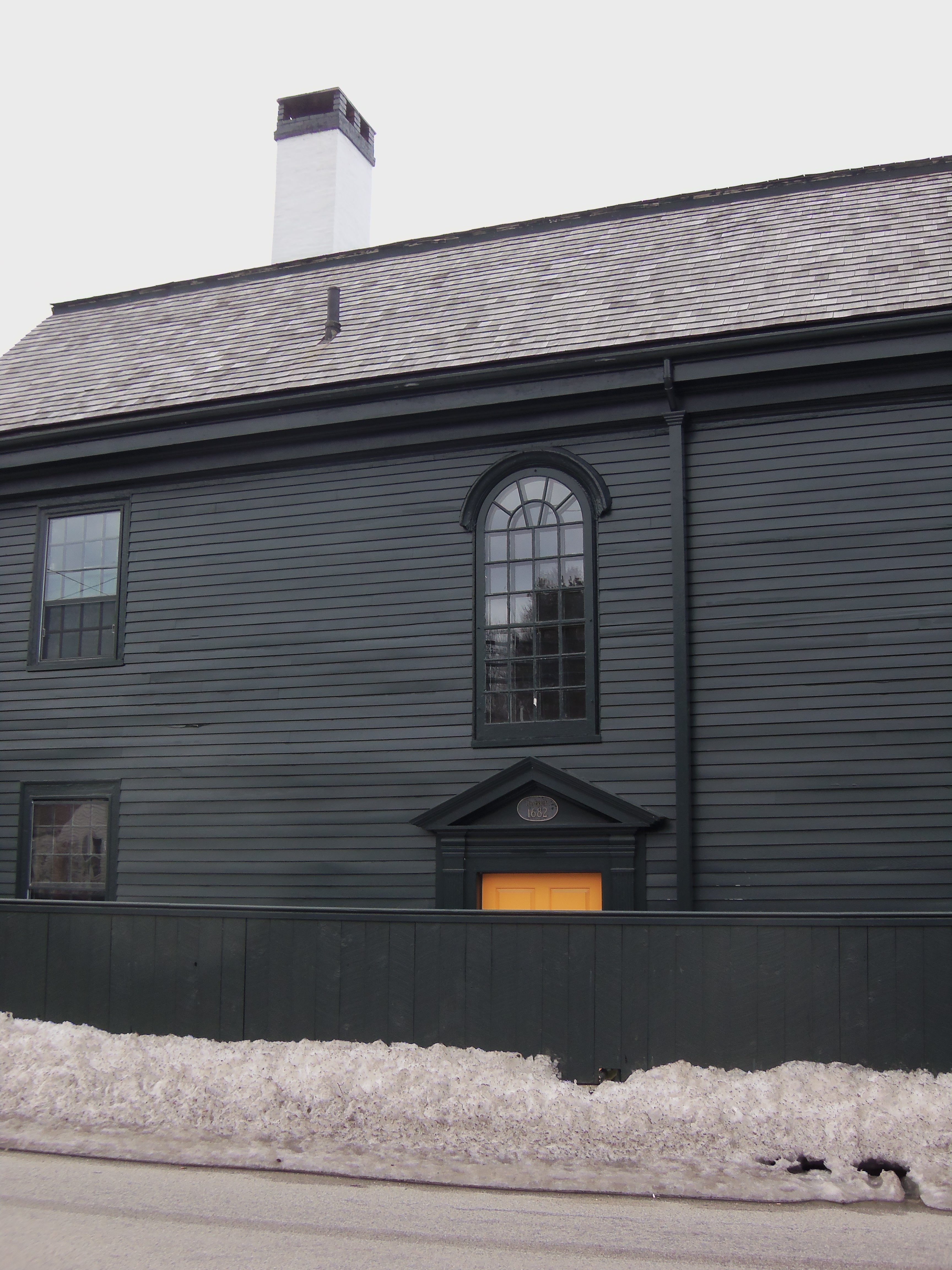
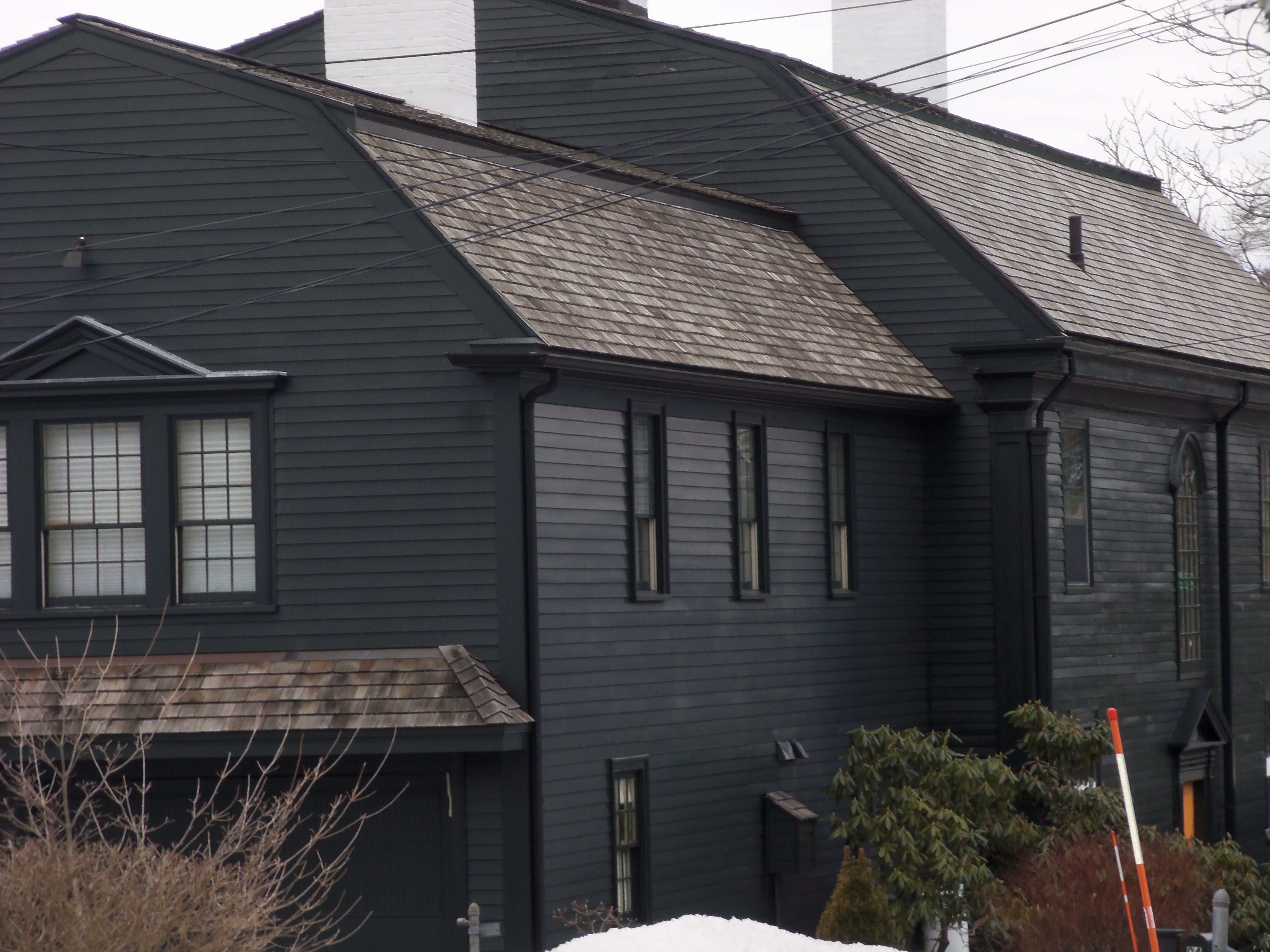
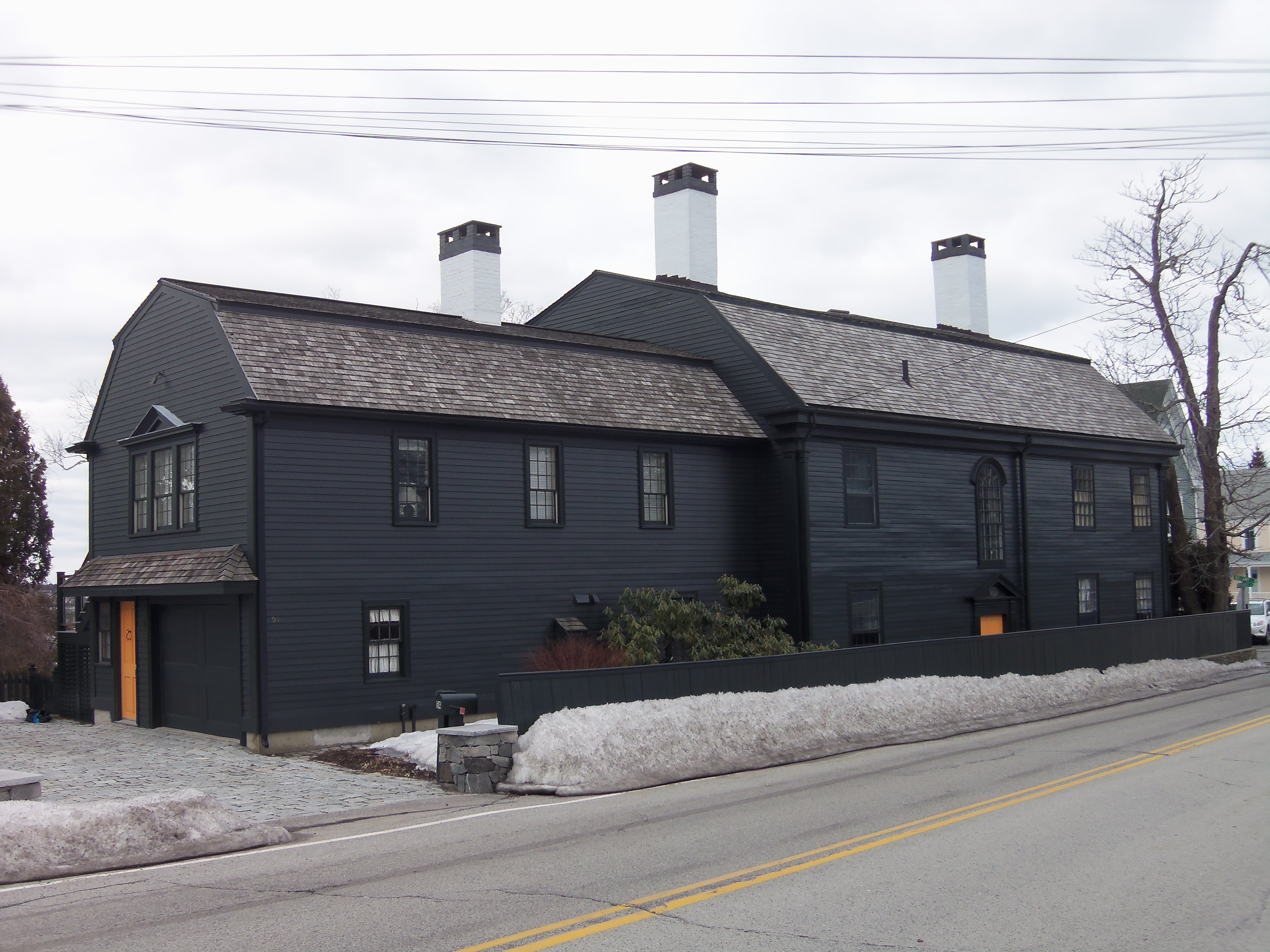
With its shelter on the tidal Piscataqua River and proximity to the Atlantic, Pepperell Cove in Kittery, Maine, is a scenic marina these days, for both working fishermen and leisure-time sailors. It was originally a hive of shipbuilding as well.
The docks are reached by the lane beside Sir William Pepperell’s 1733 gambrel mansion.
It’s adjacent to 1662 John Bray house, considered the oldest surviving residence in Maine.
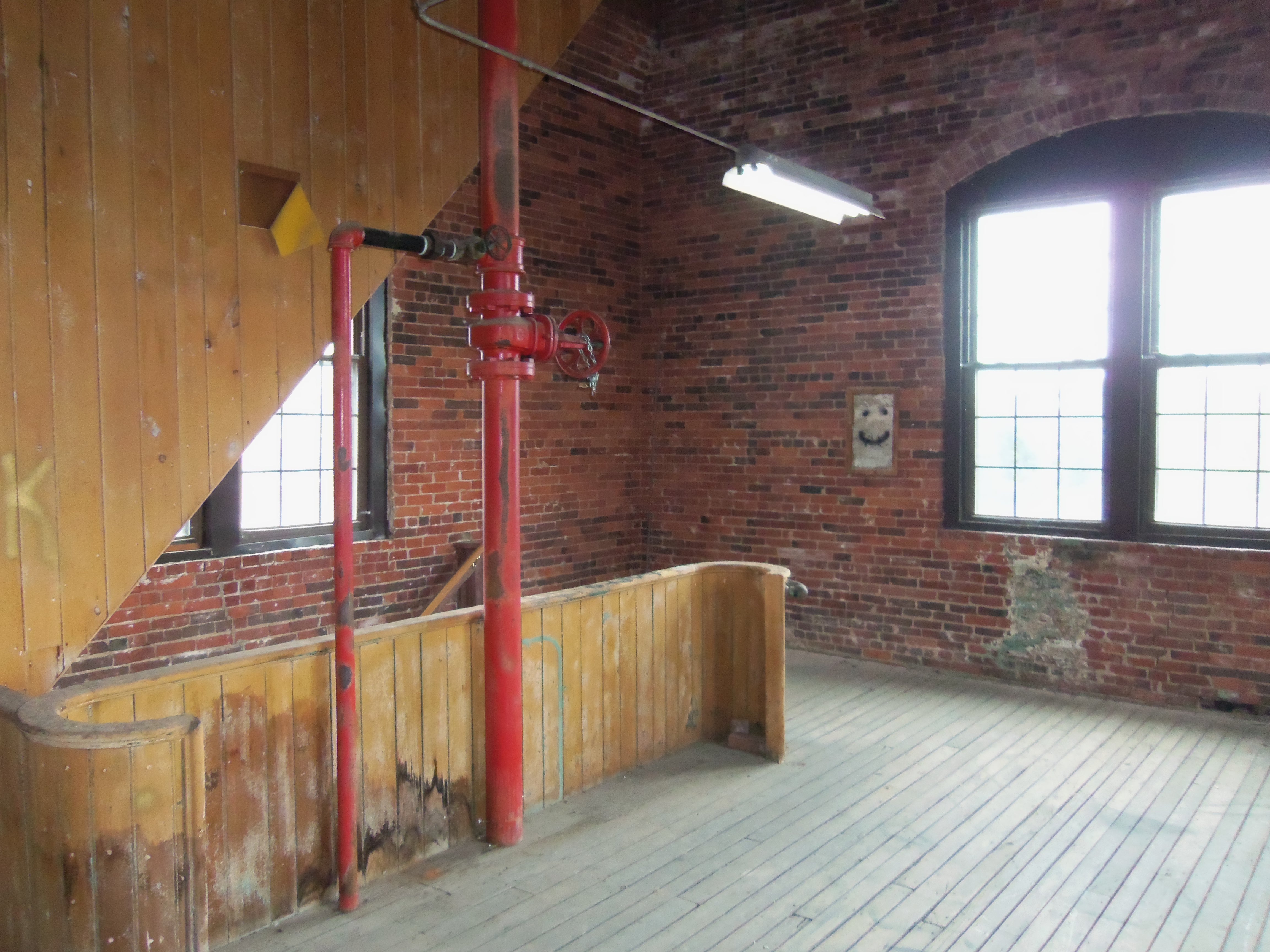
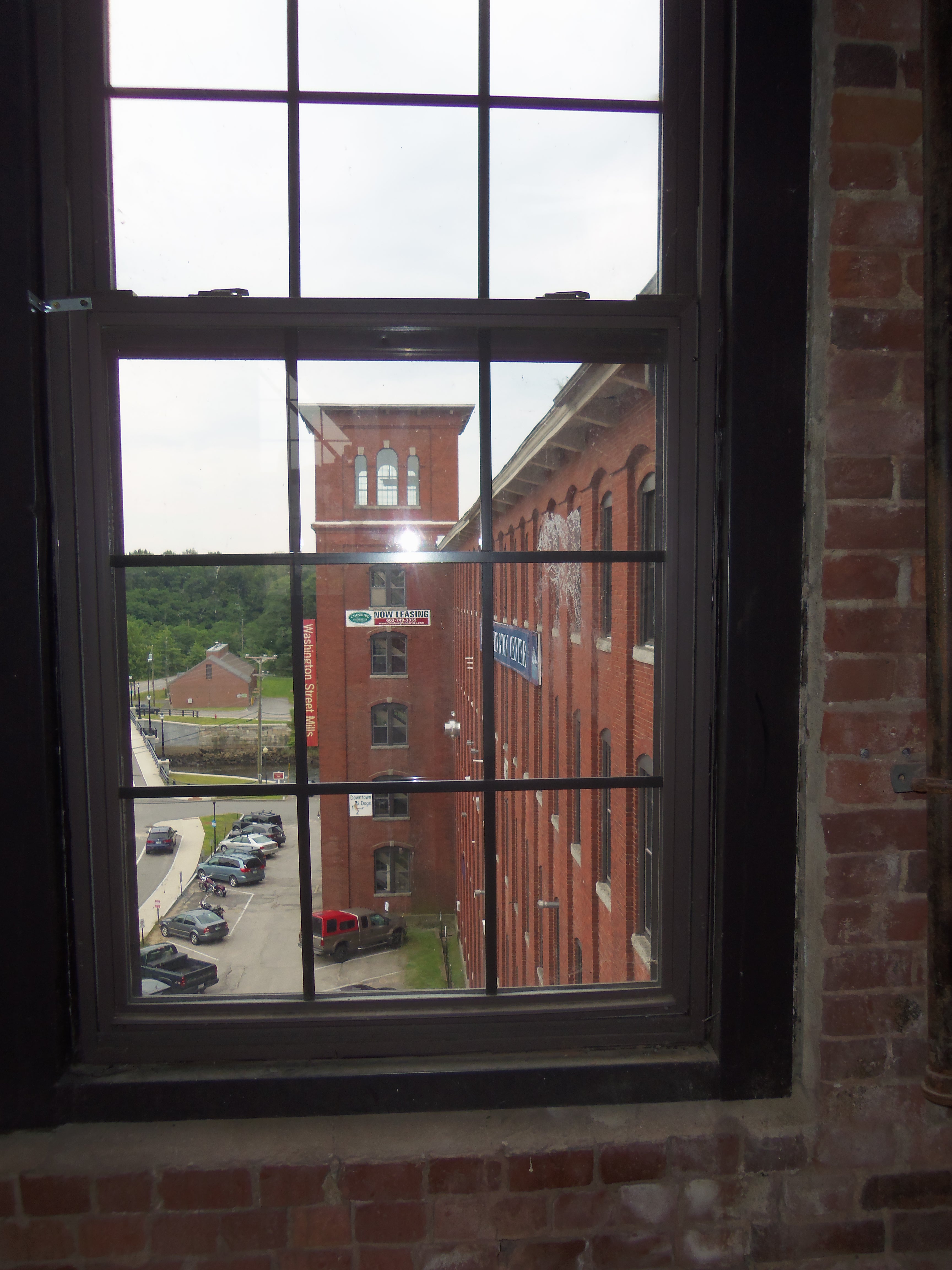
Calico – cheap cotton cloth printed in a figure pattern of bright colors, as the dictionary says – was a renowned product of the Cocheco Millworks in Dover, New Hampshire.
The city was not alone. Throughout New England, red-brick mills clustered around rivers seemingly anywhere a dam could be constructed – sometimes leading to factory compounds more than a mile long, like those at Lawrence, Lowell, and Manchester (itself famed for its denim, which gave rise to San Francisco-based Levi Strauss).
Sometimes, the operation would be much smaller, supporting little more than a village.
Upstream, existing ponds were enlarged to guarantee sufficient water flow through the year. Altogether, their commerce left its imprint on the landscape and its character while financing the legacy of the Boston Brahmins.
Likewise, the rain and snowfall flow through many of my poems. It’s not just water over the dam on the Cocheco River, after all, that’s noticed.
 Jnana's Red Barn