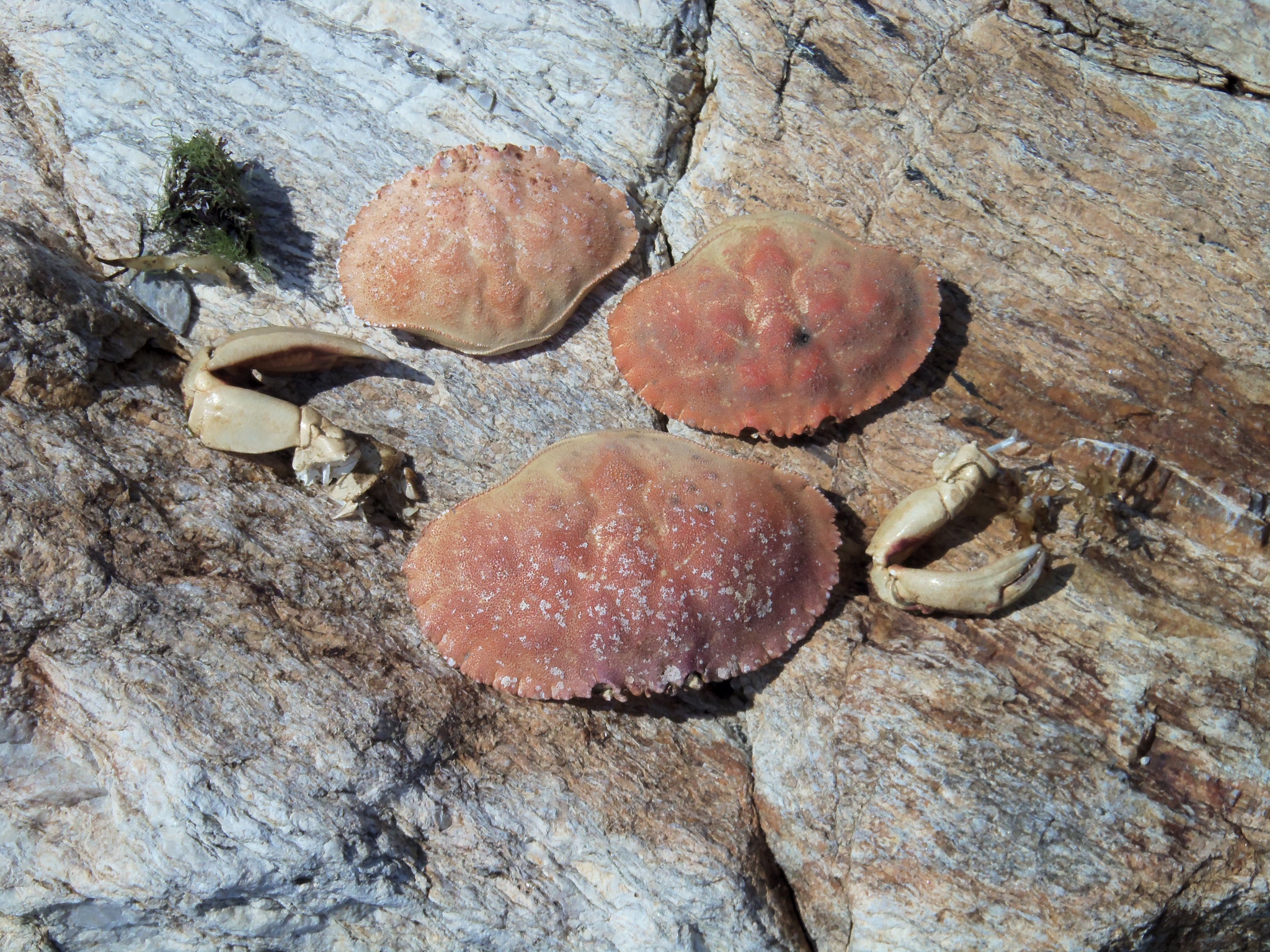
You never know what we'll churn up in cleaning a stall
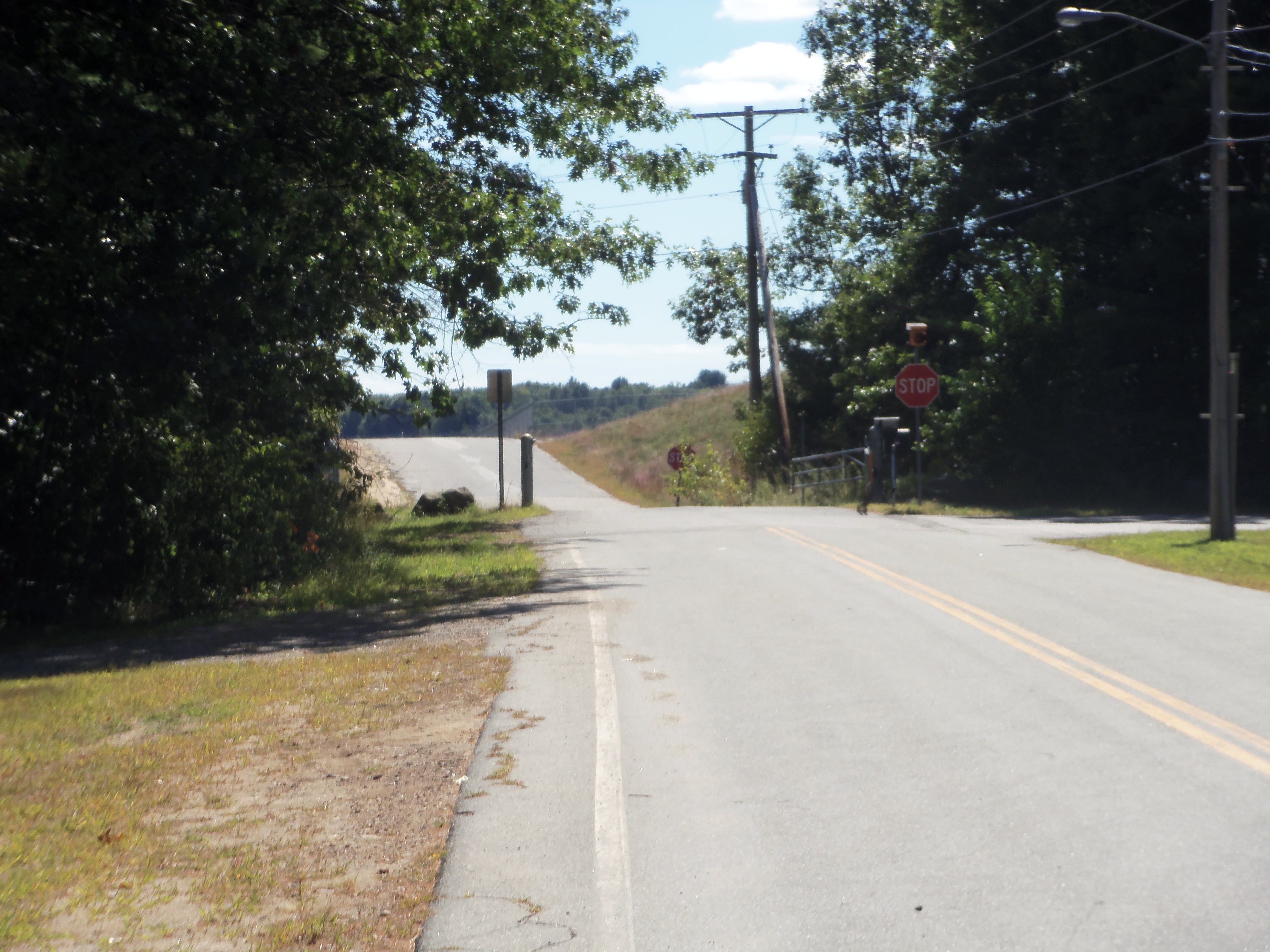
The town of Newington, just over the bridge on our way to Portsmouth, is easily misunderstood.
With a 2010 population of a mere 753, it often appears to be little more than the Spaulding Turnpike exits to the mall and big-box stores plus a few apartment complexes and a section of the Pease International Tradeport industrial park.
It also has a major electrical generation plant contributing heavily to the property tax base – a major, major factor for any municipality in New Hampshire as it addresses public finances.
The town is also surrounded on three sides by tidewater, including ocean docking on its eastern edge.
But the place was also severely impacted during the Cold War when the U.S. Air Force used eminent domain to acquire 4,255 acres to construct an air base (now turned into the industrial zone) mostly in Newington. The noise of bomber-sized jet planes taking off and landing did little to enhance the neighborhood as a place to live peacefully in those days – the frequent interruptions even forced the grade school to find a quieter setting. After all, its runway, now used by commercial, private, and National Guard flights, is among the longest in New England.
Given those factors, few people would have much incentive to take the Nimble Hill Road exit from the turnpike.
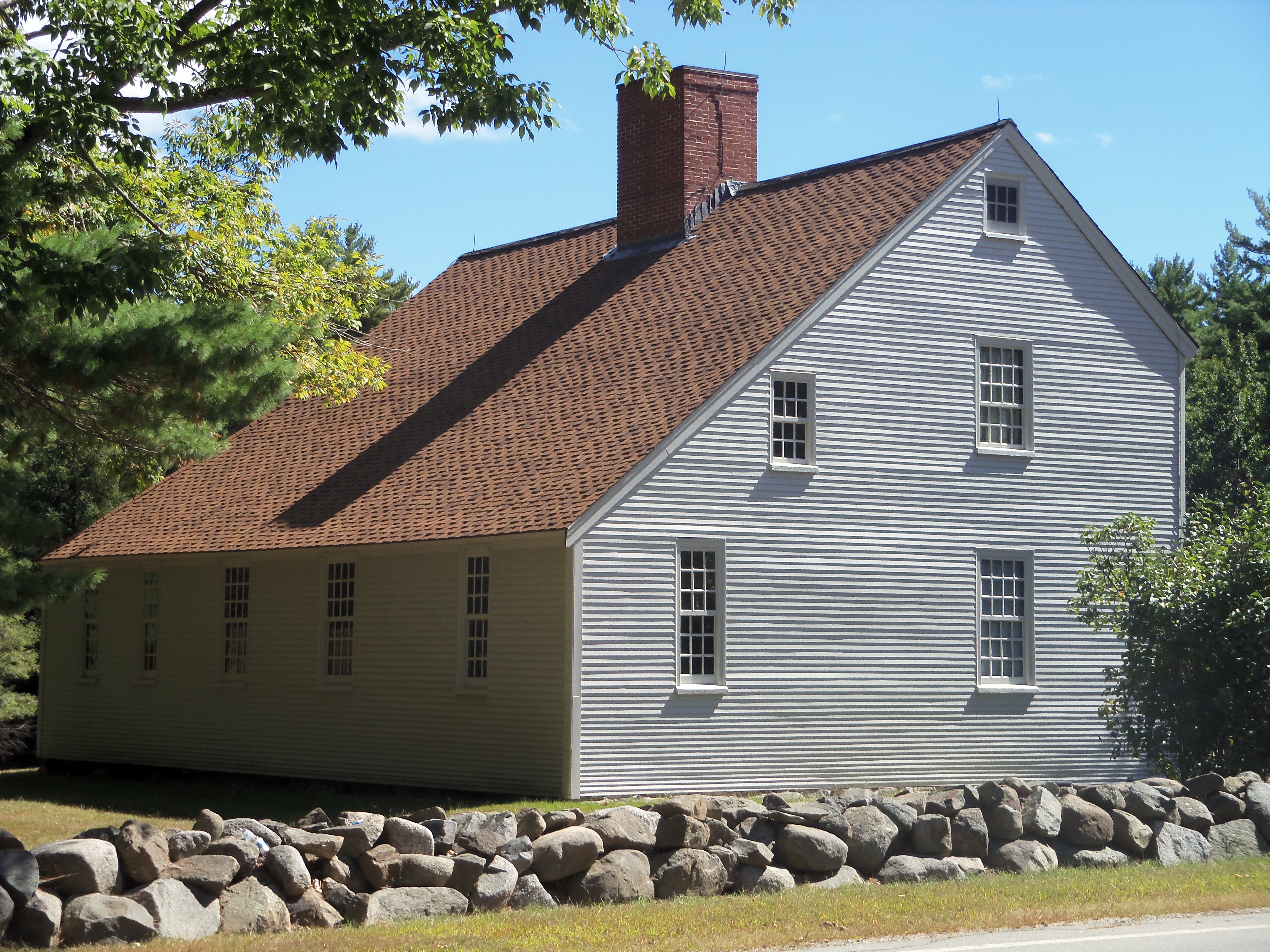
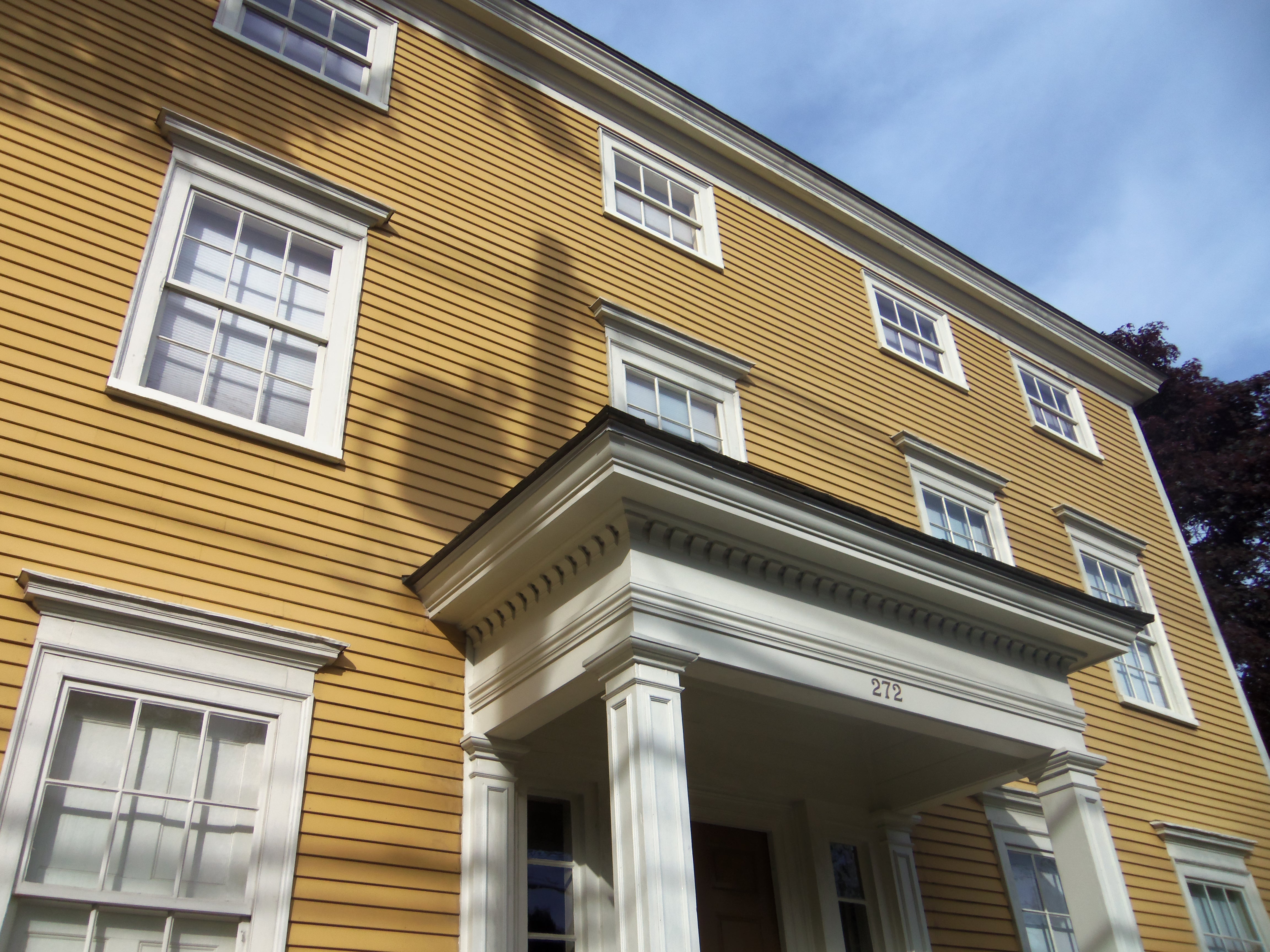
As it turns it, the road presents some classic New England just before culminating in a dead end near the runway. The historic district is a treasure.
Here’s a taste of what you’d see.
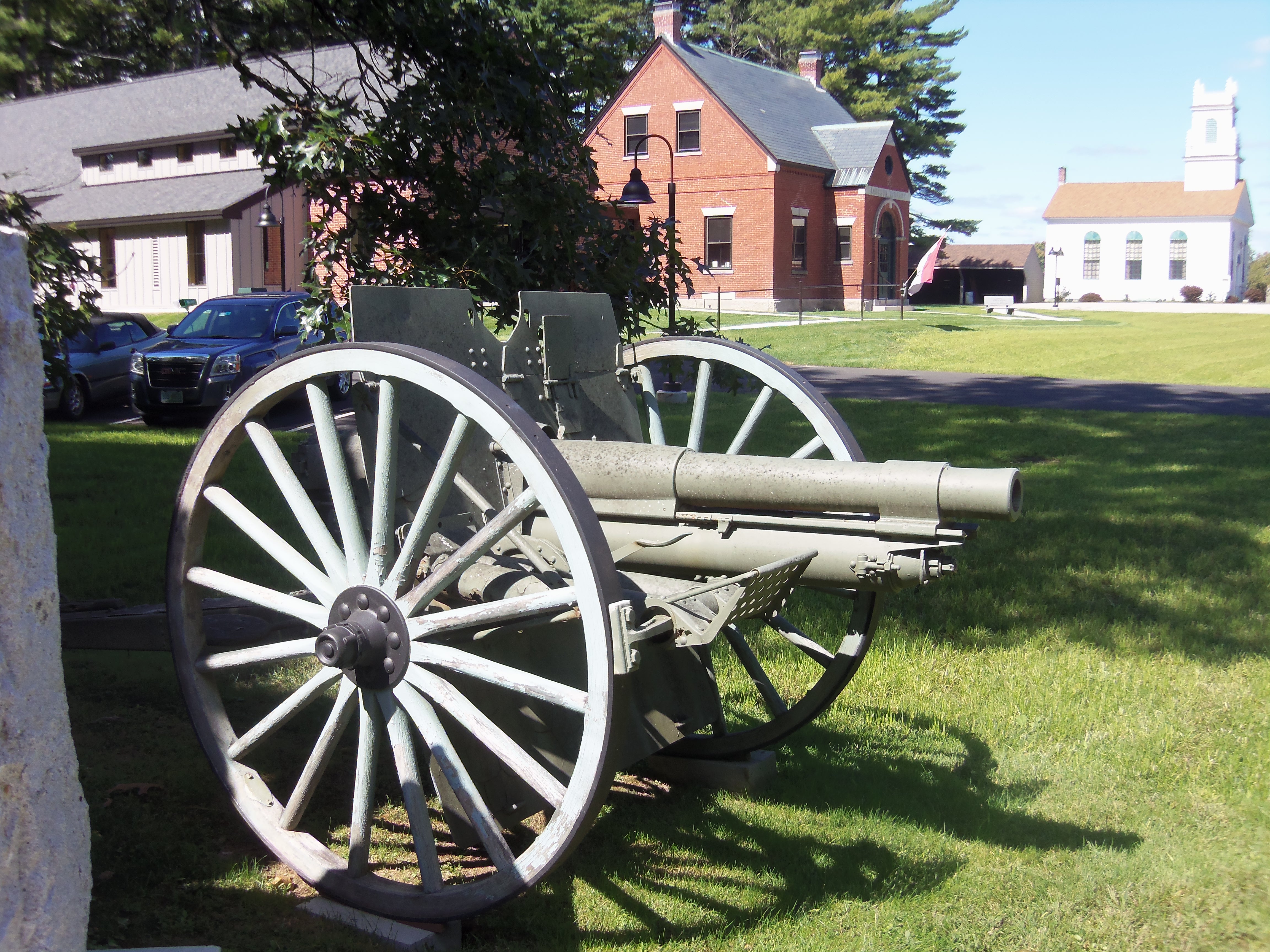
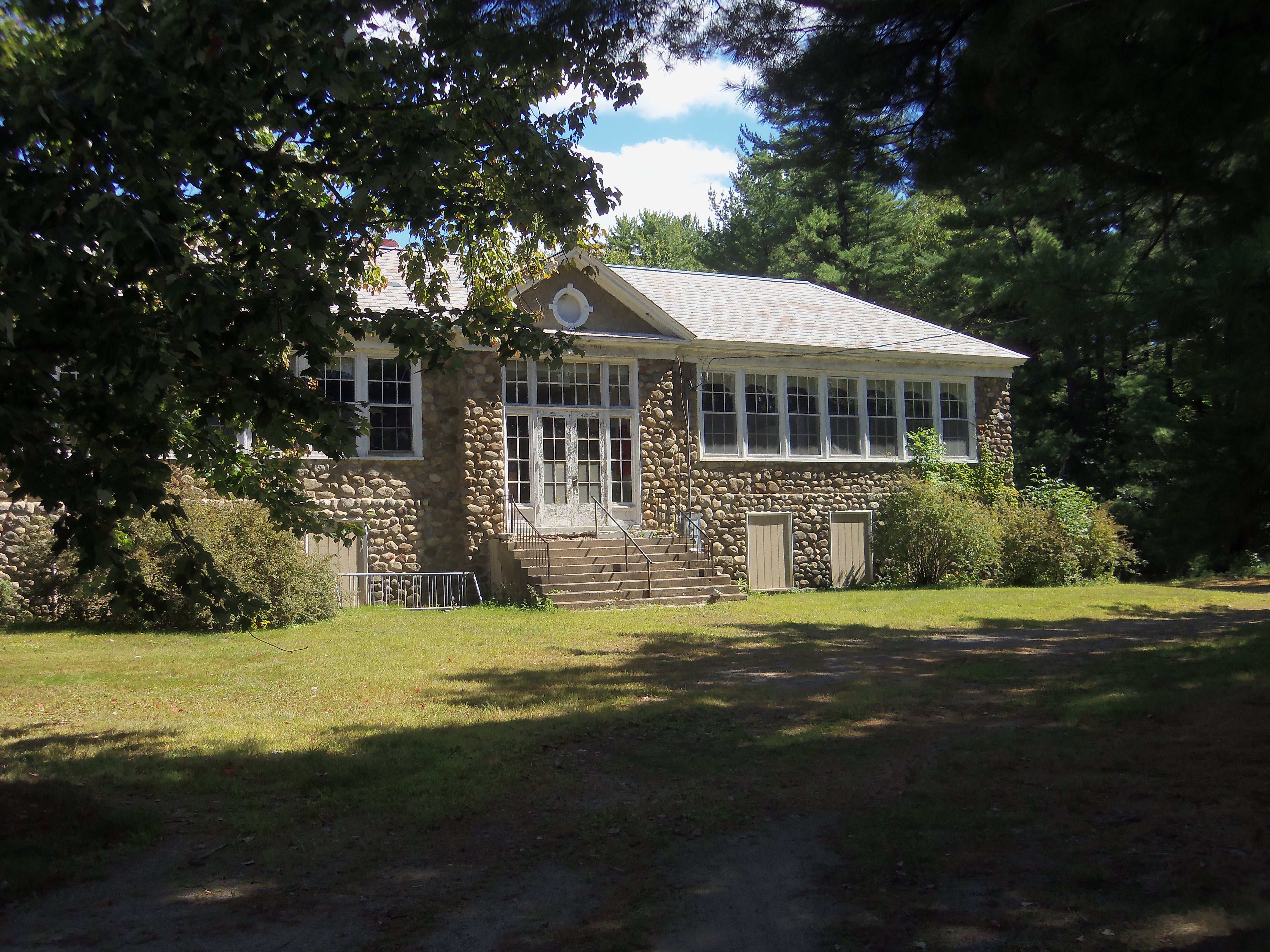
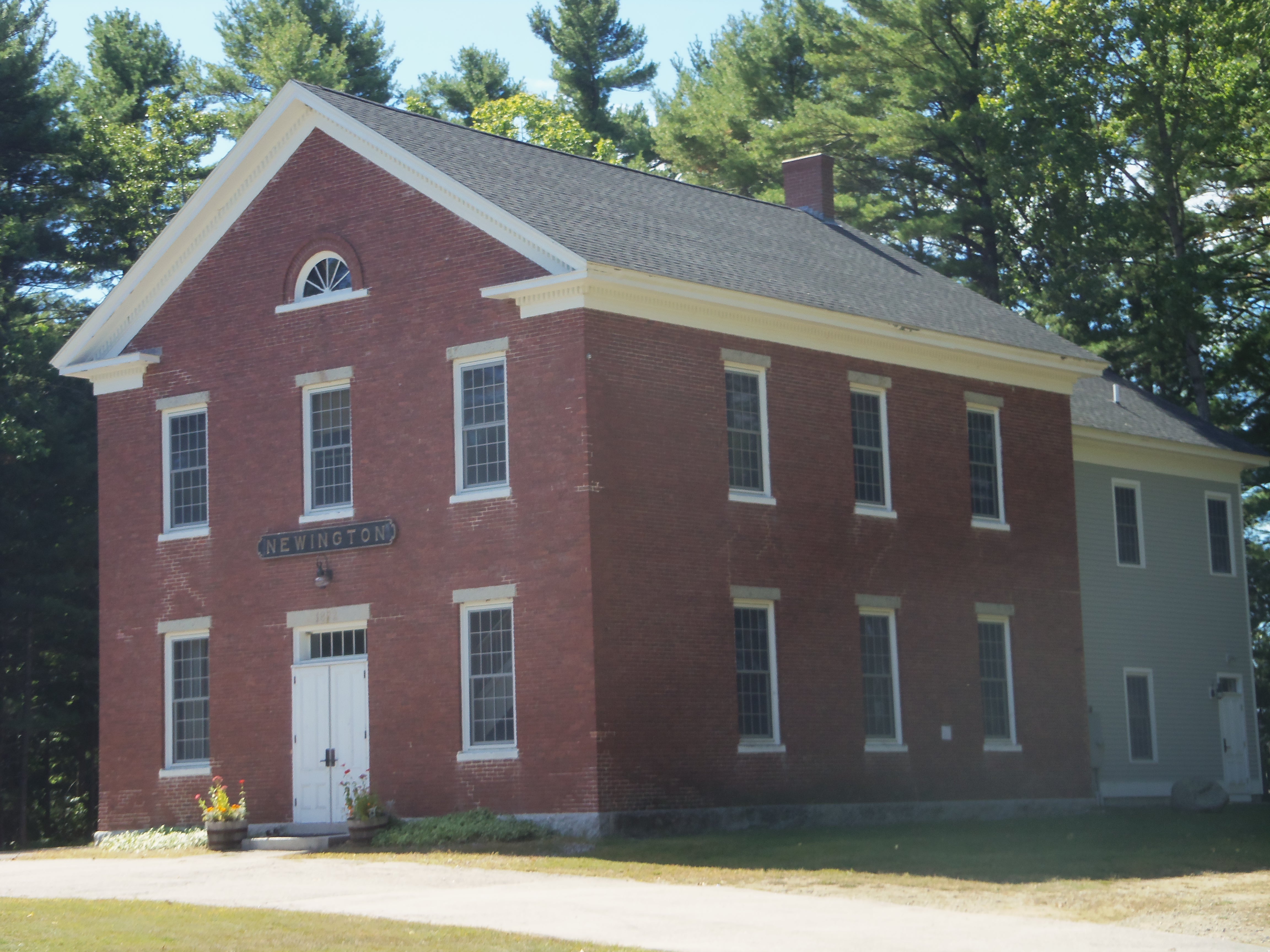


As municipalities emerged in the 19th century, the populace often took pride in the local identity – and this was reflected in the craftsmanship and details adorning their public buildings.



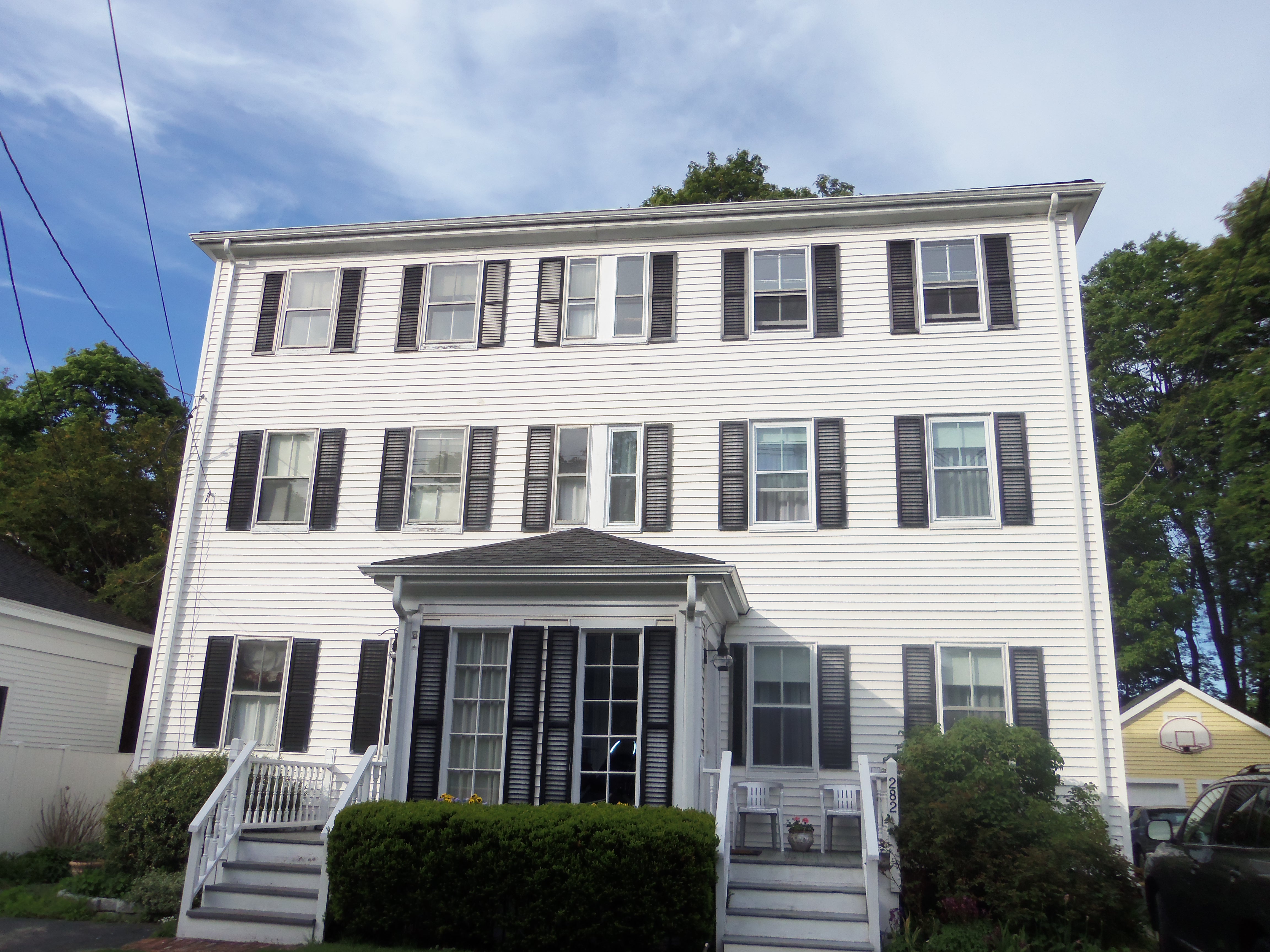
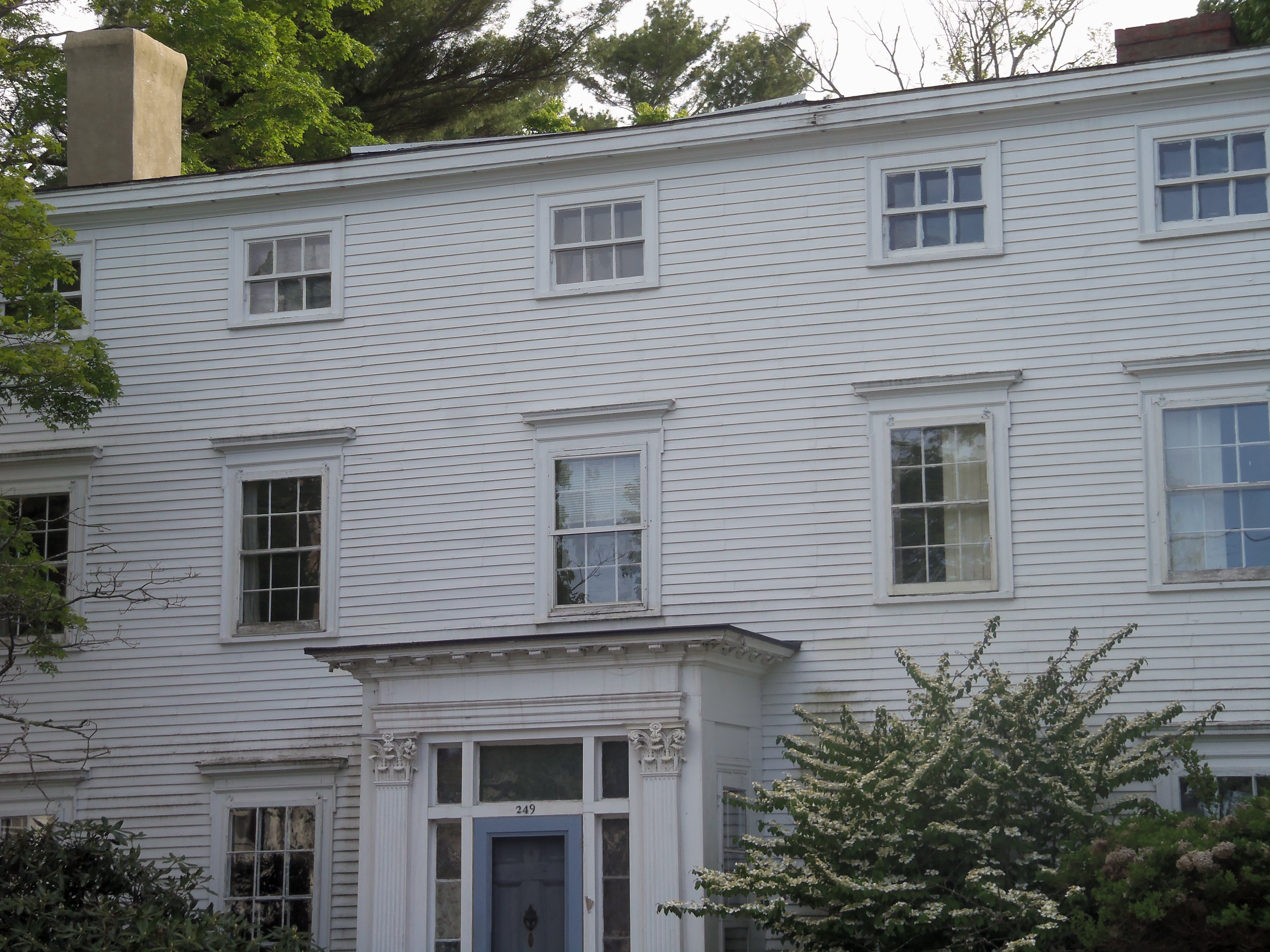
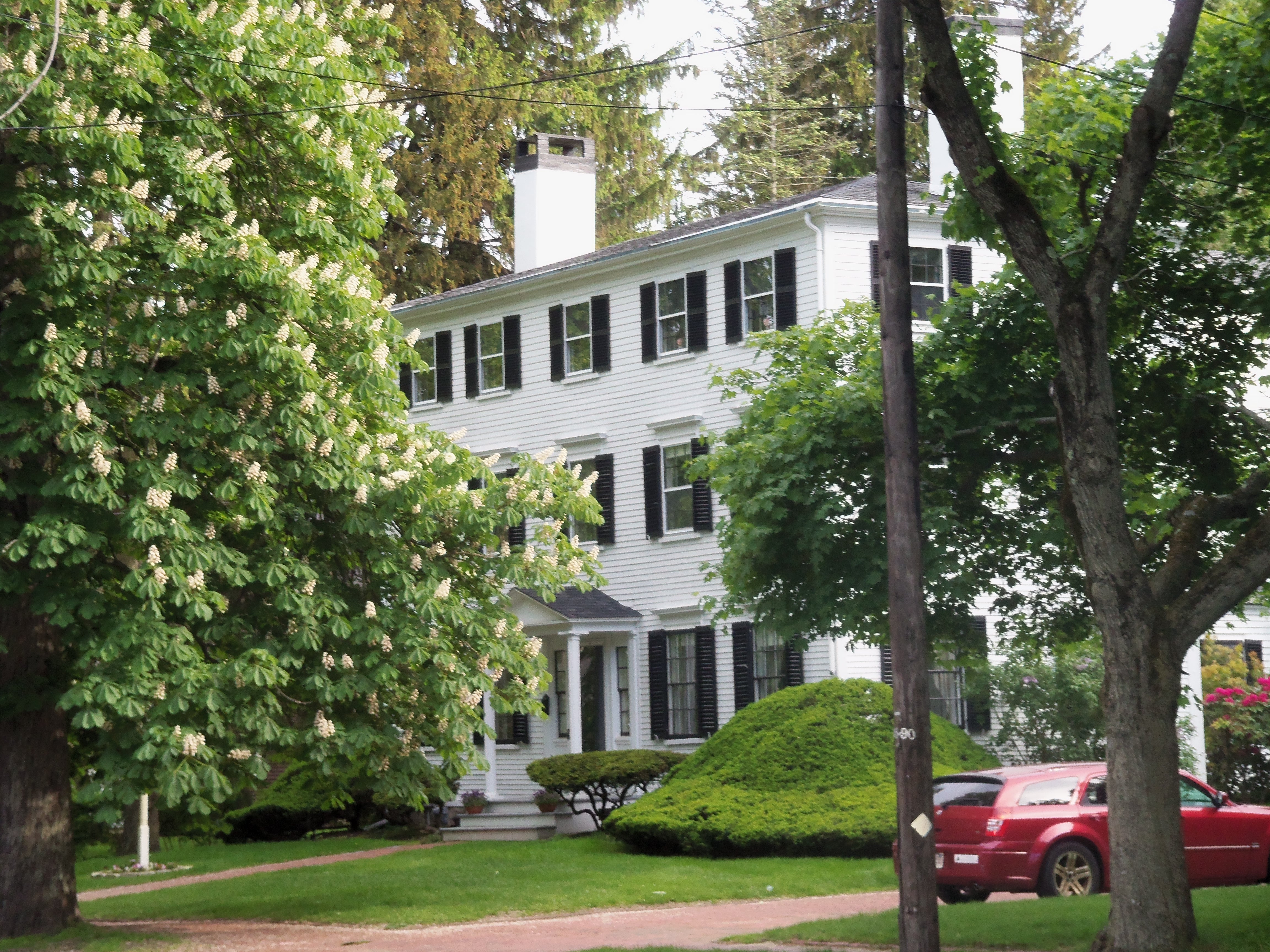
Situated at the mouth of the Merrimack River, Newburyport, Massachusetts, has a historic harbor and charming brick downtown – one that echoes many others in New England, for that matter. Its residential neighborhoods are likewise filled with a range of fascinating details from many historic styles. But for me, the real glory is High Street, built at the height of the lucrative whale oil business. Interspersed among the dominant federal-style houses are some other fine examples. Here’s a sampling.


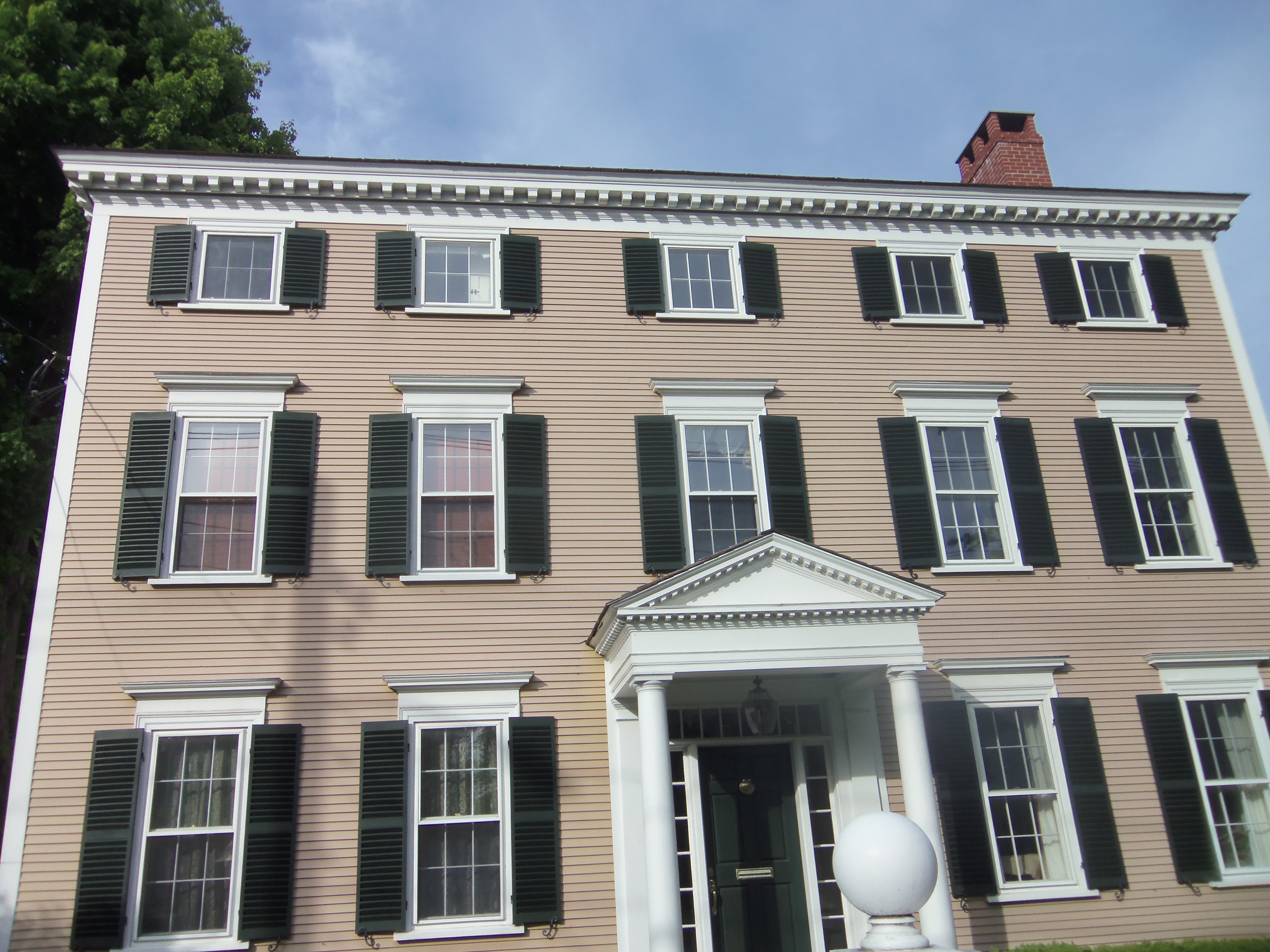 The federal style of architecture flourished from the 1780s into the 1820s, and you’d be hard-pressed to find a finer sampling of it than in Newburyport, Massachusetts – especially along High Street. Here are a few examples.



We’re not alone, I know, when it comes to unusual weather patterns.
In fact, I’m getting the feeling that the computerized models the forecasters rely on just don’t fit the changing realities. (One site I checked a couple of days ago had a projected high for the day of 71 F and a current reading of 76. In fact, the highs several days running before that, while we were waiting for an uncommon heat wave to break, were up to 20 degrees above expectations. Whew! ) Through much of the critical gardening season in May, our actual lows were often nearly 10 degrees below the forecast – a potentially costly error. And then there was one night a week or so ago when meteorologists changed the immediate outlook to 100 percent chance of rain overnight … and we got nada.
April, as it turned out, was slow motion – about three weeks behind our usual gardening routine. And then May, making up for the delays, allowed us to get more in the ground than usual.
The downside was that we didn’t get our usual rainfall. Officially, the month delivered a tenth of an inch. The seedlings and transplants had to be watered in a period where we’re usually concerned about root-rot and drowning. A month, typically, when I can’t keep the lawnmower wheels from sinking in the side of the yard we affectionately call the Swamp.
As I mowed the grass the other morning, I kept noticing how parched the ground is. This time of year?
Through all of this, we’re tallying up the effects of our long, nasty winter – the one that had snow cover for all but three of the coldest weeks in January. Dogwoods took a big hit, as did limbs of rhododendron and azalea. We’re missing a number of perennials, including the sage in the herb garden and salvia along the driveway.
So now it’s raining. What’s expected to be three days and more than two inches of precipitation. Welcome, welcome rain – even if it would have been much better doled out rather than dumped on us.
Oh, the joys of gardening …
Many folks won’t swim in the Gulf of Maine even in the height of summer. It’s just too cold, they say.
I can sympathize, though some perspective helps. Rarely is the Atlantic around here warm enough before the Fourth of July. Oh, there may be a few rare days, but nothing dependable. We’ve found that anything below 57 F is foolish – even when the air temp’s over a hundred.
Yup, 57. That’s the blue-toe limit: edge into the surf bit by bit. First, the toes. Then out. Back again, top of the foot. Out again. Back again, to the ankles. You get the idea. If you actually make it to total submersion, you come out fast. Like a bullet.
Over time swimming here, you might even get to the point where you can guess within a degree or two. Sixty’s about my bottom line for swimming. Sixty-five is where the water starts to get comfortable. And 70, a rare delight, is heavenly.
For reference, I’ve come to rely on the NOAA Northeast USA Recent Marine Data Web page, which includes readings from buoys. Lately, as the water temps have been edging 50 F – finally even a tad over before ebbing – it’s become a topic of conversation.
Which prompted this response the other day: Ever hear of the 50-50-50 Rule?
Eh?
Fifty minutes in 50-degree water gives you a 50 percent chance of drowning. (Or 50 percent chance of surviving, depending on your outlook on life.)
In light of the blue-toe limit, I had no idea the odds could be that favorable. Not that I ever intend to press them.
 Jnana's Red Barn