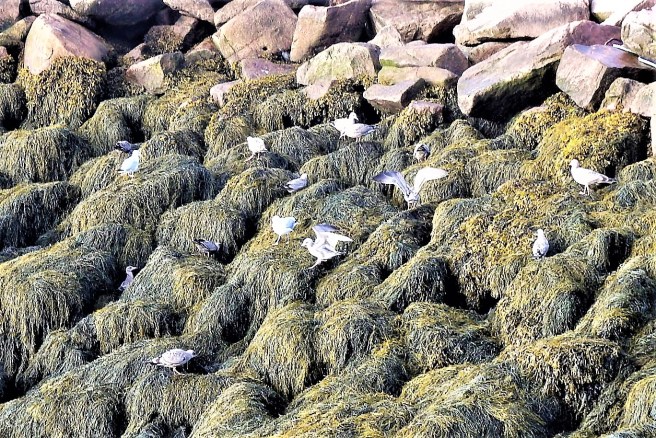
Gulls on rockweed
You never know what we'll churn up in cleaning a stall
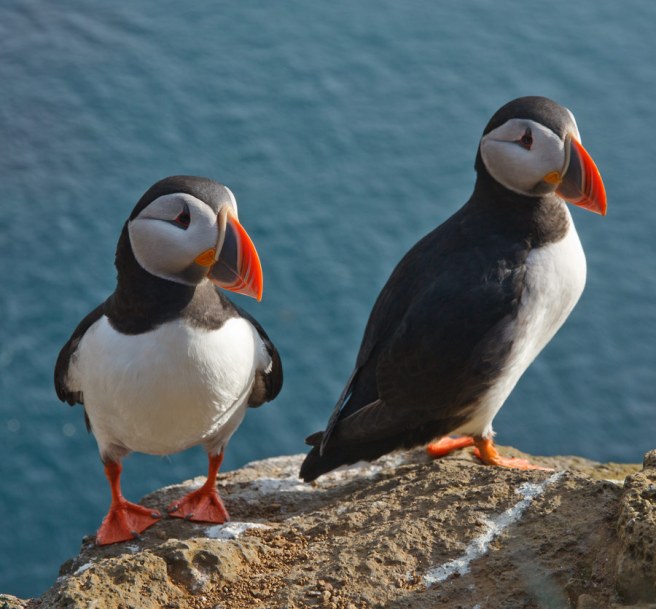
The distinctive seafaring bird is on any serious bird-watcher’s bucket list. Here are some things to know.
The population of Eastport lives mostly on Moose Island, with a few more on Carlow. Both are connected to the mainland by a 1930s’ causeway running to the Passamaquoddy’s Pleasant Point Reservation in the township of Sipayak. Before that, the connection was a toll bridge to Perry.
But these aren’t the only islands within the city limits.

The Maine Trust Heritage Trust includes Treat Island among its preserves open to the public. Settled in 1784 at the juncture of Passamaquoddy and Cobscook bays, it became home to a fishing hamlet of 50 or so families and then a Civil War artillery battery before being acquired by 1935 for a tidal power project that was later abandoned. Treat’s open meadows, cobble beaches, trails, and spectacular views are, however, accessible only by boat – and kayakers are advised to hire a local guide before venturing out on the challenging tidal currents.
Eastport also includes small Dog Island, which once had a lighthouse, but is tucked away in a tony part of town. Again, you get there only by boat.

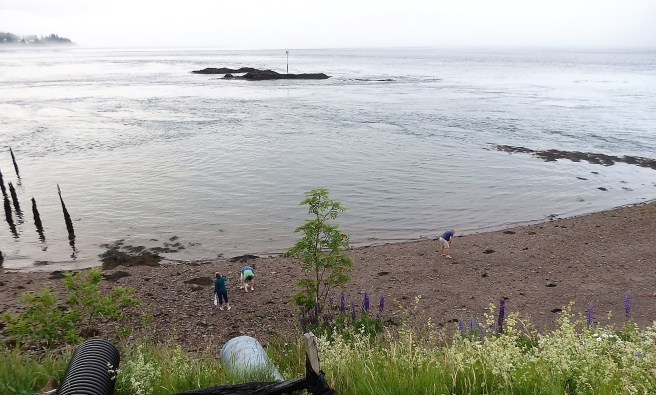
Fourteen-acre Matthews Island, however, sits along Carrying Place Cove and Cobscook Bay, not far from the municipal airport. And you can walk there, if you time it right, while the tide’s out. Just make sure you don’t get stuck by the incoming tide. Another of the Maine Coast Heritage Trust preserves, it’s accessed through a right of way on private property and then an exposed bar.
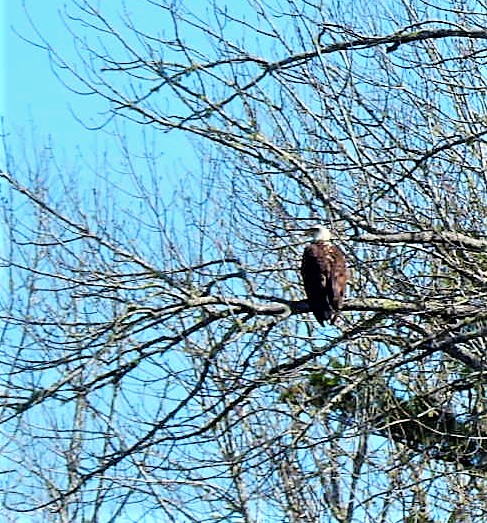
In the early 1800s, Capt. Charles Matthews raised his eight children here. Today, eagles are raising their own on the north side of the island.


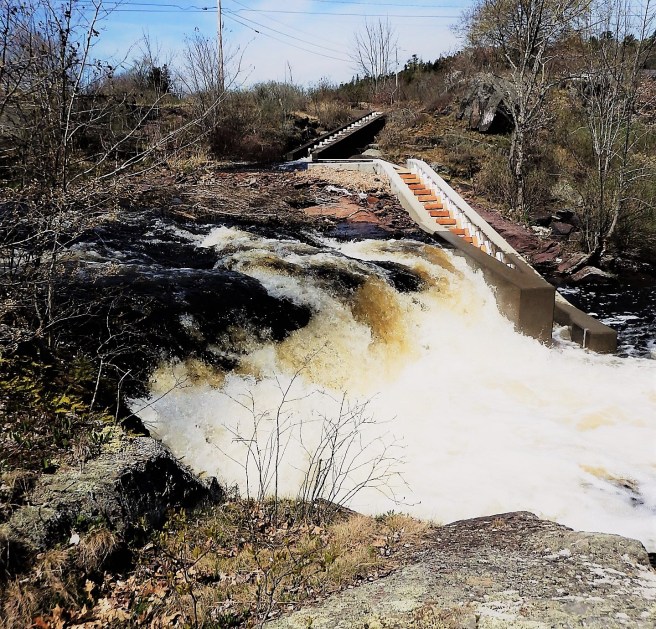


Around mid-May across the New England coast, the alewives migrate en masse upstream to freshwater breeding grounds. Sometimes identified as river herring, they have played a role in the region’s heritage, from Indigenous peoples on.
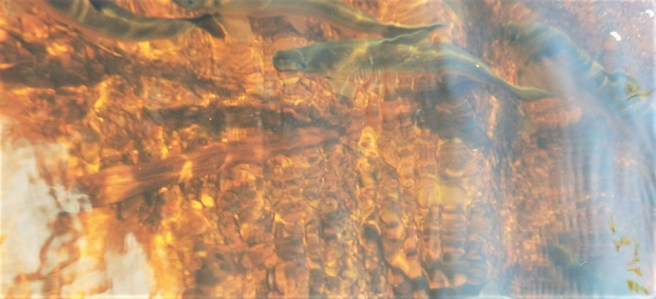
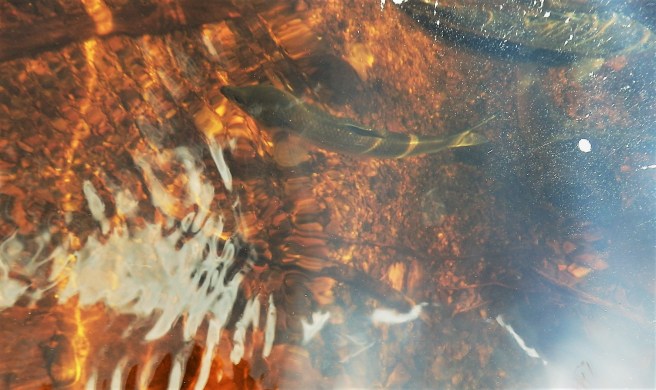
They still attract fishermen to the riverbanks and bridges, as well as eagles and osprey overhead.
And though bony, many folks consider them a seasonal delicacy, often worked into an appetizer. More commonly, they’re a common lobster bait.
The narrow, mile-wide island, claimed by both Canada and the U.S., is treasured by many birdwatchers for having the largest colony of nesting puffins along the Maine coast.
Trips to the island are limited, so much so that when online reservations for daily summer visits opened at 8 a.m. on January 10, all the tickets were booked in 45 minutes – at $180 a seat.
Sounds like a real bucket-list item, even if the boat sails from Cutler in my own Sunrise County.
Be warned, too, that the weather can be iffy, meaning that reservation might be cancelled on short notice.
Should I start considering a trip to Newfoundland if I really want to see any of the distinctive birds?
Eastport is a city, after all, and many of the homes are packed in close together. Not that it matters to our local wildlife.


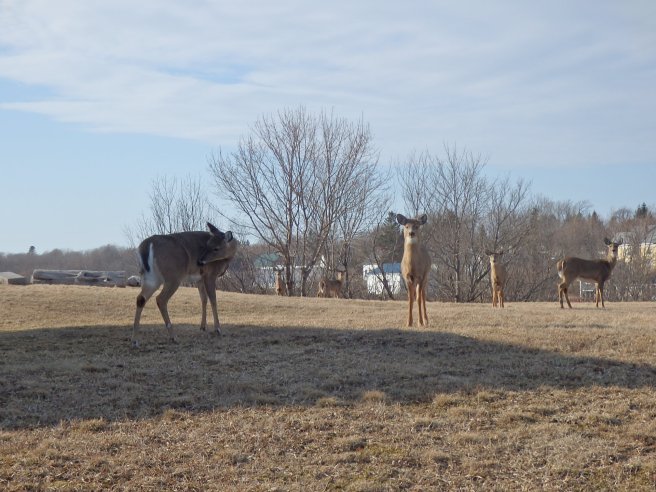


They’re so much a part of the place they even have their own Facebook page, Deer Eastport, and it is very active.
No matter how cute, though, they’re a gardening challenge. As are the raccoons.


 Jnana's Red Barn