Tag: Nature
Spring wildflowering

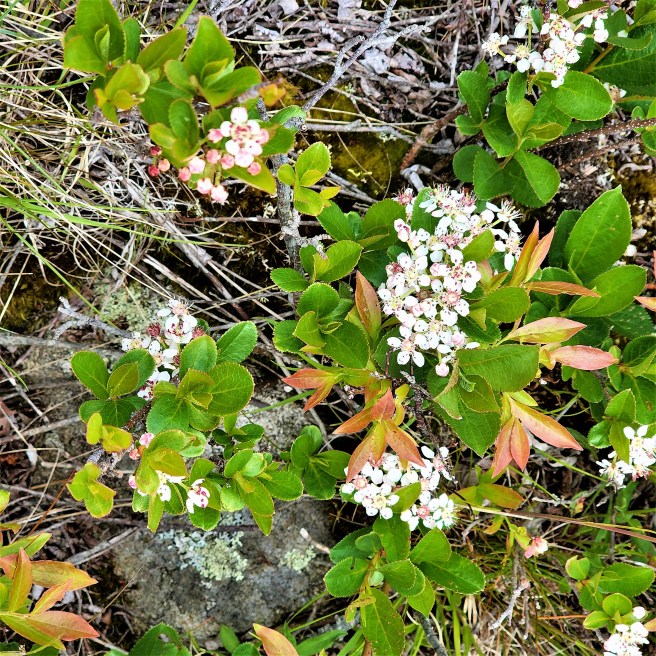
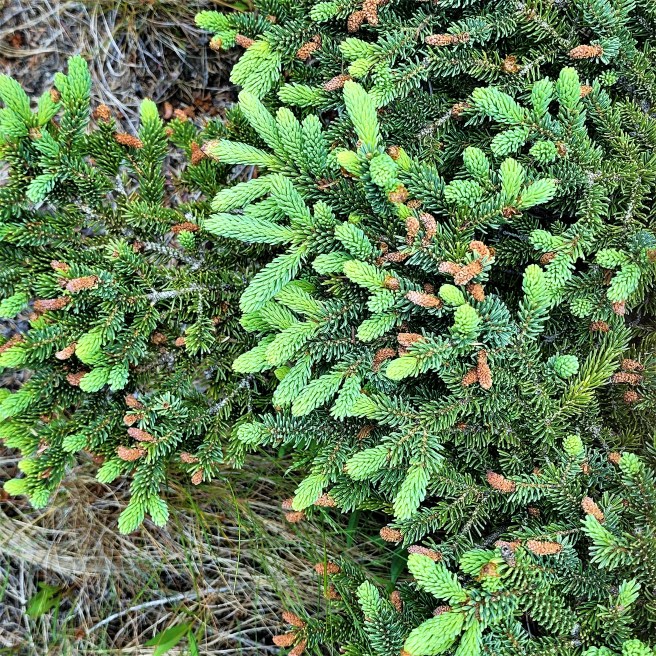
Evergreen growth
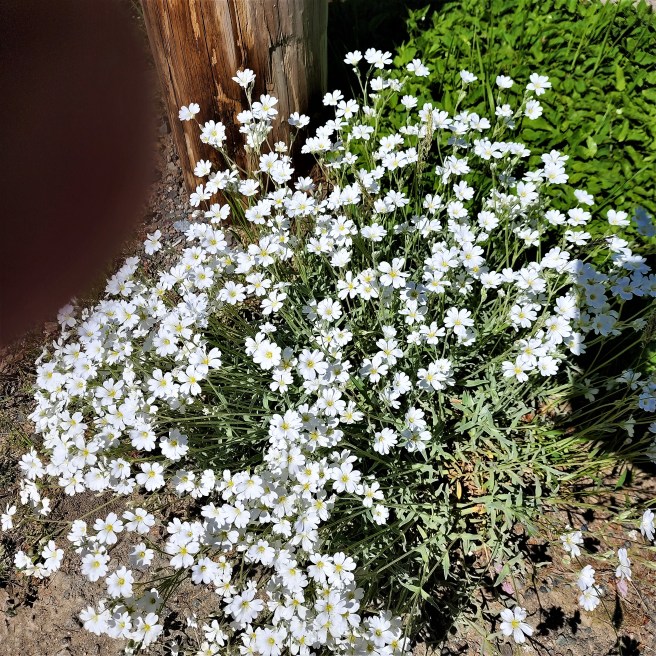
Bluets
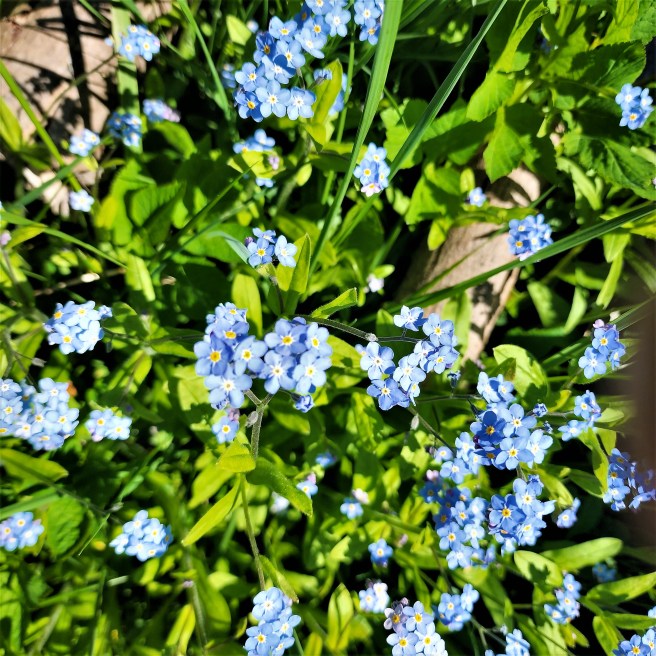
Also known as Quaker Ladies.
Young ferns

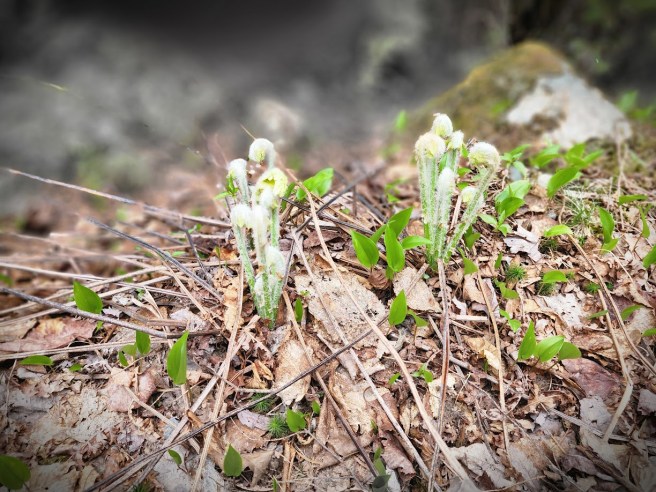
You may have noticed I’m fond of ferns
I don’t remember them being common in the woods when I was growing up in the Midwest, but I’ve become fond of them since. I even devoted years to developing a fern bed beside our “smoking garden” patio at our home in Dover. At least now we’re surrounded by fabulous ones in the wild here.
Oh, yes, I’ve finally tasted fiddleheads in the springtime and like their taste almost as much as asparagus.
Here some additional facts.
- They predate the dinosaurs. One variety, the cinnamon fern, looks the same today as it does in 70-million-year-old rock fossils.
- They don’t have flowers or seeds and don’t have leaves. Those lovely green fronds are actually branches fused in one plane.
- They reproduce via spores rather than seeds. Spoors usually look like small dots on the undersides of the fronds. A single plant can drop millions of spoors on the ground, but few find favorable conditions.
- Some species are parasites, growing not from the ground but on decaying tree trunks on the ground or in pockets overhead.
- Their roots descend from rhizomes, a below-the-soil, horizontal stem that can range from very thin and creeping to thick and stocky.
- Some plants survive up to 100 years.
- Bracken ferns can live without any sunlight.
- Most ferns are resistant to cold but many also thrive in tropical zones.
- They make lovely houseplants that require little care. They do, however, need higher humidity than is commonly available, especially when the furnace is running.
- They can remediate contaminated soil and remove some chemical pollutants from the air.
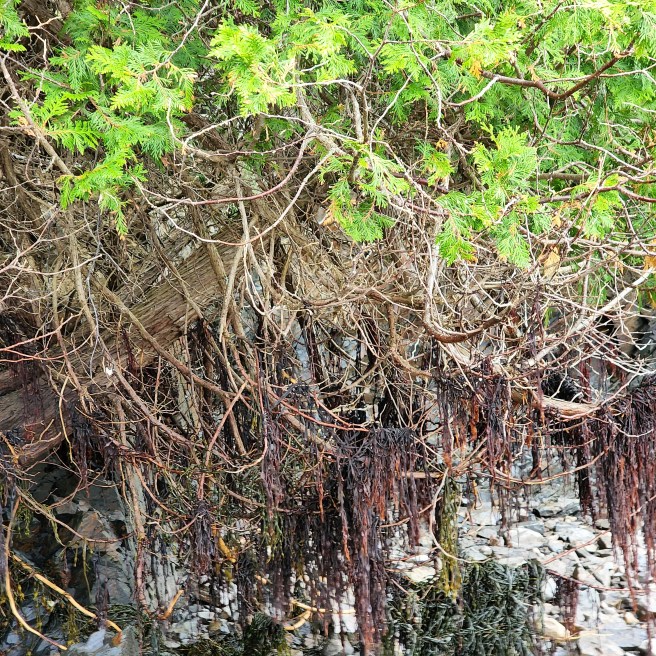
Spanish moss in our midst
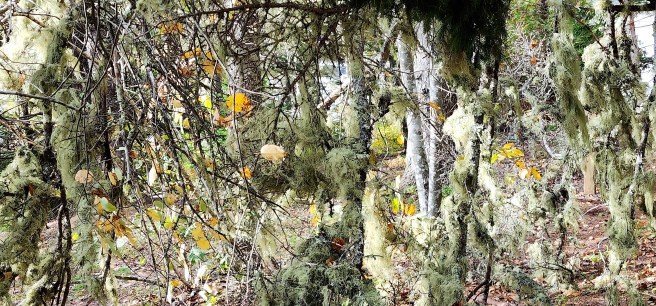
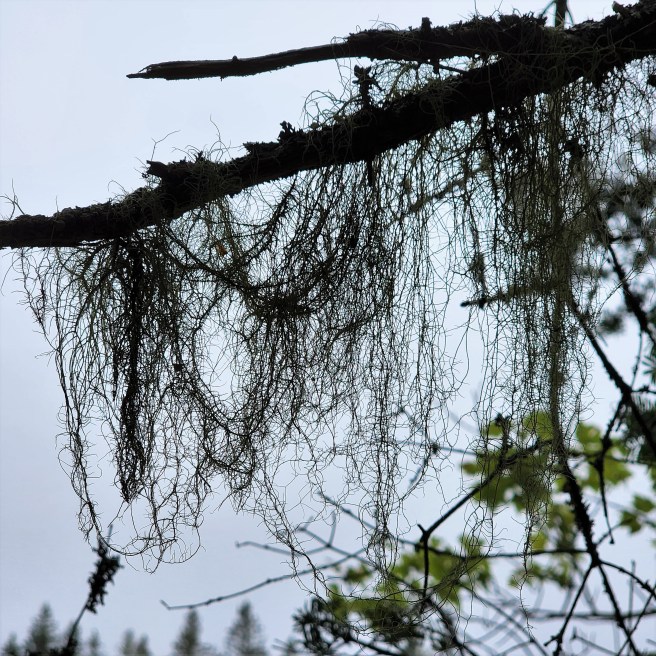
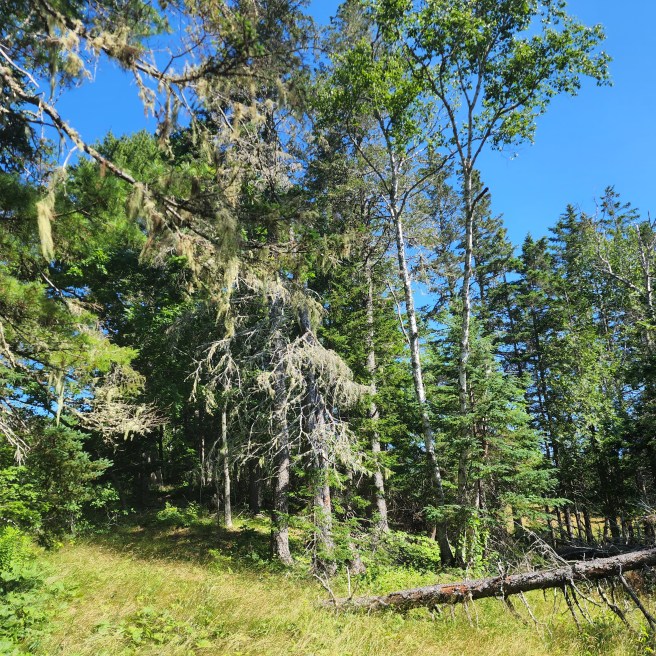
It’s something I always associated with Florida, not coastal Maine.
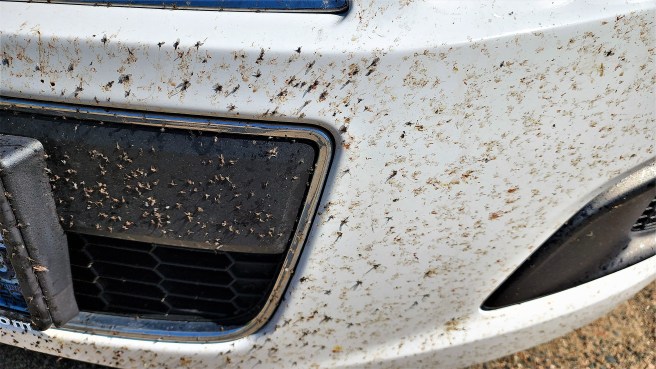
Black flies, little black flies
Spring in Maine can be a very short season, marked first by mud season and then the black flies that descend from late April into July.
My introduction came one year in a brief stop to investigate a stunning waterfall, interrupted by a large swarm of what I thought were mosquitos. The second enlightenment came at a stop along the Airline Highway en route to Eastport. A wall of flying insects would be a diluted version.
Also known as buffalo gnats, turkey gnats, or white socks (not of the Chicago baseball kind), black flies are more than the defenders of wilderness. Take a look.
- They don’t seem to be a problem on windy days or along the ocean.
- There are actually more than 2,200 species of them, not that the ones I’ve seen ever look black.
- Their bites are particularly nasty or, at the least, a nuisance. Some even spread the disease river blindness.
- They’re found far beyond Maine. Scotland, northern Ontario, and Minnesota weigh in heavily, though Pennsylvania has been active in the battle against them.
- The eggs are laid in running water and are extremely sensitive to pollution.
- Bites are most often found on the face, hairline, neck, and back, though the pests are attracted to breathing and, thus, can enter the nose or mouth. Don’t overlook the ankles, either.
- They’re attracted to dark colors.
- They stretch the skin and then make shallow cuts with blade-like sections of their mouth before sucking blood.
- They’re most active for a few hours after sunrise and a few hours before sunset but totally inactive through the night.
- Folksinger Bill Staines made a hit of the logging camp song written by Canadian Wade Hesmworth. The line, “I’ll die with a blackfly pickin’ my bones,” rings especially true.
Mossy carpets
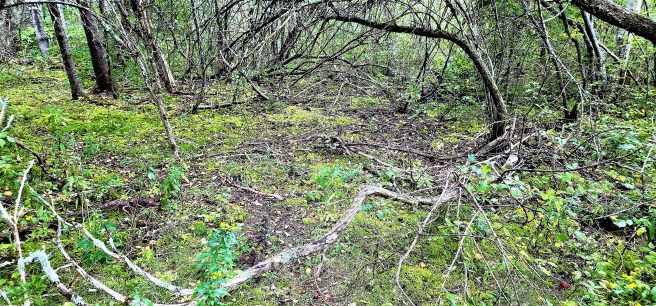
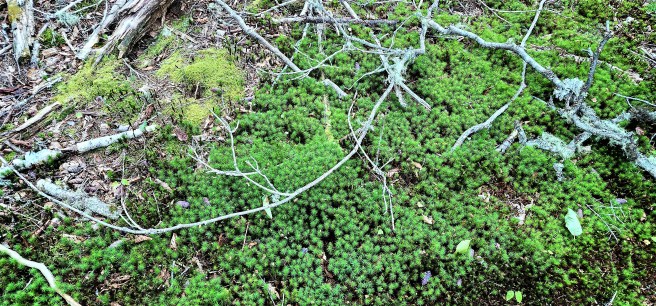
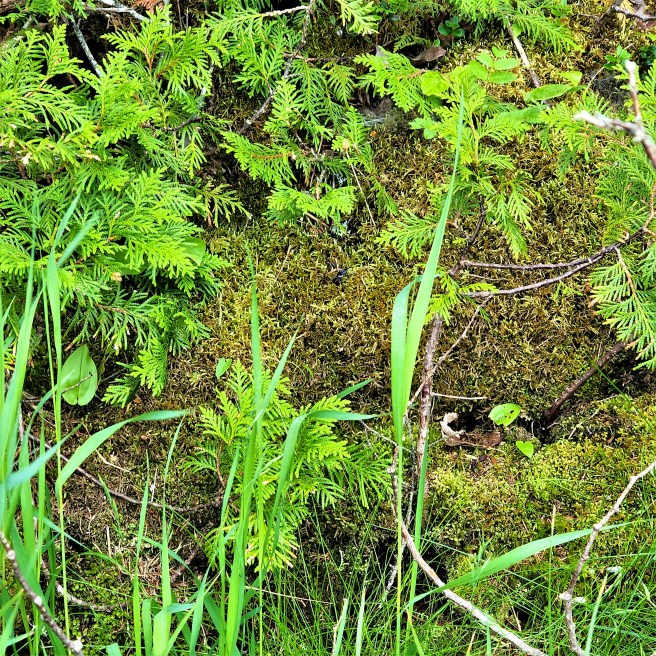
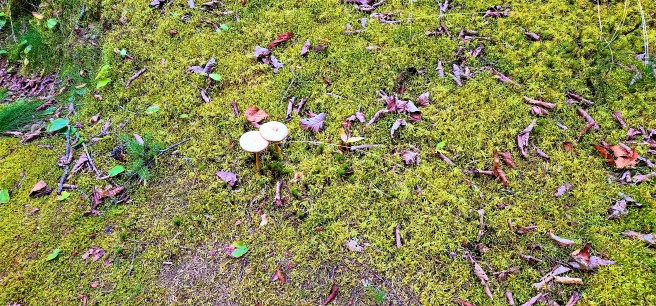
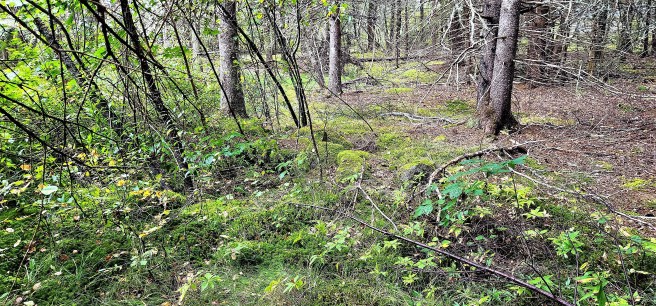
Mosses are a major part of our forests, often as an indicator of a peat bog underneath.
Cedar shoreline
 Jnana's Red Barn