Surprises about Eastport

Maybe I just didn‘t notice, but I don’t recall noting so many quirky sides in the other places I’ve lived. Maybe they’ll pop out when I review my old journals.

Still, there are things in Eastport I hadn’t anticipated. For instance …

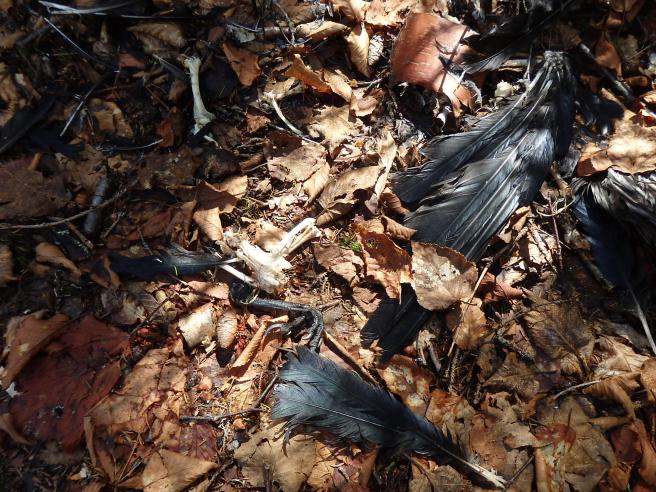
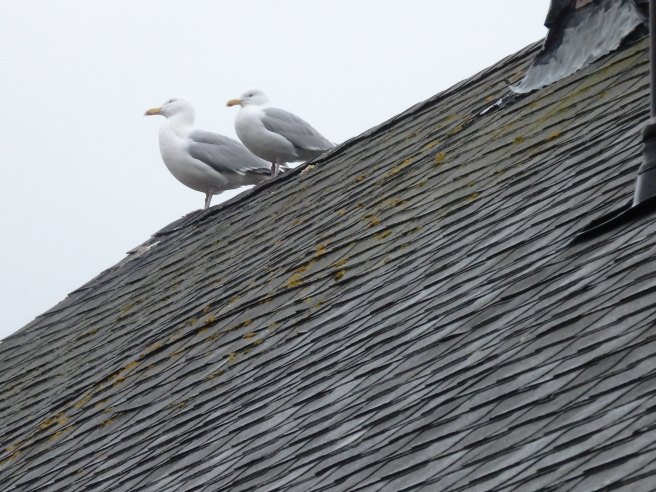
  1. As far as birds go, it’s basically gulls and crows. Just listen. Even with bald eagles right overhead.
  2. In summer, it’s ten degrees cooler than the mainland seven miles away. In fact, I wore my shorts only three times last year – and two of them were when I was running around inland. Well, as far as that goes, I should mention how much I now perceive the fact I’m living on an island.
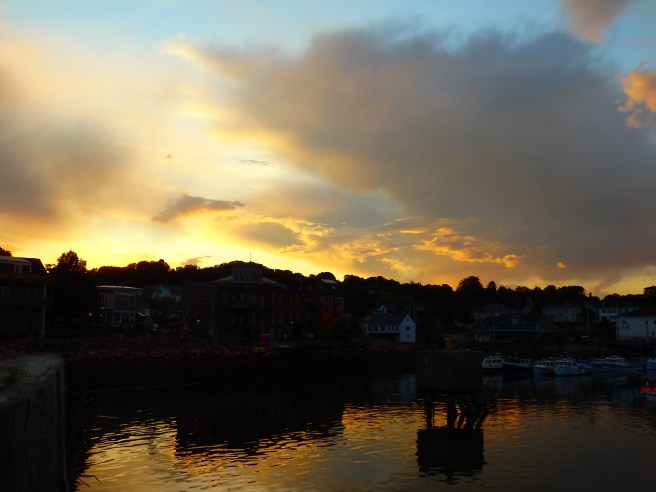
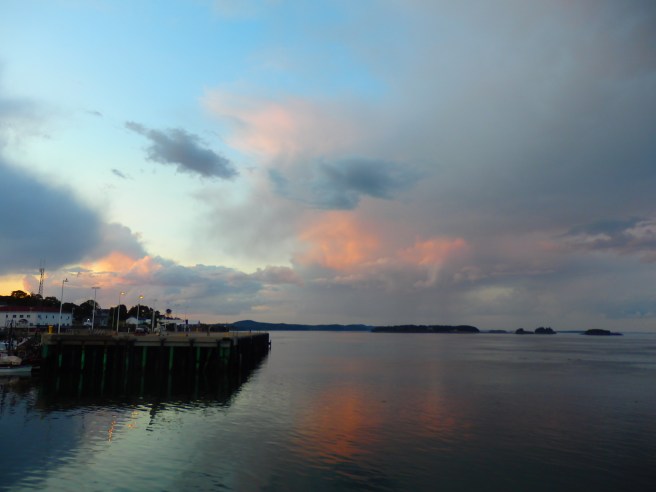
  3. Watching the fog roll in from the Bay of Fundy, either up from the channel by Lubec or down between Campobello and the islands just north of it. As well as watching spectacular sunsets from the other side of town, in contrast to the amazing dawns I face from my house.
  4. No nightlife. Apart from events at the arts center, the place pretty much settles in after dusk. And then rises early.
  5. No commercial net fishing. The haul is largely lobster, scallops, clams, and urchins – a delicacy in Japan. But we were also once the sardine capital of the world, which left a bigger impact than I ever imagined.
  6. The importance of smuggling in the port’s past, as well as shipbuilding.
  7. The impact of Dover on its early settlement. Many of the early settlers came from the Piscataqua watershed, and even those who claimed Portsmouth or Newburyport, Massachusetts, could trace their lines back to Dover.
  8. Horn Run Brewing and Bocephus. Two new businesses, each one run by an enterprising and delightful couple.
  9. Diver Ed. A long-time tourist attraction in Bar Harbor, with all of its Acadia National Park crowd, he pulled up anchor and brought his Starfish Enterprise to our Breakwater instead. As a natural ham, he knows how to entertain an audience, even otherwise reticent teens, while teaching them the wonders in our waters.
  10. The number and variety of wild apples. That helps explain the appearance of so many deer on the island. I’d call them wild, but (another surprise) have seen neighbors feeding them by hand.

Up to mustard

While most of Eastport’s sardines were packed in cottonseed oil, some brands boasted of mustard, too, or of even smoking them first.

Even those that weren’t still might be smothered in a mustard sauce.

In 1900, J. Wesley Raye, the 20-year-old son of an Eastport sea captain, founded his mustard business in the family smokehouse in 1900 and moved it to its current site in 1903 to meet demand from the canneries.

Not just Eastport’s, either. Much of the family’s mustard, as the Raye’s website touts, was shipped by both rail and steamship, two means of transport long gone from the city. But, as they boast, their mill remains the last one in America to make mustard the old way. Theirs is made in small batches from mustard seed they’ve ground slowly on millstones made in France.
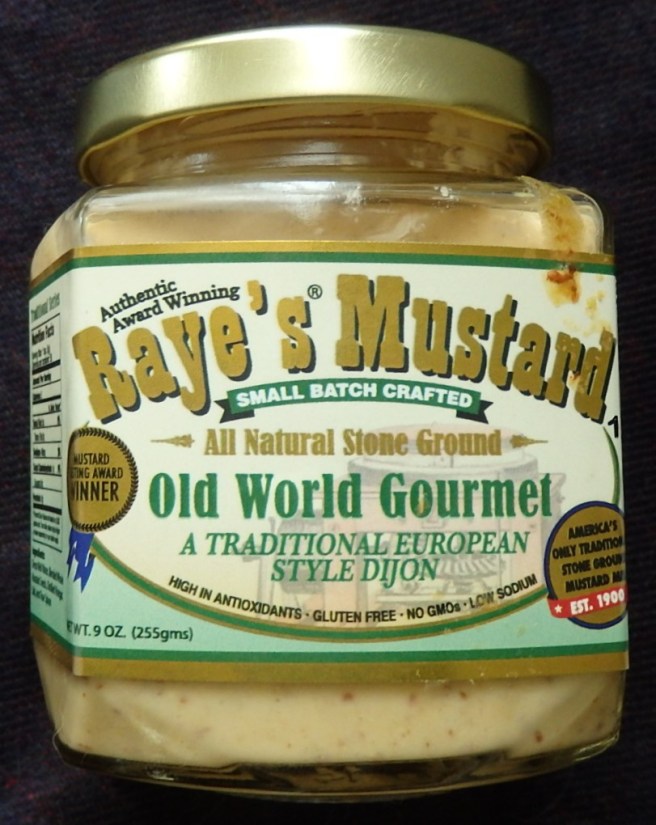
One of its many styles today.

If you don’t recognize the name, you might know the taste. It’s rebranded by some high-end labels.
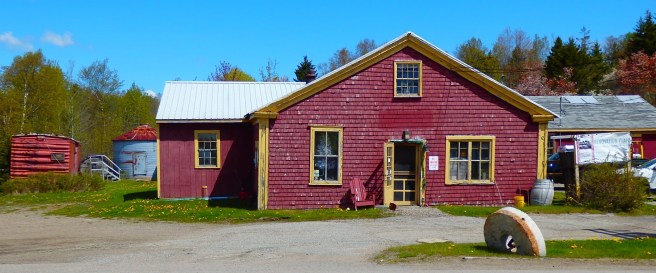
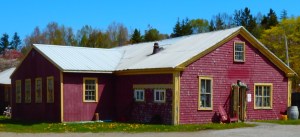
The old mill is still in operation. Note the railroad boxcar at left.
Yes, there’s more.
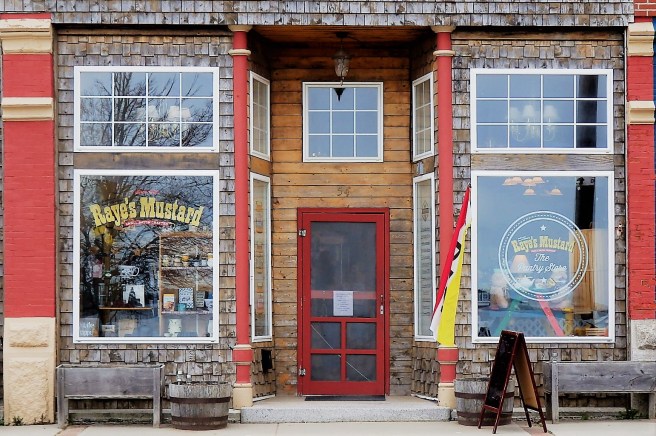
Their downtown retail store is a bright spot on Water Street, selling much more than mustard alone.


A few things Mainely about lobsters

Somehow, lobsters have become identified with Maine the way maple syrup has stuck to Vermont, even though both are found abundantly in neighboring states and provinces. I won’t even get into moose in this discussion.

Here are some talking points.

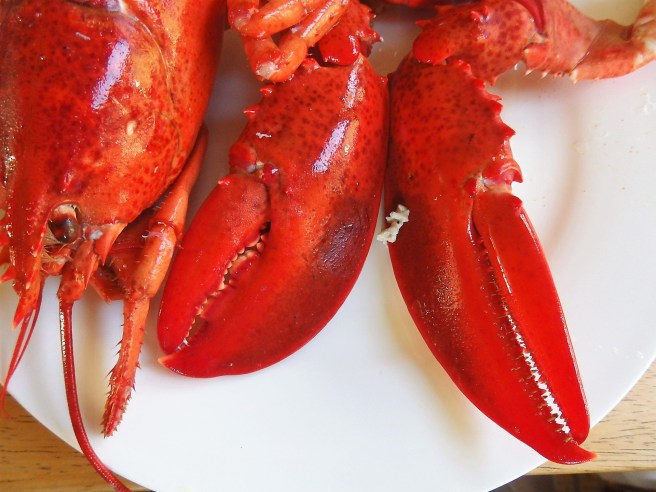
  1. Unlike other varieties, ours are distinguished by having large claws. One claw, the crusher, is larger than the pincher.
  2. They have clear blood.
  3. They smell with their eight legs but have poor vision. Their four antennae help them locate food. They can also swim backward.
  4. They chew with their stomachs, which are located right behind their eyes. They lack teeth but have a “gastric mill” that reduces their prey.
  5. They live on the ocean floor and never stop growing, which they accomplish by molting. Some are known to be more than a hundred years old. In fact, they show no signs of aging and almost universally die of external factors.
  6. It was once a poor-man’s dish, typically fed to servants. Impoverished families sent their children to school with lobster in their lunch buckets and an envy of the richer kids’ roast beef or chicken.
  7. Lobster comprises 75 percent of Maine’s commercial fishery value. In 2016, a banner year, the state’s 6,000 lobster-fishers landed more than 130 million pounds worth more than $533 million.
  8. A traditional lobster pot or trap has two sections – a “parlor,” where they enter, and the “kitchen” behind it. But for much of the region’s history, they were more likely to be harvested by hand along the shore and tide pools, where they washed up after storms.
  9. Most lobsters are caught in the summer months, before the shellfish trot off to deeper waters where they’re harder to harvest. In Eastport, many of the lobster boats do double-duty each winter, rigged to drag the bay bottoms for scallops. A few even go after urchins.
  10. Maine commercial lobstering is tightly regulated – more than in neighboring Canada – and licensing involves a long waiting list. You’d better apply well before your twenty-third birthday if you’re interested. Even if your dad still has his boat.

This was once the sardine capital of the world

Don’t laugh. Sardines were once big business.

The first sardine canning in America happened in Eastport in 1876, and at its peak, 18 canneries were packed in against the waterfront downtown, along with the fishermen’s dories and fishing boats at the docks.
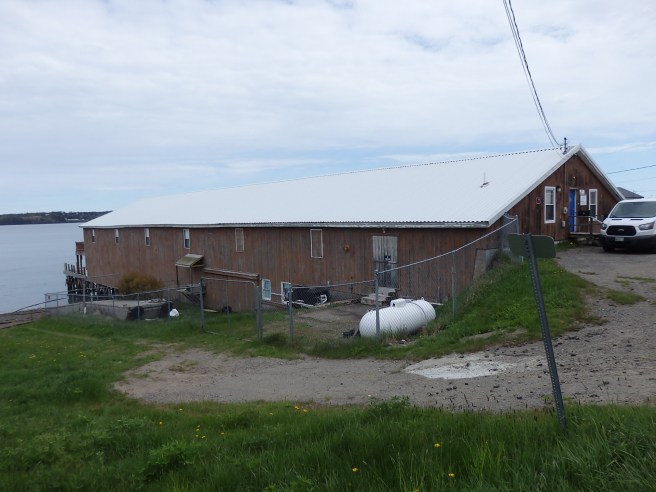
One of the few surviving cannery buildings. This one was small in comparison to others right downtown. 

The largest of them, the L.D. Clark and Son factory, extended far into the water from the north end of Shackford Cove only a block where I now live. It was the world’s largest sardine cannery, employing 500 men and women who packed 4,000 cases of 100 cans daily when the small Atlantic herring were available.

Heads and other parts were cut from the fish and dumped into the harbor, where they were devoured by bottom-feeders that then attracted whales close to shore.

Over the years, though, the fishery was depleted, though whales can still be seen in season.

And then the market and American tastes changed.

Does anyone eat sardines anymore?

Few signs remain of the city’s once flourishing industry.
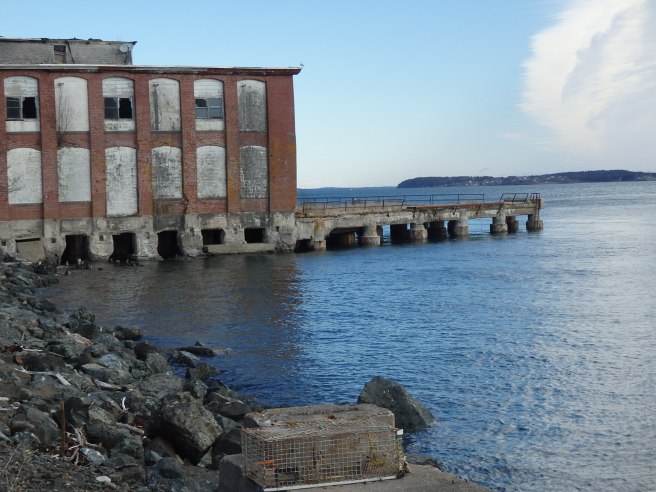
The 1908 Seacoast Canning Co. plant, which made sardine cans.


Little Prince Cove has its charm 

The inlet gets its name from an early family rather than royalty, even if the British Navy did land here when it captured Eastport during the War of 1812.
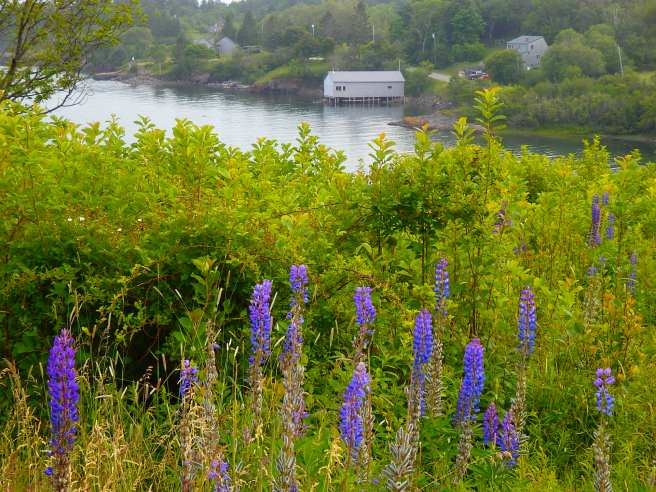
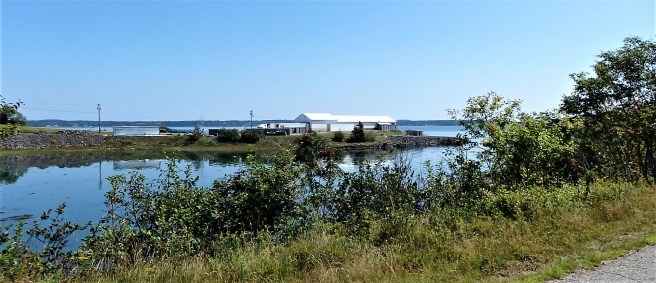
Its banks once were crowded with shipbuilding and later fishing operations.
Eastport’s leading lobster wholesaler operates from the mouth of Prince Cove.
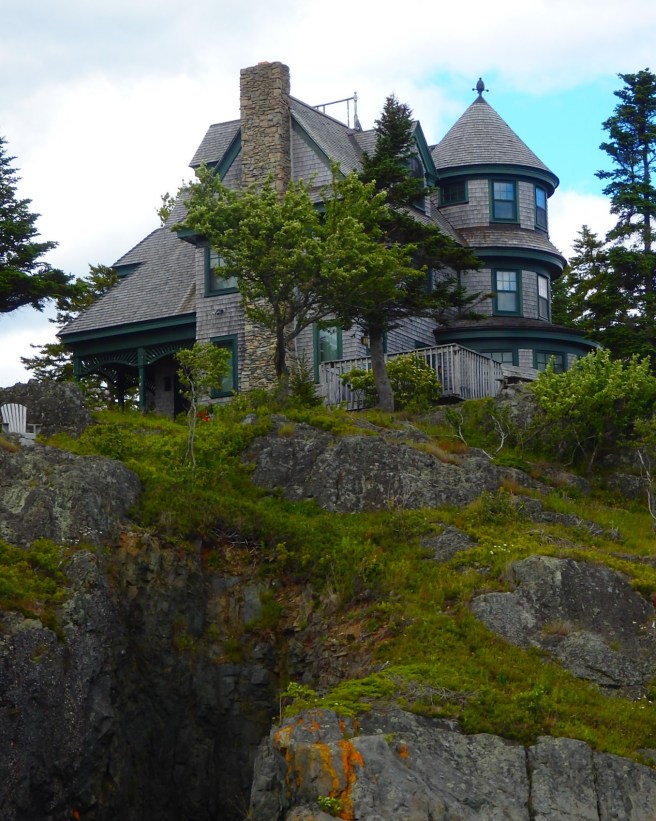
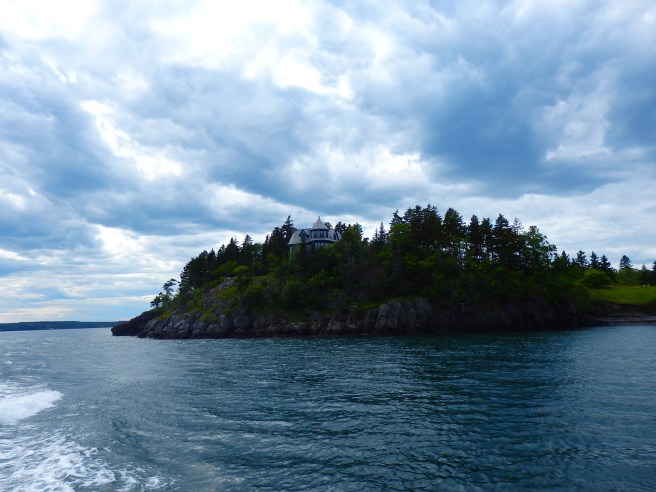
You can’t see this Victorian-style house from land, where it sits beyond an imposing gate at the end of the road. Nobody seems to know the owners, who come in the summer.
Somehow, it seems to fit right into a Stephen King novel. 


How about corporate naming rights for hurricanes?

Running out of baby’s first names for hurricanes and tropical storms has me wondering.

Can we turn to corporate behemoths, you know, for naming rights, like sports stadiums do?

Hurricane Amazon would be a natural. Or Geico, reminding folks of the need of home insurance. Victoria’ Secret Hurricane could be hot. You get the drift.

And let’s think about all the good uses we could put the money to, starting with relief for impoverished folks in those storms’ paths.

So how ’bout it?

What corporations would you nominate as the most amusing or fitting for the storms?

~*~
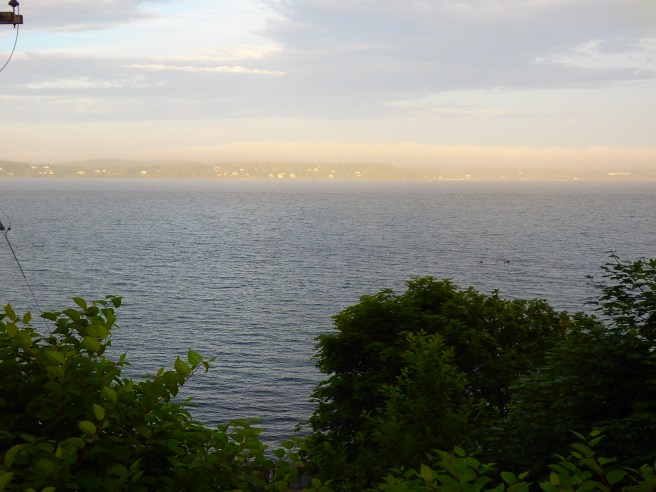
Misty afternoon light over Campobello Island as seen from Eastport gets me in a reflective mood.