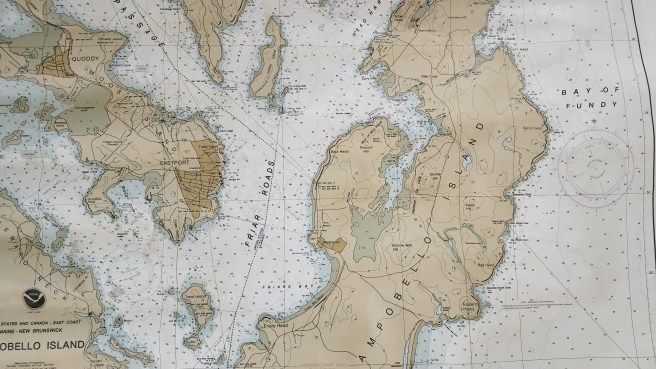
Eastport’s on the island to the left. Keep an eye out for gale warnings, too.
You never know what we'll churn up in cleaning a stall
Eastport’s on the island to the left. Keep an eye out for gale warnings, too.
That is, PFAs, as we’re known among the locals.
I haven’t encountered the negative reaction some report, but feel myself among those warmly welcomed.
Part of it is, I believe, an openness to approach what’s here without wanting to totally “improve” it. I mean, if you can’t stand the smell of cow manure, you shouldn’t move into farm country. Or, for much of Maine, the stench of a paper mill.
That doesn’t mean we don’t have a lot to contribute, but we need to be respectful in acknowledging what’s attracted us as well as the dirty work that needs to be done. You know, the equivalent of washing dishes.
Or loving someone warts and all.

Incredibly tender and tasty, served here with rice, a carrot salad, and fresh parsley. In case you’re looking for a dependable holiday hit.
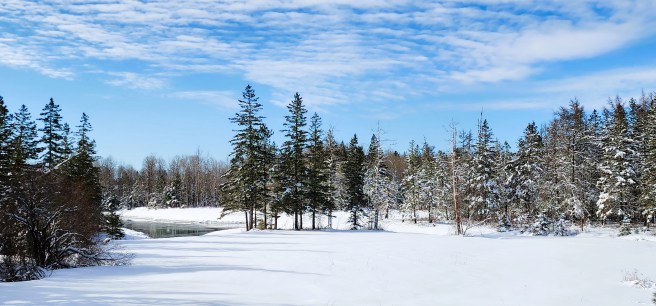
And on the ground, too
The crews are out in our deep cold and often nasty winter weather, not just fishing but also shucking before landing their haul. Most of them head out before sunrise, as I hear from my home.
Are they crazy, as some of them contend, or just dumb, as others jest? Even both? It’s more than honest work, no question.
In our zone, boats are limited to a crew of three and a maximum harvest of two buckets of shucked scallops a day. That’s ten gallons, or nine to ten pounds total. Doesn’t look like much for a day’s haul, especially when you factor in paying for their labor, the boat, gear, fuel, insurance, and the fact it’s seasonal and very cold work, even before the regulations that hold draggers to three days a week. Try making a living on a three-day, limited season, income. Good luck!
Officially, ours is a 50-day run spread over four months, but in reality, an earlier cutoff kicks in on short notice to preserve the stock from depletion. In effect, “It’s over, guys,” arrives in the captain’s email, post haste. Last year, that eliminated 17 fishing days, a third of the season. More than an entire month, actually. By dumb luck, my daughter and I were at the docks just in time to stock up a gallon in our freezers.
At least we’re not managing a restaurant.
As this season? We’re holding our proverbial breath. My, those morsels do taste unbelievable.
(Divers have a different schedule, even more limited.)
Think of that when you wonder about the seemingly high price of heavenly shellfish.
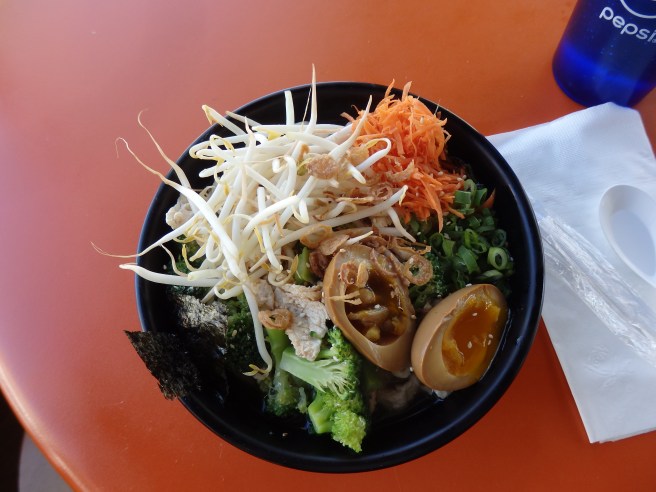
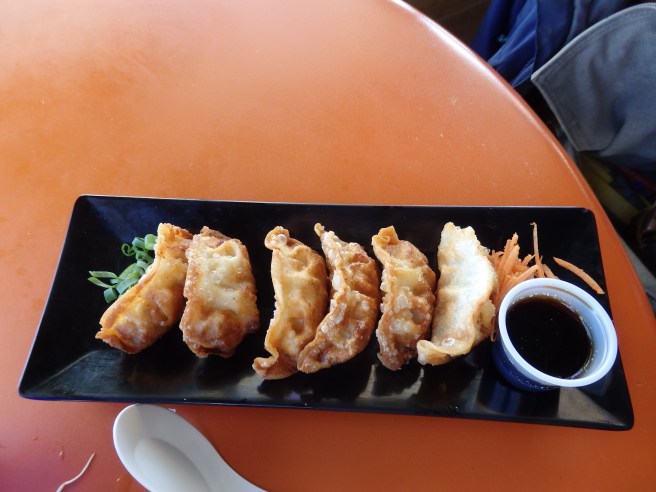

Have I mentioned I love Japanese cuisine? This is at the ramen soup restaurant in Bangor.


As fresh and sweetly tender as it gets.

This one’s with basil.
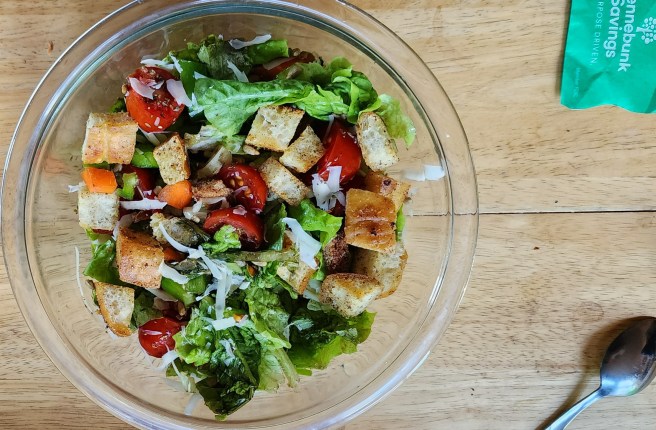
Even the croutons were homemade. Not so, the cheese or sunflower seeds.


Dick in fine weather on a trail behind his farm.

