NEW ENGLAND COLLEGE ART MUSEUMS

Some of the best art museums in the country are found at New England’s universities and colleges. In other parts of the country, the larger ones would be the region’s jewel. But here they often sit in the shadow of some pretty powerful competition. Some, like Harvard, charge admission, but others are blessedly free.

A crown jewel at Harvard.

Here’s a sampling from our travels and travel plans:

  • Yale University Art Museum, New Haven, Connecticut: Reopened after extensive renovations, this is quite simply the best university art museum in America; possibly, the world. And admission is free.
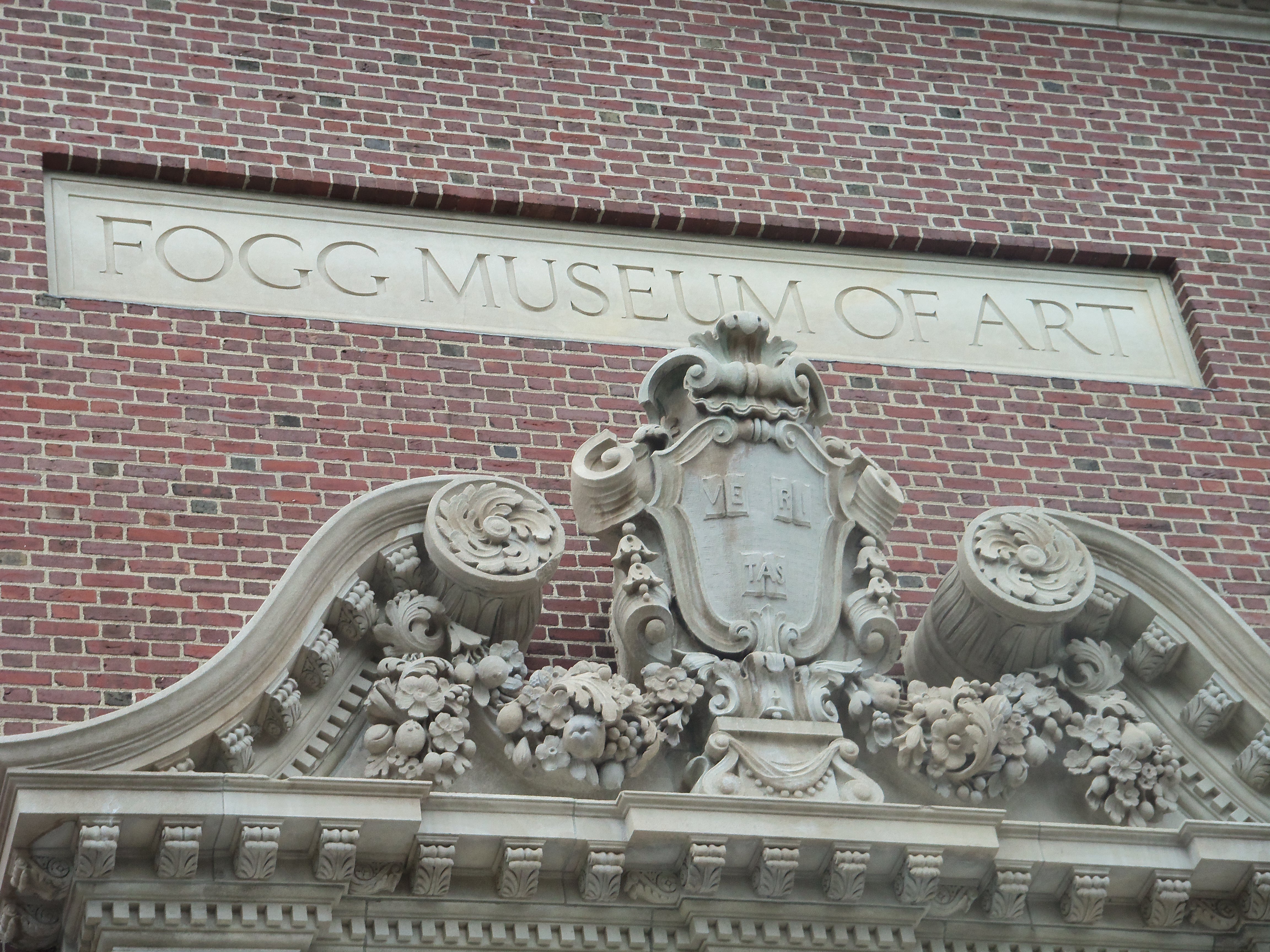
  • Fogg Museum, Harvard University, Cambridge, Massachusetts: This newly renovated jewel delivers a fine array of Old Masters, although I’ll emphasize its Turner, Blake, and Whistler for variety. Admission ($15) includes the Sackler and Busch-Reisinger boutique galleries, now under one roof for the first time, thanks to a contemporary, glass-pyramid roofed addition by Renzo Piano Building Workshop.
  • Smith College Art Museum, Northampton, Massachusetts: I wasn’t braced for the magnitude of this collection when I zipped out for an hour lunch break during committee meetings just down the street. I’d run into examples from its collection in art books (it has five Childe Hassam paintings on display), but its range of Impressionists and outstanding regional and American landscapes is worth the whirlwind, even before getting to the old European masterpieces. Am I off-base in thinking this display nearly rivals Harvard’s?
  • RISD Museum, Providence, Rhode Island: As the collection for the Rhode Island School of Design, New England’s premier art school, the museum is smaller than one might expect, with a respectable sampling of earlier eras, often masterworks by lesser known artists.
  • Williams College Museum of Art, Williamstown, Massachusetts: An unanticipated but celebrated gem in the western part of the state. We’re told it’s worth the trip.
  • Hood Museum of Art, Dartmouth College, Hanover, New Hampshire: Wonderfully diverse, with uncommon awareness of the Americas and Africa, it mounts an impressive array of special shows and is part of the Hopkins Center for the Arts.
  • Bowdoin College, Brunswick, Maine: Small, with some emphasis on the regional past and the founders’ roots in its permanent collection. Renovations unveiled in 2007 more than doubled the exhibition space, moving the entrance to a glass cube to one side of the building and opening the basement level, where visitors now begin their tour. The special exhibits make for some exciting use of the facility — a recent trip for me included a focus on Marcel Duchamp and his influence, downstairs, as well as prints by Dutch master Hendrick Goltzius, upstairs.

WRIGHT AND MORE WRIGHT

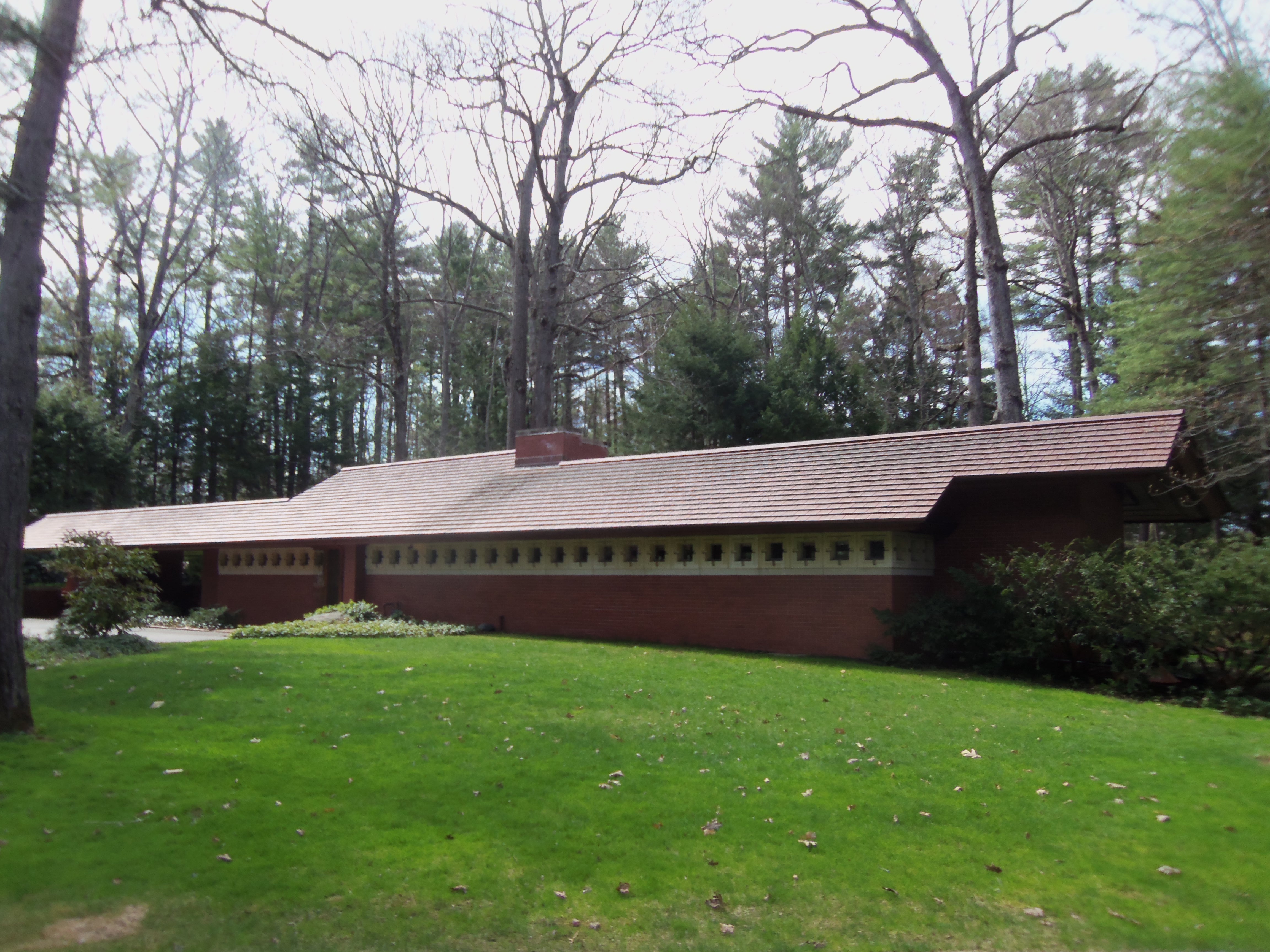
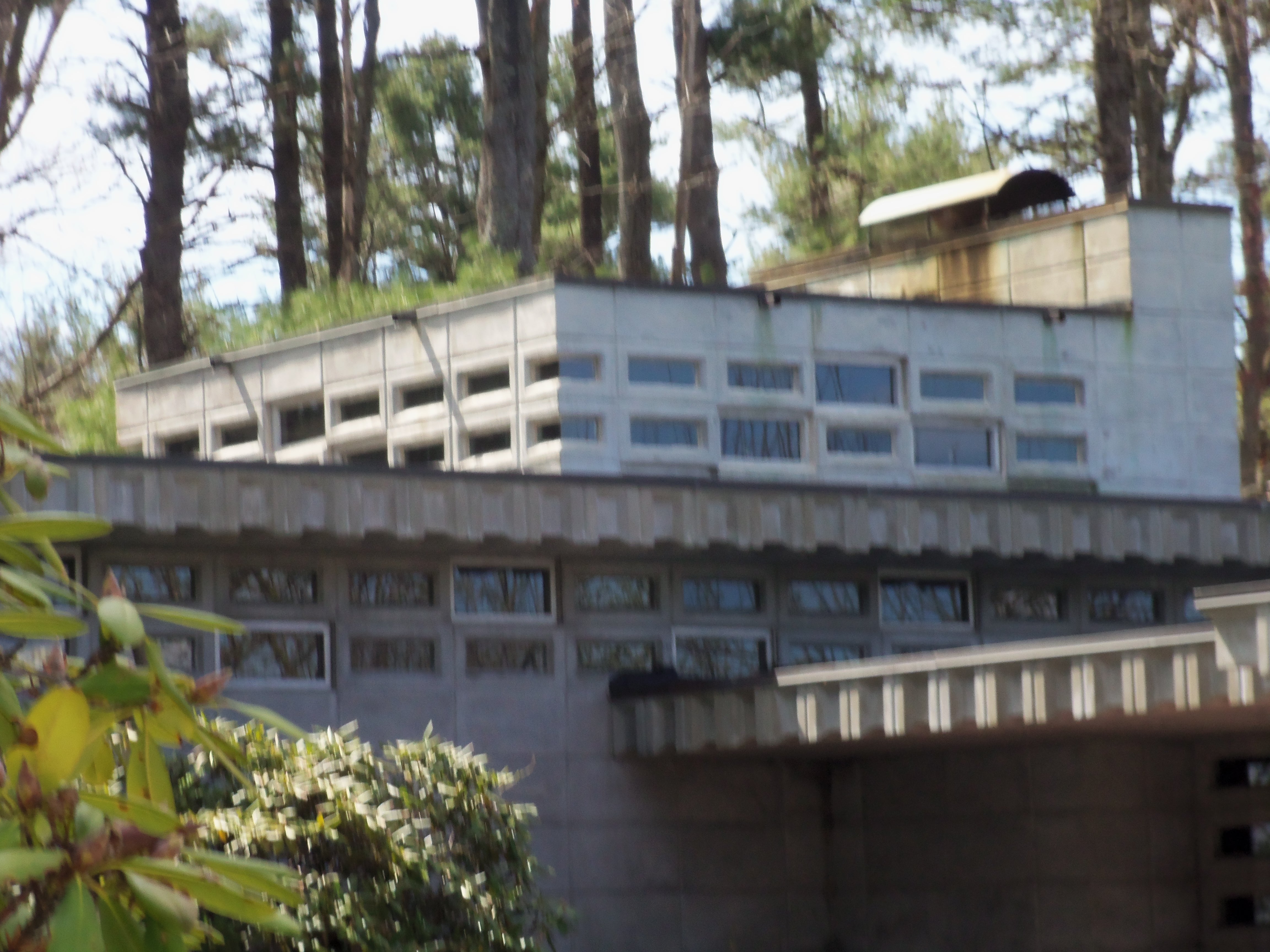
The Zimmerman House in Manchester, New Hampshire, is one of the few Frank Lloyd Wright structures in New  England. I remember chancing upon it on an evening stroll and thinking, "It's either by Wright or one of his students."
The Zimmerman House in Manchester, New Hampshire, is one of the few Frank Lloyd Wright structures in New England. I remember chancing upon it on an evening stroll, looking at the lights in the windows, and thinking, “It’s either by Wright or one of his students.”
Now owned by the Currier Museum of Art in Manchester, New Hampshire, it's open for tours.
Now owned by the Currier Museum of Art in Manchester, New Hampshire, it’s open for tours.
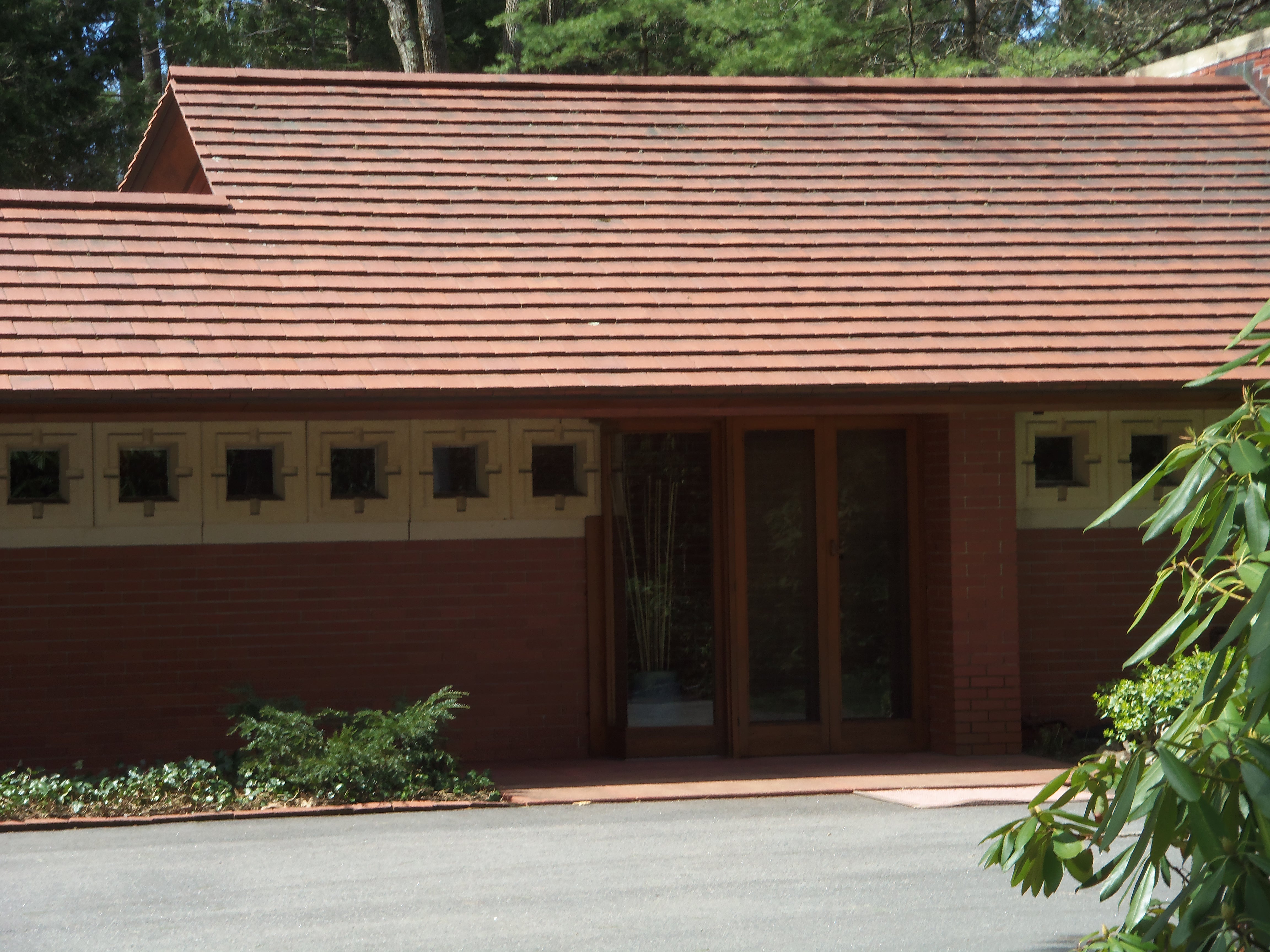
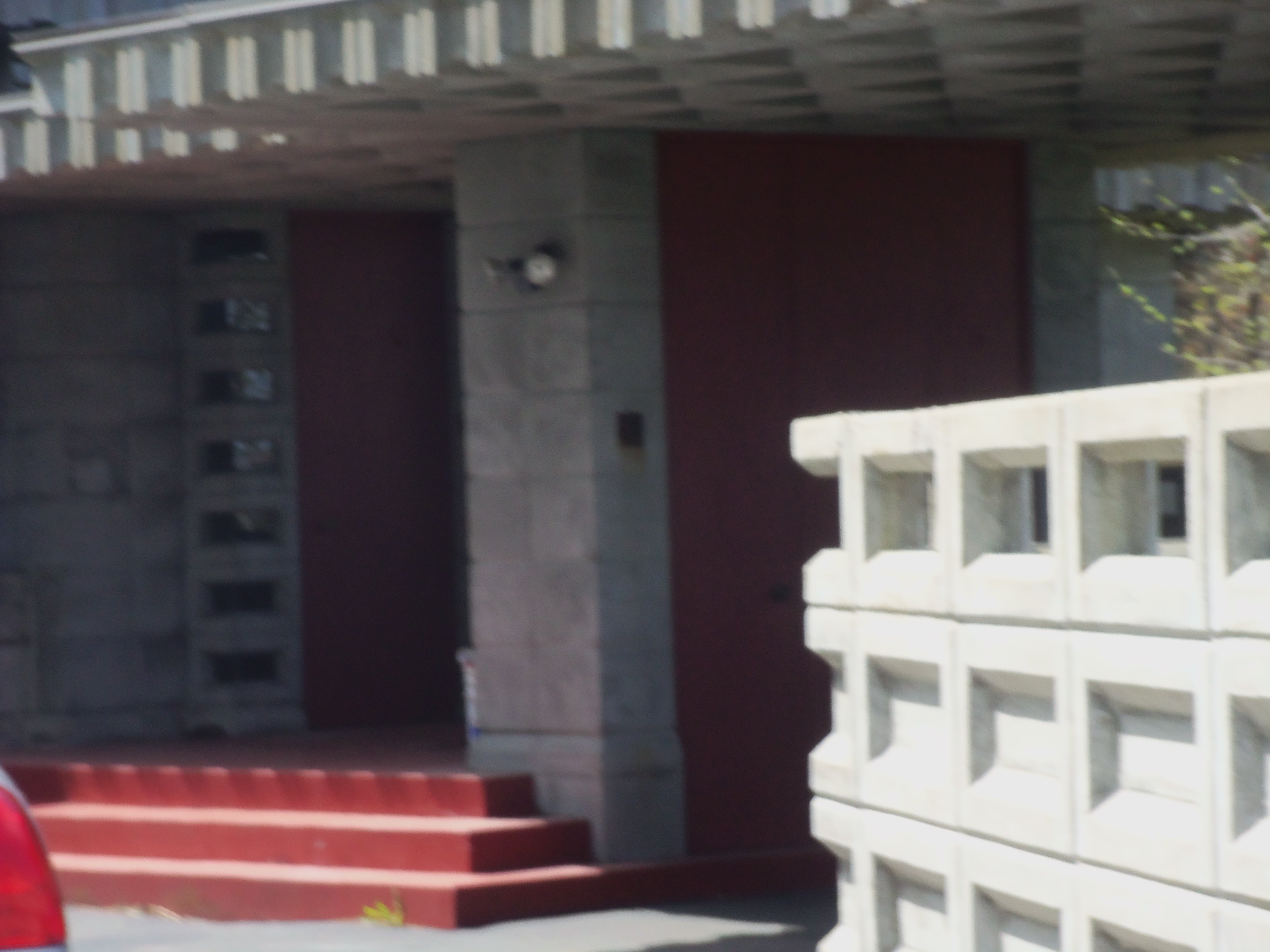
Just a block away, though, is an example of his more mass-produced Usonian project.
This one's still a private residence.
This one’s still a private residence.


NEW ENGLAND ART MUSEUMS

A fitting fanfare as a welcome in Manchester. It moves in the wind.

Growing up in the American Midwest, I had the impression that New England was, well, uniformly cultured. Moving here at the end of the roundabout route that emerged, however, I was surprised to discover how unevenly that Culture was distributed. It was essentially centered in Boston. Or more specifically, Huntington Avenue in the city’s Back Bay neighborhood, in the Theater District, Museum of Fine Arts Boston, and Symphony Hall, plus Harvard Square in Cambridge across the Charles River.

For perspective, New England has only one major-league professional orchestra, the Boston Symphony, compared to eight in the Midwest – Cleveland, Cincinnati, Detroit, Chicago, St. Louis, Kansas City, Milwaukee, and Minneapolis. (Well, maybe seven these days, after the disastrous events in the Twin Cities.)

The underlying reason, I’ve sensed, arises in the historic ownership of New England’s economic base – the textiles mills, especially, along the rivers and streams – by the fabled Boston Brahmins. In other words, while New England’s products sold around the globe, the profits flowed into Proper Bostonians’ mansions, and these, in turn, endowed the great cultural institutions.

*   *   *

The Currier Museum of Art in Manchester, New Hampshire.

The region’s art museums, on the other hand, provide another slant on this legacy. I’ll argue that the largest, wealthiest galleries are not always the most exciting; when it comes to art collections, quality is often based on the gifts of a few insightful, daring donors. Since we frequently visit museums when we travel – and art museums, especially – here’s an overview of what we’ve found. Admittedly, we’ve missed some.

  • Museum of Fine Arts Boston: The Grand Dame comes with a stiff admission fee and all the air of a leading museum, and her strengths are impressive, indeed, especially in Impressionist painting and Asian artifacts. But there are also some glaring gaps, especially in Old Masters. The new American Wing has at least brought one shortage up to snuff.
  • Isabella Stewart Gardiner Museum, Boston: A block away from the MFA, Isabella’s quirky “playhouse” on the Fenway is one you either love or hate. With its galleries circling an impressive indoor garden, her idiosyncratic assemblage is displayed exactly as her will demanded; undisputed masterworks are left hanging between many third-rate paintings, detracting from the experience. Still, the egotism, pro and con, remains staggering.
  • Worcester Art Museum: Considering the current economic condition of New England’s second-largest city, the collection comes as a delightful, comprehensive surprise. From its powerful pre-Columbian gallery on the top floor through the Americans and the Old Masters below, visitors will find themselves richly rewarded. One small room featuring New England’s Childe Hassam and Edmund Tarbell is both confident and moving, an example of the wise presentation throughout.
  • The Wadsworth Atheneum, Hartford: The glory here is the large collection of American Illuminist paintings (a term I prefer to the Hudson River School), but the routing through the rest of the otherwise impressive collection becomes jolting. We are not led smoothly around, but rather thrown from dark Colonial rooms into brilliant Modernist department-store presentation and then back into dark caverns again. Senselessly disturbing.
  • Peabody-Essex Museum, Salem: Originating in the “cabinets of curiosities” ship captains were expect to bring back for display in their hometowns, this institution’s transformation into a vital force is a model of building upon a clearly defined mission. Recognizing Salem’s role as a principal port in historic China sea trade, the collection focuses on Asian art (both the works manufactured for export and works intended for native use) and on the region’s seafaring riches. I love the bowsprits and captain’s logs as much as the Korean and Japanese galleries. Many of the special exhibits have been incredible. Surprisingly, it claims to be among the 20 largest art museums in the country, based on its holdings.
  • Currier Art Museum, Manchester, New Hampshire: Here’s a moderate-size museum that has a wonderful sampling of art history, some renowned pieces from the 20th century, and justifiable pride in the Granite State’s own artists and traditions. Well worth revisiting.
  • Portland Museum of Art, Maine: Its Impressionist collection is a major coup. New York wept when the key donations were announced. Need we say more?
  • Farnsworth Art Museum, Rockland, Maine: Quite the surprise in a small working-harbor town on Penobscot Bay. Lively works of our own time, with a focus on Maine … and not just the Wyeths. Alex Katz, for instance, has helped the collection make some impressive purchases. We were delighted by a recent major show of Shaker artifacts, mounted with assistance from the only surviving Shaker colony, the one at Sabbathday Lake in New Gloucester.
  • Ogunquit Art Museum, Maine: This small, seasonal, seaside museum made its way into our hearts with a special exhibit of Edward Hopper paintings that turned out to be made on and around the site.

ANNIVERSARY OF MY DARKEST DAY

Aerial view of the desert ridge behind our the tenant shack where we where living when Mount St. Helens erupted. This is as green as it gets. The orchards are in the irrigated band close to the river.
Aerial view of the desert ridge behind our the tenant shack where we were living when Mount St. Helens erupted. This is as green as it gets. The orchards are in the  band close to the two irrigation canals seen here. With a magnifying glass, I could point out our place.

Thirty-five years ago today, we were buried in volcanic ash erupting from a summit 85 miles away. For days afterward, everything was buried in gray. Until then, it had been my Garden of Eden.

LILACS

So when did this appreciation begin? When I lived in the orchard house, we had a big lilac bush at the corner of the yard – the one where the bees swarmed from the hive that one day.

But I think the real change happened that spring after my first marriage collapsed and I was finally in love again. I crowded the house with those cut blossoms and their fragrance. It’s enough to make me picture a blue silk kimono.

That was years ago, and many miles. Yet the lilacs are more precious than ever.

As I said at the time, when I lived in that last apartment, I vowed if I ever bought my own place, I’d get cuttings from a friend whose lilacs likely descended from the first ones brought to North America. Of course, I didn’t, and the owner has since moved into a retirement center.

Even so, these days, we have our own, screening the Smoking Garden from the street. One lilac had, in fact, grown as tall as the house – but hollow. It’s been work, restoring them to flowering condition.

Still, there’s nothing more luxurious than lilac cuttings arrayed in the bedroom, with their heavenly aroma.

So quickly, they pass.

QUAKER STREET

Note the yellow sign, "Pavement ends." It really does feel like a slower place.
Note the yellow sign, “Pavement ends.” It really does feel like a slower place.

Taking its name from an old use of “street” as “neighborhood,” the stretch is also known now as the Quaker District. It’s up in the hills in a remote corner of Henniker, New Hampshire.

The road approaches the old schoolhouse.
The road passes a small Quaker burial ground next to the old schoolhouse.
As the sign on the schoolhouse says ...
As the sign on the schoolhouse says …
The center of the village was the Friends meetinghouse, which is still in use.
Many headstones in the burial ground use the old Plain dates.
Many headstones in the burial ground use the old Plain dates. The “3rd mo” is Third Month, or March.
Around the corner.
Around the corner.


WHAT WAS I THINKING?

Every writer, we can presume, has plans for the next work – or several. Tackling them, of course, can be another matter altogether, especially if the schedule’s already full, even before we get to the overdue house and garden projects. Or some equivalent.

Listen to other writers, by the way, and you’ll hear just how much of that schedule now focuses on marketing, including social media, to push already published work instead of doing the, well, not exactly “fun” part (it is, after all, work) but the passionate core that prompts the entire enterprise: drafting and revising. The very thing that makes us writers.

For me, much of that has also involved moving four decades of serious writing, however experimental, into the public access where adventurous readers might find the volumes. Places like Smashwords.com and my Thistle/Flinch site here at WordPress. To be candid, the backlog was inhibiting my ability to forge ahead on new work – not exactly writer’s bloc, but something more like claustrophobia? Having the remaining novels in the pipeline for ebook publication is a huge relief.

Let me repeat, though, about the necessity of marketing and how that should be the focus.

What’s taken root over the past several months, though, is another novel. One that just might pull my Hippie Trails series together a half-century later. That is, something that covers far more than just ’60s and ’70s. Am I crazy?

Well, maybe. What’s shaping up is far different from anything I’ve previously undertaken.

For one thing, I’m starting with an overarching structure – something approaching an outline, rather than my usual setting forth on a journey to see where an image or character or idea will lead. And then there’s little autobiographical here; it’s largely new territory, apart from tying up some loose ends from the earlier novels. The dictum, “Write about what you know,” gets readjusted to “Write about what you would like to know,” meaning more about certain ethnic groups I’ve encountered, businesses I’ve brushed up against, spiritual practices, histories, desires, losses. I’m even beginning with a commercial genre in mind, which means drafting from a perspective and in a voice far from my own.

I’m not sure this is a work I’ll actually finish. It may be too difficult. Or it may become more of a collaboration, perhaps with a circle of beta readers set at liberty to edit at will. (Have I ever written of my theory that what we know as Shakespeare was the product of a circle of very talented improvisers, whose inventions were recorded by the playwright? Almost a committee, if you will, except for his imprint on the final version.)

Different from anything else I’ve done to date? How about needing to finish a draft of the last chapter, along with a stretch of the opening, before writing anything else? Or heading off with 80 or so pages of notes for the middle, plus questions to pursue? It’s certainly driven by the characters and events that turn in directions I’d normally avoid.

What I do know from experience is how crucial it is to sit down at the keyboard when these juices are flowing.

CORMORANTS ON THE RIVER

A cormorant cruises along the top of the Cocheco Falls dam in downtown Dover, New Hampshire.
Another watches for migrating fish.
Upstream, another watches for migrating fish.

When the river herring run from the sea into freshwater streams to spawn a new generation, the cormorants tag along, along with a cloud of fishermen.

The herring, which include the alewife variety, are part of New England lore. Look closely here and you’ll see them crowded in under the shade along the river.

River herring rest in a pool along the Charles River in Massachusetts.

AT THE HEART OF AN UNDERLYING TENSION

As I said at the time …

In these reflections on Quaker practice, I’ve tried to avoid overt theology. Leave that for messages in worship or for “nuts and bolts” workshops. My focus has been largely on ways our faith comes together in community and some of the quirky sides to that.

This time, though, I want to remind us that the foundation of Meeting is our experience with the Divine – by whatever name we use, or however personal or transcendent the relationship. What is often seen as a tension between peace-action Friends and contemplative ones – or universalist and Christocentric, depending on the particular discussion – can be turned on its head: in Beyond Majority Rule, Jesuit Michael J. Sheeran argued “the real cleavage among Friends is between those who experience the gathered or covered condition and those who do not.” How astute!

There’s a difference between Quaker culture and Quaker faith itself. Since most of us in Dover Meeting weren’t raised Quaker, we’re not steeped in the culture, but we’ve adopted it, to whatever degree, in our own lives all the same. (Or at least like to think we have.) It’s more subtle than it was in the days of Plain speech and dress, but it’s there all the same. The faith part, of course, is at the heart of our worship.

We can ask ourselves if we were led to Meeting more by the culture or by the faith, and then ask how one activates the other. Jim Wallis, the evangelical editor of Sojourner, sees social action arising from the faith as an imperative. In a similar vein, one might see how central the Peace Testimony is in the teachings of Jesus, and how hollow the Christian message is without it. One lights up the other when the culture and faith move together.

Using the language that’s come to represent my experience, this is what happens with Christ amongst us. How do you express it?

BACK IN THE POOL

Physical exercise has never been high on my list of activities – at least until I discovered hatha yoga a year after I graduated from college. From the time of required elementary-school gym classes, or phys ed as they became known in high school, I found the experience largely tedious – there were always better things to do. And calisthenics were simply mind-numbing. As for that lap around the track? The teacher who told a student it was good for a broken leg – true story, I was there – convinced me the male authority figure we were dealing with was an idiot. Or just insane. Yes, I did enjoy hiking and bicycling but they fell outside the sphere of “exercise.” Ditto for the contradancing.

The major exception was my first winter after college as I swam regularly at the local university indoor pool – a privilege that came through my roommate’s girlfriend, who happened to be the chief lifeguard. This was just before taking up yoga, come to think of it. (The school wised up later and started charging “outsiders.”)

And then? Well, I tried several times to get a regular routine going, but nothing ever took hold. And then when I retired from the office and changed medical plans, my new doctor began encouraging … maybe not running the way he does, but something cardio-vascular. Oh, my.

Tick-tock to last Christmas, when my beloved elder stepdaughter gave me a yearlong pass to our city’s indoor pool. Meant having to go through some hoops, of course – the whole matter of scheduling, locker rooms, gear. (I’ve always had to use nose plugs – my sinuses are horrible – so where do you find a new pair in January?)

Let me say, the first month was embarrassing – three laps just three times a week. And then Doc insisted it be daily, or in my case, five times a week. What happened to the two dozen lengths or more I used to do without pausing? These days, I could barely breathe.

Three months later, it’s up to nine laps – a quarter of a mile – but I do have to pause every length or two to catch my breath. But it’s getting easier, generating less resistance. I’m still not getting much sensation of flying, something I used to appreciate, but it’s coming. Or even a feeling of being one with the water.

But, hate to admit this, I miss the feeling on the days I can’t go – the weekend, mostly, when the available hours don’t match mine.

And then there are the casual conversations with fellow swimmers. Nice to know I’m not alone after all. As for the embarrassment? Ah! Not anymore. We just keep plugging along. Or I just say I’m trying to keep my physician happy. Not that it matters.