THE SCOUT HOUSE

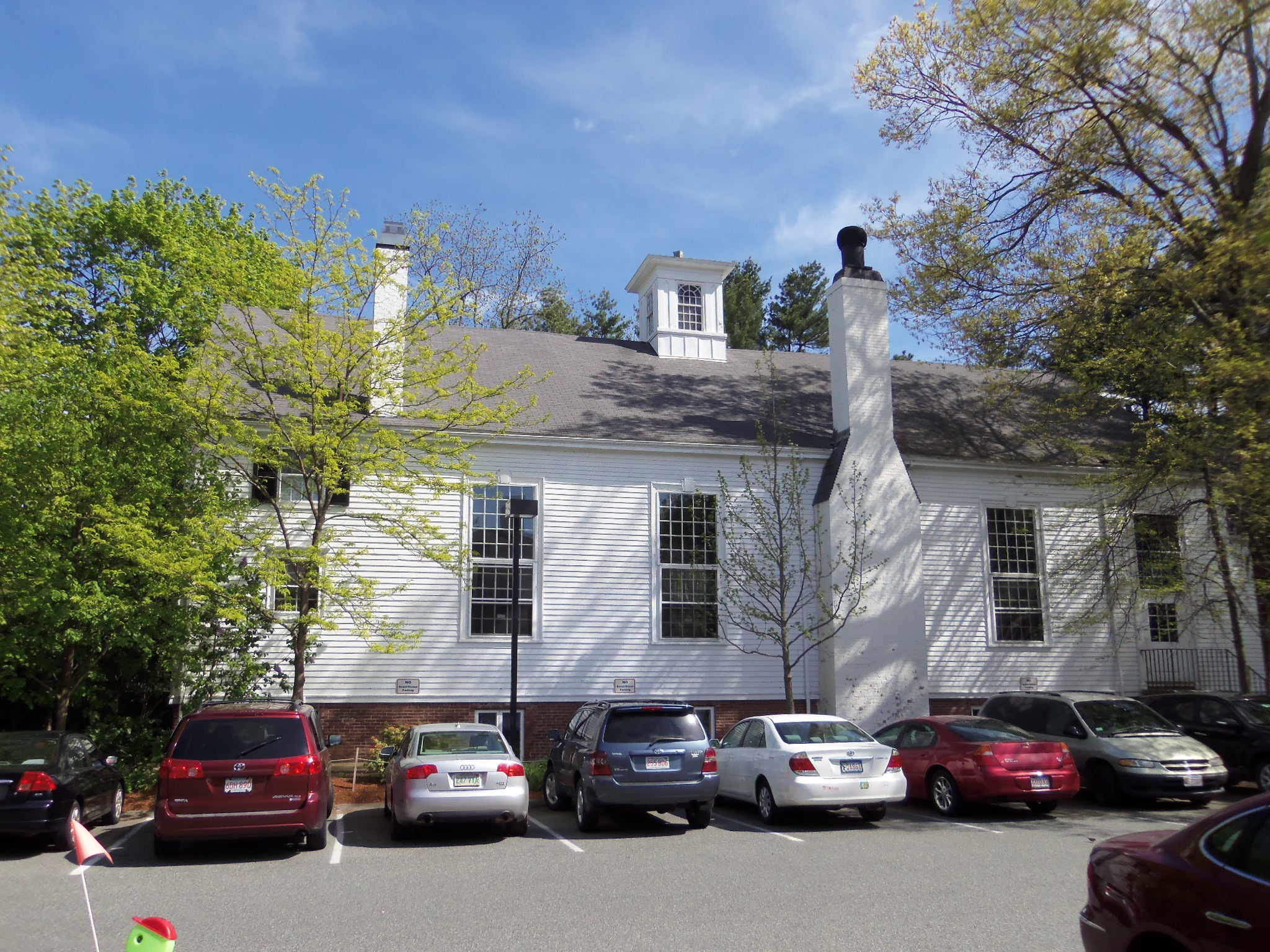
The tradition of New England contradancing flourishes inside the Scout House in Concord, Massachusetts – a former barn now owned by the Girl Scouts and rented out by the folklore enthusiasts. Monday nights are legendary, and weekends are packed.
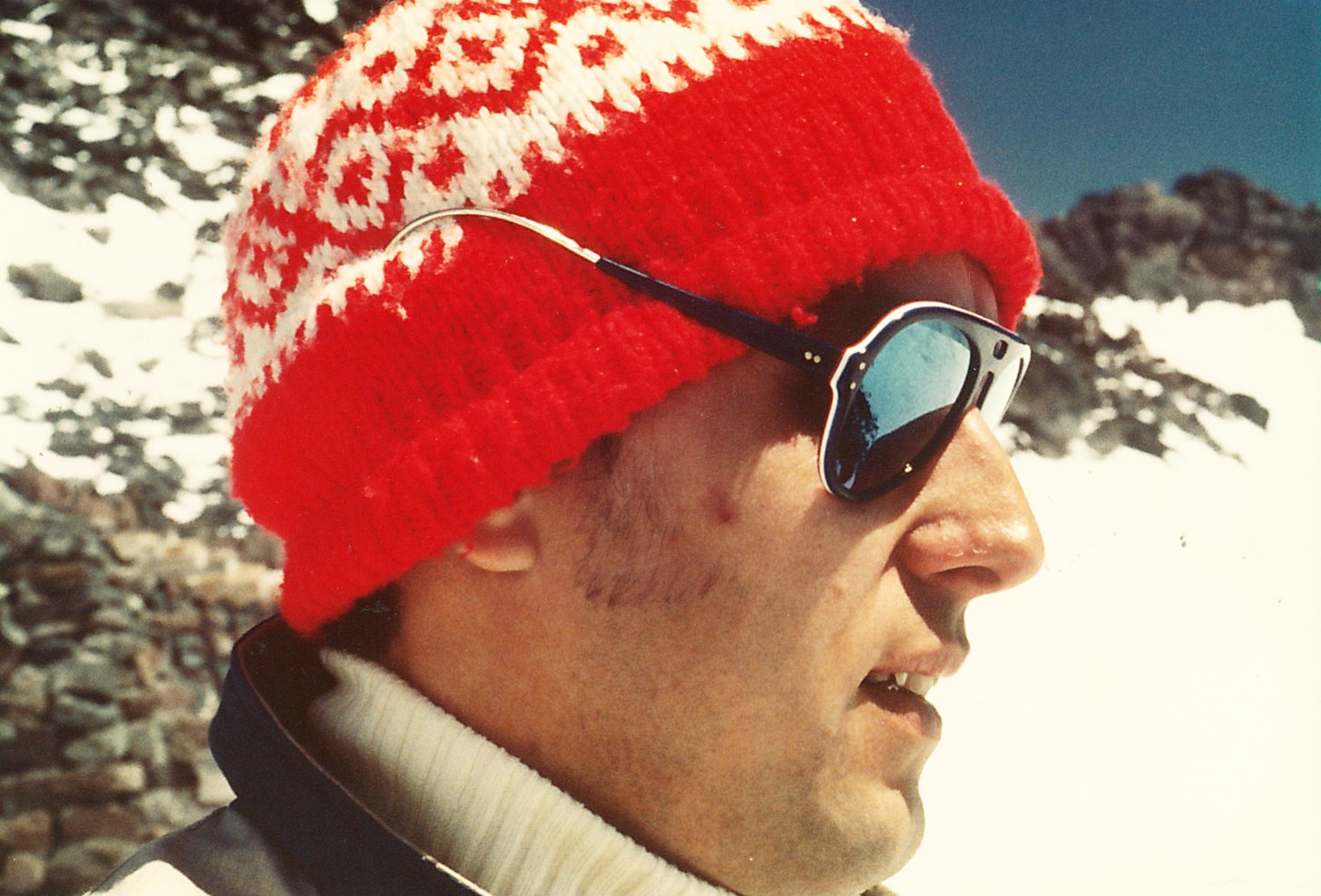
Seen from the side.
Seen from the side.


EVERYTHING HAS A PRICE?

Driving back from the coast along a rather honky-tonk stretch of highway the other night, my headlights flashed across this sign:

INTEGRITY
— —
FOR SALE

At least, that’s what I think it said. The two blanks, I’m finding, may have said Residential Brokerage.

Still, considering our public life today, the message is disturbing.

How do you read it?

LIBERATING IN THE END

A central question facing compositional artists of all stripes (in contrast to performing artists like actors, dancers, and musicians) is the matter of determining when a work’s finished.

How do you know?

Is just out-and-out satisfaction a measure? A trusty one? Hmm.

Let me suggest some others.

Sometimes it’s a sense that you just can’t go any further with it. And if it’s in a state beyond notes and fragments, maybe that’s it. You’ve hit a wall, a property line, or just the shore or riverbank. So you stop. Period.

There are times, admittedly, when you think something’s finished and put it aside only to find, on returning, it needs more – revision, for starters, and maybe additions and major restructuring. (A friend spoke the other evening of drafting a memoir in the third-person and then redoing it in the first-person, the kind of change I’ve done in some of my fiction. And Brahms had an early symphony that became a piano concerto, if I recall right.)

Working under a deadline can simplify matters. Time’s up! Next!

Nice, if you happen to have an advance or pipeline of delivery or the concert’s coming up.

Novelists might even find doneness appears as the time they find their focus obsessing with the book under the one they’ve been tackling.

Some poets will say that once it’s published, they can let go of it. Finito!

~*~

In the bigger picture, the “finished” question isn’t just about having a manuscript ready. For a writer, it’s ultimately about landing the work in a reader’s hands. A place where a dialogue can begin. And getting that manuscript from a polished draft into circulation can be a huge, energy-depleting limbo, especially if your life is filled with competing claims on your time.

In short, you can either focus on seeing that one work through to publication – or you can create the next one, while the inspiration’s still hot. For me, as I tried to balance my writing life with a journalism career, personal relationships, spiritual practice, and so on, I wound up with a huge backlog of finished material. At least I’d wisely not put off the writing for retirement, as had a number of colleagues I’d known – none of them ever managed to fulfill that dream.

What I did find, though, was that the unpublished work became a burden of its own. Its emotional weight inhibited new work. Why bother? It even had a way of twisting my sense of identity – who was I then and who am I now? Think, too, of the relationships that fed into one work – and the people I’m with today. As in lover or spouse.

So the experience of having my book-length works finally being published brings the “finished” consideration across yet another threshold – the matter of being liberated. I can let go of trying to hold that memory, treasuring that epiphany, honoring that friendship.

Should I have just trashed them long ago and moved on into other, non-literary endeavors? Just think of the hours that could have been directed instead to overtime pay, which would make my retirement more secure. Or travel or …

Maybe it’s just a case of hoping for acknowledgement. Hey, here I am!

Still, it’s what I’ve done.

What I have is a feeling of being true to a responsibility carried to its completion at last. What happens from here is, well, liberating any way it goes.

ON THE ROAD AGAIN

We’ve entered vacation season (not that we Friends don’t travel widely throughout the year). While it also means that our attendance is likely to be down through the summer, it also means we’re likely to have visitors from, well, just about everywhere – people I expect we’ll welcome warmly.

It also means we’ll have the opportunity in our own travels to attend other Meetings, something I strongly encourage. For the truly adventurous, worshiping with Friends in the “other” streams can be stimulating and thought-provoking. A pastor? A choir? Hymnals? I always learn something. Last time, it was silent singing. Another time, that the Evangelical Friends can have just as much of a cat-herding condition as we do. Memories of a humorous exchange with the baritone sitting next to me in the choir.

There’s also a curiosity about us, too. “Why did you choose us?” – that, in the pastoral meeting style, rather than the unprogrammed worship a dozen miles away. I could have given any of a dozen reasons, but eventually got down to the part, “Besides, I have the book” – meaning a collection of historic essays and oral histories made before the village was flooded by a Corps of Engineers dam, and the new meetinghouse built out along the highway. And then, in the give-and-take of quick conversation, receiving that priceless look and gentle reply, “It’s all fiction.” As a writer, I had to laugh, knowing all too well how difficult it is to get any story right. The quick exchange followed by some suggestions of sites to poke about afterward, if I had time.

I come home with a renewed appreciation for every visitor who ventures through our doorway. With a little more flexibility in our own open worship. With my own additional chapter to a well-used book on the shelf behind me. And with an expanded awareness of our body as a Society of Friends.

YET ANOTHER PILE OF OBSOLESCENCE

Years ago my father gave me a small metal cabinet with 18 one-inch-deep plastic drawers, each 2.5-by-6 inches. It was intended to hold screws, nuts and bolts, and other small items for the household repair shop – but mine wound up in my studio, where it holds small items of the writer’s trade. An artist’s pencil sharpener, push pins, souvenir fossils and flakes of mica, fountain pen cartridges, staples (for the stapler), a measuring tape, clothespins, business cards, foreign coins, colorful paperclips in both small and large sizes.

The last item – three of the drawers, in fact – recently stopped me cold.

Not so long ago, or so it seemed, I started collecting them at the office as we went through the mail. My literary work at home included a hefty dose of correspondence – not just submissions, either – and the bright-color clips seemed a much brighter option than the usual shiny steel in circulation.

As I gazed on them this time, though, I started to wonder what I’ll really be doing with them. Submissions are all done online these days, as is most correspondence, even of the personal streak. Maybe I’ll clip materials together when offering a workshop here or there, but I’ll never go through my stash.

Add to that the manila envelopes and cardboard backing, the loud bursts of colorful folders and binders, even the three bottles of typewriter correction fluid.

Not too long ago I wanted more filing cabinets, but as elder daughter informs me, folks can’t even give those away these days. Besides, I stopped printing out manuscripts long ago. Talk about downsizing?

Makes me wonder what’s next to go. Not that I’m really comfortable with any of these changes.

CIVIC PRIDE

A former school.
A former school.
And another.
And another.
And yet another.
And yet another.

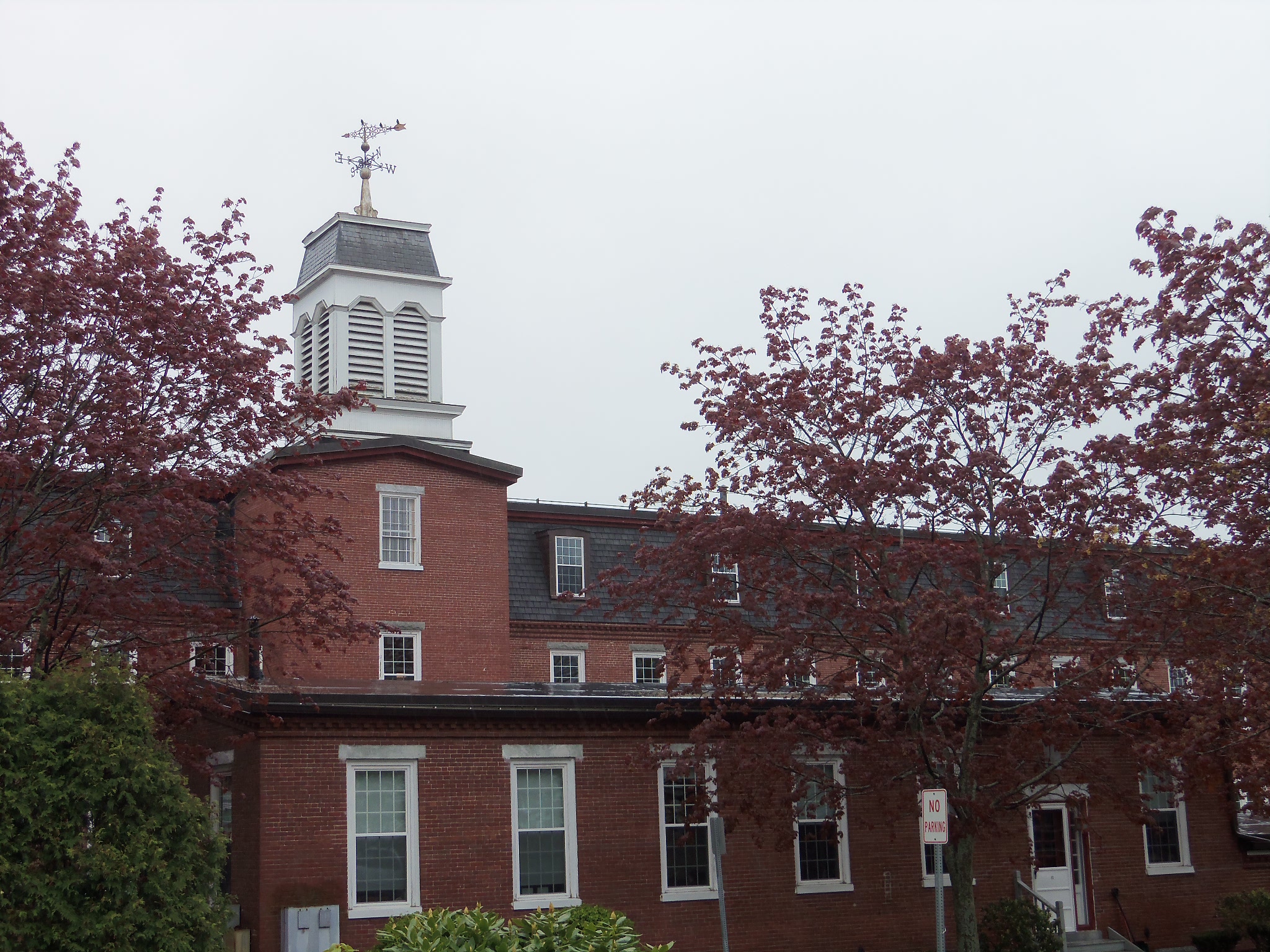
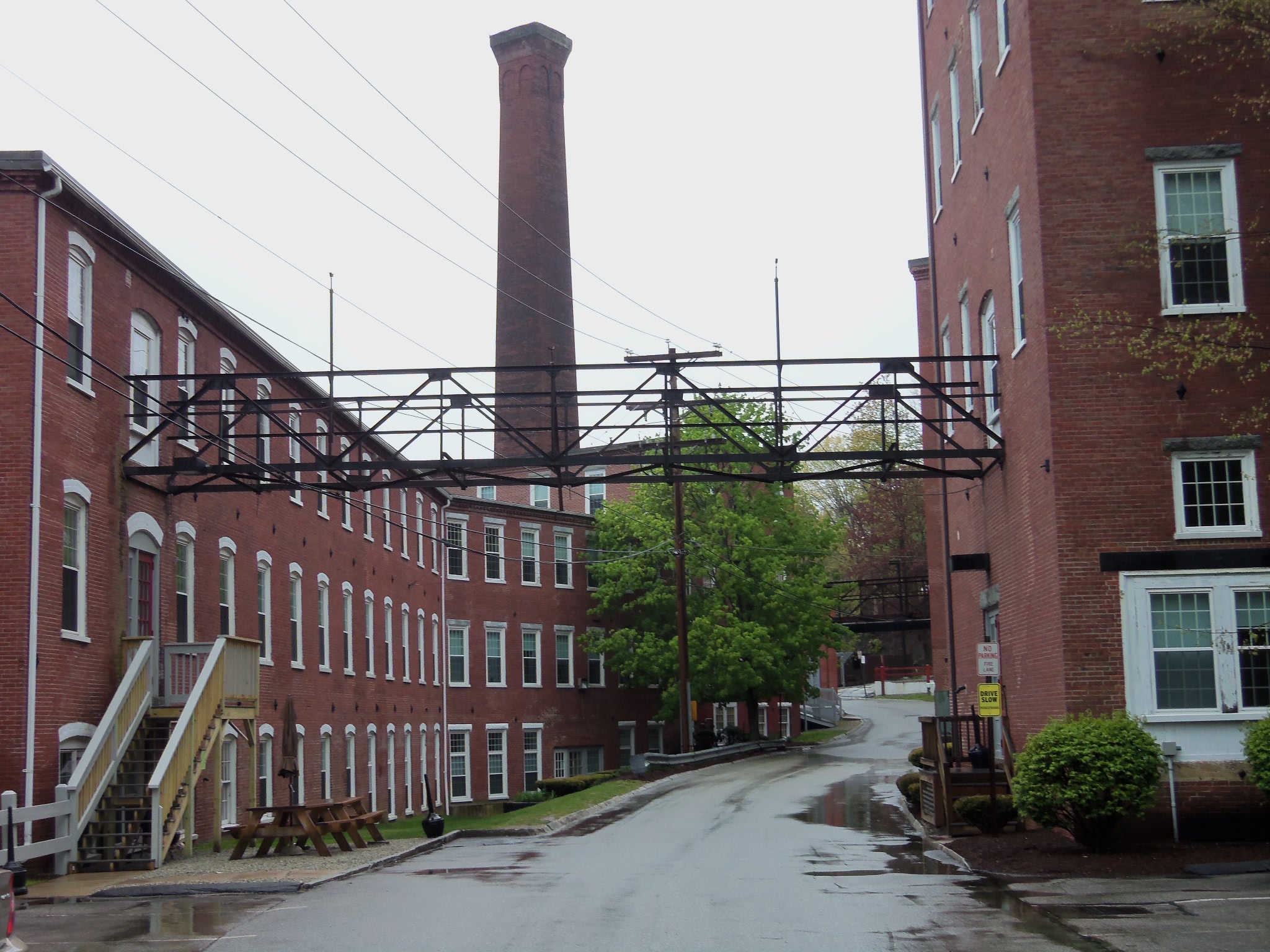
As municipalities emerged in the 19th century, the populace often took pride in the local identity – and this was reflected in the craftsmanship and details adorning their public buildings.

Dover's old waterworks.
Dover’s old waterworks.
Stained glass windows in what was the high school's chemistry lab. It's now a community center.
Stained glass windows in what was the high school’s chemistry lab. It’s now a community center.
Don't forget the central firehouse.
Don’t forget the central firehouse.

RADAR VIEW AND THE EXPERIENCE

Looking at the forecast a while back, trying to figure out whether we’d actually be hit by thunderstorms, I played with the radar view on the online map and saw – for the second or third time in as many days – some heavy activity in Upstate New York. The stuff that was headed our way.

Brought back some intense memories of my first summer after college, when I was living with two others in a neighborhood that fluctuated between Italian during the day and black ghetto at night. Much of it, I should add, has since been leveled, at least from what I see in the satellite photos of the neighborhood.

We lived on the second floor, with a porch on the front that overlooked the street as well as windows in the parlor and dining room that looked out into the foothills – or mountains down the valley, as this flatlander viewed them. Still, it seemed that most late afternoons that June included a dramatic thunderstorm rolling in. The mountains would disappear in swirling gray and then emerge in slices, at best, before becoming whole again. It was nothing like anything I’d viewed in the Midwest.

The radar, of course, doesn’t present that part of the experience. But for me, at the time, it was magical.

Don’t think I’ve ever viewed a thunderstorm quite the same since, either.