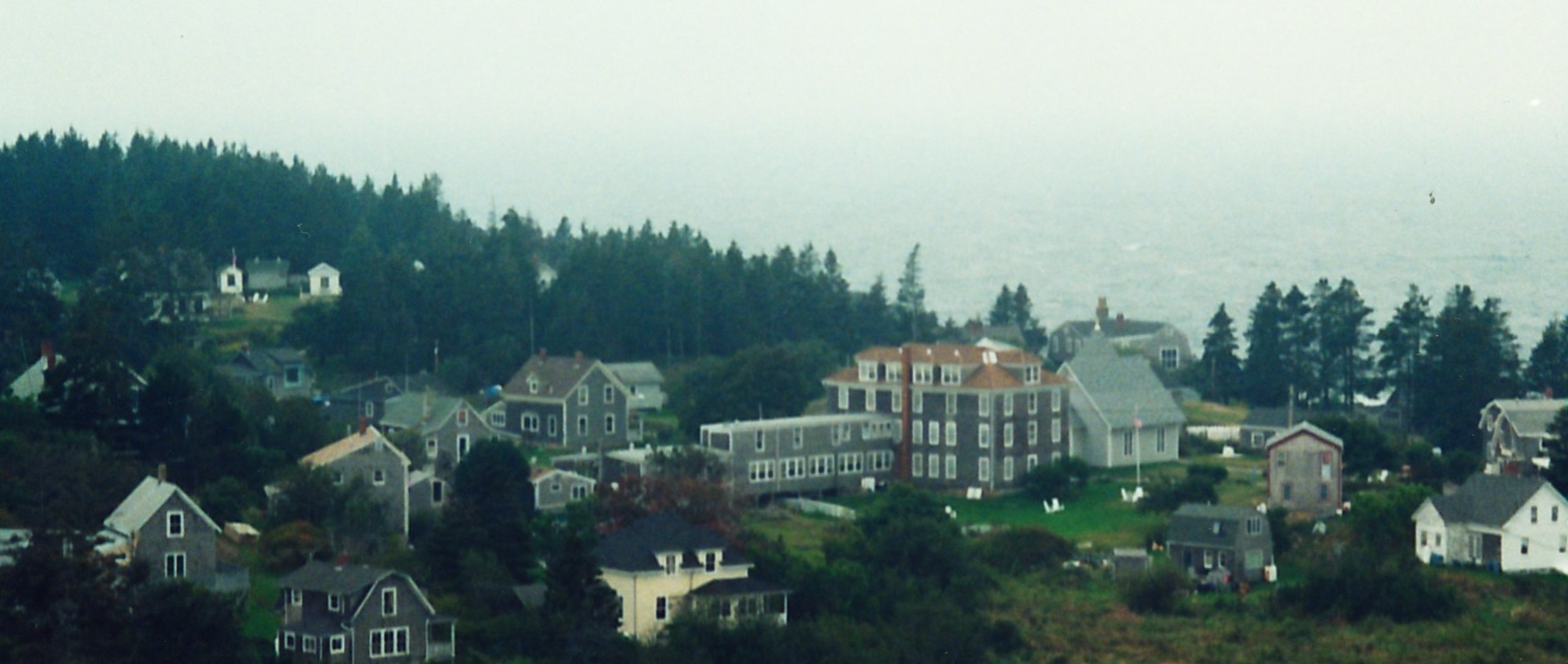
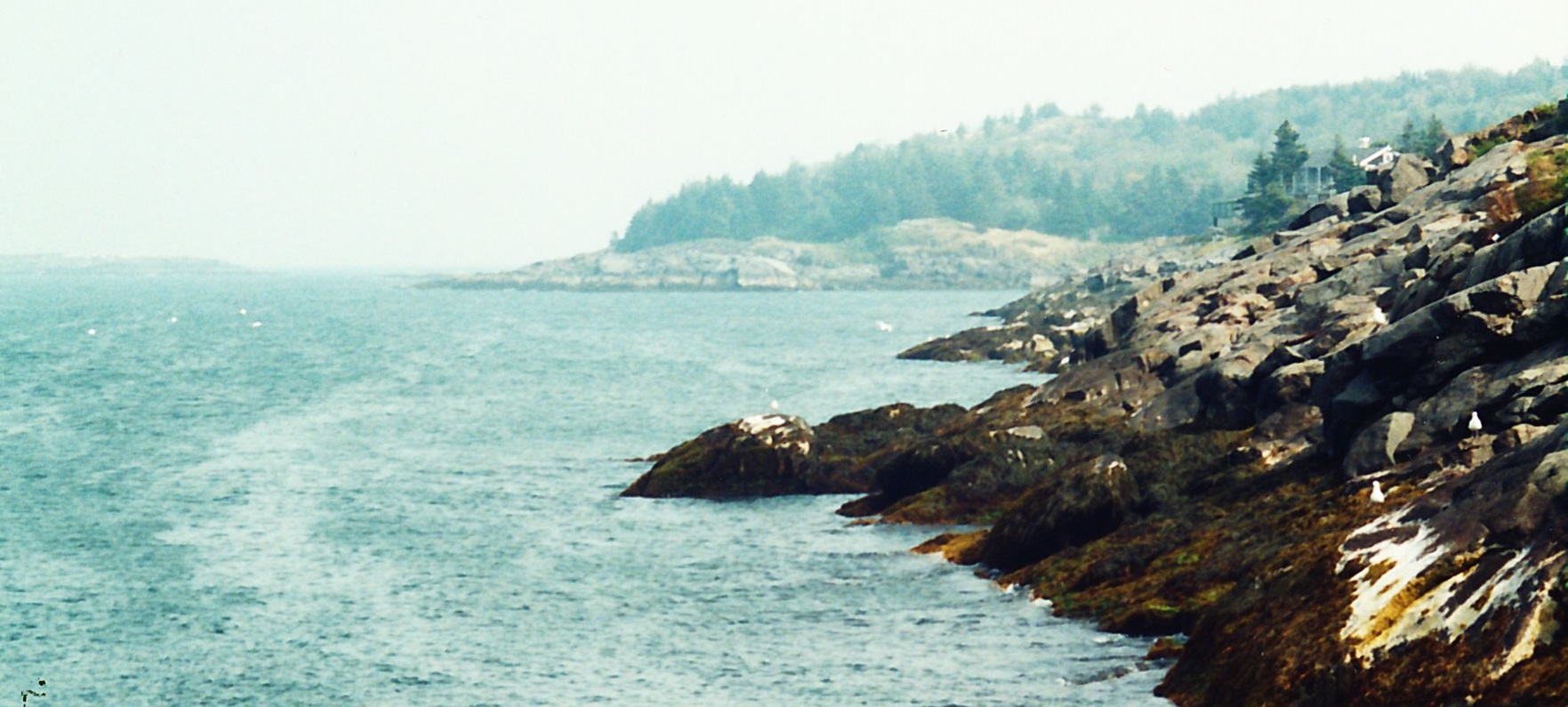
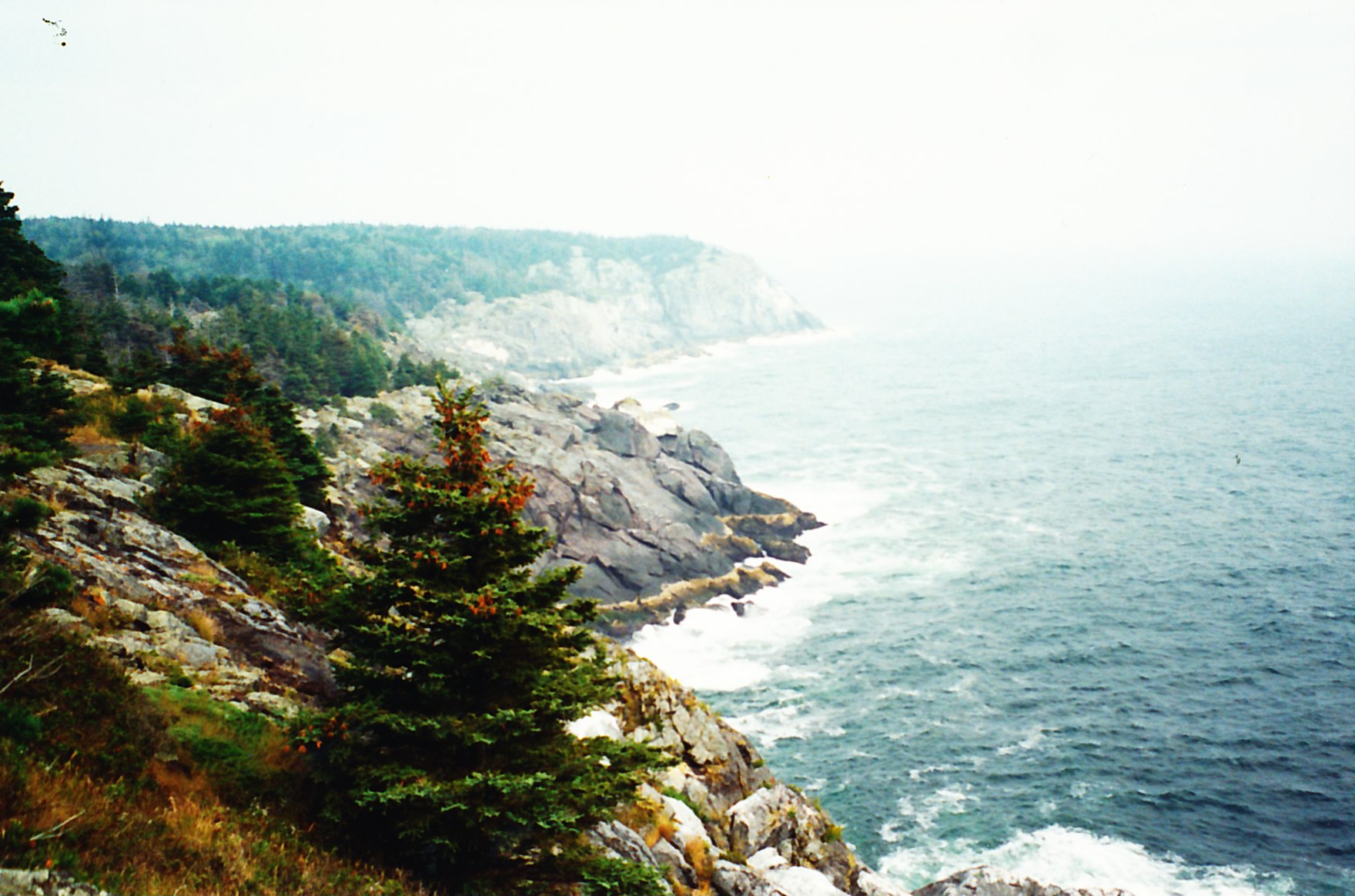
 There’s a romantic allure to the idea of living on an island, and Maine has more than its share. Still, a day visit can be memorable.
You never know what we'll churn up in cleaning a stall
There’s a romantic allure to the idea of living on an island, and Maine has more than its share. Still, a day visit can be memorable.
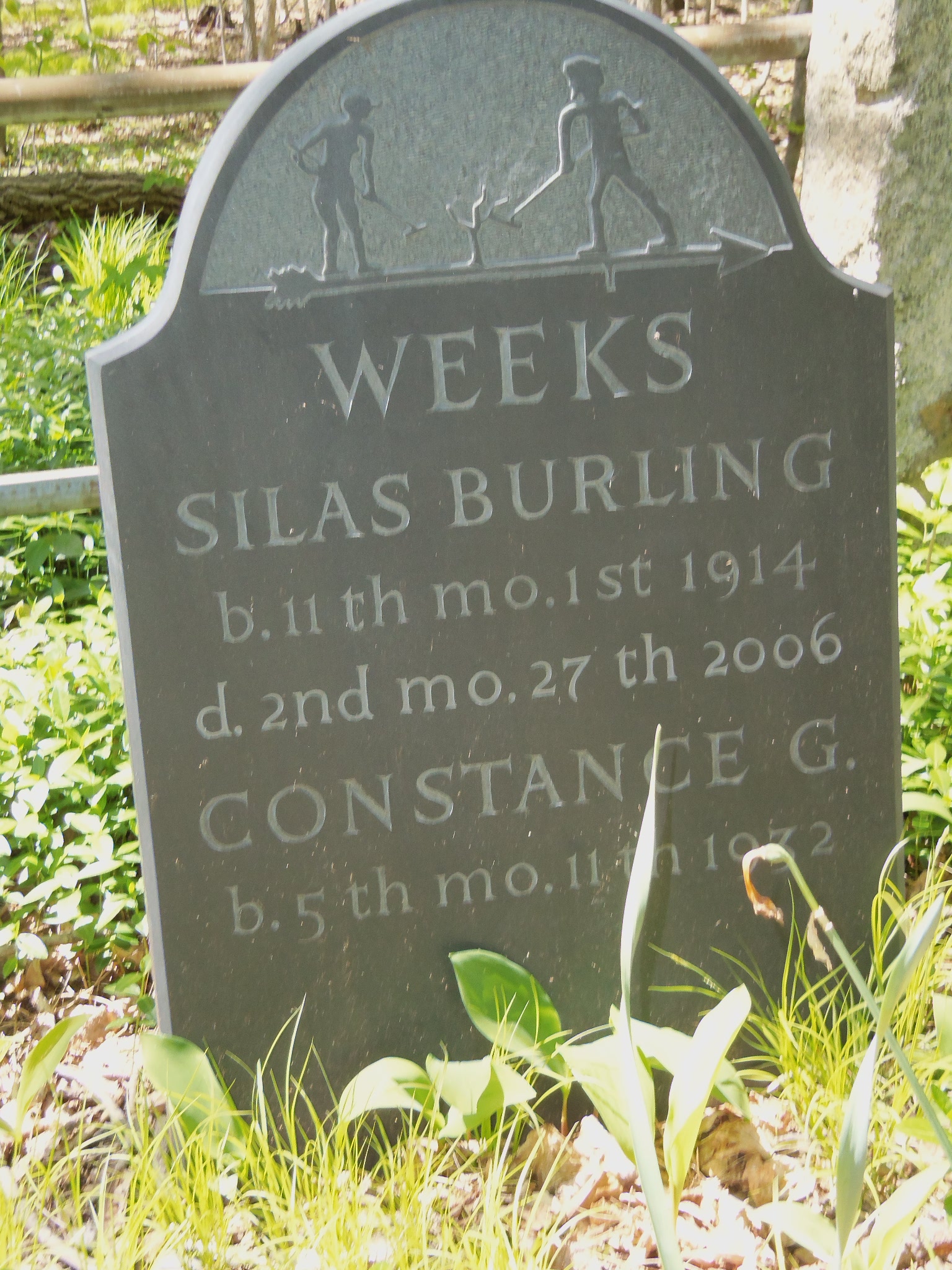
Sometimes an image says everything. I remember sitting on the green at Bowdoin College one afternoon during Yearly Meeting sessions and looking out to see a line of boys marching along the far sidewalk. Four or five, maybe six of them, ages somewhere between eight and 12, and determined with a destination. In tow, perhaps twice their height, was another, hunched forward in his gait, a man obviously grinning to be part of such a mystery – Silas Weeks, of course. Who knows what they had to reveal to him? Only that it must have been important – very important, in ways that remain veiled or part of that precise moment.
The fact that they were leading him, rather than the other way around, says a great deal about trust and openness, in both directions. Even the role of affirmation. Everything so natural and rare.
Silas was one of those “old Quakes” who had managed to become A Character, in the best sense of the meaning. He was already well into retirement by the time I relocated to New Hampshire, and remained a force in Dover Meeting for much of the next two decades, despite his growing deafness. He was one of the handful of Friends who reopened the meetinghouse to weekly worship in the 1950s, after its use had become irregular for several decades, and he faithfully served it in many capacities, including clerk, over the years. That’s not to say he couldn’t be stubborn or cranky, but he did manage to get Friends moving on a project. Thus, his passing at 94, though not unexpectedly, brought a deep sense of loss to the meeting.
“Silas tells funny jokes,” is what Eli Abbott, 13, remembered.
Silas stories were bountiful, within and without the meeting, and there’s no way I could begin to tell them all.
When majoring in community development at the University of New Hampshire, however, one of our friends had Silas for her academic advisor. She remembers being honored to be part of a group of students invited to a social gathering out at the farm, until he announced on their arrival that it was time for potato planting – and then pointed to the spades. For them, it was an awkward situation where nobody could say no freely. The next semester brought another invitation, this time accompanied by the revelation that it was now harvest time for the spuds.
Apparently, there was no ill will. After learning that they shared the same birthday, however many years apart, these two begin meeting for a dinner each year to celebrate together – not always on the exact day, but as close as they could manage – a tradition that spanned three decades. And she still keeps a garden, in response to his lessons.
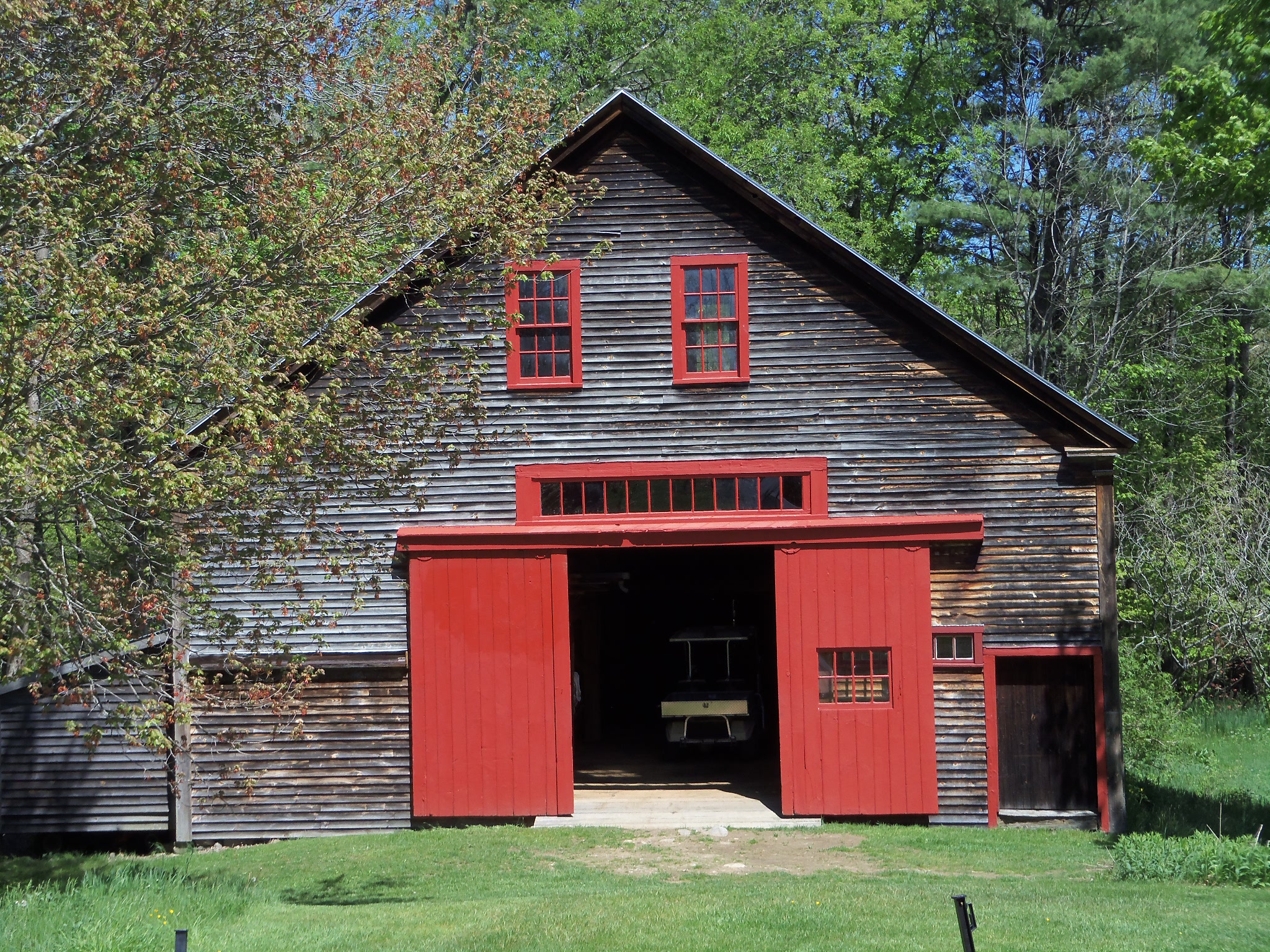
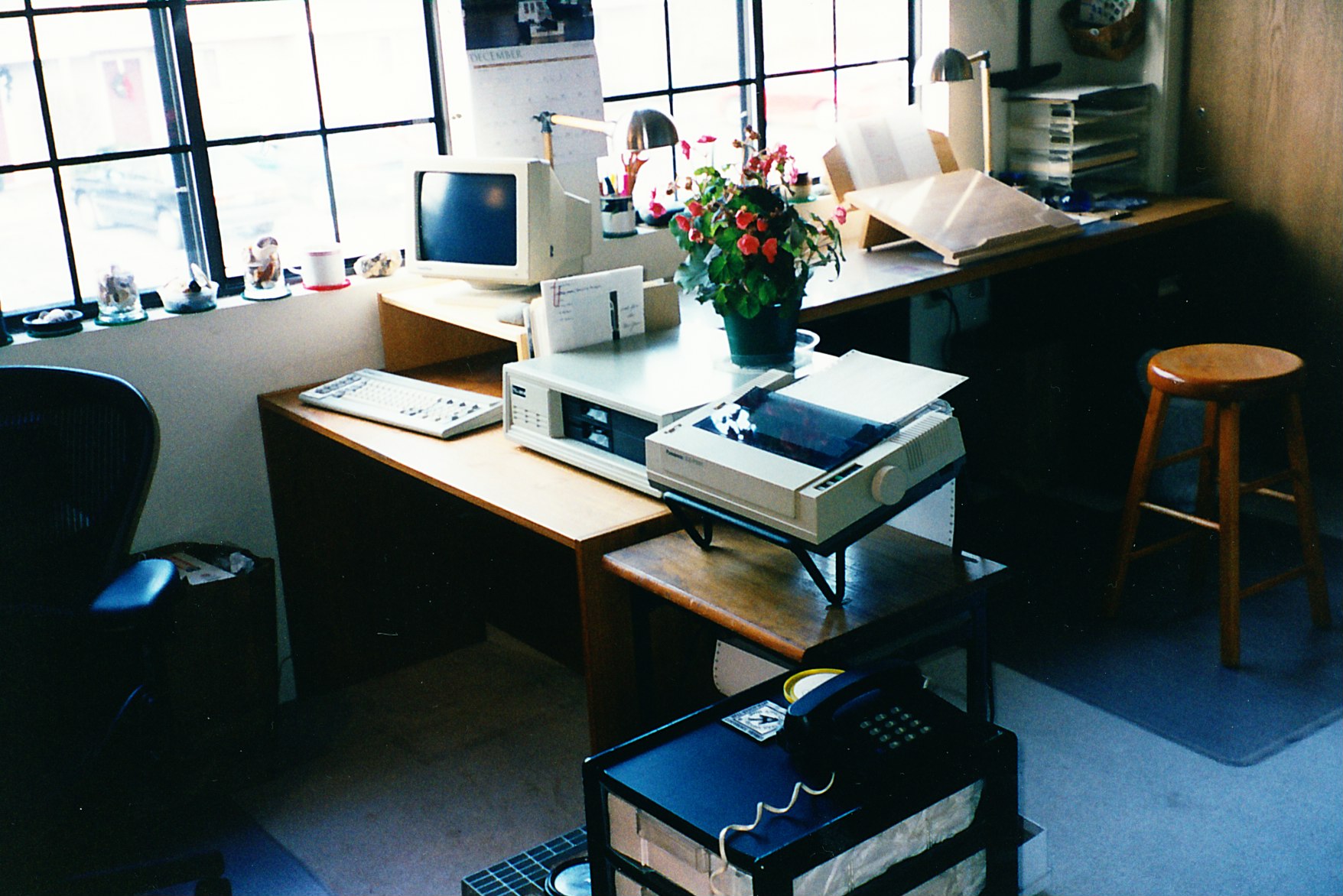
For a decade, I lived on the highest point in the city of Manchester. Sometimes I called the development Yuppieville on the Mountain, but its views of sunsets could be stupendous. There was even a city-run ski lift on the other side of the freeway.

When it comes to my novels, any resemblance to actual persons is greatly exaggerated … meaning it’s truly fiction, not fact.
Of course, they way they see themselves, or did, is also far from any reality.
The places, of course, are rendered with perfect faithfulness.
~*~
For a free copy of my latest novel release, click here.
In his book of essays, Life Work, Donald Hall divides our labors as jobs, chores, and work. Jobs, of course, are done for income; chores, the things that must be done to keep a household running, are gratis; but work, he says, is done out of passion, and if we’re really lucky, it even pays our bills. In other words, work energizes us.
Another poet, Gary Snyder, uses the term, The Real Work, which is also the title for a book of his own essays and interviews. There, he argues that real work is a matter of attention and focus, as well as finding our unique place in the universe of the moment.
From the Shakers’ “hands for work, hearts for God” practice, I would add that real work is not rushed, but rather proceeds at a sensible pace, without too much concern for “productivity”; real work includes times for reflection and play. Otherwise, you’d never conceive and create things like a circular saw or clothespin. And, increasingly, such work is rarely found in the workplace. (Job-place?)
From a conference representing three different strands of Quakerism, a statement from one of the Evangelical Friends has stayed with me. She differentiated between “church work” and “God’s work.” One, she explained, was agreeing to teach First-Day School because an adult body was needed; the other was a response to something deeper and fully engaging. In Hall’s view, one was a chore, while the other was work.
Nominations time will approach all too shortly. Yes, our pool of available bodies is shrinking and aging. Still, I’ll ask that you search your heart for the ways you might respond to God’s work in our midst. (As clerk, I was more and more amazed by the range of skills needed to keep this building and its activities running!) Look especially at the little ways this might play into your own larger Life Work – and for ways we might engage playfulness into our labors, transforming chores into the real work.
I’ve spoken of what I call the parable of the geese – the image of our clerks, rotating in the lead so that none get exhausted. My turn, your turn, his turn, her turn. And to think, the birds fly almost as fast as cars on the freeway. Maybe it’s another image of the perfect Meeting. In one of the first quarterly meetings I clerked, as I looked out from small table at the high bench in the Henniker meetinghouse, I thought, Look at all those former clerks! It was my turn, and I felt comforted to know I could trust their guidance.
So who’s leading the geese? And how do they decide in their lineup? I can’t decide if they’re barking or laughing as they fly, but they sure sound like they’re having fun – coming or going.
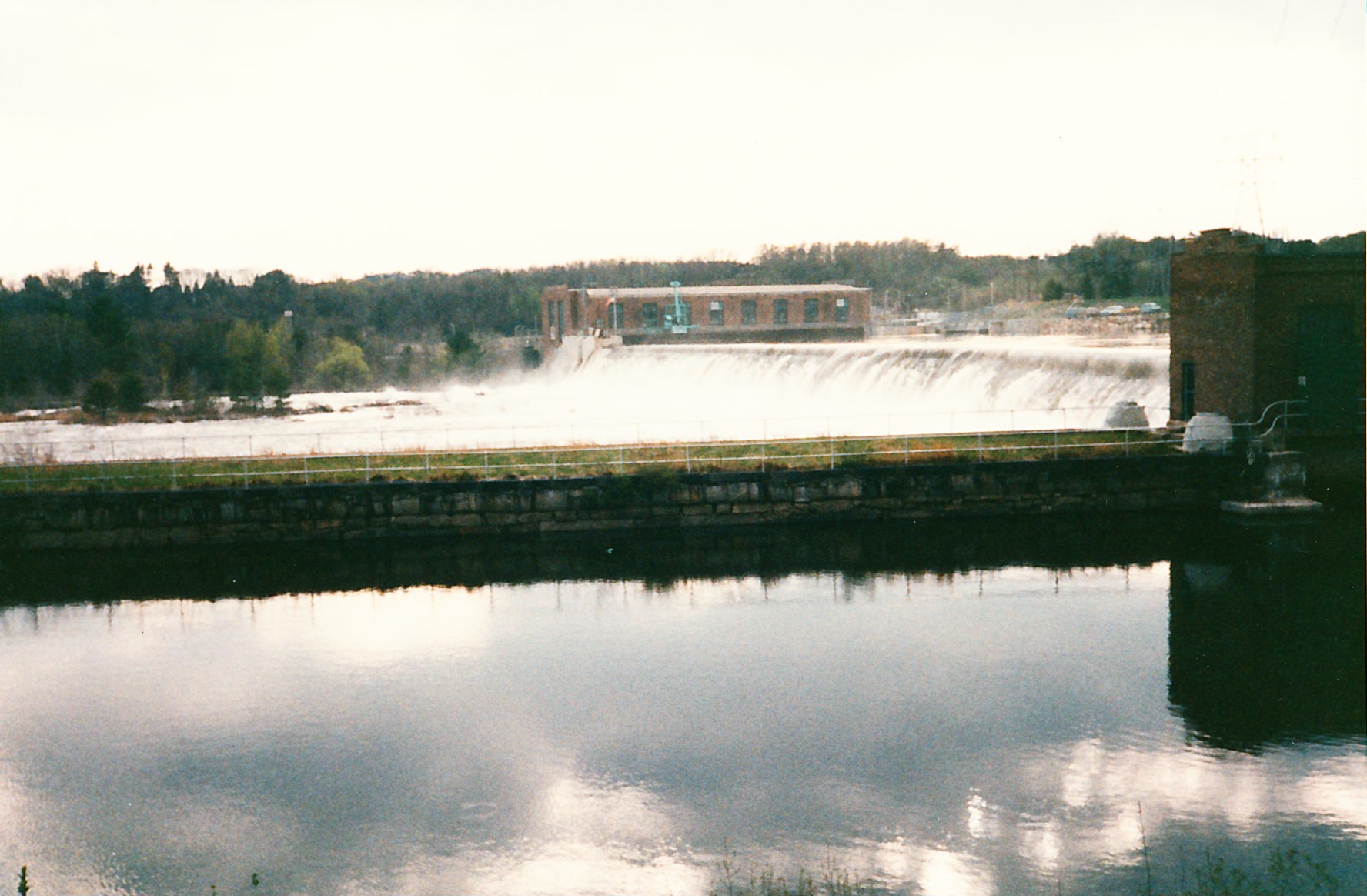
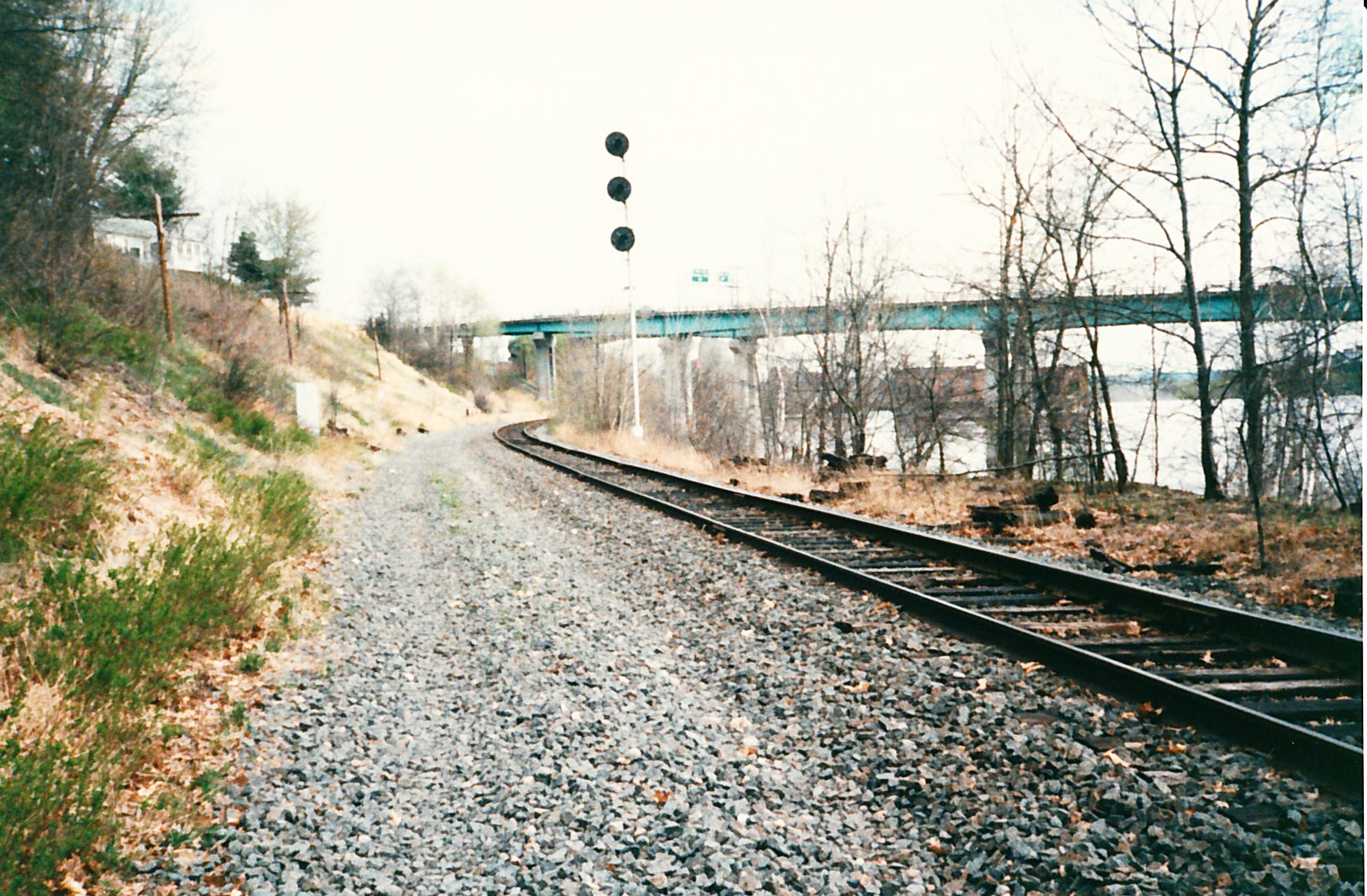
For three years I lived along the banks of the Merrimack River, a primary energy source for 19th century New England industry.

Jaya, in Promise, isn’t the only character in my fiction to address a concept I’ve dubbed the DLQ, or Dedicated Laborious Quest. But she does, I’ll argue, come closest to aspiring to an artistic expression for its encounters.
The DLQ, as I envision it, is the long-range discipline of spiritual pursuit, one that can be found in any number of variations in any number of religious, artistic, social activist, or even athletic lines of action. It’s a blending of heart and head, body and soul, awareness and discovery – the poet Gary Snyder refers to something similar as the Real Work, for instance, or maybe simply “daily practice” will touch on it as well.
One of Jaya’s concerns is a search for a fitting vehicle to embody the experience. Essays are too prosaic. Poetry? Sometimes. Drawings or paintings? To a degree. Maps of a kind? Getting closer, I’d hope.
Even so, I’ve wanted to leave the ultimate form she uses open to the imagination.
And then, more recently, I came across something that comes closest. An exhibition of Shaker art and artifacts at the Farnsworth Museum in Rockport, Maine, introduced me to what are called Gift Songs or Gift Drawings or Gift Paintings, which take their name from the faithful artist’s position as a medium receiving the song or design from a deceased member of the sect (that is, given) to be conveyed to another, living member of the sect (also, as given). To be appreciated, these must be seen in the original, full size, since much of the detail gets lost in reproduction. Sometimes the words are in a secret, private language and alphabet. Sometimes they blend. The lines flow, turn upside down, sideways. The works are sprinkled with artwork as well as words. Are they magical? Or simply mysterious?
Whichever, they spring from a tradition and discipline and practice to utter something deep in the heavenly desire and earthly community of a particular recipient.
I can tell you Jaya would have been most impressed. Definitely.
 ~*~
~*~
To turn to my novel, click here.
As I said at the time …
Yes, your substantial, thought-filled, and most welcome letter arrived. You fire off in so many facets I’m tempted to send off separate replies, one in each envelope. Or maybe try subheads instead, to be read in any order you desire. But that would appear too formal for this ongoing conversation.
Yes, one insight or comment stirs a dozen others – I’ve been talking to you in my daily commute, and now maybe some of that ought to reach paper and then your mailbox.
All these years later!
Having all of the presidential hopefuls at hand, as we in New Hampshire do during our unique primary season, comes at a price. Not just the traffic congestion as candidates race from one site to another or the advertising that clutters on the airwaves or the willingness to venture as outsiders into hotbeds of supporters. No, the more vigilant and responsible of us spend hours of personal time and gallons of fuel driving to scheduled events to meet the hopefuls in the flesh and see how they respond to public concerns. It often means arriving early to get a seat while knowing all too well the star of the show will arrive late, and not just by minutes.
And then, sometimes, you get there only to find the parking lot’s empty – the event just got cancelled. We could name names here but won’t.
Let me say, though, you get a much different view of them up-close and in-person than what you’d otherwise obtain. Especially when they’re off-camera and pulled away from the script.
It’s mildly amusing to see how many of my fellow bloggers apologize when they haven’t posted anything for several days. Or weeks. Or months.
I want to cry out to them, “Don’t worry!” And then, “No need to apologize!” After all, there’s no shortage of material on the Web or even here in our WordPress networks. Nobody’s paying you to write, there are no hard deadlines you’re required to meet, you’re not being graded. The whole point is to have fun and then, if time allows, share your experiences and insights. In reality, few of us are keeping track of who’s posting daily … we just enjoy reading good stuff when it’s there, especially when it’s coming from a circle whose company we enjoy.
That, I should emphasize, is the crucial detail: post when you have something to say, not just to fill space.
Unlike many of you, I have a whole lifetime of writing to fall back on, but as you already know, the Red Barn is a different kind of blog, one with its own mission. And accept my thanks for stopping by when you visit. Especially those of you who leave comments, where I never know what to expect.
Now, what’s on the menu for tomorrow? We’ll see. Maybe I need to step out and check the garden.

