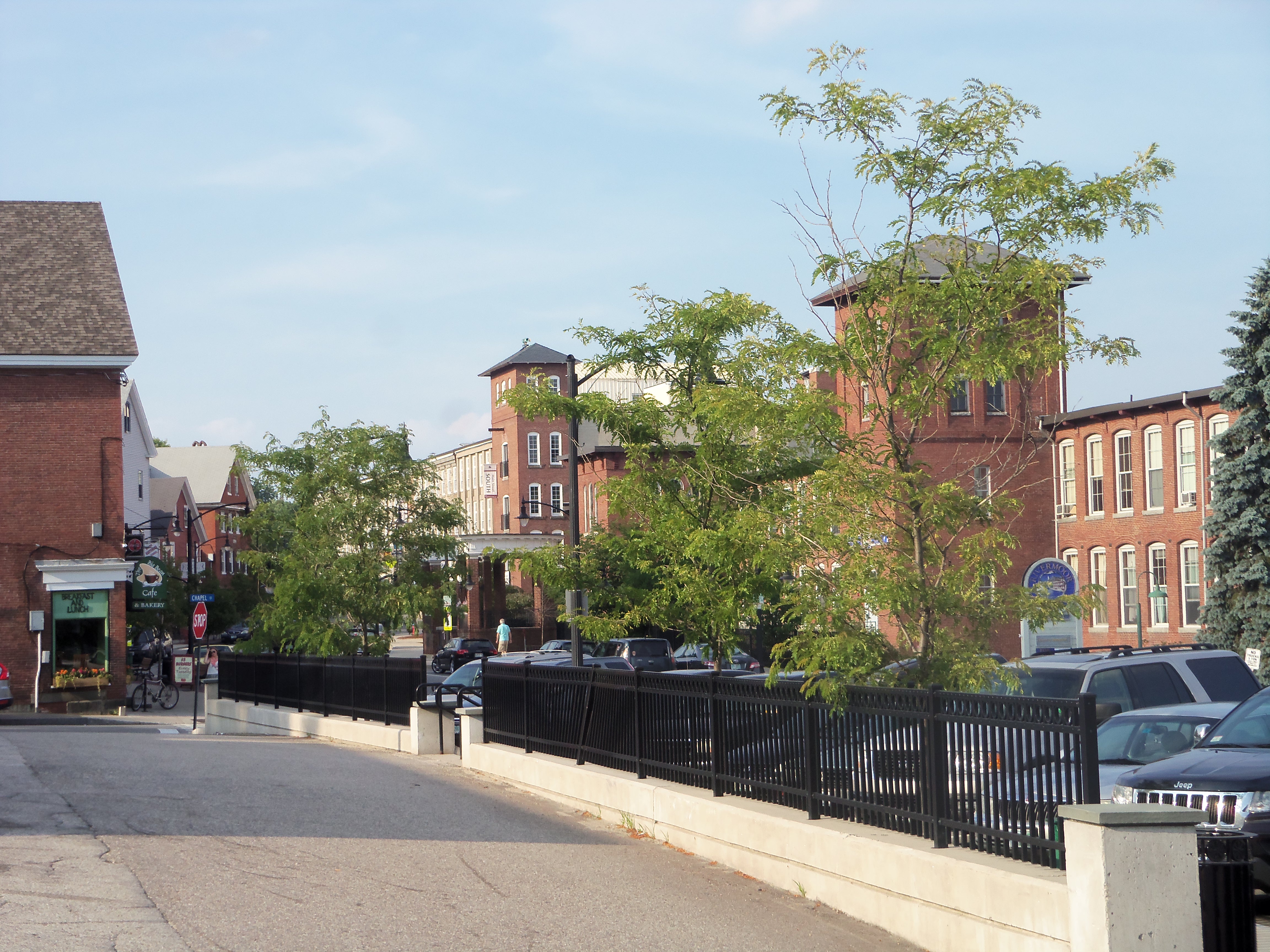
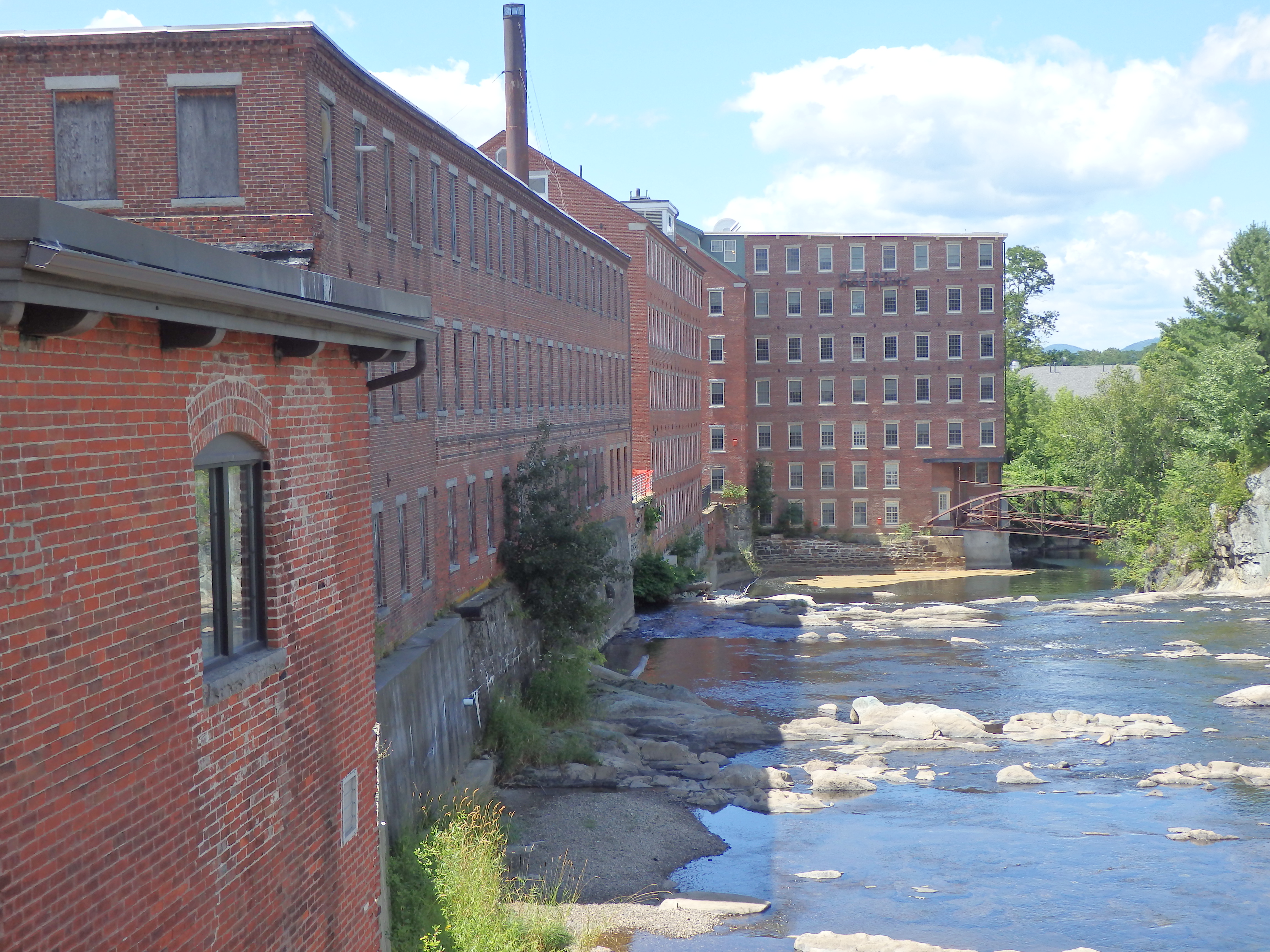
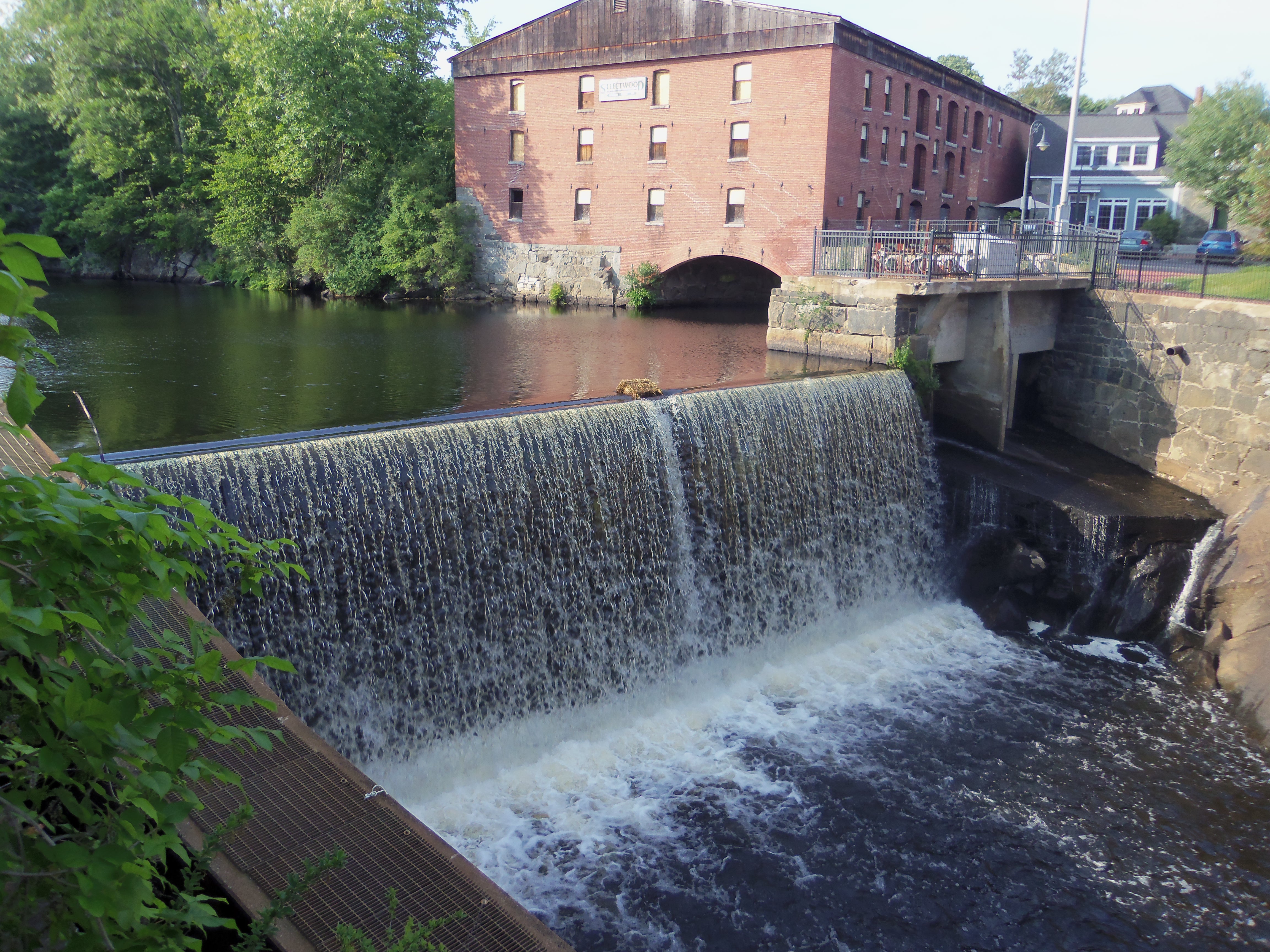
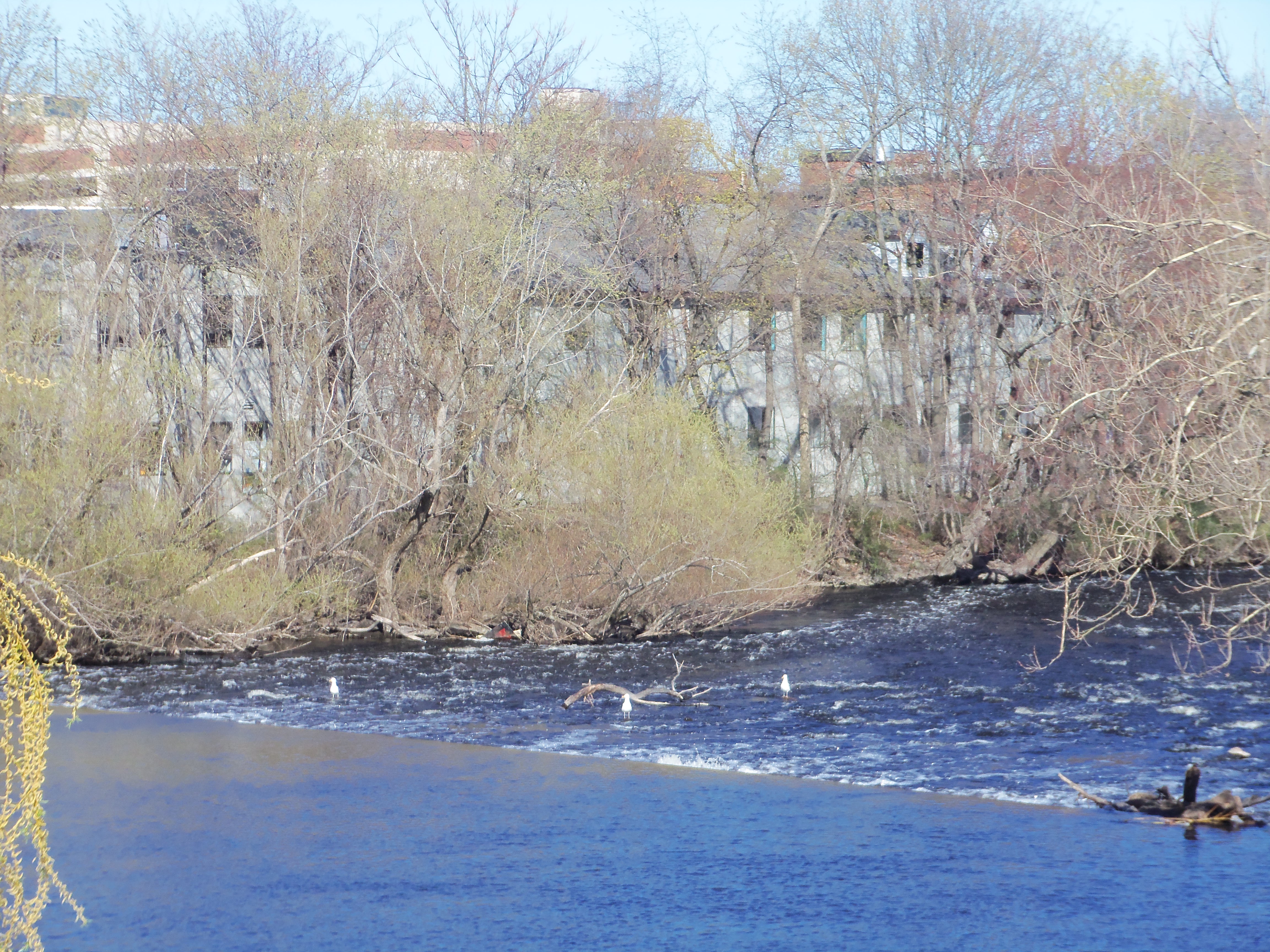
When I see this …

… I think of this.
For the free ebook novel and more, click here.
You never know what we'll churn up in cleaning a stall
When I see this …

… I think of this.
For the free ebook novel and more, click here.
Within a religious tradition – I’m tempted to say any religious tradition – there are wise, seasoned guides. The ones who know from their own faithful practice what temptations and struggles the aspirant will face and how to overcome them.
Known in the various traditions as guru, swami, roshi, rinpoche, abbot, mother superior, bishop, or simply elder, among others, the best of these are adept at listening and then asking the right question.
In doing so, they hold the individual and the spiritual teachings together. As I know from my ongoing Quaker practice and earlier training.
These poems pay homage to that role.
For a free copy of the chapbook, click here.
A year into swimming in Dover’s indoor pool most weekdays, I’ve settled into a routine. For each length of the pool, I engage a different stroke in a sequence of freestyle, breaststroke, sidestroke (my left side going in one direction and right on the return), and backstroke – in part to help me keep count of how many laps I’ve completed and in part because I find my freestyle – or Australian crawl, as it was called back at the Y of childhood – is my most exhausting and thus wouldn’t get me very far in a session. These days, by the way, the glorious butterfly stroke is out of the question, except for members of the high school swim team in the next lane. (Yes, I can say I swim with the swim team. I just can’t claim to swim on it.) So 18 laps – or 36 lengths of the 25-yard lanes – gets me a bit past a half-mile, my daily goal. Decent enough for my age, I suppose. Even if the younger swimmers are doing circles around me.
But another realization has set in. Some days that half-mile is longer than others. Which also means some days it’s shorter. That is, internally speaking, distance loses its universal, mechanical measurement. And it’s not necessarily a factor of how much time it takes me to swim those laps, either. This old body runs on its own clock or its own speed. With measurements that can be surprisingly rubbery.
All I can do is keeping plugging away and hoping I make it to the finish line. Wherever it is.
When I see this …

… I think of this.
For the free ebook novel and more, click here.
More than zoology prompts these poems. The human imagination runs wild across the range. Up the mountain. Into the sky. Down in the sea. Under the earth.
To run along, fly along, swim along, sing along, crawl along, click here.
It’s all in our nature, too.
When I see this …

… I think of this.
For the free ebook novel and more, click here.
In college, I went through a soul-searching crisis that questioned whether we could justify subsidizing symphony orchestras or opera companies or art museums and the like in light of the economic inequities in our nation and world. And then I noticed how much of an entertainment industry flowed through the ghetto and Third World, too. That is, everybody has art (even those old Quakers, in a few restricted forms) — it’s not necessarily about money but a need for expression. And all of the emotions and aspirations that go with it. As well as the big bucks, for the big jobs.
In my trials after college, I eventually found myself moving among Friends and then, in time, a few who had grown up under the old restrictions that banned fiction, theater, and even music. Harsh as the old discipline was (and I could have never lived under it), there was also a valid criticism – especially of the superfluous nature of so much of the artistic effort and the egotism so rampant in its ranks.
Maybe the early Friends saw, too, how much the arts were a function of the royal court and its fashions. Or a gilded church. Even the way arts were used to veil the upper crust from the populace and its labors. It turns outs the original Quakers were also picking up on a dialectic from the earliest days of the Christian church, one that contended acting arose in counterfeiting thoughts and actions, many of them of an evil nature.
Within the memory of Quakers, at least, the fine arts have come a long way from the 1650s, pro and con.
Still, proscribing many of the arts did focus Friends on other matters, including abolition and nonviolence. It channeled creative energy into mathematics and science, architecture and industry, poetry and journalism (“We Friends only read true things,” as one Quaker purportedly said, regarding a neighbor’s stack of novels). Go ahead, tally the other fields.
On the other hand, how much of our own focus is deflected by our apparent indulgence? Or how much of it is enriched and deepened?
So how do we make peace with that seemingly artless side of our legacy? Let me suggest we begin with a consideration of “only true things” in our practice. Back to the deeper expression, the part that reflects Truth that goes beyond quantifiable facts. We might even begin with questions of quality or justice or compassion. And then, as they say, the plot thickens.
I dream of a kind of writing that approaches, well, dreaming. A narrative of free-floating, widely associative surrealism that’s richly informed by fomenting emotions.
So the other morning I was somewhere in the vicinity of what I report in my novella, With a Passing Freight Train of 119 Cars and Twin Cabooses, and having coffee with an ex-boss, maybe even at the same cafe frequented by John Wycliffe and Hieronymus Bosch in my book. We were too far from the ocean to be considering his sailboat, so we must have been discussing a story in the works. Or maybe politics or updating him on office gossip, now that he’s moved on.
Next thing I knew, we were joined by Jerry Seinfeld – as he was on the show, who knows what he looks like now – and an invisible stranger. Jerry started telling me that’s not how he would have constructed the scene under consideration in my new story.
“When it comes to going to the dentist,” he said, “I would make it as awful as I could. Everything has to go wrong.”
But that’s not how it happened, I want to reply. It’s not true – not true to the facts.
“So?” I can hear from his end. “Wouldn’t it be true to the dream? And much funnier?”
He’d have a point. I’m still thinking about it.
For the record, let me say – there are no scenes with dentists in my novels. And maybe just two or three poems with the hygienist.
For this volume and more, click here.
As one traditional Quaker query was read aloud during a meeting for worship, one of its phrases began echoing within me: “Truth in the heart.”
How remarkable! Not in the head but rather the heart! Truth, which we see so often as ground in facts and logical consistency, is now assayed not in the brain but rather in the core of our affections.
As early Friends used the word, Truth is much more of a verb than an immutable object. Think of the progression from true to truer to truest. Maybe you can sense that motion in the slightly fuller expression of that day’s query, asking if we, individually and as a group, heed “Love and Truth in the heart” …
As I said, a remarkable phrase.