When I see this …
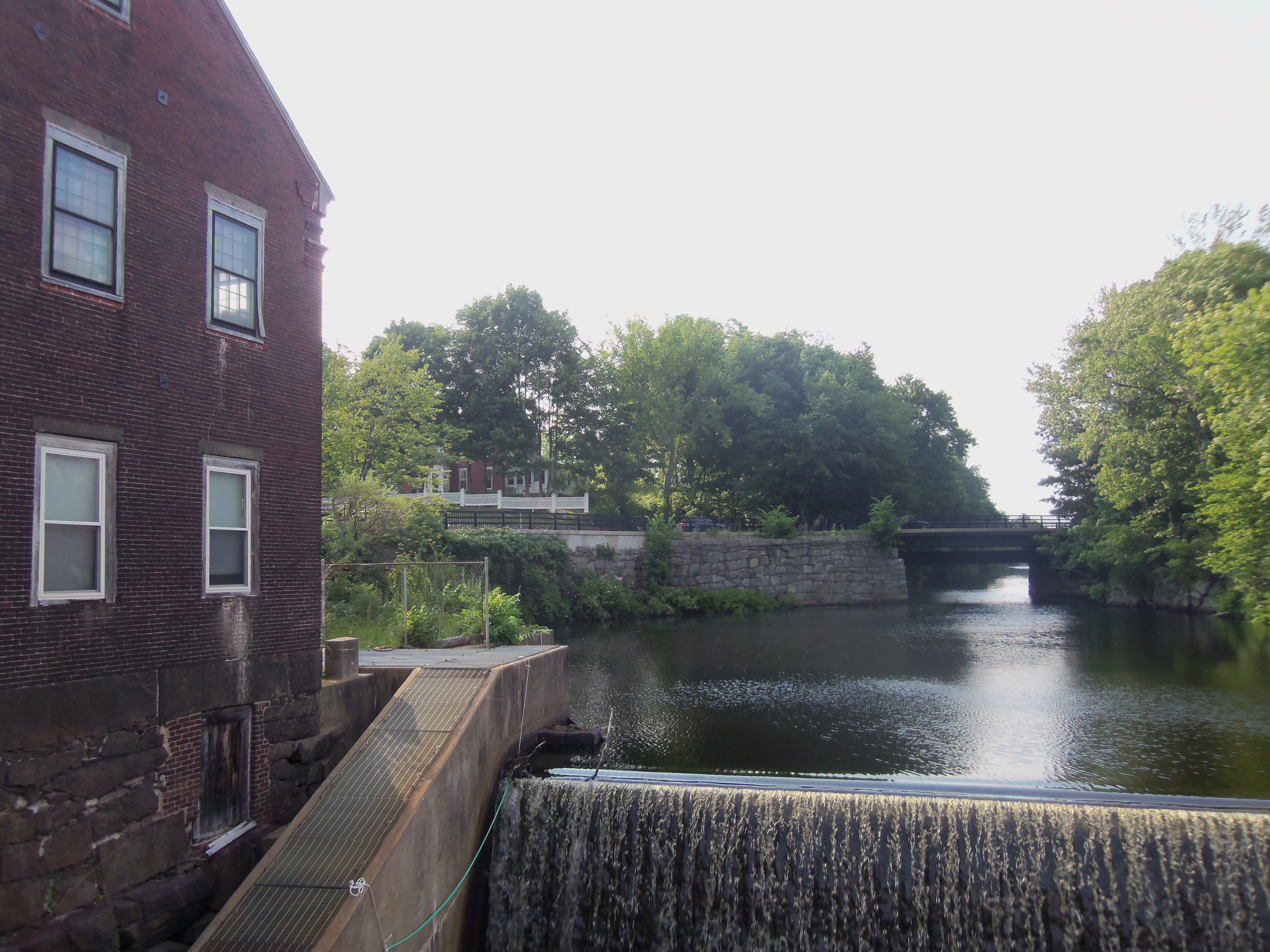
… I think of this.
 For the free ebook novel and more, click here.
You never know what we'll churn up in cleaning a stall
When I see this …
… I think of this.
For the free ebook novel and more, click here.
When I see this …

… I think of this.
For the free ebook novel and more, click here.
In spiritual traditions, being an elder has nothing to do with chronological age. I’ve known some who are barely in their 20s.
It has everything to do with wisdom and compassion, along with a talent for asking gentle questions and listening deeply. Each one guides the individual to deeper experience and holds us all together.
They are found across the spectrum, from Asian streams of Buddhists and Hindus to Sufis and Muslims to Jews and Christians, where I’ve known them especially among Quakers and Mennonites.
Here, then, respect and honor the elders and the work they do.
 ~*~
~*~
For your own copy, click here.
Understanding that we don’t see light itself but rather what light illuminates opens a fresh way of envisioning the divine Spirit of life.
As I examine the writings of the early Quaker movement (Society of Friends), I find a remarkable wisdom emerging within their application of the metaphor of Light and through that, an alternative Christianity itself.
Consider the argument and then its applications.
 ~*~
~*~
For your own copy, click here.
When I see this …
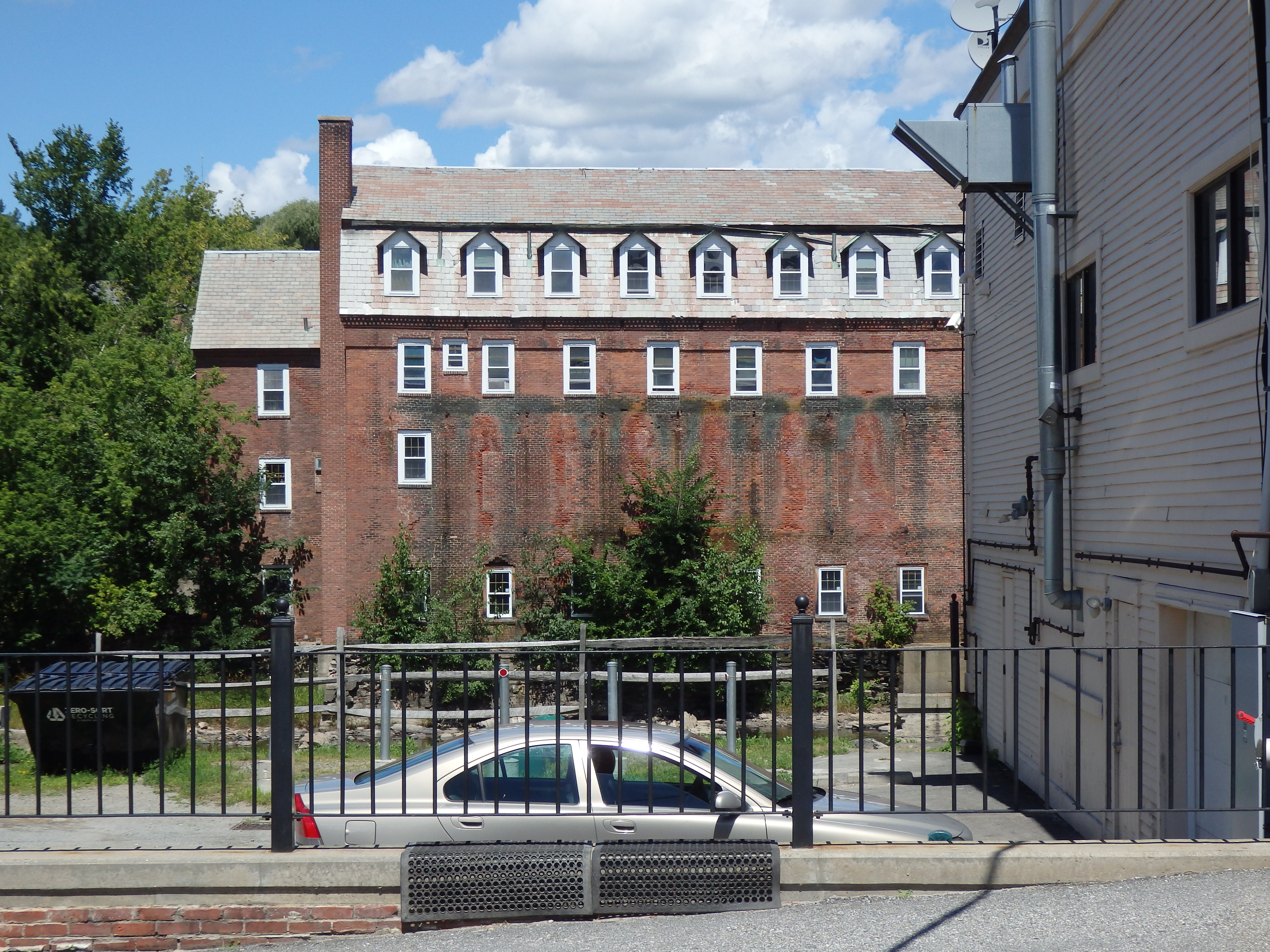
… I think of this.
For the free ebook novel and more, click here.
You never know what you’ll find when you start rummaging around in an old barn. That’s how they found the 1776 grandfather clock made in Lancaster, Pennsylvania, decades later covered in grime in Montgomery County, Ohio. The one that fascinated me as a child, climbing to the top of the farmhouse stairs. The one, as Cousin Wilma later demonstrated, with such sparkling, ethereal chimes.
So here we are, in my own barn. Not nearly as big or as old. The rafters themselves far less sturdy.
Some of us have backbones. And some don’t.
We all breathe in some fashion. And eat.
Protozoa, echinoderms, annelids, mollusks, arthropods, crustaceans, arachnids, insects, fish, amphibians, reptiles, birds, mammals.
Welcome to the club.
 ~*~
~*~
For your own copy of my animal nature poems, click here.
For the past four years I’ve been a member of the bass section of a remarkable community chorus in Greater Boston. We rehearse weekly through much of the year and find ourselves performing in public when occasions present. Most recently, it was as part of a summer solstice event hosted by the Harvard University museums of science and culture.
Known as the Revels Singers, we’re under the umbrella of the Boston Revels organization, which is best known for its annual Christmas productions at Harvard’s Sanders Theater.
George Emlen, the Revels music director for the past 32 years, founded the community chorus four years ago as a way to keep much of the Revels’ repertoire and spirit more active and visible throughout the year, augmenting the pub sings, concerts (spring and fall equinox and summer solstice are duly observed), educational outreach programs, harbor cruises, and the like.
And now he’s retired. How do you replace a skilled and enthusiastic conductor, one who reaches out to know his performers and their families as well? How do you replace an insightful composer and arranger or a collaborator on creating a new show every year for Christmas? (The last one was set in Wales. The next has a Cajun-Acadian base.)
It’s been an emotional year for us. At the final show of the Wales production, George was given a curtain-call, something the directors never do, preferring the applause be for the cast of singers, actors, and dancers ranging from very young to, well, admittedly old. The well-earned roar that greeted George matched what James Levine might hear at the Metropolitan Opera at the conclusion of a Ring Cycle. It was amazing. He’s touched a lot of people over the years.
For me, every rehearsal has brought new perspectives on music and music-making, from his improvised warm-ups (they’re never the same, and I wouldn’t want to sing without them beforehand) to the discoveries and interplay we share in pieces that range from the 12th century to the present, spanning more than two dozen languages and both classical and folk disciplines. How does a conductor remain patient while incrementally yet continually raising the level, anyway? We were good to begin with, but now? It’s a much higher standard than we would have had any right to imagine.
One eye-opener for us was the opportunity to audition the four finalists from the applicants to succeed him. Each was assigned three pieces to introduce to us in an hour-long rehearsal – one from the Renaissance or earlier, one from the American shape-note tradition, and one from world folk. As we found, each conductor was quite different, having something unique to bring to us. We could also sense how the fit might or might not work, which in itself was a revelation.
What I can say is that we’re excited to know that what George has established will continue and grow. We’ve had an opportunity to rehearse a full session with our new music director, Megan Henderson, and it feels like a match made in heaven. But then, as she says, we all share one thing in common: we all love George. She understands what she’s inheriting.
He plans to focus on composing, but I can’t imagine he won’t be in demand for guest conducting or teaching or travel in the arts. We all wish him and Jan all the best.
~*~
To view a video tribute to George by Michael Kolowich, including an interview and footage of productions George conducted, go to Revels.org.
When I see this …
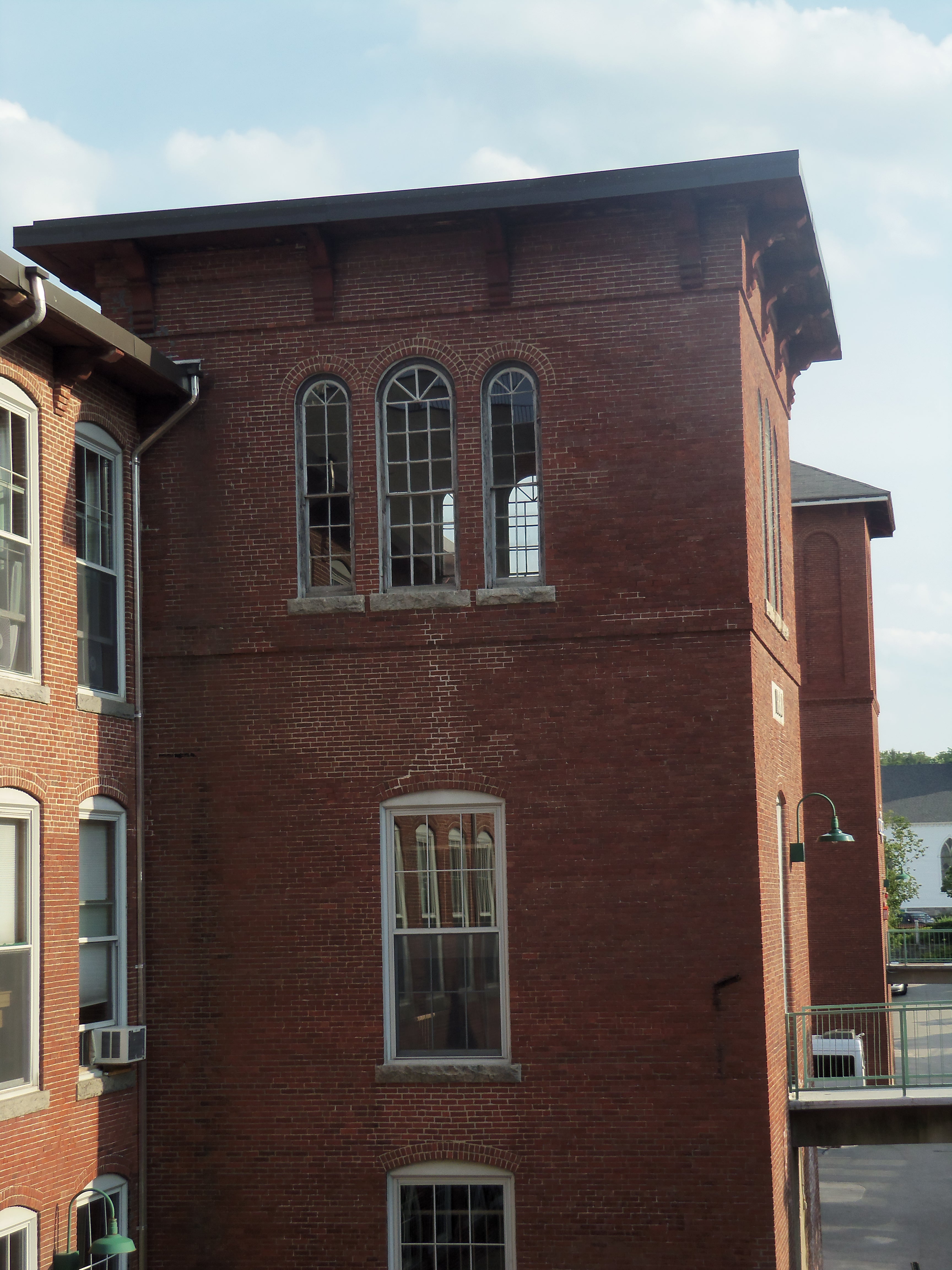
… I think of this.
For the free ebook novel and more, click here.
When I see this …
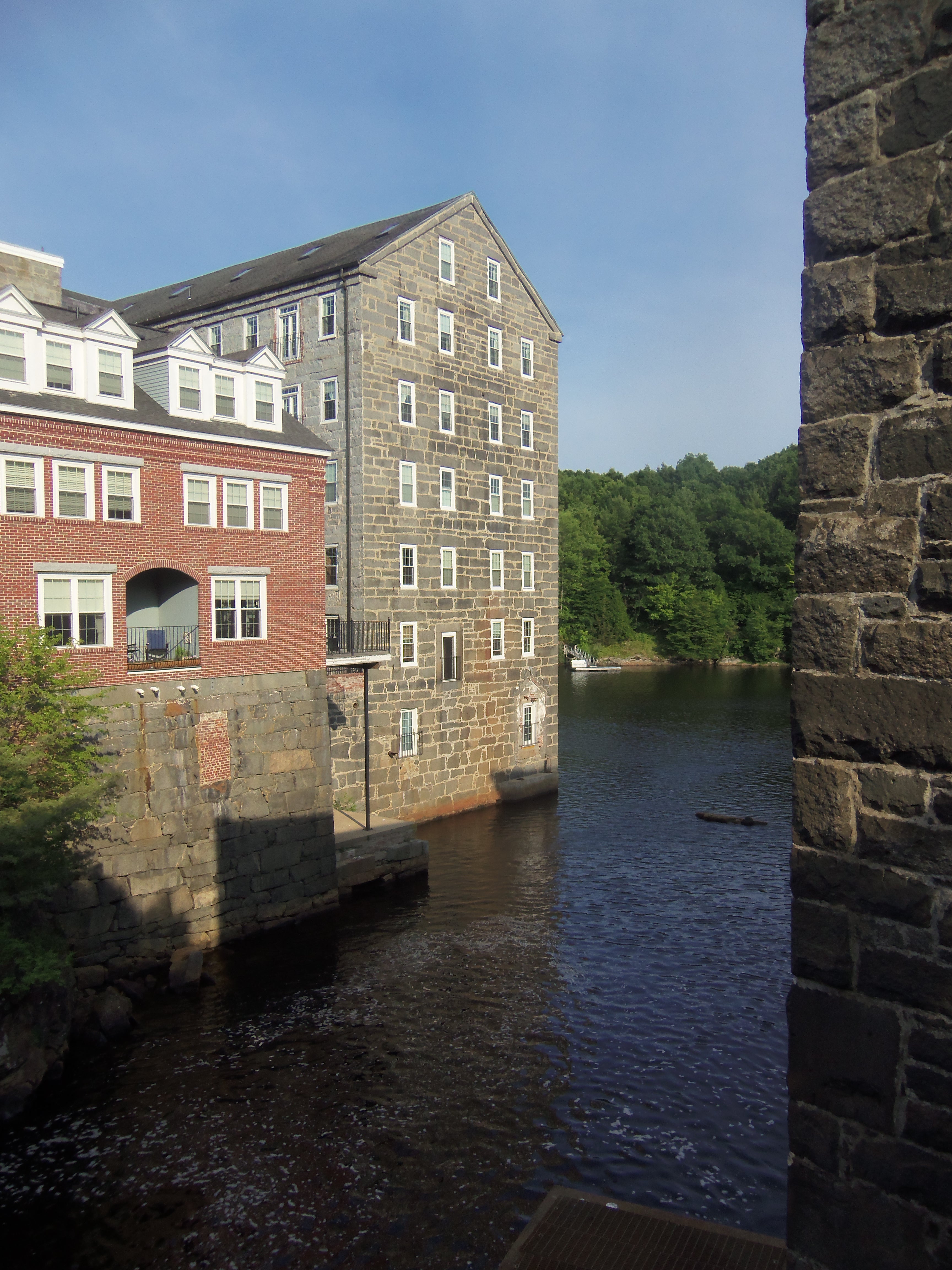
… I think of this.
For the free ebook novel and more, click here.

