Oh, for the glory of pickles!

Not everybody shares my delight in pickles, at least the kind you put on sandwiches, but I pile them on, when I can. I’m not much for lettuce there, by the way – I prefer that as a separate salad.

I like the crunch and acidity the pickles add, or even the sweetness, depending on the variety.

My wife grew up in Mount Olive, North Carolina, where many of these originate today.

My eyes were opened to this reality the year we went largely vegan when we practiced the Eastern Orthodox feasting for Advent. The hardest part for me was finding snack food. (Well, that plus a satisfactory creamer substitute for my coffee and something in place of cheese and … the list goes on.) Fortunately, my wife makes a great humus, and the wraps can be filling, though bland over repetition. And that’s when the pickles took center stage. A row of the green orbs in the torpedo was truly heavenly.

Not that I stop there. When we’re out to eat, the rest of the family puts their kosher pickles on my plate. Not that I’ll argue.

And then there are the summer pickles, meant to be consumed shortly after the cucumbers taken from the garden and put into canning jars. Sometimes it’s a challenge to keep up with the harvest. As if I’m complaining.

Only in the past few years have I begun to appreciate other kinds of pickles – beets, green beans, and eggs, for instance – dishes that used to appear on family dinners at Grandma and Grandpa’s. Especially on big events like Thanksgiving and Easter. Just how far back in our heritage does that go through generations of farmers?

Anybody else love that pickled ginger they serve with sushi?


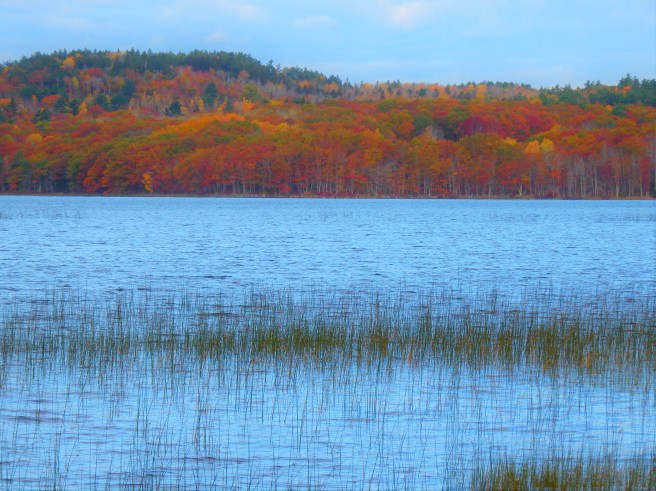
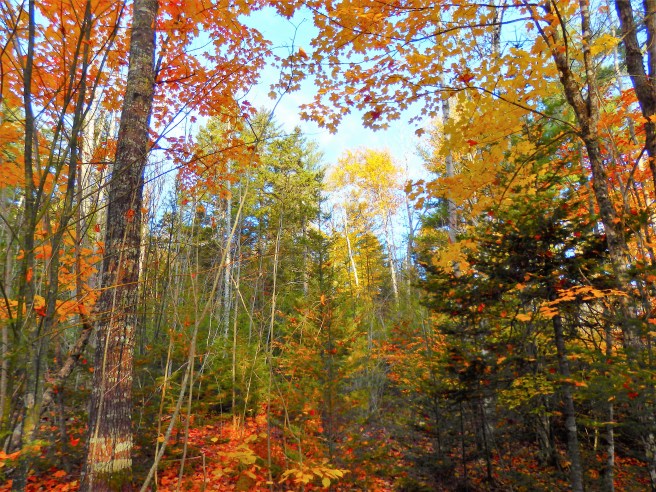
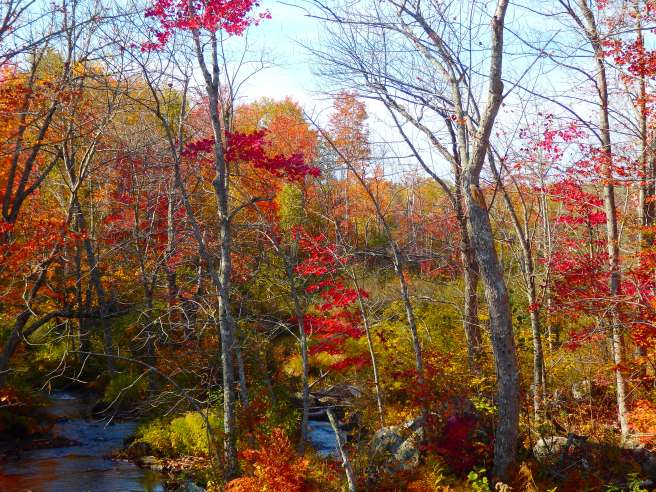
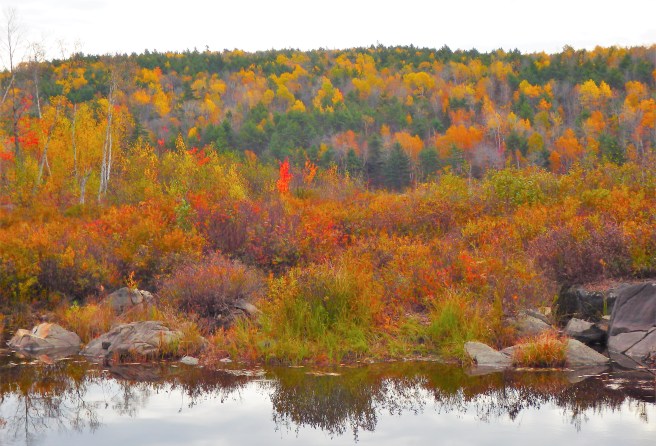
Any number of things can happen with the color

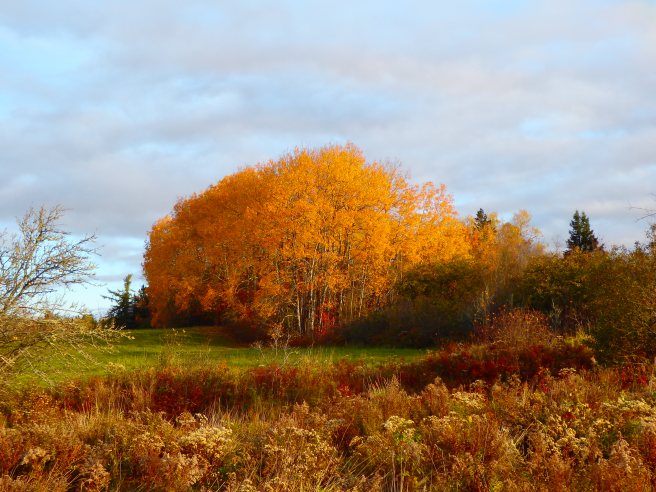
Golden perfection.

As you likely know, trying to record the changing colors is a challenge. Does your camera ever get the hues and shades to match what you’re seeing? Or is it usually either too cool or too garish? How about those of you who are instead using watercolors, oils, pastels, or acrylic?

One spoiler for a photo, as I’ve found the hard way, is utility lines along most roadways. They’re the prime culprit among a host of other distractions your eyes don’t catch but the lenses do. This year, I was on guard and enjoyed the color in those stretches without stopping to take a shot.

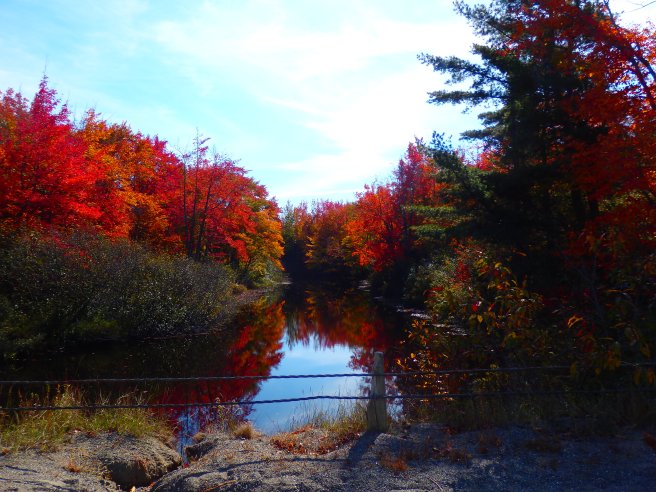
Since most of Maine’s forests is evergreen, I scoped out stretches of deciduous trees free of those intrusions before the color change and kept checking in weekly, at minimum. In my case, the core of the route was an unpaved lane in the Baring district of the Moosehorn National Wildlife Refuge, as well as the country roads getting there.

There’s no way of predicting how things will develop. Drought, blight, storms can take a toll.

But we know what will follow. Boy, do we.

Here’s a look at how it all unfolds here.

It is an invitation to kayak.
Round Pond.
How swiftly it passes.
Even when half of the leaves have already fallen, there’s more to come.
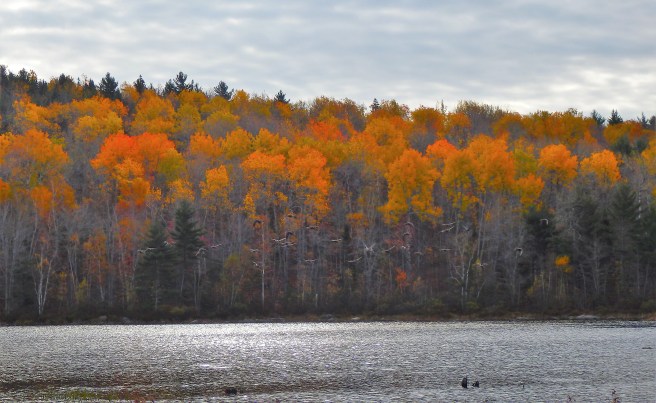
Loud geese take flight. Quaking aspen and birches give the forest a dominant range of yellows.
By midmonth, the palette is turning somber.

And if you want to see what I experienced in New Hampshire, go to my Chicken Farmer blog, where I’ve also posted in-depth reflections on the soul of New England itself. The posts and slideshows appear in the New England Spirit category from August through October 2013.


Come to the book release party!

If you’re anywhere near Dover, New Hampshire, on Nov. 5, feel free to stop by the Quaker meetinghouse for the official Quaking Dover book release party.

The meet-and-greet event takes place at 7 pm at 141 Central Avenue and is free and open to the public. As a Covid precaution, we will be masking.

Copies of the book will also be available for purchase and author signing.

In the meantime, it’s release date is coming up on Saturday. Check with your local bookseller to order a copy.


Don’t take my word for it

Early praise!

“Quaking Dover is a delightful and informative read. Thanks for your good work!” Beth Collea, Dover

“Truly interesting. I truly appreciate all the work and careful thought and interpretations you put into it.” Canyon Woman, New Mexico

“I really like your voice. It’s engaging, light, and easy to read.” Jim Mastro, science fiction author

“Love it!” Susan Wiley, Sandwich, NH

“I enjoyed your conversational writing style – sharing the research that you did — and confidentially whispering (in your writing style), ‘This is what this finding means and how it should be interpreted.’ … To ascertain what really happened you checked primary documents, read previous accounts of Dover, New Hampshire – triangulated your sources and showed us readers how you reached your conclusion. A very enlightening read — well researched, well written.” Joe Clabby, author of A History of Eastport, Passamaquoddy Bay, and Vicinity