
SOLAR ECLIPSE
You never know what we'll churn up in cleaning a stall
So here I am, looking at a catalogue of “every Sunday bulletin subscription service and other ministry resources.” You’d be surprised by some of the products addressed to a Quaker meetinghouse, and I’m still wondering why church furniture has to be so uniformly ugly. This one, however, catches my imagination.
If you’ve ever been part of a congregation that has ushers, you likely remember how they hand out a leaflet while leading you to a pew. The folded paper would have a colorful image on the front and a meditative reflection on the back. Inside, mimeographed back in the days I remember, was the order of service and an array of announcements. I have to say that the graphics have improved in recent years, and I rather like the format that opens into three leaves, rather than two. For a moment, I consider this as an alternative to our announcements period, at least until I realize that someone would have to type and print them. Still, the thought of ushers revives my meeting’s concern for having greeters at the door.
As I look over the samples, however, I must admit how foreign most of them are to our experience. The one with a large American flag and a kneeling soldier over the words, Lord Jesus, is especially troubling. Others seem superficial with their platitudes or cliché. Maybe there would be shock value in some, with their communion cup and bread or photos of country church spires. One set proclaiming nature’s splendor comes close, if it weren’t for the cutesy texts, while the set I find most acceptable is aimed at black congregations – which isn’t quite us, either. Not with all our blue eyes and master’s and doctorate degrees.
I guess if we ever have a need of weekly bulletins, our best option would be to feature work by our resident artists – Brown, Carolyn, Connie, Edi, Gail, Jane … and, of course, the children. Now that would be inspiring.
It’s hard to believe five years have passed since we made the loft of the barn much more usable.
When we moved here, the loft was accessible only via a second-floor catwalk from the master bedroom, and getting there and back could be tricky, especially when snow was piled on the deck.
I’ll save the home renovation project description and photos for another time, and just mention that it involved removing the catwalk, deck, bedroom doorway, and barn loft doorway, installing stairs inside the barn and lighting in the loft.
What it essentially did was give us another 450 square feet of usable work and storage space – especially once we replaced the leaky roof two years ago. (Gee, I think that’s the size of some of those Ikea model apartments.)
Admittedly, it’s not someplace you linger for much of the year. It’s not insulated and there’s no heat, so you do little more than dash in and out in January-February or July-August, but for me it’s been a huge blessing.
As I wrote in August 2009, an “especially humid Tuesday: No Rick yesterday or today.” Our carpenter/master electrician was “off on another project.” We were in no rush, anyway. Still, enough of the project had progressed for me to note, “Having the top of the barn – the Squirrel Piss Studio or Jnana’s Red Barn or the Summer House – finally available as usable space is mind-boggling. At last! Ten years. A time for decompression, unpacking. The difference in scale as a result of the larger space (framed posters, for instance, now appear so much smaller).” I detailed more effusively in my journal. What I noted was “t
he array of items: places I’ve gone off to, to live. Sometimes unwillingly. The skulls – steer, horse, dog. Elk bones. Shells.
“So much to discard, too. My burgundy valet bag, an artifact of the past (after 9/11, nobody travels with one). Burgundy, LAL’s color. Same as the Chevy. The specially designed coat hangers, with their folding hooks – open for the hotel, closed to slide into the bag. Those two years, a ‘backpack for business travelers.’
“A Quaker altar: a candle on a piece of squared birch firewood, the side with bark facing the sitter; incense; in time, flowers or dried arrangement; Bible, Gita, notebook?
“I sit in the space and recall how Roger Pfingston could sit for hours in front of a blank piece of paper without writing a word. Maybe smoke a cigar. Now see it as his way of meditation and self-collection.”
The space also gave me a place to resume hatha yoga exercises after way too long a hiatus.
I love having large surfaces where I can spread out the pages for a poetry collection and rearrange the sequence. I’m not one who works easily with a crowded desk, unlike many of my colleagues. No, it’s Zen order or Quaker/Shaker simplicity I desire.
The loft is far from the year-round office studio I’d envisioned when we moved here. To get there, though, apart from the money, we’d have to cover the wooden underside of the roof I’ve come to enjoy viewing. The feel would become much different than the funky, well, summer cottage I so much enjoy now – even when it’s fall and spring rather than summer when I most use it.
Besides, to be candid, as I’m able to clean out and dispose of more and more, and as I move increasingly to online, paperless writing and submissions, I don’t really need the big office of those earlier dreams. At least that’s what I’m thinking now.
Who knows what’s really ahead.
I’ve always been a visual person. Had even considered a career in art before the writing took over. As further evidence, remembering a story or argument I’ve heard has always been more difficult to recall than one I’ve read. As for names, I’m hopeless unless there’s been a name tag.
Somehow, though, I can remember a musical line much more than I can any lyrics, including those we’ve been working on in chorus. So I’m not memory deaf, exactly.
As a visual person, I’ve found the point-and-shoot digital camera entries you’ve seen posted in my blogs to be a wonderful way of sharing the way I look at the world and many of the details that catch my attention.
But there’s another range of experiences I can’t begin to describe. Often, especially while watching people, my vision shifts from photo-realism to real-life cartoons. I hope I’m not staring, but the transformation is incredible. R. Crumb had nothing on me, other than technique. Sometimes they’re squiggling black-and-white line drawings. Sometimes, baroque etchings. Other times, wild blobs of color.
Even before they start moving.

Demand for wool in the first three decades of the 19th century shaped the boom years of agriculture in New Hampshire, at least until the invention of the cotton gin allowed for a cheaper clothing alternative – a condition that was accompanied by a changing American workplace and economy.
The brief but prosperous boom financed many of the Granite State’s landmark large farmhouses and barns as well as the nearly ubiquitous stone fences that are still visible, some in the most unexpected remote forests.
Pay attention while driving along country roads, and you’ll often notice stretches where each house seems to be an evolution among the others. I suspect that what happened was they were all built by one craftsman carpenter and his crew – perhaps itinerants who would stay for a season of erecting a house before returning home – who were invited back in another year to build another, each one to customized specifications. The chimneys, for instance, reveal a progression away from the massive central fireplace of the Colonial era to the use of multiple chimneys after the Revolutionary War – something that has me thinking of how much firewood these houses must have consumed through a winter.

It’s possible, of course, that the carpenters and masons and others came to live in the neighborhood as well. But one thing I feel certain: the resident commercial farmers, faced with the demands of their flocks and fields, did not have the time or perhaps even skills to build houses like these.


Here are some of the fine examples found in a village along a ridge in the town of Deerfield, a neighborhood known as South Deerfield. There are more, I should mention, than I could capture in this outing. Meanwhile, I’d like to know more about the site of the popular Mack Tavern, with its fiddler’s throne to protect the player from the wild dancers.

New England’s waterways are dotted with historic mill towns. The Merrimack River alone could boast of the water-powered industrial centers of Manchester and Nashua in New Hampshire as well as Lowell, Lawrence, Haverhill, and Amesbury downstream in Massachusetts, along with Newburyport and its harbor.

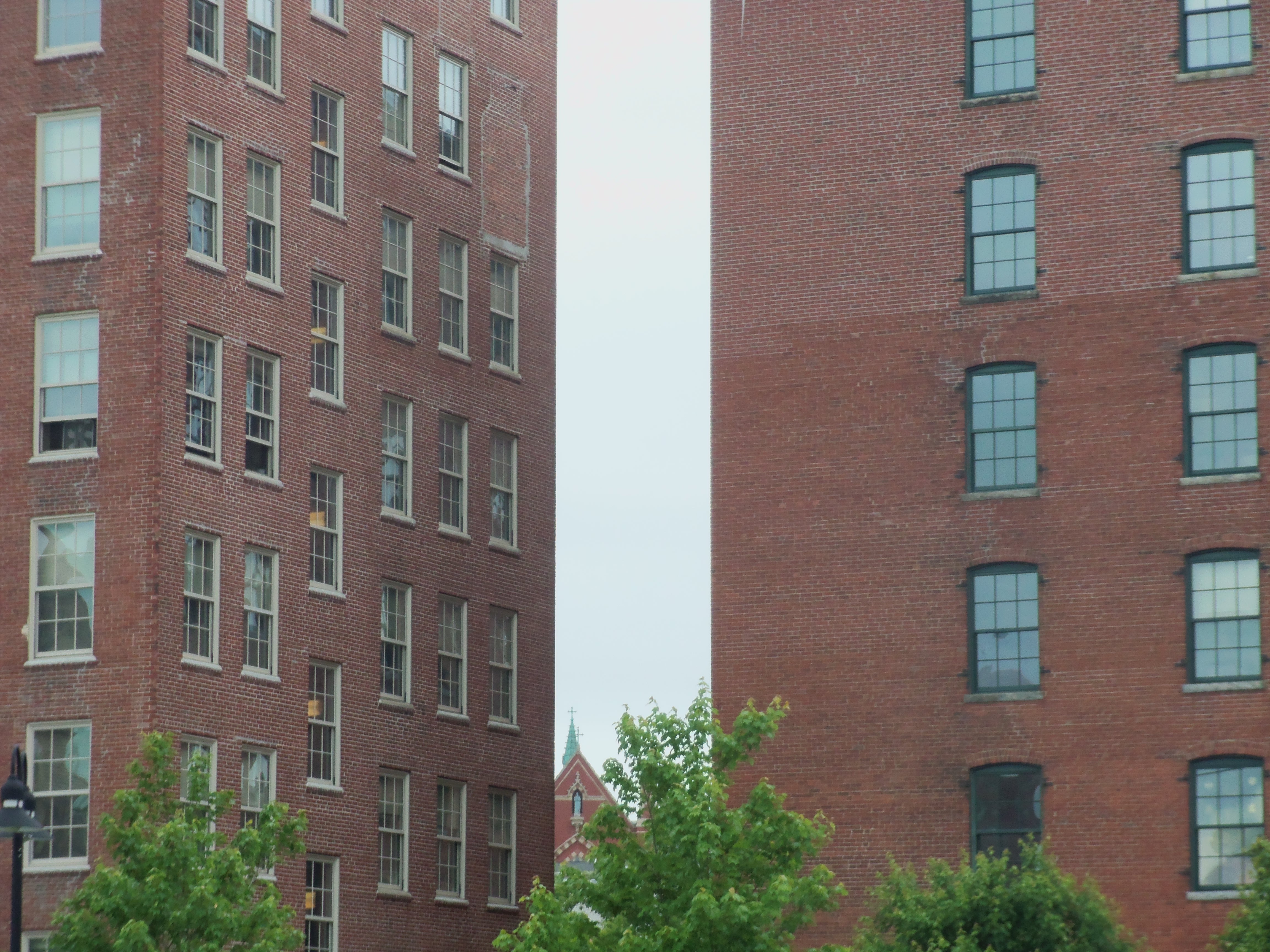
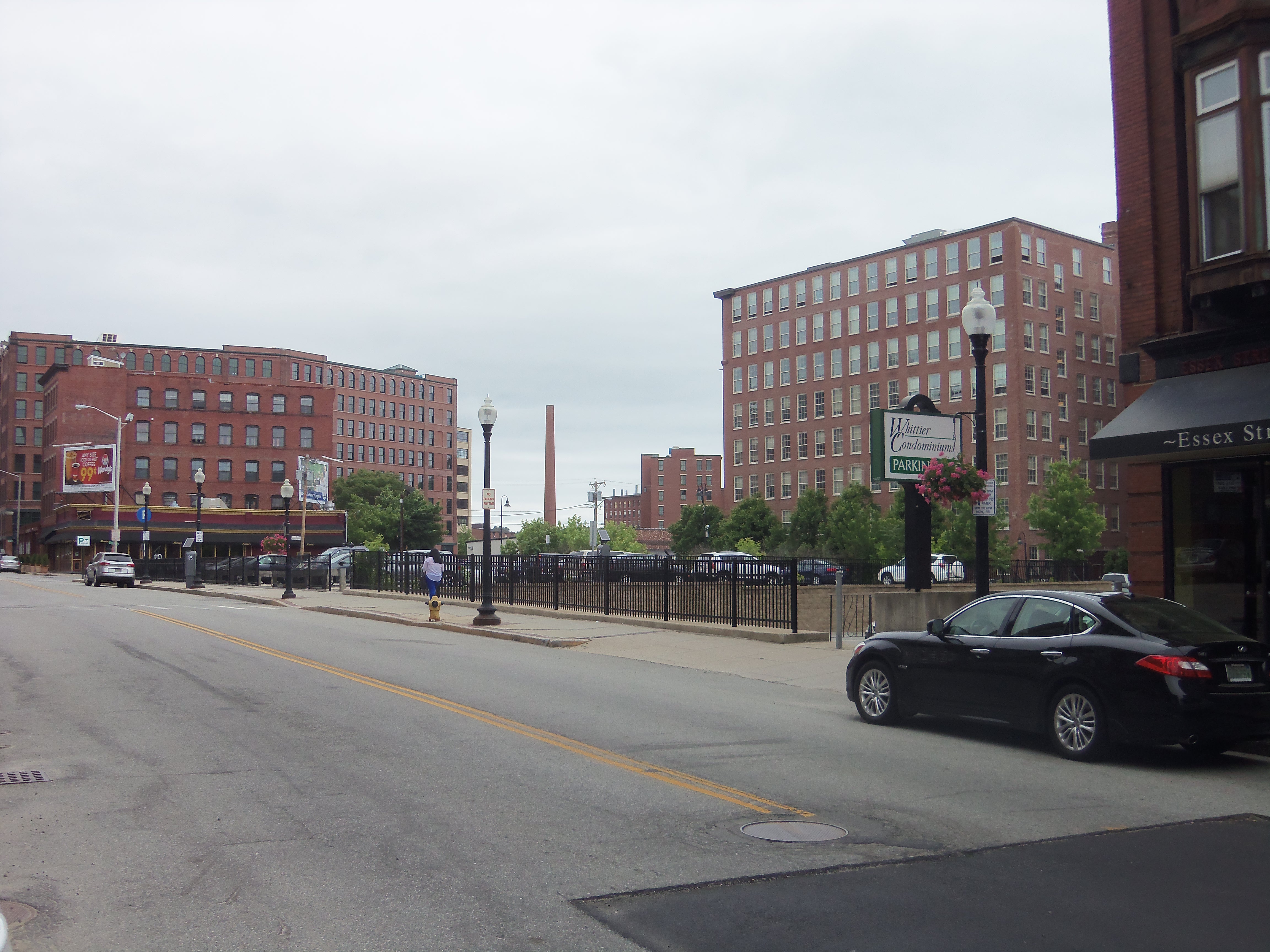
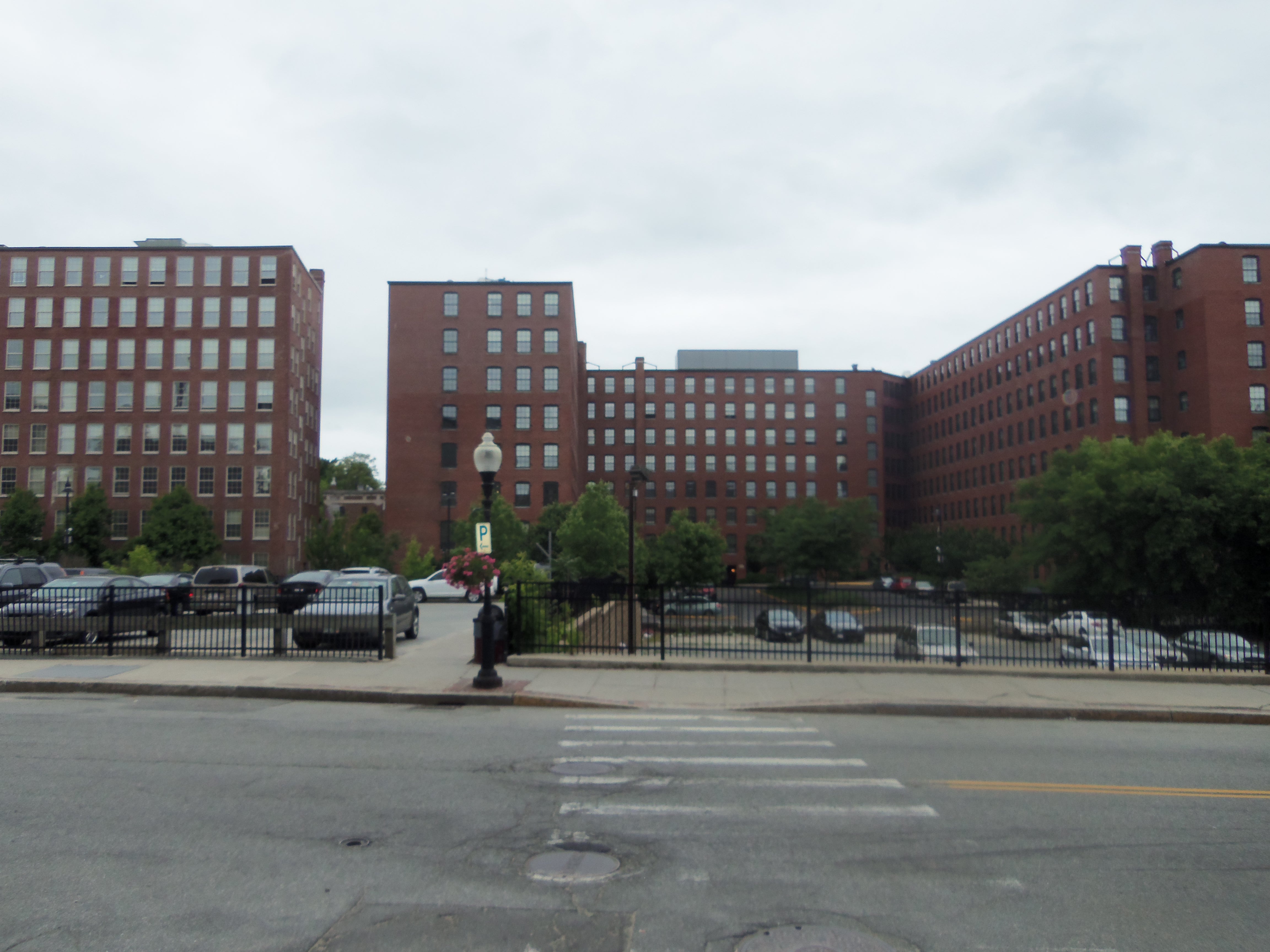
While textiles were the focus of much of New England’s mill output, the power was applied to other products as well. Haverhill, for instance, emerged as a center of shoemaking, by 1913 producing one of every 10 pairs in America and earning it a whimsical nickname of Queen Slipper City. Its earlier commerce rested on woolen mills, tanneries, shipping, and shipbuilding.
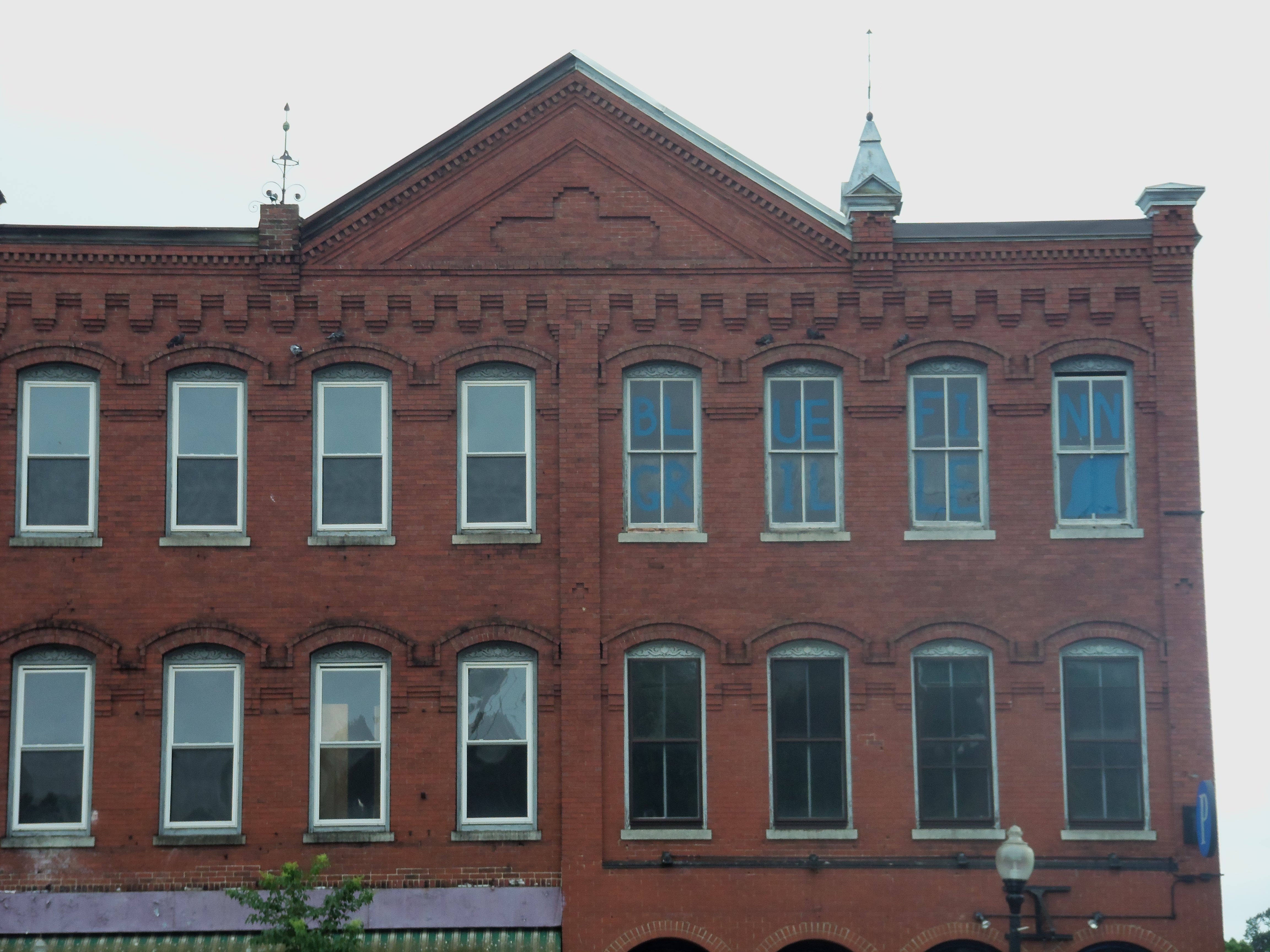
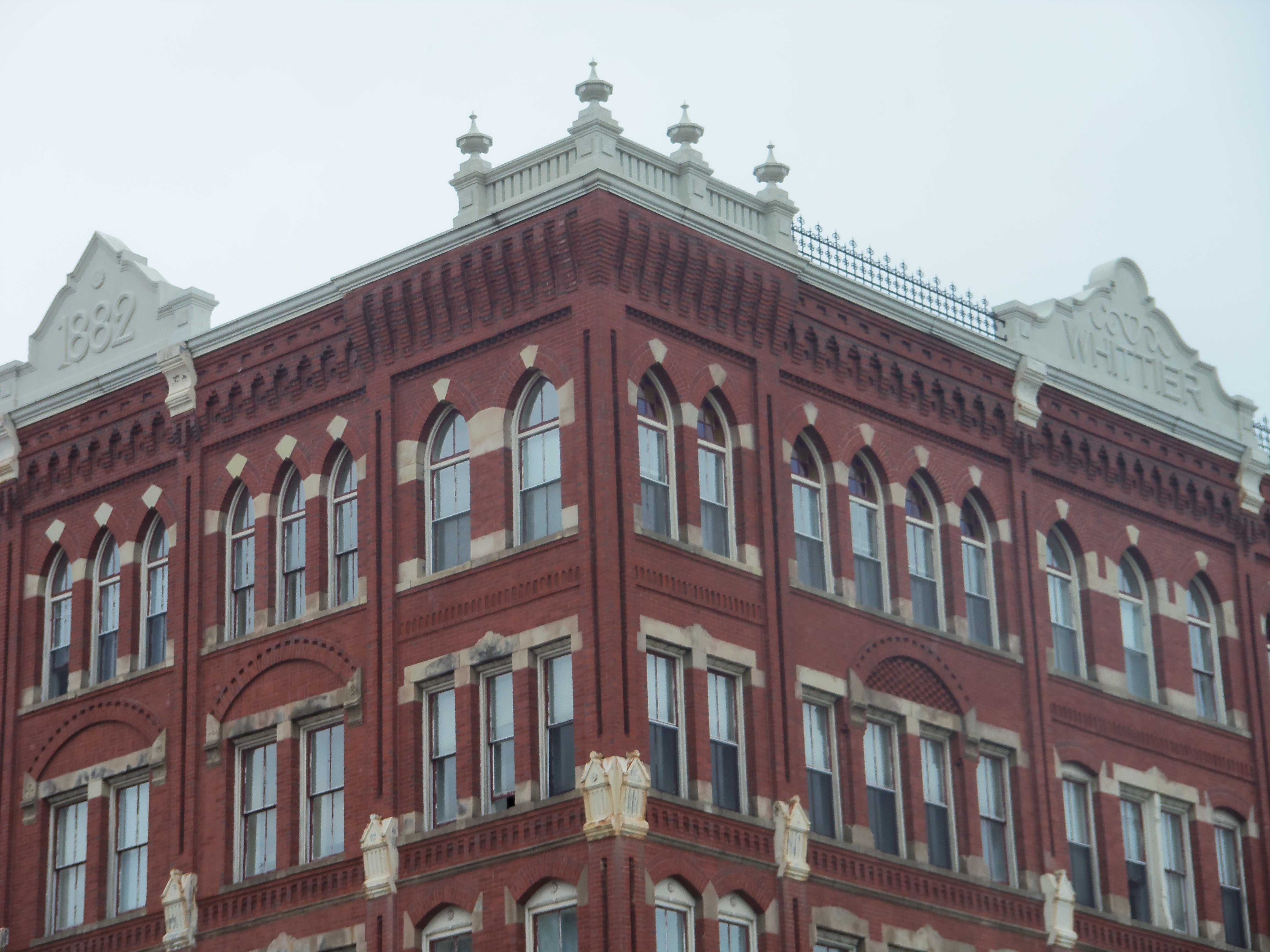


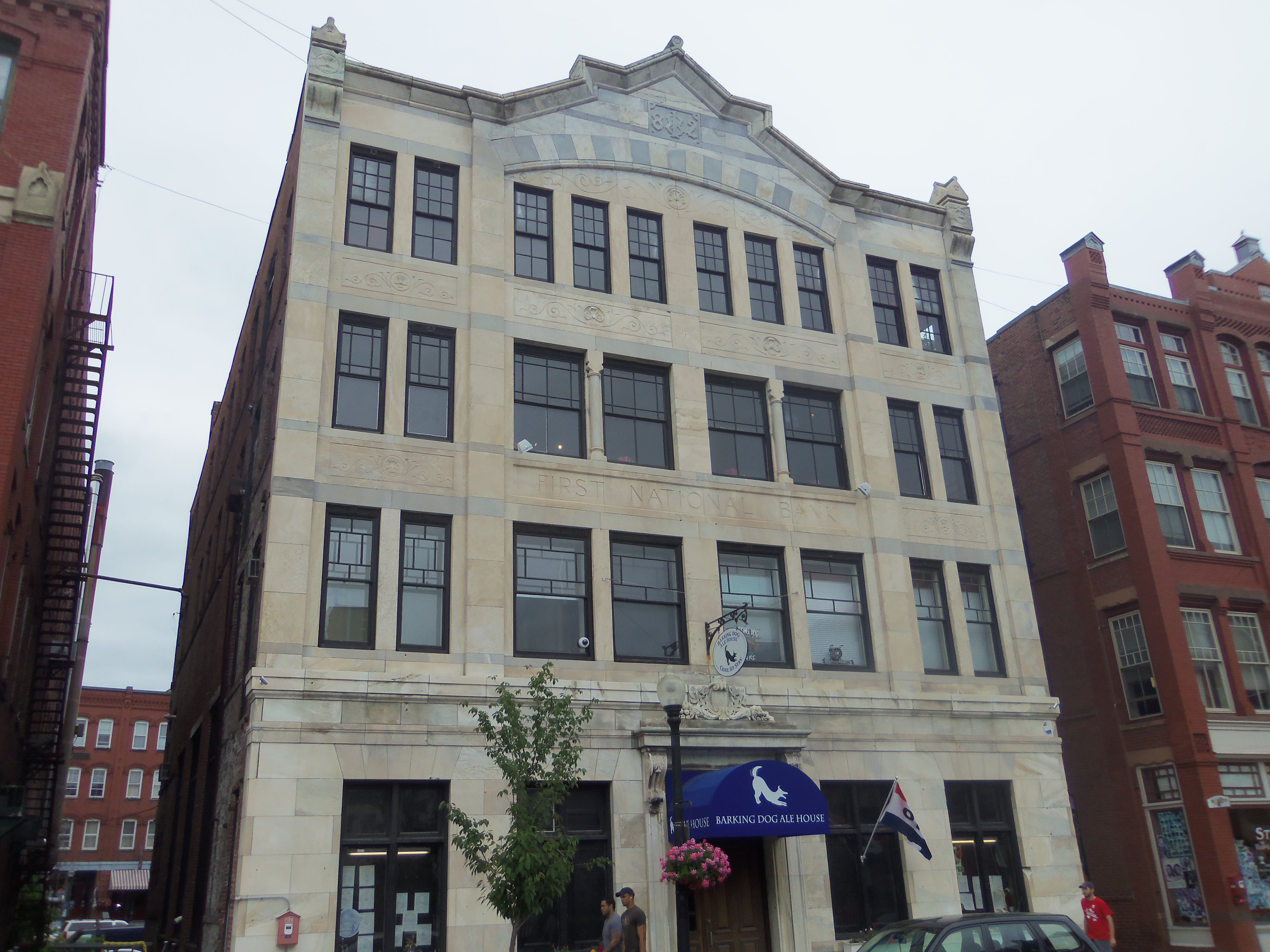
Like many of these once industrial centers, the city has been struggling to adapt to new directions and refit its legacy of old structures.
By the way, in Yankee style, it’s pronounced HAY-vril and is today a city of 60,000. But the river still runs through it.


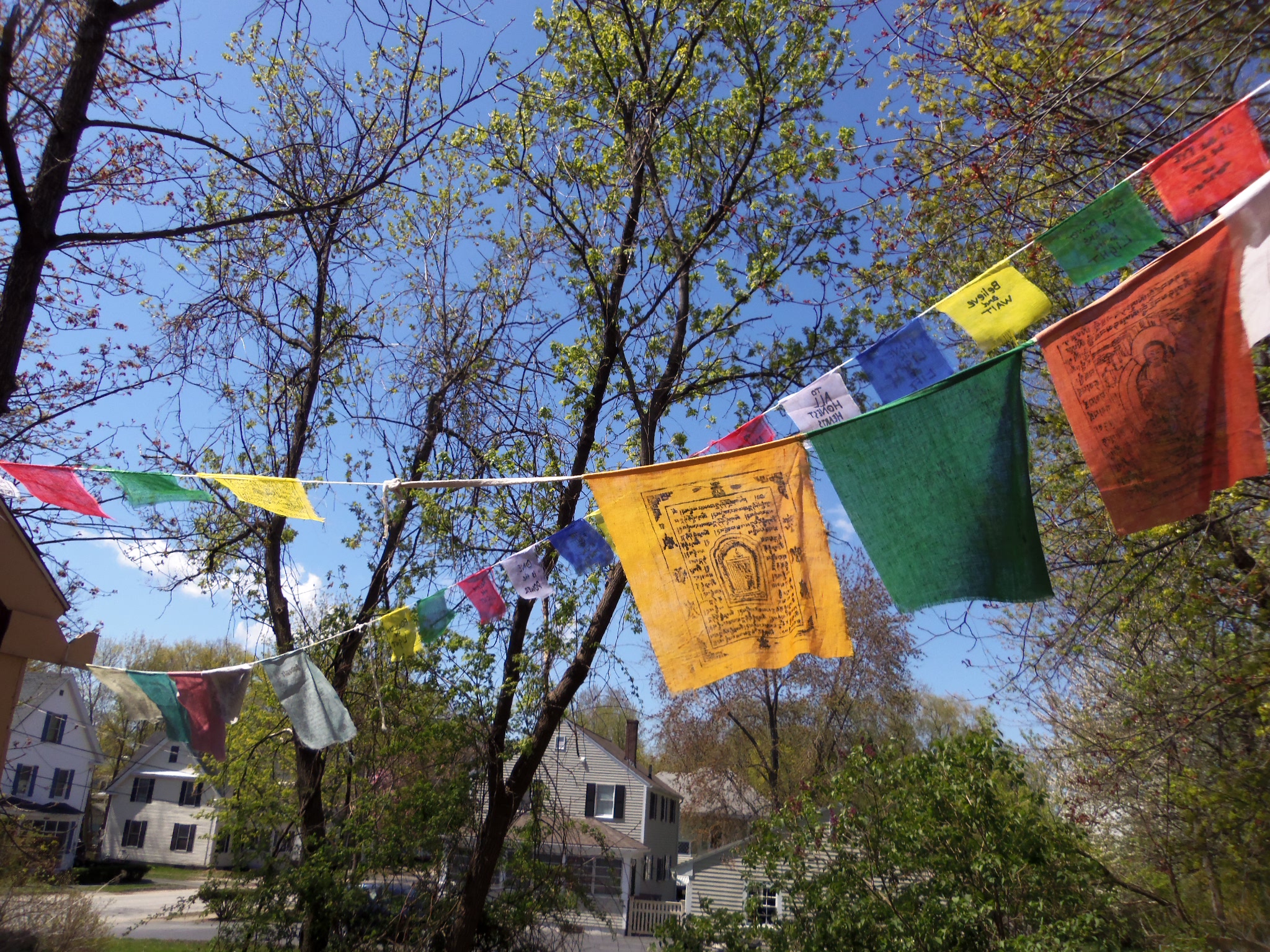
The Apostle Paul has urged Christians to pray without ceasing.
I view Tibetan prayer flags rising in the breeze as joyous reminders my heart can do likewise.

