When I see this …
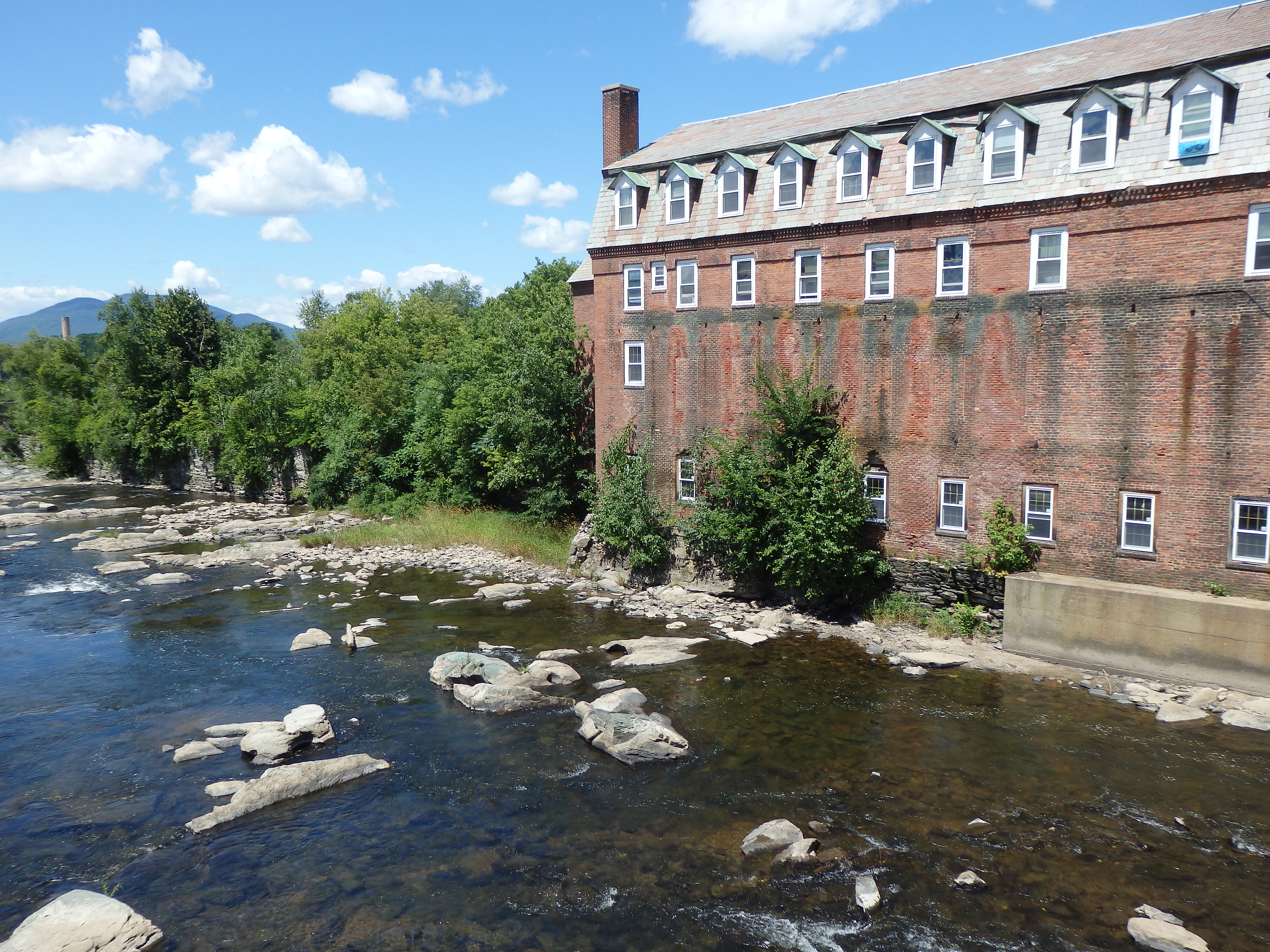
… I think of this.
 For the free ebook novel and more, click here.
You never know what we'll churn up in cleaning a stall
When I see this …
… I think of this.
For the free ebook novel and more, click here.
As I contend in my latest book release at Thistle/Flinch editions, the Biblical story of the Garden of Eden goes much deeper than the traditional children’s telling or, for that matter, the conventional interpretation that focuses on disobedience and a teaching imposed much later, the one known as Original Sin.
The surprisingly short Creation story – the second one in the Bible, actually – is one of those texts that just won’t let go of me, and the new layers of understanding just keep on surfacing.
The other morning I was struck by a consideration of what the Forbidden Fruit might be in our own time. Nowadays we could consider things like global warming (more accurately, climatic instability), overpopulation, or nuclear arms proliferation, just for starters – things caused by our own curiosity and consumption, one way or another. Each bears an ultimate warning, “and you are not to touch it, lest you die.” Each one is a negative consequence of advances that seemed good at the time they were introduced.
So here we are, in a situation very much like Adam and Eve in the aftermath, looking for direction and restored balance.
For my earlier musings on the original text, take a look at Eden Embraced. I’d say it really is all about the timeless human condition.
A new Pendle Hill pamphlet, Robert Griswold’s Marking the Quaker Path: Seven Key Words Plus One, has sparked some fresh thinking on my end.
I’ve previously posted on the ongoing series from the press at the Quaker retreat and study center in Wallingford, Pennsylvania, and often advise newcomers to Meeting to peruse its display rack in our library for titles that might best touch their interests, whether theological, historical, peace and social justice action, or simple daily living.
What I like about Griswold’s volume is the way he identifies some basic terms that are also found in other religious traditions while noting ways we Friends have come to apply our own unique understandings.
I’m sensing that each of his eight words (OK, one is a phrase) would be a fertile topic for group discussion, and not just among Friends.
His list:
~*~
I won’t try to define them here, but each one can be stimulating, even controversial, as we look at the fullness of their implications in contemporary life. It’s also instructive to think of words he hasn’t focused on, starting with Belief, Worship, Prayer, and the like.
To learn more about his pamphlet and more, visit the Pendle Hill website.
When I see this …
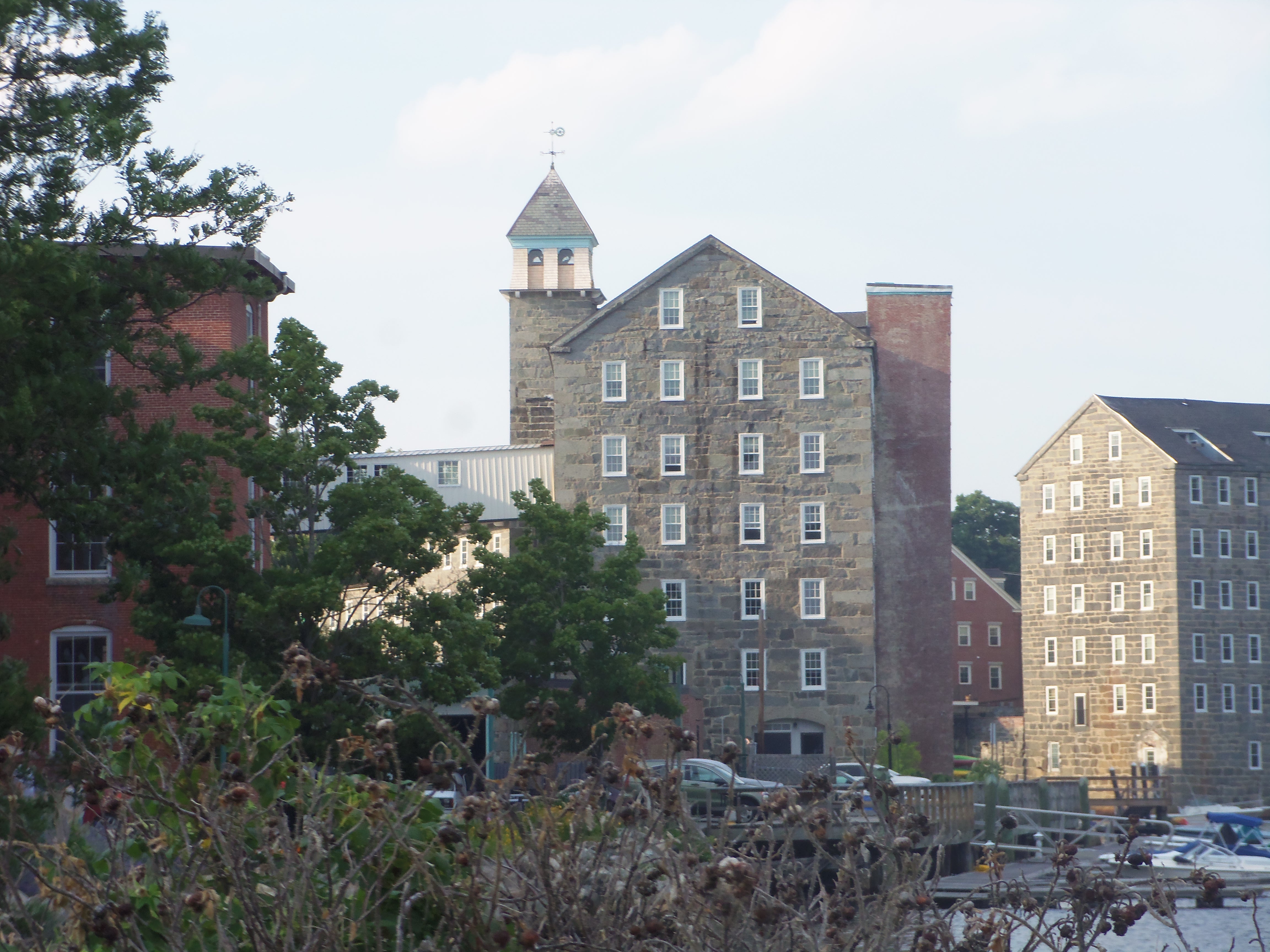
… I think of this.
For the free ebook novel and more, click here.
Much of the time, the character of Jaya in Promise seems to be swimming upstream. Against the current. Toward higher and higher goals.
Sometimes, she just might wonder if it’s all worth it. Or what her alternatives are.
But she continues, just like the migrating salmon in the Katonkah Valley where she finally settles. Maybe it’s just a natural impulse, after all. Her legacy will be what it is.

~*~
For your own copy, click here.
When I see this …

… I think of this.
For the free ebook novel and more, click here.
When I see this …

… I think of this.
For the free ebook novel and more, click here.
Adam was one and then divided.
He found love and then fought it.
We’re one and once conflict arises, separate.
Only to be reunited. If we’re lucky or just wise up.
It’s one long, rich story with an ever so-short beginning.
It’s a matter of Embracing Eden.
~*~
For more on my book and more, click here.
You know the usual slant on the Garden of Eden, that it’s all Eve’s fault.
Look more closely, you’ll see it’s the Apostle Paul and Augustine’s reading.
That’s it, blame the woman.
But it’s wrong.
Give me a breather. There’s Jewish tradition, after all. Listen up!
For all of its brevity, it’s a complex story. It’s where humanity – and history – begin.
For my part, I believe it’s only one of many similar gardens – where else do you think their sons found their wives? The only one we’re told of, all the same.

~*~
For more on my book and others, click here.
Sometimes when you’re writing a work of fiction, you think you know where the story’s going. And sometimes you don’t.
You wind up somewhere, all the same, the way the tracks do. Who sez it can come as a surprise?

~*~
For your own copy, click here.
 Jnana's Red Barn