REFITTED FOR HOUSING

Before:

At least the work had begun.
They saved the smokestack.
The fire escape was still holding on.

An abandoned mill, built on a railroad spur and relying on steam power, has found new life as affordable housing. Now touted as Woodbury Mills, it has 42 “apartment homes.” It’s one of several repurposed and renovated mills in the city.

And after:

Detailed touches.
Detailed touches.
The street side.
The street side.


TURNING TO THE WORD

Historically, Quakers understood the Word of God to be Christ, rather than the Bible. This insight, drawn largely from the opening of the Gospel of John, is one of the central differences between Friends and most Protestants, especially those of the Calvinist strands. Sometimes people will use “the Living Word” to distinguish between Jesus and Scripture, though I usually sense their usage soon becomes blurred.

I raise this not so much for theological argument as for an understanding of how we Friends individually interpret our experiences of the Divine. In the Gospel of John, the concept of Christ is also identified with the image of Light, which we often repeat in our Quaker circles. What interests me is the spectrum of experiences that can happen within that comprehension. At one end we have the ancient problem of a divinity so remarkable and expansive its name cannot be spoken (sometimes represented as YHWH, or pronounced in translation “the word of God” or simply “the Holy One”); at the other end is one so personal it knows “every feather” and “every hair” and is often felt as the person of Jesus. That is, something abstract and universal, on one hand, and something intimately present, on the other. Both can be overpowering and awesome.

In either case, Friends have reported this as Christ present amongst us, “coming and come.” In either case, Friends have discovered no need for an interpreter (trained preacher or priest) between us and the text, other than the Spirit or Light by which it was written. In either case, Friends have known a living and growing, continuing revelation. In Friends’ experience, the book is not closed but miraculously unfolding. This Word is quite different from approaching Scripture as a series of laws to be arrayed and obeyed. It’s what calls us to be a Society of Friends, rather than lawyers – a world of difference, indeed.

Light 1For a detailed overview of the metaphor of Light in its early Quaker manifestations, go to my chapbook here.


MOSES CARTLAND

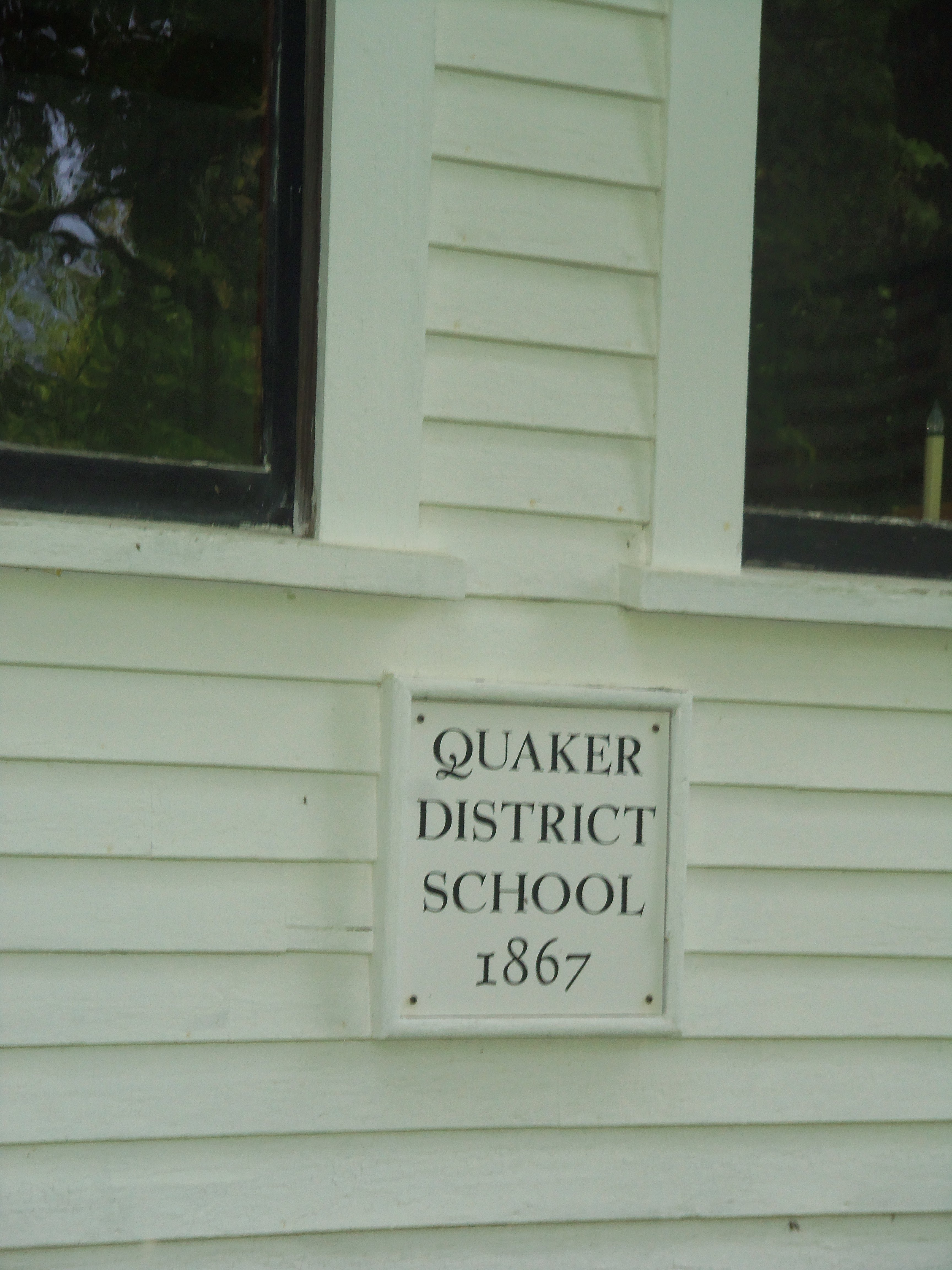
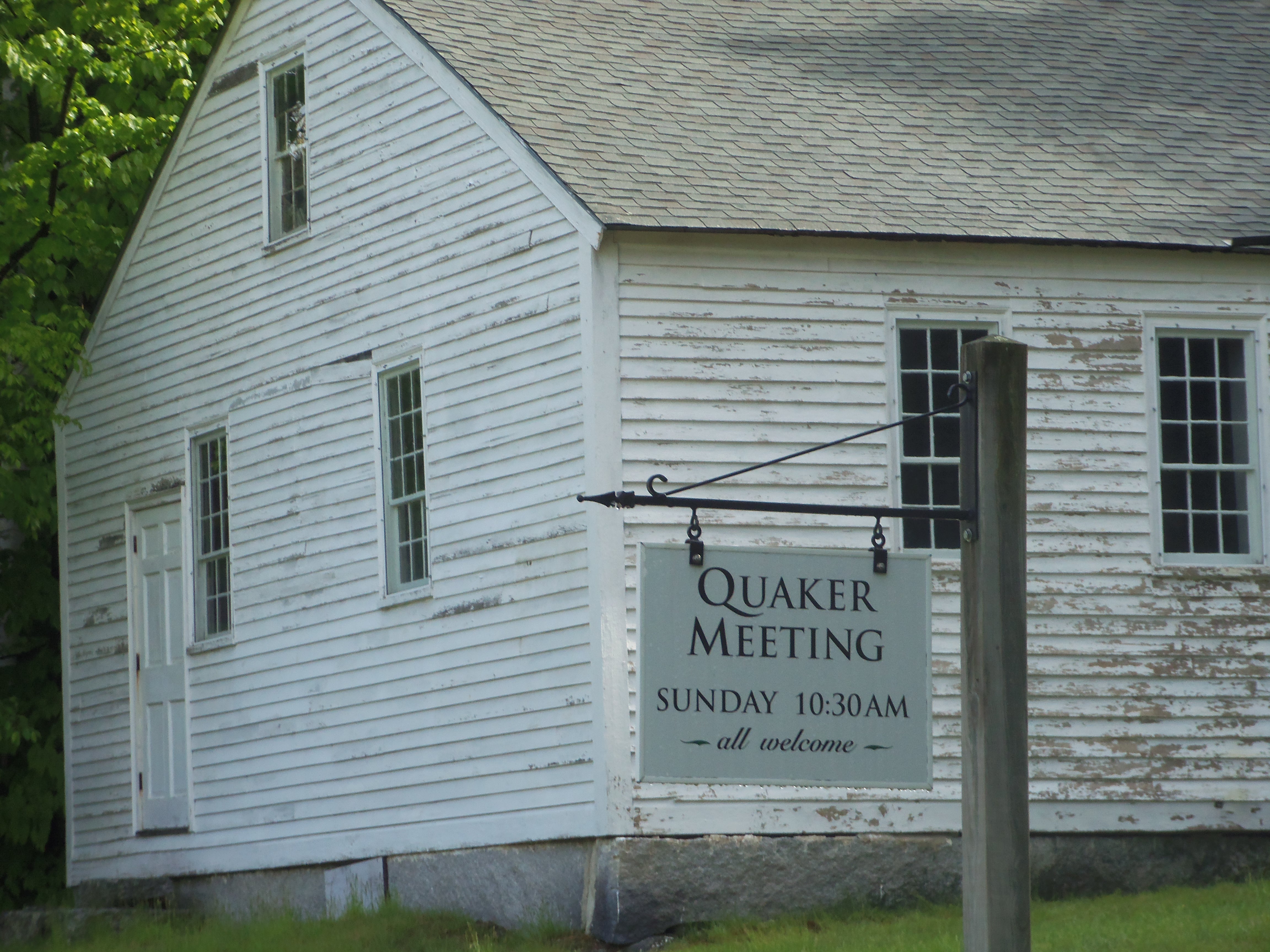
The Quaker meetinghouse doubled as a school

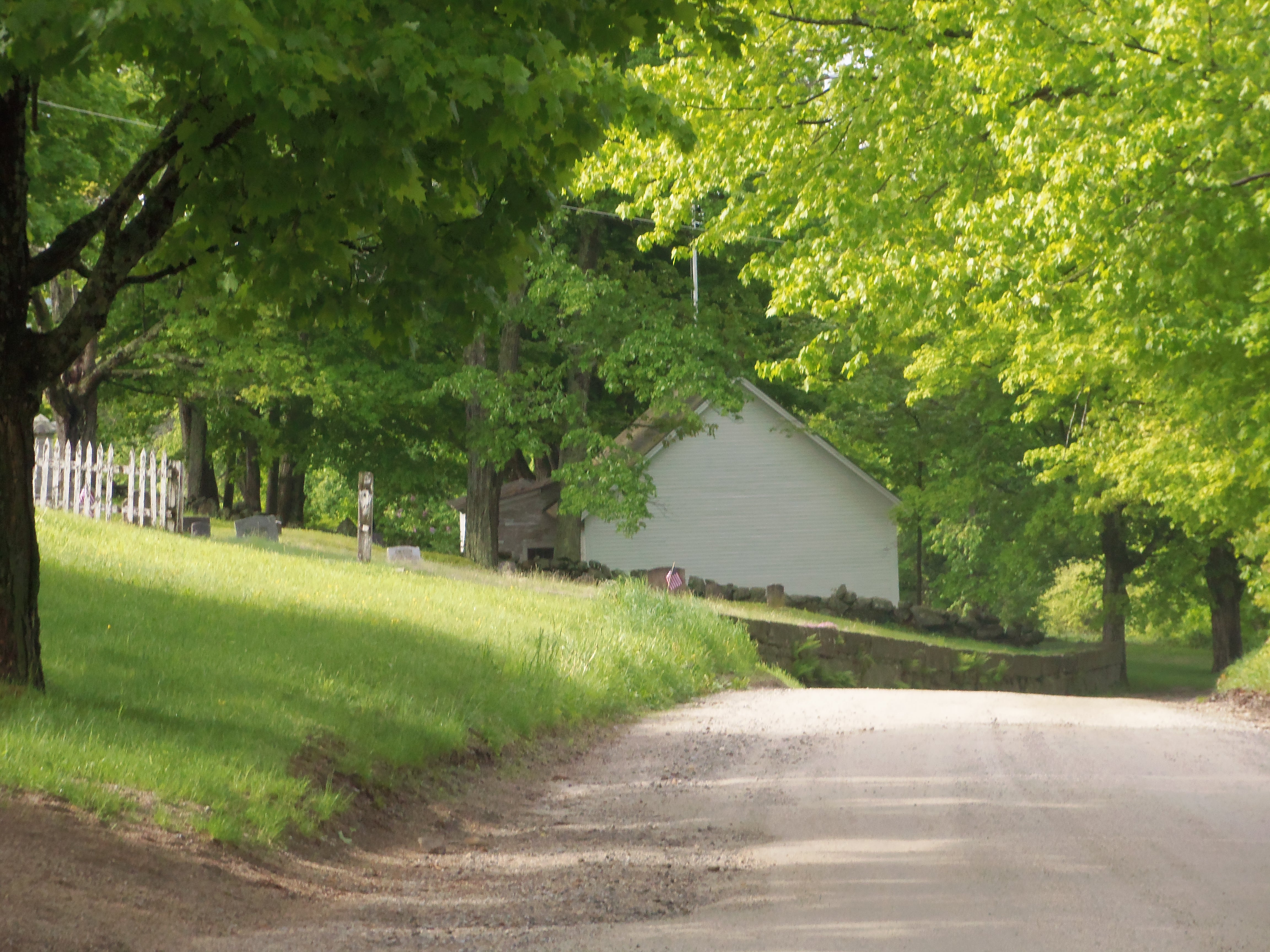
A pioneering educator, Moses Cartland taught in this combination school and Quaker meetinghouse at his family’s farm in Lee, New Hampshire, after previously establishing the Clinton Grove Friends school in Weare. A staunch abolitionist, he was also a founder of the Republican Party in New Hampshire and a candidate for the U.S. Senate.

Moses and his cousin John Greenleaf Whittier were closest friends and lifelong bachelors, at least until Moses married one of his students – who was also a cousin. Although considerably younger than Moses, she predeceased him.

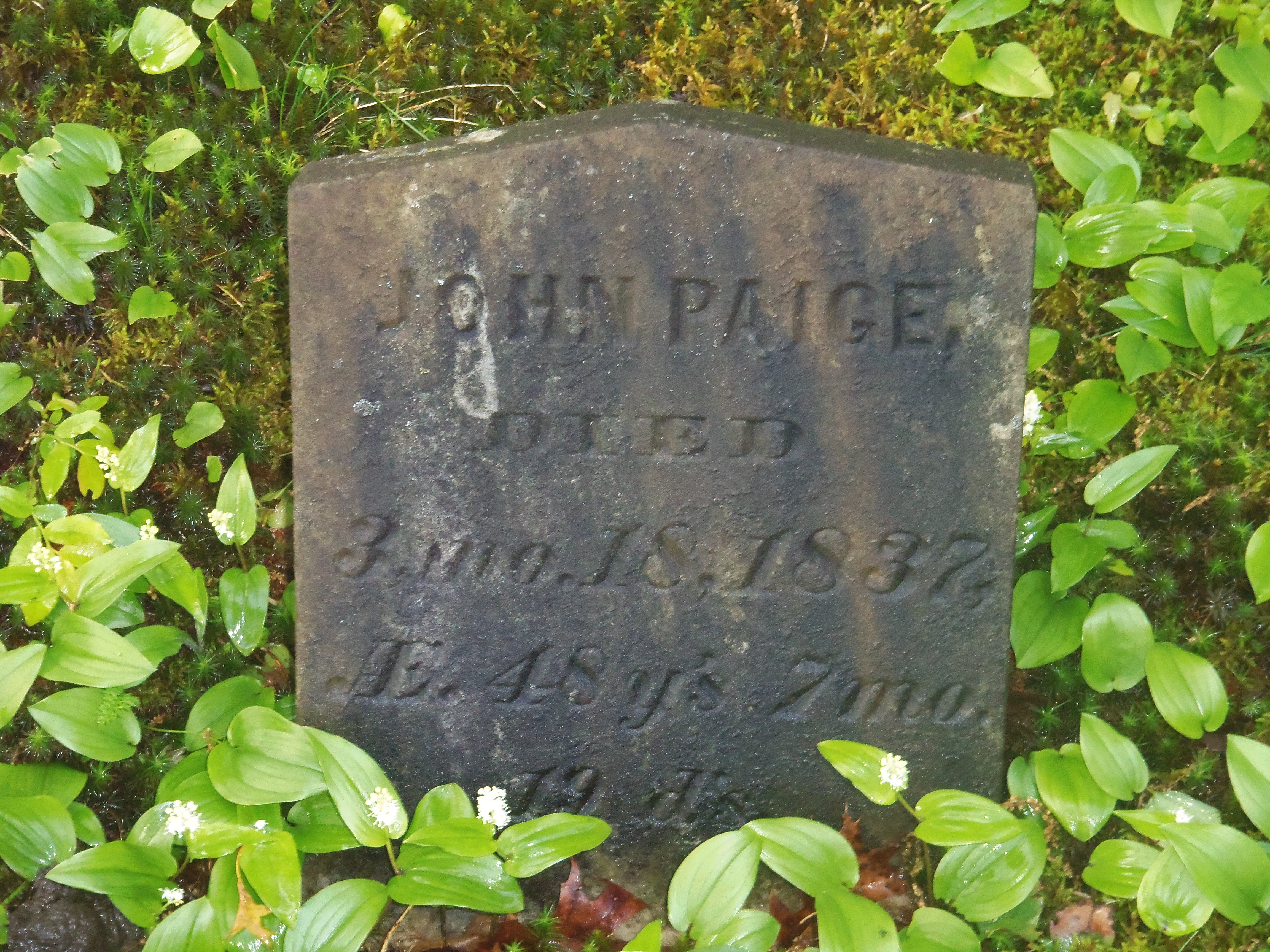
The family burial ground.
The resting spot is in the right side of the view.

WALNUT GROVE

Still imposing.
Still imposing.

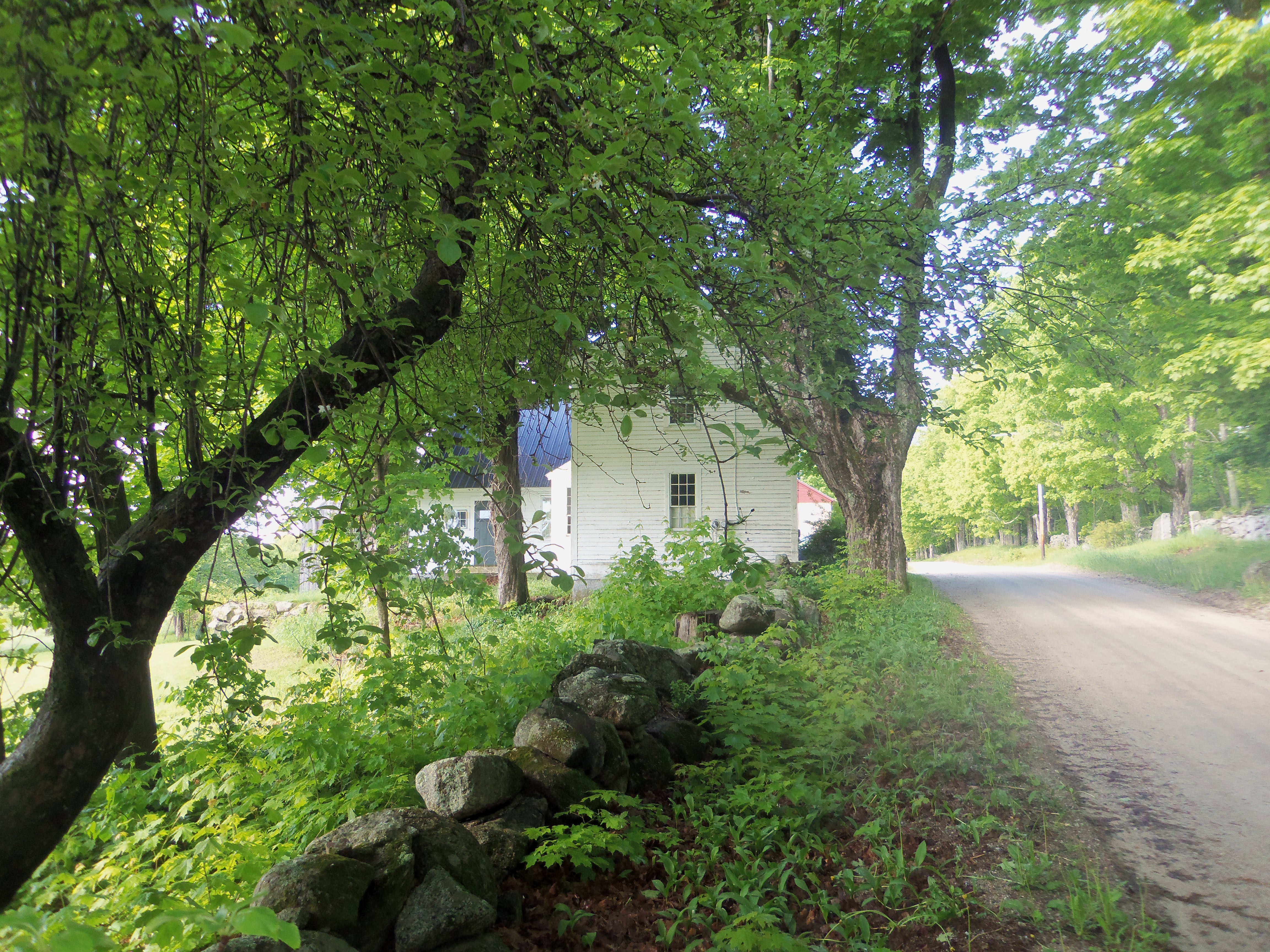
The Quaker Cartland family built a prosperous farm in Lee, New Hampshire. Their house was a stop on the Underground Railroad, carting escaped slaves to freedom.

All in good order.
All in good order.
We approve of red barns.
A country road runs through the property.


TRAINING IN FAITH

During the historic separations, the Friends who wound up in the evangelical, pastoral stream criticized their quietist brethren for our failure to teach the faith. Silent worship, they admitted, could be profitable for those who had already been trained in the practice and its religious meaning. But, they charged, what about newcomers and, especially, children?

Fair enough. Looking at the evidence, I’d have to say the weight of the argument is on the evangelicals’ side – and I’m not sure a few more seminars or workshops would fill in the gaps, even if everyone attended. Yes, we read books and periodicals, but even that can be pretty hit or miss – or deliberately selective and essentially private. At least our Meeting has a comprehensive and well maintained library, thanks to its dedicated committee.

Coming from someone who delves heavily into theological inquiry, these are difficult confessions. As much as I’d like to side with some of the early Friends who insisted that the Holy Spirit would reveal to us all that we need, without any special instruction, I part with them on their objection to higher education, for instance, or when I rely on a licensed physician or plumber or a certified auto mechanic when I face problems they can address.

With Friends’ practice, then, I suspect that our strength occurs when we turn to a hands-on approach, guided by those Friends “seasoned” or “gifted” in a particular aspect. The traditional Protestant service, with a lecture at its core, appears to be losing its effectiveness in today’s multimedia environment. Maybe our “worship-sharing” format (where everyone in the circle has an opportunity to speak personally about a given subject) holds more promise than we suppose. Maybe we also could be a little more conscious of the times and places the hands-on, and often one-on-one, transmission also occurs. From what I’ve seen, much more of this happens in both wings of the Society of Friends than we usually consider.

STILL SMELLS FISHY

I’m still wondering why my little city’s police department needs a $240,000 armored truck.

Is it to defend the gundalow that will be docked along the river?

Protect the historic boat from pirates?

And then, what about a getaway on the water – with a heavy truck in hot pursuit? Stuck in the mud or sinking.

IT AIN’T HAY

I’m still trying to figure out why my little city’s police department needs a $240,000 armored truck, courtesy of Homeland Security.

A better use? Sell it to buy hay for the mounted patrol’s horses.

I can personally attest the horses blocked a speeding car that was about to hit me as I stepped out in a crosswalk. Let’s see that armored truck do that!