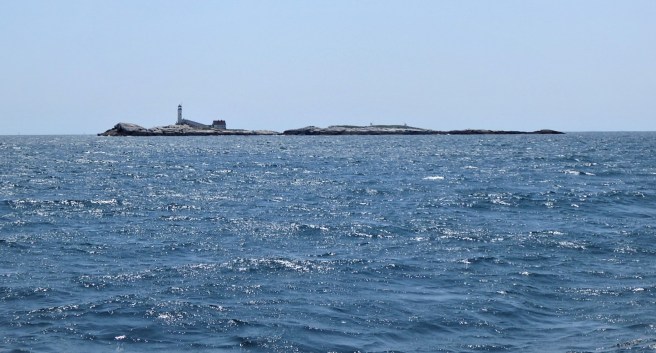
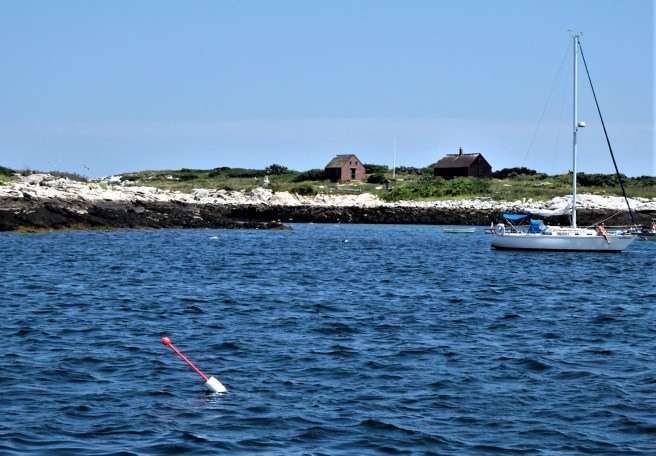
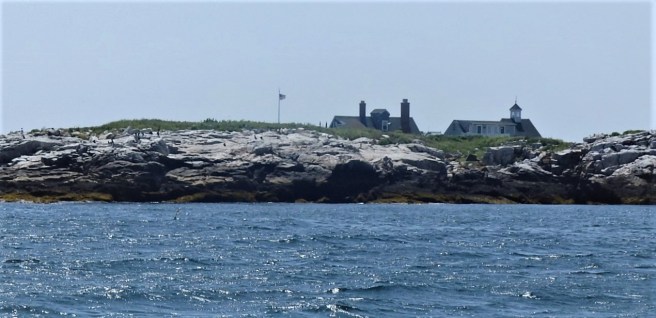
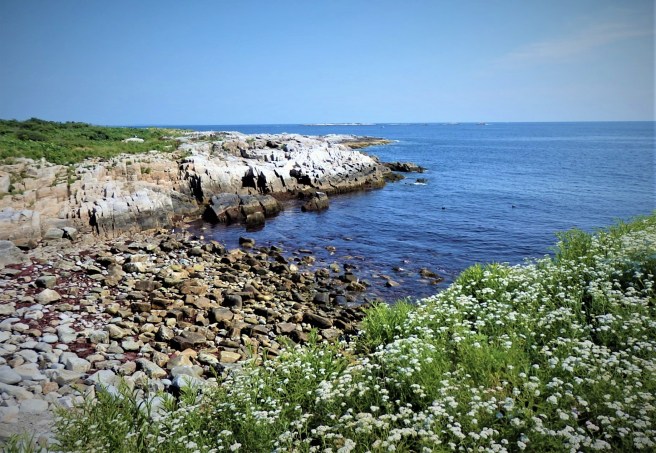
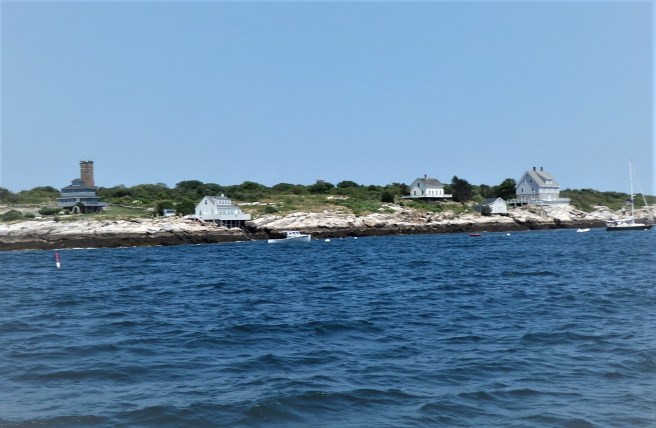
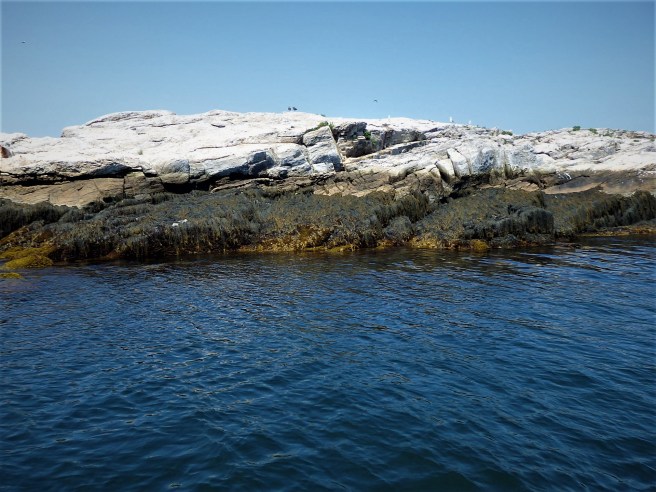
It’s hard to think that such a small cluster of islands and rock ledges could hold so much attraction, but just look. It’s not just historic Appledore and Star islands that fascinate. Here are some more shots from our day trip.
You never know what we'll churn up in cleaning a stall
It’s hard to think that such a small cluster of islands and rock ledges could hold so much attraction, but just look. It’s not just historic Appledore and Star islands that fascinate. Here are some more shots from our day trip.
Like Zen, my mind works in strange ways, and this is how I too often see things.
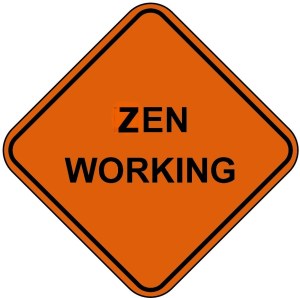
I can imagine a Buddhist sutra in which two monks observe the sign. They’re walking, of course, rather than driving.
The first says something pithy asking how Zen, being nothing, can do anything, much less work.
And the second replies that work’s nothing, too. But it’s not lazy.
Better, I suppose, than “ZZZ Working,” which many assume while passing the usual sign and seeing the crew standing by idly.
If you like this, please clap with one hand.

The second largest island in the Isles of Shoals, Star is the only one with commercial boat service to the mainland. The state line between New Hampshire and Maine runs through the small harbor.
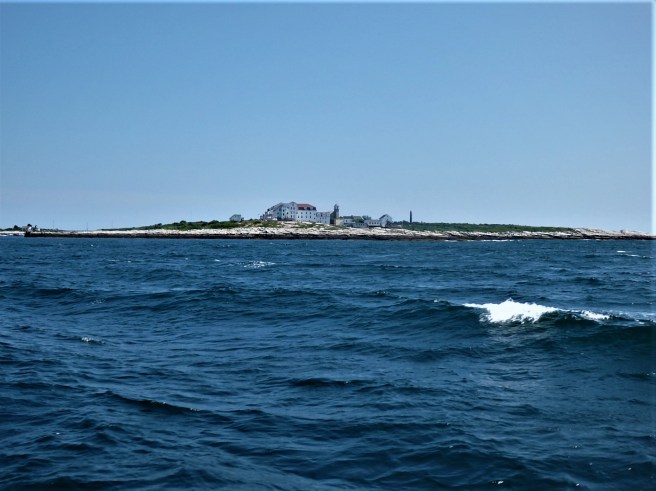
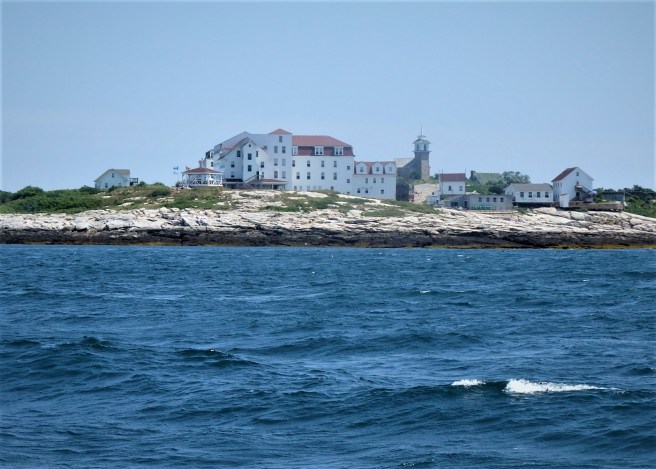
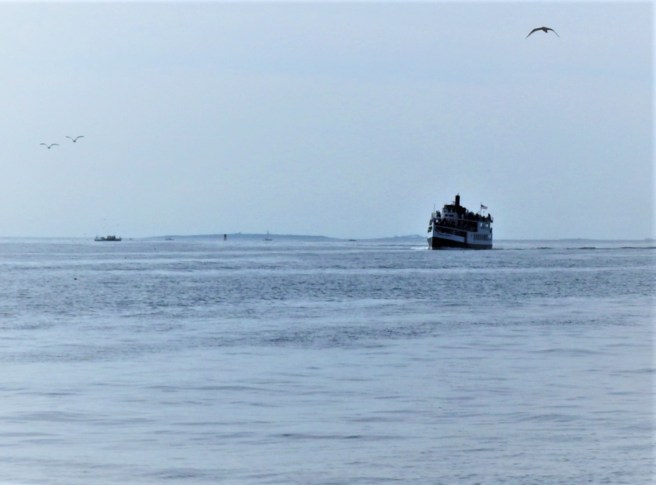
Guests and supplies get to the island on the Thomas Leighton ferry, which plies the waters from Portsmouth, New Hampshire. It can be a jolly experience, if the ocean’s on the calm side.
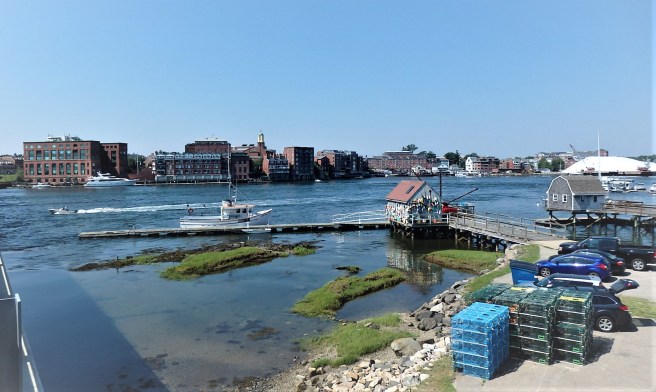
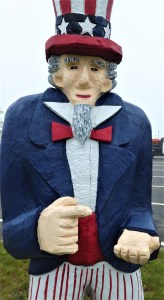

This fortification guarding the mouth of the Piscataqua River in New Castle, New Hampshire, has a unique place in American history. It was raided twice by Patriots in 1774, and the gunpowder and cannons captured from the British were later deployed at the Battle of Bunker Hill in Boston. Its small lighthouse is one of two along Portsmouth Harbor.


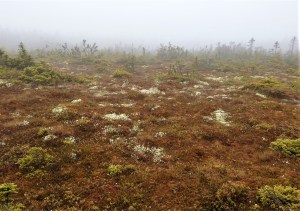
Celia Thaxter (1835-1894) is an intriguing character in New England history. An important figure in New England poetry, she was also a pioneering hotelier, flower gardener, and catalyst in the fine arts.
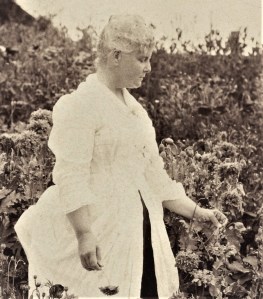
While turning her family’s hotel on Appledore Island in the Atlantic into what was probably the leading summer resort in the Northeast, she also created a famed artists’ colony with salon events featuring a who’s who of America’s leading artists, poets, novelists, and painters. There were likely more, including actors and dancers.
With its 95 acres, Appledore is the largest of the nine islands that comprise the Isles of Shoals about nine miles off the coast of Maine and New Hampshire. It was known as Hog Island until Celia’s family decided to build the hotel and turned to an earlier name for the shoals, one drawn from the Old English word for apple tree. How romantic.
The shoals also include tidal ledges.
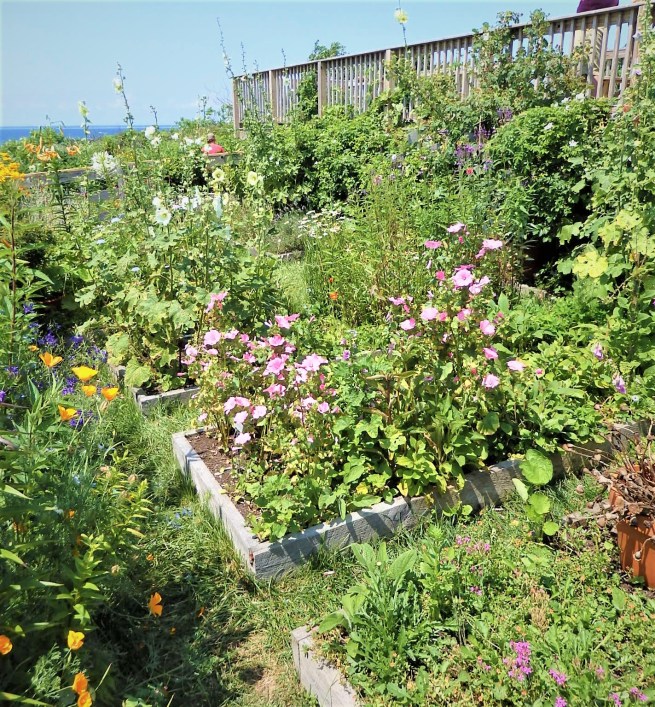
Celia’s flower garden in front of her cottage became legendary, celebrated in her lovely book An Island Garden, with glorious illustrations by Impressionist master Childe Hassam. I treasure my reproduction copy. She’s the one who convinced Hassam to use his middle name rather than Frederick as an artist.
The hotel itself burned in 1914, and today the island is privately owned, much of it by the Shoals Marine Laboratory run by the University of New Hampshire and Cornell University. Visits are strictly controlled.
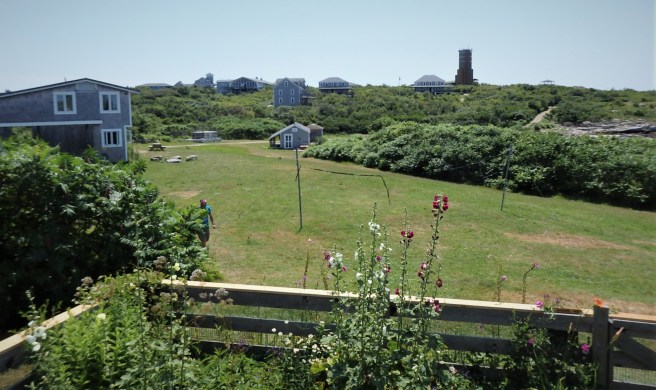
Last summer, my wife and elder daughter and I indulged in a tour of the island. Among its highlights was walking through the grounds of the long-gone hotel and a replication of Celia’s garden, which is much smaller than we’d expected and less carefully tended. The fact that it needed such constant care is a lesson in humility for those of us who expect similar results on much larger tracts.
And, for those of you who have read the garden book, I’m told that garden slugs are no longer a problem.
Nearby is her grave.

 Jnana's Red Barn