
The ferry on Friars Road
You never know what we'll churn up in cleaning a stall
Devastating downtown fires were a big hazard for 19th century American cities, large and small, from New York, Chicago, Boston, Baltimore, Pittsburgh, and St. Louis down to Portsmouth, New Hampshire, and Portland and Bangor, Maine, closer to home. (For the record, San Francisco actually suffered more from the fires than from the 1908 earthquake just before them.) It’s a long list, actually, and some center cities were leveled by flames and intense heat more than once.
Eastport was one of them, with great fires in 1839, 1864, and 1886 – the last one barely missing our house but leaving the rafters spookily charred.
That blaze, in October, started in one of the sardine factories on the waterfront and spread quickly, consuming almost every building along the harbor.
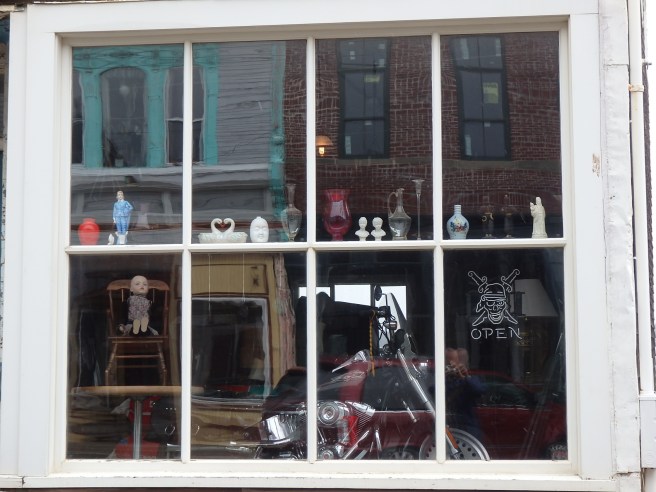
Remarkably, the city rebounded quickly, with most of the Water Street buildings completed and reopened within the next year or two – many of them designed by the same architect and resulting in a visual unity for the five-block stretch.
Today the entire downtown district is on the National Register of Historic Places.
Still, here’s what we have. Put another way, every city needs a center, and a shopping mall just ain’t the answer.
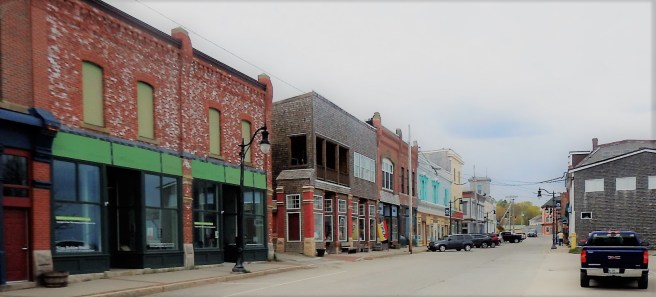
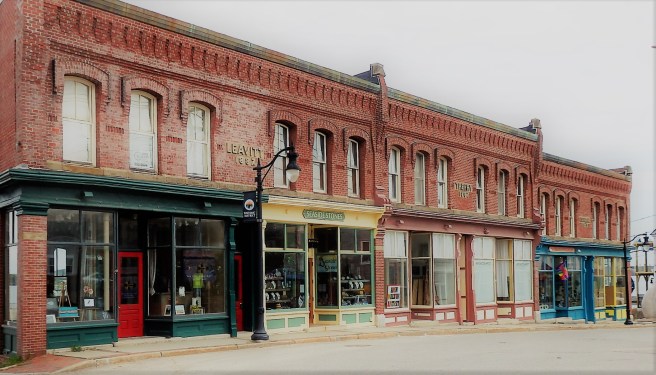
A downtown is more than a place to shop, for one thing, though that helps. It should be pedestrian friendly, with places to stop and sit and meet folks and chat or maybe just stroll afterhours. Cafes, restaurants, and pubs help, too. A post office and banks as well. Throw in a few theaters, nightspots, galleries, churches. Then offices, hair stylists and barbers, upstairs residences, even a hotel or more.
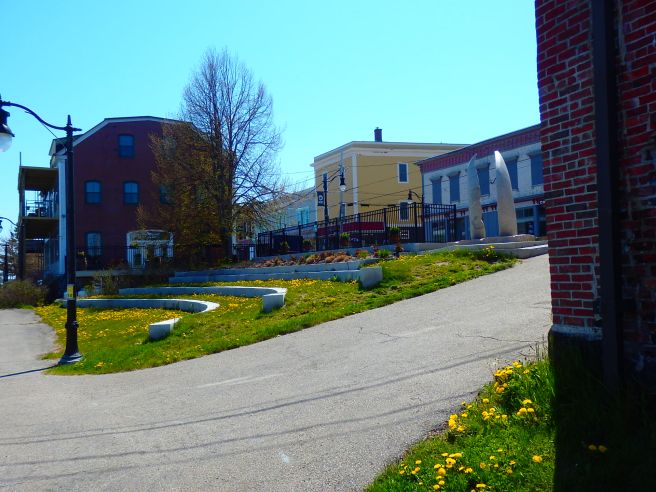
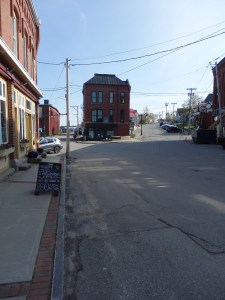
Tell us something that makes your community special. Where would you take us if we visit?






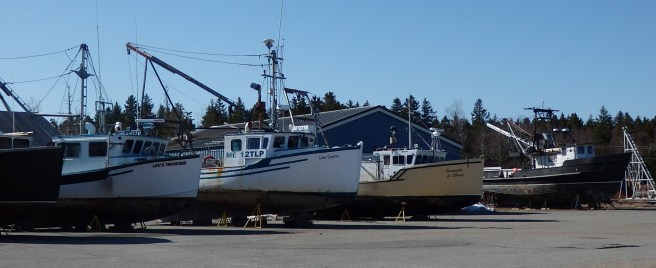


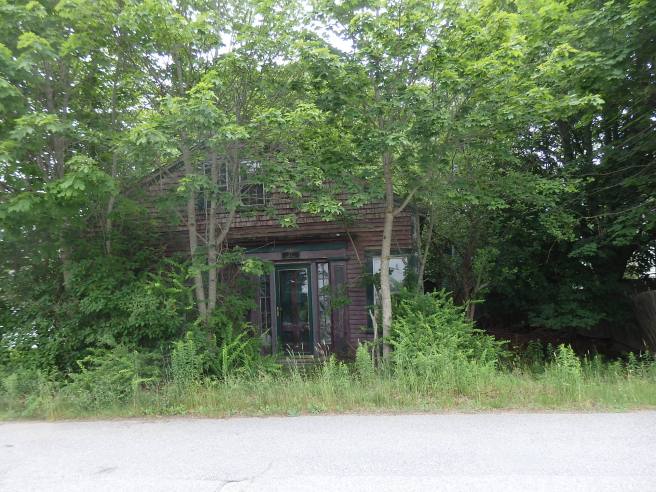

Say what you will, the Chamber of Commerce lists the Hillside Cemetery as a thing for visitors to do here.

This one is newer, meaning mostly 1800s and Victorian, when the town thrived. Yet many of the inscriptions, in softer stone, have weathered to illegibility.

Yet I keep going back, often reading between the lines.
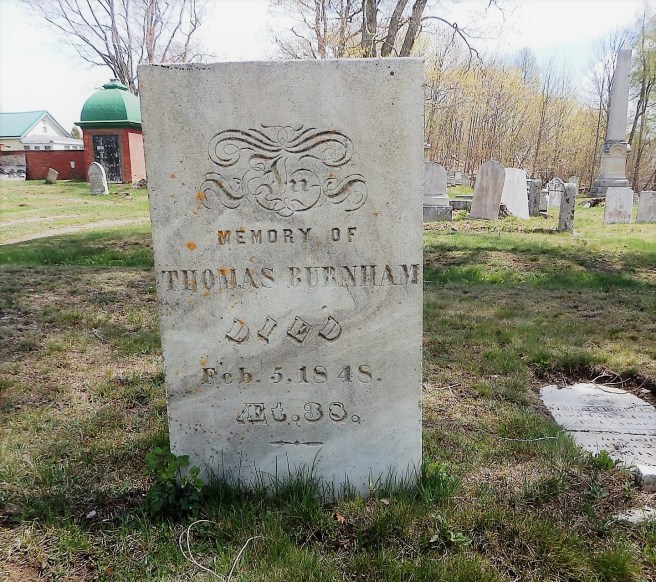
Many of the men and women died young, along with a large percentage of children.
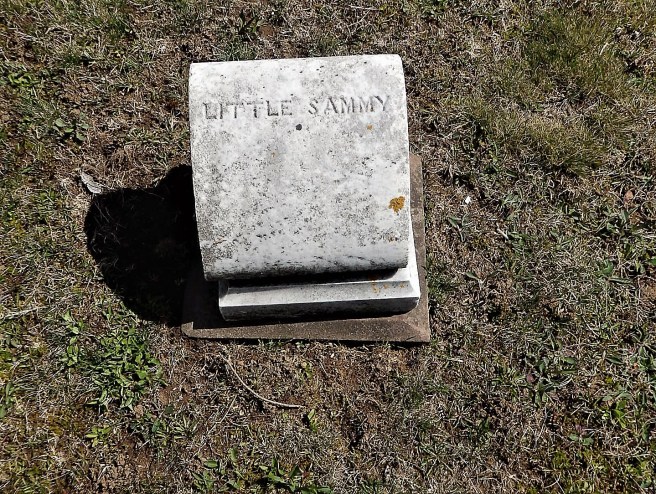
Many of the stones tell of birth origins elsewhere in Maine or even New Hampshire and Massachusetts, as well as a few defiantly proclaiming “born in Ireland.”
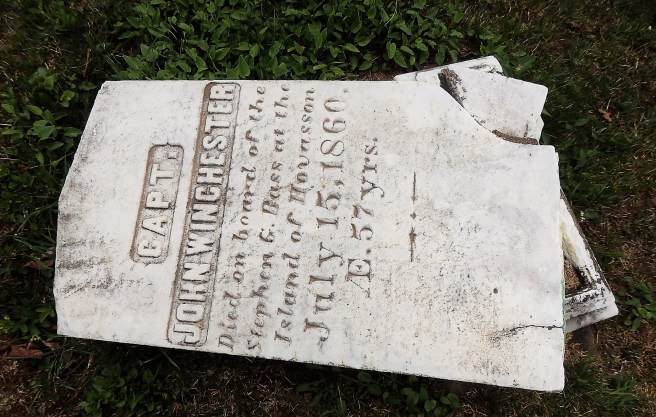
Many of the names begin with “Capt.,” sometimes followed with “lost at sea,” which is also found on other stones of first mates or sailors. Others tell of falling in Civil War action – many New England towns suffered heavy tolls.
Some of these markers were erected as memorials, with no bodies buried below.
Fittingly, in places as I walk, views of the ocean and islands in the distance open below me.

