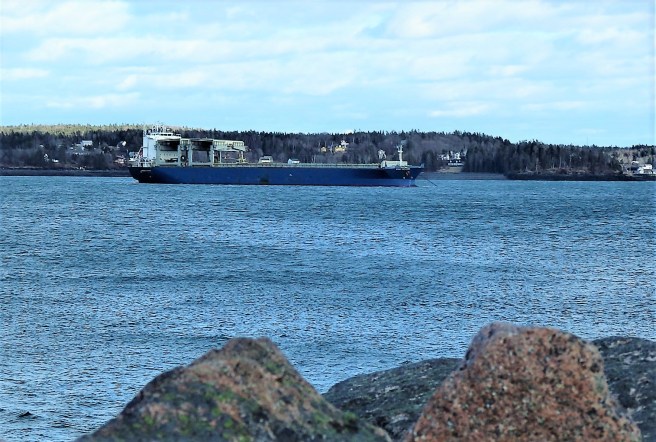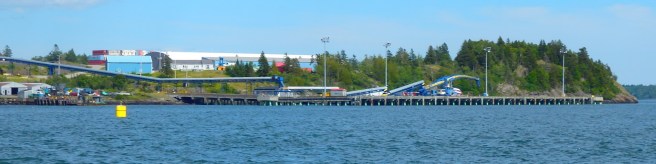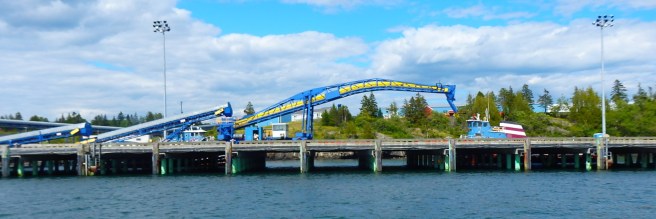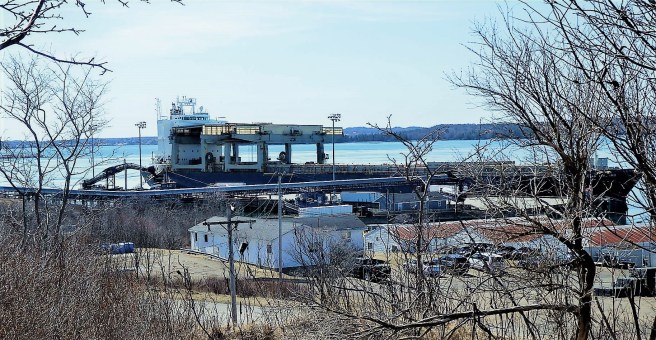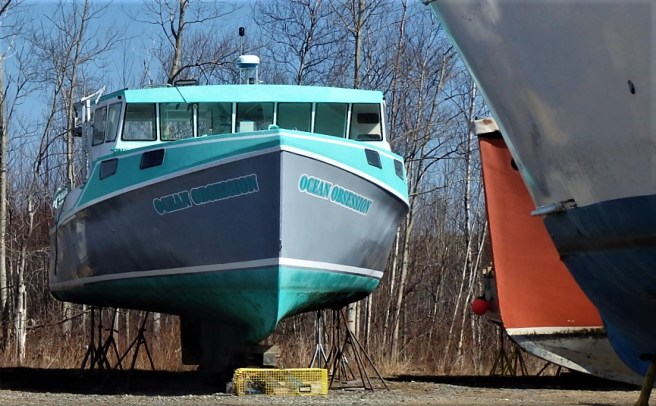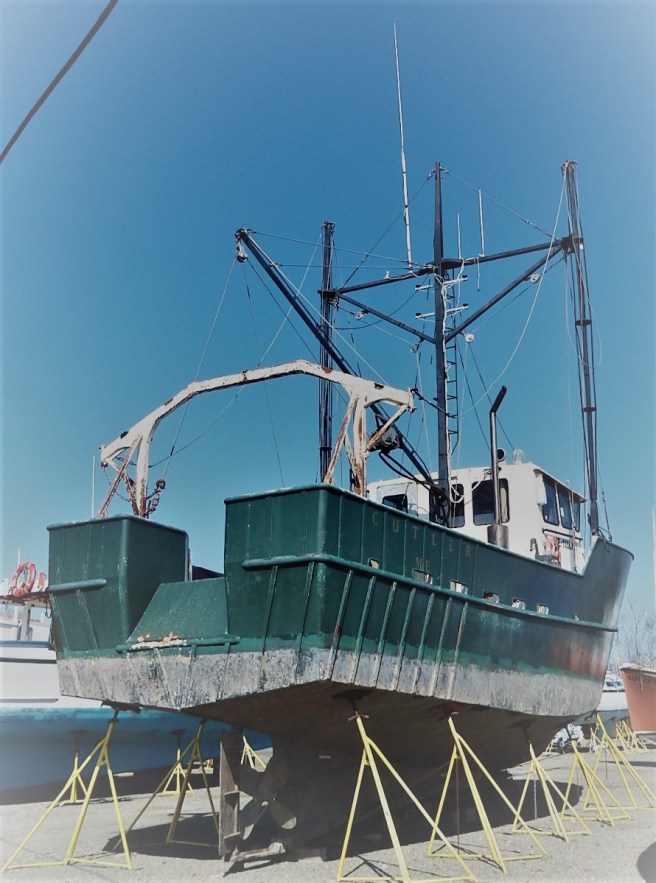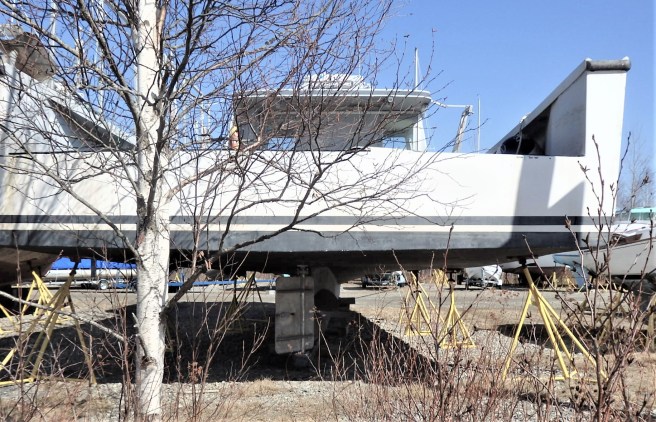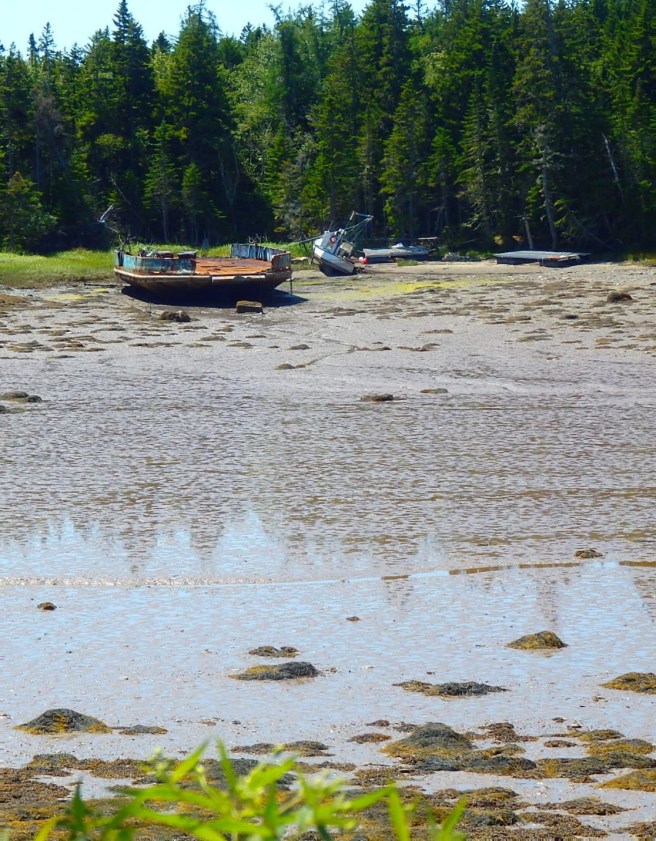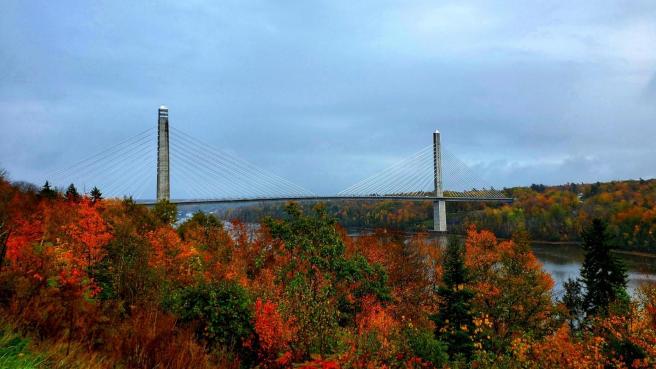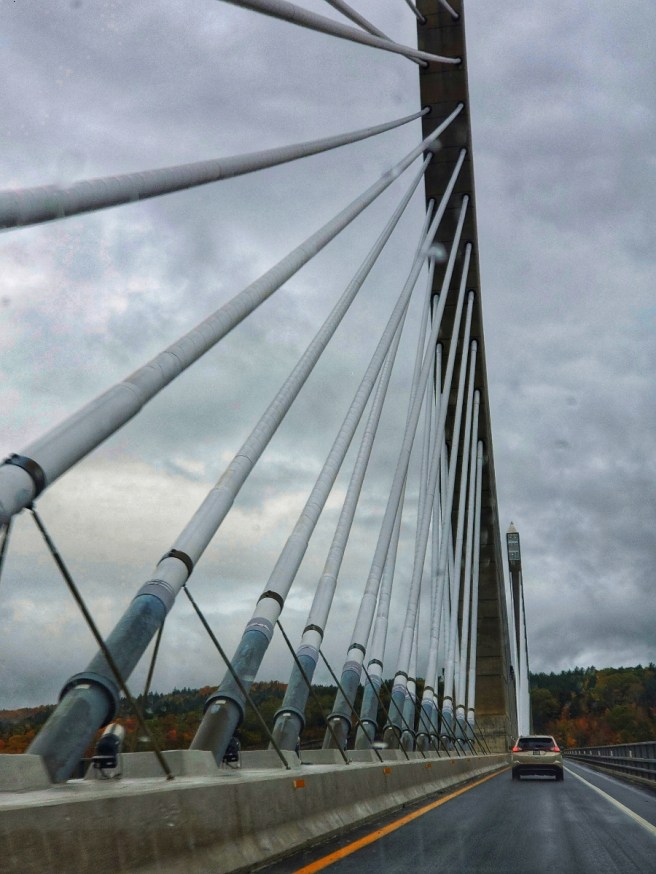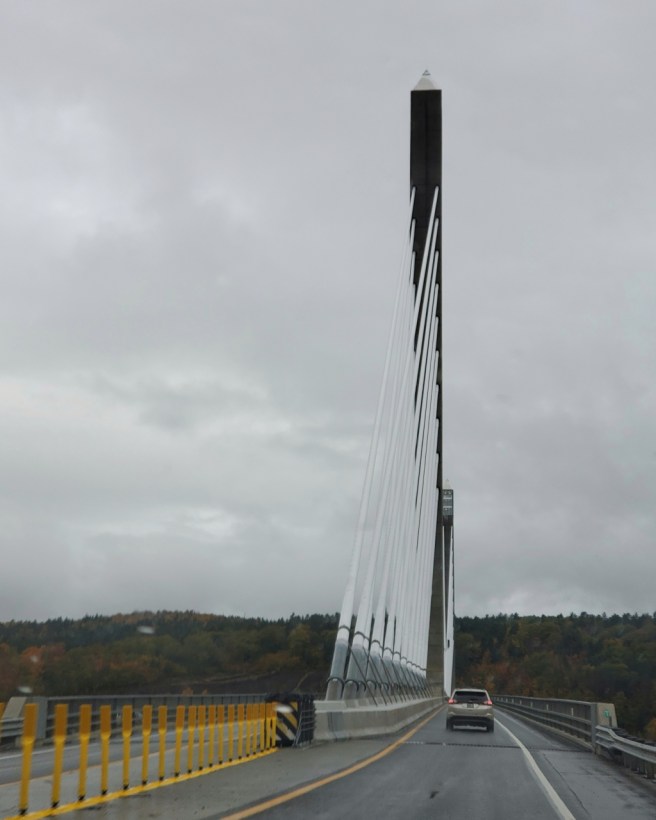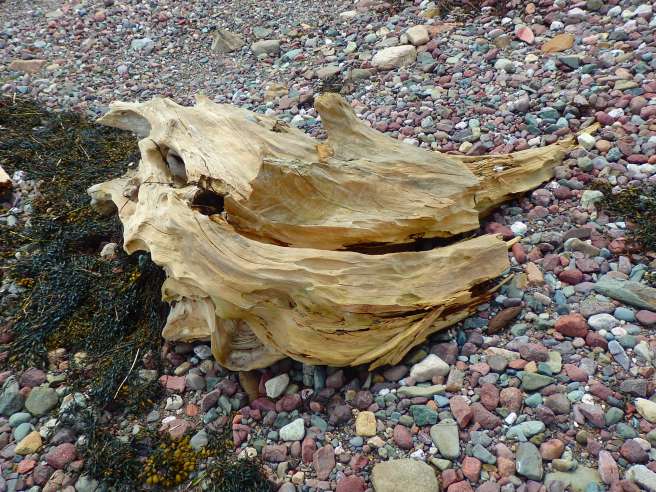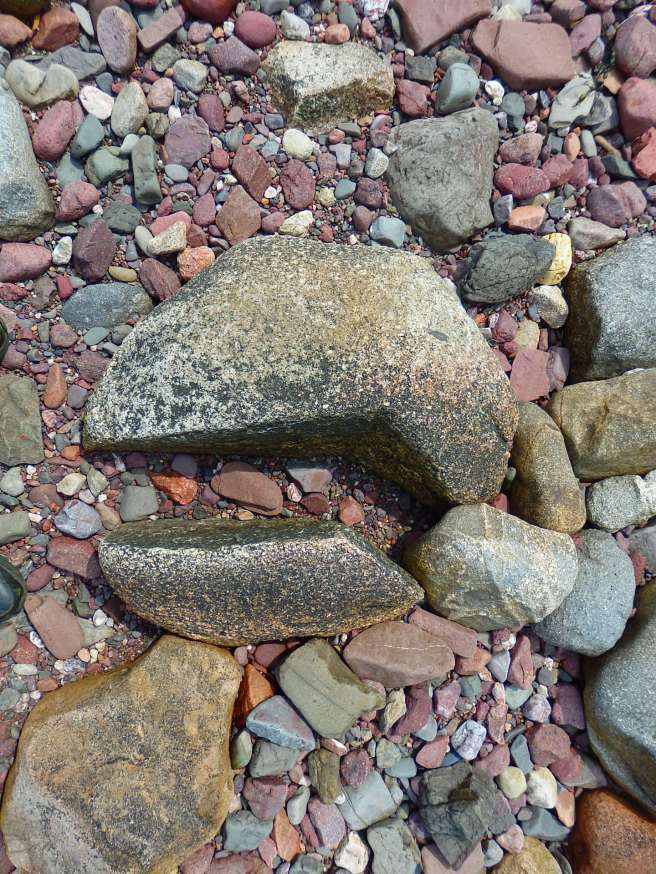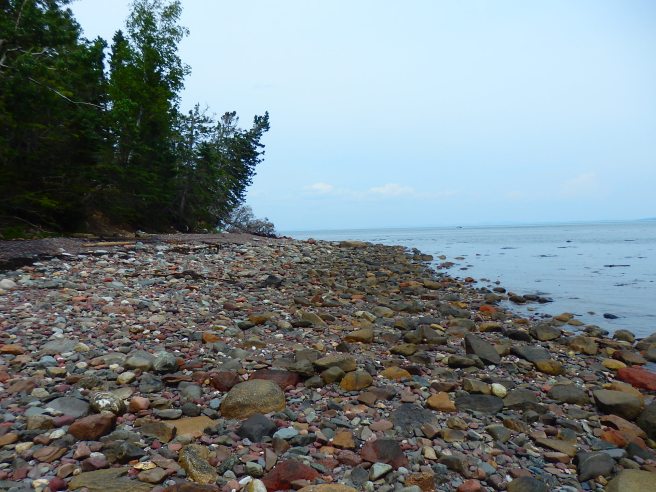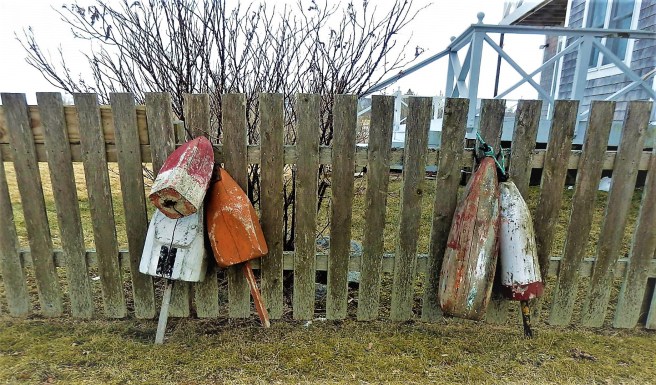
Could be any number of New England seacoast towns

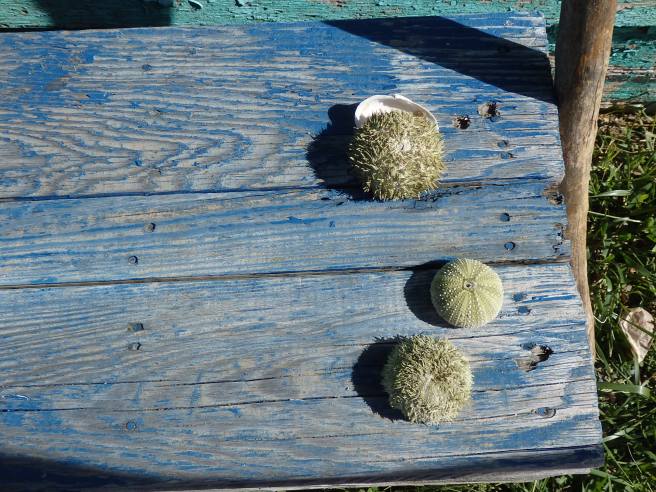
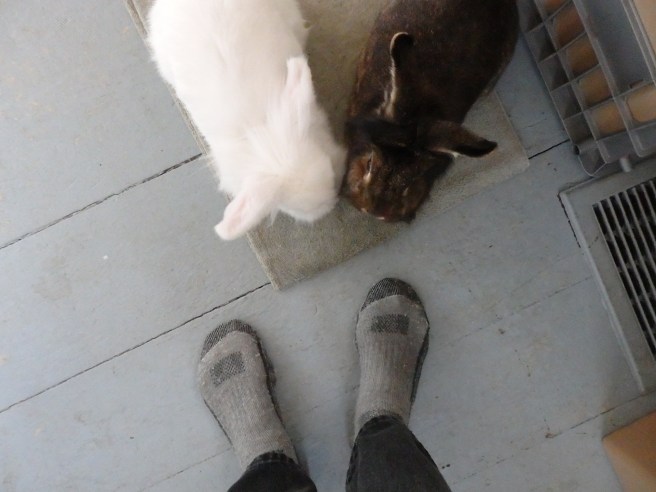
You never know what we'll churn up in cleaning a stall

I thought the guy was kidding when he pulled up in town and confided that he was going to repaint Eastport’s iconic waterfront fisherman statue, changing the blue coat to a yellow slicker. I was sworn to secrecy at the time, but the next day, there he was, in full light, doing the deed.
The somewhat surreal, but shall we say fiberglass de facto emblem of the city, really got a fashion update. Or upgrade, in my opinion. Seems I’m not alone. Yes, that yellow slicker fits much better.

My kudos to Patrick Keough of Seward, Nebraska, for something that even included an imaginative eyepatch.
Some folks, however, are seeing a similarity with the Gorton’s guy down in Gloucester on Cape Ann, Massachusetts.
I think they have that backwards.


“Another crappy day in Paradise,” as one wit has been heard to say on a gray, chilly, wet morning here.
To one side of Eastport’s Quoddy Village is Rossport by the Sea, a remarkable – and reasonably priced – 80-plus acre family-friendly retreat created in 1987 by Ross Furman when he purchased the dilapidated and vacant 1790 Captain Jacob Lincoln farmhouse.

It’s definitely not your average motel, hotel, or cabins and campground, either.
The resort’s 32 bedrooms in 12 private sites have access to more than a mile and a half of shoreline and seemingly endless views. There’s also an organic farm working part of the grounds.
If you’re thinking of a visit to Eastport, I’d suggest booking there first, May through October. Not that there aren’t some other good options. Or maybe I’m just being envious.
Still, just walking around the grounds is delightful.


That said, you may want to put it on your list of vacation destinations to consider for next year and then make your reservations early, should you desire.
What distinct accommodations would you suggest for a traveler?


Some distances from Eastport to wherever:


While driving from Eastport to Lubec, kind of in the neighborhood, as it were, I got to thinking about how far you could get from one point to another in the same hour elsewhere. Sometimes, it led to a lot more options.
Where could you drive in an hour from your home?
As I detail in Quaking Dover, my history of New England’s third-oldest permanent settlement, the odds against success for early European settlers were nearly overwhelming.
It wasn’t just the English, either.
The French made their first attempt just up the coast from Eastport, where Samuel de Champlain selected an island in what’s now called the St. Croix River at the western edge of the Bay of Fundy or, more specifically, its smaller Passamaquoddy Bay.

The famed explorer was working for Pierre Dugua de Mons, a noble and Protestant merchant who had been given a fur trading monopoly in New France by the king.

In 1604 the expedition set about establishing a fortified trading post on the security of St. Croix Island and its tidal currents.


And then they settled in for the winter, ill prepared for harsh conditions that buried their compound under three feet of snow and iced in the river, cutting them off from fresh water and game.
The lack of fresh water, especially, was a fatal flaw in their plan.
By the time spring arrived, 35 of the French expedition’s 79 men and boys had died, many from scurvy. The remainder survived largely because the thawing river allowed Native Passamaquoddy to arrive and trade nutritious food in exchange for any remaining bread and other goods.
After the colonists’ health improved and ships brought new supplies and more men from France, they abandoned the island and relocated to what would become Port-Royal, Nova Scotia, soon the center of L’Acadie, or Acadia, a large and contested province of New France.
In 1607 the English then made two attempts of their own in the New World. Their Popham colony at the mouth of the Kennebec River in Maine fared no better, while the Jamestown settlement in Virginia managed to hang on.
In 1608, Samuel de Champlain successfully founded Quebec City along the St. Lawrence River. What we know of the St. Croix Island experience comes largely through his journaling.
Quite simply, we could have been speaking French here, had someone thought about drinking water earlier in the game. Or perhaps simply been listened to and respected.
~*~
Sculptures at the St. Croix Island International Historic Site, Red Beach in Calais, Maine, are by Ivan Schwartz, Studio EIS.