Globalization is another name for the passing of world dominance from the U.S.A. to the People’s Republic of China.
A country that cannot make uniforms for its soldiers is ill-armed, indeed. Especially when its biggest rival and potential enemy holds IOUs on a national debt. The irresponsible and tragic consequences of waging an unnecessary war one refuses to pay off. Somebody will have to pay.
For starters: wait until interest rates rise again, and pay that much more.
What could we expect from a president who’d fly halfway around the world to serve a plastic Thanksgiving turkey to the troops, as W did?
Getting ready for the trick-or-treaters tonight means bringing the box of decorations down from the loft of the barn, perhaps carving a jack o’ lantern or two, putting up some spooky lights, and making sure we have bags of candy ready for the kids who come knocking on our door between 5 and 8 p.m. (Dover’s officially sanctioned window).
For readers in other countries, I should perhaps explain America’s Halloween tradition of allowing children to go door to door, knocking or ringing the doorbell, and then calling out “trick or treat” and receiving a sweet morsel in return. In the old days, there was the veiled threat, “or else,” which often led to a prank like having your windows soaped – or worse. These days, it’s often a matter of having any pumpkins left out being smashed in the middle of the night, regardless of your good acts.
Over the years, though, the event’s lost a lot of its edge.
For one thing, as a result of tales about razorblades being found in apples and other urban myths, only commercially prepared and sealed products are acceptable as handouts – no more apples, little bags of homemade caramelized popcorn or cookies, or (my favorite) Rice Crispies squares. It’s almost universally little candy bars, door after door. Gone’s the wide variety you’d compare at the end of the evening. Of course, most kids get candy throughout the year, so it’s no longer the Other Christmas when it came to rare sweets.
For another, concerns about safety mean it’s rarer to allow children to roam on their own. In our neighborhood, at least, almost everyone’s accompanied by a parent – and many of them have better costumes than the kids. For that matter, they often seem to be enjoying it more, too.
The safety issue has led to some weird twists of its own. Manchester, for instance, moved the event to Sunday afternoon – broad daylight. As one neighbor kid at the time observed, how lame! There’s nothing spooky in that! And then there’s the going store to store in the malls. Even lamer.
The one vexing situation is the car that cruises slowly while their children go door to door. Get out and walk, please! You’re being asocial. Usually, these are people who don’t even live in the neighborhood but have chosen to live out in the country, “away from neighbors.” And now they want what they don’t offer in return.
I remember, especially, living in a neighborhood of modest townhouse rentals and seeing the BMWs and Mercedes cruising through. Nobody in the neighborhood could afford vehicles like those, and now we were expected to give their kids little gifts?
I had the urge for a little tricking on my own in return. If I only had a plan …
Another of the festering wounds of the ’60s and ’70s is the matter of illicit drug use. It wasn’t just hippies, actually, not once the troops in Vietnam turned to it, too.
It’s a troubling legacy on many fronts. For one thing, the United States has the highest incarceration rate in the world – much of it regarding drug traffic. In other words, there’s a demand for the product, and if you believe in a free market, maybe you need to listen.
I won’t go into the history of banning many of the substances that are now verboten, even if it suggests a political tradeoff in repealing the Prohibition. But the basis of declaring the substances illegal appears to have been made on reasons other than the ones officially proclaimed. Let’s be honest about tobacco and alcohol, including their ability to be taxed, in contrast anything you might be able to grow on your own. (This, let me add, is coming from a former homebrewer.)
On the other hand, the widespread, frequent use of mind-altering substances among the young – and I’m including tobacco, alcohol, and activity-inhibiting legal prescriptions – leaves me deeply concerned.
That extends to the parents who give their kids pot … or even allow them to sell it at school.
That, in turn, points to a divergence between hippies and stoners.
Faced with a decision on the legalization of marijuana, I’m not entirely sure how I’d vote. But I do know the current policy isn’t working – and is doomed to continuing failure.
Why can’t we have a frank discussion on the issue … without all the hubris?
In drawing on the hippie era, I realize how many different strands there were to the movement. Mine happened to lead into a yoga ashram, and though we were drug-free and celibate, we were also at the crossroads of a lot of the hippie action.
As I ponder the era, I also realize DL’s journey in those pages could just as easily turned toward underground violence, had he joined one of the cells of bombers targeting military research operations in frustration, and that version of the story probably would have had commercial publishing cachet. But to me, it would have been dishonest.
More meaningful to my vision is the comment by Mari (River Mama 5) to an earlier posting here:
Amazing how many different views there are. … Hippies to me were quite different. To me, it gave birth to great changes in our society. … I am quite thankful for … the back to the land movement and the Calvary Chapels churches that came to exist during this time. I came to know Jesus Christ in one of them.
They also pioneered living a simpler life … showing compassion to others. Taking care of this gift that is our planet. The “hippies” in America, were great artisans. As a weaver, quilter, and knitter, I look back at this time and find myself inspired by the way creativity roamed free among this way of living.
This is the side I wish to nourish and celebrate. And thank you, Mari and all the others, for sharing.
On my Monday free of the office, I drove up the palisades to nose around a picturesque river city in dull, mid-October weather. Looked at the signs. City Fish Market – Fresh or Smoked, down along the water. “Bill’s,” one door said; the other was “Private.” Down the main street from Doug’s Steak House, which was supposed to be THE place for Mississippi catfish, the town school stood in front of Lock and Dam No. 10.
I pulled into the Corps of Engineers parking lot as the Jack Wofford pushed its barges into the lock, noticed an observation tower, and climbed up to a deck occupied by mostly married retirees. But in the corner, more my age, was a woman in a London Fog trench coat and big boots, her long, black hair blowing in the cold wind. For a while I wondered if she was part of the pairs and quartets of older folks with their cameras who had come to view the autumn foliage and poke around the gift shops and galleries. She turned her head, noticed me briefly, turned back several times. Between twenty-five and thirty-two, I guessed. Proper makeup, classy.
Then, on the riverboat, a cook appeared at a door and fired back with his camera. She laughed.
Once the retirees beside her left, I asked her how the crews got their three lengths of barges – 3×3, for nine in all – out of the locks. “I don’t know,” almost a question. “I’ve never been here before.”
This time I noticed her crooked teeth. Began to wonder about games.
The cook emerged again, this time from the pilot house, and threw something, calculating for the wind. The object curved sharply at the last moment, into her fine catch. She unwrapped it a bit, saw it was a brownie with a phone number and address inside. She giggled to another old couple: “I think he’s had a lot of experience.”
Once the riverboat churned out of the lock, she descended to a powder blue Ford Torino, donned kid gloves with little holes for driving, and drove off.
The wrapper around her plates left me wondering if she was from the Henry County in Iowa or the one up in Minnesota.
I was left wondering, of course. Why so dressed up? And free on a Monday? That wasn’t a typical single person’s car. A professional, between stops? An art major, who gave it up for money? A government worker, with Columbus Day free? Off to a sweet rendezvous? Delightful divorced? Bored, with kids?
Me, at the time, with my own wife a thousand miles to the west, presumably finishing college.
It’s tune in, turn on, and take action in this tale of campus intrigue. Little does a small band in a remote college town realize its opposition to small-ante bureaucracy goes straight to the state capital. And then Washington and the Mekong Delta are another matter as the hippie movement hits tranquil Daffodil. Nothing will remain quite the same.
As the headline said:
BOTCHED DRUG BUST BACKFIRES.
When narcotics agents made an early morning knock-down-the-doors raid on the twelfth-floor of one of the high-rise dormitory towers, they turned up nothing – and were surrounded by irate residents before they could frame anyone, either.
“If you think the slaying of innocent students at Jackson State University was merely a racial atrocity,” Lakasha proclaimed, “you’re not seeing the big picture. It’s about an attack on civil rights – freedoms that belong to all of us. You don’t have to live in a big city to live in ghetto housing. Every student in Daffodil lives in a ghetto. Where I come from, we have a word for high-rise housing like these big dorms – the Projects. And the pigs who come charging into the Projects act just like those who busted in on the twelfth floor the other night. Never mind whether they find anything or not. Look, the university’s demanding that the students pay for the busted doors and busted furniture and busted walls. That’s why they call it a bust in the first place. Wake up, America! Demand the names of the ‘unnamed informants,’ the ones who were so wrong about the presence of illicit substances in those rooms. Wake up, I say! Mississippi’s closer to Daffodil than you think!”
~*~
To learn more about my novel, go to my page at Smashwords.com.
Rockport, Massachusetts, sits at the end of Cape Ann.
Mention “the Cape” anywhere in New England and people assume you’re talking about Cape Cod, that marvelous arm extending from southeastern Massachusetts. (Well, it does have its own dictionary entry.)
Mention “the Other Cape,” and a few knowing heads will nod or smile in recognition of Cape Ann, jutting from Boston’s North Shore.
It’s not that those are New England’s only two points of land extending into the ocean – the definition of a cape. For perspective, two of Maine’s most photographed lighthouses are on Cape Elizabeth and, close to us, Cape Neddick.
What Cape Ann and Cape Cod share is a certain ambience, a feeling that – well, you’re in a unique place and not just anywhere in New England.
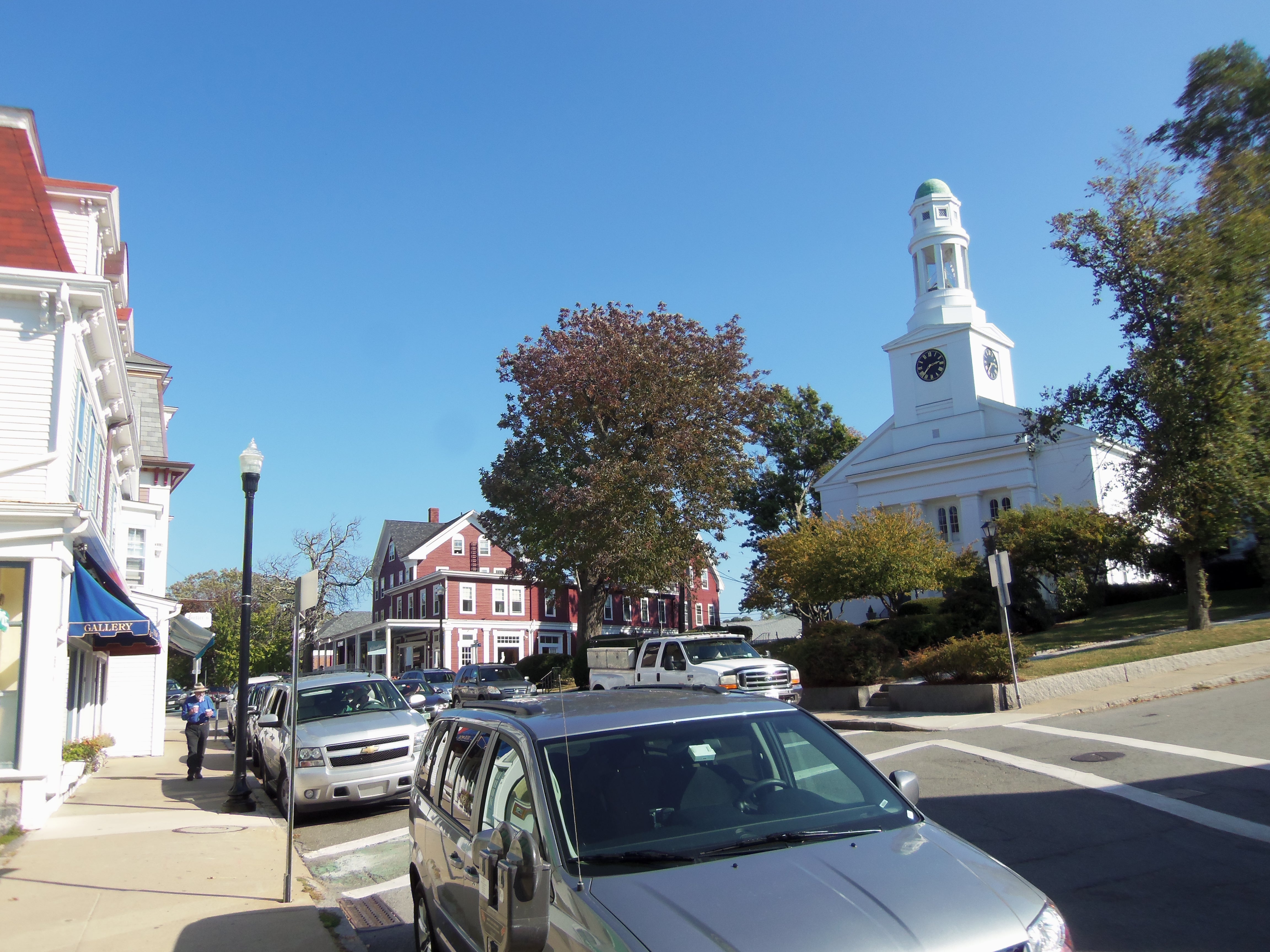
If you’re not familiar with Cape Cod, let me say there are many fine guidebooks that describe the experience. Today’s gallivant, though, takes us ever so briefly to Cape Ann, which by its most generous definitions (probably mine) can be no more than a third the length of its famed rival. While Cape Cod is neatly demarked by the Bourne and Sagamore bridges, Cape Ann is a bit more diffusive. Since we come down from the north, we find that “Cape” familiarity in the air as we come into Ipswich, which claims more “first period houses” (1625 to 1725) than anywhere else in America – 58 in all. It’s a charming community and, like most of Cape Ann itself, has a more varied mix of social classes than you typically find on the bigger peninsula.
My introduction to the town came last fall when K. Peddlar Bridges invited me down to do a poetry reading on his Roadpoet cable-access television show – and we had a blast. Before the taping, I went for a walk through some lovely year-round neighborhoods that could stand as textbook tours of American architectural styles. I crossed a stone arched bridge as geese took V-formation and honked low above me. Turns out the 1764 Choate Bridge is the oldest double stone arch bridge in continuous use in the country. (I don’t make this up, nor do I challenge the accuracy of the claims.) Leading to an impressive Colonial-era garrison house, the span connects to Turkey Shore and Labor in Vain roads. You get the picture. And, yes, you don’t get a better sense of that Puritan outlook than “Labor in Vain,” do you?
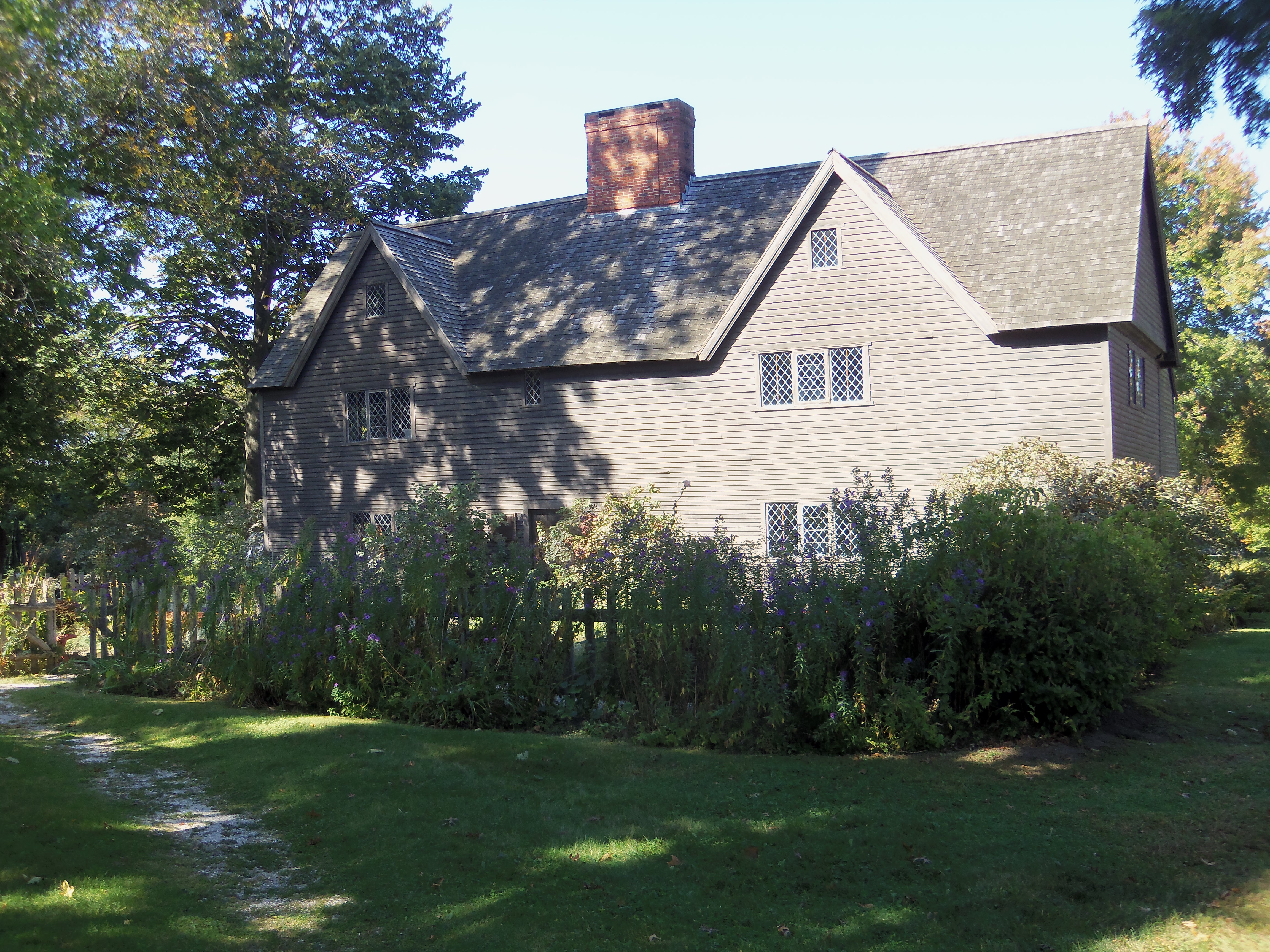
The reproduction 1657 Alexander Knight house in Ipswich, Massachusetts, suggests the difficult life facing the early settlers, especially through a New England winter.The elegant 1677 Whipple House in Ipswich is considerably smaller than the House of the Seven Gables in Salem but similar in style.
So the next week, my wife and I took off for a fuller exploration. We headed on down the road through gentleman farms and veered off for Crane Beach, passing long vistas of salt marshes where prized hay was once harvested. (It was high in mineral nutrition but gave the milk a salty taste, according to the tales.)
The beach itself was once part of the Crane family’s Castle Hill summer estate, which is another destination. The estate, the 1,234-acre Castle Neck dunes and beach, and adjacent 700-acre wildlife preserve are part of the Trustees of Reservations holdings. (Be advised, there’s an admission fee to the park – $8 a car when we went; up to $25 a car on summer weekends.)
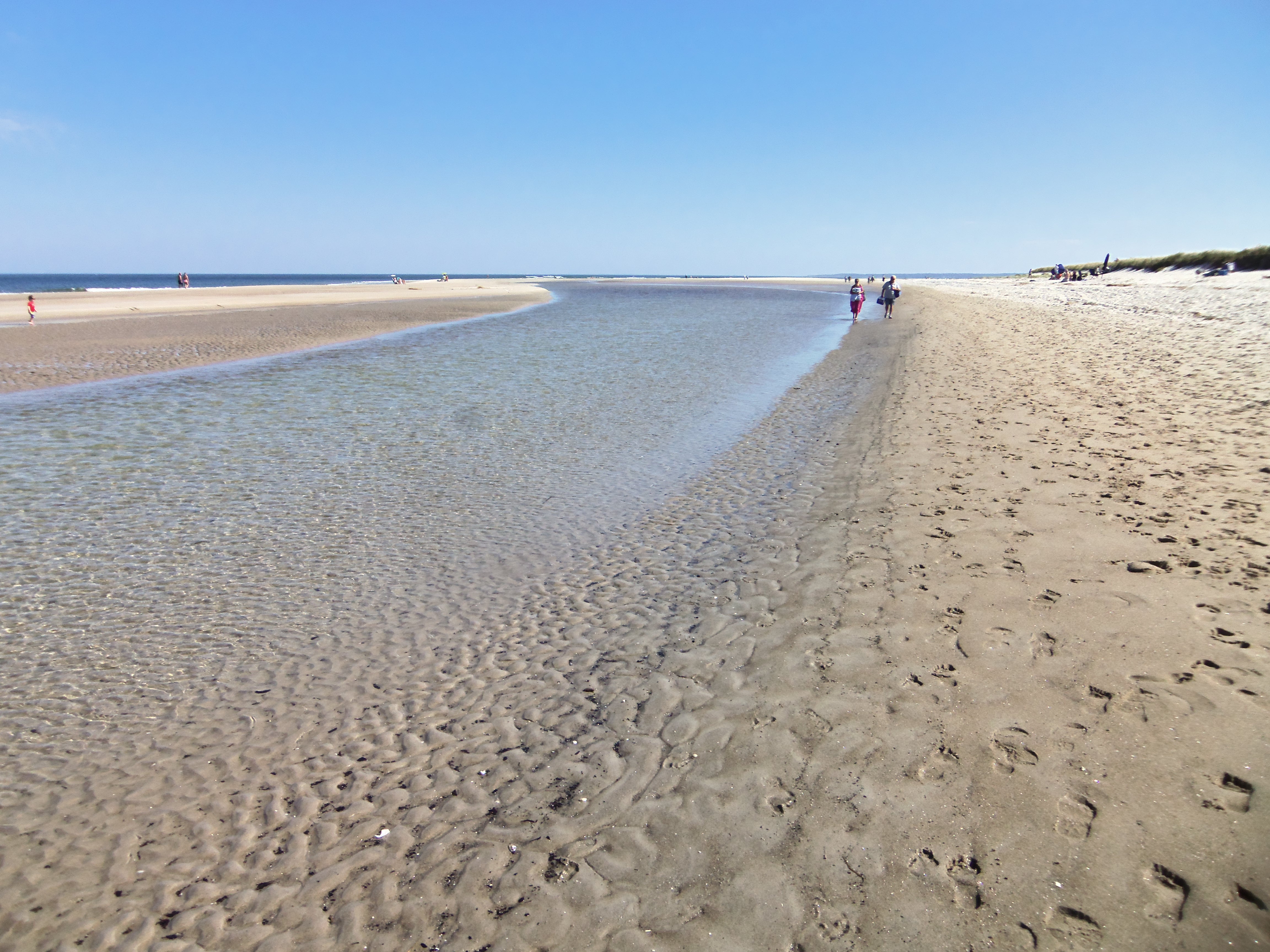
But what a beach! My wife was overjoyed to see white sand, like those of her native North Carolina, rather than the usual gray or brown of New England. And that sand seems to run on forever, with fascinating patches of rippled washboard, tufts of sea oats, and an array of shells we don’t find in our usual rounds of the coast. It may have been October, but our nostrils were greeted with that distinctive Coppertone aroma, and our eyes viewed an array of sun worshippers extending their tans as well as a few daring souls in the water. We walked and walked and, well, might still be walking if we hadn’t felt hunger kick in.
We’ll be back.
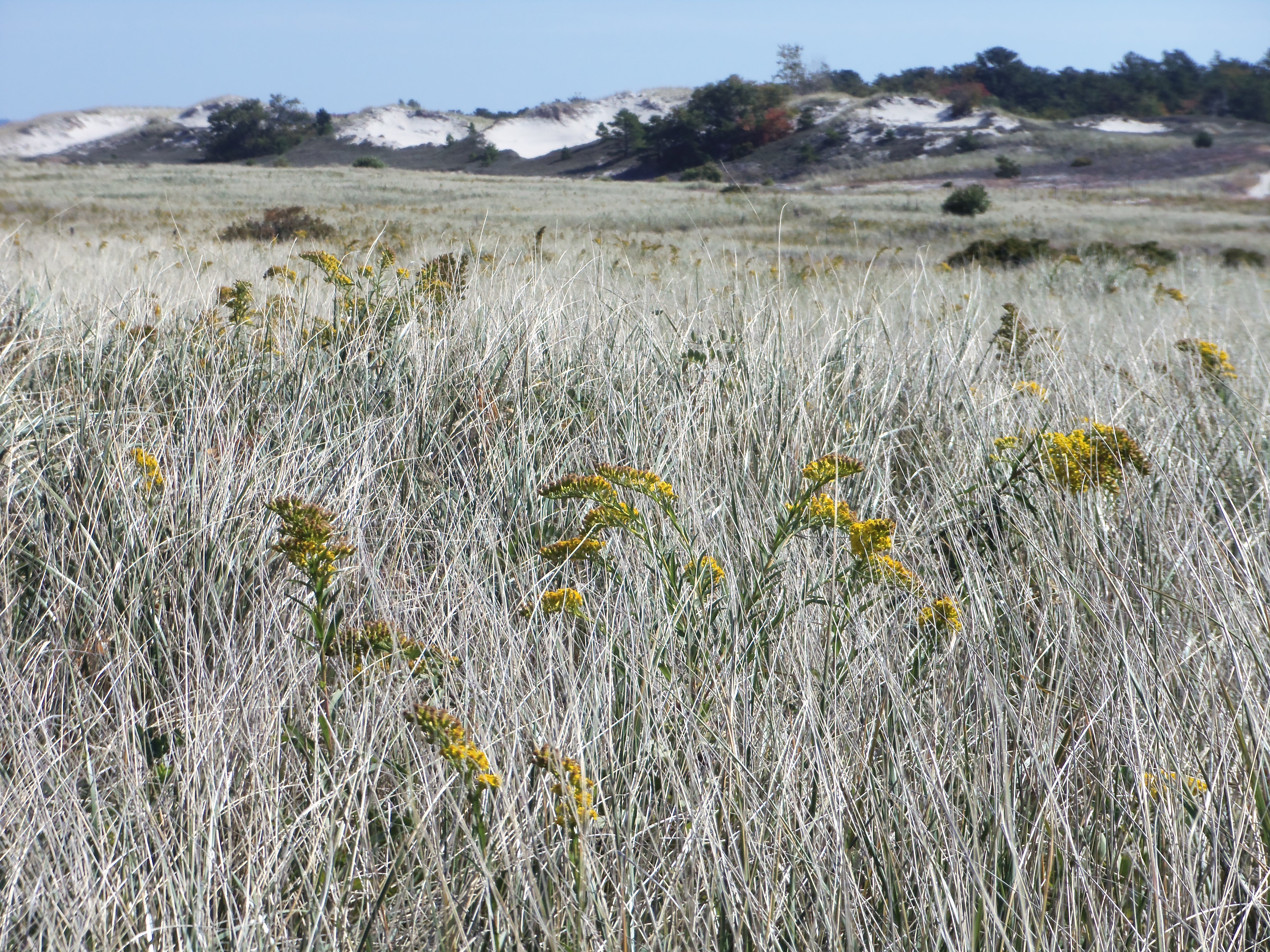
Washboarding and footprints decorate the sand at Crane Beach.Here’s a view looking into a dune behind the beach.
Venturing on, we came into the small waterside village of Essex, where we poked into Woodman’s “in the rough” for a seafood lunch. “Rough,” which is also in the name of an outdoor haunt we love in York, Maine, seems to indicate ordering and picking up from a counter rather than wait staff service, as well as a picnic-flavor rustic decor. As we looked at the blackboard and its prices, we nearly left for cheaper fare, but Rachel caught a posted review by food gurus Michael and Jane Stern – and I knew we weren’t leaving. I’m glad we stayed.
It was fun and filling – they don’t skimp on their portions. We can see why it’s a classic destination for the traditional regional seafood, especially of the “messy” sort. And, as she said, they “know how to do batter.” That’s a high compliment on her part. (Onion rings, anyone?)
The heart of Cape Ann is the city of Gloucester and its varied neighborhoods around the waters. It claims to be from the same year as Dover, although unlike my city, it was abandoned for a period, and is about the same size, roughly 29,000 residents. It lays claim to being America’s oldest seaport and has always been a busy, often brutish, fishing harbor. Gorton’s Seafood uses the city’s sea captain sculpture as its emblem. The Perfect Storm movie captures some of this legacy. These days it’s also the home to a number of whale-watch operations, due to its proximity to the famed Stellwagen Bank fishing grounds. In the 1950s and ’60s poet Charles Olson sought to capture the local spirit in his Maximus series, drawing on Ezra Pound’s literary foundation.
For us, though, the glory of the place is its three large wind-generator turbines rotating gracefully from the highest points along Route 128. They are immense works of art, comforting, landmarks. How anyone can oppose their construction baffles us. And, yes, they do sing … softly.
The trees might give you an idea of the scale and majesty of these Cape Ann landmarks.
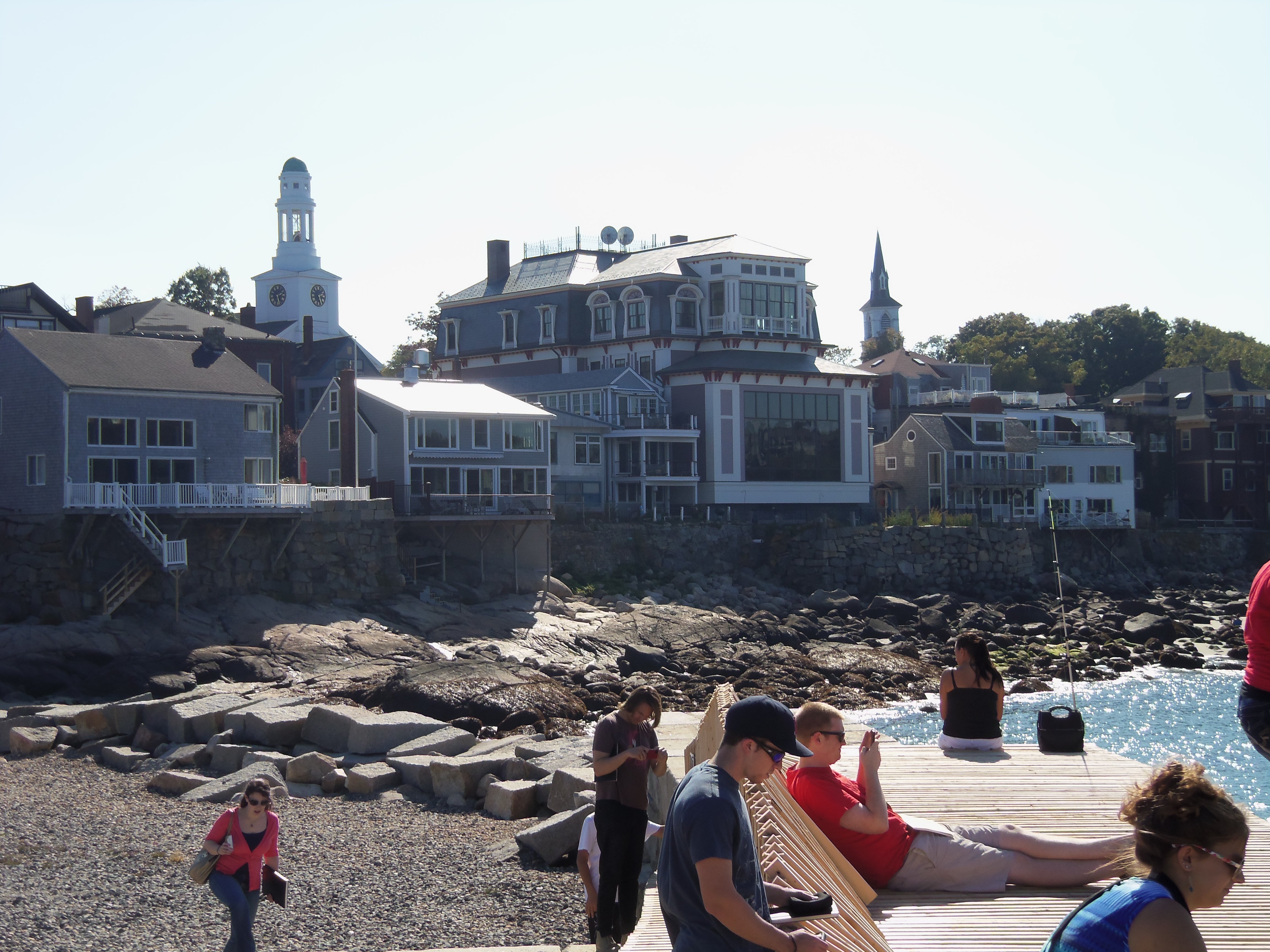
Cape Ann culminates in the town of Rockport, which has long attracted summer artists to its shores. More recently, the three-decade old Rockport chamber music summer festival has developed a loyal following, which led to the 2010 opening of the 330-seat Shalin Liu Performance Center and its year-round offerings that include classical, folk, blues, and jazz. When they say “intimate,” it’s true. What makes this hall truly amazing is that the back of the stage has wooden panels, for acoustical purposes, that roll away to reveal a panorama of the harbor. Maybe the Santa Fe Opera surpasses the view, but I bet you can find folks who can quibble.
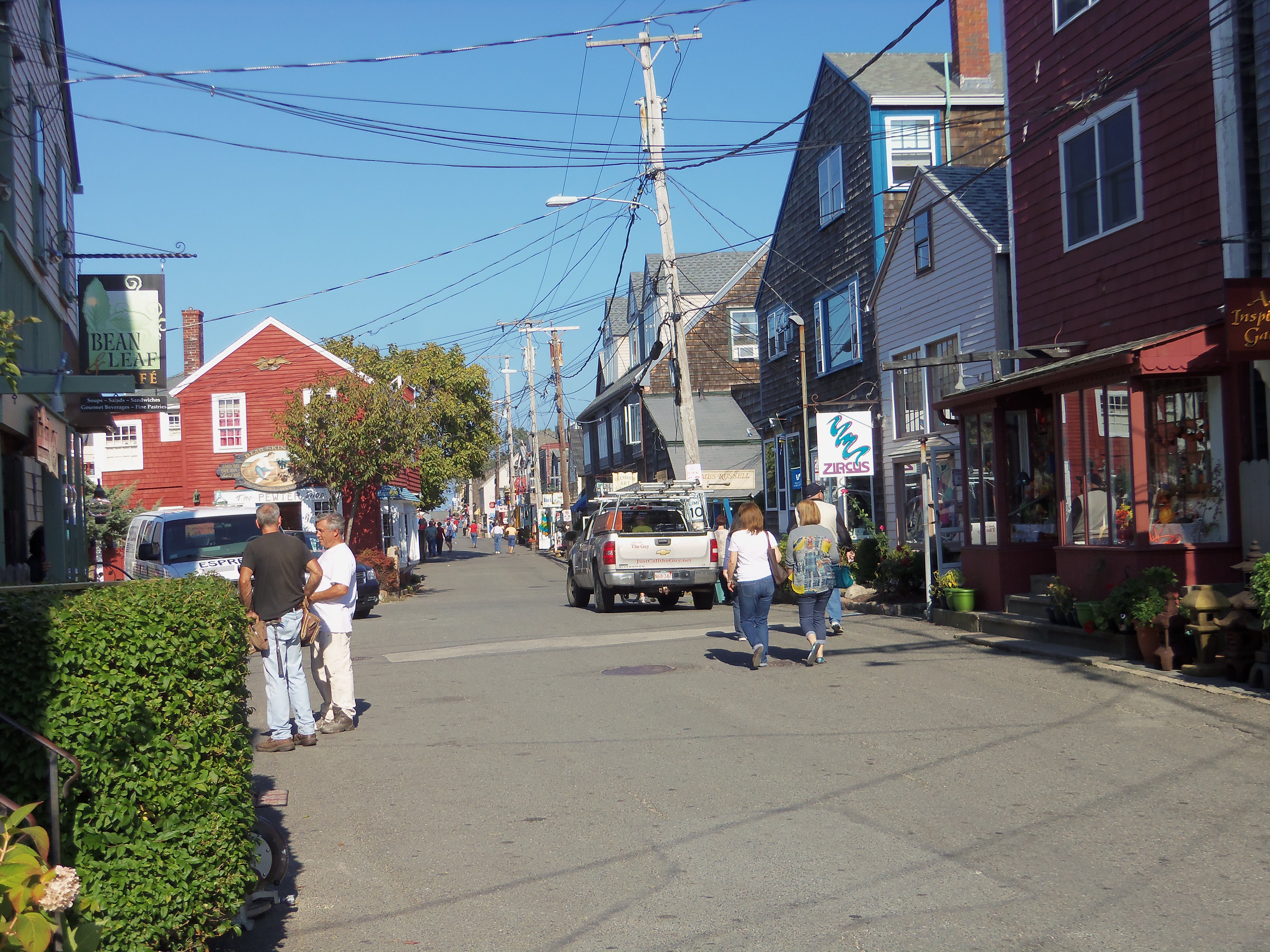
The village itself has much of the Cape Cod shopping flavor of boutiques, restaurants, artist galleries, jewelers, and so on – especially in its Bearskin Neck district.
The big window in the largest building overlooking Rockport Harbor is the back of the stage at the Shalin Liu Performance Center. By the way, the tide’s out. We were among a crowd enjoying an art installation that doubled as sunny seating on one of the stone wharves.Downtown Rockport has a traditional blend of resort retailers … and shoppers to match.
By the way, Massachusetts Bay Transit trains run from Boston’s North Station to Rockport, with Cape Ann stops along the way.
While I mentioned whale watches, I should note we prefer to venture out from Newburyport to the north, in part because the vessel there has the option of heading to either Stellwagen Bank in Massachusetts Bay or Jeffrey’s Ledge in the Gulf of Maine. When it goes to Stellwagen, though, it cruises around Cape Ann and offers fine views of the Straightsmouth Island and Thacher Island twin lighthouses – the 1861 replacements for the 1771 originals – closer to Gloucester Harbor.
Back when I was living in the townhouse apartments “on the hill,” the preschool tot next door was learning he could manipulate me presumably, any grown up into waving to him. All he has to do is wave first.
At first, he was pretty shy, wondering whether he should wave at all when I wiggled my hand or arm in his direction before driving off to the office or the grocery. In time he became more intrigued, hovering at their open front door or staying close to his mother if she were sitting at their stoop.
And then he became bolder. One morning, he parted their upstairs blinds and cried out from the window to me, just so I could see his smile and wave.
The next day, he told me as he rode his bike around the parking lot, “I runned into your car.”
“Oh, where’d you hit it,” I replied, not the least worried, not with all the rust spots that are appearing simultaneously on my well worn vehicle.
“On the tire!” he piped up as I performed a mock inspection.
And finally, he came charging out the door just as I was about to drive off, grinning and hailing me in huge motions. “Welcome!” he cried out. “Welcome to Walmart!”
“Well, say `hi’ to Sam for me!” I chuckled.
His father, a few steps behind, shrugged as they set off on their errands.
For all of it reputation as the “tax-free state” and “live free or die,” New Hampshire has some pretty convoluted ways of making ends meet. True, we have no sales tax and no income tax, but that simply means finding a lot of nickel-and-dime ways of raising public revenues, starting with a hefty property tax rate. (Renters, of course, get no break on their federal taxes there, either – as I said, convoluted.) And if you dine out, even for breakfast, there’s another big hit, eight percent or so, one of many others. Eventually, it all adds up.
New Hampshire also has a reputation as the go-to state for cheaper liquor, compared to the rest of the Northeast. For all of the official conservative rhetoric of free enterprise, the state clutches its monopoly on the sale of hard liquor, unlike, say, neighboring Massachusetts, with its liberal tradition of neighborhood mom-and-pop “package” stores.
The conflict I see comes in the fact the state is both the regulator of alcoholic beverage sales, ranging from bars to groceries and wine stores and home consumption, and also the distributor. That is, the same agency, the State Liquor Commission, is both the policeman and an active dealer in what it is policing. It’s a situation rife with the potential for favors, favoritism, and outright bribery or corruption. As the Founding Fathers were well aware, whoever polices the police should not be the police. You separate them – the classic separation of powers, each keeping jealous watch over the other.
Not so here in New Hampshire. When it comes to alcohol, the only line of defense might be the Legislature or the Governor and Executive Council as the counterbalance, but that’s not the way it should be, especially when we factor in the possibilities of hefty campaign donations. The enforcer and distributor should be under separate agencies – then, if conflict arises, they appeal to higher authority. As it is, they’re likely to squelch any complainer … or else.
In addition, when it comes to wine, all the supermarkets, grocers, and independent wine shops face a double whammy. They’re required to buy their wine from the state (through the one and only licensed warehouse dealer), even though the state also sells directly against them. In fact, it’s the same agency they must apply to for their very permit to do business in this field. And then the agency adds its own percentage to the product, even if it’s from a winery the state wouldn’t otherwise stock except for the retailers’ order. As I said, convoluted and rife for abuse.
I first noticed this when I found a certain label for sale much cheaper in Massachusetts. Seems the Bay State has one less layer of middleman in the process. So much for the “Taxachusetts” tag we Granite Staters so often brush on our southern neighbor. Tain’t always so.
More recently, I found an example of the state’s monopoly bully at work when a local supermarket was out of several of its more popular varieties. Could it be someone had said something that miffed somebody in the state agency that was supposed to deliver the product, which now was just sitting in the warehouse? Who do you complain to, after all? You can’t switch to a different supplier, either. Where’s the free market free enterprise in this case? The official line may have been that the state was in the midst of shifting from one licensed warehouse operator, which had held the contract for decades, to a new one. But, as the old contractor miffed, the situation “is just the latest example of many where the the commission has cut a special deal” with the new licensee.
For years, I received the weekly release of which bars, restaurants, and convenience stores or supermarkets had their liquor licenses suspended by the State Liquor Commission, usually for underage sales of beverages. Not once did I see a State Liquor Store in that list. Not that they weren’t as prone to violations. As I said, who polices the police?
Yes, New Hampshire gets the revenue. As long as I’m not forced to go to Maine or Massachusetts to get the wine I want, where it’s available, maybe even more cheaply.
Any future MBAs interested in doing a case study? This one could be a doozy.
Dover, where I live, is proclaimed as the oldest permanent settlement in New Hampshire and the seventh oldest in the United States.
Counting gets tricky, because there were earlier settlements that were abandoned. As best as I can determine, then, here’s the list the counts to seven:
St. Augustine, Florida, 1565
Santa Fe, New Mexico, 1607
Newport News as Hopewell or Elizabeth Cittie, Virginia, 1613
Albany, New York, 1614
Jersey City, New Jersey, as Pavonia, New Netherlands, 1617
Plymouth, Massachusetts, 1620
Dover, New Hampshire, 1623
While I found Weymouth, Massachusetts, as Wessagussett, 1622, the town itself notes 1630 as its settlement. And Taos, New Mexico, 1615, was abandoned by its Spanish missionaries in 1640. As I said, counting gets tricky.



 Jnana's Red Barn