A FEW REFLECTIONS ON JURY DUTY

As I discovered at the time … coming off two days of jury duty. More emotionally demanding and exhausting than I would have suspected.

Also, more Quaker dimensions, beginning with my use of affirmation, rather than swearing to an oath, as well as listening intently to the quiet minority.

Getting other jury members to open up personal sides was worth it. A heating-and-cooling guy from a far corner of the county was a real hoot: 61, a scarf that made me think he was gay … turned out to be a biker married 31 years. Also thought he’d be the one pushing for not-guilty findings; instead, he was the last one to back off the second conviction and probably swayed the holdouts to go for the conviction on the first.

At lunch: “Maybe I should go over and visit some of my buddies across the street.” The retirement home? “No, they’re too young for that. The House of Corrections.” Mostly failure to meet child support payments. “How are they supposed to pay up if they’re incarcerated?” Good point.

If you’re called, remember. You won’t know what to expect.

ROADSIDE RECIPE

Originally it was three lines, but this is what I read:

Now hiring fried clam strips chicken tenders.

(Well, I always wondered about their scallops. But now we know who tenders those chickens. Or is it strips those clams?)

Yes, this definitely puts chicken tenders in a new category.

IT ALL ADDS UP NOW

Maybe it was one of those equations on the blackboard in an episode of Big Bang Theory, but suddenly I perceived that grammar could be tackled as mathematical equations.

What finally hooked me on grammar – and the art of writing – was a very patient and very demanding English teacher my sophomore year of high school. We spent far more time than we were officially allotted mastering the rules of grammar, and looking back, I see a close similarity to what we were also doing in geometry.

The turning point came in our diagramming of some very long sentences – 250 to 300 words or so – and then realizing the lines and forking could be arranged in various manners, depending on our application of the rules.

Put another way, those lines on the blackboard were also equations that might also reveal errors in thought and observation or even allow new ways of balancing what was at hand.

A few years ago, though, when my elder one delved deeply into sentence diagramming as part of her linguistics training, I hoped we’d soon be swapping insights. Didn’t happen. Didn’t work, either. The newer approaches she was being taught – and a completely different terminology – were so far from the classic approach in my discipline that we simply had no common ground.

Anyone active in the math and sciences world have similar experiences?

OPEN NIGHT IN THE CALENDAR

As someone who’s organized many events along the way, I’m always at a loss trying to find a time that’s convenient for most people in any given group. Evenings are always problematic, and as many of us become elderly, driving anywhere after dark can be a challenge.

For working couples, of course, the only time to do much of anything together is on the weekend – and grocery shopping, cleaning the house and laundry, running errands, performing minor repairs, and the like soon fill in that corner of the schedule. Add kids to the household and chauffeuring them from one event to the next, well, there goes the weekend altogether.

The only exception I’ve found is Sunday evening. With rare exceptions, nothing is scheduled then. You’d think it would be perfect for getting a group together. But it’s not.

From what I’ve seen, nobody will come out on Sunday night. Well, there are a few rare exceptions, such as a college community or three-day holiday or Super Bowl party.

No, somehow Sunday evening has become the one corner of the week where folks simply hunker down and regroup for Monday morning. Maybe it’s catching up on the last of the laundry or something more akin to finishing overdue homework assignments before classes begin, as a few of us might remember from our own teenage years.

For a while, it was nice having Sunday night jazz each week at one of the local pubs.

So once again, Sunday night’s spent quietly at home. Enjoyably, I might add.

LADY PEPPERELL’S CORNER

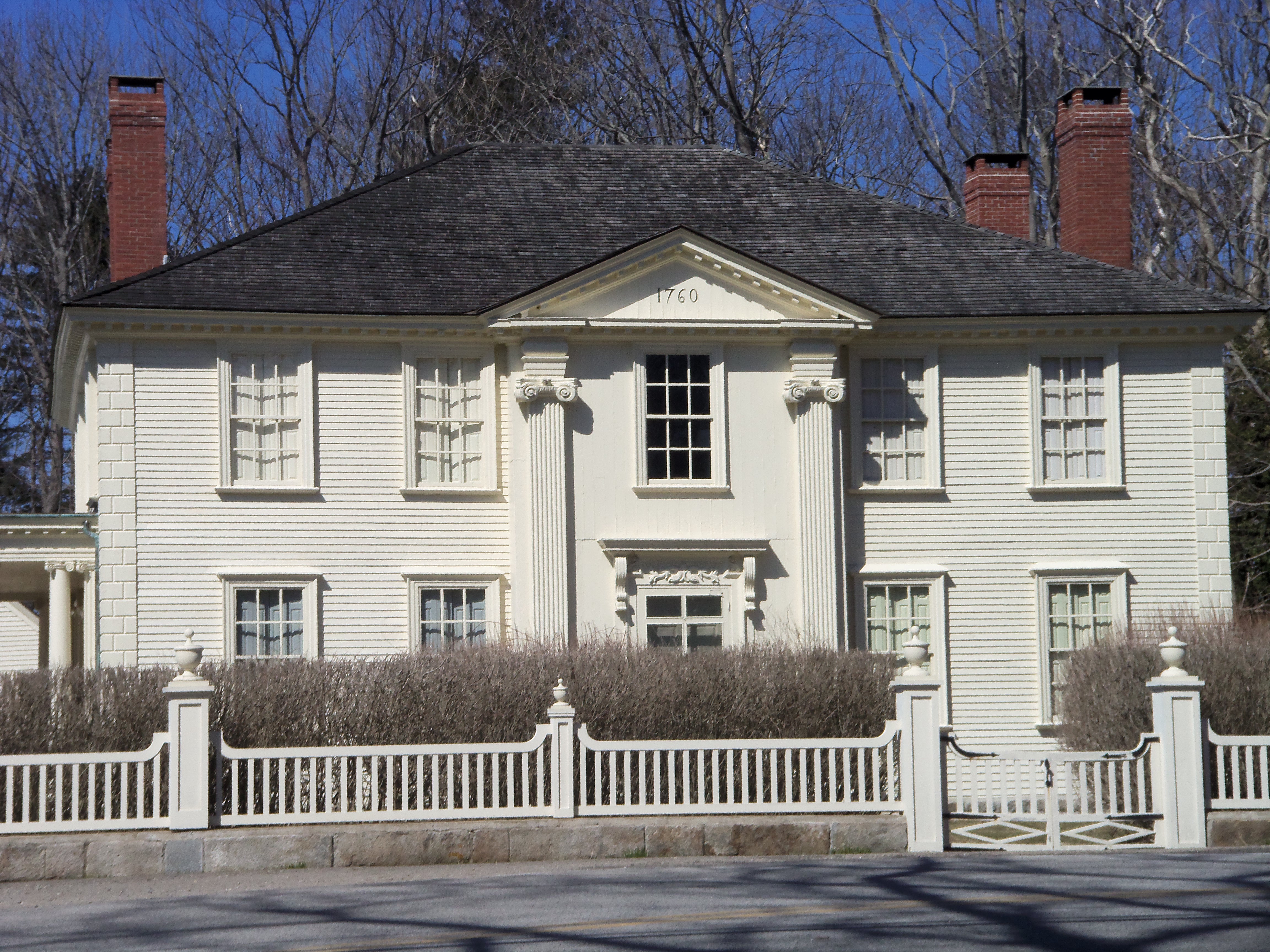
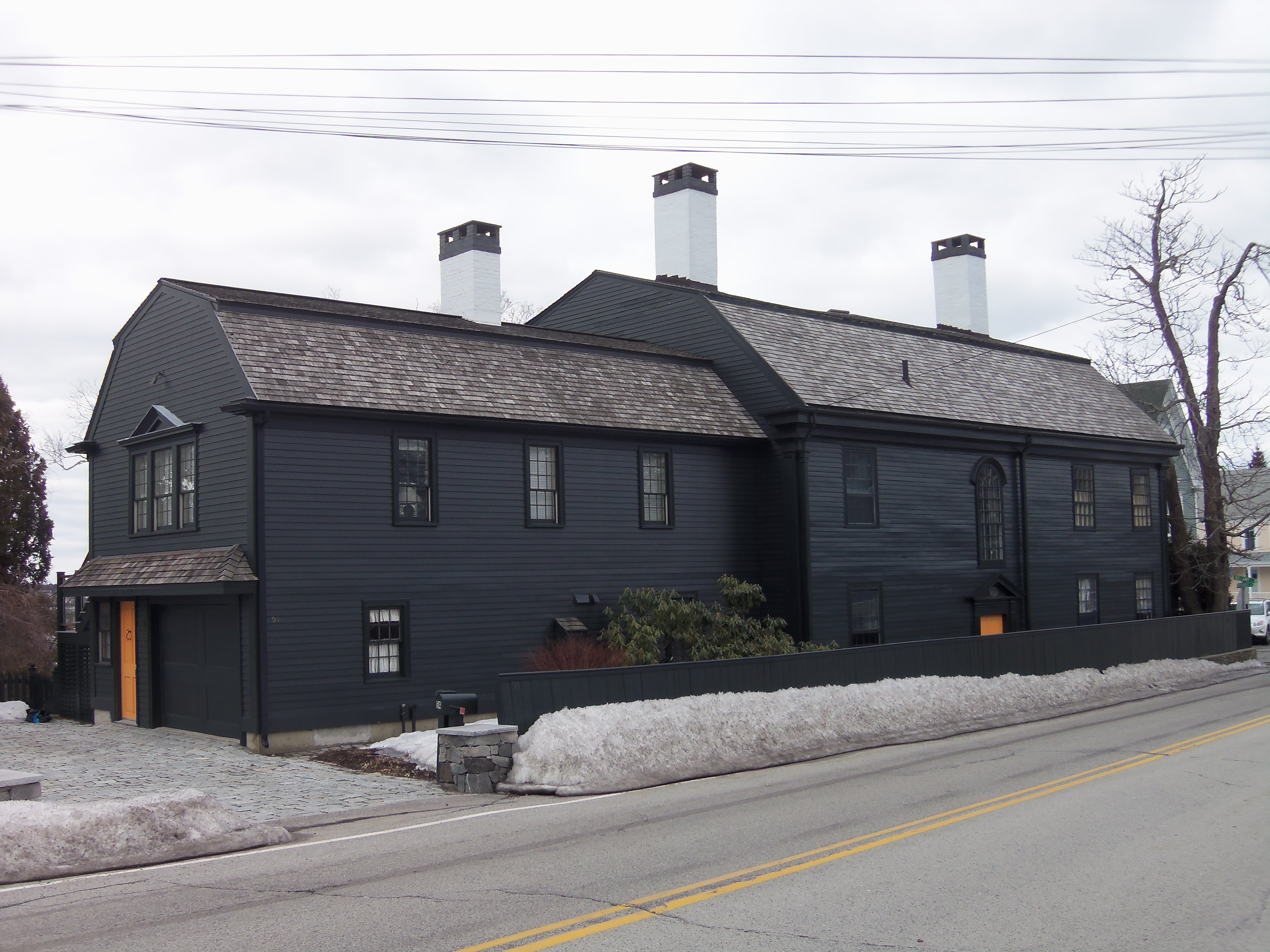
Classic symmetry.
Classic symmetry.
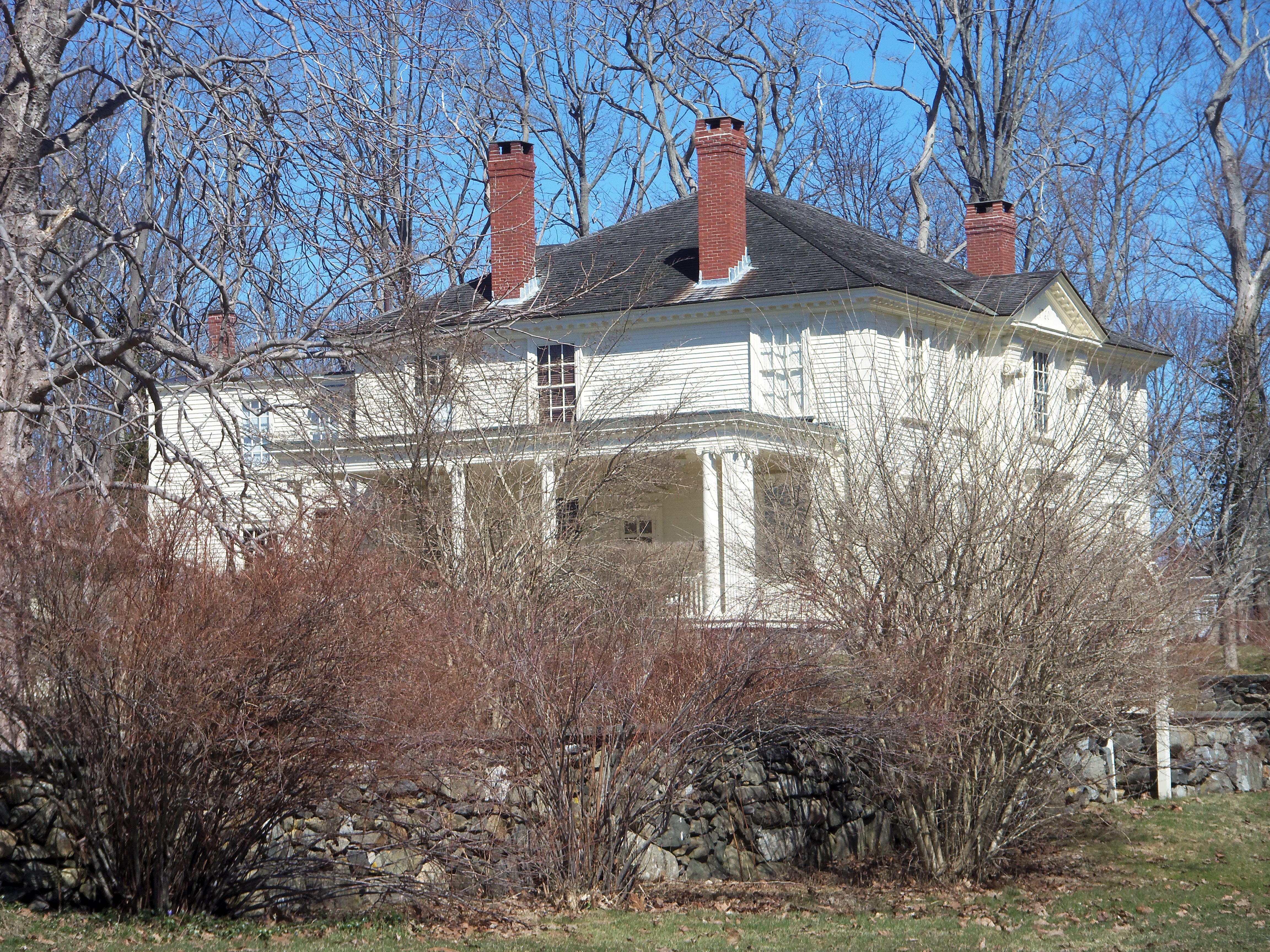
The mansion has four chimneys, rather than one, plus a porch looking toward the river.

This “dower house,” a Georgian gem built in 1760 by the newly-widowed Lady Mary Hirst Pepperell, sits at a sharp turn in the road a mile from Pepperell Cove in Kittery, Maine. Through her Bostonian roots and marriage, she was one of the richest, most powerful women in New England.

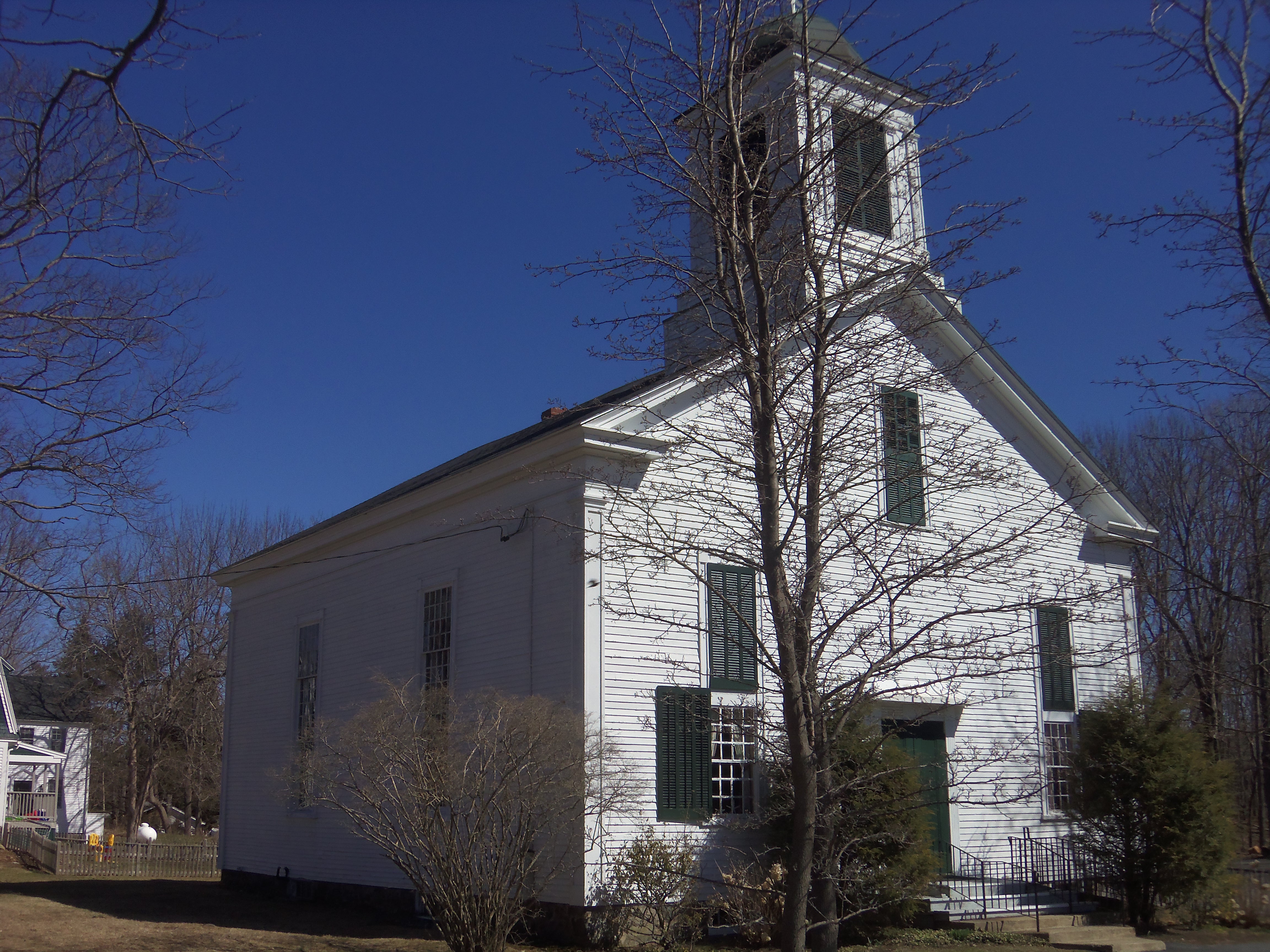
The mansion faces a Congregational church built in 1732, the oldest house of worship still in use in Maine.

Across the road.
Across the road.


OLD PEPPERELL AND BRAY

A Palladian window stands over the doorway.
And to think, the Pepperell mansion was once larger.
Imposing, especially for its era.

With its shelter on the tidal Piscataqua River and proximity to the Atlantic, Pepperell Cove in Kittery, Maine, is a scenic marina these days, for both working fishermen and leisure-time sailors. It was originally a hive of shipbuilding as well.

The docks are reached by the lane beside Sir William Pepperell’s 1733 gambrel mansion.

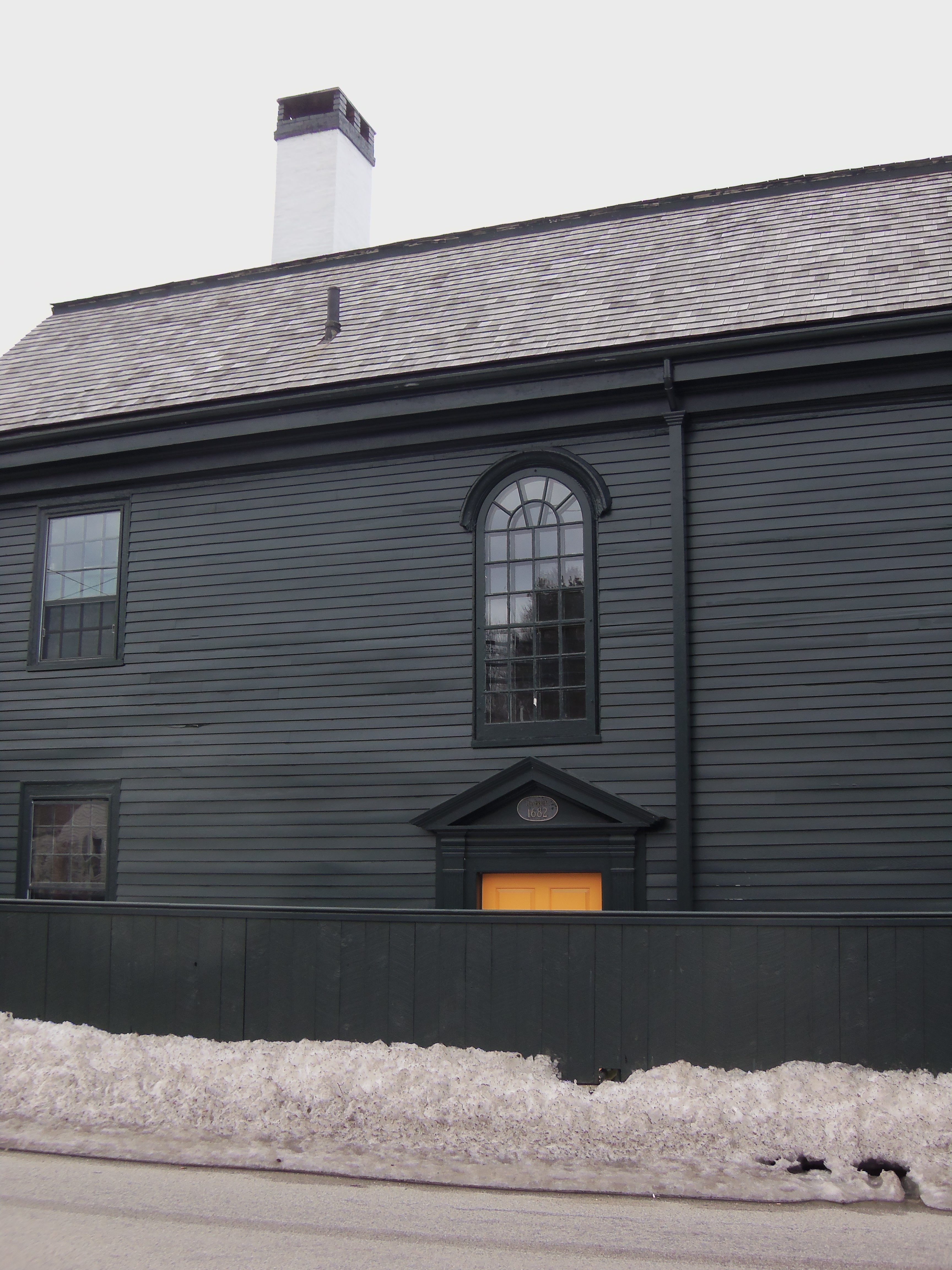
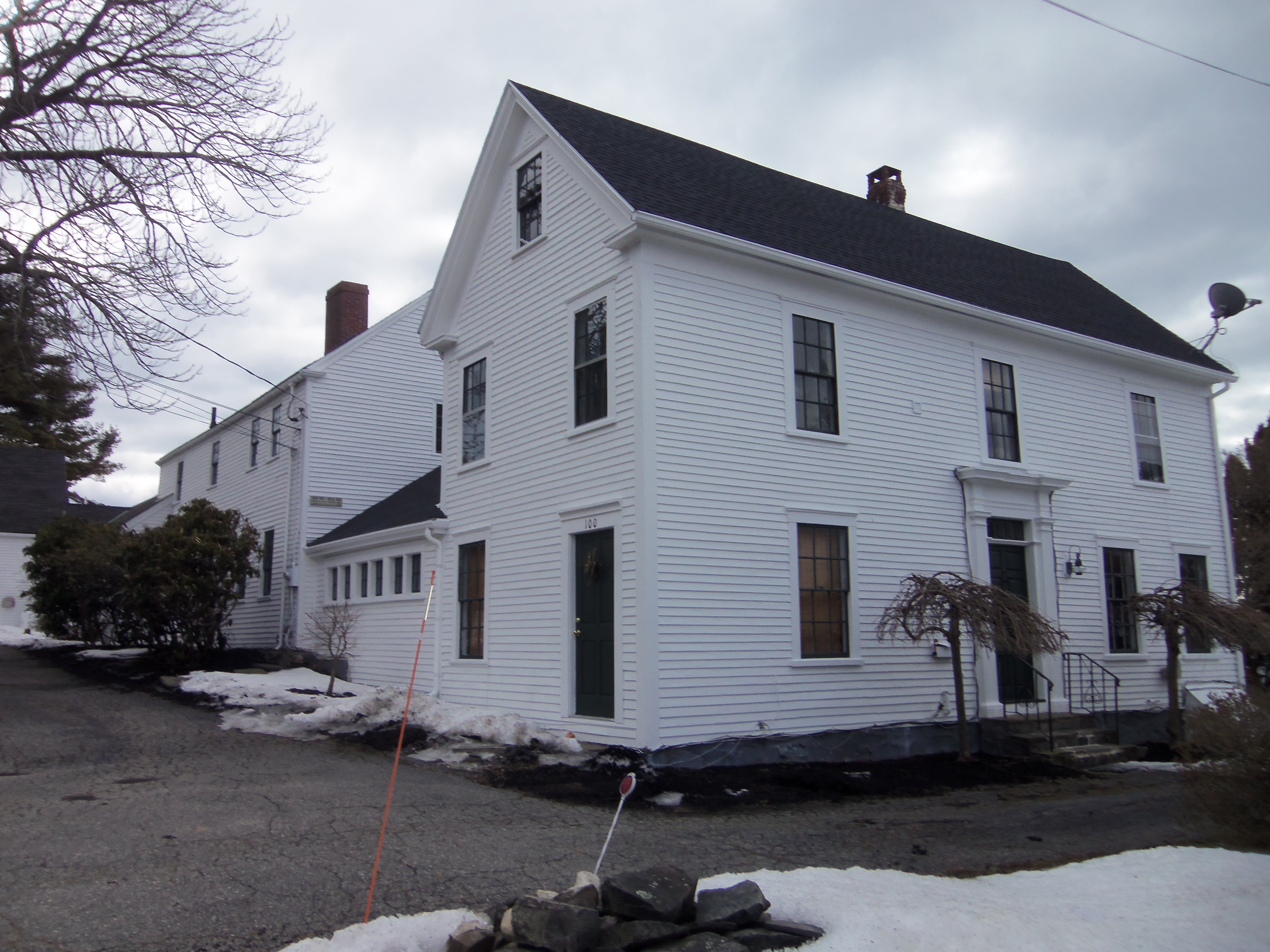
It’s adjacent to 1662 John Bray house, considered the oldest surviving residence in Maine.

The oldest part of the Bray house is the two-story left section.

EDUCATIONAL ATTAINMENT

If you want a clue to a person’s educational achievements, don’t ask about degrees or where they went to college. Rather, ask, “What are you reading now?”

The answer will tell you whether the individual has curiosity and intellectual growth, and where those are occurring. Having no books on the list, for me, would be reason for concern. Where are their horizons and challenges? Or even their guilty pleasures?

I’ve met too many people having a slew of degrees who are still unimaginative hacks, whatever their field. And I’ve met people having nothing more than an elementary school education who are well read and have minds to match.

Reading, I’ll insist, is a discipline that needs to be engaged if one is to have credibility as a thinker. Any idiot can have opinions, but a reasoned analysis, well, that’s a much different matter.

By the way, just what are you reading these days?

HOME SCHOOLING

I married into it, the homeschooling. Expected the kids would be hunkered down at their own desks a certain number of hours each day, the clock running. But that’s not how it was. No, the version (and there are many, I’ve learned, spanning the range from strict fundamentalists to loose unschoolers) I married into had piles of books and academic exercises and online resources and, well, I was surprised by the end of my first year to find out how much of what we’d told the local school superintendent we’d cover, we actually had – just not on the schedule we’d intended. Sometimes it came about as an impromptu trip to a museum – an outing in Boston, for instance.

I was also surprised how many group classes homeschoolers actually take. The taekwondo, for one, or the weekly White Pine outdoors lore, for another. Music lessons, anyone, or soccer?

Another component came on Thursdays, when the Dover Homeschooling Resource Center convened in the Quaker meetinghouse – about 100 parents and children – for a range of activities my wife dubbed “lunch-hour” or “recess for the homeschoolers.” It wasn’t all fun and games, either, despite some intense chess matches. Some of the older kids formed a science fiction group that read, wrote, and discussed the field.

My kids have some fond memories of their experiences across a number of activities.

Much better memories, in fact, than I carry from my public school days.

CALICO AS COCHECO

Calico – cheap cotton cloth printed in a figure pattern of bright colors, as the dictionary says – was a renowned product of the Cocheco Millworks in Dover, New Hampshire.

The city was not alone. Throughout New England, red-brick mills clustered around rivers seemingly anywhere a dam could be constructed – sometimes leading to factory compounds more than a mile long, like those at Lawrence, Lowell, and Manchester (itself famed for its denim, which gave rise to San Francisco-based Levi Strauss).

Sometimes, the operation would be much smaller, supporting little more than a village.

Upstream, existing ponds were enlarged to guarantee sufficient water flow through the year. Altogether, their commerce left its imprint on the landscape and its character while financing the legacy of the Boston Brahmins.

Likewise, the rain and snowfall flow through many of my poems. It’s not just water over the dam on the Cocheco River, after all, that’s noticed.