Bush-Cheney was a recipe for disaster
that then festered
and then look what we got
BUSHMASTER assault rifles
definitely not for hunting, dear
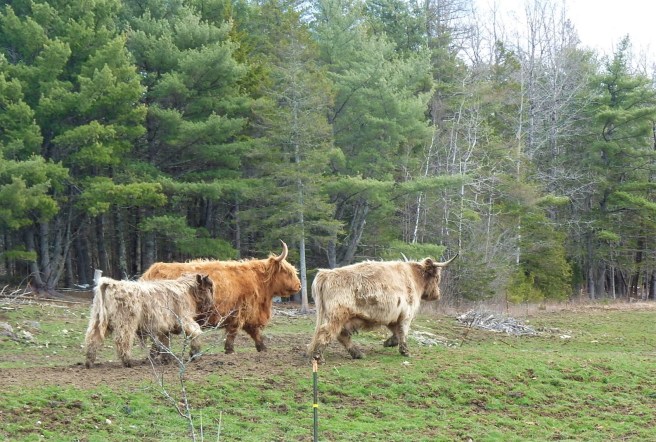
You never know what we'll churn up in cleaning a stall
Bush-Cheney was a recipe for disaster
that then festered
and then look what we got
BUSHMASTER assault rifles
definitely not for hunting, dear
Spoiler alert. This is a rant. Here are some of the places I see us as American society being in deep doodah.
Look, unlike many, I’ve read the Federalist Papers closely, the arguments behind the American Constitution. I can say definitively that MAGA is dead-set against its principles.
Your turn to weigh in. Just be polite.
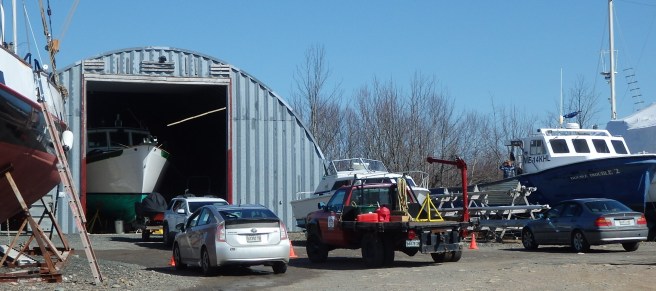
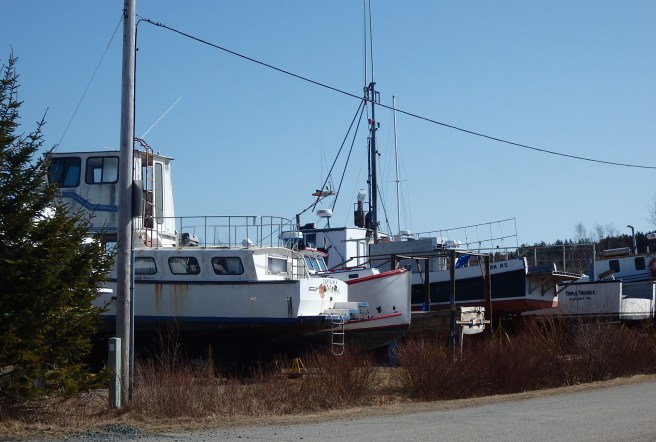
Around here, you know spring has arrived when you see your first boat riding a trailer down the street. An uncovered boat, free of its shrink-wrap or tarp. Behind a battered pickup, of course.
And you can bet yourself that by the end of the day, you’ll have seen a second, if not more.
Who cares if there’s still ice on the lakes?
after several attempts to figure out how I’d list only what time and last-minute barreling impulses or friendships I wouldn’t want to lose these connections of phone calls and homespun meals in the absence of wild affection I’d lap up even distant lines as in conversation overheard ditto worship to lasso random thoughts and outline a start, so in the mailbox and an income besides to say nothing absolutely nothing about Jesus or just so many wildcards you keep some order re: the recording clerk, both our annual budget and a reminder the dues are due chock full of gossip I’d veer in adoration toward lunacy any day
Looking back on my pre-retirement visions, I’m facing the fact that much of what I had anticipated has instead fallen by the wayside.
Here we go.
~*~
There are some other, more general, things I could add, such as taking up a social activist role after all those years of being stifled as a journalist, or specifics, such as getting serious about getting back to making and baking bread, as I did in the ashram, or forcing bulbs to bloom in the depth of winter.
And I likely won’t ever introduce my wife to the mountain laurels in full bloom along the Merrimack River at Newburyport, Massachusetts, or the springtime wonders of the Garden in the Woods in Framingham, west of Boston, now that we’re centering ourselves at the far eastern fringe of Maine.
One item especially amuses me – “second home (mountain lake or Maine island)?” The turns in our budget wound up ruling that out, but I am living on a Maine island now. You never know what might happen when you start sky-lining.
One of the more disquieting things my examination of early Dover and New England stirred up for me is an awareness of a prevalent expression of white supremacy.
It starts out as fear, expressed in the emphasis on fortifications. The Plymouth settlers, for instance, spent much of their first year on building palisades rather than farming, which led to a nearly disastrous shortage of food through the winter. The defenses were apparently intended against Native raiders more than the Spanish, French, Dutch, or pirates.
Later, Puritans required palisades around their houses of worship as well, as happened at Dover’s second meetinghouse, and ordered that all men carry arms, which were lined up against the wall during public assemblies such as religious services.
~*~
THE PREMISE OF WHITE SUPREMACY COMES THROUGH CLEARLY embedded in descriptions of the Indigenous as savages or pagans and is intensified in the resolution of legal conflicts in an unjust system of jurisprudence. Natives always came out on the losing end, with no means of appeal.
Especially telling is the reaction to the killing of John Stone and seven of his crew in 1634 in retaliation for his kidnapping and murder of the Pequot sachem Tatobem. Even though Stone had previously been banned from Boston for drunkenness, adultery, and piracy, and news of his death brought outright joy to some residents in the city, officials demanded the Natives turn over the warriors responsible to face trial. The Pequot, however, refused, even after paying atonement.
Simmering tensions erupted in 1636 after the killing of trader John Oldham and several of his crew on a journey to Block Island, Rhode Island. Even though Oldham was a troublemaker banished from the Plymouth colony, his death caused sermons across Massachusetts and prompted military action that quickly escalated into war.
Telling of the implicit racism is Roger Williams’ line of congratulation to John Winthrop in 1637 for disposing of “another drove of Adam’s degenerate seed.”

~*~
BY 1638, MOST OF THE PEQUOT had been massacred or sold into slavery in Bermuda or the West Indies. An estimated 1,500 warriors had died in battle or been hunted down. And what followed was a landgrab by the colonists.
Military leader John Underhill, responsible for the massacre of Pequot women and children fleeing their burning village, then came to Dover, where he was briefly governor of the upper province, meaning Dover.
Bluntly? From the colonists’ perspective, a bad white man was worth more than a noble Native.
~*~
SLAVERY WAS PART OF NEW ENGLAND from the beginning.
When David Thomson settled at Pannaway in 1623, he had a Native as a slave, presented to him by an Indian leader. Yes, there was slaveholding among the Indigenous, too.
And whites could be enslaved as well, as was seen in threats to sell Quaker children in the late 1650s.
A key turn in the emergence of Merrymount in 1625 was the sale of some of the project’s indentured English male servants to Virginia and the impending sale of more to the tobacco estates, where death within a year was likely. Thomas Morton used the situation to rally the remainder to resist and stay put, leading to his libertine colony south of today’s Boston.
The origins of African slaves in New England are murky, but Pequots were exported so that they could not escape and return to their families or be freed in retaliatory raids. Instead, they were exchanged for Blacks, who could be held at less risk.
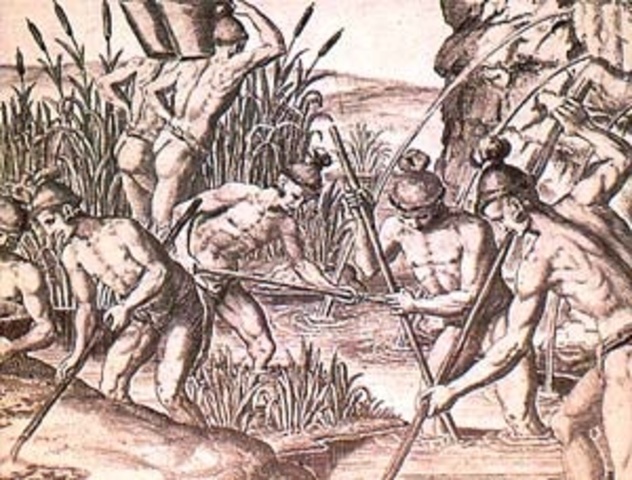
In 1637, during the Pequot War, the first American-built slave ship, the Desire, was constructed in Marblehead, Massachusetts, outfitted with leg irons and bars, and armed. She set sail to the British West Indies carrying Boston rum, dried fish, and captive Pequots, and returned seven months later with tobacco, cotton, salt, and enslaved Africans from the Caribbean plantations.
Thomson’s friend Samuel Maverick bought two Blacks as slaves in 1638. Another prominent slaveholder was John Winthrop.
In 1641, the Massachusetts Body of Liberties document included a formal recognition of slaveholding.
~*~
UP TO THE AMERICAN REVOLUTION, despite opposition, some Quakers held slaves, and Dover was not exempt. Up to ten were manumitted, likely with the equivalent of a year’s wages. There’s more on this in my book.
~*~
Welcome to Dover’s upcoming 400th anniversary.

