Ours has long been described as a cold house, at least through winter, even before we discovered how much heat had been leaking into upstairs despite attempts to seal that off. Now that our bedrooms are actually up there, it’s on longer considered a problem.
Or, as our contractor quipped, back then folks believed in letting a house breathe. Uh-huh. They did burn a lot of firewood.
Once we had a wood stove in place, we resolved to see how well that worked in our revamped place and make adjustments from there.
Our existing blown hot-air furnace is definitely inefficient. It even lacks an air filter. Like much of New England, it runs on pricy fuel oil. Beyond that, it’s also vulnerable to Maine’s notorious electrical outages. No electricity, the thermostat’s useless.
An obvious improvement would be turning to a heat exchanger, perhaps one tied into our existing downstairs duct work, though that would still be vulnerable to electrical outages. Or outrages, if you will.
The conversion would also work for cooling the house come summer, as needed. Not that we have many days like that, living on an island as we do.
In addition, we have those rotting downstairs sills to contend with, and the obsolete triple-track often badly out of whack storm windows and screens, plus the front and back doors.
As for cold intrusions? Who can be sure they’re really not ghosts?
We’ll do what we can at each step ahead.
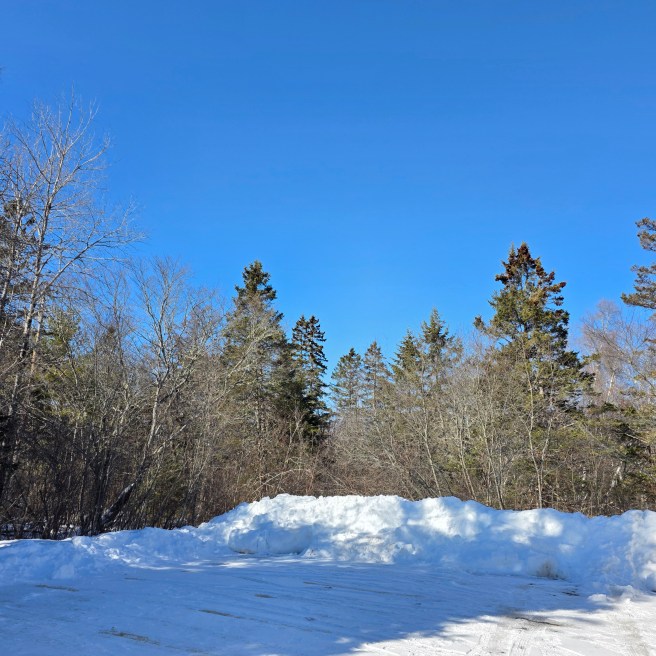
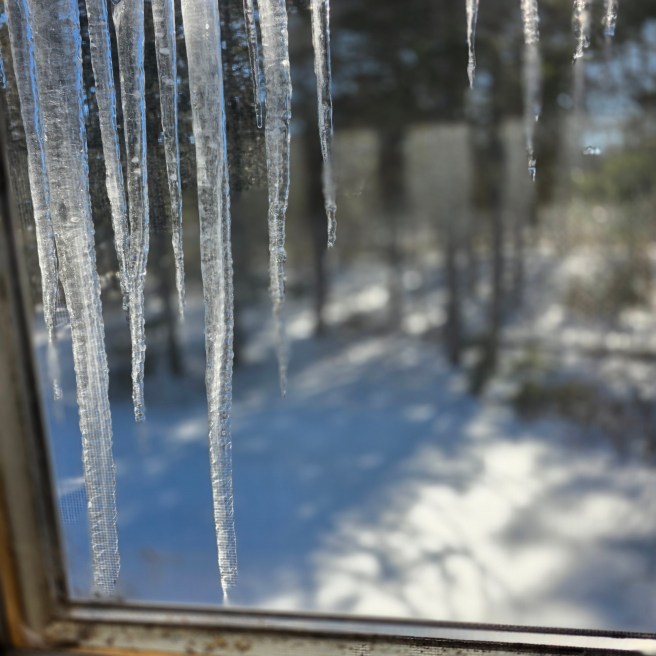
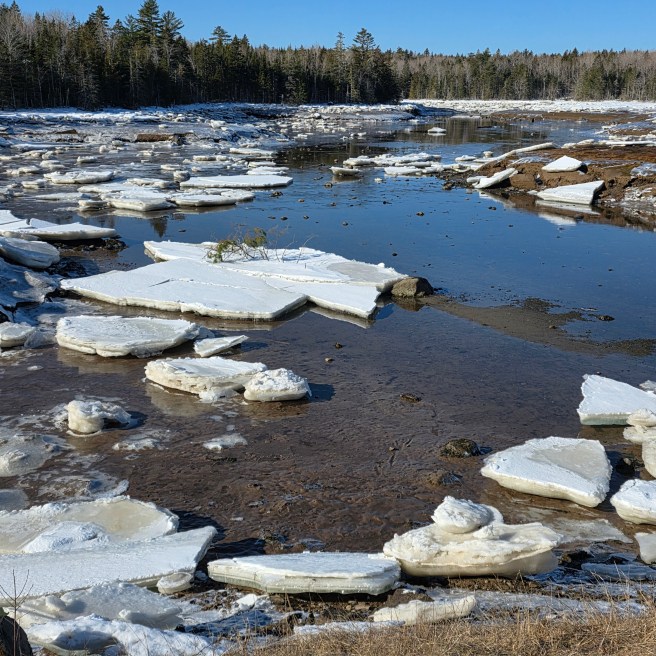
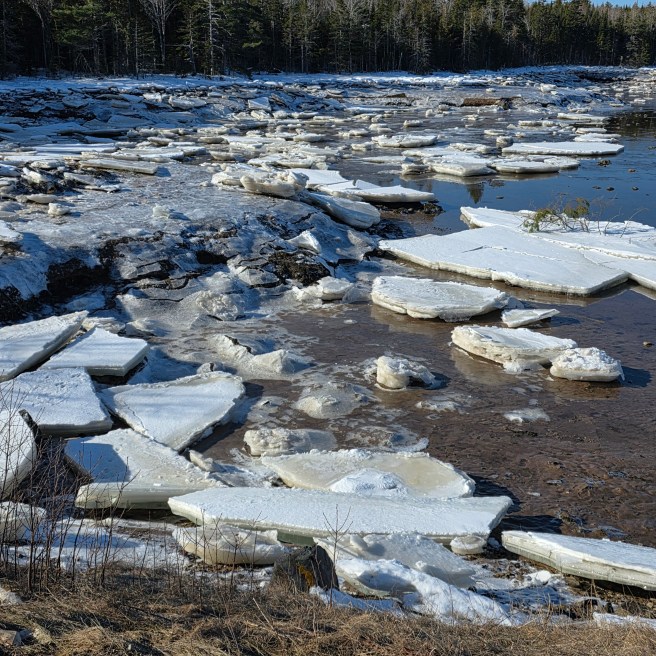
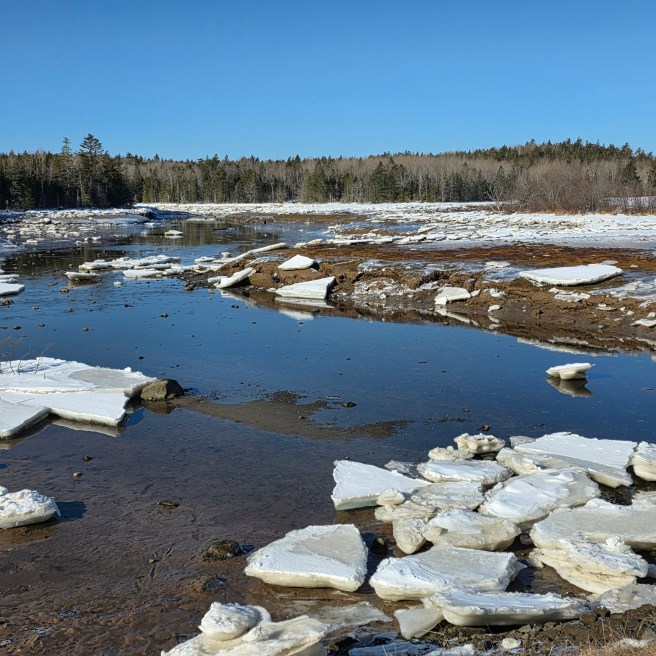
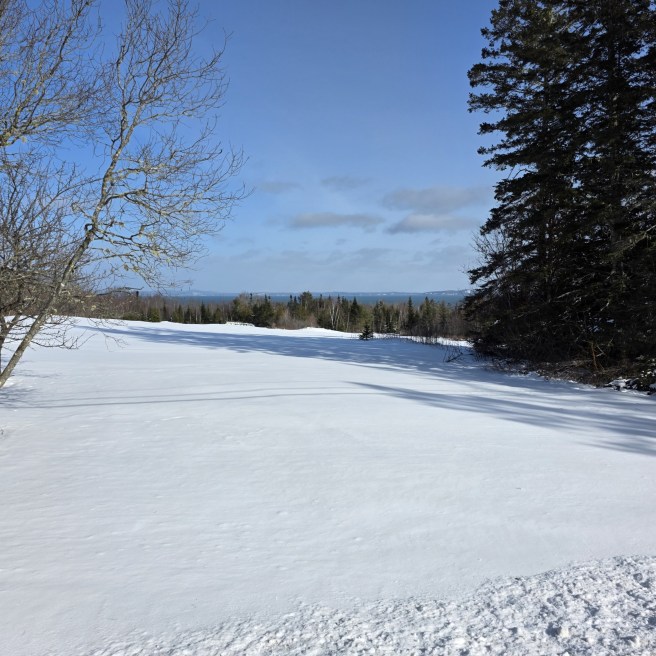
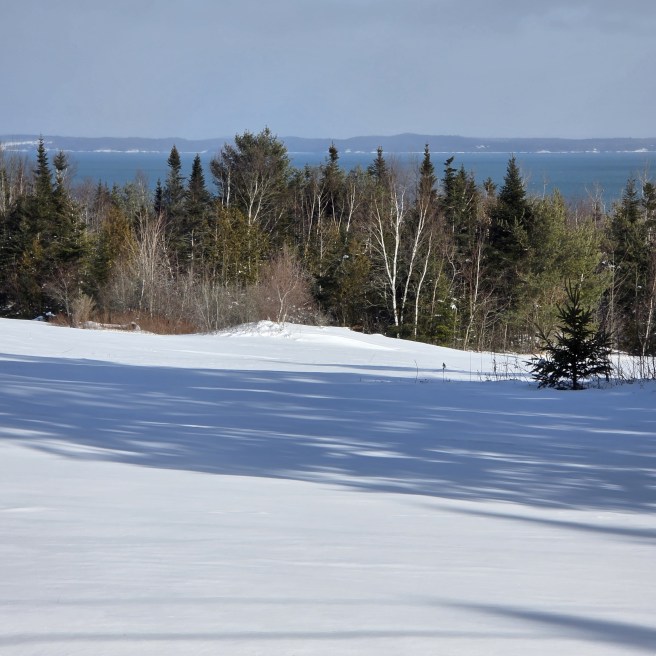
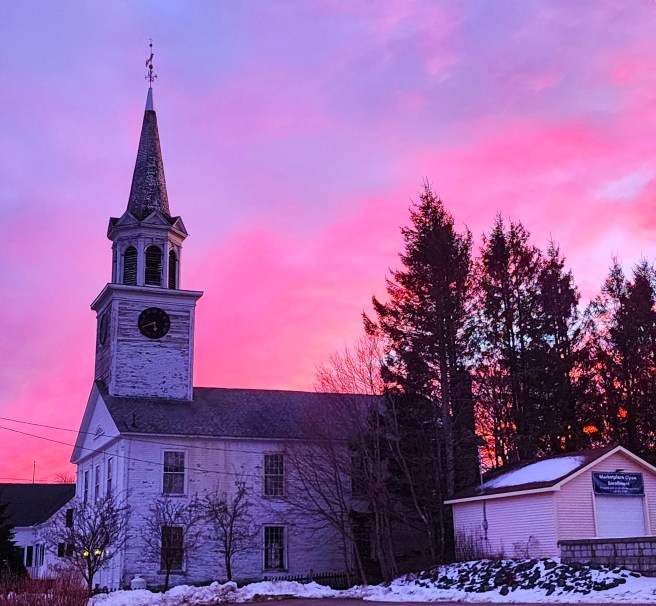
 We find ourselves looking at evergreens in the wild a bit differently at this time of year. Remember, we cut our own Christmas tree once we locate the right choice.
 Climatic change is bringing more frequent and fiercer storms to Way Downeast. Last winter felled many trees in the region. Here’s what of those did to a riverside rental cabin in Calais.
 Jnana's Red Barn