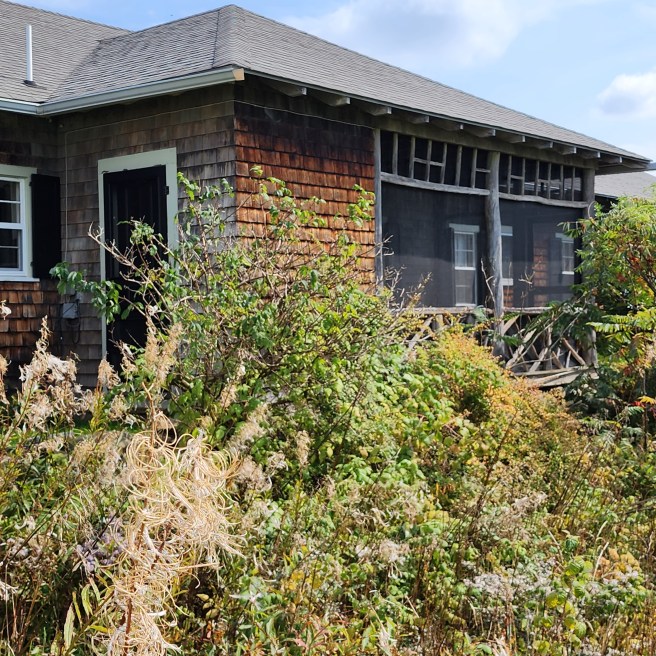
It was a rustic summer home style in the mountains of upstate New York. Here’s how it looks in Castine, Maine.
You never know what we'll churn up in cleaning a stall
It was a rustic summer home style in the mountains of upstate New York. Here’s how it looks in Castine, Maine.
Every morning, we had to lift anchor to get on our way. Our schooner relied on a four-person winch, plus a helper to keep the anchor chain orderly for the trip.

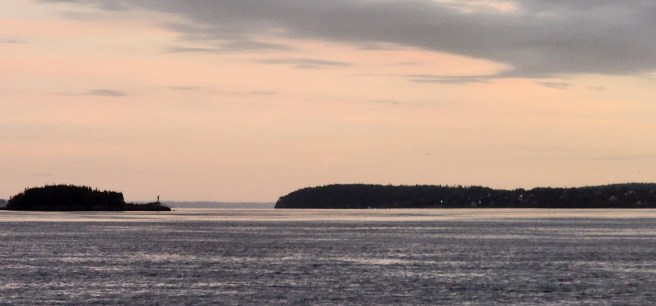
They’re not always knockout gorgeous around here. Not that I’m complaining.
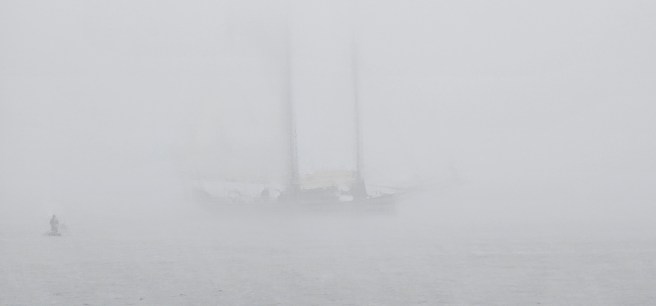
top of the ladder
up the hatch this morning
broke out laughing
we’re in a bank of heavy fog
just like home
an hour later it’s lifting
and a decent breeze from NE kicks in
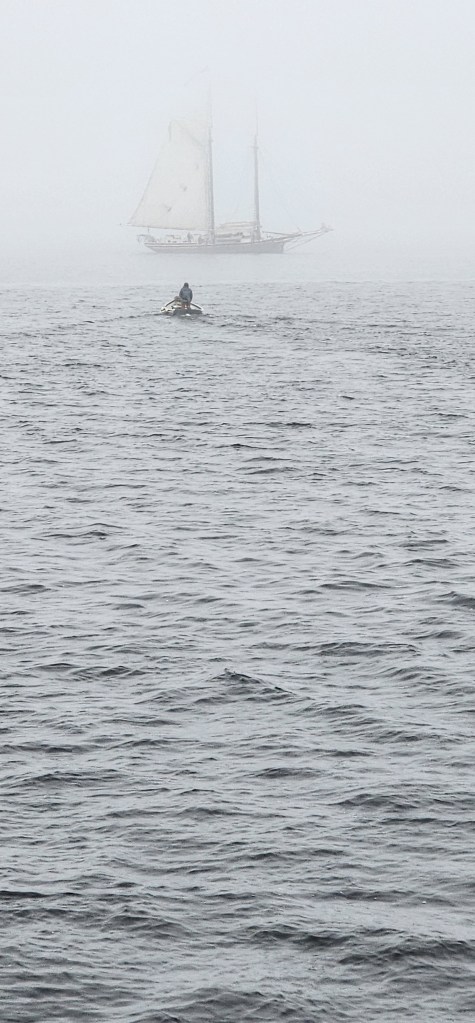
this cold fog
is a state of flight

passing parade, both directions, all around
young especially with airs of lusty septum rings
combat boots, woven surrounds, none of them
the American idolized Ken or Barbie
nor all of them old hippies
Or line, as they insist

right-handed cord
coil it clockwise?
left-handed, counter?
Right laid
a Z twist
versus an S twist
in the cable
coiled wrong, it will kink
potentially dangerous
where will I apply such arcane detail?
first blush of autumn foliage
talk of colleagues with advancing cancer
muted morning
heavy dew of September
against a wood fire
packing up, what’s left
behind that’s ours?

As he had told me:
urchins once filled all the shoreline rocks
till the Japanese market opened up
flights from Bangor
fishery now tightly licensed
hoping for recovery

An old-fashioned farm windmill was doing whatever on one island we passed.
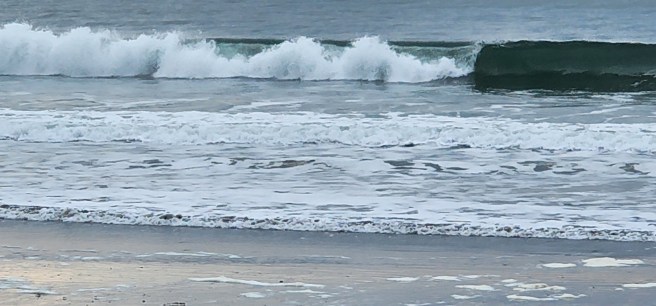
As you see in York, Maine, the open Atlantic can get wild.

Thorndike, traffic jammed before the train station.
I park on grass down the line
hope the engine sans heat plate doesn’t ignite a fire
one train pulls out just before I can buy my ticket
but sunny, definitely – a 25-minute delay
Old Swedish dining car
meaning prime cutting-edge 1950s
cardinal tattoos on somebody
what faint blue mountains were in the distance
before the 220 turnoff?
return trip train car sinks on one side
before leaving the festival stop
worrisome, slows the run back to terminal
its sharp curves especially front car’s detached before final run
to fairgrounds and back

