Too much easy praise? All too common?
What do you do for something that’s REALLY out of this world?
Where’s the base line of excellence?
I’m staying pat in my seat.
You never know what we'll churn up in cleaning a stall
Too much easy praise? All too common?
What do you do for something that’s REALLY out of this world?
Where’s the base line of excellence?
I’m staying pat in my seat.
Thinking about arts performance scheduling and audiences has had me recalling some of the first operas I attended.
They were at the Cincinnati Zoo, at the corner of Erkenbrecher and Vine.
Don’t laugh. The performances were top-flight. The Cincinnati Summer Opera, as it was commonly known, was informally considered the summer home of New York’s Met, and it provided seasonal employment for members of the Cincinnati Symphony Orchestra.
The company had an impressive pavilion on the grounds, and visiting the animals before watching the singers was part of the experience, if you allowed yourself time. I especially remember being amused by the monkey island antics at intermission. And many of the singers, so I’ve read, humorously came to think of themselves as a special kind of animal.
Especially notable was the first time you heard a roving peacock screech. It sounded like somebody was being murdered and could happen at any time during a performance. Veteran singers used to wait to see if newbies could maintain their composure when the cry rang through the theater. In the opera world, this was an inside joke and a rite of passage, at least for those who passed the test.
I’ve been trying to remember how long the season ran, but there were usually four performances a week – one production on Thursday and Saturday, and another on Friday and Sunday, if I have it right. In the late ‘60s, that spanned six to eight weeks, best as I can recall.
Think of that – 12 to 16 different productions each year. Only a few big houses in the world surpass that.
But at its height, there were 18 different offerings over 61 performances in a ten-week season. Where did that many operagoers come from out in Ohio and neighboring Kentucky and Indiana?
The tradition originated in 1920, making the Cincinnati Opera Association the second-oldest opera company in the U.S., and continued until moving into the renovated and air-conditioned Music Hall in 1972, where the season still happens each summer, though on a much different scale.

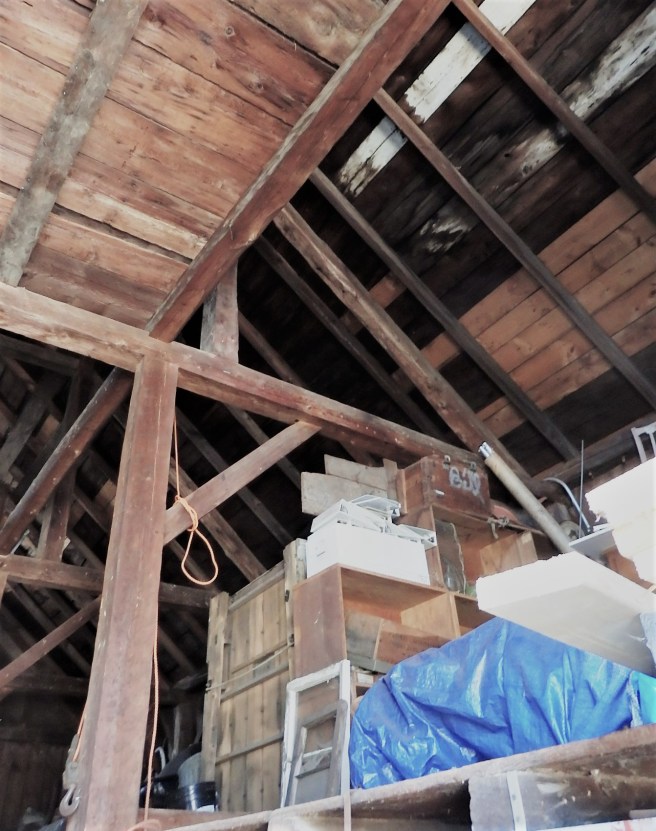
Well, it is the premise of this blog. For the record, a lot of our junk was stored under this floor, though this barn in York, Maine, was never ours.
Not everybody loves them, but they are a Thanksgiving tradition, jellied or stewed or otherwise.
Here’s some background.

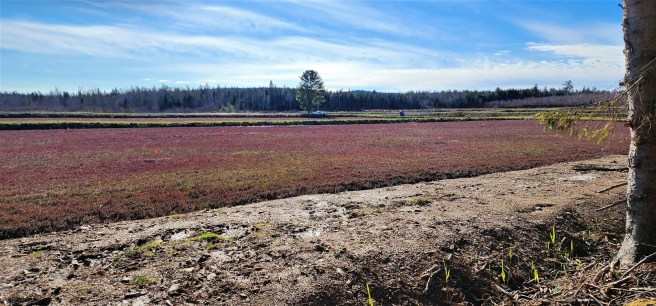
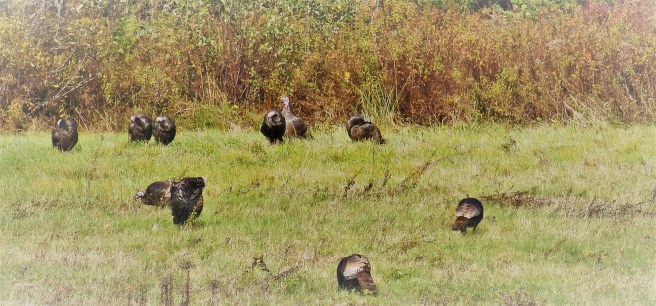
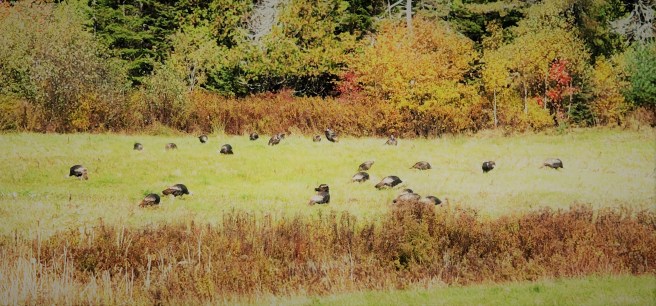
Here’s how they look much of the rest of the year around here. And there are a lot of them who surprisingly disappear this time of the year.
Miles between houses in dense forest
Irving
Wood
Lands
Grange halls falling into disuse
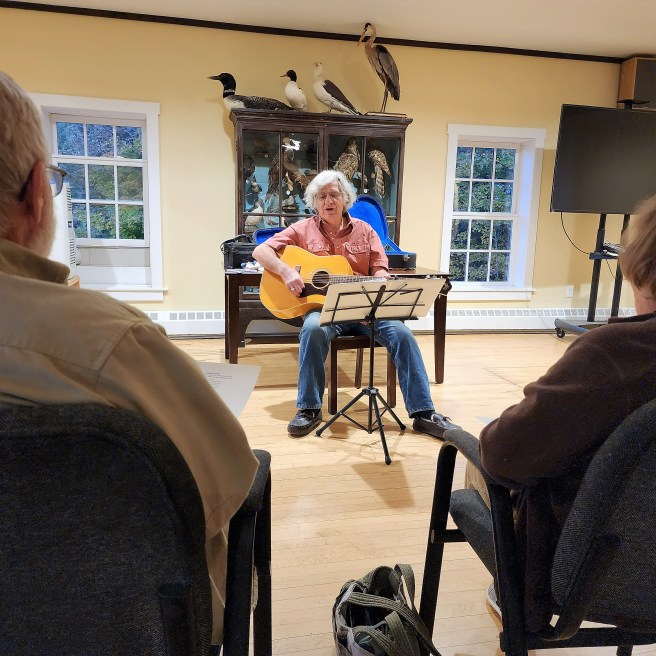
As you can see, Stephen Sanfilippo is more than a maritime historian. He can sing his research findings. Small concerts like this one upstairs at the Pembroke public library are one of the delights of living Way Downeast.
One of the benefits of donating even a modest amount to the Metropolitan Opera’s broadcast fund is that you receive an annual schedule booklet, 36 colorful, glossy pages with the casts, broadcast times and estimated lengths, and summaries of the plots. The booklet arrives a month or two before the next season begins, and I keep mine as wonderful future references.
The upcoming Saturday matinee broadcasts, which start airing on Dec. 9, have already been controversial, due to the company’s shifting focus toward increased contemporary and sometimes realistically gritty works. The first presentation of the season, in fact, is Florencia en el Amazonas, inspired by the writings of Gabriel Garcia Marquez and only the third Spanish-language opera to be performed at the Met. (Carmen, after all, is in French and will be heard on Jan. 27.) Other works from our own era are Dead Man Walking (Jan. 20), X: The Life and Times of Malcolm X (Feb. 3), Fire Shut Up in My Bones (April 27), John Adams’ opera-oratorio El Nino (May 4), and The Hours (May 18).
That unprecedented string of operas by living composers doesn’t mean the usual masters aren’t on the menu. Mozart (3), Wagner, Verdi (4), Puccini (3), Bizet, Gounod, Donizetti, Johann Strauss Jr., and Gluck are all in the lineup, with two of the dates yet to be announced. Conspicuously absent is Richard Strauss.
Two of the archived presentations feature my favorite-ever conductor, Max Rudolf: Mozart’s Le Nozze di Figaro on Dec. 30, with Victoria de los Angeles and Cesare Siepi, and Donizetti’s L’Elisir d’Amore on April 6, with Luciano Pavarotti, Judith Blegen, and Ezio Flagello. As one conductor once told me, Rudolf could have been famous, if he had wanted that. At the Met, he worked largely behind the scenes as Rudolf Bing’s artistic administrator before going to Cincinnati and rebuilding that city’s great orchestra.
Also of note is that the long-running broadcast series has a new sponsor, the Robert K. Johnson Foundation, only the third in its history. The series was underwritten by Texaco from 1940 to 2003, followed by Toll Brothers luxury homebuilders (2005 to 2023).
Gee, have Texaco’s red-star gas stations been gone from the landscape 20 years already?
Even tradition changes.
The label does have a range of applications, from residents of the six-state New England region or Connecticut in particular to a Manhattan professional baseball team to anyone north of Dixie (often prefaced with “damn”) to anyone from the USA who lands in a foreign country.
Along with the shortened “Yank.” Or its many uses as an adjective.
The word’s origins, though, are contested.
None of these quite convince me, but I feel Scottish, Swedish, and even Persian roots are even less likely.
 Jnana's Red Barn