MOSES CARTLAND

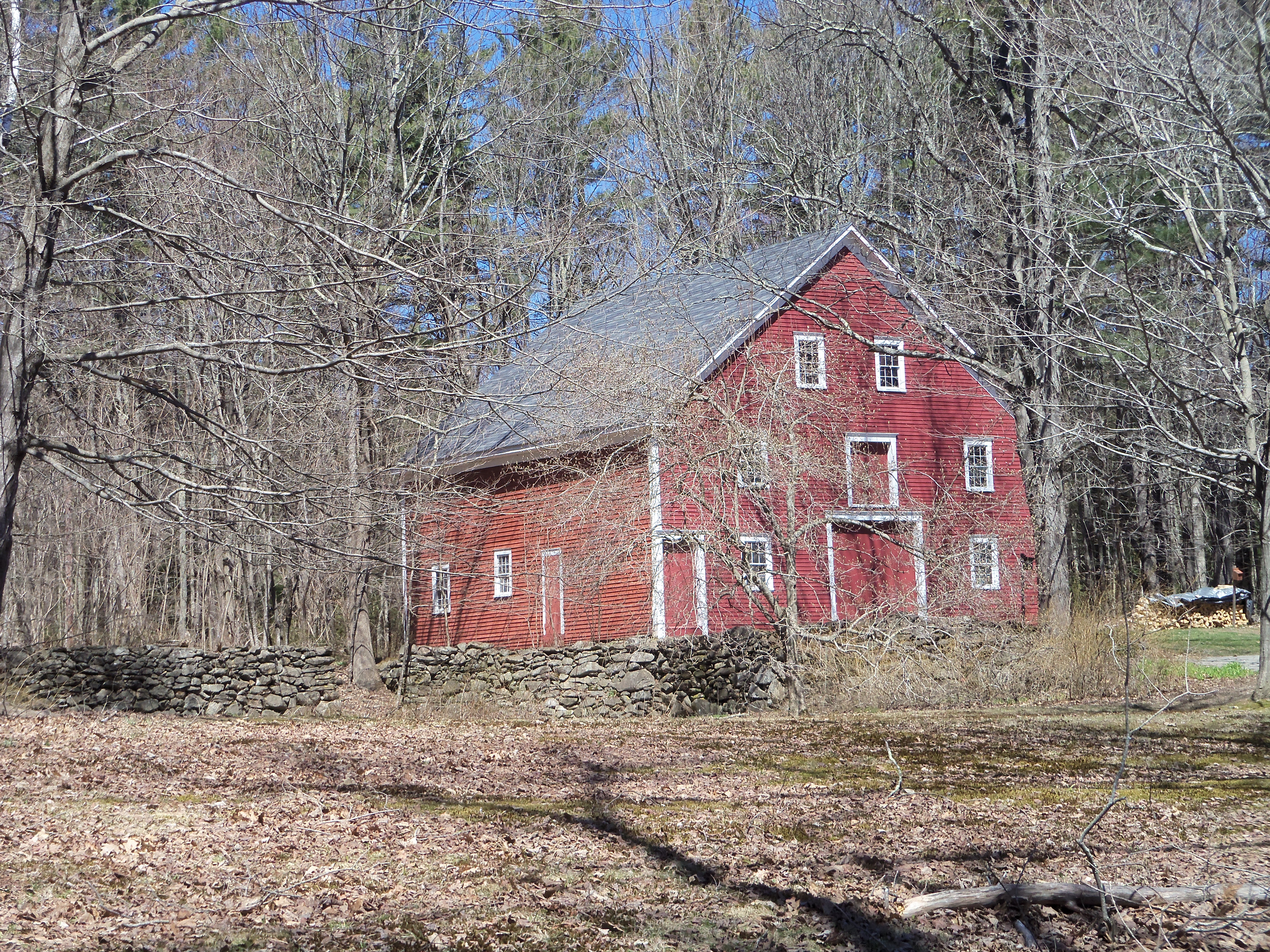
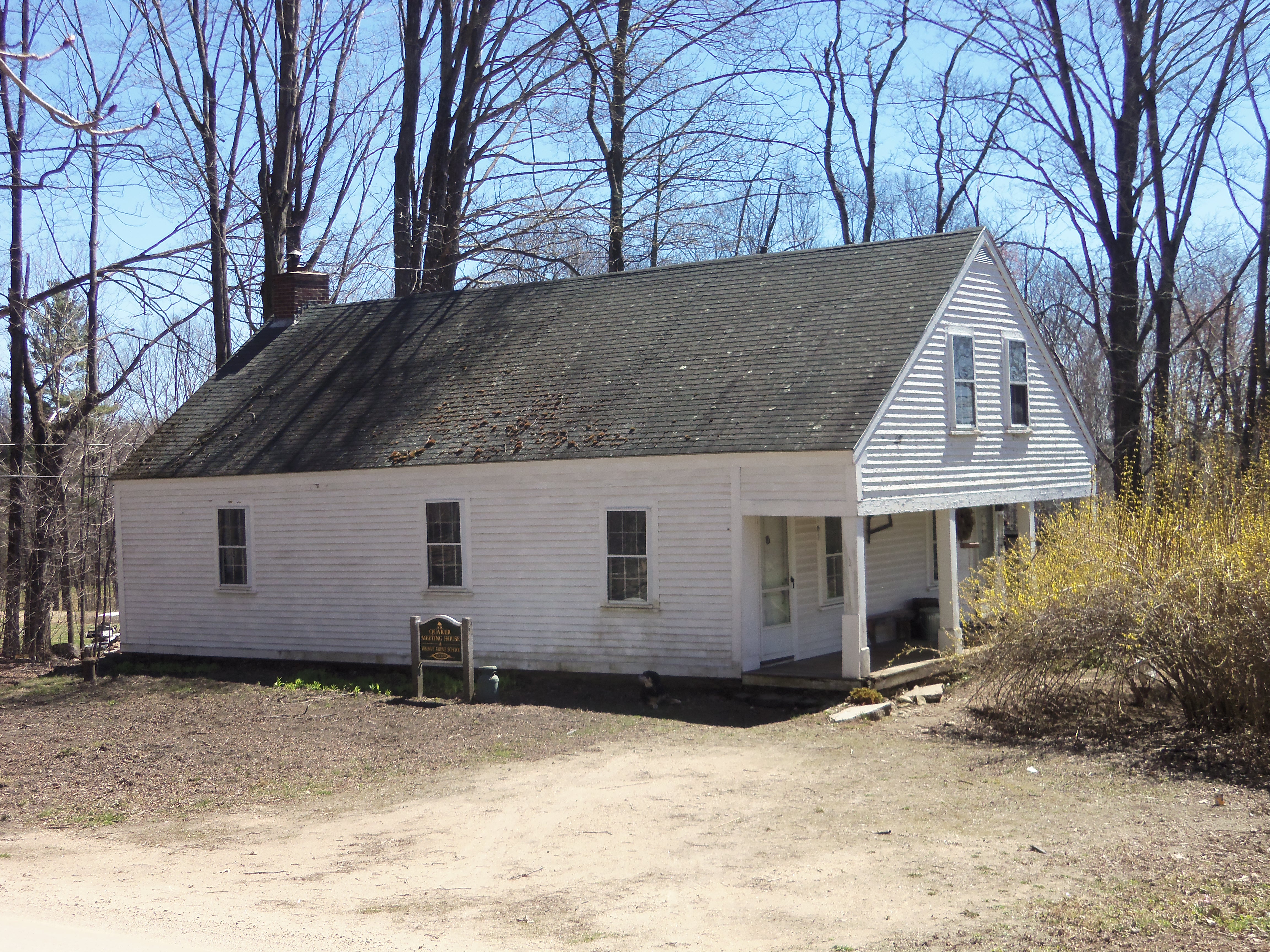
The Quaker meetinghouse doubled as a school

A pioneering educator, Moses Cartland taught in this combination school and Quaker meetinghouse at his family’s farm in Lee, New Hampshire, after previously establishing the Clinton Grove Friends school in Weare. A staunch abolitionist, he was also a founder of the Republican Party in New Hampshire and a candidate for the U.S. Senate.

Moses and his cousin John Greenleaf Whittier were closest friends and lifelong bachelors, at least until Moses married one of his students – who was also a cousin. Although considerably younger than Moses, she predeceased him.

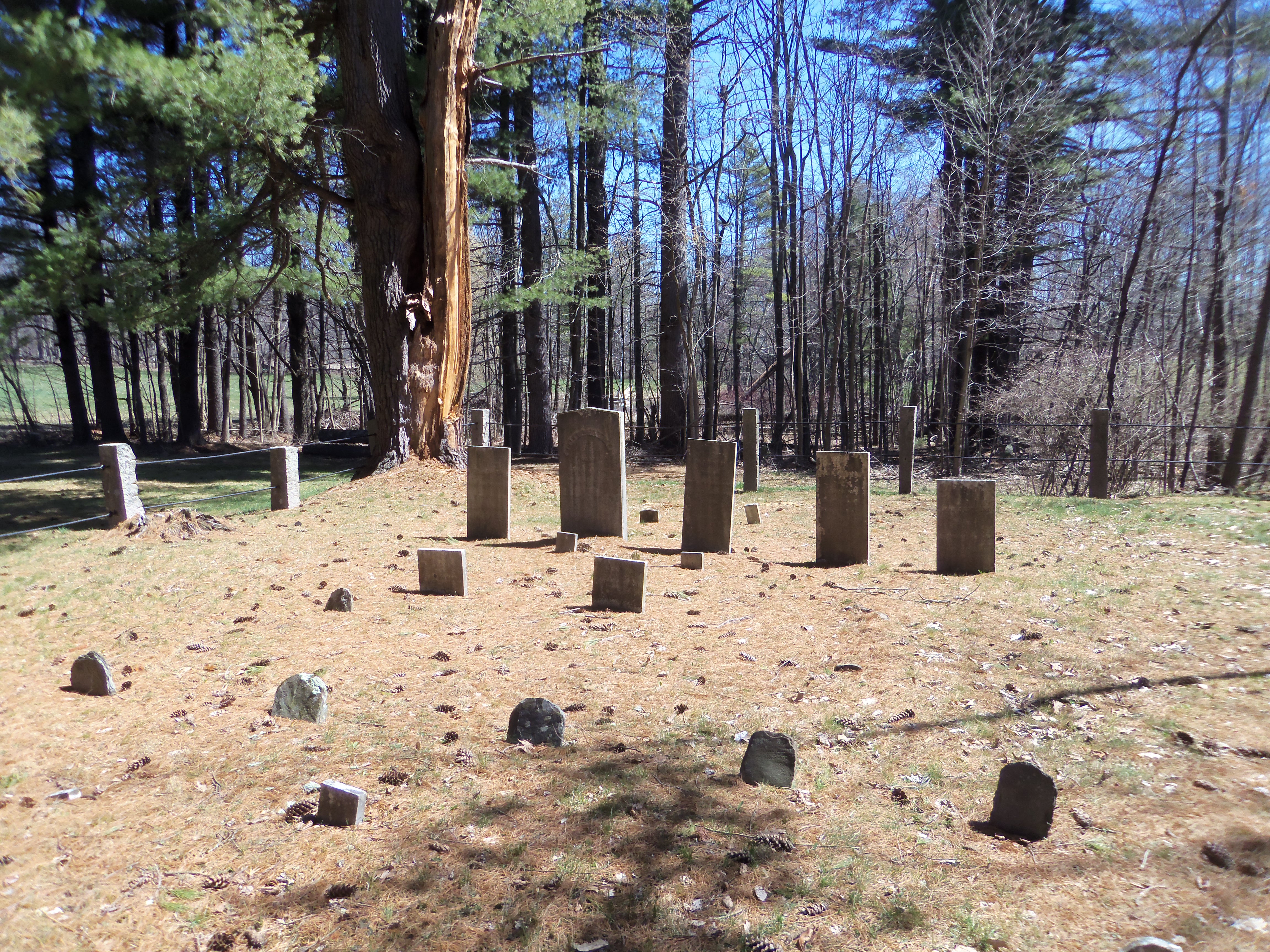
The family burial ground.
The resting spot is in the right side of the view.

WALNUT GROVE

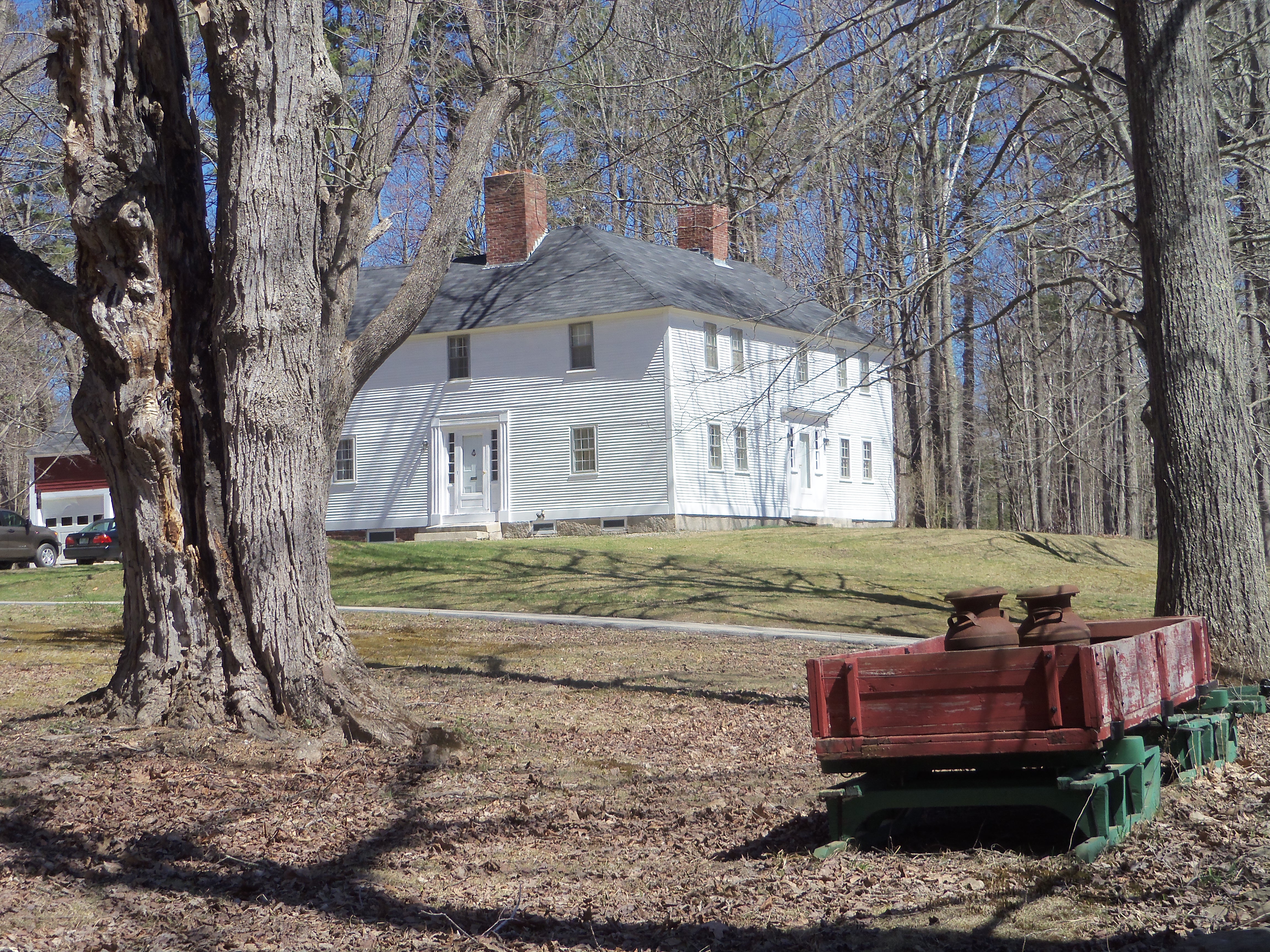
Still imposing.
Still imposing.

The Quaker Cartland family built a prosperous farm in Lee, New Hampshire. Their house was a stop on the Underground Railroad, carting escaped slaves to freedom.

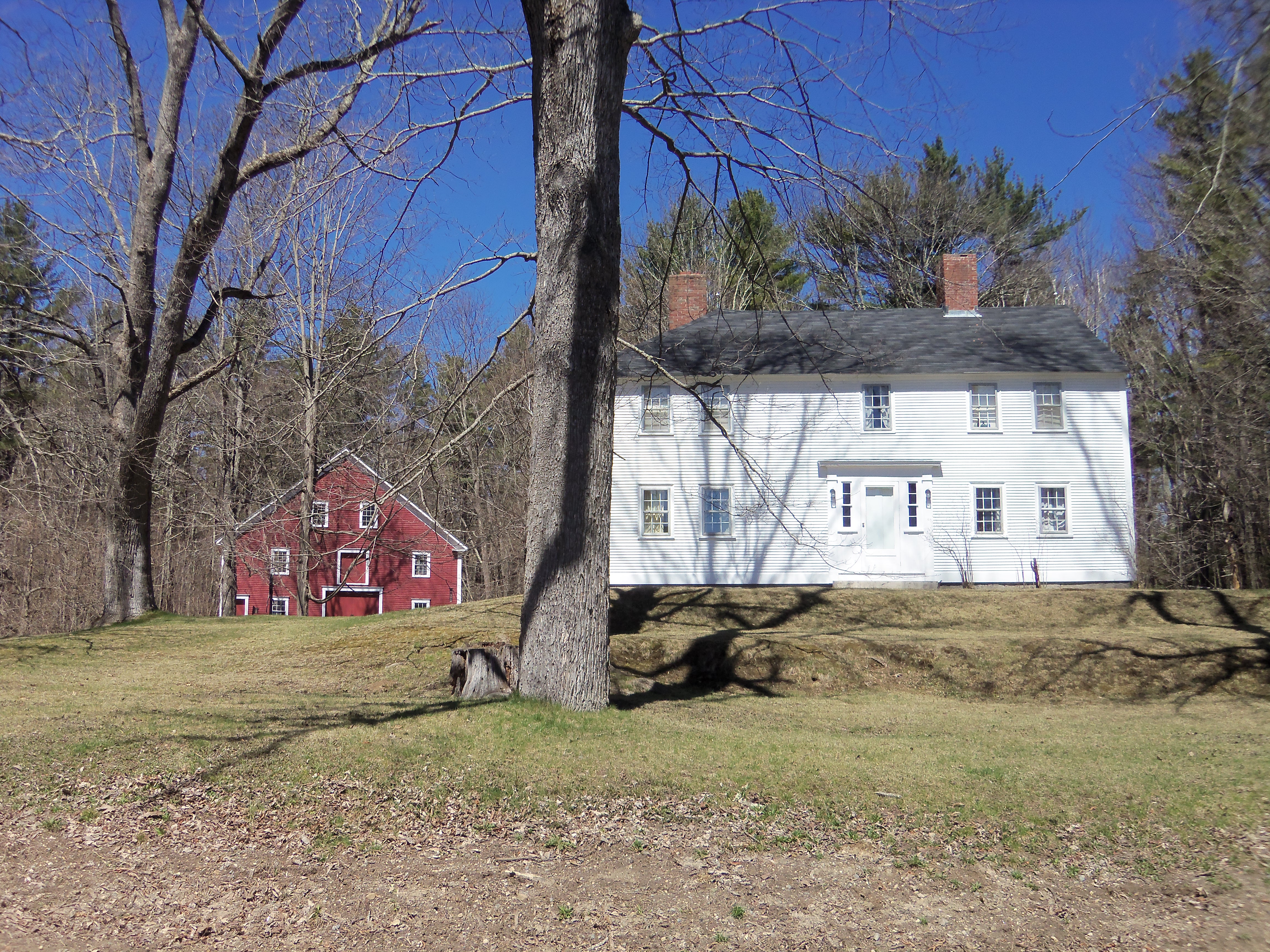
All in good order.
All in good order.
We approve of red barns.
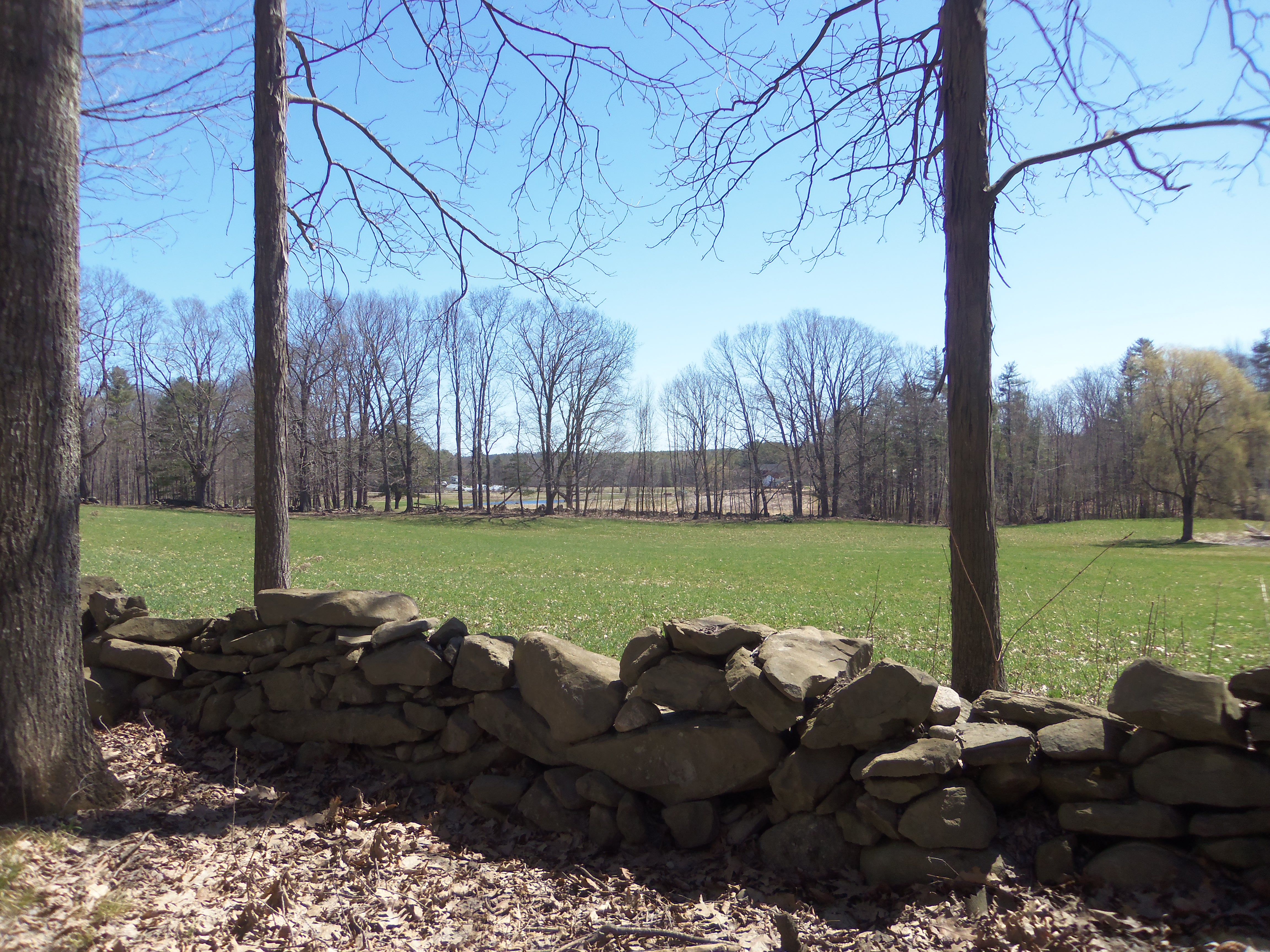
A country road runs through the property.


TRAINING IN FAITH

During the historic separations, the Friends who wound up in the evangelical, pastoral stream criticized their quietist brethren for our failure to teach the faith. Silent worship, they admitted, could be profitable for those who had already been trained in the practice and its religious meaning. But, they charged, what about newcomers and, especially, children?

Fair enough. Looking at the evidence, I’d have to say the weight of the argument is on the evangelicals’ side – and I’m not sure a few more seminars or workshops would fill in the gaps, even if everyone attended. Yes, we read books and periodicals, but even that can be pretty hit or miss – or deliberately selective and essentially private. At least our Meeting has a comprehensive and well maintained library, thanks to its dedicated committee.

Coming from someone who delves heavily into theological inquiry, these are difficult confessions. As much as I’d like to side with some of the early Friends who insisted that the Holy Spirit would reveal to us all that we need, without any special instruction, I part with them on their objection to higher education, for instance, or when I rely on a licensed physician or plumber or a certified auto mechanic when I face problems they can address.

With Friends’ practice, then, I suspect that our strength occurs when we turn to a hands-on approach, guided by those Friends “seasoned” or “gifted” in a particular aspect. The traditional Protestant service, with a lecture at its core, appears to be losing its effectiveness in today’s multimedia environment. Maybe our “worship-sharing” format (where everyone in the circle has an opportunity to speak personally about a given subject) holds more promise than we suppose. Maybe we also could be a little more conscious of the times and places the hands-on, and often one-on-one, transmission also occurs. From what I’ve seen, much more of this happens in both wings of the Society of Friends than we usually consider.

ANABAPTIST ETC.

As I said at the time …

You ask about “Anabaptist.” I’ll try for a short answer and hope it works. In the early Protestant Reformation, three major streams emerged. The Anabaptists accused the Lutherans and Calvinists (Reformed, Presbyterian, and English Puritan churches, among others) of not carrying the faith far enough and, as a consequence, were severely persecuted by them and the Roman Catholics. As the first to argue for a strict separation of church and state, they became pacifists who warned that any official state church seriously compromises the Gospel. The movement exists today as Mennonites, Amish, Church of the Brethren (or, in its older forms, Dunker), River Brethren, Bruderhoff, Amanas, Hutterites, and – by extension – the Society of Friends, or Quakers. It traces its roots to the Waldensians, the communalistic radical Christian movement against whom the Inquisition was launched. Its traditions include non-violence, simplicity, discipleship, community. You can see the absurdity in having one of them as a military chaplain! (In Catch-22.)

The term itself means “rebaptized,” an argument that infant baptisms (which that first generation had undergone, before the Reformation emerged) were invalid: the only authentic acceptance of faith could be made as an adult.

Because the Mennonites took literally Amos 5:23, “I will hear thy viols no more,” they banned instrumental music from their lives. Somehow, though, they practice four-part unaccompanied singing that seems to be part of their genetic endowment. Their hymnals cover the range of church music, from all denominations and eras, as long as it sings well. Whether gathered as six or eight people standing in a circle in someone’s living room, or as six hundred adults singing a Bach chorale at a wedding, the effect is quite moving: you have to be loud enough to contribute to the worship, but soft enough to be aware of everyone else. As an old-style Quaker once told me, “Jnana, thee has to remember that in their singing, the Mennonites are experiencing something very much like what we feel in our silence.”

Kenneth Rexroth, whose ancestry was in the Dunker/Brethren tradition, details much of this history in one of his collections of essays. (Don’t have the title at hand, but it’s the one about communalism.) Another poet who was Brethren is William Stafford.

You mention Thomas Merton. He inherited some of this tradition through one of his parents who was Quaker. But he felt the liberal Meeting (as Friends’ congregations are known) he attended as a child was well-intentioned but superficial, and yearned instead for the depth of its earlier generations. The rest, as they say …

Have you seen Kathleen Norris’ The Cloister Walk? As a Protestant who draws strength from her retreats and friendships in the monasteries of the Great Plains, she has some wonderful insights into abbey life.

OK, I promised to keep this short!

And I do hope your parking problems with J have found an appropriately adult resolution, other than your turning the other cheek – which, to continue all this theology, was originally an act of defiance, causing the abusive person to lose face. (By the way, 7th and Race, I take it, is Zinzinnati?)

Blessings …

A NEARLY PERFECT NOVEL

Way back in my senior year of high school, I remember a moment when our English teacher invoked the dictum that all fiction requires conflict – and my immediate contrarian reaction blurted out, “No, it doesn’t!” My objections were gut-level rather than coolly reasoned and certainly wouldn’t have held up to the novels that were capturing my attention at the time – Brave New World, 1984, and Animal Farm. Yet seeded somewhere in my aesthetic, the low-key, nonviolent approach to a story lingers. Few of us, after all, are parties to a murder, which is a key component of so much fiction. And Kurt Vonnegut’s advice to take a nice character and inflict the worst possible calamities on the poor soul still offends my spiritual proclivities, never mind so many passages in the Bible. Yes, I’ll now admit that true character can be shaped and revealed in intense confrontations and struggles. That is, conflict.

Still, my own entries to date have focused on day-to-day realities drawn from my own observations – attempts to comprehend contemporary social interactions, even if they appear to be history by the time the words finally appear in public.

~*~

In retrospect, my admiration of so much of Richard Brautigan’s output probably arises in the laid-back meandering of his hippie-era characters and their encounters. Think of Trout Fishing in America for starters.

~*~

More recently, Nicholson Baker has emerged as my favorite embodiment of the nonviolent sensibility. You could argue that nothing happens in the first 50 pages of The Incredible Story of Nory, and yet the tension is already mounting. To construct a successful novel on a father’s bottle-feeding session of an infant (Room Temperature) or a short escalator ride (The Mezzanine) is artistically courageous. Book of Matches, meanwhile, takes off on the simple premise of sitting by a fire in the predawn hours of deep winter – it could almost be blogging.

His latest volume, Traveling Sprinkler, pretty much slipped under the radar, yet impresses me as a nearly perfect example of the no-major-conflict novel. His main character, the minor-league poet and anthologist Paul Chowder, faces nothing more challenging than the question of whether his ex-girlfriend will return to him as he muddles through middle age. Yet along the way, Baker weaves in ruminations about the American health system and public education, the advantages of rhyming in song lyrics in contrast to poems, aspects of recording technology, basics of bassoon performance, collectors’ perspectives on lawn sprinklers and related outdoors gear, experiences of Quaker worship, and some travel pointers for Portsmouth, New Hampshire. Billed as a sequel to The Anthologist, it stands well on its own as a rich and deeply personal tapestry. What could be better? Even without a slew of dead bodies?

TURNING THE TABLES

Something I ask among Friends, from time to time: What would you be if you weren’t Quaker? It’s an insightful exercise, unearthing answers that point to individual tastes in worship, spiritual practice, and friendships.

My answers have changed over the years – from Judaism to Zen or Unitarian to Mennonite (of the faster variety) or maybe even Eastern Orthodox (for the Greek dancing and music as well as the mysticism and discipline). I know strongly, too, what I would never be – and we’ll leave those unnamed. Look deeper, and you may see what is most precious to you at this point in your spiritual journey; perhaps it’s the richness of the story or tradition, the social witness in the face of injustice, the emotional response to music or even dance, the warm embrace within a disciplined community, the comfort of a timeless dimension, even a particular aesthetic. The fact is that we can be fed, in stretches, by practice with other faith bodies, especially through those periods where we find ourselves conflicted within the our own stream. We can learn, too, from their experiences and sometimes come away with something that enriches our own way.

The exercise can also help us greet visitors who come through our door, acknowledging that they, too, bring something to the service, even if it’s only for one morning. I see, too, how the question demonstrates the great variety of responses within our own circle, as we return to worship and work together.

FROM THE FLAT GRAY FIELDS

As I said at the time …

Standing in the blank fields of Ohio … gray March … the utilitarian cemetery … beside my mother’s grave, knowing soon my father, too, would be planted here.

As it turns out, not as soon as I envisioned. He recovers somewhat. Several years later, I return to the spot, this time with my sister. We explore more, find other great-great-grandparents buried in a cemetery two or three miles away – not at all where I previously thought.

This time, I begin to appreciate the section numbers of township maps, as I place my ancestors’ farms, how often they abutted each other. How many, only a mile or two from this spot, back when these lands were mostly forested.

A native, a student at a then-new state university, a journalist who worked on three of its daily newspapers (each in a different quadrant of the state), I’ve spent a third of my life in Ohio. Married there and, a few years after returning, divorced; nearly married there again, too. Many of my ancestors, I’ve learned, settled Montgomery County in its first decade.

Yet, reviewing my creative writing – the poetry, fiction, and essays – I find little that’s directly about Ohio. Curiously, those few passages typically appear in pieces about other places – Indiana, Washington State, the East Coast. What instead becomes apparent is the fact that my roots remain, complexly and paradoxically, embedded in Ohio. Unavoidably, in my years as an exile, much of my writing comes out of those Buckeye origins. Whether my years away have been the result of forced expulsion (job market, especially) or of self-chosen escape, I nevertheless carry inevitable values, images, and expectations that are not just Midwestern, but more distinctly, those of the Miami Valley. As I’ve delved into my ancestry, moreover, I find also a forceful sub-current of dissenting religious practice and witness in overlapping Dunker (Brethren), Quaker, and Mennonite farming circles planted there – and to these, mysteriously, it would seem, I’ve returned in new settings.

Surveying material currently available for submission turns up very little with even the word “Ohio” in it. (Some fiction, essays, and genealogical writing need more revision before their release.) The five poems enclosed (an offer of first North American serial rights for work you select) do, however, spring deeply from the state – not just the land, but also the emotions. Maybe it’s a sense of the lovers, who were also Buckeyes. Maybe the awareness of mechanical work and objects. Maybe the crossroads nature of the state, looking west (in one poem, the prairie that stretches into Illinois) as well as east, to Baltimore and New York (as in “oysters”) or even, as stated, England. Maybe the underlying naïve outlook that becomes vulnerable to betrayal. Or the dreams of acting (hints of Broadway or Hollywood). Whatever the combination, something of the state is compressed into the fabric of these pieces.

Here’s hoping they work for you.

~*~

For the record, they didn’t.
 

YOU CAN’T LOSE IF YOU DON’T PLAY

One of the ways Quakers have stood apart from the larger society is in our opposition to gambling. Across America, though, the tension has grown in recent years, as governments (led by New Hampshire’s example) and Native American tribes have engaged in lotteries and casinos. Even causes we support commonly turn to raffles as fundraisers.

Still, we can witness to the fact that a lottery is an inefficient way to raise money for education or other socially valued causes. If you want something, you should be willing to pay for it directly, rather than expect someone else to foot the bill. As for gaming, the odds are vastly against winning, and I long found myself working far too hard to enjoy throwing hundreds of dollars down the drain. Even a weekly Megabucks ticket adds up. As one of my coworkers insisted, “Lotteries are a tax on stupidity.” He might have added, “a tax on despair,” as well, especially for lower- and middle-class families whose purchasing power keeps shrinking in the current economic climate. If anything, the glamour of gaming masks this reality. Maybe, just maybe, the hope goes, I’ll escape my condition. Friends have warned against the inclination to expect something for nothing or at someone else’s expense. I’m just as concerned about the quest for “fun” replacing a work ethic, or the way the entertainment media are shaping the everyday theology of the masses. Look closer, then, at the Foxwoods or Tri-State Lottery Commission commercials. Fantasy and reality diverge sharply.

Yes, it’s tempting. As in “temptation.” Even so, we believe in speaking Truth to Power. Need I say more?

LIVING HISTORIES OF FAITH

In the end, ours is a deeply personal faith. The best writing and best vocal ministry among us come from the well of individual experience, and even when it counsels us to a course of action, its voice seems to arise more in confession and self-discovery than from any outward agenda. What we have is both timeless and fresh.

Paradoxically, this has also called us to be part of a community of faith – individuals who also respond to this voice. The fact that we have come to sit facing one another in a circle – or, more accurately, a hollow rectangle or square – says something about the value we place on each other’s presence in this enlarging vision.

As Friends have long argued, there’s a big difference between solid doctrine, or solid teaching, which Quakers treasured, and dogma or creed, which they rejected. In asking “What canst thou say?” they sought answers that had been tested in the heart as well as in practice. It was much like taking up mathematics, for instance, with the question, “How do YOU solve that problem?” or going into the kitchen with a talented cook. No wonder queries have been such a central part of Quaker teaching!

I like a faith that’s not afraid to question. It keeps me going deeper. And going back for more.

MEETINGS WITH REMARKABLE PEOPLE

G.I. Gurdjieff’s classic Meetings With Remarkable Men begins to look all too bland when I compare his subjects with people I’ve known over the years. Or even when I gaze around the room assembled for Quaker worship on Sunday morning. Admittedly, his travels are remarkable, especially for the time.

But without going into the details, let me say I’ve been blessed. Both men and women, all so remarkable in their compassionate presence.

~*~

Now, whatever happened to that Gurdjieff circle back in Binghamton? The couple who had the ring of benches around one room of their apartment for their own meetings? Back before I found yogis and Quakers and Mennonites and …