You never know what we'll churn up in cleaning a stall
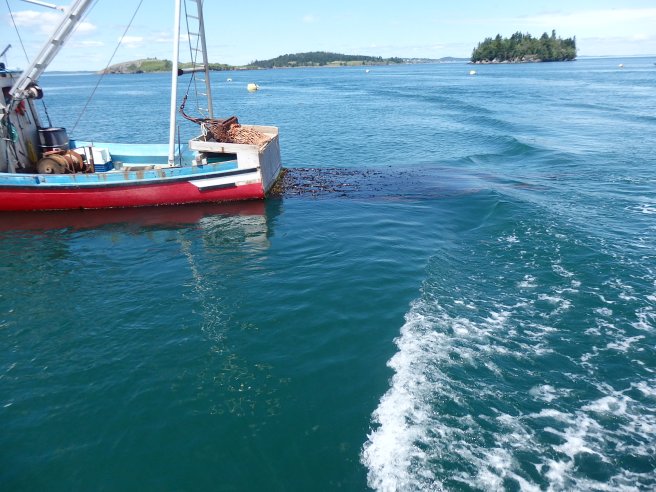
Around mid-May across the New England coast, the alewives migrate en masse upstream to freshwater breeding grounds. Sometimes identified as river herring, they have played a role in the region’s heritage, from Indigenous peoples on.
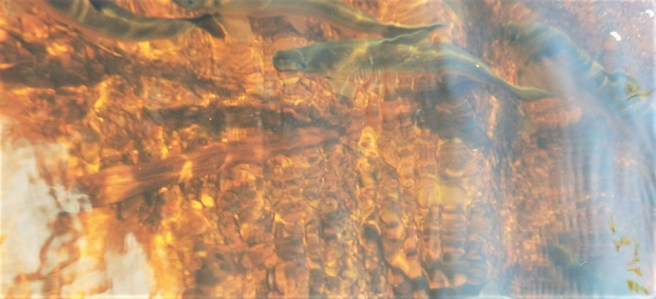
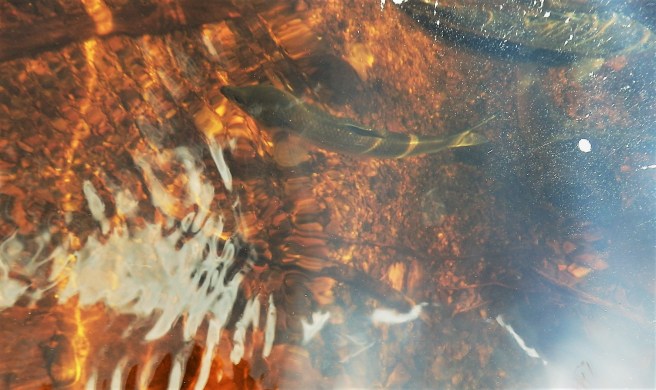
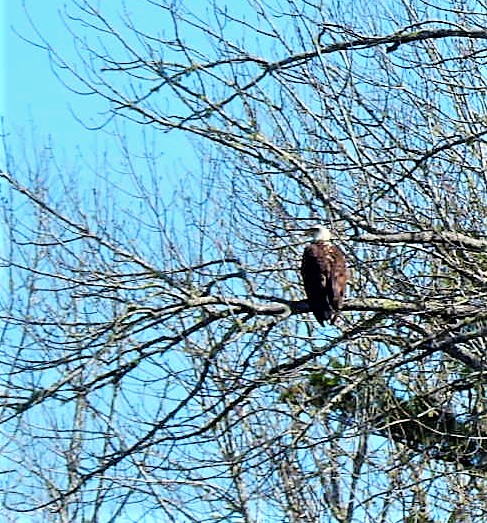
They still attract fishermen to the riverbanks and bridges, as well as eagles and osprey overhead.
And though bony, many folks consider them a seasonal delicacy, often worked into an appetizer. More commonly, they’re a common lobster bait.
That’s the slogan of the Eastport Arts Center, housed in the 1837 Washington Street Baptist church after that congregation moved up the road and renamed itself Cornerstone Baptist in 2005.
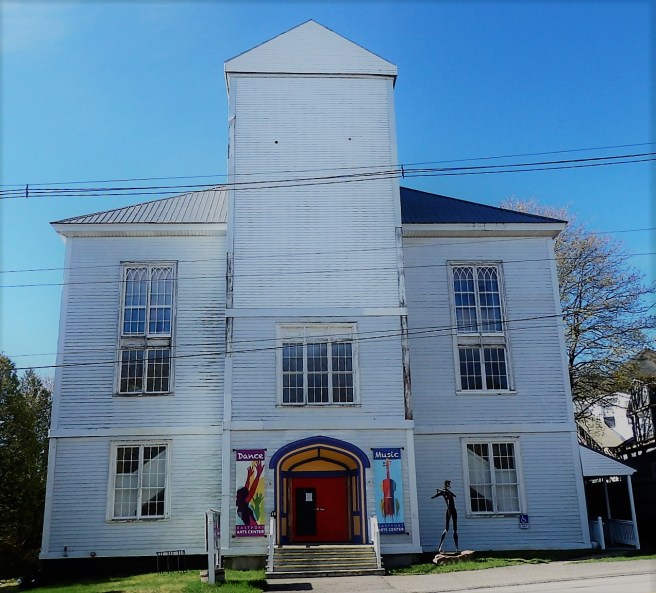
Only two blocks from the waterfront downtown, the center is the home of the Stage East theater company, Northern Lights Film Society (how I’m awaiting its reawakening from its Covid hiatus), Quoddy Voices, Passamaquoddy Bay Symphony, a series of visiting musicians in many genres, lectures of all stripes, and even yoga and New England contradances. Its activities range from performances and rehearsals to exhibitions and workshops, physical fitness and dance, open mics and communal meals. It’s also available for rental.
Upstairs features a 106-seat theater/concert hall, while downstairs has an open community gathering space, gallery, and commercial kitchen.
The venture itself was spearheaded by the eight artists who cofounded the Eastport Gallery on Water Street, which by 1990 had become a hub and magnet for creative spirits in town. The gallery remains a constituent organization member of the center.
I’m especially glad it’s all just a short walk from my doorstep.
Quite simply, I see it as the heart of the community, something that makes Eastport unique. Recent Sunday afternoons have hosted a delightful cycle of music, discussions of visual arts and local businesses, historical insights, and even free mustard.
Across the country, one institution often dominates the culture life of the wider community. In Cincinnati or Cleveland, for instance, I’d say it was the symphony orchestra.
In New Hampshire, was the New Hampshire Symphony, before its demise, or the Currier Gallery of Art.
What’s the biggest cultural influence where you live?


Eastport is a city, after all, and many of the homes are packed in close together. Not that it matters to our local wildlife.


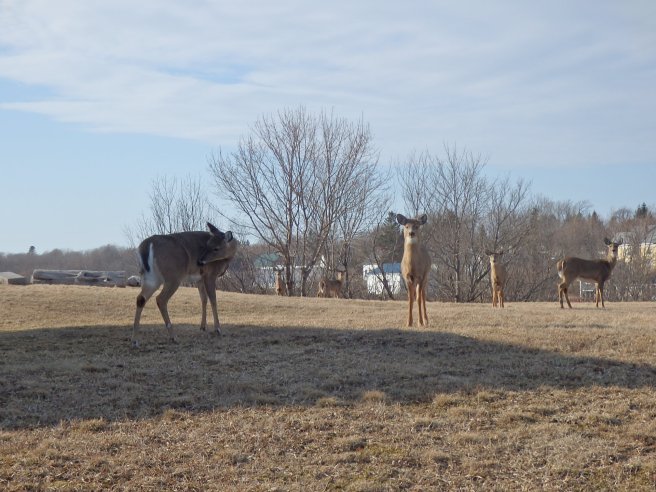


They’re so much a part of the place they even have their own Facebook page, Deer Eastport, and it is very active.
No matter how cute, though, they’re a gardening challenge. As are the raccoons.