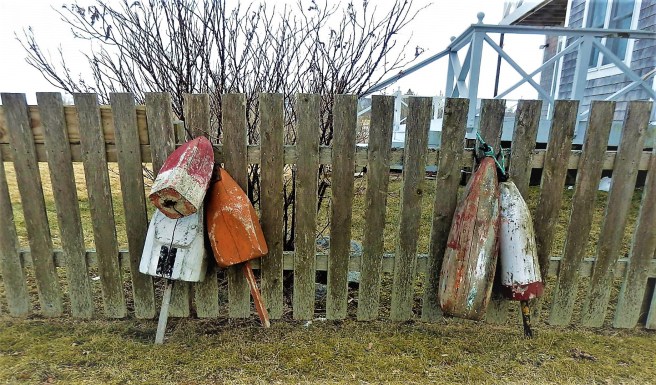
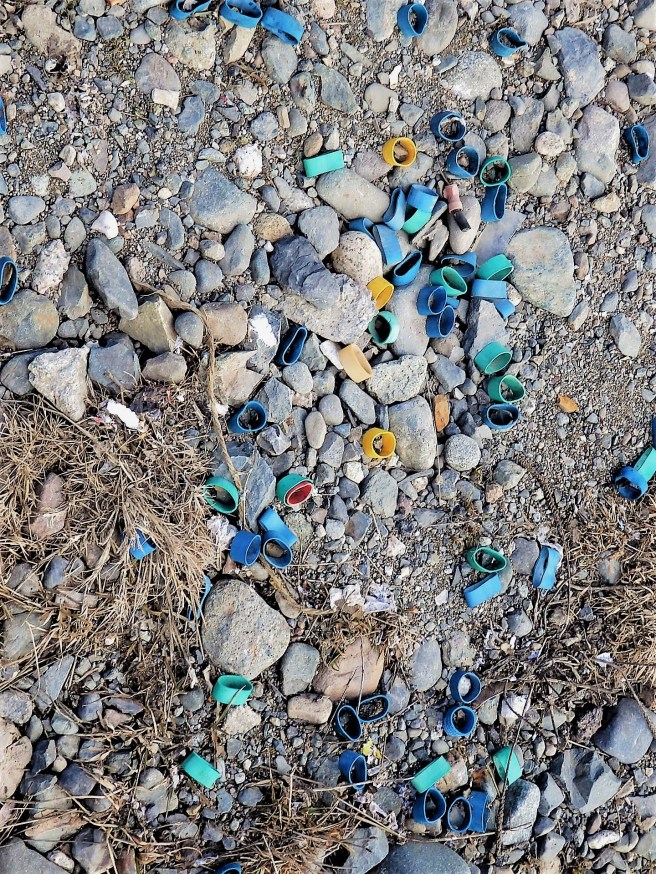
You never know what we'll churn up in cleaning a stall
Yup, home prices went through the roof in most of the country – but not here.
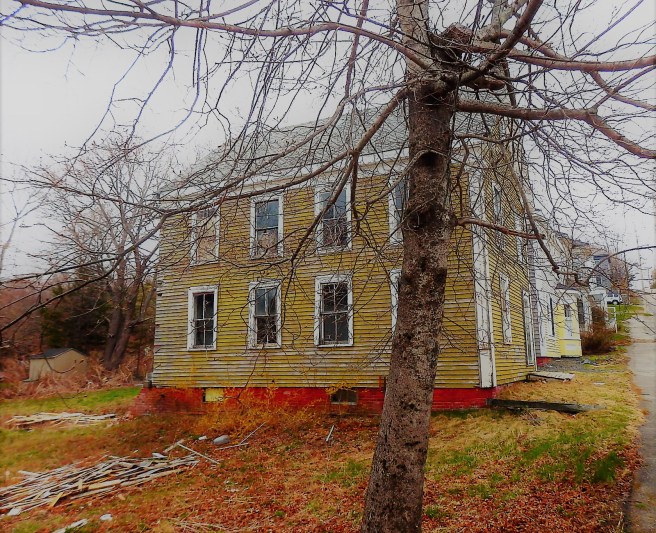
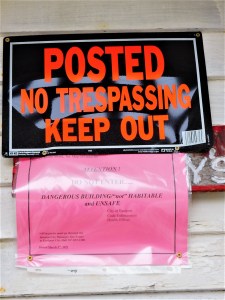
A common sight throughout Downeast Maine is abandoned housing in varying stages of decay. Seeing an old dwelling like that, your initial impulse is that somebody, somewhere, ought to save it. You know, live out in the woods, free from hassles, and all that. It’s gotta have a charming history, right? (Rusting trailers and mobile homes somehow get less sympathy, if any.)
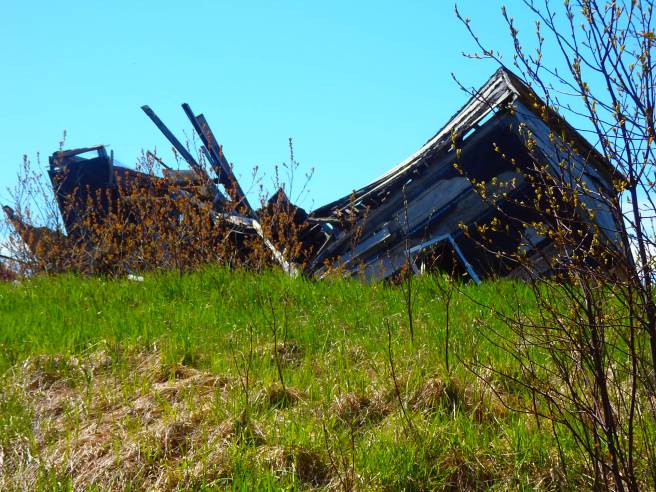
Then reality kicks in. Most of these would cost a ton to renovate – and many are tiny. Insulation, plumbing, and wiring are only the beginning. It’s cheaper to start fresh, if you can. Jobs are scarce, often towns away, if you can find work, so unless you’re retired, that’s another strike. And if you are retired, you might check out far to the nearest doc or clinic. I have to wonder, too, why anyone would want to live that close to the highway and its noisy traffic, other than maybe getting priority plowing after a snowfall. As for the mosquitos and black flies?
Others might tell you it gets boring. No malls or big-box stores, much less neighbors or a real supermarket.
Even as a summer home, then, there are drawbacks. Wouldn’t you rather be on a lake or the ocean?


Let me be honest and admit that the most amazing fall foliage I’ve seen was in 1970 in the Susquehanna Valley of New York and neighboring Pennsylvania. I’m not sure how it would stack up today, if I had a way of reviving the actual color, but the experience was unlike any before or since.
I was fresh out of college – free of being cooped up on campus and indoors. I had my own wheels and a job that had me free by midafternoon, when the angular sunlight was kicking in. And the local forests blended the species of New England with those of the middle Appalachians. What I had known before was Ohio and Indiana, without the big foothills that propped the forests up before my eyes like giant canvases or, from the crests, arrayed them below me like vast quilts punctuated with villages and farm fields and meadows.
I suspect another major factor was a killing frost by late September, which would intensify the color and make, officially, Indian summer. With global warming, that frost has been delaying until all of the leaves have fallen.
All the same, living in New England for nearly half of my life now, I recognize how profoundly the autumn change strikes the region. My in-depth reflections and accompanying photos from New Hampshire are found in the archives of my Chicken Farmer blog. Do go there, if you can. The posts and slideshows appear in the New England Spirit category from August through October 2013.
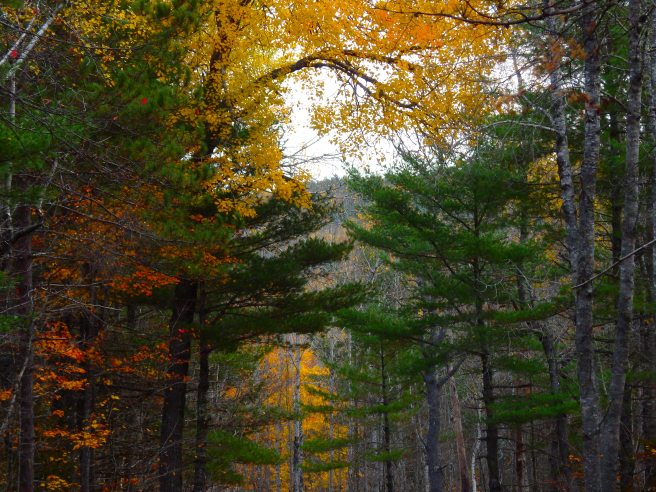
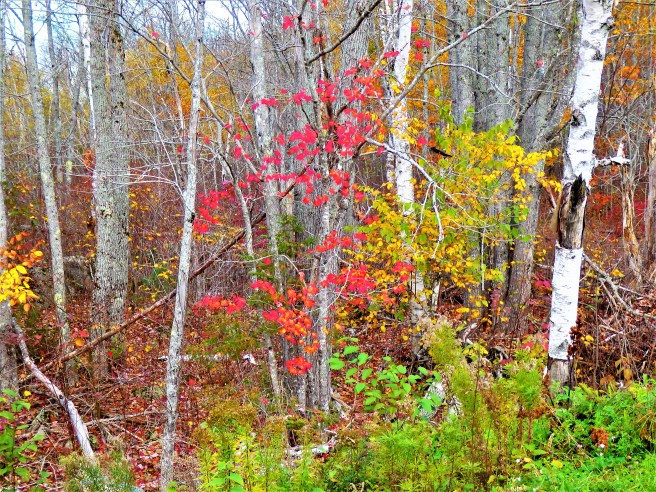
What I’m now encountering is Coastal Downeast Maine, with its own variations. The forest is largely evergreen, which of course stays green. But it does provide a solid background for the deciduous trees as they change.
Having written that, I encounter an early morning drive across stretches where everything is perfect. The foliage is prime, a full range of the palette, nothing holding back. The temperature’s still chill, so maybe they’ve already had that hard frost up here. Better yet, the sunlight’s brilliant buttery and straight-on, rather than overhead, illuminating the leaves from the side facing me.
It reminds me of other “oh, wow!” epiphanies in northern New England that no doubt would equal or even surpass the year further south that set the standard.
So here’s a taste of how it happens around here.




While washing dishes one night shortly after moving to Eastport, I noticed strange lights between a neighbor’s house. So I went upstairs with my binoculars and still couldn’t make out much, other than it appeared to be a ship. Or maybe two. It definitely wasn’t one of our fishing boats. Here’s how one of the big freighters looks in daylight.
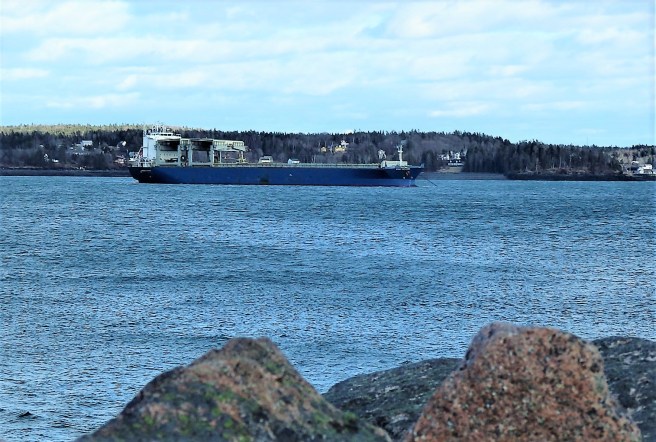
The Breakwater downtown isn’t the only important pier in town. The Eastport Port Authority also operates the Estes Head Cargo Terminal around the curve to the south. The 55-acre, high-security site includes warehouses, an aerial conveyor, and two berths. It’s where the big barges and oceanic freighters pull in.
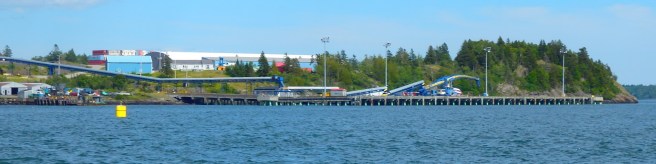
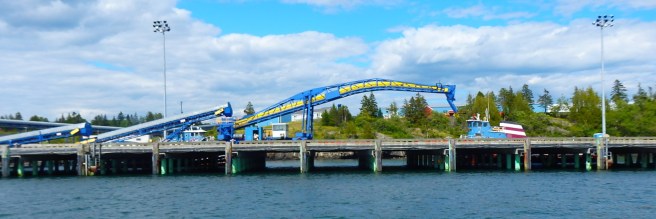
It’s also the deepest natural harbor in the continental U.S., with the Breakwater close behind.
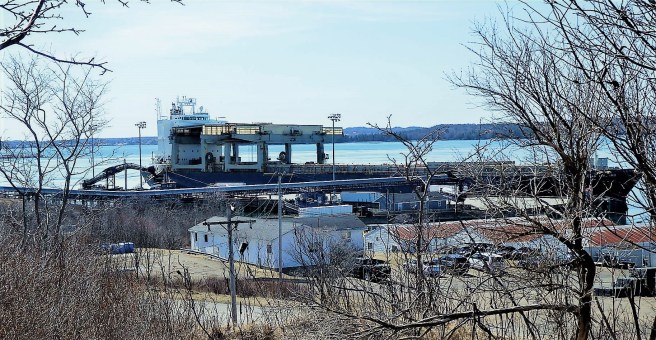
Most of the shipping these days is exports of wood pulp for paper production, though recent cargo has included delivery of giant blades for the wind farm electrical generators in Hancock County. .
Seems a shame they can’t drum up more business, try as they might.
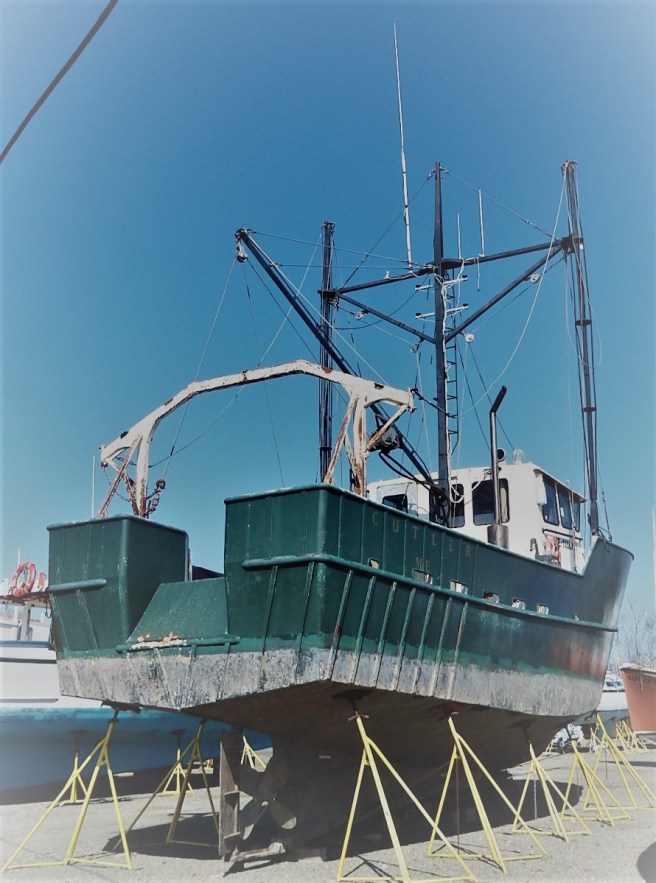
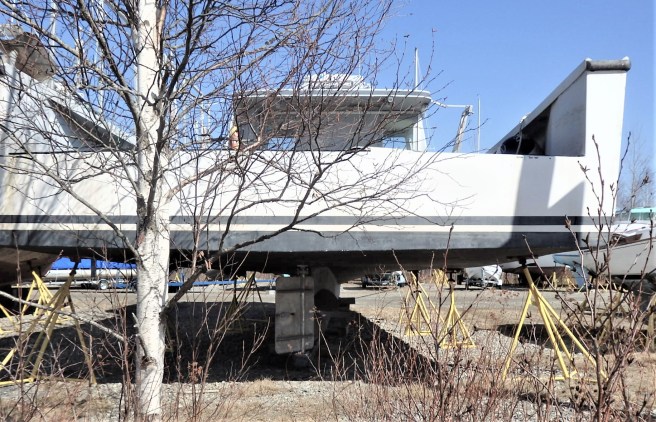
I do wonder about this scuttled auto ferry seen from a trail at Roque Beach State Park. It’s far from any center of population, and there’s no remaining top structure.
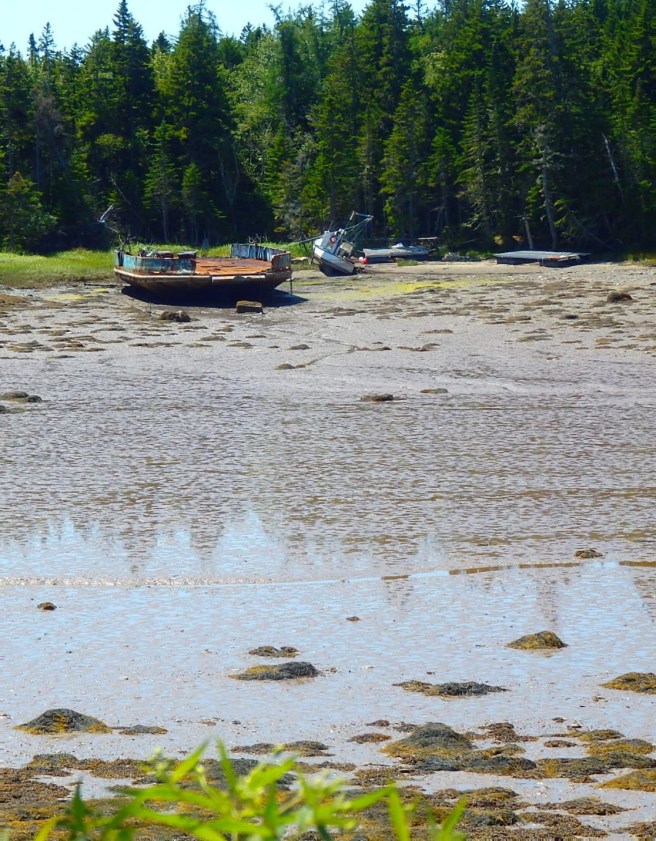
Was it scavenged before being abandoned? Or even after? Did it fall victim to fire? Or a storm? Somehow it was run aground along what’s now thick forest.


One of the factors in our decision to relocate to Eastport was the quality of the local newspaper, which appears every second and fourth Friday of the month.

There’s nothing flashy about its tabloid-format editions, but everything I see strikes me as solid, even compelling, community journalism.
The quirky – and unique – use of Tides rather than Times in its name is not just humorous but altogether appropriate. The paper reports on all of the communities the tides touch on in Washington County, Maine, as well as many in neighboring Charlotte County, New Brunswick.
One of my ongoing criticisms of American newspapers over the past half-century is that very few of them give you a feel for the place they serve. Ownership by out-of-state corporations is only part of the problem. Continuing cutbacks in coverage is another. (I play with those and other factors in my novel Hometown News.)
For most dailies and weeklies, there’s a generic look and taste in the stories. Everybody has city-council and school-board meetings, for heaven’s sake, and most car crashes are just as boring.
Somehow, though, that’s not the case with the Quoddy Tides.
Consider the lead on a report of the start of the important commercial scallop harvest, a story that was presented on Page 2 but teased from the front page by a dramatic black-and-white photo of a fishing boat plowing through rough seas:
“Winds gusting over 50 knots did not deter many Cobscook Bay area scallop fishermen from going out on the first day of the season on December 1. About three-quarters of the fleet of over 20 draggers based in Eastport and about 10 boats from Lubec headed out that day.”
Remember, it’s not just windy with choppy surf. This is December, blowing icy water. As for a feel of the place, just listen to the quotes in the next sentence:
“Lubec fisherman Milton Chute observes, ‘The tops were blowing off the water like it was pouring,’ and Earl Small of Eastport says that while it was ‘sloppy steaming back and forth,’ once the boats were on the lee shore either off Lubec or down in South Bay, it wasn’t bad towing out of the wind. ‘It’s not as dangerous as people think,’ says another Eastport fisherman, Butch Harris, noting that two or three boats will fish together in case anyone gets in trouble. ‘It was a rough ride out, but once you’re there fishing it’s not that bad.’ Harris points out that scallop fishermen have only so many days that they’re allowed to fish. ‘If you don’t go, you lose it,’ he notes.”
Much of their quotes, I’ll venture, is pure poetry. And off the cuff, at that.
The rest of the story fills out the page, detail after detail. I bet you’ll think of some of this dedicated labor, too, next time you eat seafood.
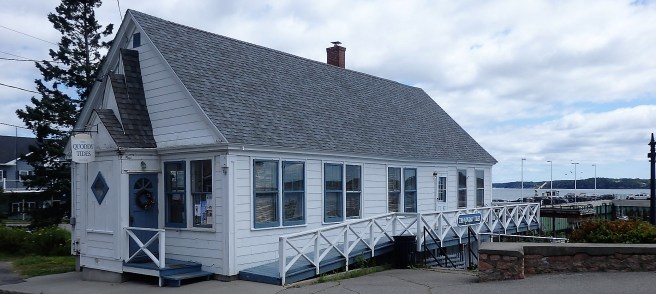
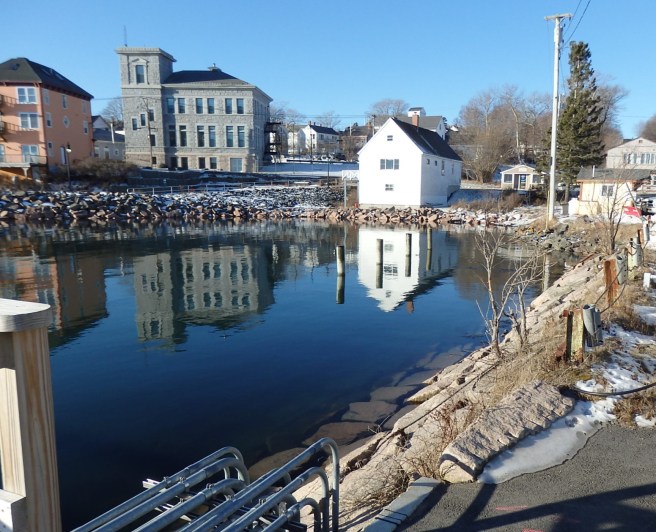
The Tides was founded in 1968 by Winifred B. French, the wife of Dr. Rowland Barnes French, M.D., and mother of five. They moved to Maine from Arizona in 1953 so he could help found the Eastport Health Center, itself a remarkable story in community medicine.
Winifred had no background in journalism, but she saw a need, studied hard, and ventured forth in launching and editing a small-town paper with a regional outlook. In 1979, for good reason, she was named Maine Journalist of the Year. Remember, the Tides isn’t a daily or even weekly newspaper, it’s every two or sometimes three weeks.
Reporters attend public meetings rather than chasing afterward by phone, correspondents provide meat-and-potatoes servings of neighborhood interest, Don Dunbar contributes top-drawer photography, and local columnists all weigh in for what becomes must-read pages throughout the area. The mix skirts the glib boosterism and doom-and-gloom morbidity too prevalent elsewhere.
Winifred died in 1995, but son Edward French and his wife, Lora Whelan, continue on her model. (Another son, Hugh, heads the Tides Institute and Museum – note that Winifred’s sense of “tides” continues there, too.)
I like the fact that the stories don’t carry datelines. Nope, the reader doesn’t get a chance to turn off on the basis of a single word. The region is closely interlinked by people living in one place and working in another or having family elsewhere, so it’s all of interest or should be – both sides of the U.S.-Canadian border.
I also like the fact that headlines come in just two sizes, with a serif face used for a touch of variety. There’s no need to scream to draw attention. Instead, we get an orderly and fair-minded sensibility.
So that’s an introduction. I could go on and on.
In some ways, it reminds me of Annie Proulx’ novel The Shipping News, without the dreariness and grimness.
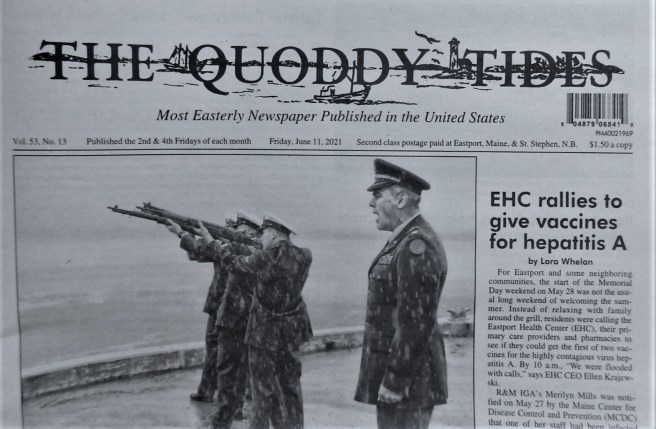
One thing I would tweak is the nameplate, which goes back to the first edition. That shoreline still seems to strike out the paper’s name.
Still, it’s a joy to be retired and not have to be in the midst of producing all this. These days I do delight in being able to sit back and simply enjoy what I’m reading – even if I do on occasion feel an urge to “fix” something on the page.
What – or whom – do you look forward to reading the most? On a regular basis. (Apart from this humble scribe.)

