
Seasoned with sage, rosemary, and thyme
You never know what we'll churn up in cleaning a stall
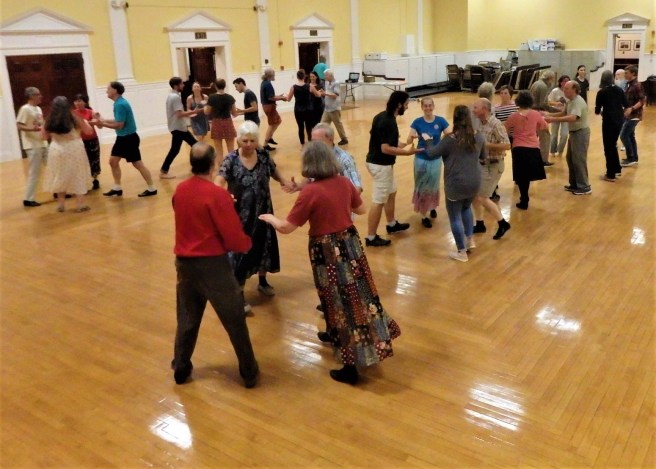

My novel YOGA BOOTCAMP describes group meditation as a central discipline in the daily life at Big Pumpkin’s ashram. As a real-life example, here’s a photo taken at the Poconos Ashram in mid-1972. I’m struck by how young we all look and the fact that most of us could sit in a full lotus position. Makes my knees hurt just thinking of it now!

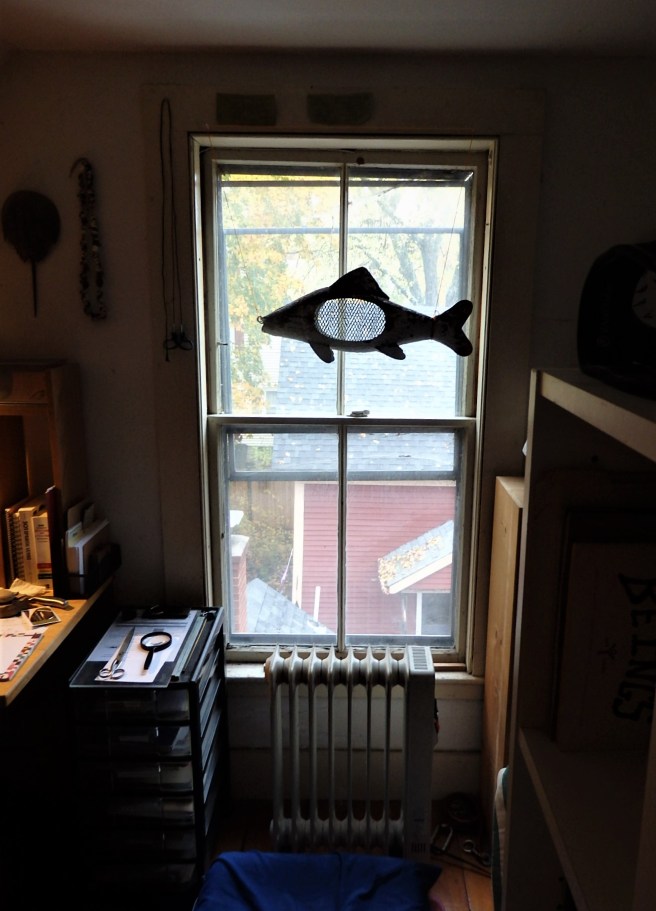

In our neck of the woods, it’s been a hard mast, meaning hard-shelled nuts have fallen in much higher-than-normal levels.
While the uncommon profusion is attributed to an unpredictable confluence of factors, it does provide a feast for squirrels, deer, and other wildlife. Any surplus surviving the predators then has a good chance to refurbish the forests and byways.
As has been noted, nature really is promiscuous.
Lean years, in contrast, limit the animal populations and their offspring.
Mast is most notably reported as acorns, but in our house, overshadowed by a black walnut tree, the golf ball-sized orbs are hammering the kitchen roof and trashcans. We keep thinking people are knocking at our backdoor or something big has fallen over downstairs or outside or even a crazy golfer neighbor is slicing his shots and hitting our house, one-two-three. They’re even a hazard to our parked cars.
Meanwhile, our squirrels are littering the stoops, patio table and chairs, and driveway with messes of shells that stain anything underneath black – is that the origin of black in the walnut variety’s name? But that’s not the only problem.
No, the nuts are so plentiful they make venturing out into the yard a treacherous course akin to walking on ball bearings or marbles. We haven’t fallen yet, but we’ve come close.
It’s especially troublesome when I have a load of firewood in my arms.
We aren’t alone in this, are we?

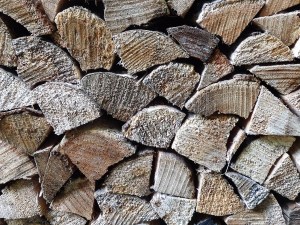

One of the delights of my small city is the waterfall at the heart of the downtown. It has powered mills since 1642, and with the addition of the dam atop the cataract, ran the textiles looms that made Cocheco calico world-famous.

The river – seen here resting at the end of summer – rages in the springtime, with snowmelt and heavy rains, and plunges into the tides that fluctuate eight to ten feet every six hours. Hence, the fish ladder for salmon, herring, and migrating eels.
With the retraining wall on the south side of the site in danger, a new wall was installed during the summer – a major construction project that tied up traffic for months.

When the old wall and the ground behind it were being removed earlier in the year, the excavation suggested that a much different design was in the works. Getting a clear view of the falling water has been difficult. The old walkway was charming, but you really wanted to get down lower and closer to the water. I envisioned a set of small terraces stepping downward beside the fish ladder.


Alas, that’s not what happened. We don’t even have the charming walkway anymore.
I’m hoping the new wall weathers quickly. Right now, it strikes me as an eyesore.

 Jnana's Red Barn