50-50-50 RULE

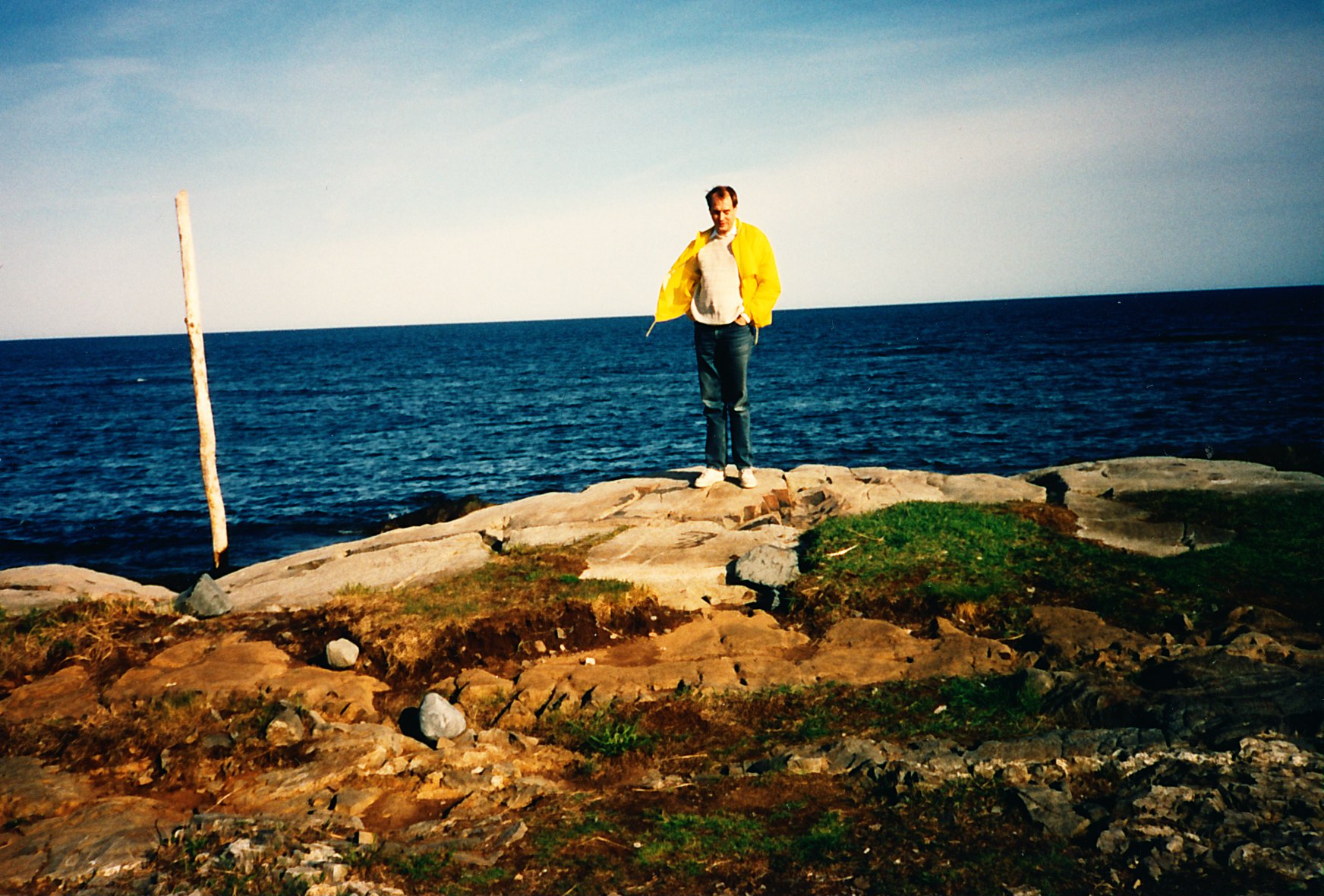
Many folks won’t swim in the Gulf of Maine even in the height of summer. It’s just too cold, they say.

I can sympathize, though some perspective helps. Rarely is the Atlantic around here warm enough before the Fourth of July. Oh, there may be a few rare days, but nothing dependable. We’ve found that anything below 57 F is foolish – even when the air temp’s over a hundred.

Yup, 57. That’s the blue-toe limit: edge into the surf bit by bit. First, the toes. Then out. Back again, top of the foot. Out again. Back again, to the ankles. You get the idea. If you actually make it to total submersion, you come out fast. Like a bullet.

Over time swimming here, you might even get to the point where you can guess within a degree or two. Sixty’s about my bottom line for swimming. Sixty-five is where the water starts to get comfortable. And 70, a rare delight, is heavenly.

For reference, I’ve come to rely on the NOAA Northeast USA Recent Marine Data Web page, which includes readings from buoys. Lately, as the water temps have been edging 50 F – finally even a tad over before ebbing – it’s become a topic of conversation.

Which prompted this response the other day: Ever hear of the 50-50-50 Rule?

Eh?

Fifty minutes in 50-degree water gives you a 50 percent chance of drowning. (Or 50 percent chance of surviving, depending on your outlook on life.)

In light of the blue-toe limit, I had no idea the odds could be that favorable. Not that I ever intend to press them.

CASCADES MEMORIES

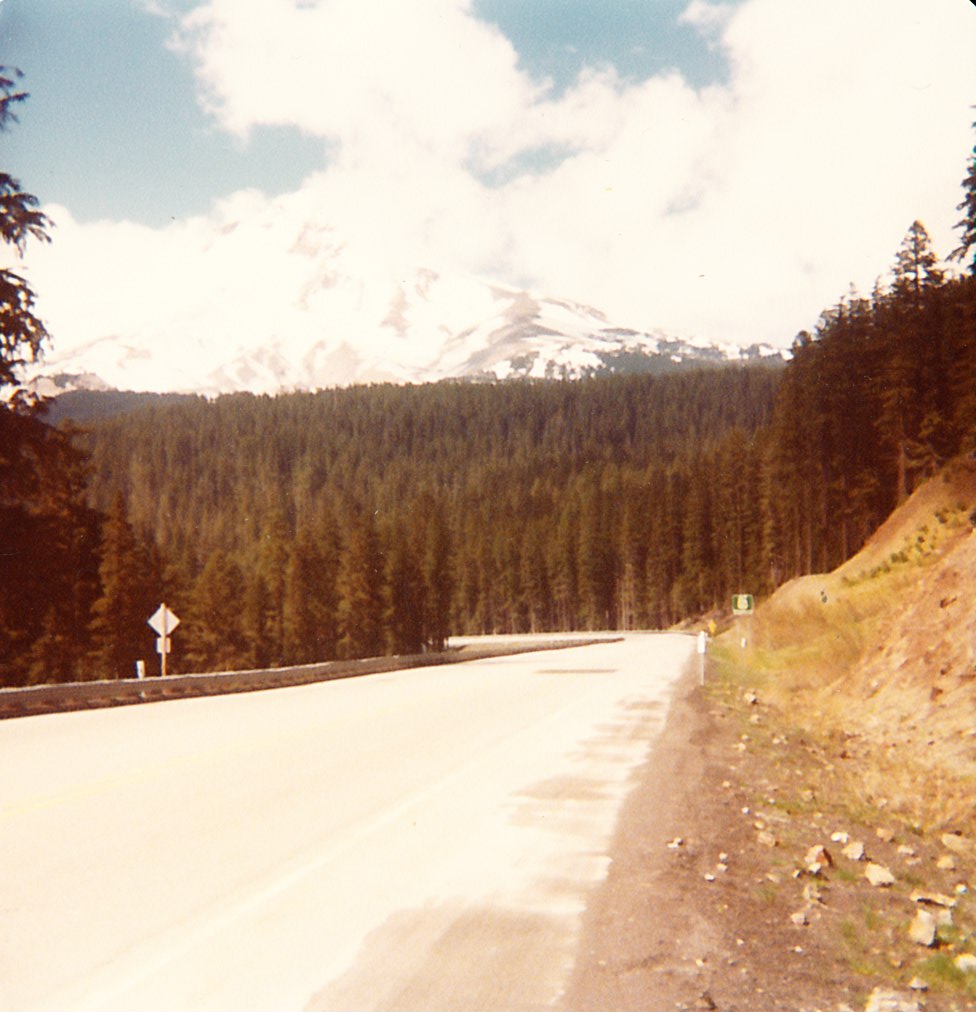
Driving toward Rainier.

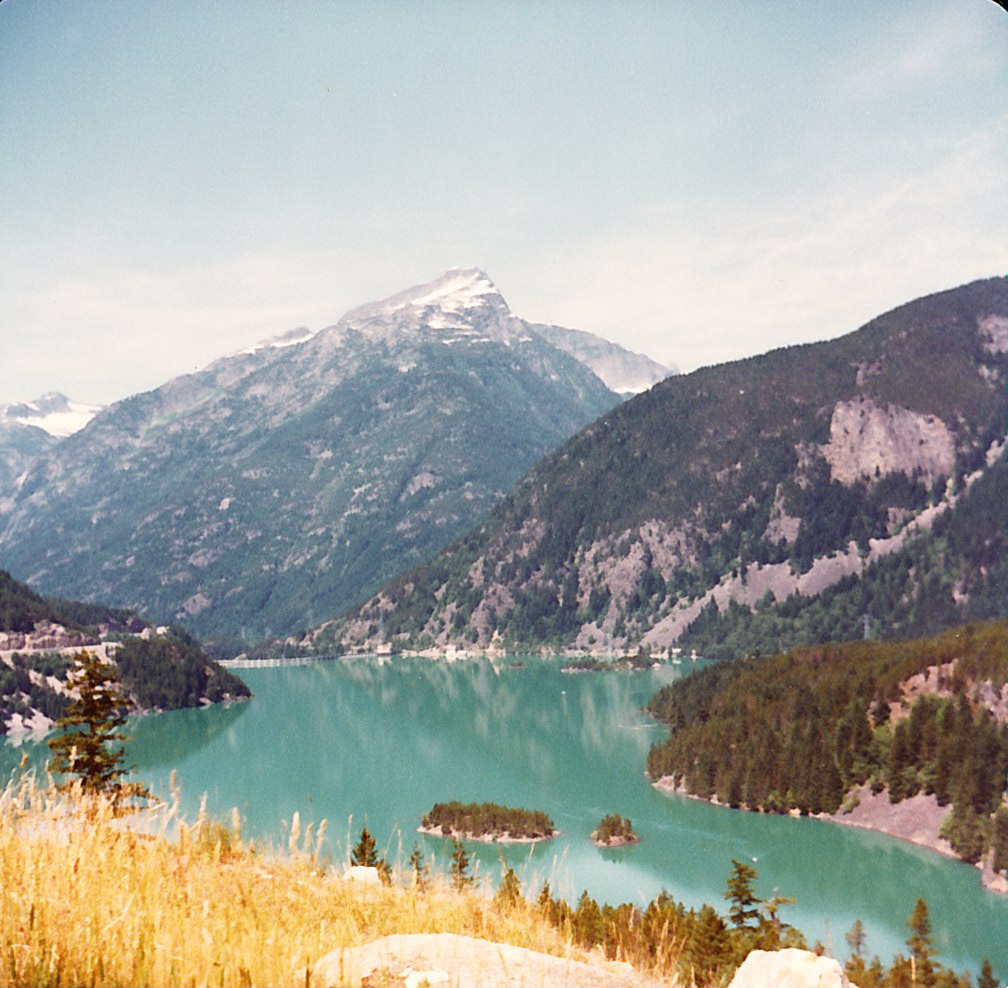
The Cascade Range in Washington state holds a special place in my heart.

It’s reflected in several of my novels and many of the poems.

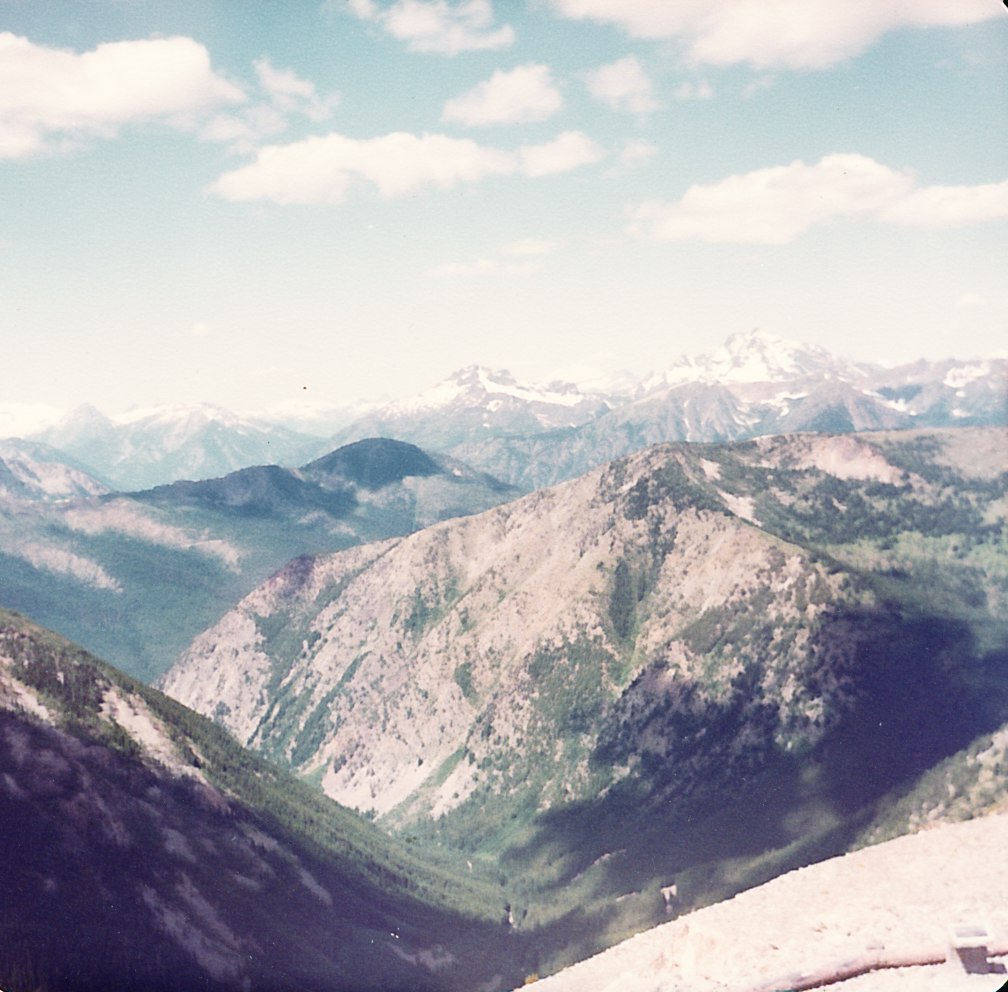
In the high country, the range seems to extend forever.

Few photos, though, do the mountains justice. But they do help keep the memories vibrant.

North Cascades where Gary Snyder, Philip Whalen, Jack Kerouac, and other writers worked the remote fire lookout posts.


IN A POD

One of our first harvests each spring is the peas. The sugar snaps and snow peas, especially, soon after the asparagus kicks in. It’s a challenge, keeping up: you need to pick the vines every day or two, while racing the first heat wave. Then it’s a matter of removing the pea vines so the cosmos and cabbage coming up underneath can breathe a bit more.

What we don’t eat now or prepare for the freezer will wind up in the compost, a sorry alternative.

Do you have any idea how delightful it is to serve the survivors on a cold day in February? Priceless, as they say.

AND YOU THOUGHT TURTLES WERE SLOW?

Somehow I avoided most of the usual traffic tie-ups and wound up with some extra time to kill in the Boston area on what turned out to be the first afternoon with real spring in the air. Given the time to kill, I headed off, camera in hand, for a walk along the Charles River.

At one point, I looked down along the riverbank and saw a limb draped out into the water. Five turtles were sunning on it in a wonderful composition. The camera was in focus and I needed one more step before I aimed and clicked. Just as I did, they slipped one by one into the water.

Maybe next time.

On the way back, I came up on a couple, hand in hand, as they strolled along the pathway. Another great shot, this time of street fashion. They were in matching all black, except for his shorts, which were black with great swirls of yellow and orange. I should have taken a shot but wanted to respect their privacy.

Now I’m wishing I’d gone ahead anyway.

Two nights before, as I was heading off to a committee meeting, I saw the perfect shot of the tower on City Hall, its gold-leaf dome and golden weathervane brightly lighted by the setting sun against a slate-gray background. Unfortunately, I wasn’t carrying my camera.

That has me thinking how many great photos turn out to be like those turtles, just slipping out of sight.

Maybe it provides all the more respect for the good photos we have.

WHALE WATCH

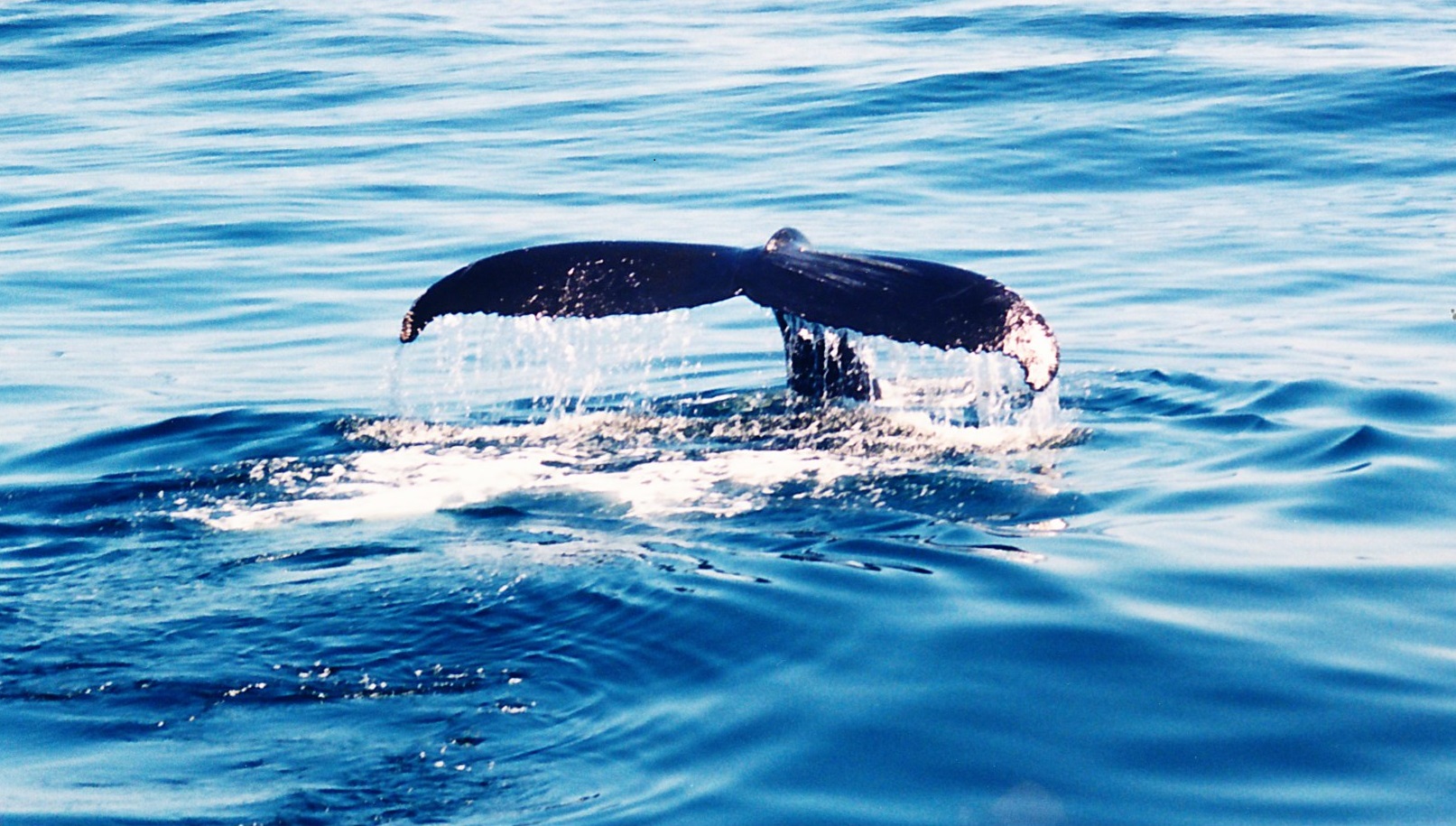
Humpback, launching a deep dive.
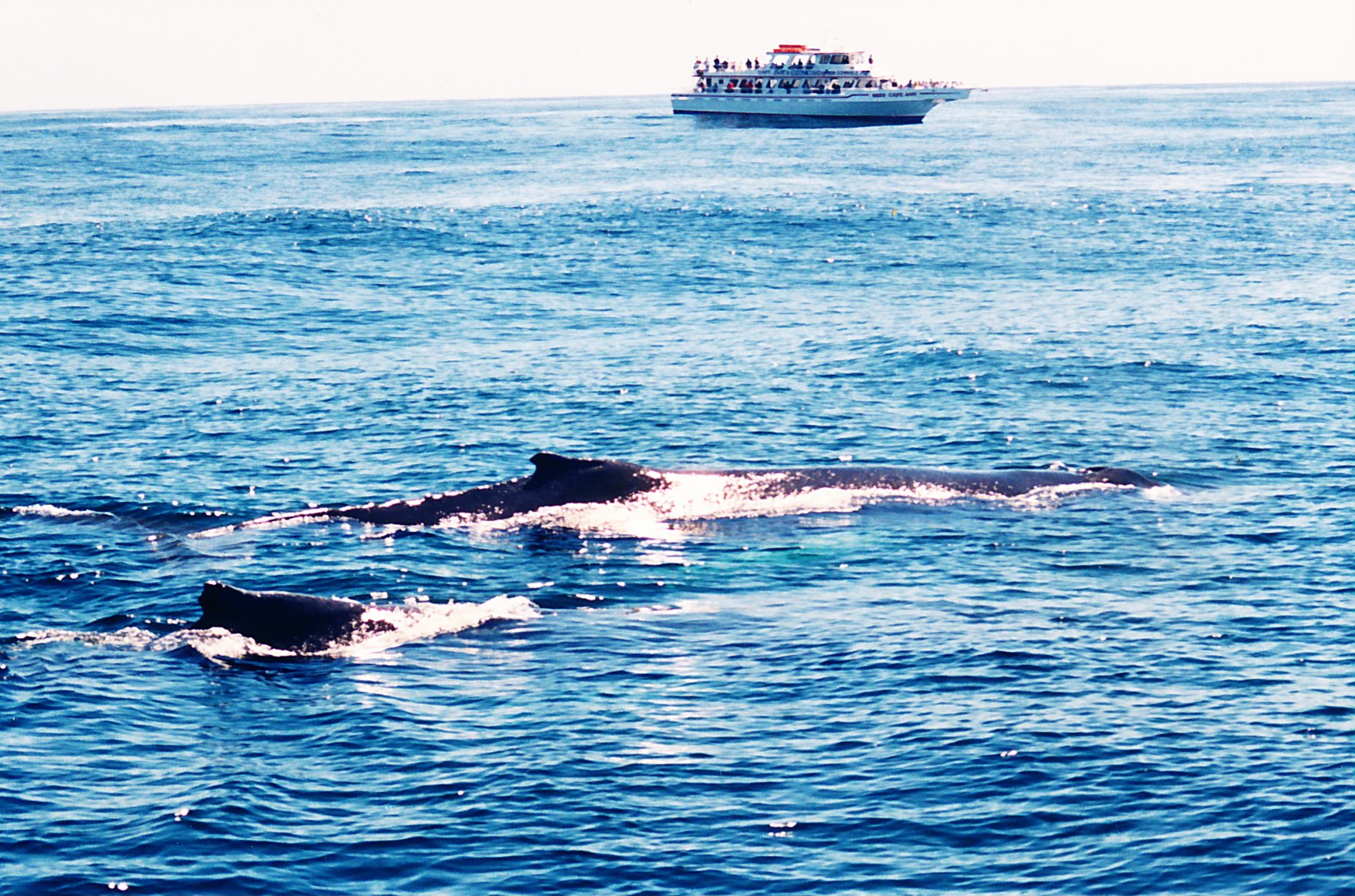
Often, several whale watch tours will circle in the same vacinity.
Often, several whale watch tours will circle in the same vicinity.

One of the traditions I established after moving to New England meant venturing out for a whale watch each year. You never know what you’ll encounter. Sometimes it’s only a minke whale or two – the smallest of the ones we have. Or, at times, it becomes more than you can count.

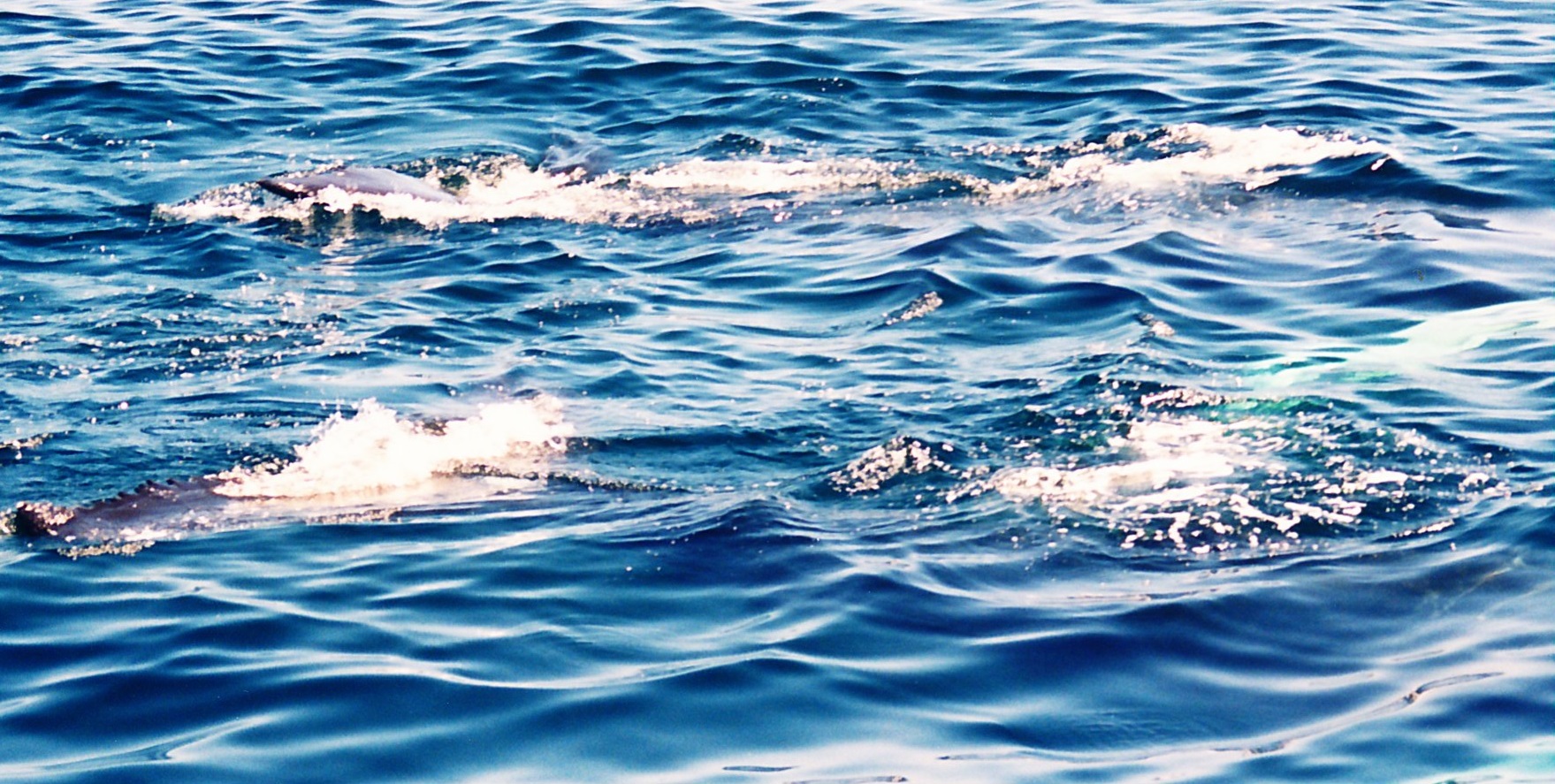
The whales have the most beautiful light blue underbellies, visible if you get close enough.

In the past dozen years, though, the custom’s fallen by the wayside. Just too much else to do – and the ticket price has gone up. But as a way of getting out to sea, it’s still a cheap cruise … and it can be very peaceful, if you don’t get seasick on the way.

LILACS

So when did this appreciation begin? When I lived in the orchard house, we had a big lilac bush at the corner of the yard – the one where the bees swarmed from the hive that one day.

But I think the real change happened that spring after my first marriage collapsed and I was finally in love again. I crowded the house with those cut blossoms and their fragrance. It’s enough to make me picture a blue silk kimono.

That was years ago, and many miles. Yet the lilacs are more precious than ever.

As I said at the time, when I lived in that last apartment, I vowed if I ever bought my own place, I’d get cuttings from a friend whose lilacs likely descended from the first ones brought to North America. Of course, I didn’t, and the owner has since moved into a retirement center.

Even so, these days, we have our own, screening the Smoking Garden from the street. One lilac had, in fact, grown as tall as the house – but hollow. It’s been work, restoring them to flowering condition.

Still, there’s nothing more luxurious than lilac cuttings arrayed in the bedroom, with their heavenly aroma.

So quickly, they pass.

CORMORANTS ON THE RIVER

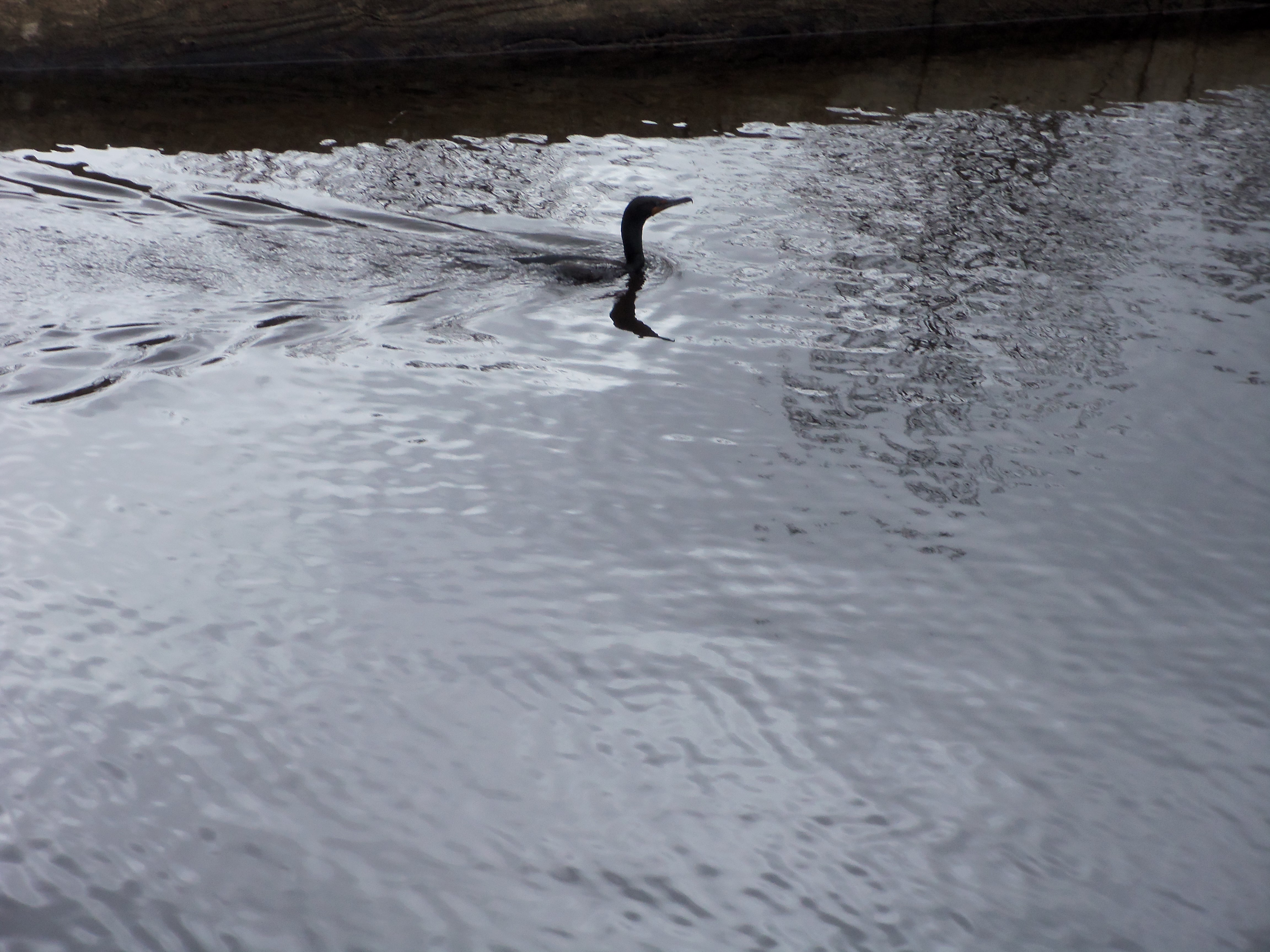
A cormorant cruises along the top of the Cocheco Falls dam in downtown Dover, New Hampshire.
Another watches for migrating fish.
Upstream, another watches for migrating fish.

When the river herring run from the sea into freshwater streams to spawn a new generation, the cormorants tag along, along with a cloud of fishermen.

The herring, which include the alewife variety, are part of New England lore. Look closely here and you’ll see them crowded in under the shade along the river.

River herring rest in a pool along the Charles River in Massachusetts.

THE ATTRACTION OF FERNS

As I said at the time …

It took eight springs in this household before we were finally greeted by a sequence of designed abundance. First, the pussy willow cuttings. Then the succession of flowering: snow lily, crocus, hyacinth, daffodil, forsythia, marsh marigold, tulip, forget-me-not, sweet woodruff, rhododendron, iris, mountain laurel. Accompanied by asparagus, rebounding after a season of root virus.

That’s not to say that any of it’s as orderly or magazine perfect as my wife would like. One neighbor jested our style’s too organic for that. Actually, it’s more like our budget.

Still, it’s quite an improvement over what we encountered when we first moved in and discovered most of our property was wet clay and neglected. Some portions had been landscaped with black plastic covered with gravel, which only worsened the water problems – extending to our cellar. Other portions were heavily shaded, with several nasty box elders and then a dead elm to be taken out.

While most of the garden has been my wife’s project – leaving to me the actual construction of raised beds and pathways, as well as the composting – I lay claim to a few exceptions: the asparagus bed and two small, heavily shaded panels behind the lilacs. The latter, each about forty square feet, are separated by a wood-chip passage. In our first year here, I shoveled off the gravel and dug up the plastic on one side of the pathway and began our attempts to plant ferns in the beds. Later, I dug up the pathway itself, removing the plastic and replacing the gravel with wood chips. The other panel would follow a year or two later.

I envisioned the footpath leading between two lush expanses of fiddleheads – woodland greenery right at home. A taste of deep forest.

The reality was that nothing wanted to grow there. We enhanced the soil repeated. Bought a few commercial fern varieties, which never quite caught on. My wife stuck in some other plants – lilies of the valley, wild ginger, lungwort, jack-in-the-pulpit – and they’ve taken hold. We transplanted ferns from the woods behind our best friends’ house at the time. Next year, I dug up more from along my commute, as well as the first of several seasons from another friend’s forest. Even so, come springtime, squirrels or slugs would mow down the rising green scrolls, while the surviving fronds remained tenuous and “went down,” as they say, earlier in the summer than I would have liked. In other words, forest undergrowth is hardly as natural as it would appear.

But this spring was different. In the older bed, the ferns came in thick and gorgeous – and after a few of the first fiddlehead stalks were leveled, we encased the plants in chicken wire to ward off predators. It worked. In the newer bed, which still has plenty of room to grow, one can see progress. “It’s where the other bed was last year,” we say, meaning we expect it to catch up. No, it’s not the uniform deck of fiddleheads I expected, nor is it the waist high ferns of a forest where a friend lived last year. Rather, it’s a celebration – at least six varieties (we’re not technical; fern identification is quite tricky) – with Rachel’s other plants and a few star flowers and Solomon’s seals thrown in.

* * *

What fascinates me is the variety of the fronds themselves, and how they now spread through in the bed. Some are fine-toothed, while others are broad. Some are bright green, while others show more blue or red. Some shoot upward, while others spray outward. If some are finely etched, others are painted with a broad brush. There are degrees of delicacy, fragility, and geometric interlocking arcs and angles. While the asparagus comes to replicate a tall fern with its feathery fronds, it spikes from the ground, unlike the uncoiling fern stems. This unfurling, in fact, seems to suspend time in space, especially in a few precious weeks when spring is taking hold. There’s something modest in the way ferns float only a foot or two above the ground or the way they crowd in along a wall or fence; something amazing, too, when they take hold in a boulder or cliff. When I gaze at my two fern beds, I must acknowledge that despite all my labors, this is what I have, or at least what’s survived. It wasn’t the plan, exactly. Maybe that’s what makes it all the more remarkable in my eyes.

A bigger question asks just where my fondness for ferns originates. I don’t remember them from the woods in my native Ohio or boyhood backpacking along the Appalachian Trail. I acknowledged them in the glen at the back of a farm I inhabited while living Upstate New York, and later at the ashram in the Pocono Mountains of Pennsylvania. I do remember being stung by the scorn of a Californian while hiking in southern Indiana, and then being enchanted in the array within rainforest in Washington State. Returning east, I kept Boston ferns in my apartment windows, vowing if I ever owned property again, I’d have ferns.

So memories and associations fit in here. Tastes of the past, and souvenirs of discovery. A reminder, too, of how forest touches my soul. My wife is moved more by flowers. I, by the gentleness of ferns.
KURT’S EXPANSE

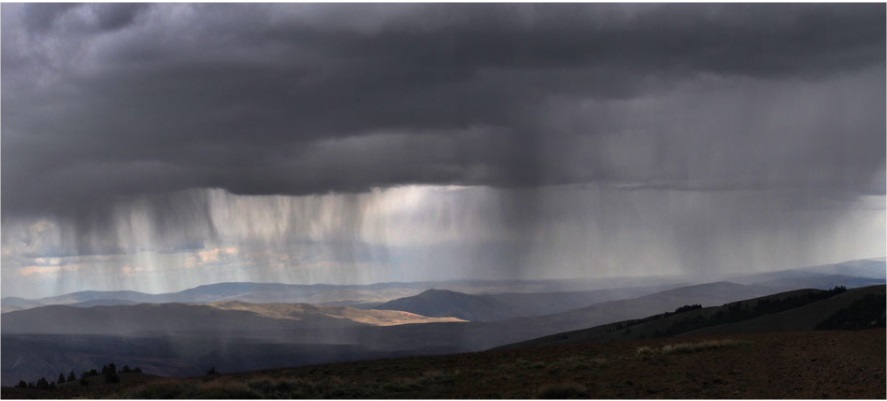
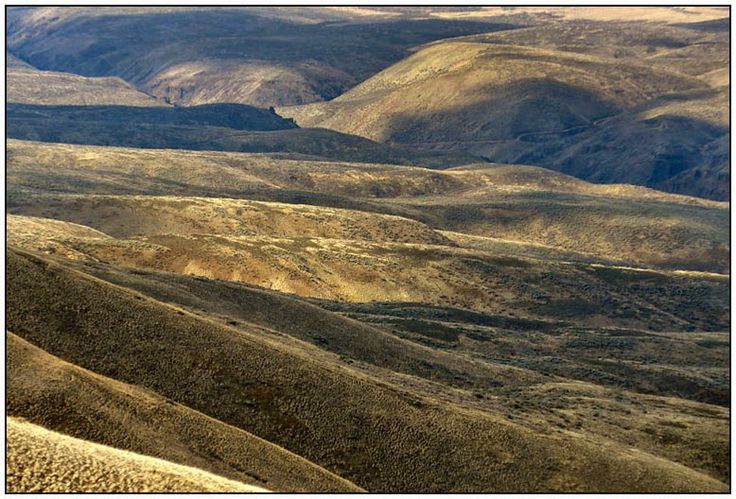
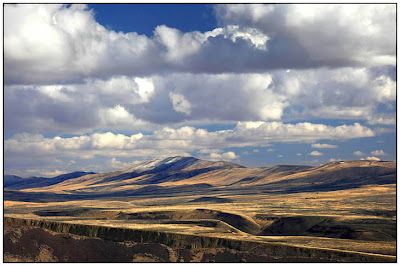
Trying to convey the experience of living in a desert to those who’ve known only moister climates often feels futile. It’s simply mindboggling, especially as you move away from the insulation of modern conveniences like air conditioning, automobiles, or even sunglasses. In its raw nature, this terrain is often life-threatening.

I’ve regretted not having a camera to record what I observed there, but one colleague from those years – another Ohio flatlander who relocated to the wet side of the Cascades after our journalist team was forced to scatter – has captured its essence better than anyone else I’ve come across.

Here are some of Kurt E. Smith’s images over the years of the land I call Katonkah Country. He has much more on his Seeing Small blog, which comes highly recommended. What he captures is sometimes enormous.

Hardy 3


Yakima Valley

Yakima Desert~*~

For my related poetry collections and novels, click here.