CORMORANTS ON THE RIVER

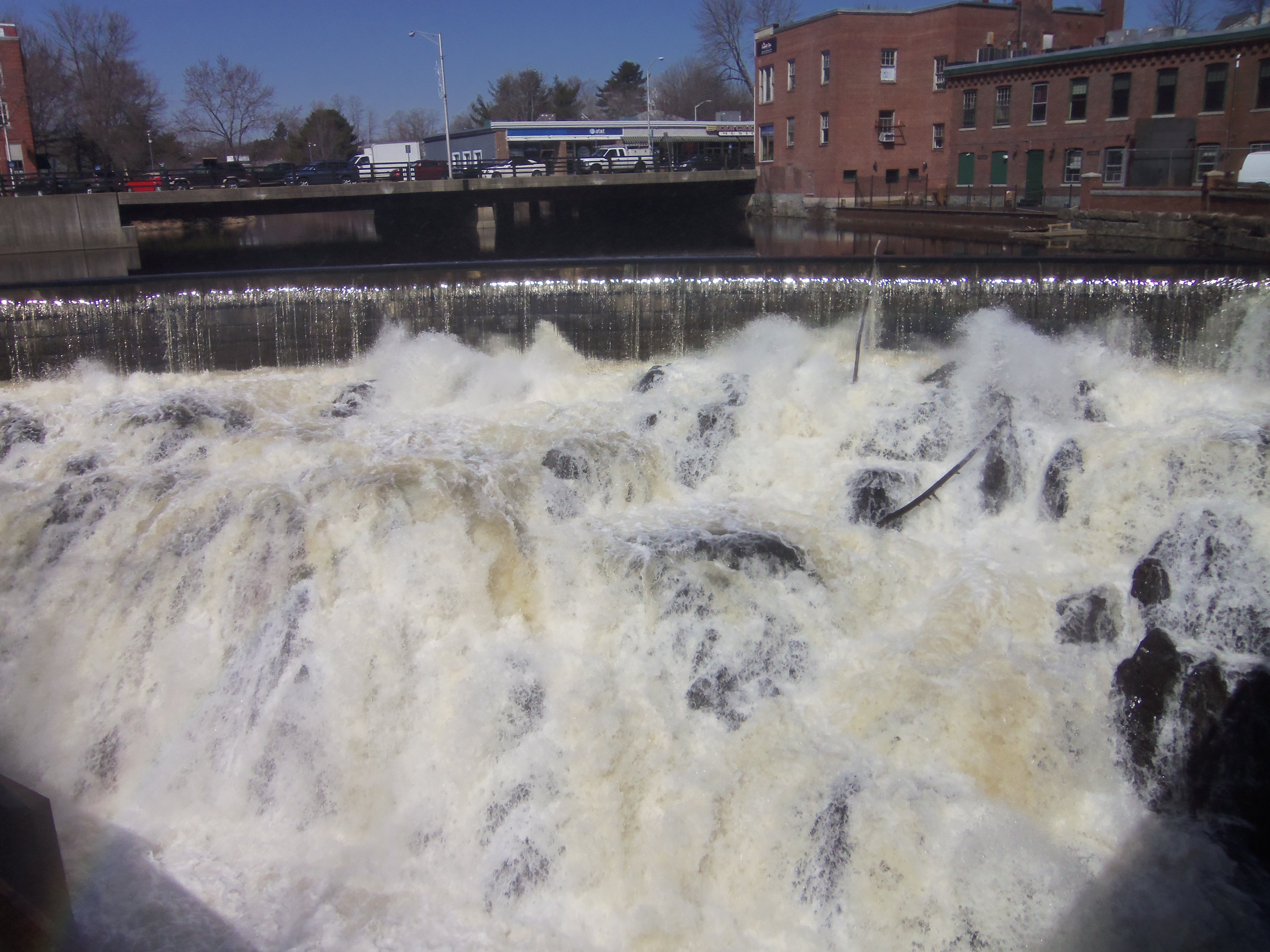
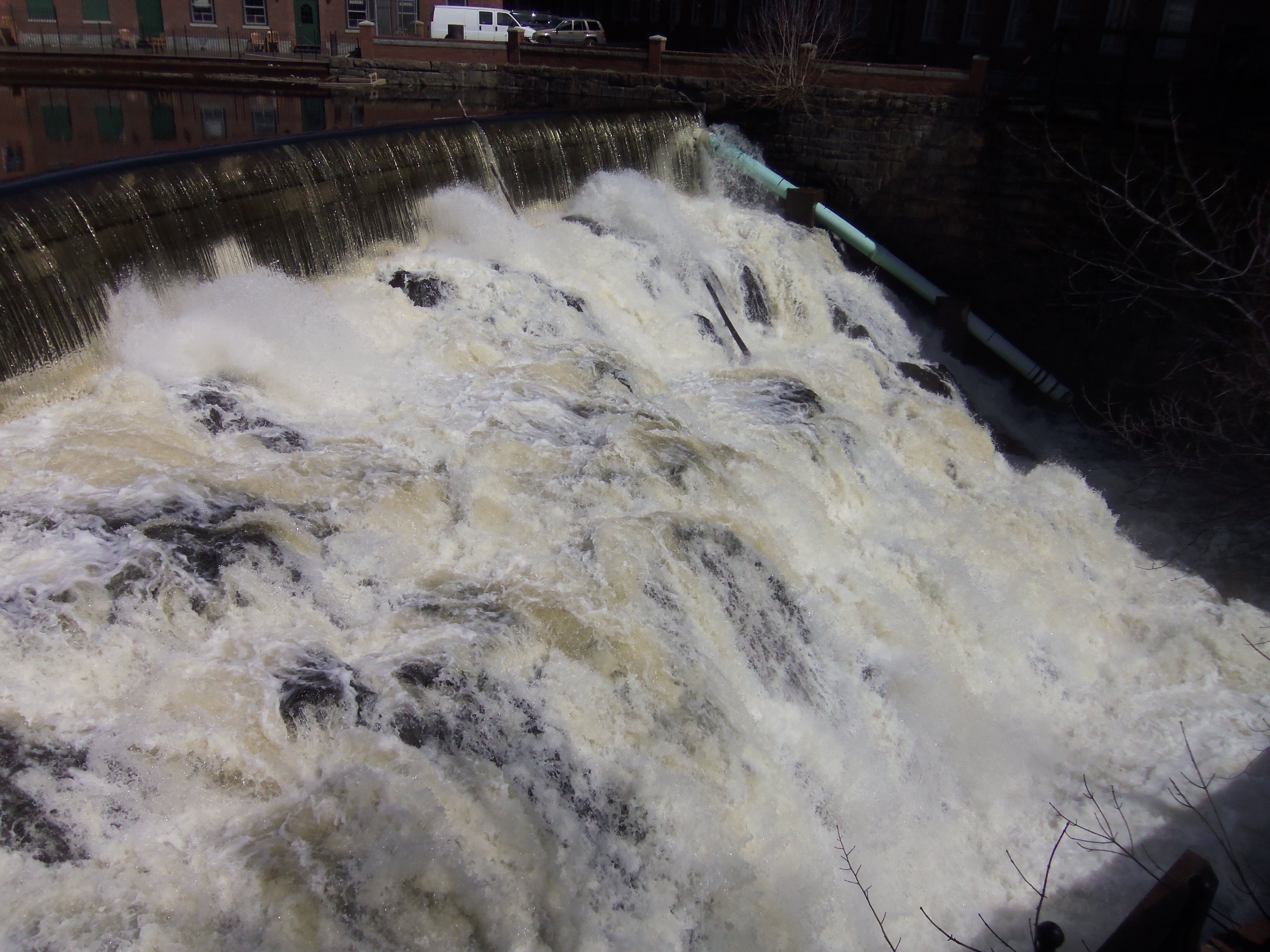
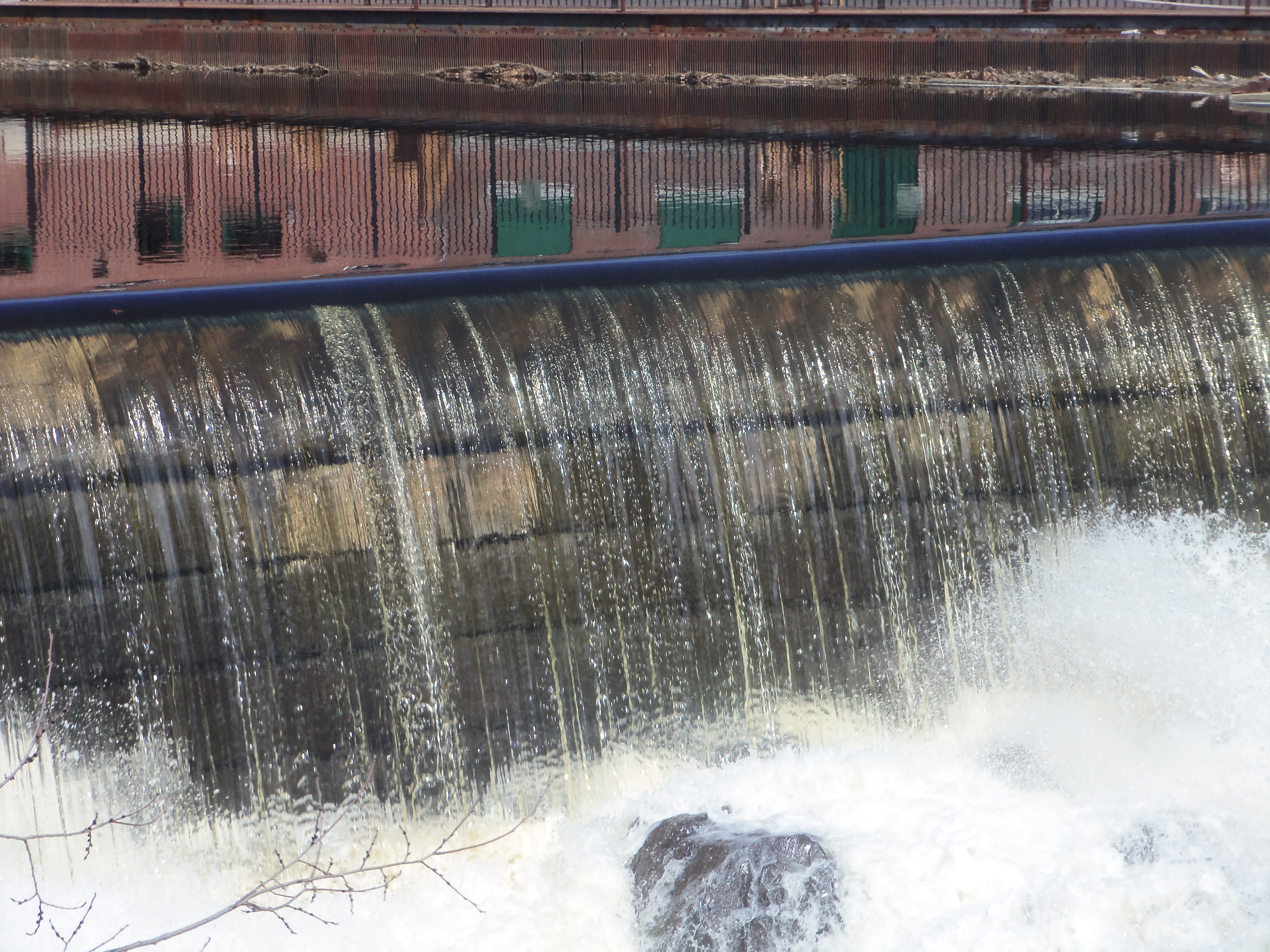
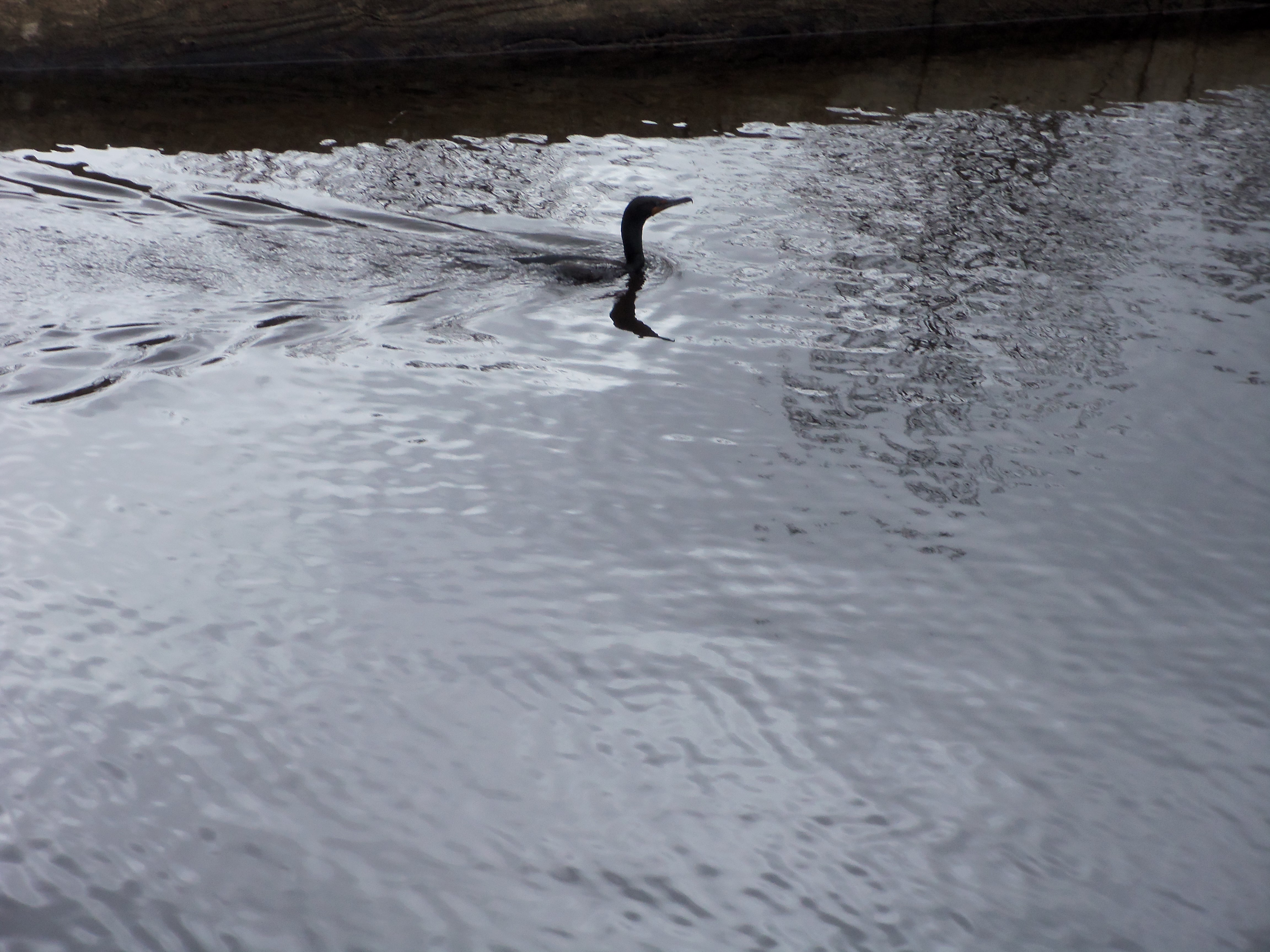
A cormorant cruises along the top of the Cocheco Falls dam in downtown Dover, New Hampshire.
Another watches for migrating fish.
Upstream, another watches for migrating fish.

When the river herring run from the sea into freshwater streams to spawn a new generation, the cormorants tag along, along with a cloud of fishermen.

The herring, which include the alewife variety, are part of New England lore. Look closely here and you’ll see them crowded in under the shade along the river.

River herring rest in a pool along the Charles River in Massachusetts.

GRANITE STATE’S QUEEN CITY

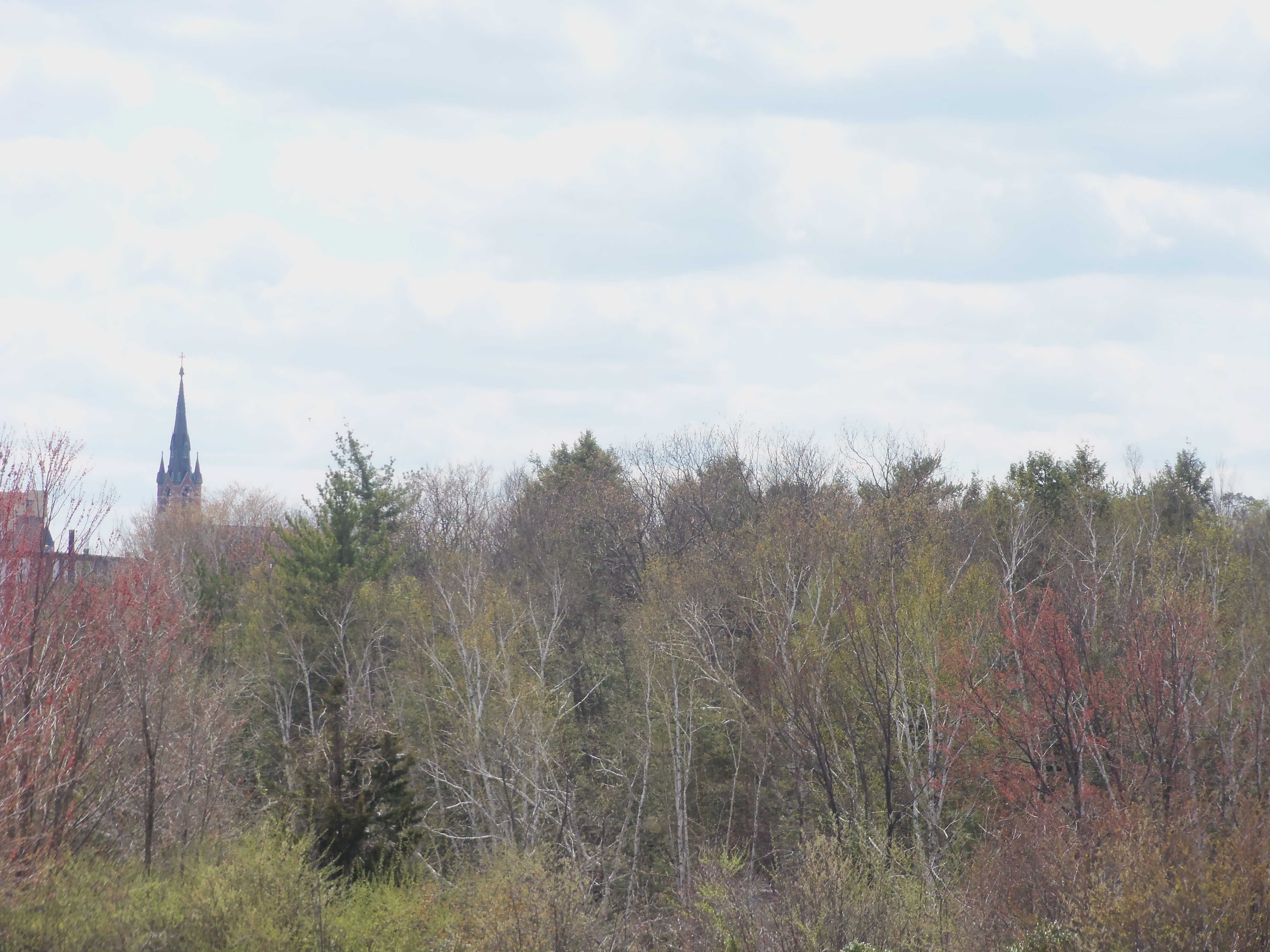
Seen from the falls, Ste. Marie Roman Catholic church crowns Manchester's French-Canadian West Side.
Seen from the falls, Ste. Marie Roman Catholic church crowns Manchester’s French-Canadian West Side.

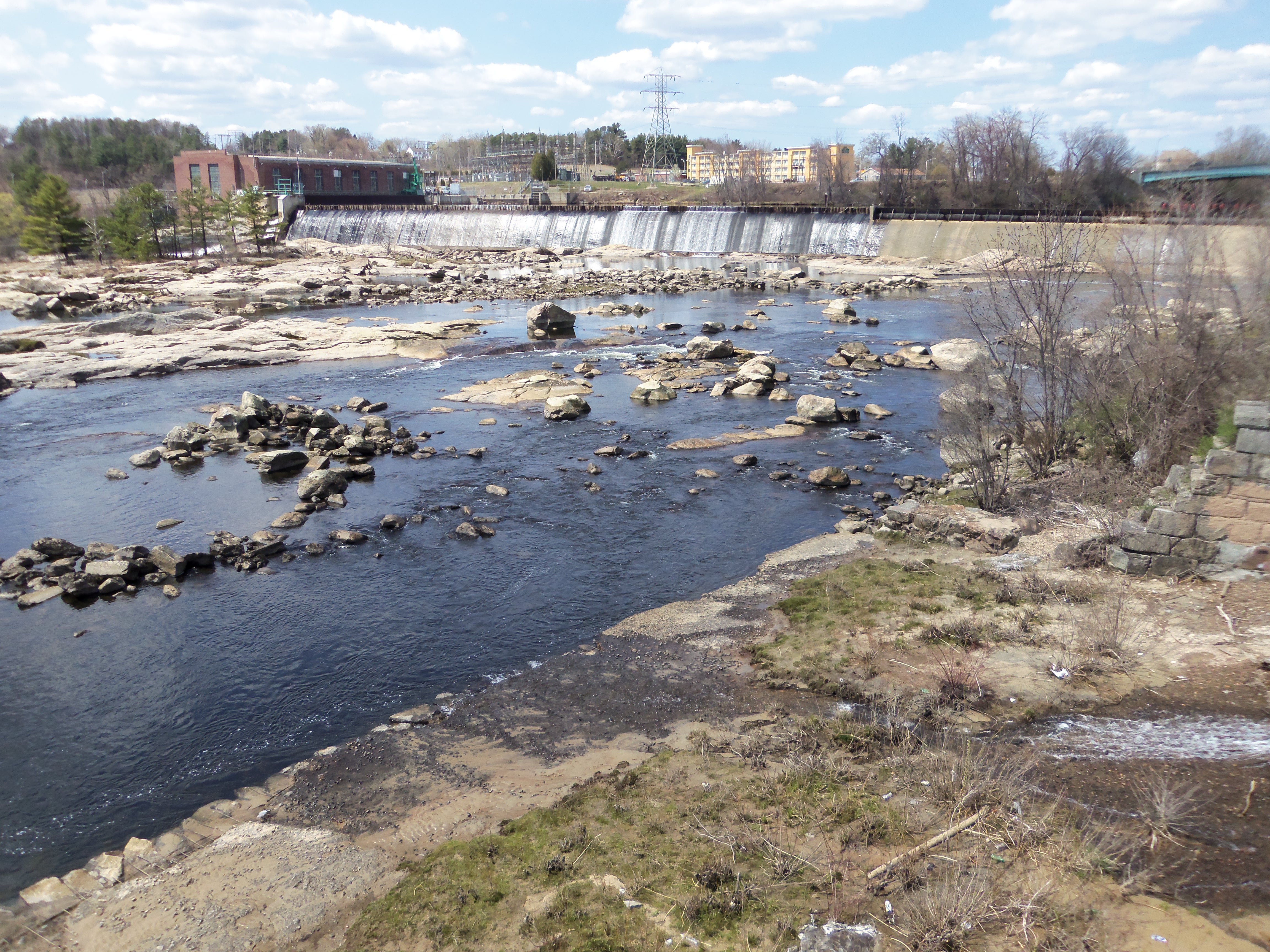
As the largest city in northern New England, Manchester was built on the water power captured at the Amoskeag Falls in the Merrimack River.

The Amoskeag Falls, now submerged behind the dam in the Merrimack River, were the source of the city's industrial power. A hydroelectric dam sits at the left of the photo.
The Amoskeag Falls, now submerged behind the dam in the Merrimack River, were the source of the city’s industrial power. A hydroelectric generating station sits at the left of the photo.
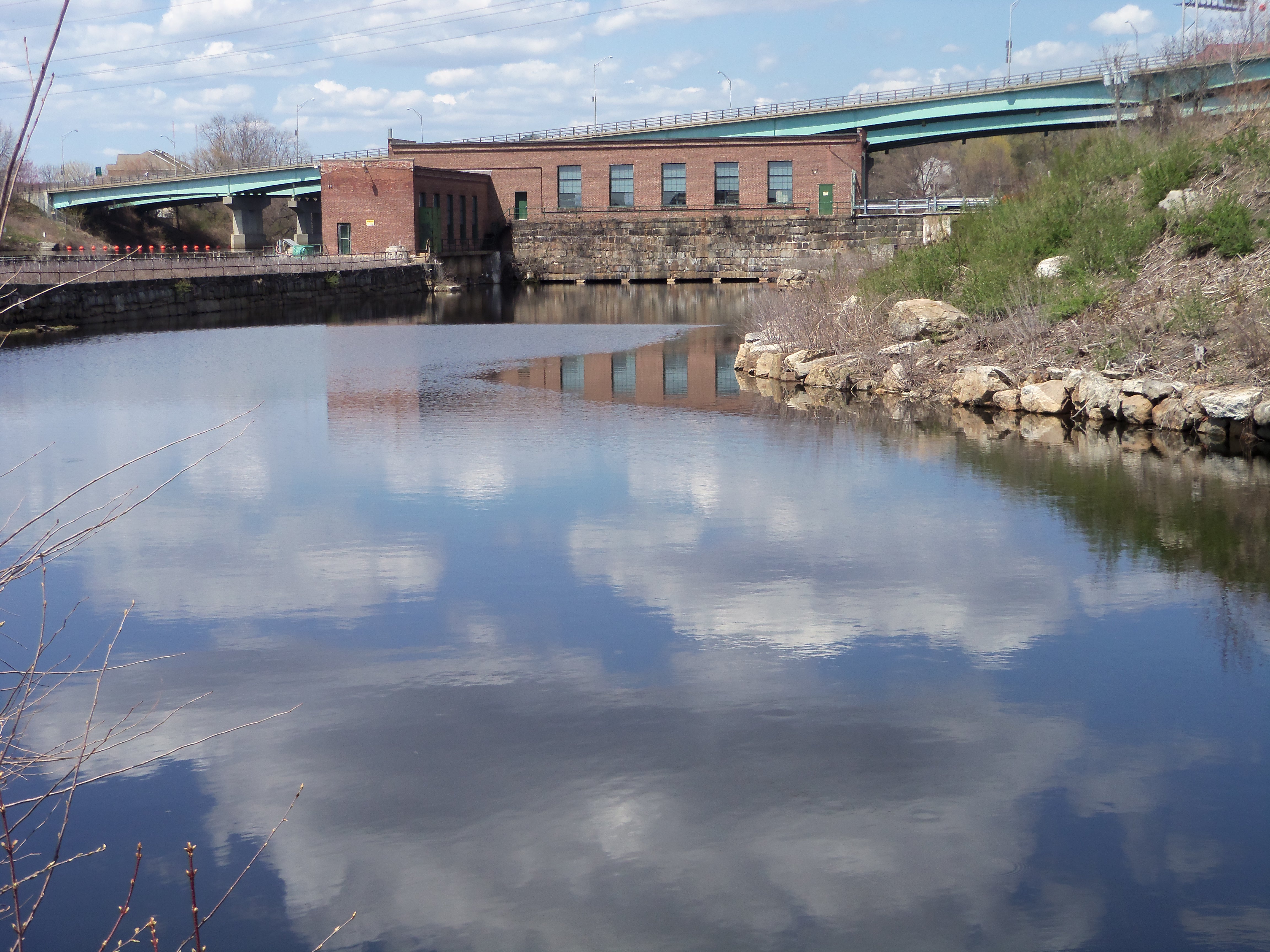
A large complex of mills on the east side of the river was powered by the water channeled through this canal.
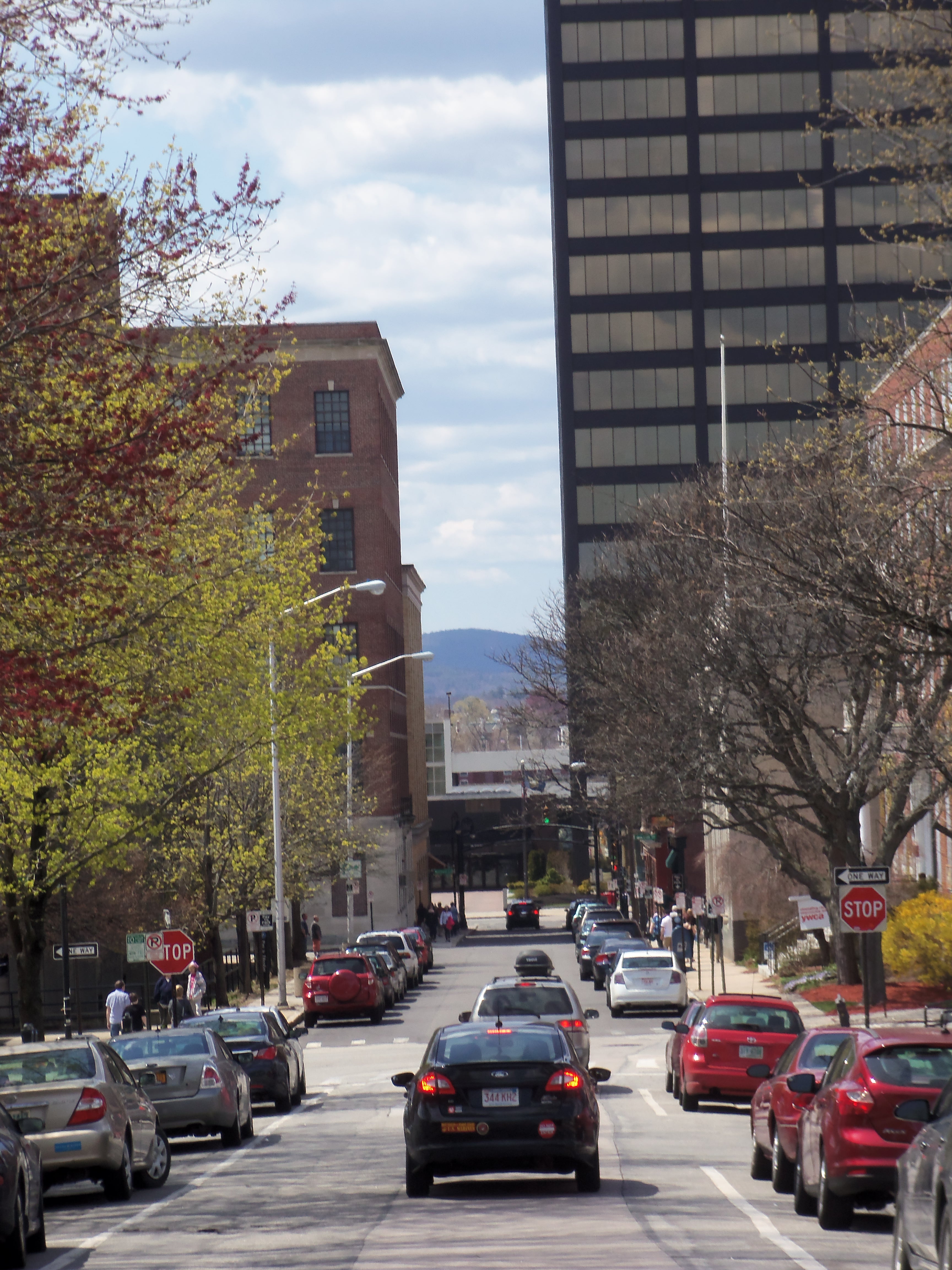
The downtown has undergone a revival. Here's one of the side streets.
The downtown has undergone a revival. Here’s one of the side streets.


LOOKING FOR THOSE LOCAL DISTINCTIONS

As I said at the time …

Greetings again from this old mill town along the Merrimack River.

There is still a special feel to an octavo-size, typeset journal – a unity of design and purpose carried throughout – even in this era of desktop design and photocopy wizardry. A major challenge, whether it’s in shaping a literary journal like yours, a daily newspaper, or even an old-fashioned country dance, is simply: what can we do to make our own locale distinctive?

An example: a few years ago, the New England contradance scene was becoming generic: you’d drive for miles to a village town hall only to find the same faces and same pieces you had faraway the week before. Fortunately, that seems to be changing as different callers, musicians, and promoters are striving to put their own distinctive signature – and a local stamp – on each venue. So there’s your challenge!

I’m struck by the fact that even familiar voices from our round of journals seem to sound different in varied locales. If you’ve ever been around paintings, as I was when married to an artist, and seen a piece go from her studio to our living room to an art gallery to a major museum, you would be amazed how different it appears it each setting. Publishing is the same.

ASPARAGUS

My fondness for asparagus arises in the years I lived in an orchard in the Yakima Valley, where, thanks to an earlier agricultural disaster, asparagus seeds had gotten into the irrigation water and spread everywhere. The green sprouts were often touted as “Local ’Grass.” As a consequence, we had about a month when we could take our knives and, being careful to avoid areas of pesticide use, return with a basket of stalks for lunch or dinner. I learned to glut out in season, realizing it would be another year before we’d indulge again.

Now that we have our own asparagus bed and repeat the ritual, albeit on a smaller scale, we’ve also come to regard the damage asparagus beetles inflict as well as the miracle appearance of lady bugs to the rescue. That, in itself, has convinced us of the value of organic farming.

As for Shiva, he’s the horny Hindu god of creation and destruction, and he wields a wicked blade.

COULD IT BE?

Glancing out the dining room window this morning, I realized there was something my wife should see.  So it was something like, “Hey, Honey, you need to take a look.”

There was no snow in our yard. None. Nada. The last of it had melted overnight.

Even by New England standards, this has been an exhausting winter. Usually, it’s either below-normal cold or above-average snowy. Not both, not like this one. I don’t remember this many single-digit and subzero nights, and here on the seacoast, our year’s total snowfall came to more than nine feet. Boston, as you may know, had the most in its weather history, beginning somewhere in the 1880s, I think.

And then there were all the Sundays when church services were cancelled — it was just too dangerous to get out on the slick roads. Well, I’m told we did have a few people show up on cross country skis to sit in silent worship.

New Englanders are usually a hardy lot and simply suck up to the weather. But for the past month, there’s been grumbling. Lots of it. This endless oppression really dampens the spirit. Do I want to write? Nah. Read, nah, except that I have read some powerful novels lately. I am finally swimming laps indoors, but that’s a big effort that leaves me ready to do … nah. As for the indoor house projects? Where’s the energy?

On top of it, this has been a winter of funerals for us. A few parents of high school students. Others my age or older — cancer, pneumonia, Parkinson’s, a brain infection. It’s not our usual experience.

I’ll have to check, but my memory suspects we had snow in November and I know there was more in early December, which unfortunately melted off by Christmas. But the pattern returned in January and just kept coming. Just as we thought we were seeing light at the end of the tunnel, three fresh inches hit us Wednesday and Thursday, which means snow’s fallen here in six straight months. And you thought winter was three?

As a matter of clarity, let’s remember the greenhouse warning was not “global warming” per se but “climatic instability,” which we’re seeing in aces. Many of our snowfalls had me wishing the precipitation was instead piling up in the Cascade Range of the Pacific Northwest, where it’s needed to sustain the orchards as irrigation water all summer. Those folks have solid reason to worry.

Here, spring’s coming late, contrary to some of the photos I’ve been posting — the one’s showing what would be happening in a normal year. The ones I scheduled based on past calendars.

Still, the warmth is returning. The sound of lusty birds greets the dawn, along with Harley-Davidsons through the day and early evening.

Two afternoons now have been warm enough to sit in the loft of the barn and curl up with a martini and a Paris Review — and look up through the open hay door to view a parade of dogs walking people past the end of our driveway.

At the moment, it’s mid-morning gray and drizzle — a reminder of Puget Sound, for me — with temperatures in the 60s. Good opportunity to run to the beach to collect seaweed for mulching the garden.

Now that’s a true sign of spring.
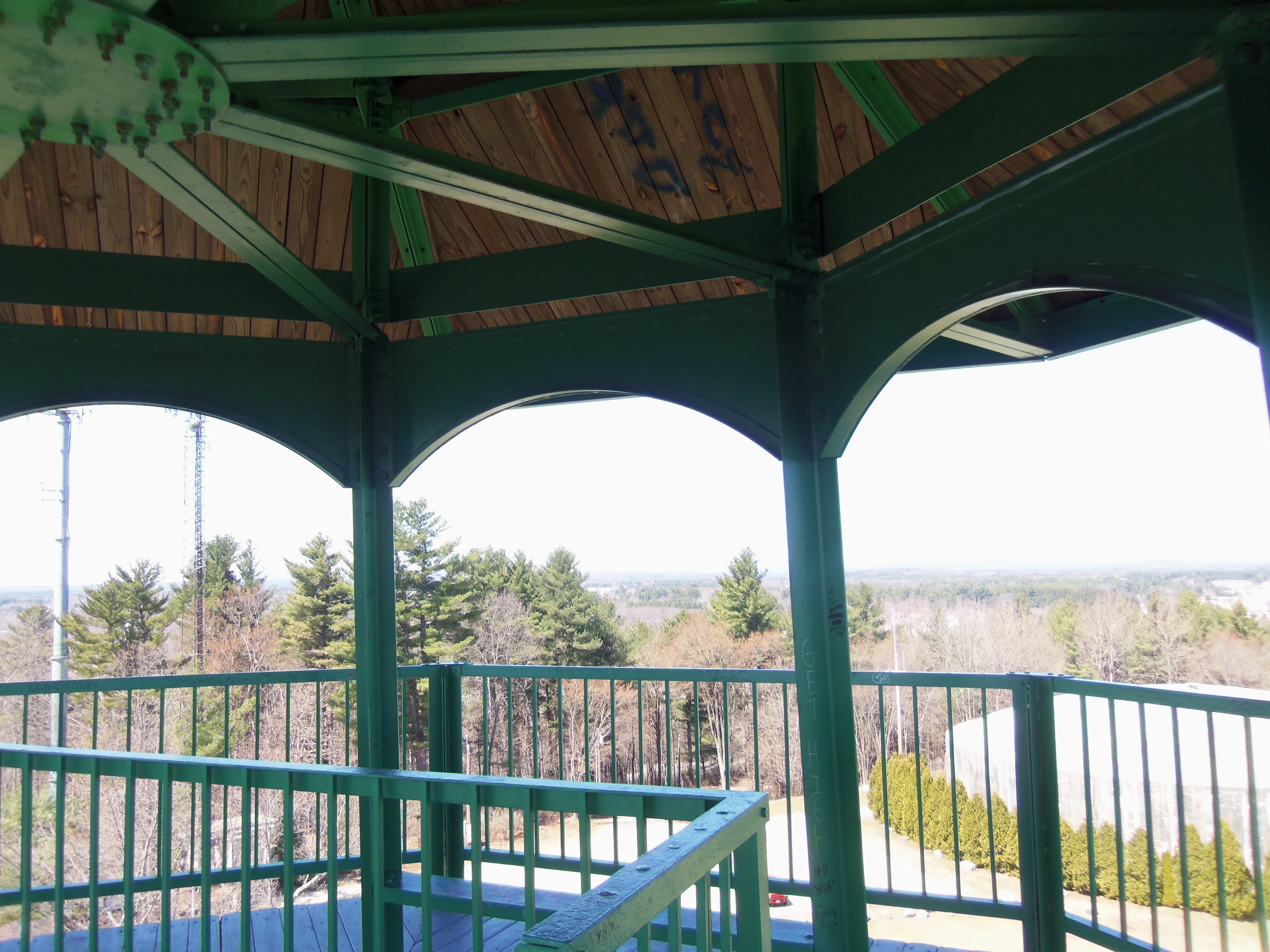
BACK TO THE OBSERVATION TOWER

The top of the stairs.

The observation tower on Garrison Hill sits on the highest point in Dover. As I posted in an earlier look, along with some views, back on June 5, 2013, it has some stunning panoramas of New Hampshire and neighboring Maine.

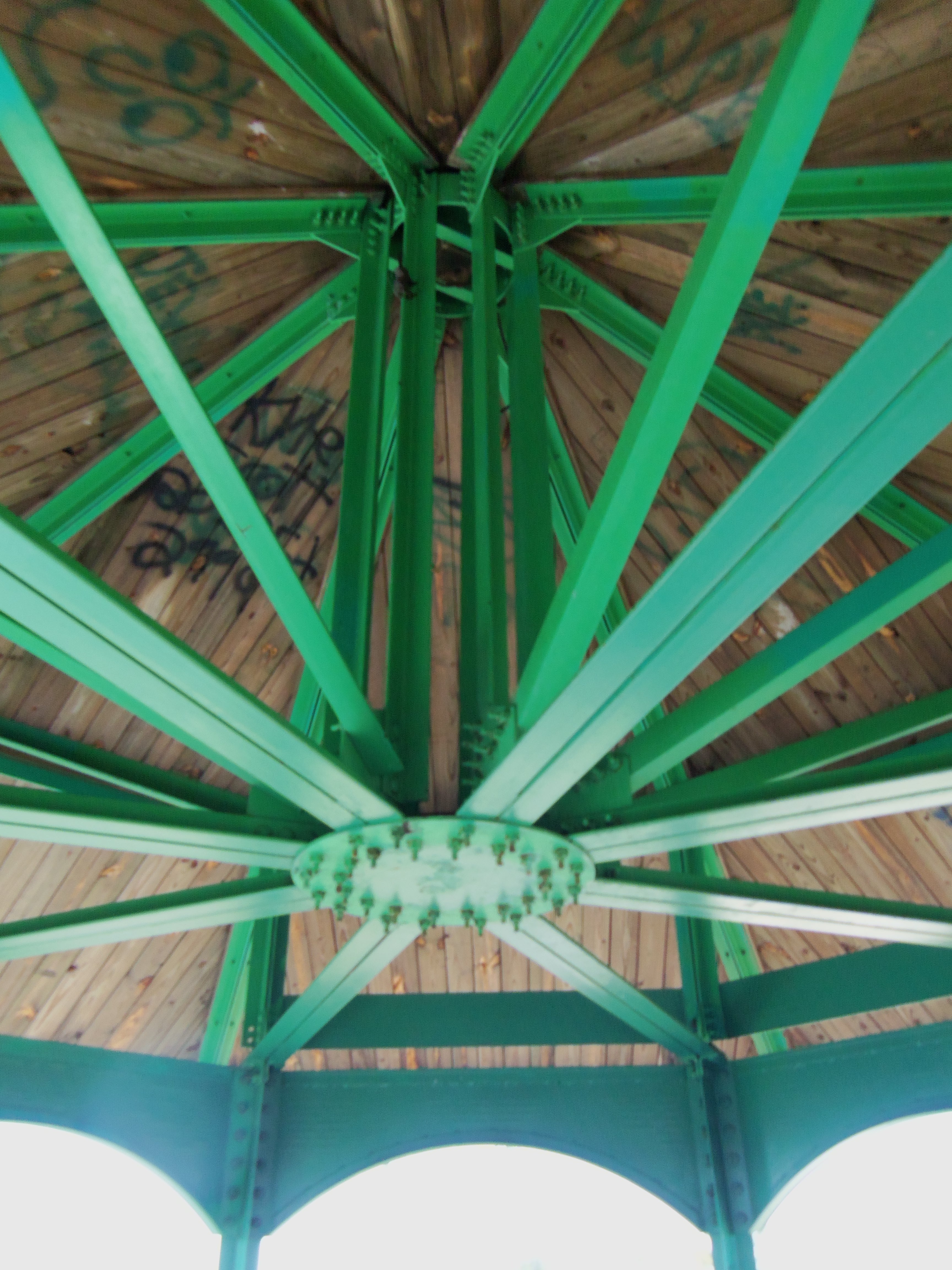
Overhead.
Overhead.
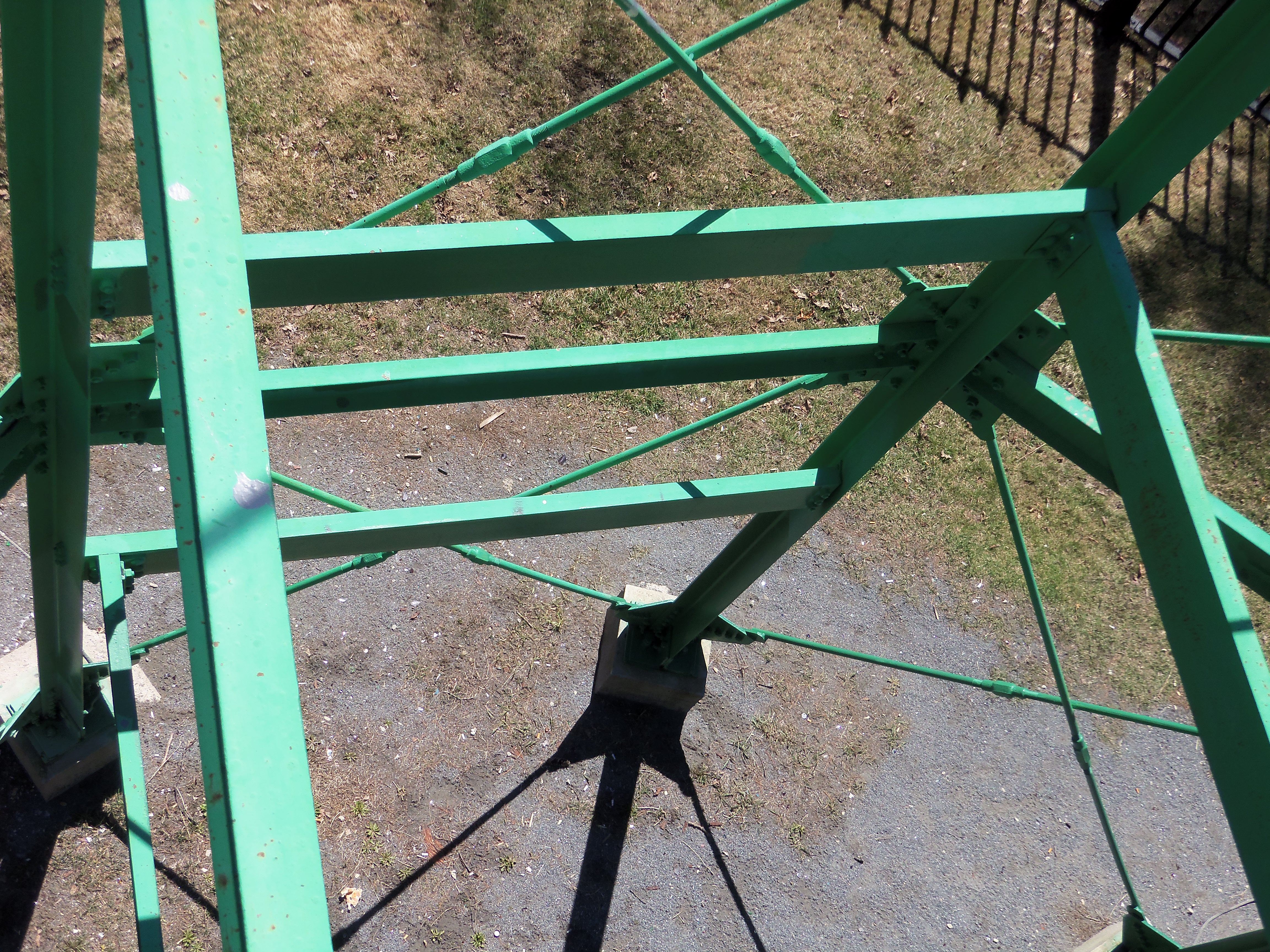
Underfoot.
Underfoot.
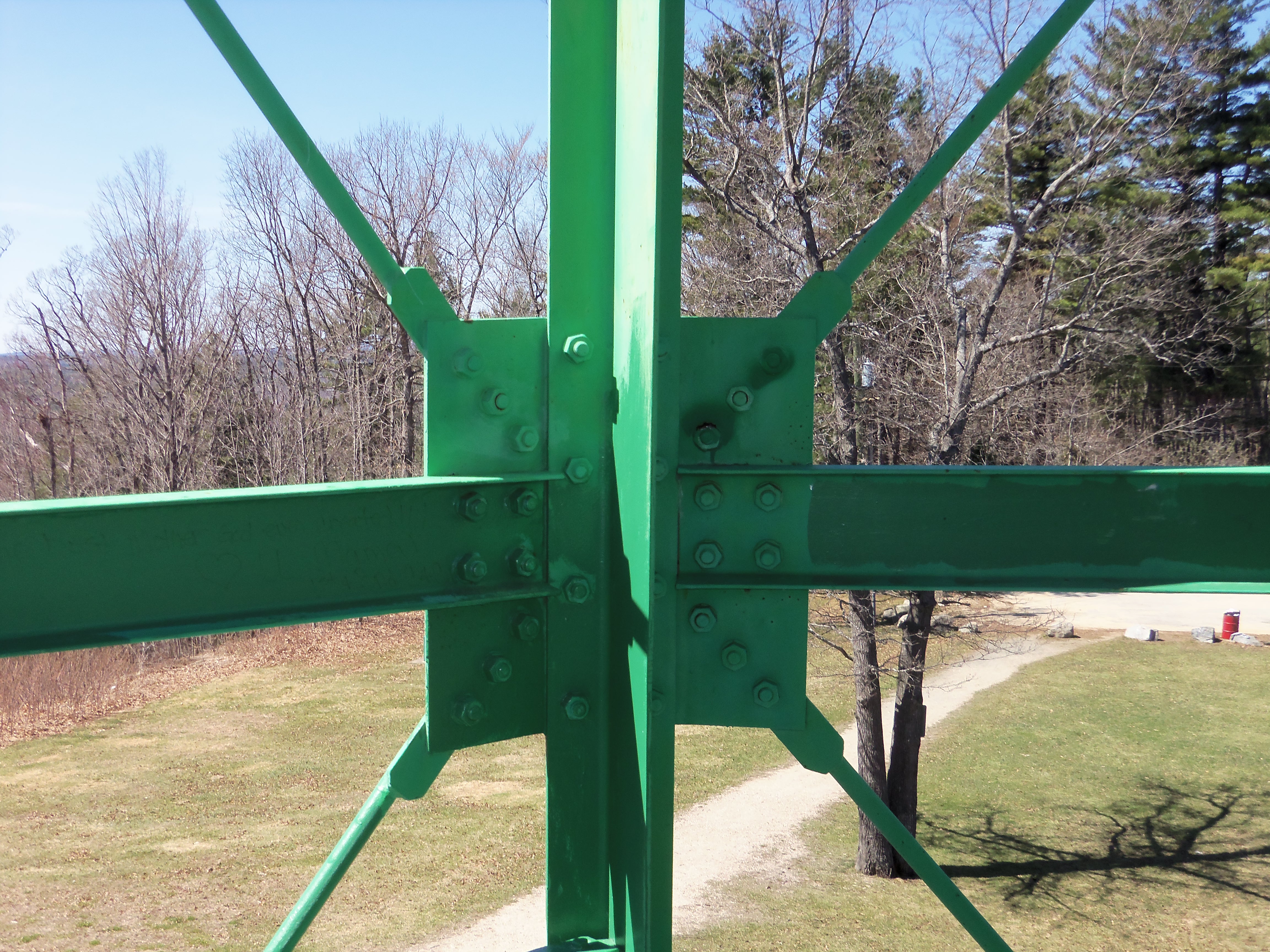
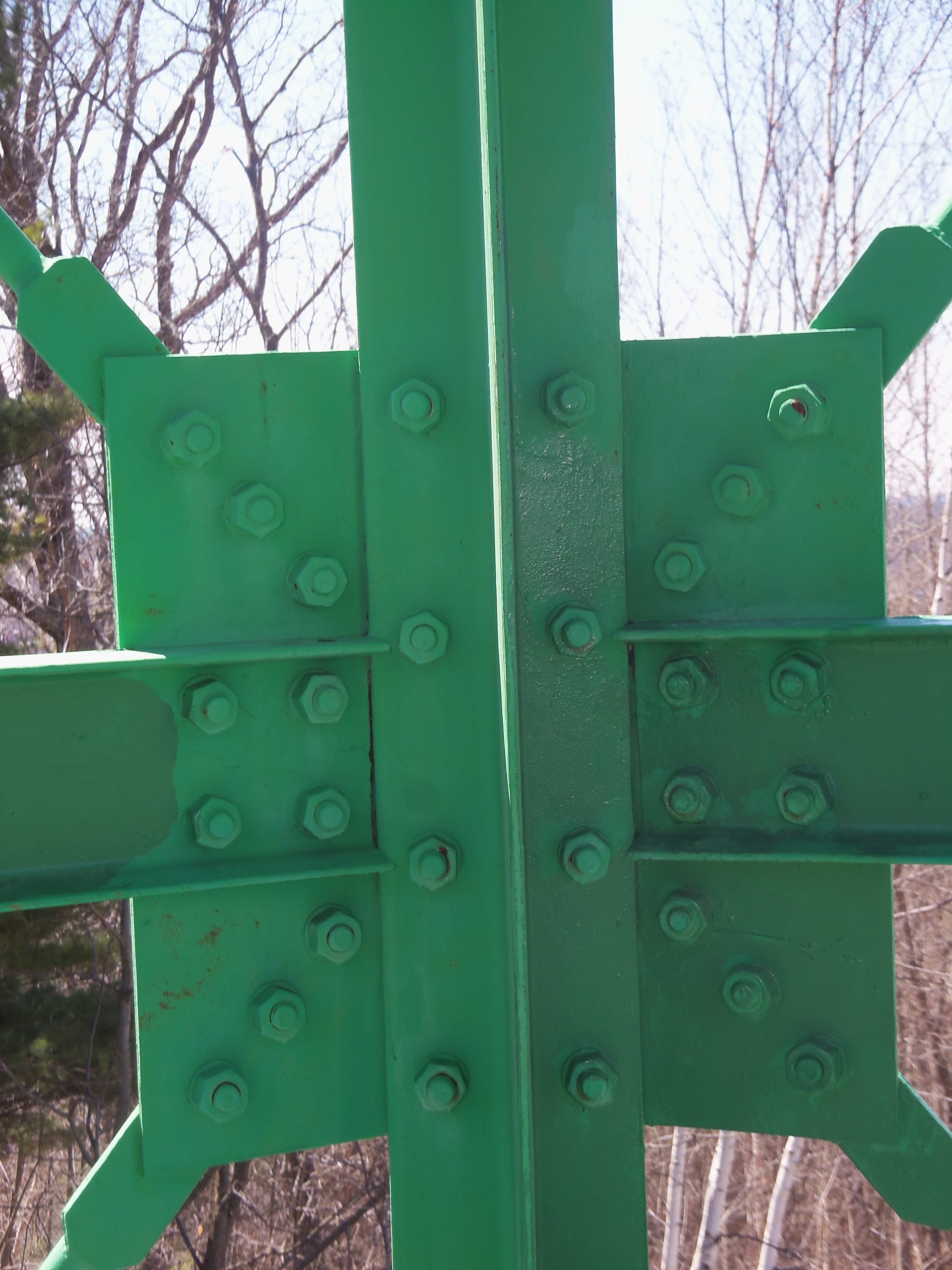
Holding it all together.
Definitely holding it all together.

The details of the interior, too, can be fascinating to observe as you climb or descend. Along with some of the running commentary.

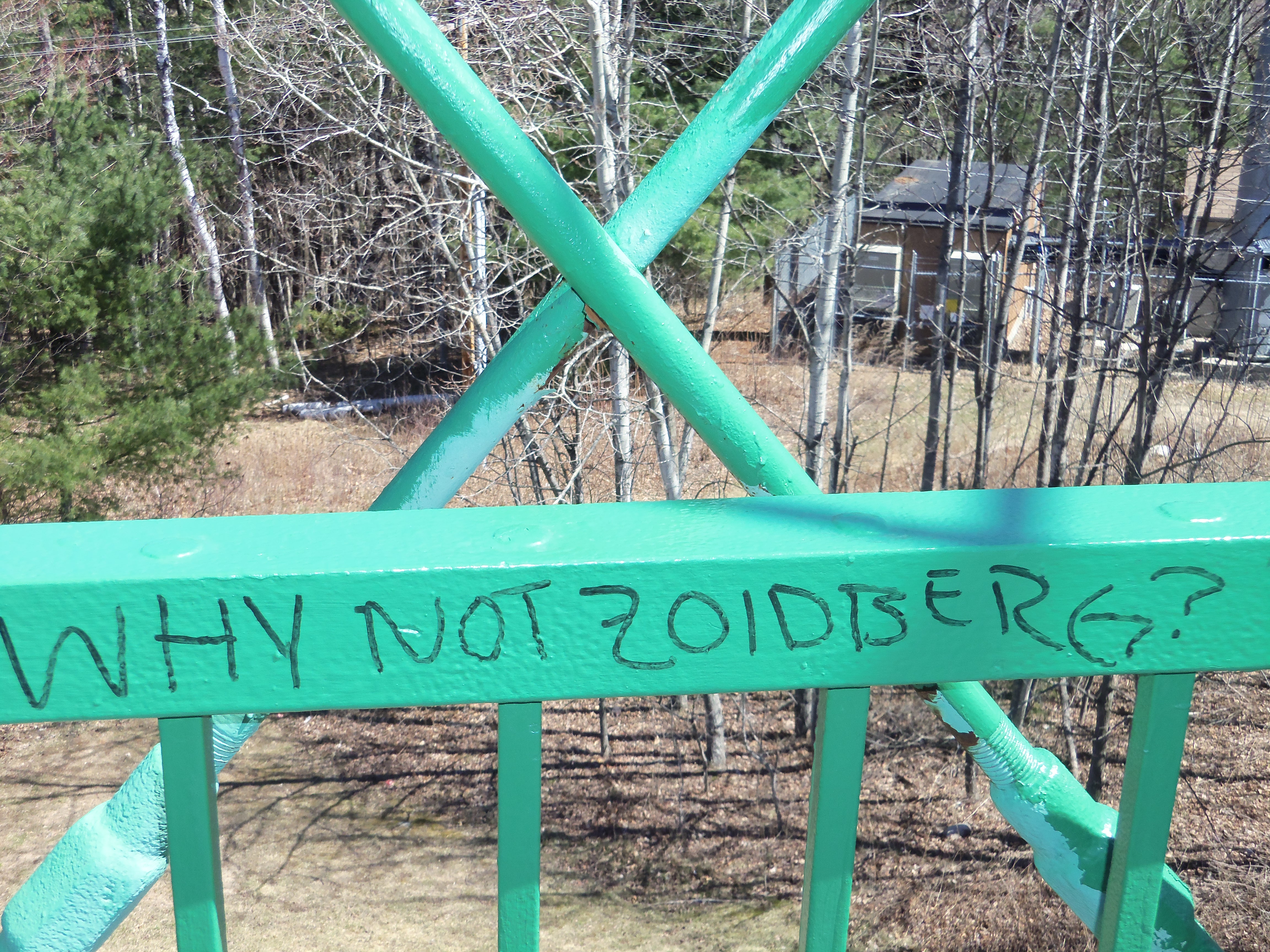
Why not Zoidberg?
Why not Zoidberg?