You never know what we'll churn up in cleaning a stall
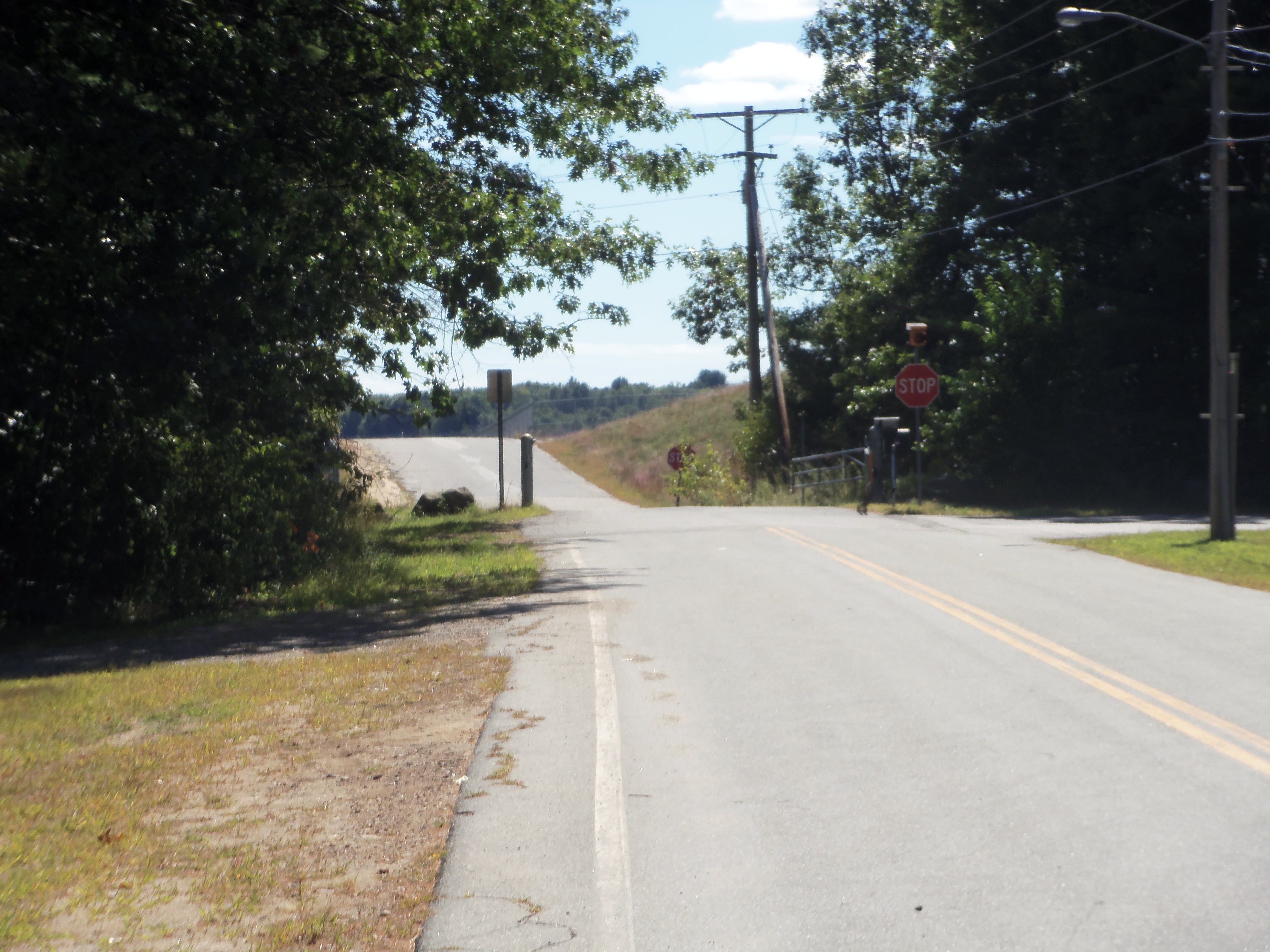
The town of Newington, just over the bridge on our way to Portsmouth, is easily misunderstood.
With a 2010 population of a mere 753, it often appears to be little more than the Spaulding Turnpike exits to the mall and big-box stores plus a few apartment complexes and a section of the Pease International Tradeport industrial park.
It also has a major electrical generation plant contributing heavily to the property tax base – a major, major factor for any municipality in New Hampshire as it addresses public finances.
The town is also surrounded on three sides by tidewater, including ocean docking on its eastern edge.
But the place was also severely impacted during the Cold War when the U.S. Air Force used eminent domain to acquire 4,255 acres to construct an air base (now turned into the industrial zone) mostly in Newington. The noise of bomber-sized jet planes taking off and landing did little to enhance the neighborhood as a place to live peacefully in those days – the frequent interruptions even forced the grade school to find a quieter setting. After all, its runway, now used by commercial, private, and National Guard flights, is among the longest in New England.
Given those factors, few people would have much incentive to take the Nimble Hill Road exit from the turnpike.
As it turns it, the road presents some classic New England just before culminating in a dead end near the runway. The historic district is a treasure.
Here’s a taste of what you’d see.
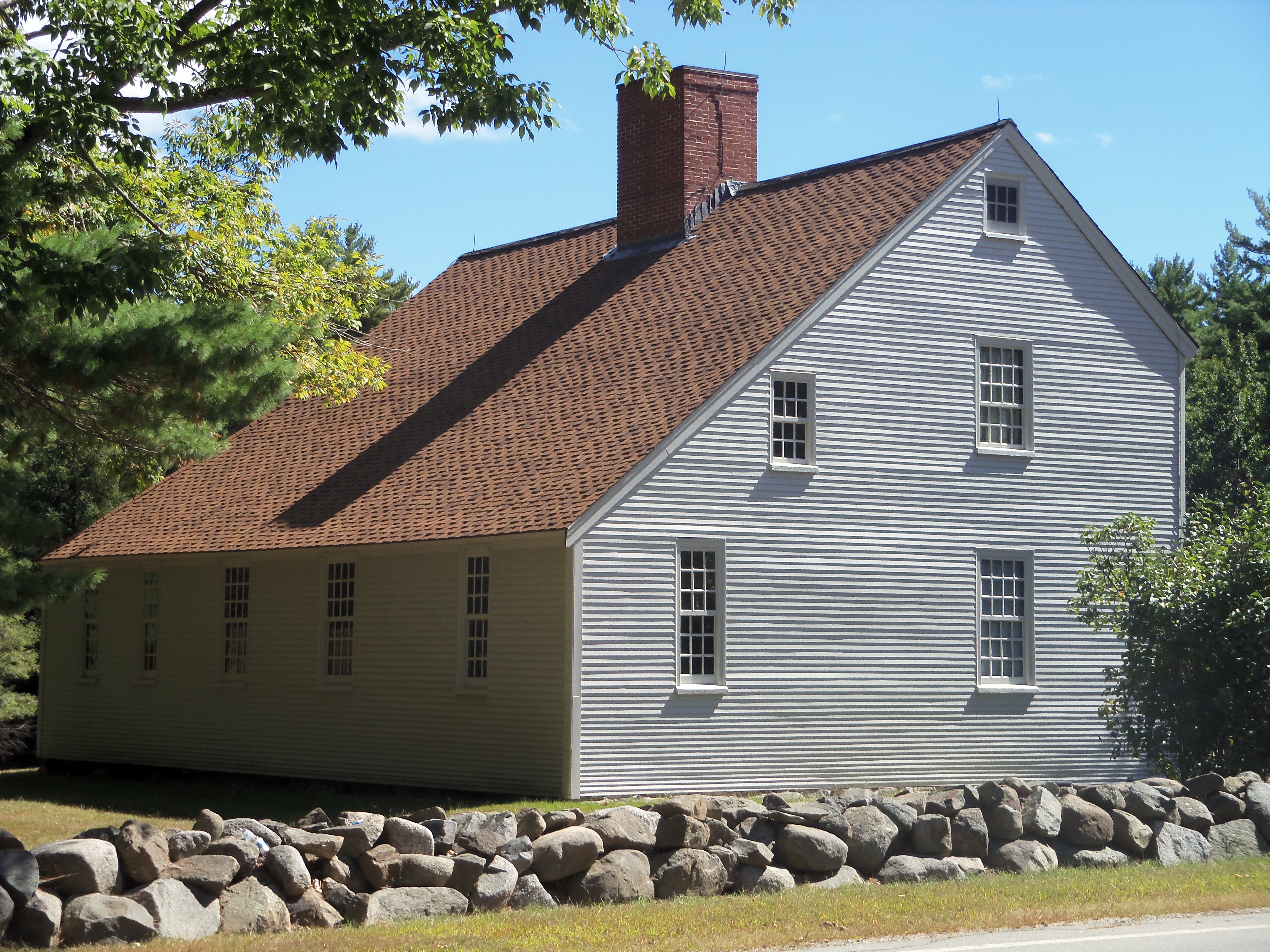
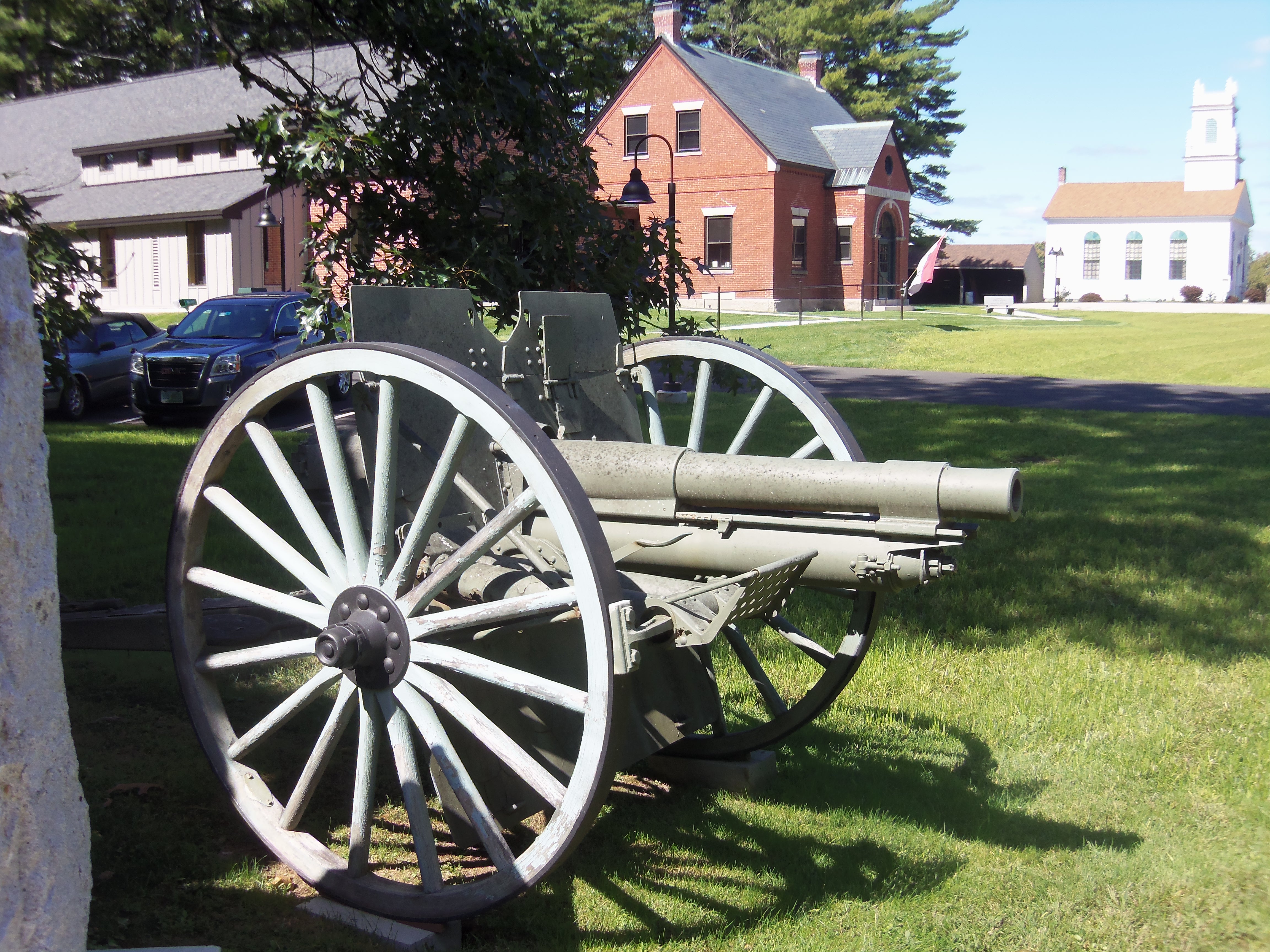
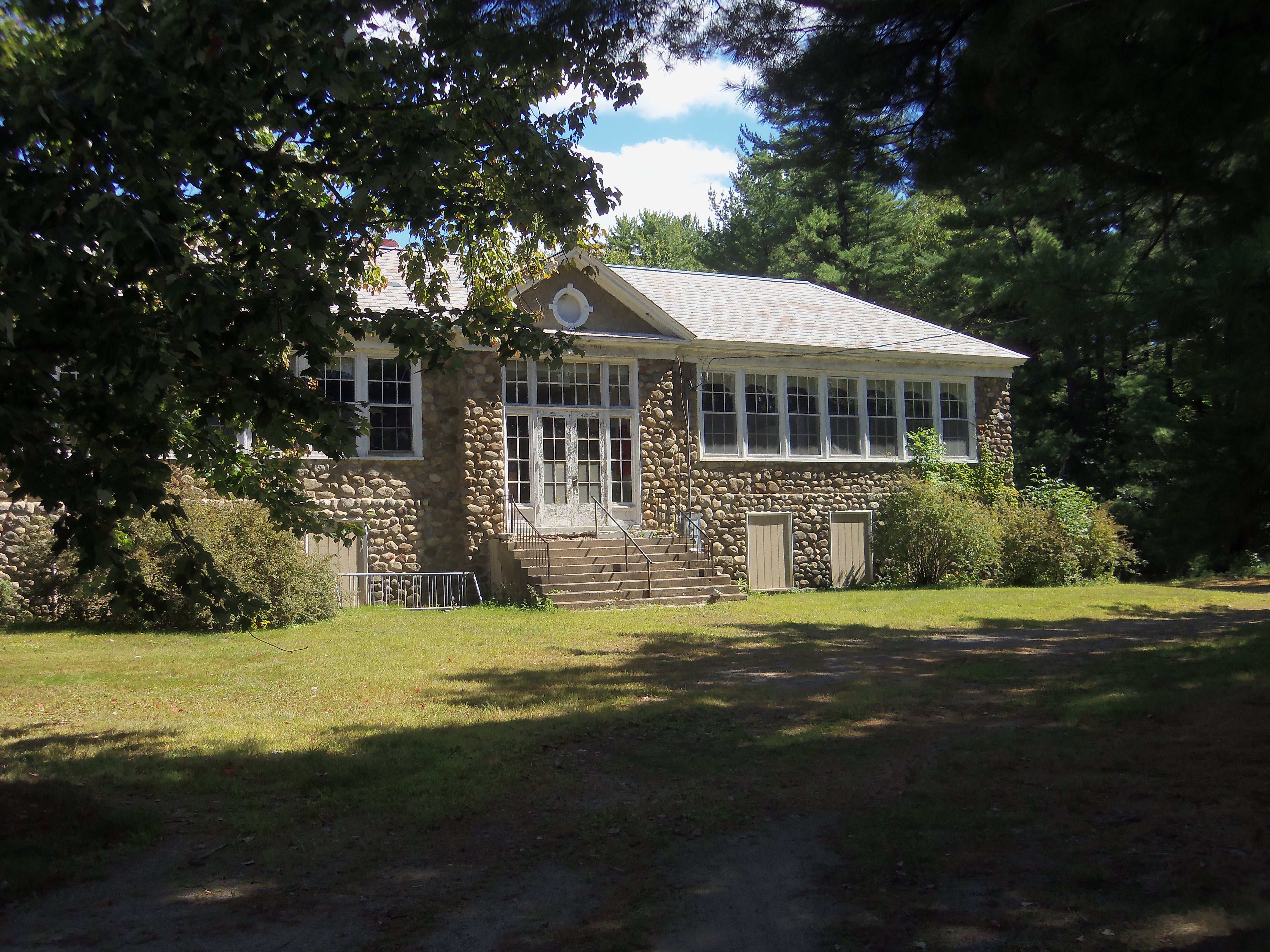
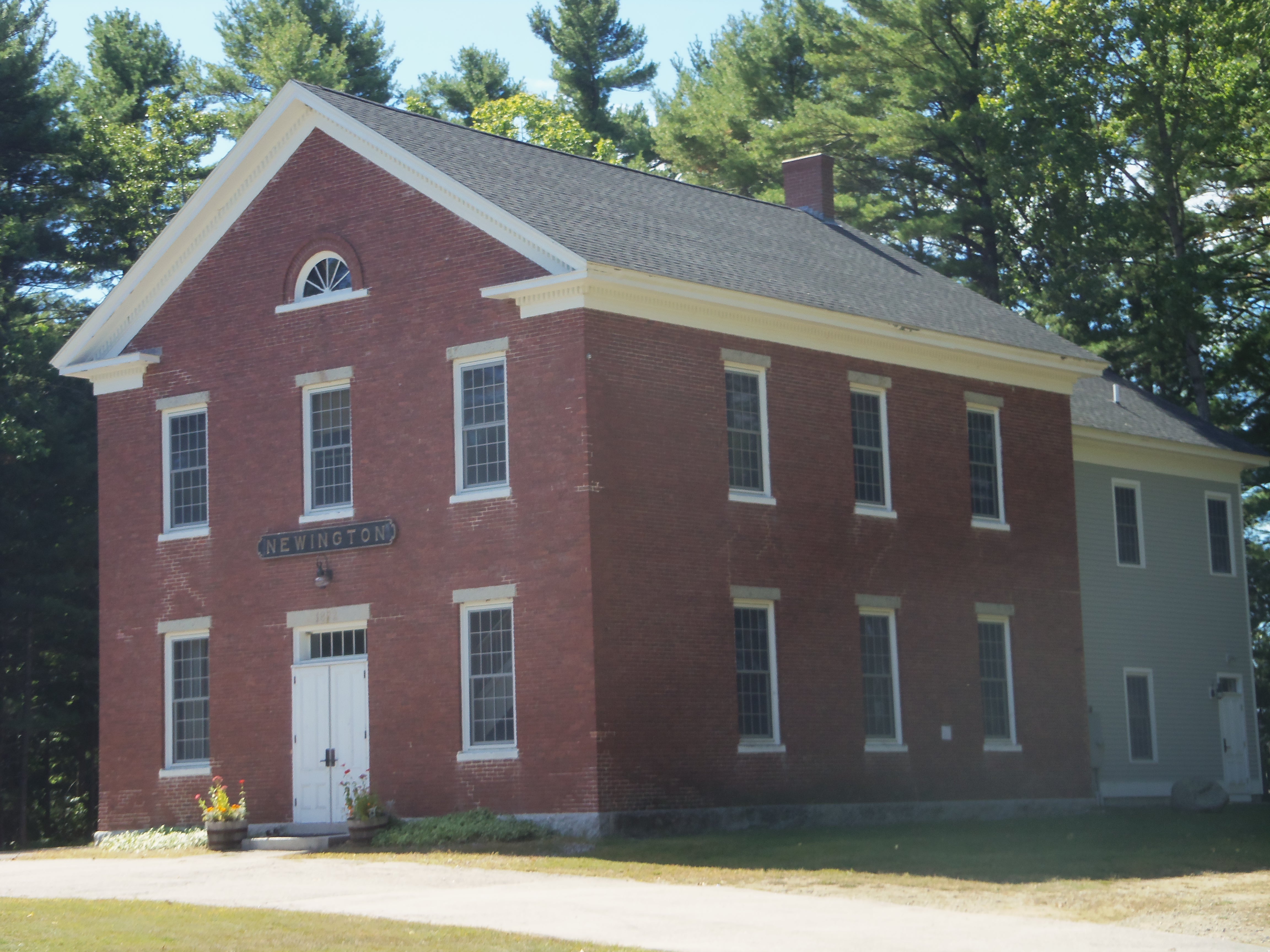


As municipalities emerged in the 19th century, the populace often took pride in the local identity – and this was reflected in the craftsmanship and details adorning their public buildings.


In blogging here, I’ve generally tried to steer clear of current events, as in political and economic news. Even my reflections on the weather have been, I hope, along a larger or more timeless horizon than mere day-to-day changes. Think of watching the grass grow.
But I do live in New Hampshire, and the campaigns for the November 8, 2016, presidential election are already generating daily front-page headlines here. Remember, that’s nearly a year-and-a-half away.
The primary is tentatively set for February 9, but that could move up, depending. We hate when it clashes with Christmas.
The point is, politics is already crackling in our air. How can I possibly avoid it?
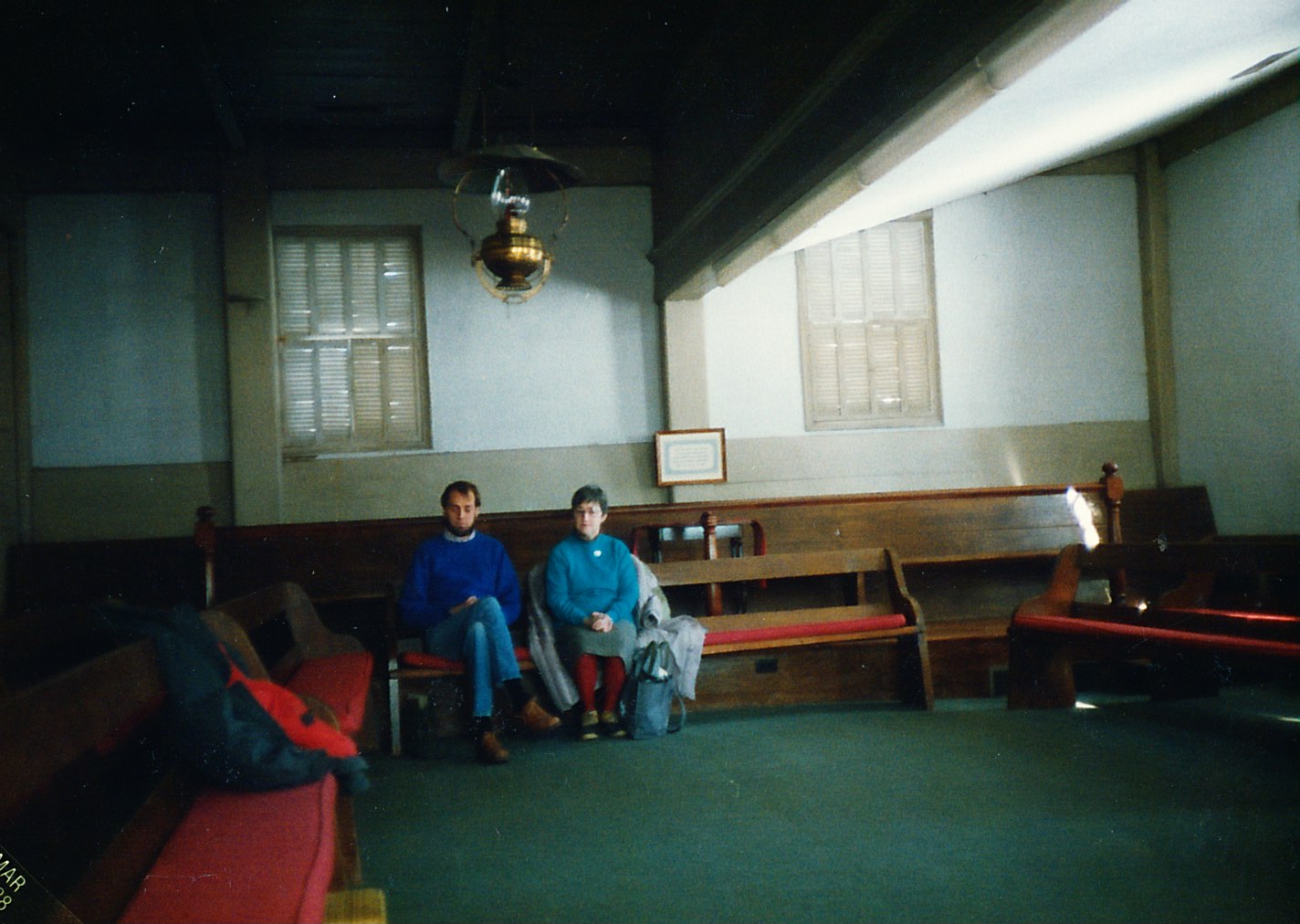
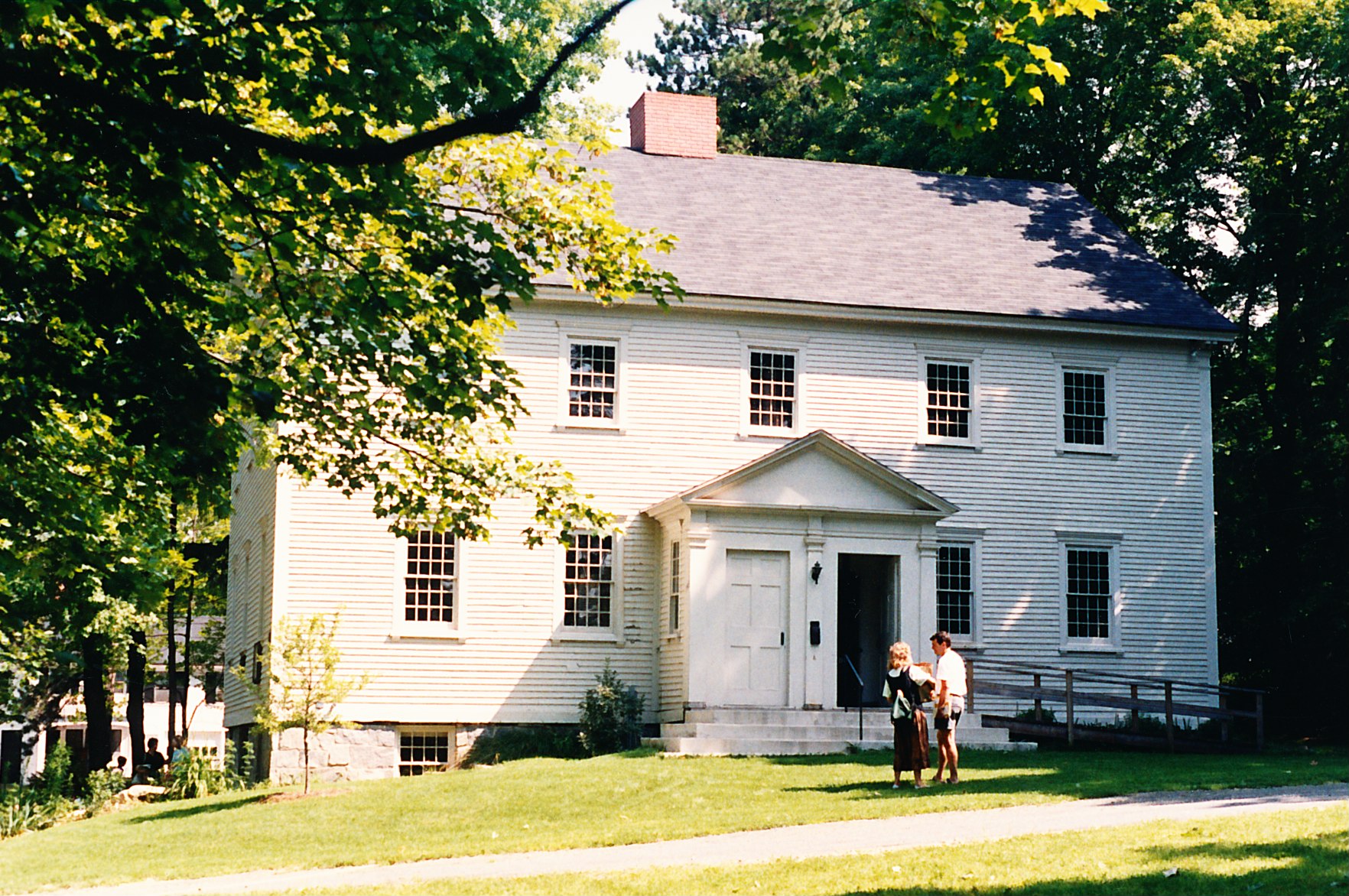
Today commemorates the 247th anniversary of the erection of our meetinghouse. And to think, this was Dover Friends’ third house of worship, coming a little more than a century after the first Quaker convincements along the Cocheco River. The structure covers a lot of history, as we would see if we created timelines of those years – the entire life of our nation, for starters. Add to that science, the arts and leisure, religion, education, economics … the overlays become mind-boggling.
It’s hard for us to envision that day, with its swarm of activity, everyone seemingly knowing the tasks to be done. Cookbook writer Marcia Adams says it takes at least 100 to 150 men to raise an Amish barn, and then recites a menu that fed 175 men in the 1800s. Oxen and strong horses or mules would have been part of the scene, with pulleys and poles lifting the posts and beams into place. Many of the skills used have likely been lost to antiquity. A similar number of women would have busily arranged the accompanying feast, and children would have been assisting everywhere. Today, Jehovah’s Witnesses do something similar when they construct a new Kingdom Hall, which like the Amish barn or our meetinghouse, goes up in a single day.
Settling into worship, I once again regard our Quaker ancestors’ application of classical proportions, pleasing to the eye. The additional touches others have added across the years. Plumbing, heating, wiring, the classrooms upstairs and down. I also realize how much my own perception of the building has changed, now that I’ve become a New England homeowner. How much responsibility we carry for the upkeep of this legacy or how difficult it would be to replace what we have.
In the background, I hear an echo of an old Friend in Iowa, viewing the beautiful curly maple shutters in a meetinghouse about to be shipped by rail car to another part of the state. “It will be a good thing if they be not too proud of it,” she said, with a curious balance of humility and admiration. The advice, of course, extends to us, as well. The fact remains that Friends do not worship in a temple but a house, with all of its Biblical sense of extended family and even their domestic animals. Welcome to our house.
Even his own mother and sister are rejecting his claims about the money.
Frank Guinta, who represents half of New Hampshire in the U.S. House of Representatives, is in hot water over $355,000 an investigation by the Federal Election Commission has documented as campaign finance violations.
How serious is this? His explanations from 2010 on have been tangled, leading to Tuesday’s damning FEC report.
As for serious, the right-wing editorial page of the Union Leader, the statewide newspaper based in Manchester, came to the conclusion yesterday: “For the New Hampshire Republican Party, there also remains no choice. It must call for Guinta’s resignation and sever its ties.”
Quite simply, he “received illegal campaign contributions … for the purpose of stealing a Republican primary and a general election, then repeatedly lied to the people of New Hampshire to cover it up.”
In other words, it’s about maintaining the viability of democracy. Both sides of the aisle. And it’s about serving the voting public, regardless of their identity. Without that, we’re left with raw power — and its abuse.
The editorial emphasizes, “The party cannot stand by a politician who has revealed himself to be wholly unworthy of the public trust. Political parties are supposed to stand for ideals, not merely tribal connections. … The party can either lead by integrity or it can stand by Frank Guinta. It cannot do both.”
This is a small state where you often get to meet or question your public representatives. Even when you don’t agree with them, they’re not from another planet, as it can feel elsewhere.
In this case, Guinta serves from my House district. And it hurts.
Many folks won’t swim in the Gulf of Maine even in the height of summer. It’s just too cold, they say.
I can sympathize, though some perspective helps. Rarely is the Atlantic around here warm enough before the Fourth of July. Oh, there may be a few rare days, but nothing dependable. We’ve found that anything below 57 F is foolish – even when the air temp’s over a hundred.
Yup, 57. That’s the blue-toe limit: edge into the surf bit by bit. First, the toes. Then out. Back again, top of the foot. Out again. Back again, to the ankles. You get the idea. If you actually make it to total submersion, you come out fast. Like a bullet.
Over time swimming here, you might even get to the point where you can guess within a degree or two. Sixty’s about my bottom line for swimming. Sixty-five is where the water starts to get comfortable. And 70, a rare delight, is heavenly.
For reference, I’ve come to rely on the NOAA Northeast USA Recent Marine Data Web page, which includes readings from buoys. Lately, as the water temps have been edging 50 F – finally even a tad over before ebbing – it’s become a topic of conversation.
Which prompted this response the other day: Ever hear of the 50-50-50 Rule?
Eh?
Fifty minutes in 50-degree water gives you a 50 percent chance of drowning. (Or 50 percent chance of surviving, depending on your outlook on life.)
In light of the blue-toe limit, I had no idea the odds could be that favorable. Not that I ever intend to press them.
So when did this appreciation begin? When I lived in the orchard house, we had a big lilac bush at the corner of the yard – the one where the bees swarmed from the hive that one day.
But I think the real change happened that spring after my first marriage collapsed and I was finally in love again. I crowded the house with those cut blossoms and their fragrance. It’s enough to make me picture a blue silk kimono.
That was years ago, and many miles. Yet the lilacs are more precious than ever.
As I said at the time, when I lived in that last apartment, I vowed if I ever bought my own place, I’d get cuttings from a friend whose lilacs likely descended from the first ones brought to North America. Of course, I didn’t, and the owner has since moved into a retirement center.
Even so, these days, we have our own, screening the Smoking Garden from the street. One lilac had, in fact, grown as tall as the house – but hollow. It’s been work, restoring them to flowering condition.
Still, there’s nothing more luxurious than lilac cuttings arrayed in the bedroom, with their heavenly aroma.
So quickly, they pass.
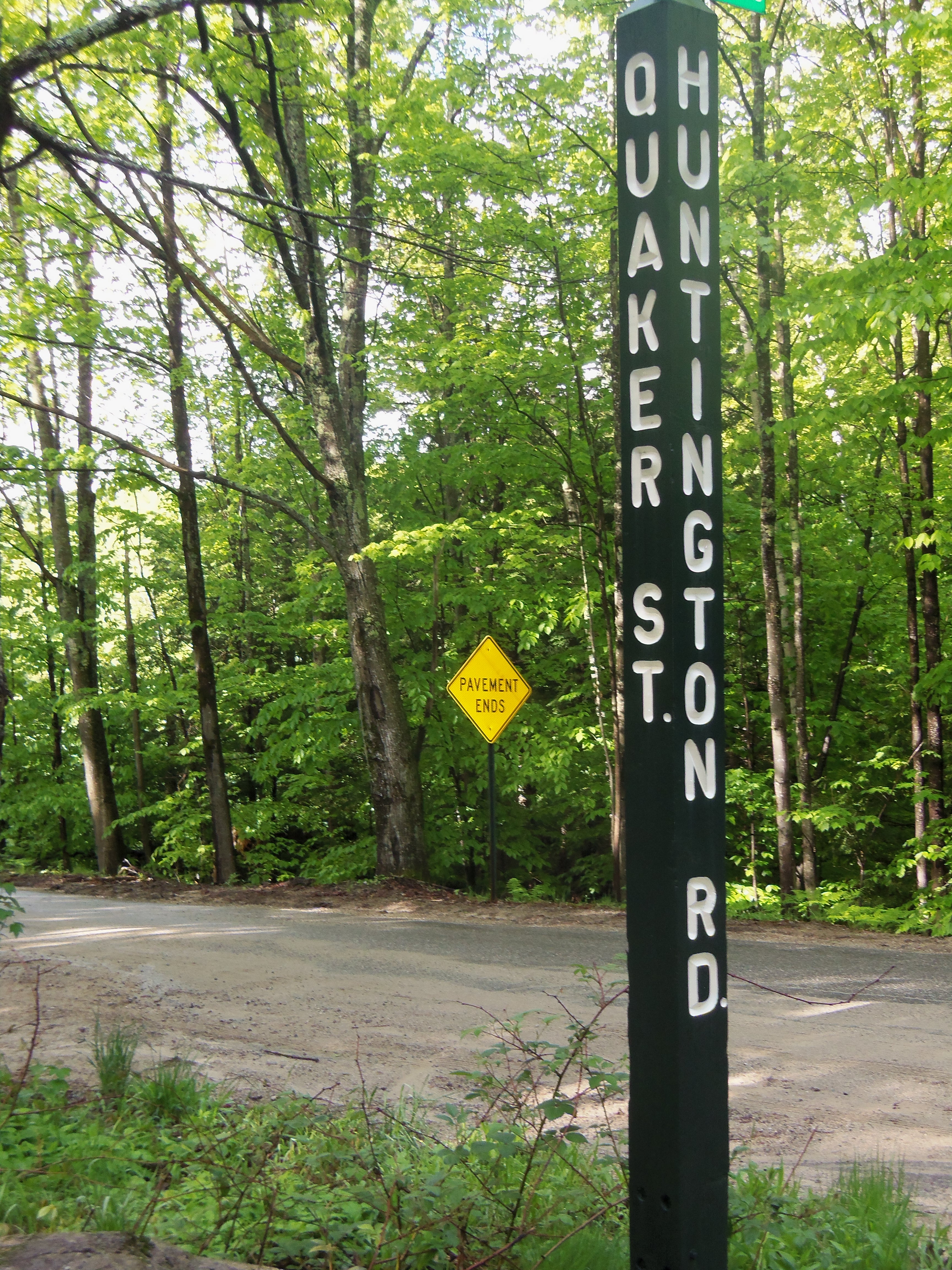
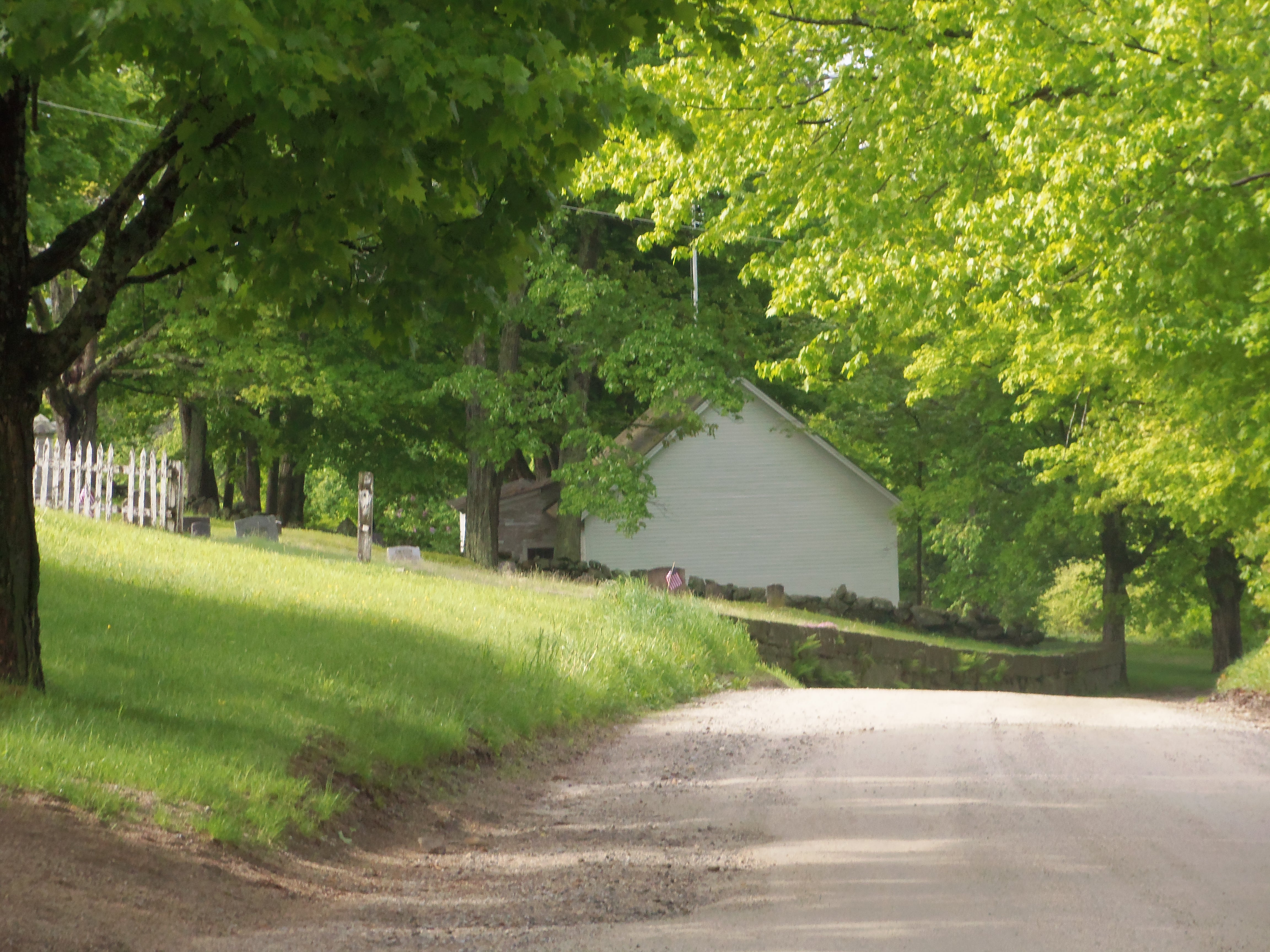
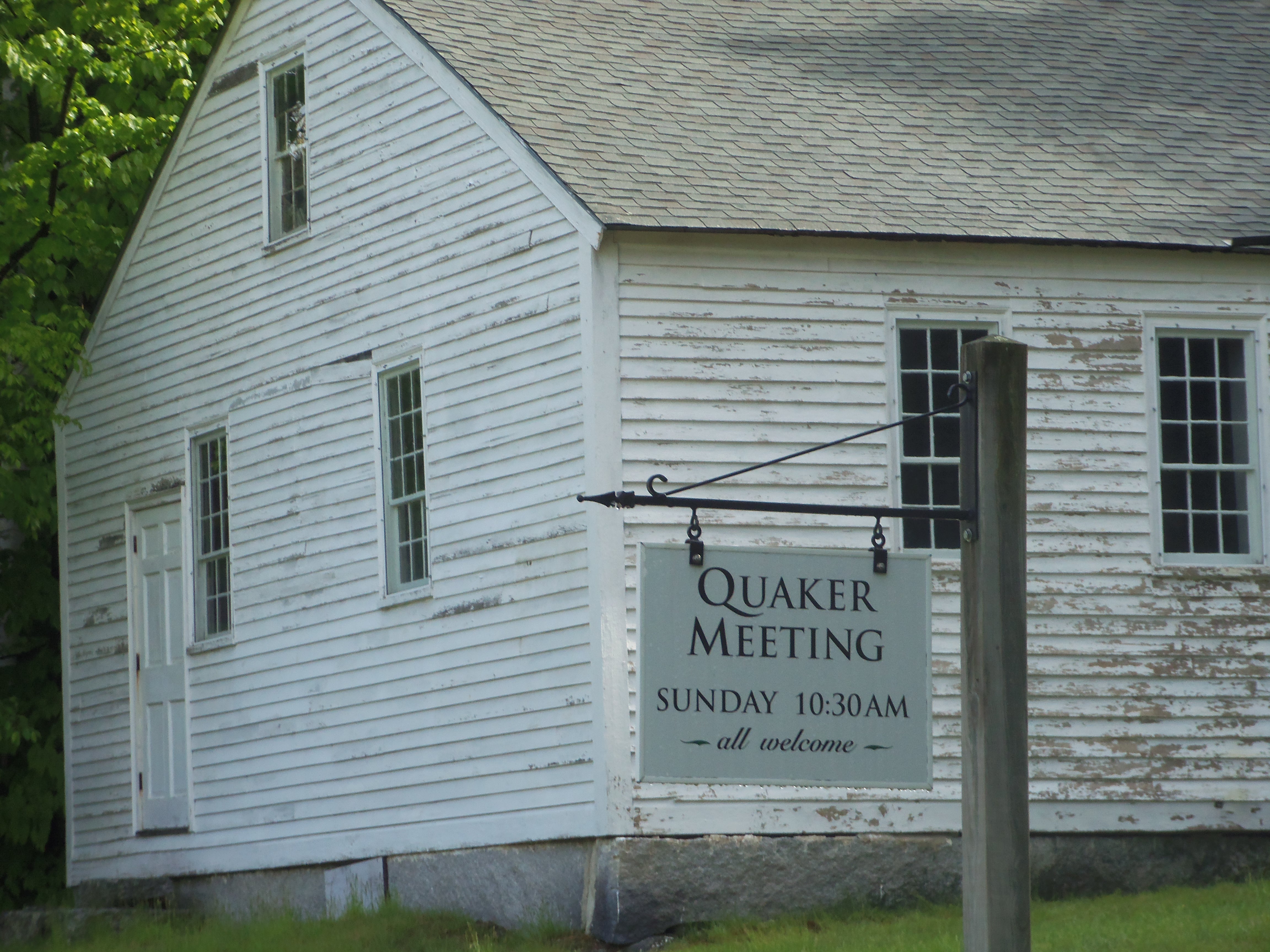
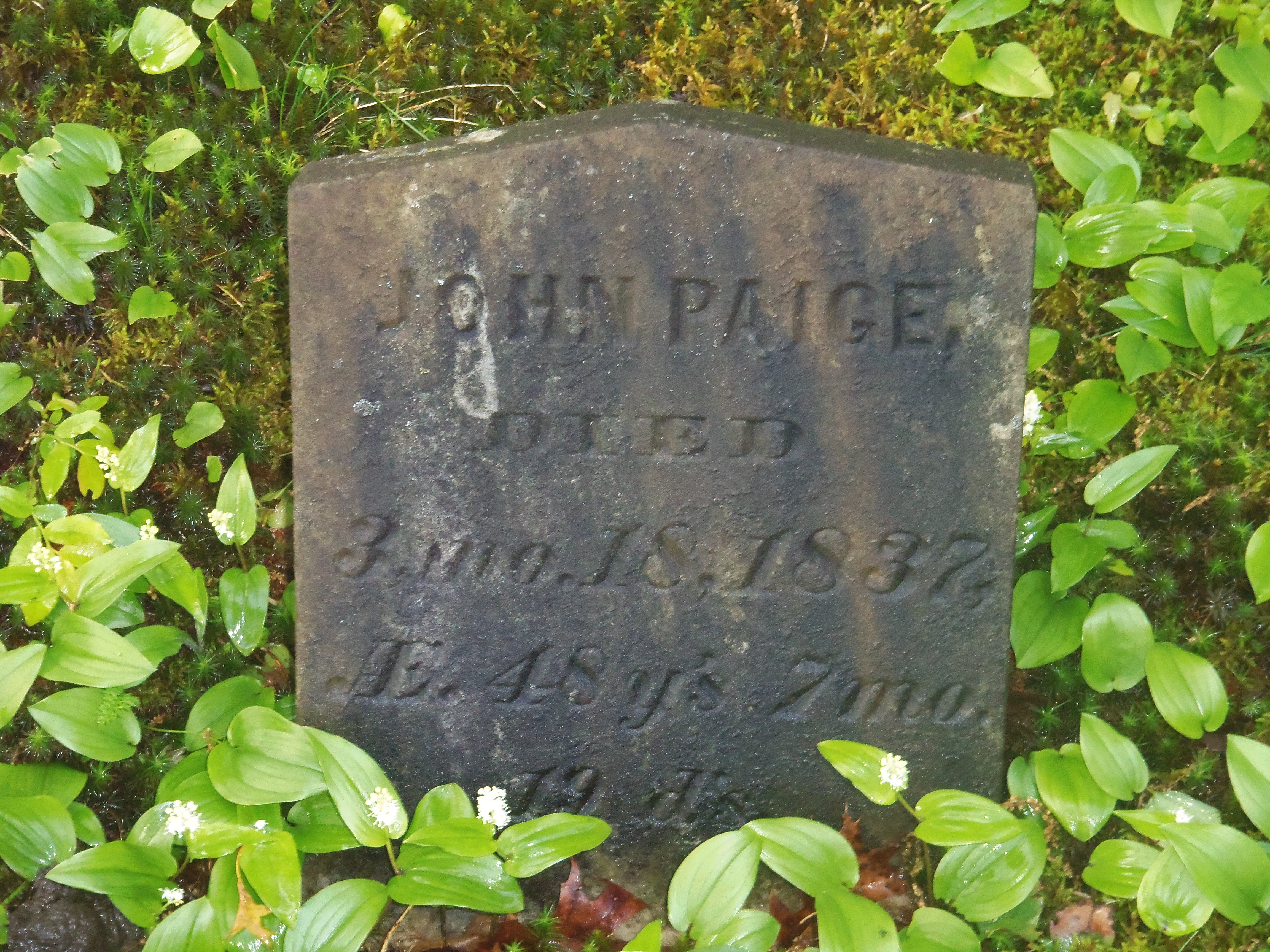
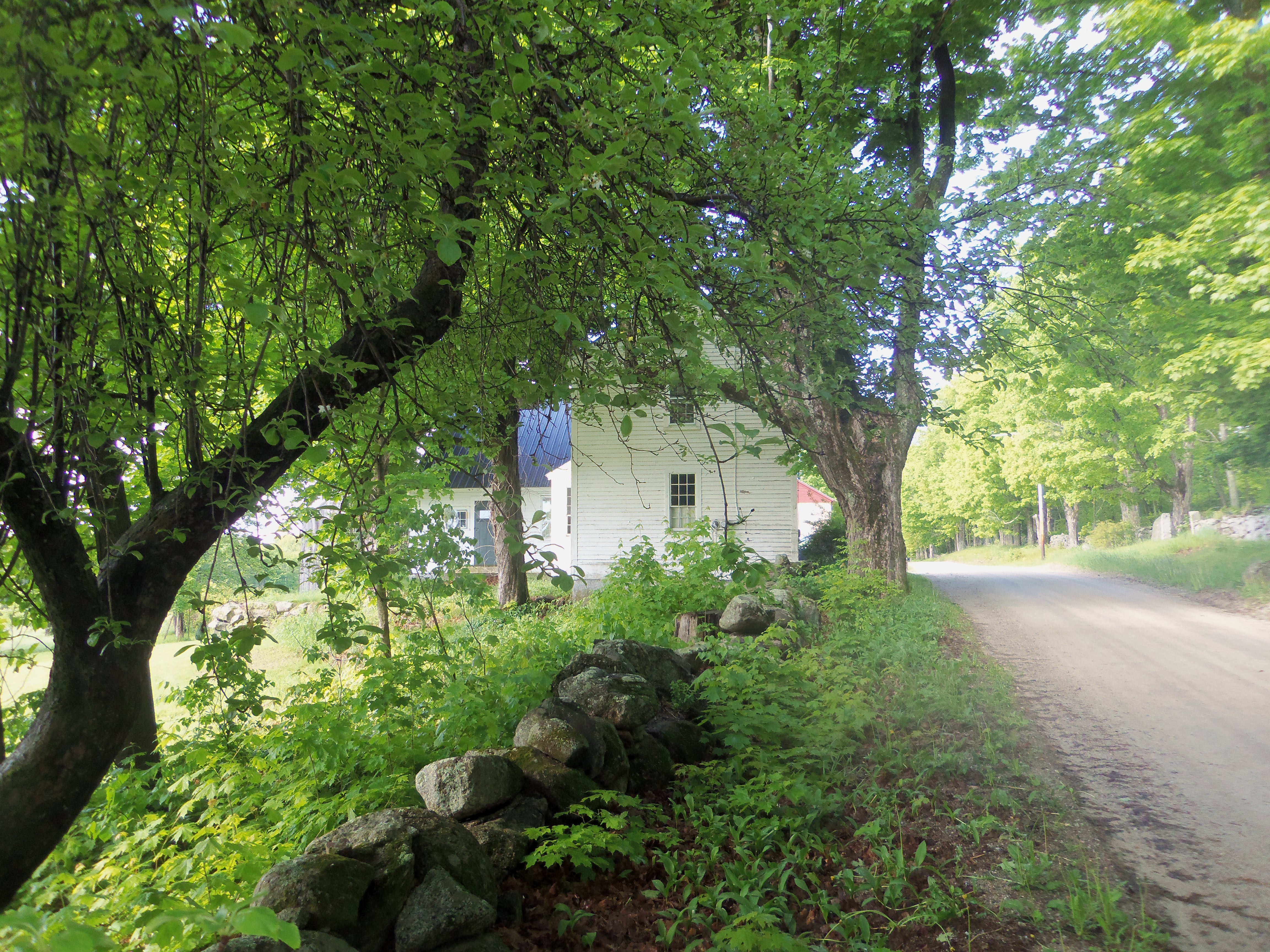
Taking its name from an old use of “street” as “neighborhood,” the stretch is also known now as the Quaker District. It’s up in the hills in a remote corner of Henniker, New Hampshire.

 Jnana's Red Barn