IN ITS URBAN DECAY

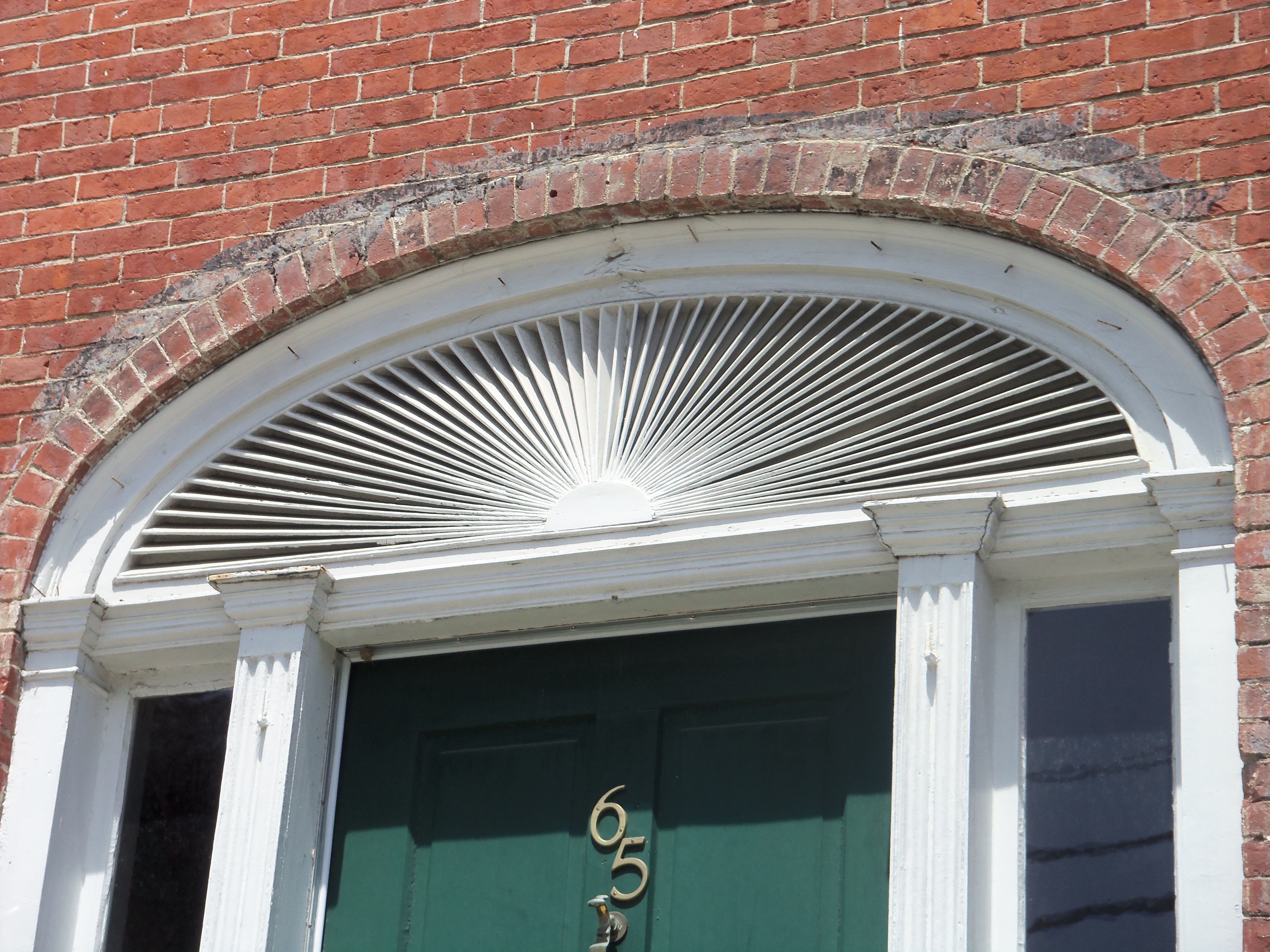
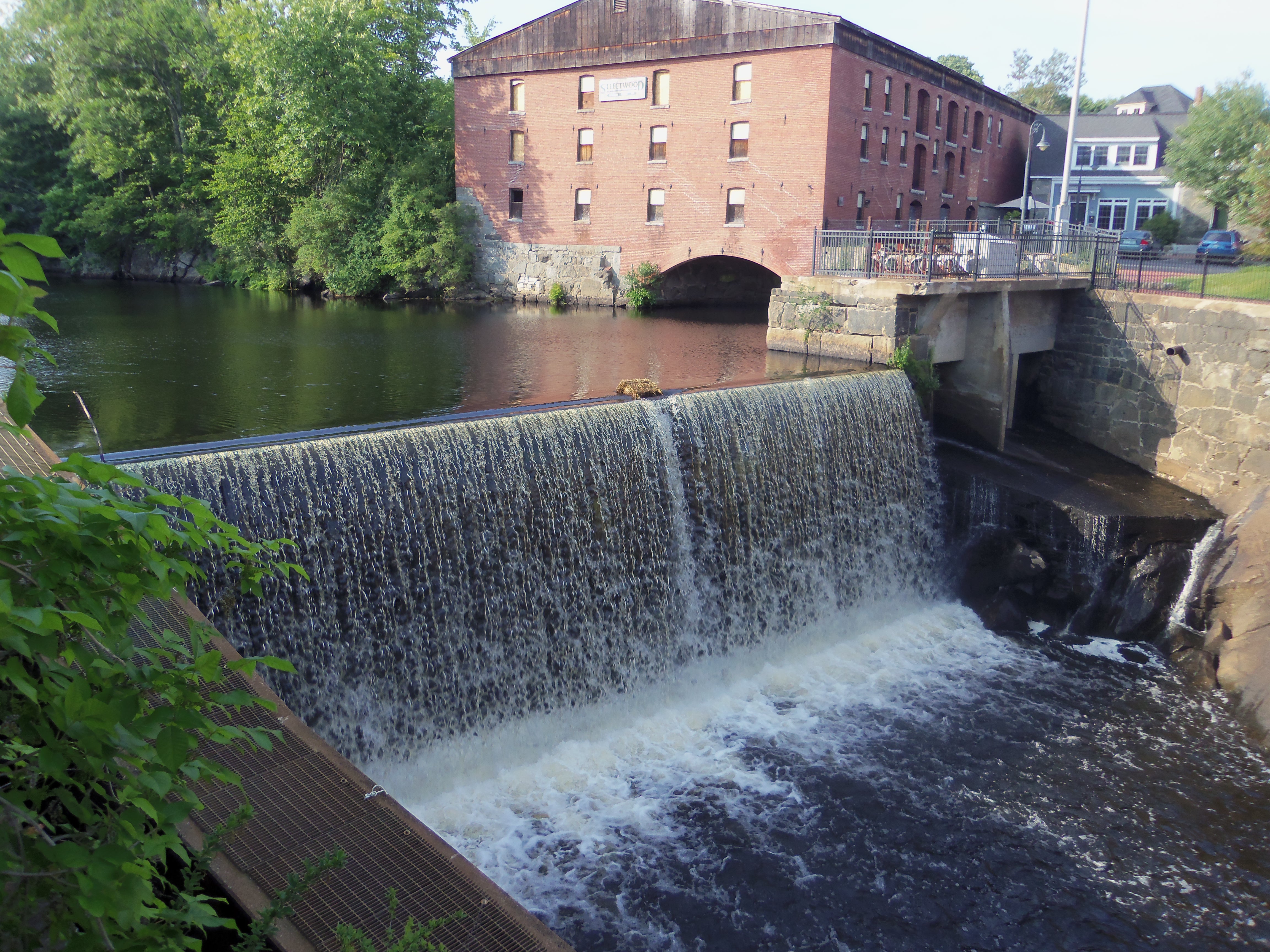
It’s life in the inner city, usually not far from downtown and often in an enclave near the river. High density population, at least compared to the suburbs, and filled with children. Usually blue-collar or poor or a mix of students added in, it’s noisy and lively, even colorful in its urban decay. You can walk to the store or corner bar.

We lived on the second floor and later, a street over, on the third.

That’s where these poems originate and resonate still.

Riverside 1~*~

For your own copy, click here.

WE’RE HAVING A SHARE IN THE CATCH

This summer we’re participating in a program that’s introducing us to varieties of fish caught off the New Hampshire coast. Once a week we trot down to the natural foods store in town to pick up our delivery – our location gives us a three-hour window – and we return with a pound of very fresh seafood. Every week it’s a different variety (11 are likely over the season), and we get an email earlier in the week notifying us what will be on the way, allowing the cook in the household to begin considering menu options. Or we can go to their website for links to suggested recipes.

It’s not cheap – you pay when you sign up, in our case for the 15-week program – about twice what we’d normally shell out for what’s featured at Market Basket, but there are other factors to weigh in. For one thing, living in the Seacoast Region of the state, we’re very aware of the plight of the once vital fishing industry across New England and the struggles to sustain both a way of life for families and communities and the fishing grounds themselves. While we’re not militant local-harvest activists (it just isn’t economically viable for our part of the world, not with its long winter), we are inclined toward small-scale economics wherever possible (just consider the banks, for starters). So we feel good about our token support for our neighbors. In a way, it’s like a farmers market, except that we’re committed to taking the week’s delivery, the way you are in a community-supported agriculture (CSA) setup.

That leads us to another consideration, the fact that the program itself arises in an attempt by the commercial fishermen sailing from Seabrook, Hampton, Rye Harbor, and Portsmouth Harbor to counter the negative impacts of a practice begun in 1976 that directly sold the local harvest in international auction. Rather than having their fishing practices driven by global market pressures, they wanted a more sustainable alternative,  a strategy to better manage marine resources and fish more selectively. In response, four years ago the harvest coop they organized was given an ownership right to collectively manage the federal groundfish fishery. In other words, there’s a strong environmental component here, including a more efficient use of high-cost fuel along the way. As they say, their fish catch hasn’t been sitting on the boat for a week – it comes to port the same day it was caught. Good for them!

Of course, all of that still needs to come together at the dinner table. This isn’t charity, after all, but a win-win deal we’re looking for. We can start with a sense of adventure as we explore previously unknown types of fish. (Acadian redfish, anyone? Or dabs? Or dayboat dogfish shark?) Let me rave about the monkfish on that front – as I ate, I kept thinking this could be lobster tail. So what else is swimming in the same water with me each summer? My curiosity is heightened. What they’re delivering isn’t everything in the local catch, but it is a way of supplementing their income and providing more balance in their cash flow.

We’ll admit this is our splurge, the way our weekly wine tastings were, back when I was duly employed, or the half-pig we ordered from a farm in Maine, two other examples that allowed us to learn more of the range in taste and satisfaction in our world. Admittedly, we couldn’t do the fishery program when the kids were still living in the house – they can be picky that way, with one easily upset by the mere whiff of fish cooking. Oh, my.

Initially, too, I thought a pound would be on the skimpy side when it comes to our dinner, but we’re finding the enhanced freshness in flavor satisfies in smaller portions – we can serve three and still have a bit left over. Actually, it’s about what we’d get in a restaurant while spending much more.

Reading the profiles of the participating fishermen on the website has me wondering how long I’ll go before making a list of their boats, just so I can identify them when they pass by in the water or tie up at dock. They seem like nice guys, too. Maybe we’ll wave. It does change my perspective, doesn’t it.

Now I’m wondering about similar alternatives being developed around the world. Pipe up, if you wish, along with your own growing awareness.

~*~

New Hampshire Community Seafood is a cooperative of fishermen and consumers that has 18 pickup locations with deliveries spaced from Tuesday through Saturday.

RENOVATING A PERENNIAL BED

Gardeners in New England – especially in its northern realms of Maine, New Hampshire, and Vermont – soon discover the month of May can be a frantic stretch. (Or, for those of us with short memories, the word should be rediscover. I keep hoping for something more orderly than what feels dropped upon us each year.) For much of April, even apart from the threat of killer-frost nights or piles of lingering snow, the ground can be too cold or too wet for planting, and that’s if rain’s not falling. With our clay-based soil, I’ve learned not to turn it when wet, lest it form brick-like clumps. For that matter, in a typical year our large compost bin can still be frozen at heart, posing another obstacle to preparing the garden beds themselves.

When it comes to these projects, I often find myself in a bind. We simply don’t have enough room to “park” something while waiting for something else to open up or be moved to another spot. Compost is a case in point, though hardly the only one.

So when May hits, we’re rushing to get as much in the ground as soon as possible to maximize a relatively short growing season and, frankly, to try to beat the weeds to a solid start.

And that’s where we are at the moment.

I feel pretty good about a lot of the pace. Two of our raised beds have received new wooden frames, the compost bin’s been emptied and refilled with a new round of leaves and garbage, black plastic and a soaker hose are in place on what will be this year’s nightshade bed (tomatoes and peppers), the pea frames are up as are the seedlings below them, the bean tripods are in place … and we’re dining on what I think’s the best asparagus ever.

Let me add that my wife’s scheduling here means a few other outdoor projects I thought I’d be addressing are put off for a few weeks, and that’s frustrating. I hope they don’t get pushed back for months, because, well, that would affect other projects in the pipeline – and that touches on yet another issue she raised today. What if we just moved to a condo with a deck and a small garden bed about the size of our dining room table?

I could see that if we did square-foot gardening as intensely as we once envisioned, we might raise enough to keep us smiling at dinner. But my beloved asparagus bed’s larger than that. Ahem.

~*~

So we finished our first round of morning coffee and headed outside for the day’s task, the fourth of the raised beds in what we call the Kitchen Garden, the one on the far side of the driveway. The one we’re tackling is a perennial bed of bee balm (which attracts hummingbirds as well as bees), sorrel (which makes for an excellent sauce on fish), and chives, all of which we’d hoped to salvage. Unfortunately, a bout of lemon balm’s gone invasive, along with grass, plus our ubiquitous ground ivy, dandelions, vetch, and several familiar weeds I have yet to identify.

In short, this has meant uprooting most of the bed, attempting to save what we could, including some hyacinth bulbs, and admitting we’d have to start from scratch with much of the rest, including new bee balm.

So here we are, ripping out, grubbing, turning, cursing, adding compost, wondering how this got away from us, anticipating, what?

I have to admit I’m not the gardener, the one who plans the arrangement using page after page of grid paper or reads up on the options or orders the seeds or starts the flats indoors under the grow lights I set up or waters them daily while envisioning the results or anticipates the way they’ll wind up in tasty dishes or fill the freezer for dinners next winter. (I admire the one who does all this, in more ways than one. After all, I married her.) At the moment, though, I’m more concerned with what goes into the wheelbarrow, shovel by shovel or handful by handful, and where it goes from there.

And then, there will be one more thing checked off my to-do list … while adding to hers.