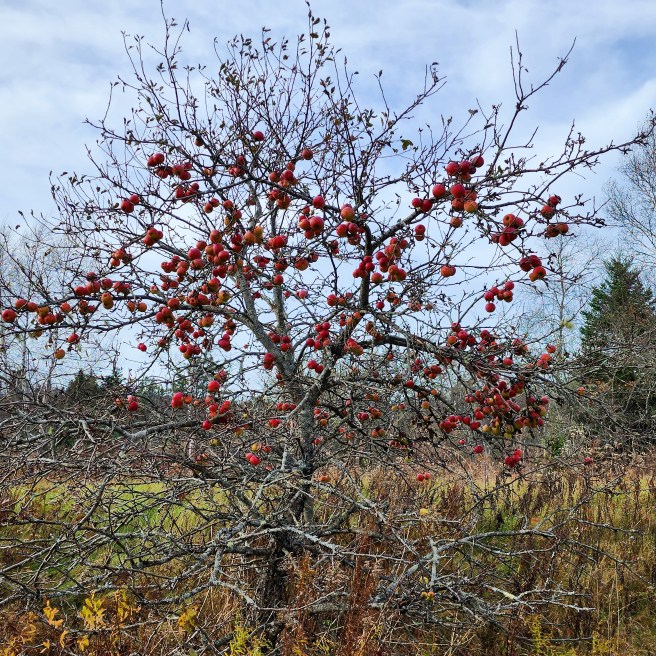

The trees are found everywhere around here. As are the deer that eat all the fruit they can reach.
You never know what we'll churn up in cleaning a stall
The trees are found everywhere around here. As are the deer that eat all the fruit they can reach.
The label does have a range of applications, from residents of the six-state New England region or Connecticut in particular to a Manhattan professional baseball team to anyone north of Dixie (often prefaced with “damn”) to anyone from the USA who lands in a foreign country.
Along with the shortened “Yank.” Or its many uses as an adjective.
The word’s origins, though, are contested.
None of these quite convince me, but I feel Scottish, Swedish, and even Persian roots are even less likely.
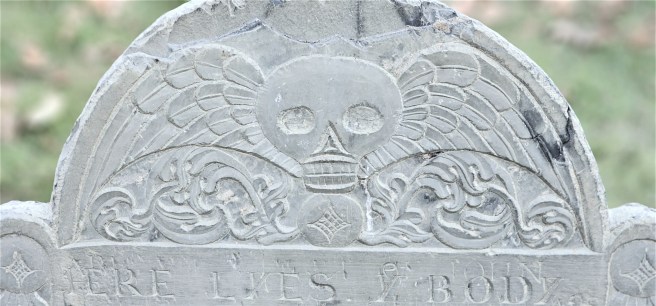
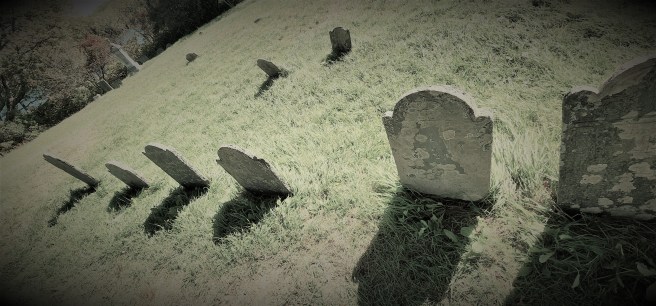
One of the first things the Puritan authorities examined for after arresting women preaching the Quaker message in America was physical proof of their being witches.
I have no idea about the specifics – and am not sure I want to know. Still, their obsession with the naked bodies strikes me as creepy, even pornographic.
After publishing my book Quaking Dover, the thought struck me that the Puritans must have seen Quaker worship as some kind of séance. Not that we were trying to communicate with the dead, but rather be open to the presence of the Holy Spirit, or Christ.
Of course, that Holy Spirit was translated at the time as Holy Ghost. Yipes! Sounds like Halloween, no?
From my perspective, Ghost is way too limiting for that Spirit, especially when Christ is seen along the lines of Logos in Greek philosophy.
It’s far more revolutionary and liberating than you’d think. One way builds religion as a kind of legal system with punishments and rewards. The other builds it as a set of relationships.
Now, to stock up for those little trick-or-treaters who will be knocking on our door. I promise not to put religious tracts in their bags, tempting as the opportunity might be.

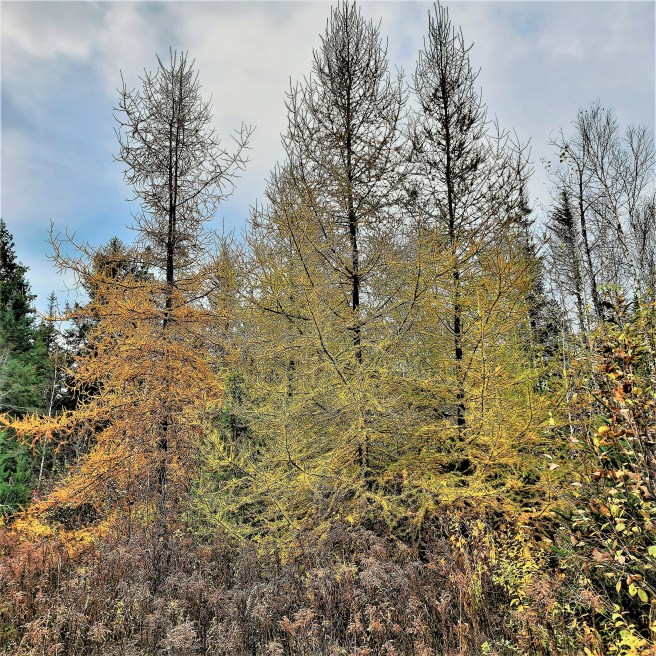
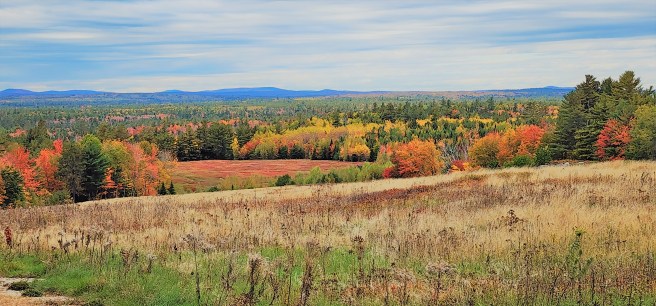
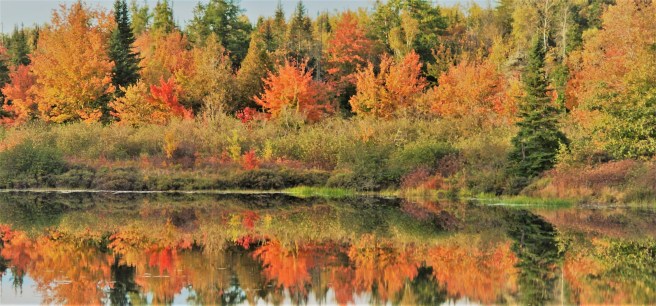
A boreal larch tree, also known as hackmatack, is a member of the pine family, it is one conifer that changes color every fall and loses its needles. The species grows in wet soil and withstands extremely low temperatures, reasons it’s found widely around here.

Its bright yellow autumn color is shared with birches, also found widely hereabouts.
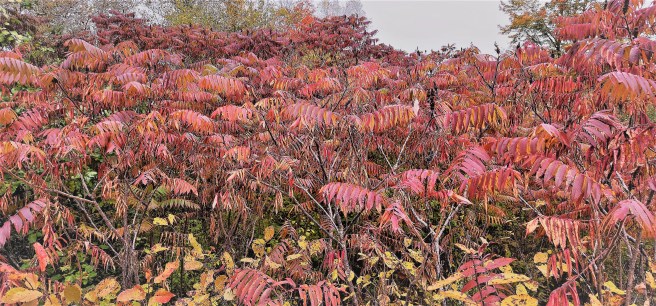
And let’s not overlook the red punch of sumac.
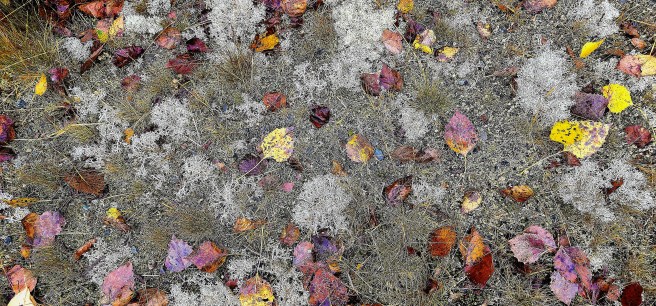
All too soon, it’s over.
Through much of the colonial era, Salem was one of America’s ten biggest cities. In addition, it was closer than Boston to Dover, and like Dover it was settled by West Country English fishermen before the Puritan migration flooded into New England.
Salem’s first Quakers suffered some of the most intense persecution for their faith found anywhere, and they were instrumental in bringing that faith to Dover.
What I didn’t realize was that Salem was long the only Quaker Meeting in the Massachusetts Bay colony. The other early Meetings in today’s Massachusetts were actually in the Plymouth colony.
Details on Salem Meeting’s existence were scarce until I was pointed to Carla Gardina Pestana’s Quakers and Baptists in Colonial Massachusetts.
Her study breaks off before the Salem Meeting shifts to Lynn, where it was once the largest or second largest Friends congregation in New England. And then that, too, faded from sight early in the 20th century.
Pestana’s sensitive telling of Friends through the period includes her sense of Quakers as family oriented, communal, even what she calls tribal. I would still like to see the story of what happened to Salem Friends in the industrial era, but she provided consolation for my own conclusions in Quaking Dover.
As for Salem, its unique Peabody-Essex Museum ranks in many categories in the top ten art institutions in America. It’s definitely one of our favorite destinations. Its grounds even include a reproduction of Salem’s first Quaker meetinghouse, built about the same time as Dover’s.
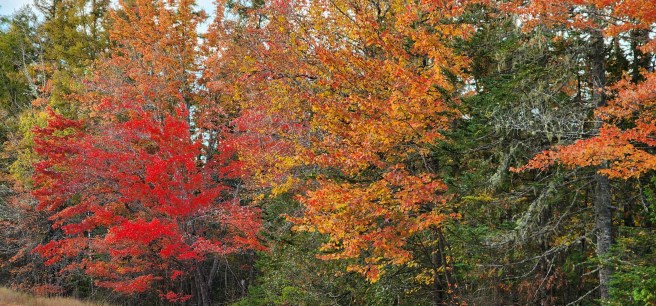
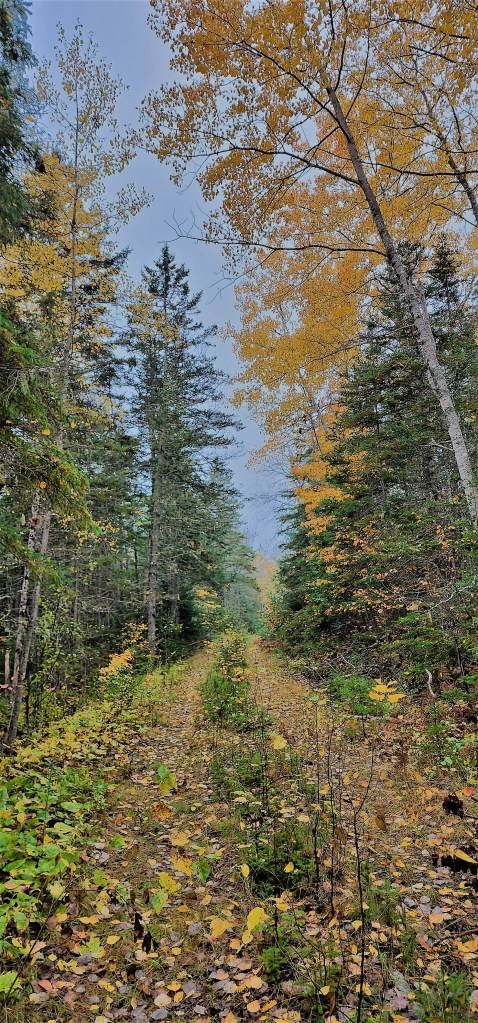
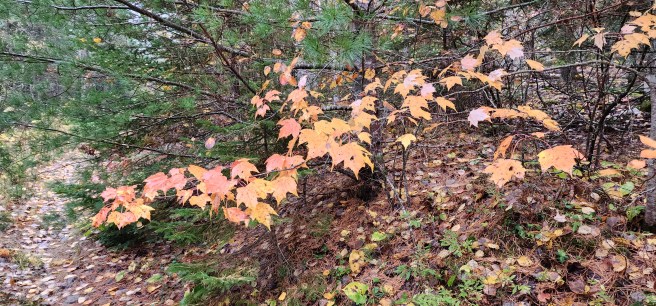
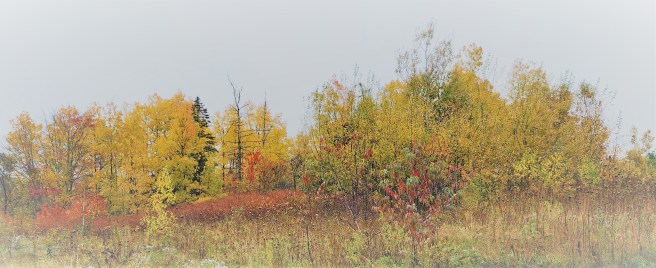

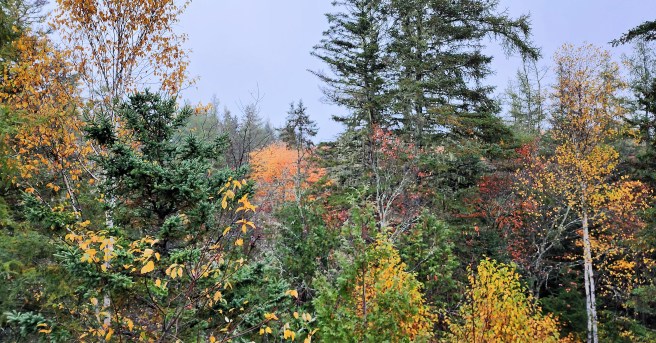
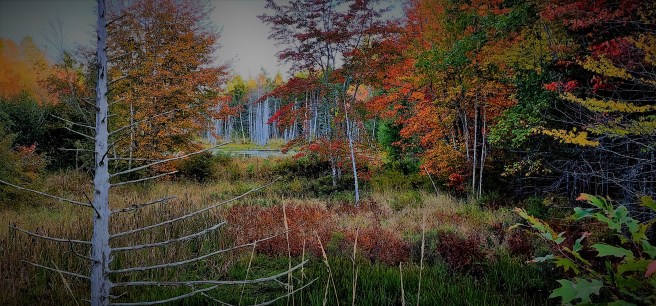
The color comes on in waves.
Other than the broken wedding engagement, I’ve seen no hints at Thomas Morton’s sexual orientation, as if such distinctions were even worthy of notice back then in colonial New England. But, as far as I’ve found, he never did wed.
Beyond that, I’m left feeling the Puritans were afraid the Quakers would lead to something similar to Morton’s scandalous presence a few decades earlier.
His Merrymount settlement was, I’m convinced, a significant moment in early New England history that few people know about, one sharply at odds with the resulting Puritan image. It was, you know, a kind of hippie commune with friendly relationships with the Natives. Not that Friends would have engaged in dancing, much less doffing their clothes, around a maypole. As well as perhaps many of the other things that cause a lot of people to congregate on Salem, Massachusetts, this time of the year.
Let’s just say it heightened the tensions.
If you don’t know about Merrymount, my book Quaking Dover offers an introduction.



Dover: where New Hampshire started. Leading to the second-oldest state in New England.
And then? Dover was already 200 years old when the textile mills took over the town.
Note, too, that Dover’s mills predate the more celebrated ones at Lowell, Lawrence, and Manchester on the Merrimac River.
It was hardly a fringe settlement in terms of action.
 Jnana's Red Barn